What the Weather Here Does to It
Newark sits in a cold, severe climate band, and that matters more for a garage door than most people think
Steel panels contract in deep cold and expand again once temperatures swing back up, and that cycle repeats all winter. On a door that's been doing this for decades, the seams at the panel joints start to separate, the weatherstripping along the bottom hardens and cracks, and the track can shift just enough to throw the rollers off true.
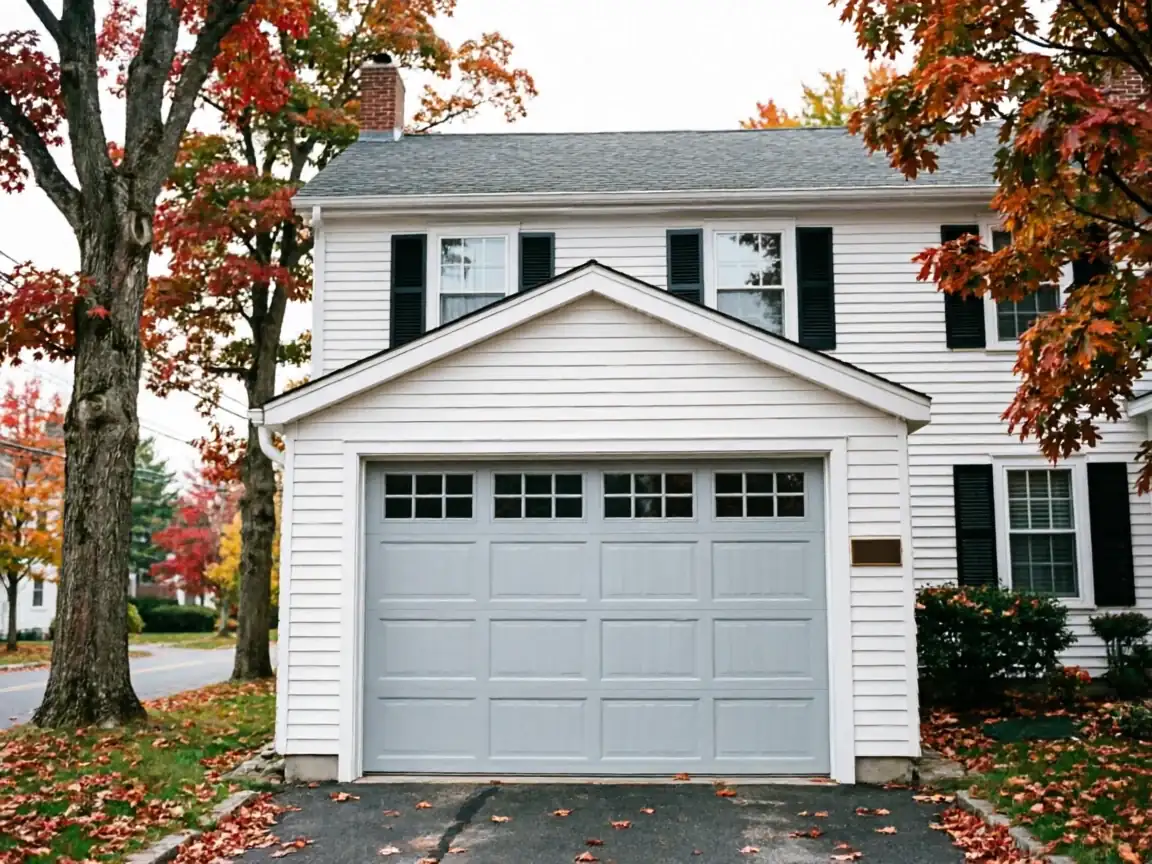
Most houses in Newark were built between 1938 and 1996, with the median landing around 1958
A door installed when a house that age was built, or even one replaced twenty years ago, has already absorbed a lot of these freeze-thaw cycles. The hardware on those older systems - side-mounted torsion springs, in particular - wasn't engineered with today's insulation standards or today's steel gauges in mind, so it works harder in cold weather than a modern system does.
The honest part: insulation retrofits on an old door shell rarely fix the underlying issue
If the panel is already bowed or the seams have opened up, adding foam board to the inside doesn't stop the cold from finding its way through the gaps. At that point you're not maintaining the door, you're delaying a replacement.
Checking It Yourself
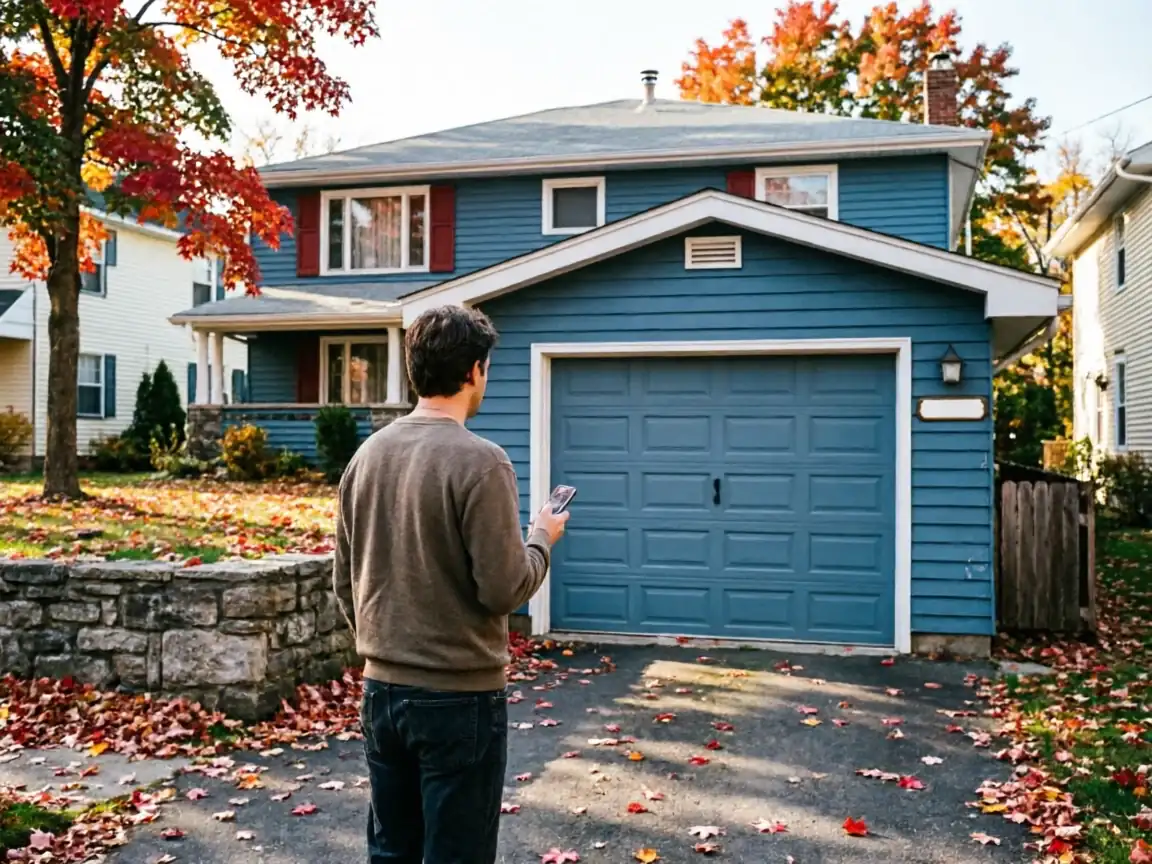
Start with the panels. On a door old enough to match Newark's housing median of 1958, look along the horizontal seams for separation or rust bleeding through the paint - that's the freeze-thaw cycle doing its work. Push on the bottom panel from outside; if it flexes more than it should, water has likely gotten into the steel skin.
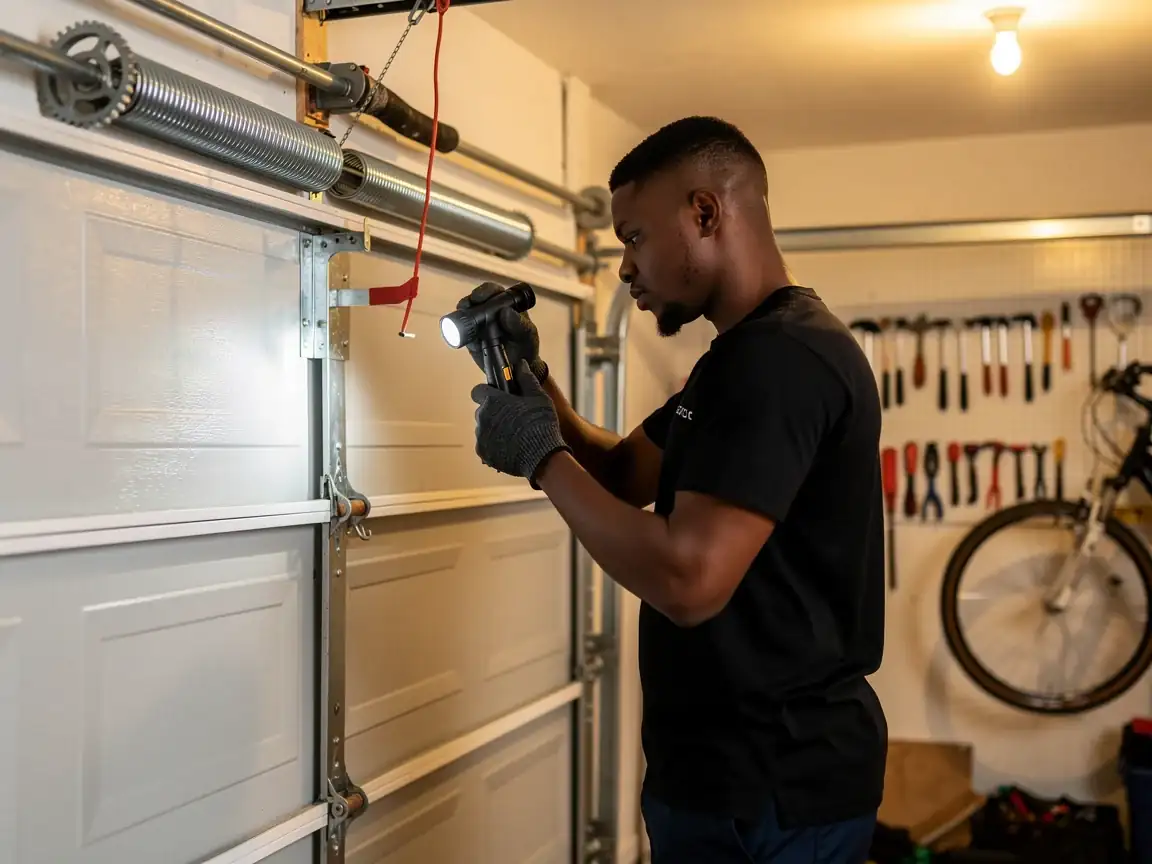
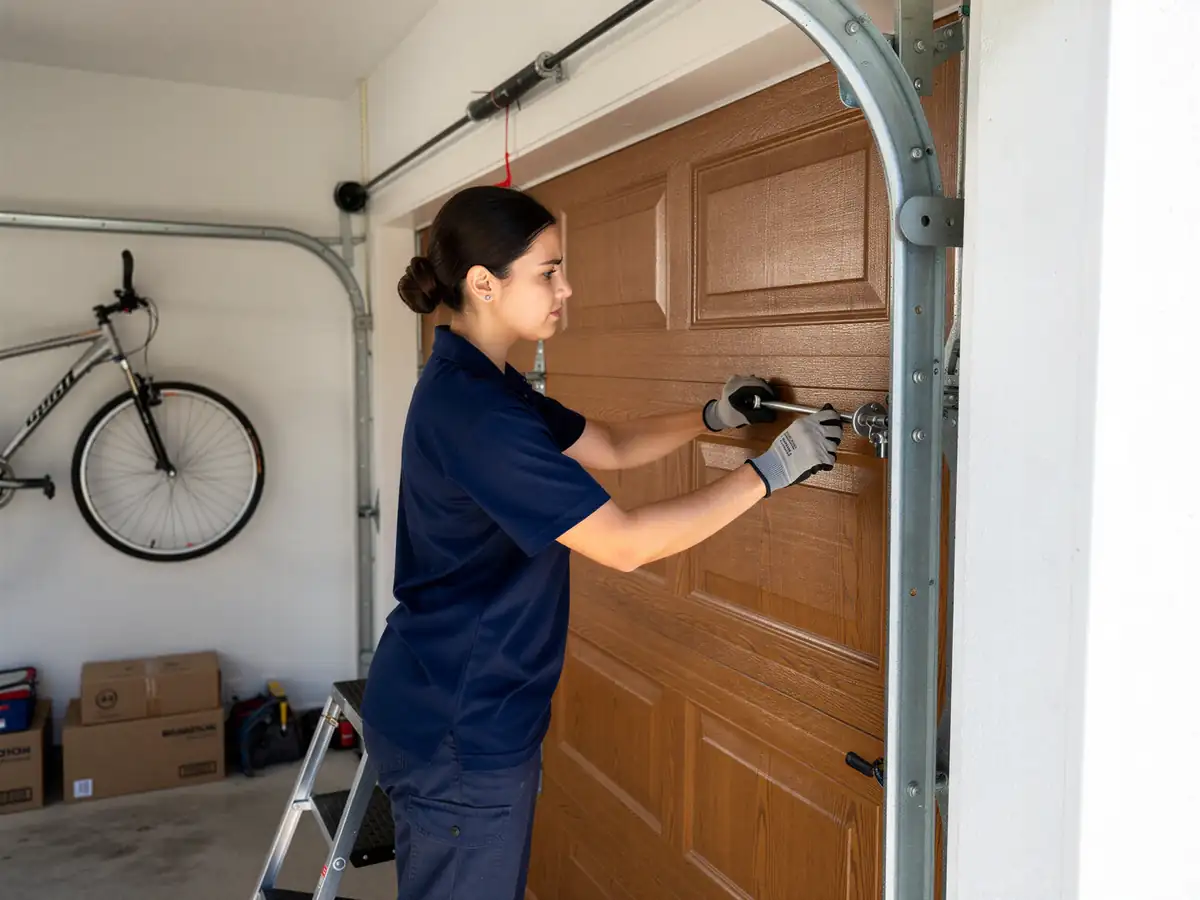
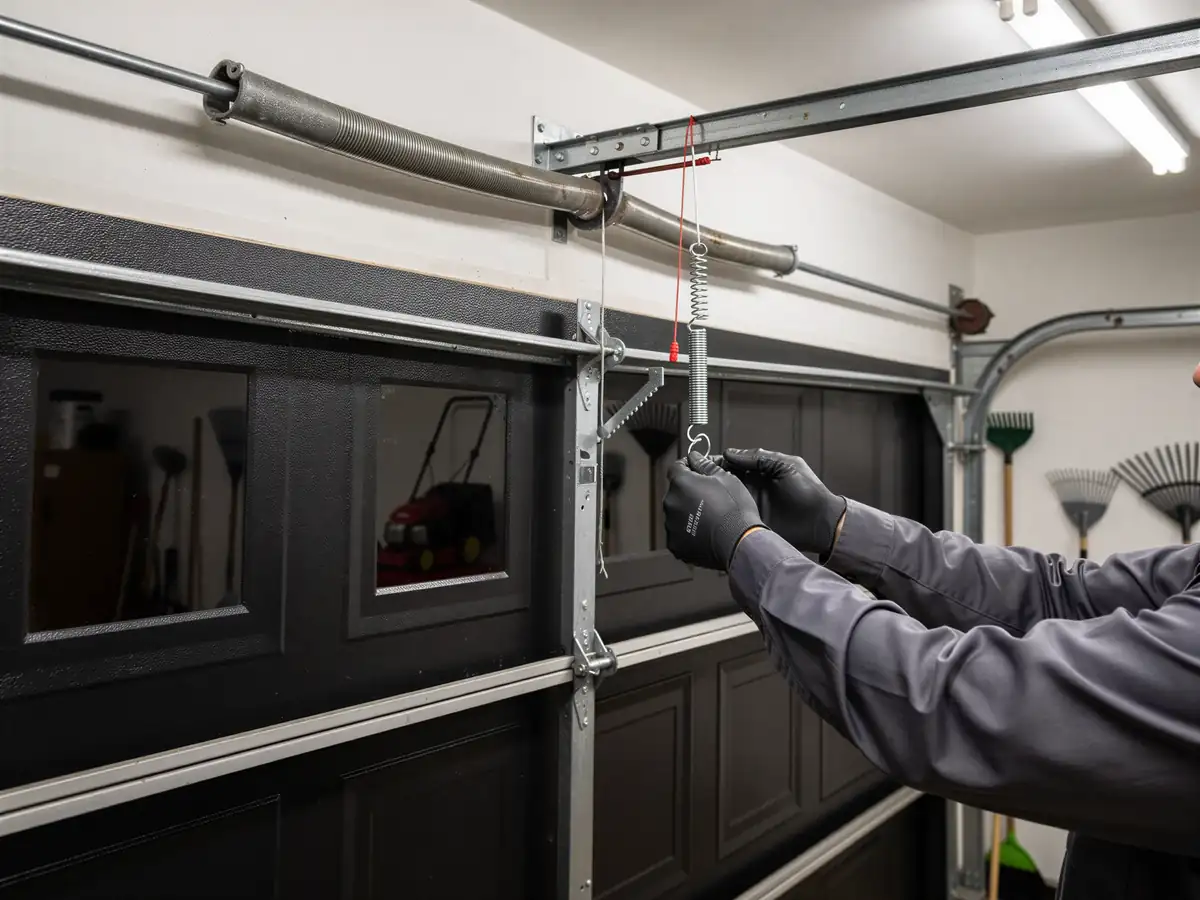
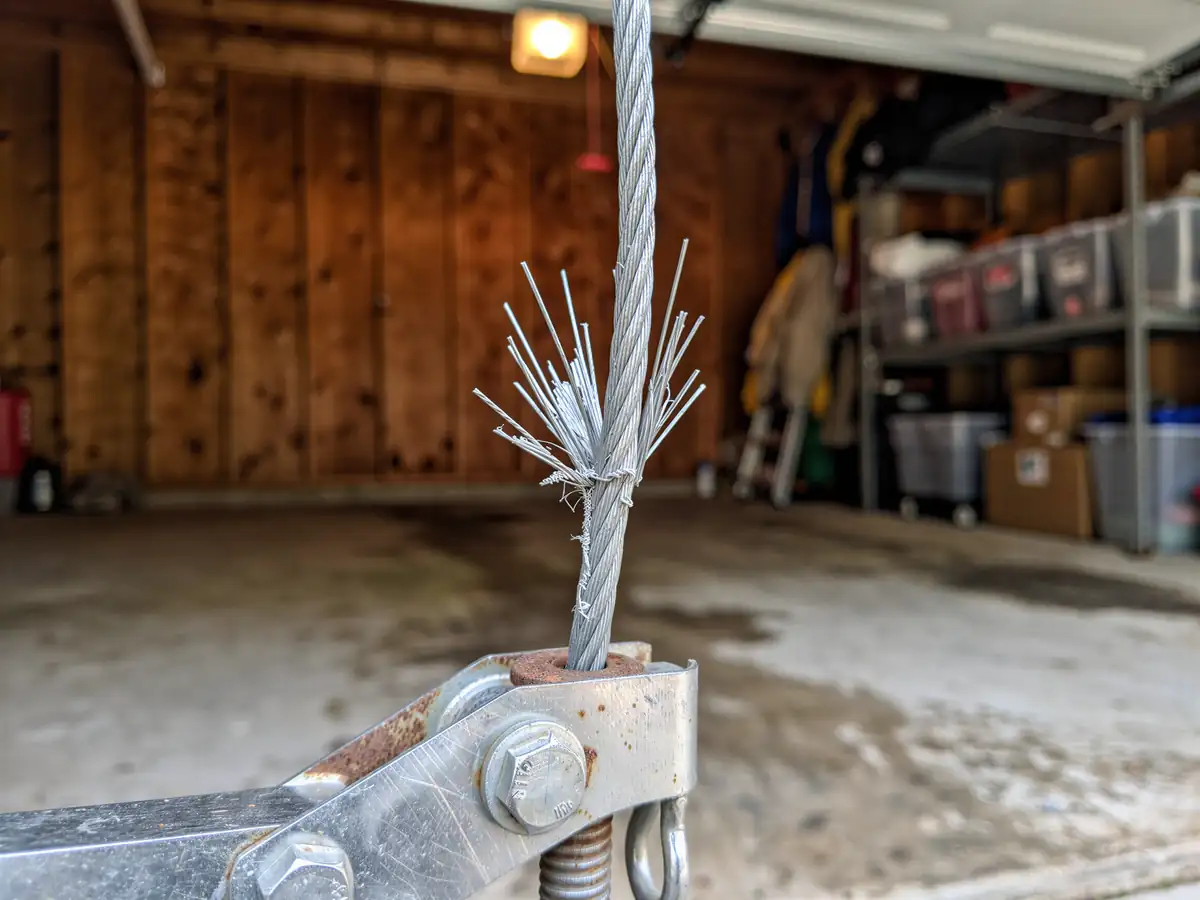
Next, the springs. Torsion springs on older Newark homes are often side-mounted rather than the center-mounted setup you see on newer builds, and side-mounted systems age differently - check for gaps in the coil or visible rust at the winding cones. Don't try to adjust spring tension yourself; that's the one job on this list that sends people to the ER.
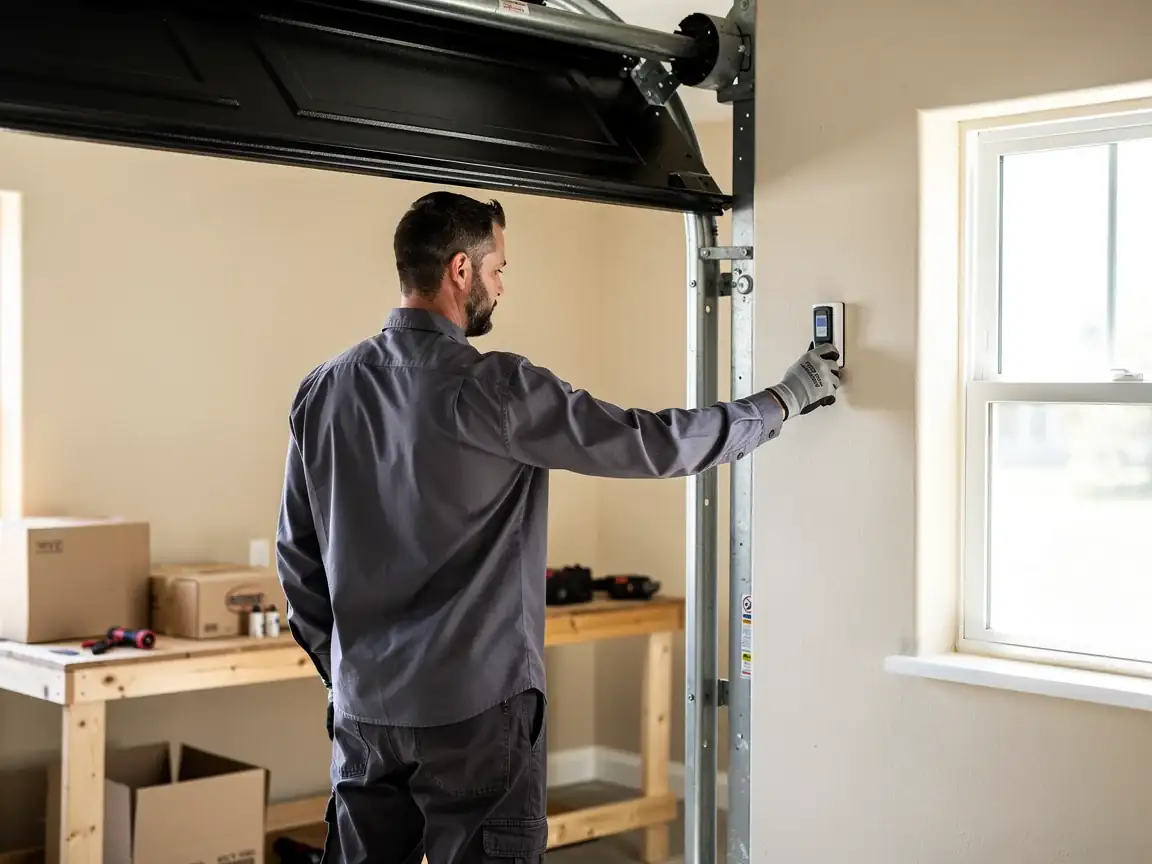
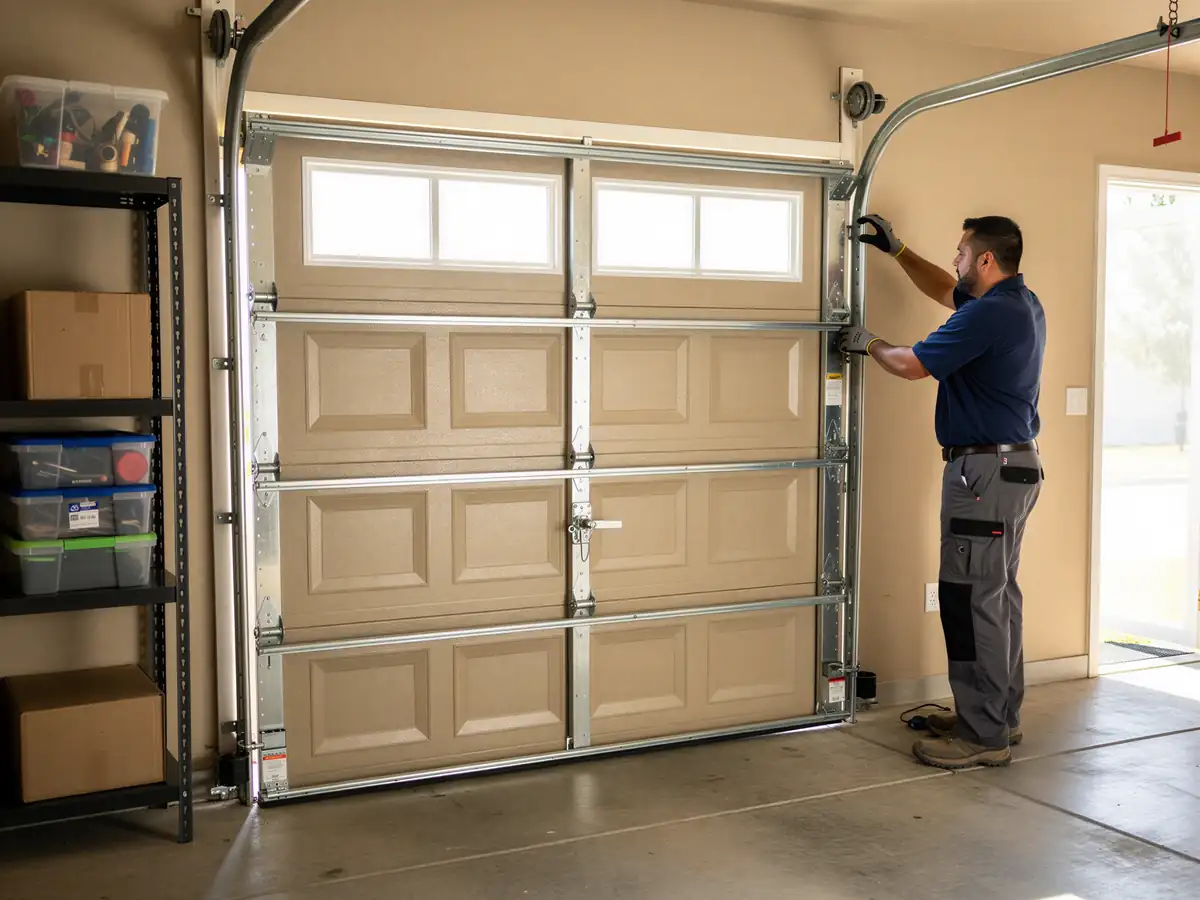
Check the track alignment by eye, standing a few feet back from the door with it halfway open. A track that's pulled away from the wall even slightly is a sign the door has been fighting itself for a while, which is common in a city where so much of the housing stock - across 156 named areas - predates modern garage door standards.
Last, listen. A door that grinds, pops, or hesitates partway through its cycle is telling you something specific, even if you can't diagnose it from the sound alone. Write down when it happens and under what conditions; that detail is useful.
The Seasonal Bit
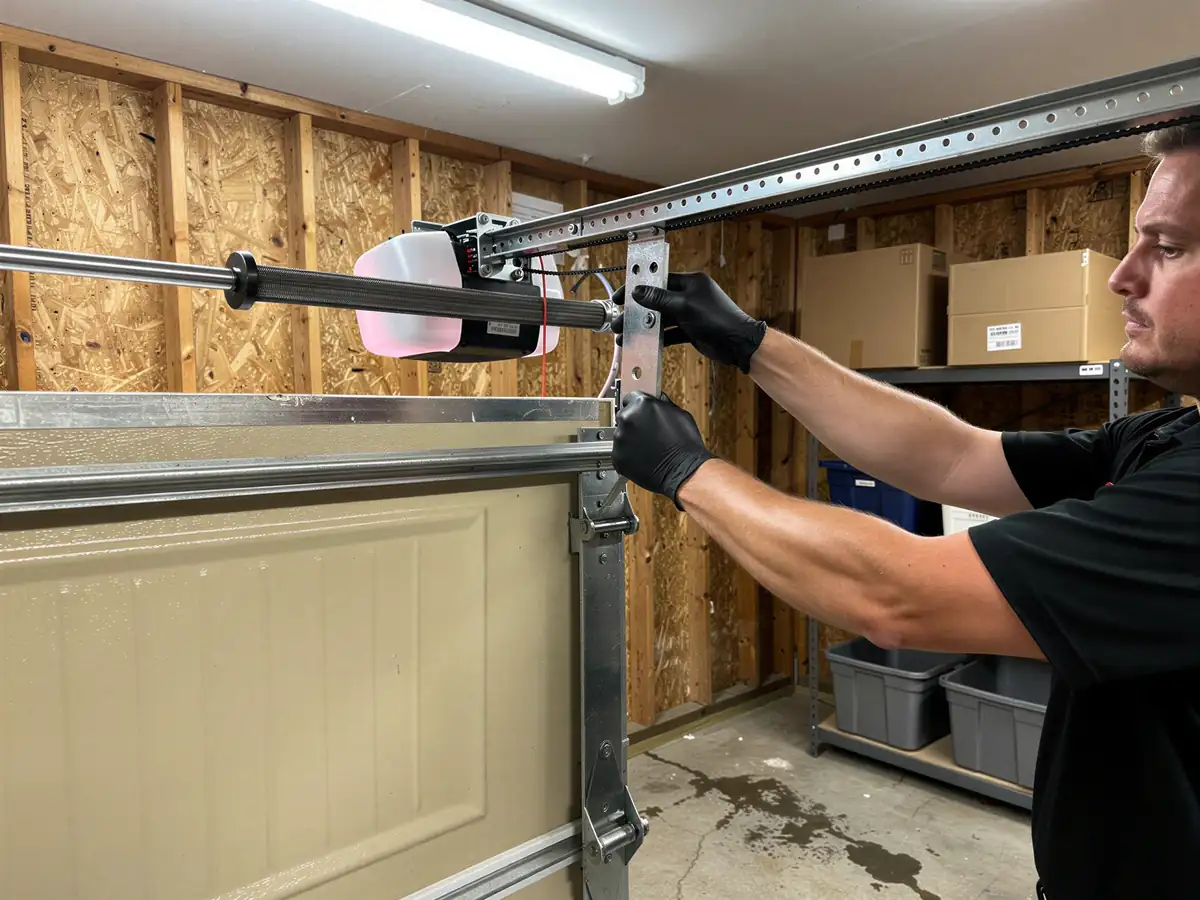
Cold snaps are when a marginal garage door stops being marginal. In Newark's severe cold climate band, the first hard freeze of the season is usually when owners call about a door that worked fine in October and won't budge in December. The grease in an old opener's gear housing stiffens, torsion springs lose a bit of tension as the steel contracts, and a track that was slightly out of alignment in warmer months binds up entirely once the metal shrinks.
Spring brings the opposite problem. As the ground thaws, older slab foundations and driveways - common in housing built in the 1938 to 1996 range that makes up most of this city - can shift just enough to throw off the floor seal and the bottom track's level. That's usually when owners notice daylight under the door for the first time.
There's no way around this with a quick fix. A door built or last serviced decades ago is going to feel every one of these swings more than a newer system would. The honest advice is to do your panel and track check right before the first freeze and again once the thaw sets in, rather than waiting for a cold morning when the door won't move at all.
The Problem
Here's the part nobody likes hearing
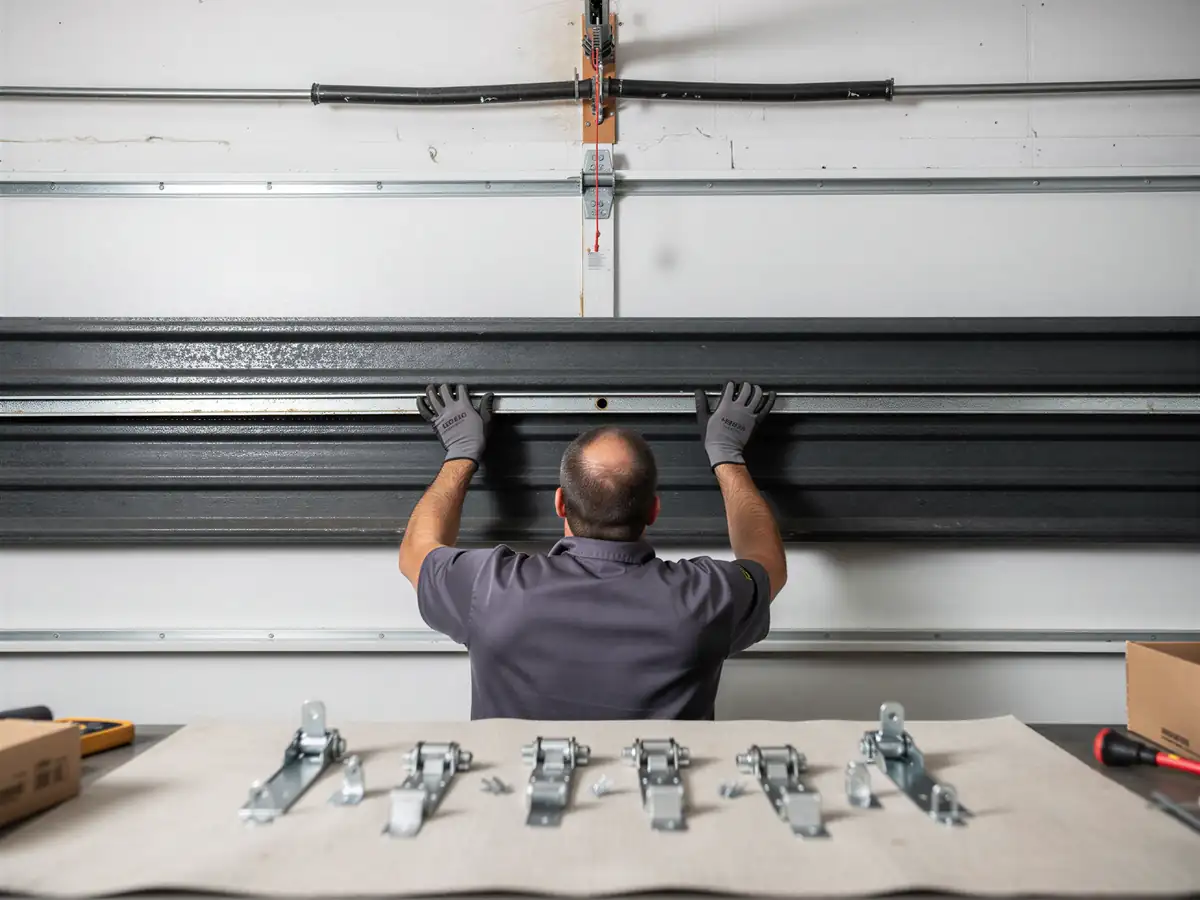
On a lot of Newark's older housing stock, repair isn't always the cheaper option in the long run. A door built when the median home here went up - around 1958 - was made with hardware and steel gauges that don't match what's sold today. Finding an exact replacement panel for a door that old can mean a long wait, if it's possible at all, and a mismatched panel looks worse than the dent it replaced.
With median household income in the service area at $120,958
A lot of owners are in a position to weigh replacement against patch repairs honestly, rather than defaulting to whichever is cheaper this month. If your door is already showing seam separation, a bowed panel, and spring wear all at once, patching one of those problems just means the next one shows up within a season.
We don't push replacement on a door that still has life in it
A tuned spring and a realigned track can carry an old door for years. But once two or more of these failures show up together on a house from this era, buying a replacement door here usually costs less over five years than chasing repairs on a shell that's fighting its own age.