The Symptom
The door sticks halfway up, or it opens fine but closes with a jolt
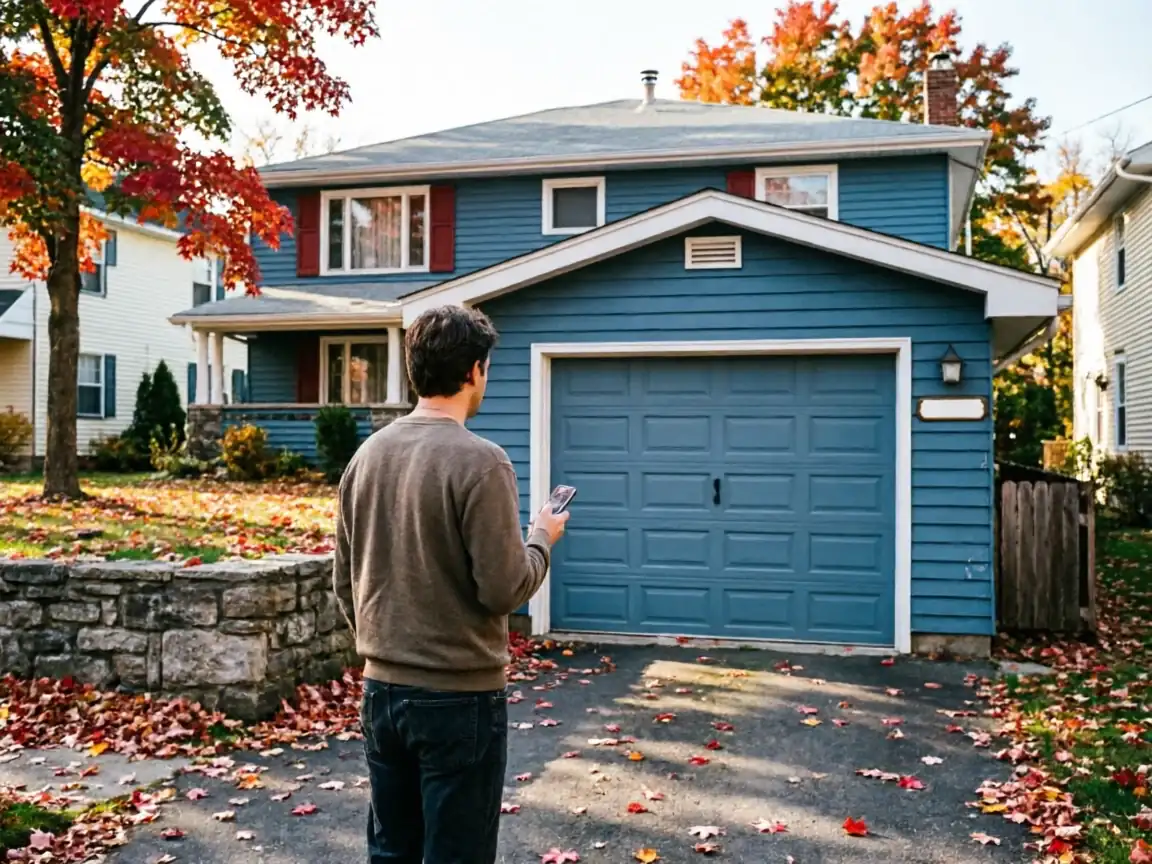
Sometimes it's a grinding sound from the tracks, sometimes a bang like a gunshot that turns out to be a snapped torsion spring. In Newark, we hear the same handful of symptoms over and over: doors that reverse for no reason, openers that run but the door doesn't move, and rollers that have worn down to bare metal and started chewing up the track. Most calls start with "it worked yesterday."
The reason these symptoms cluster the way they do isn't random
Newark's housing stock runs mostly 1938 to 1996, with a median build year around 1958. A garage built in that window has had six, seven, sometimes eight decades of hardware cycles - springs, cables, rollers, and in a lot of cases the original track. None of that is built to last forever, and nobody swaps it out until something breaks loudly enough to notice.
If your door just stopped responding to the opener at all, check the obvious first
Is the opener plugged in, did a breaker trip, is the remote battery dead. If none of that explains it, the fault is almost always mechanical, not electrical - and that's a different kind of call.
How We Fix It
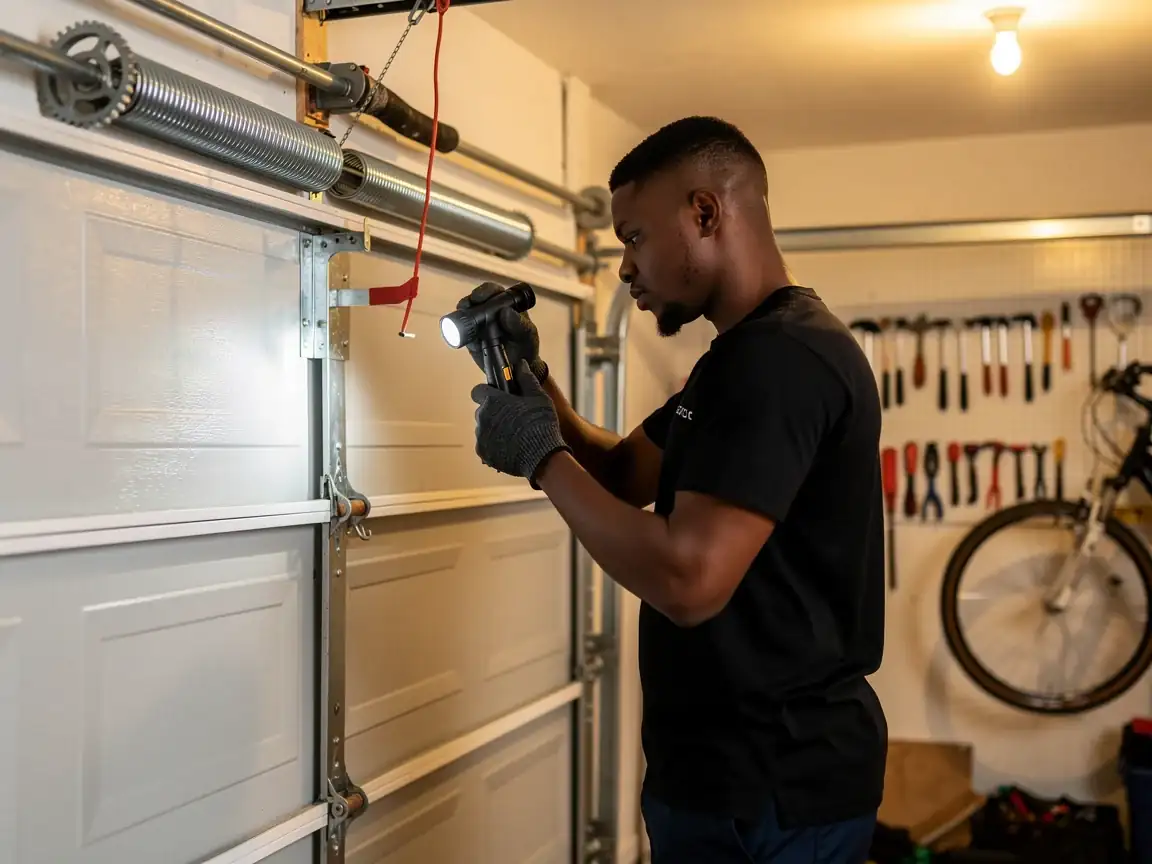
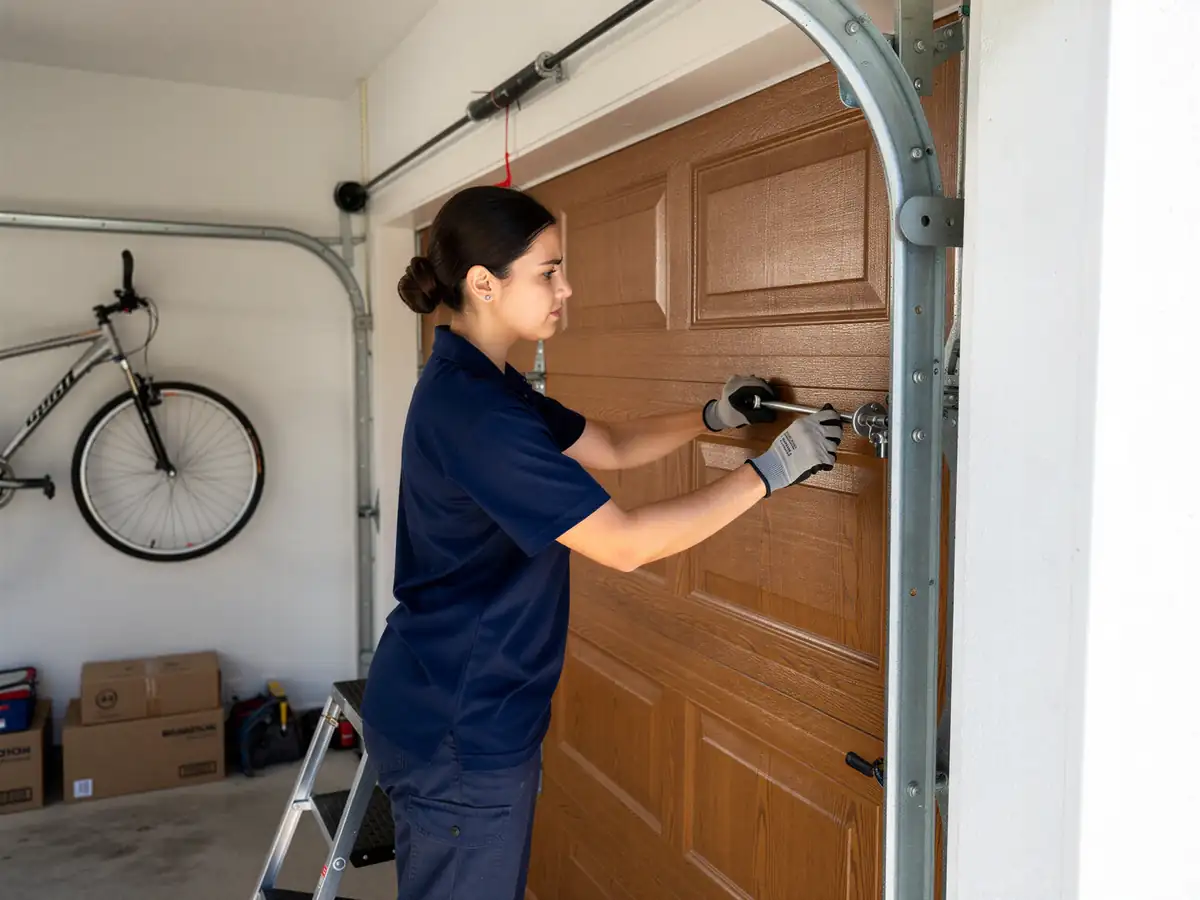
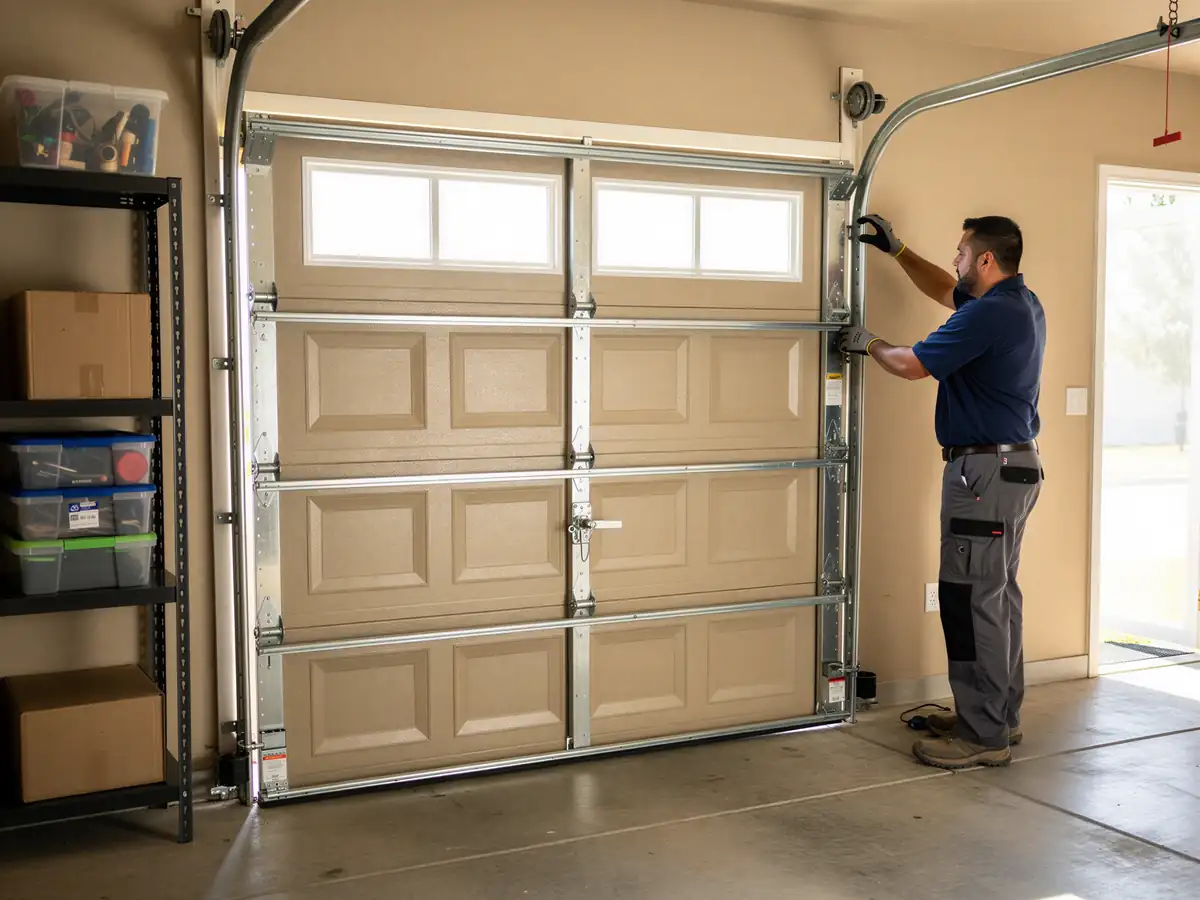
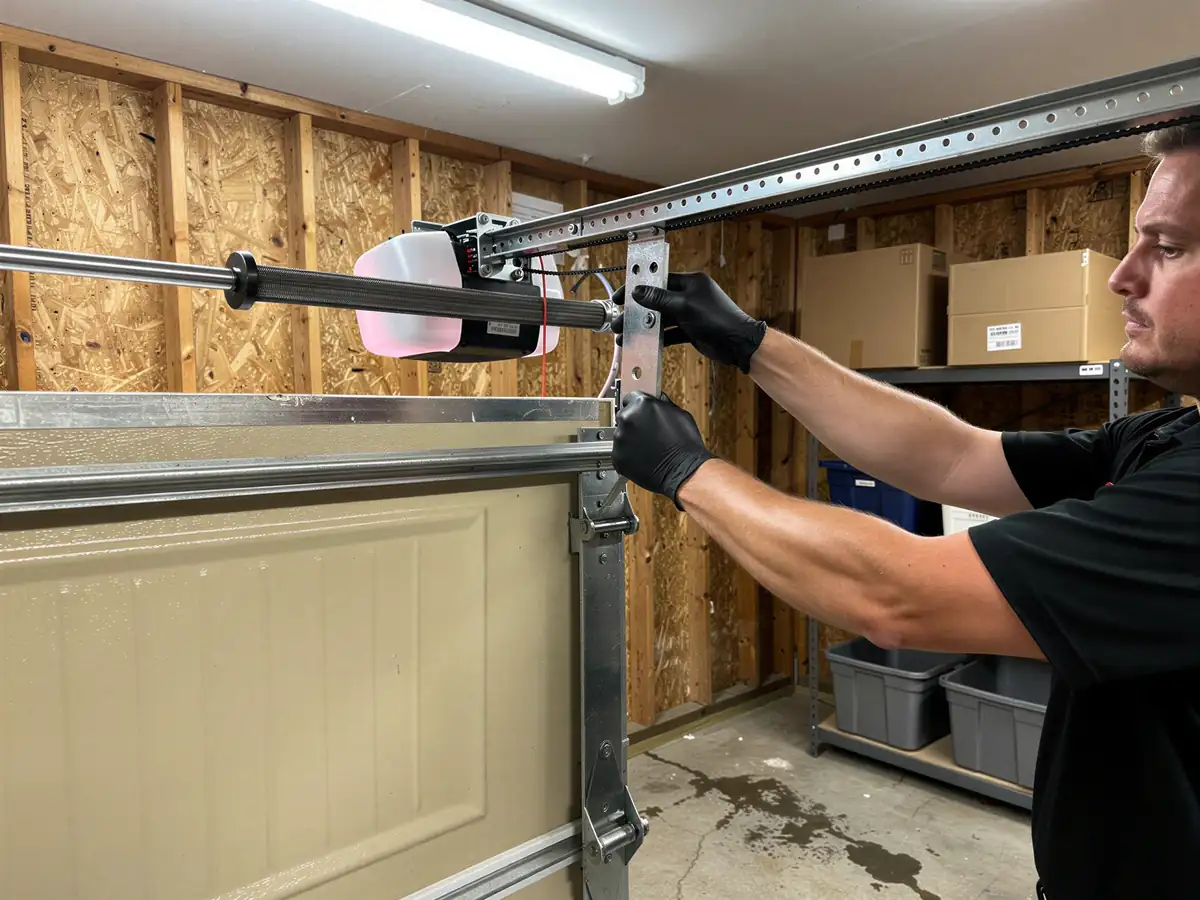
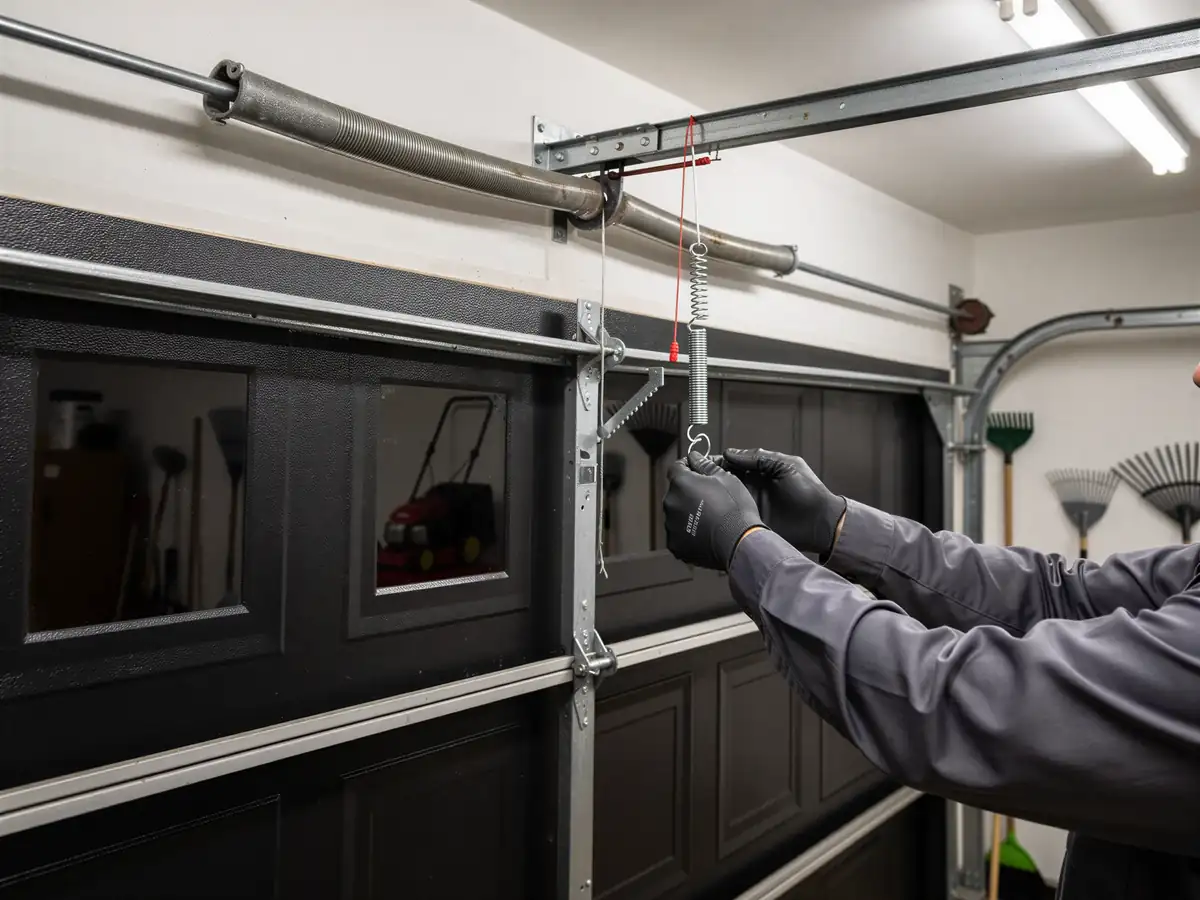
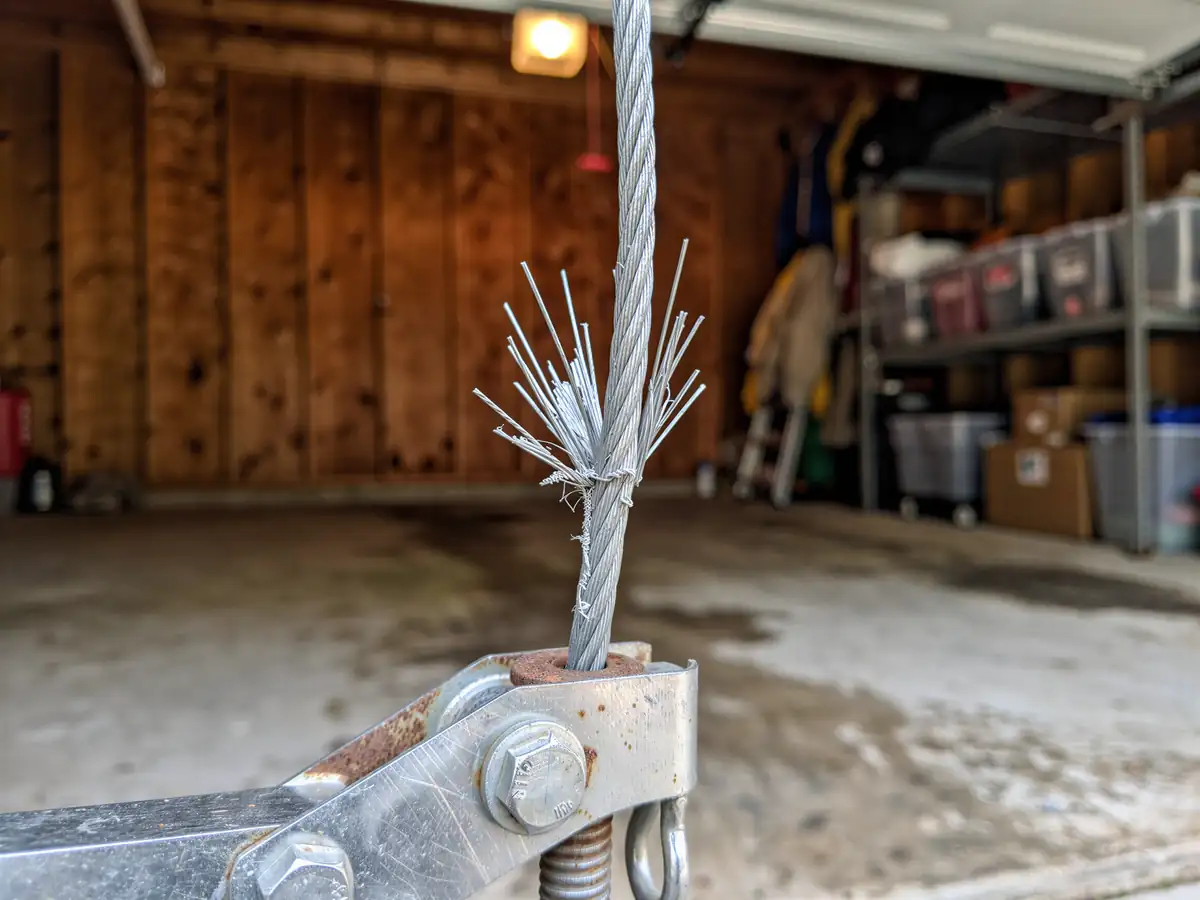
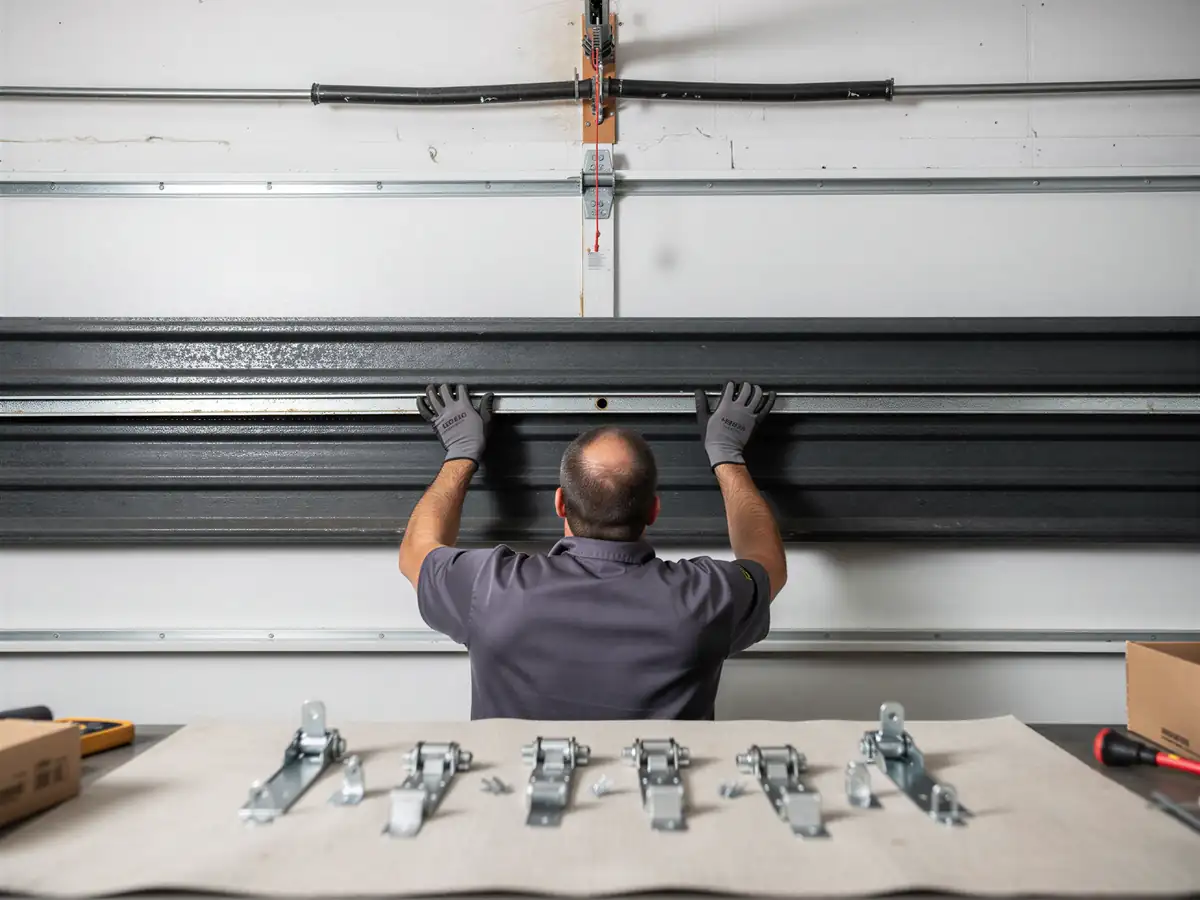
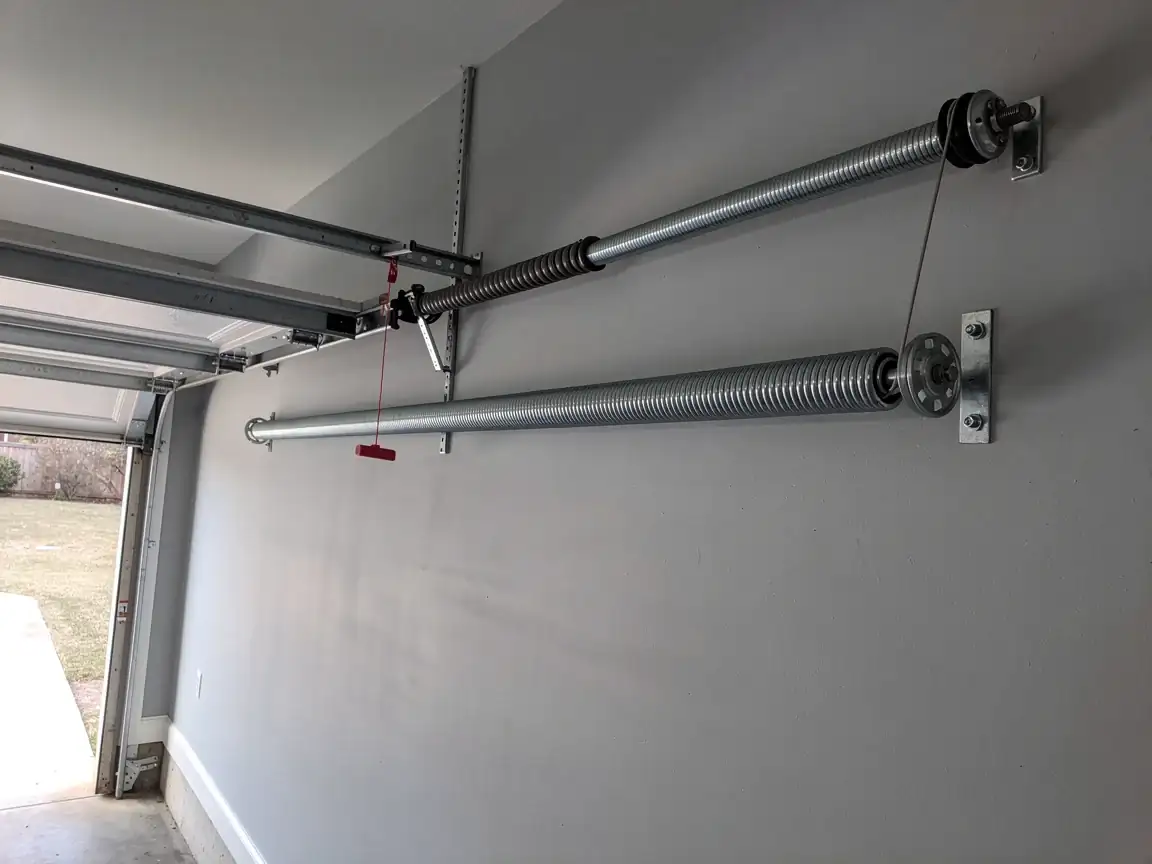
We start by watching the door move, not by guessing. A torsion spring that's lost tension looks different from a cable that's frayed off the drum, and both look different from a track that's bent from a car bump. We check the springs under load, inspect the cables and drums, and run the door by hand with the opener disconnected to see where the resistance actually is.
Most jobs on Newark's older housing stock come down to one of three things: the torsion spring has fatigued past its cycle count, the rollers have worn out of round, or the track brackets have loosened from decades of thermal expansion and contraction. We replace what's actually failed rather than swapping the whole system - a bent section of track doesn't always mean a new track, and a noisy roller doesn't always mean new hardware all around.
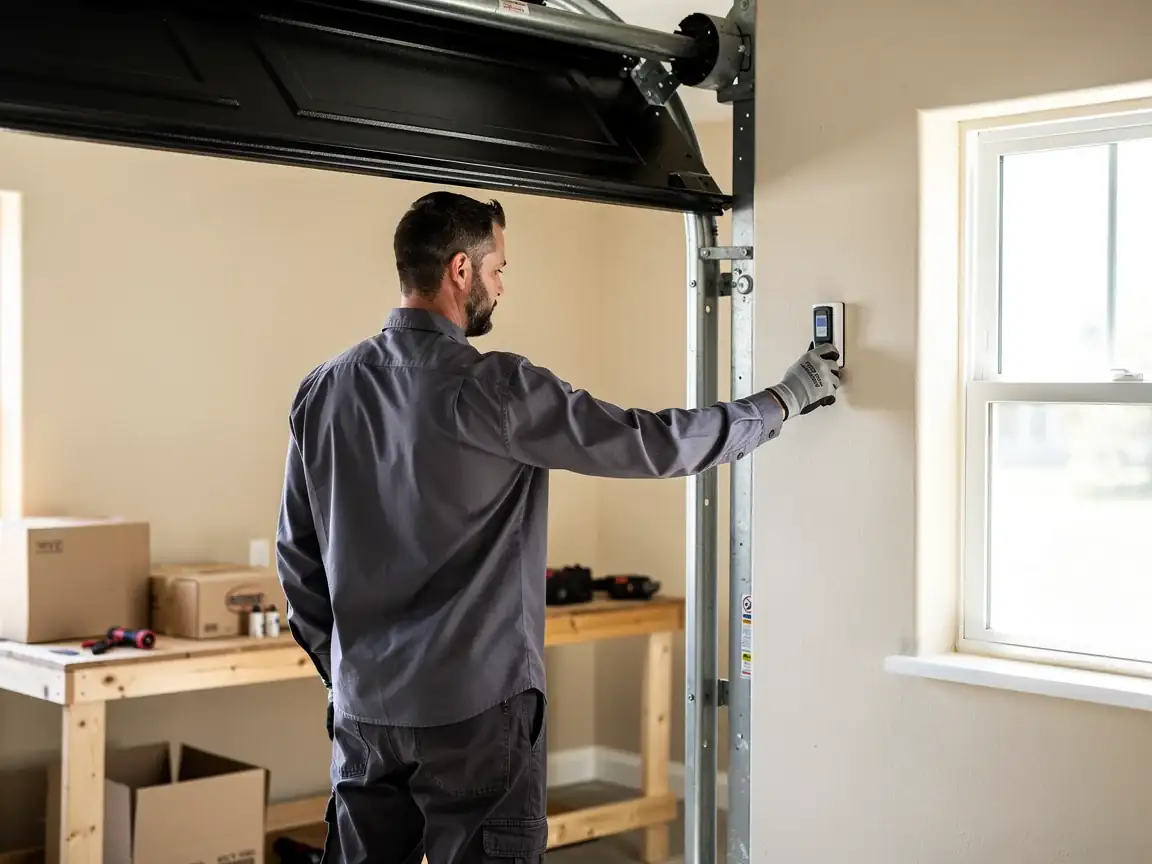
Where the opener itself is the problem, we test the logic board, the drive gear, and the safety sensors before replacing anything. A door that reverses on its own is usually a sensor alignment issue or a worn limit switch, not a dead opener, and we won't sell you a new unit to fix a five-minute adjustment.
Why This Fails Locally
Newark sits in a cold, severe climate band, and that matters more for garage doors than most people realize. Steel springs and cables contract in winter cold and expand in summer heat, and that cycle, repeated every year for sixty-plus years on a house built in 1958, works metal fatigue into hardware that was never rated for a lifetime of service. Combine that with housing stock where most of the original garage hardware across Newark's 156 named areas predates 1960, and you get a town where torsion spring failure and track misalignment show up far more often than in newer housing developments.
It's not just age. Cold snaps are when we see the spike in emergency calls - a spring that's been slowly losing tension all year finally lets go on the first hard freeze, because cold steel is more brittle steel. Garages that aren't insulated, which describes a lot of Newark's older housing, see the widest temperature swings inside the garage itself, which accelerates the same fatigue.
We can't change the climate or the age of the housing stock, and we won't pretend a repair makes 1958 hardware behave like it's new. What we can do is match the fix to what the door is actually dealing with, not a generic national average.
The Cost of This Job
We don't have a price list to hand out here
Because the honest answer is that cost depends on what's actually broken - a roller swap and a full spring-and-cable replacement are not the same job, and quoting one number for both would be a guess dressed up as a fact. What we can tell you is what drives the cost: how many springs need replacing, whether the drums and cables are reusable, and whether the track needs resetting or replacing outright.
One honest limitation
On some of Newark's oldest doors, the original hardware is a non-standard size that current parts don't match directly, which can mean a longer lead time for the right spring or track section rather than a same-day swap. We'll tell you up front if that's the case rather than forcing a part that's close enough.
Given that Newark's median household income runs around $120,958 across the broader service area
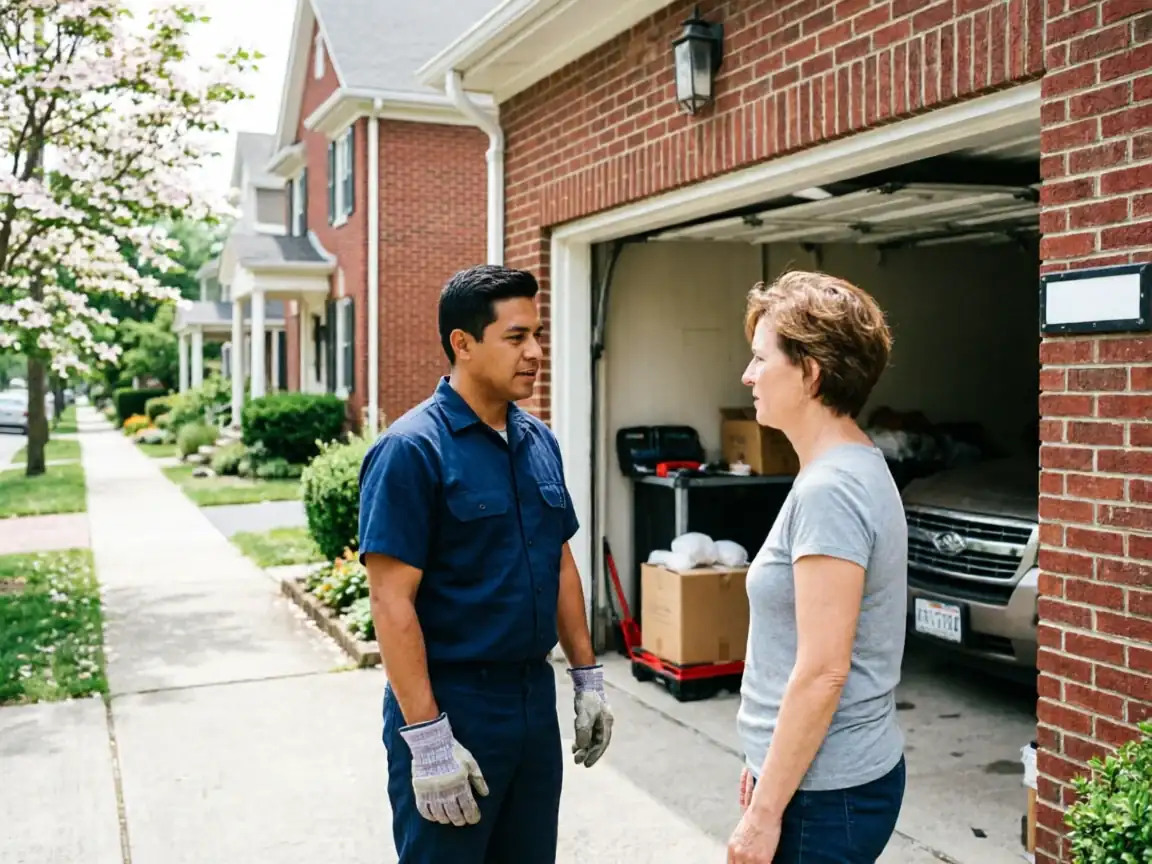
And that the area counts well over 358,000 owner-occupied houses, we see a wide range of jobs - from a ten-minute roller fix to a full torsion system replacement. We price each one after we've actually looked at the door, not before.
- $120,958 median household income
- 358,000 owner-occupied