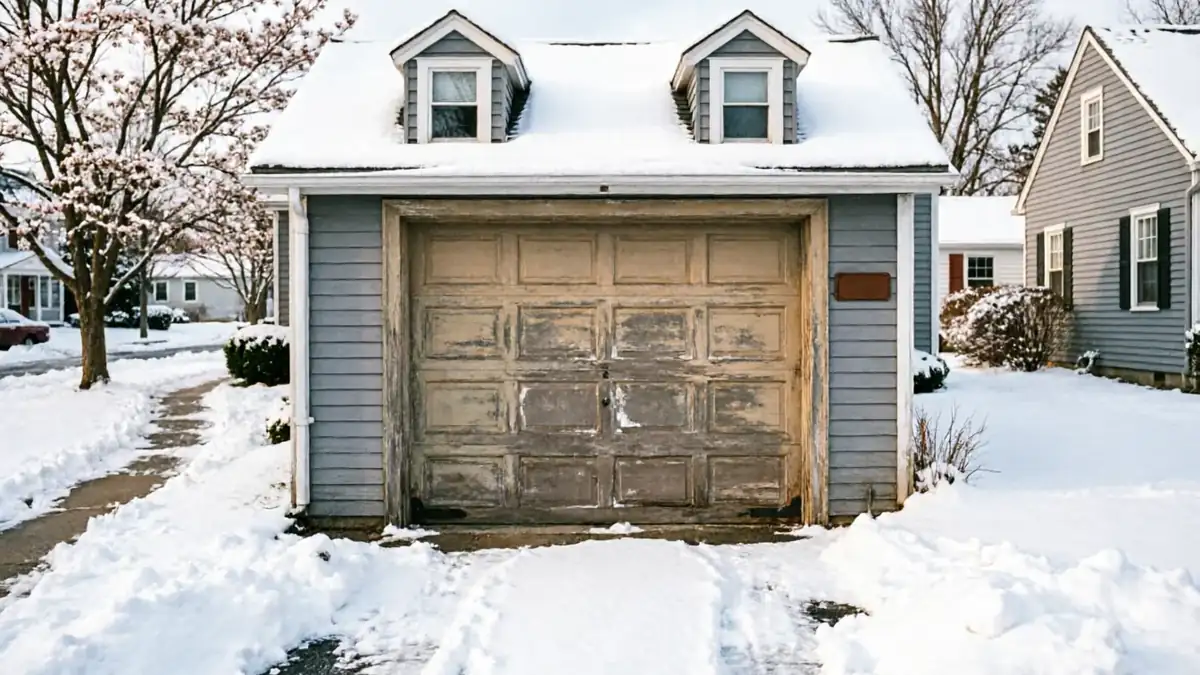
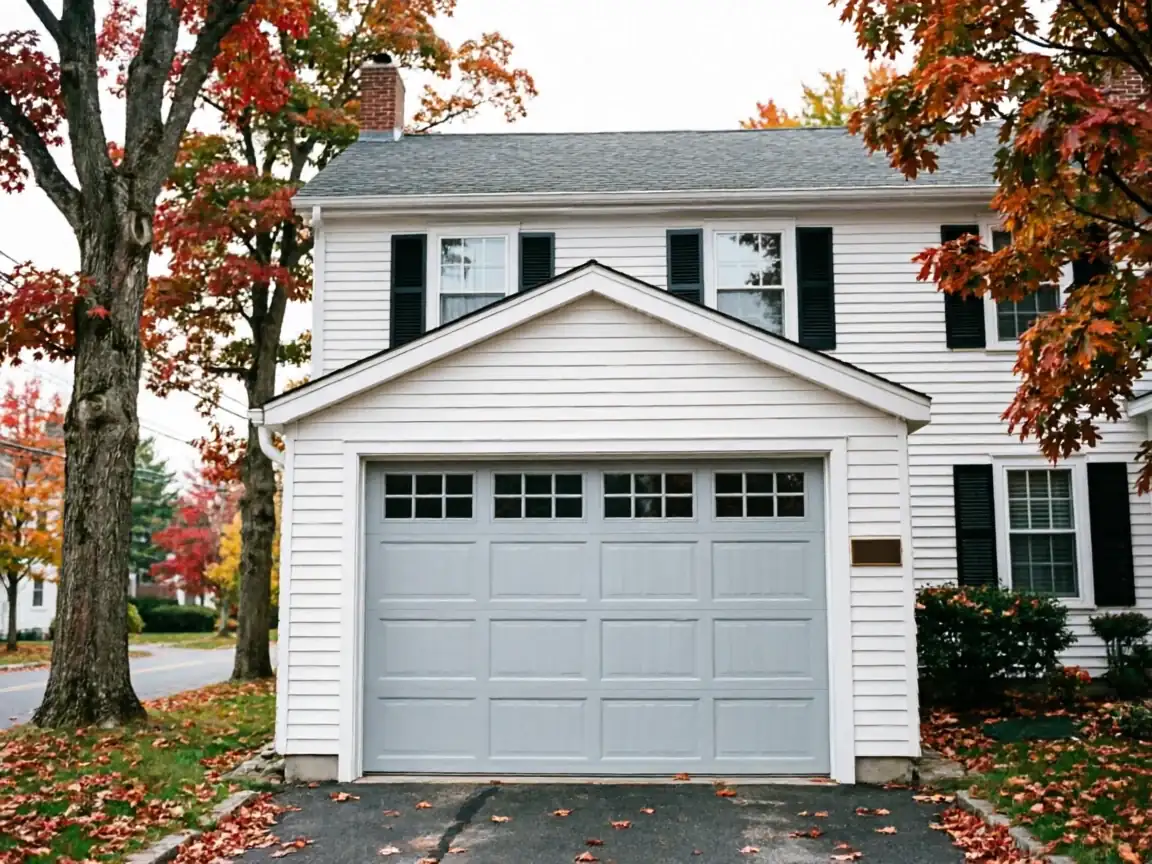
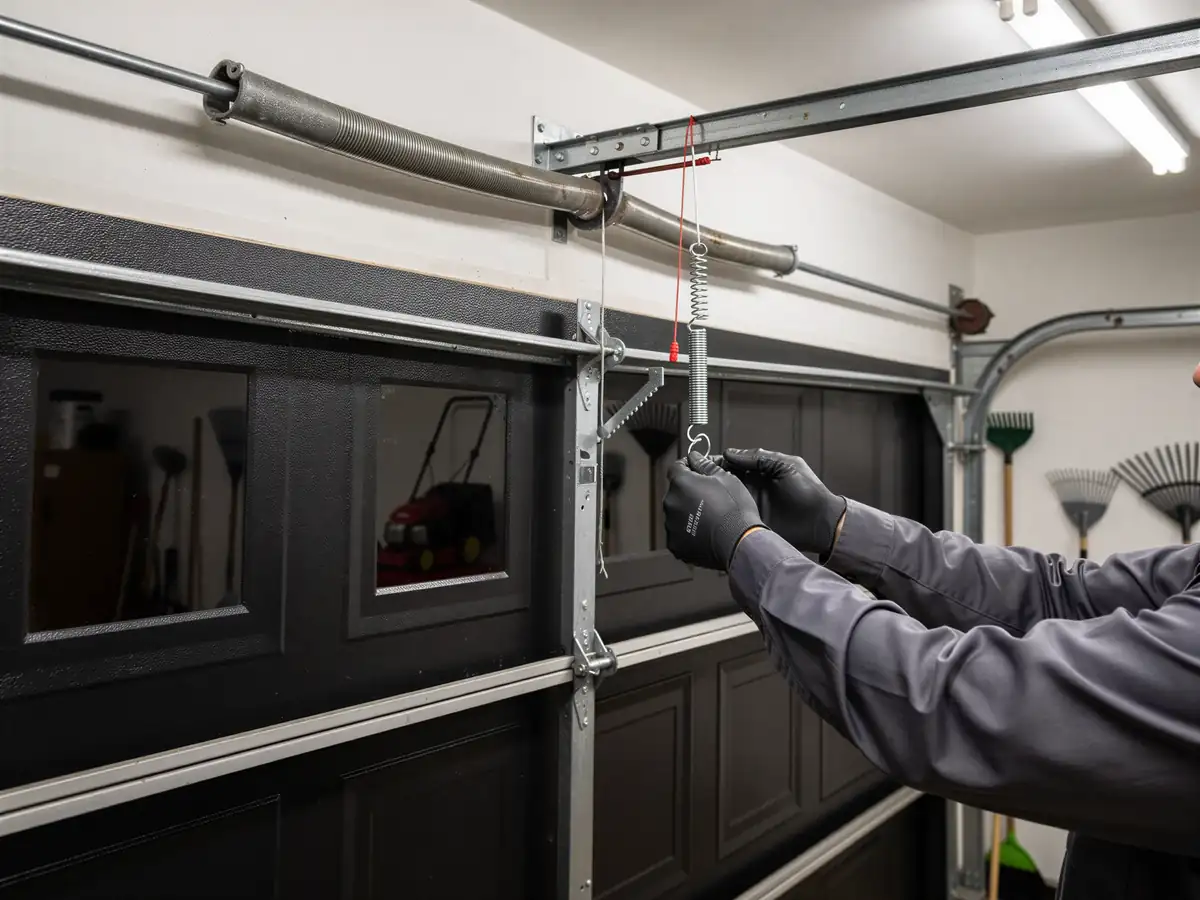
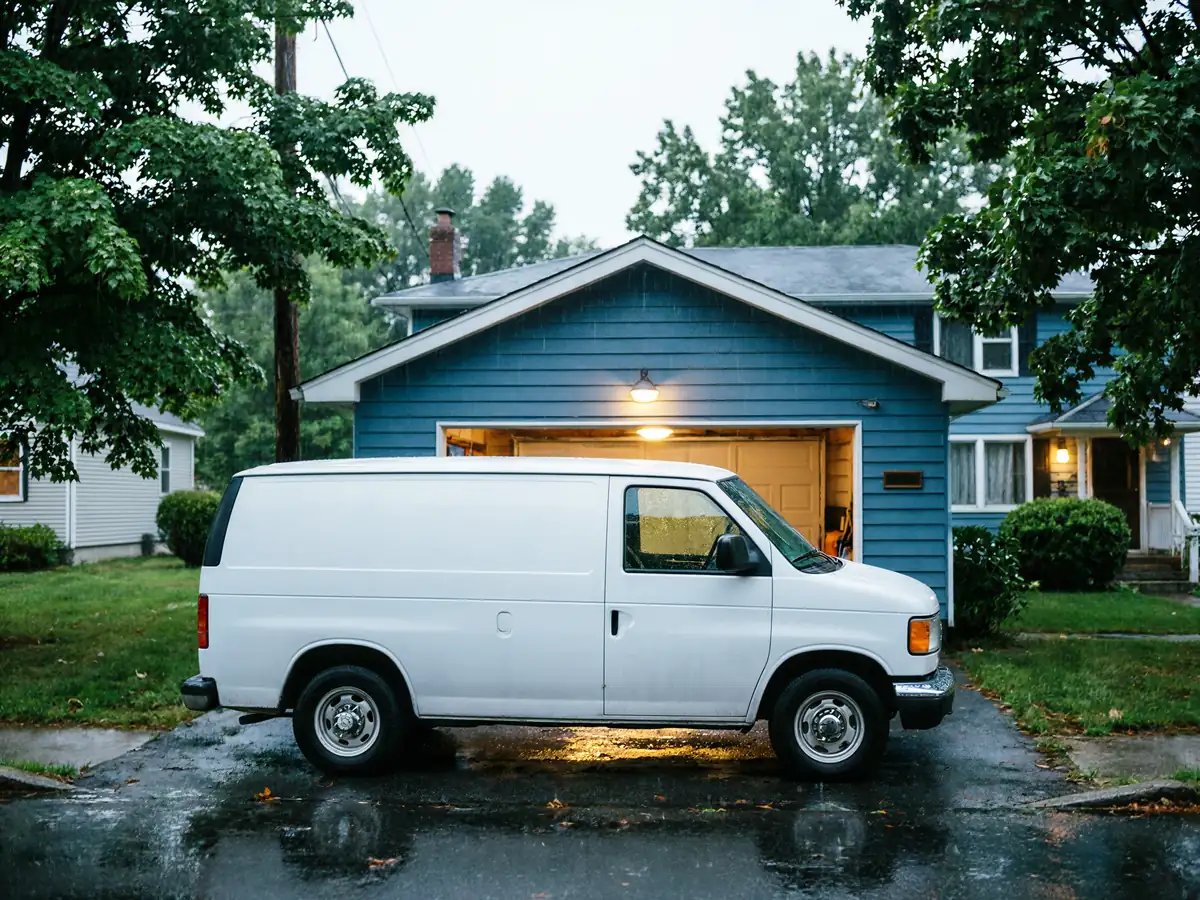
Newark sits in a cold-severe climate band, and that matters more to a garage door than most homeowners think. Steel panels contract in deep cold, and on a door that's forty or fifty years old, the seams and hinges that have already worked loose don't bounce back the way they did when the door was new. Torsion springs lose tension faster in repeated freeze-thaw cycles, and the galvanized coating on older track hardware pits where moisture sits after a thaw. None of this shows up as a single dramatic failure. It shows up as a door that gets noticeably harder to lift every winter, then eases up a little in spring, then never quite comes all the way back. If your door has done that same slow slide for a couple of winters running, the spring and the track are both telling you something, not just one or the other. A door built for a milder climate band wouldn't show this pattern nearly as hard or as early.
Checking It Yourself
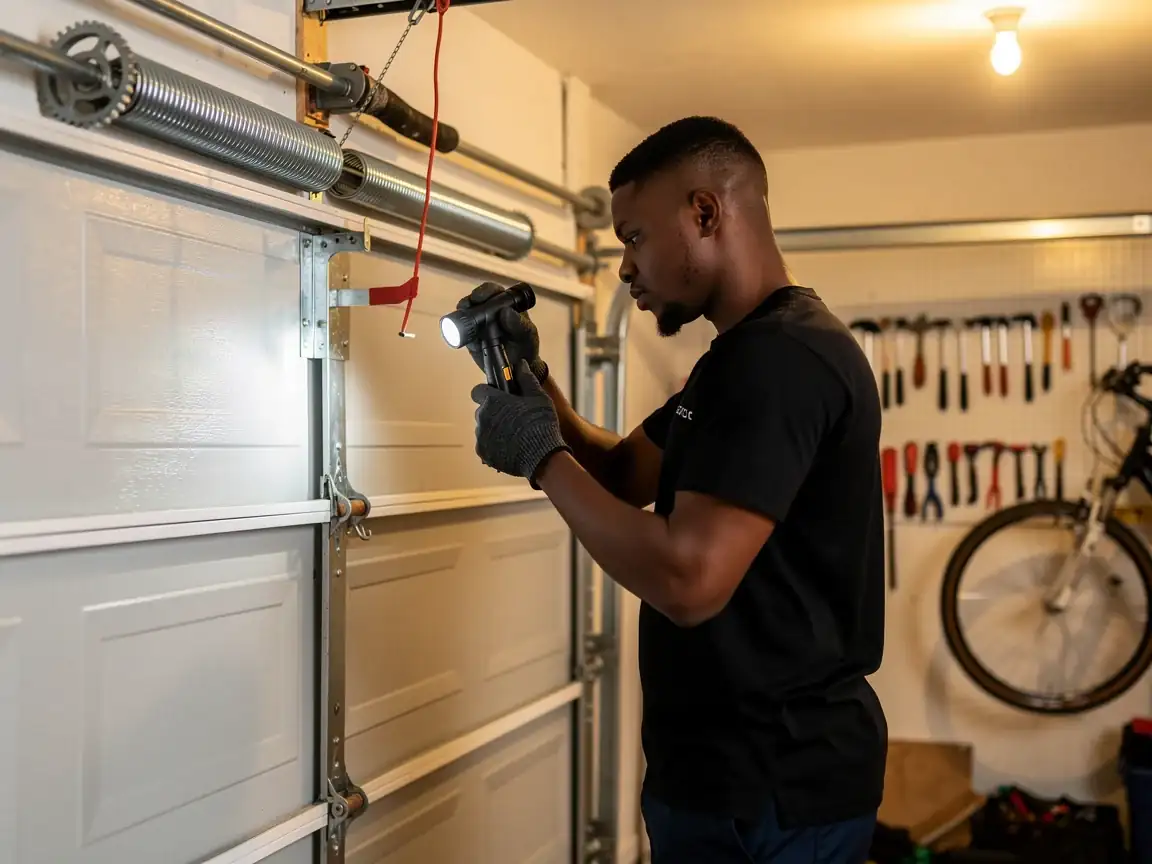
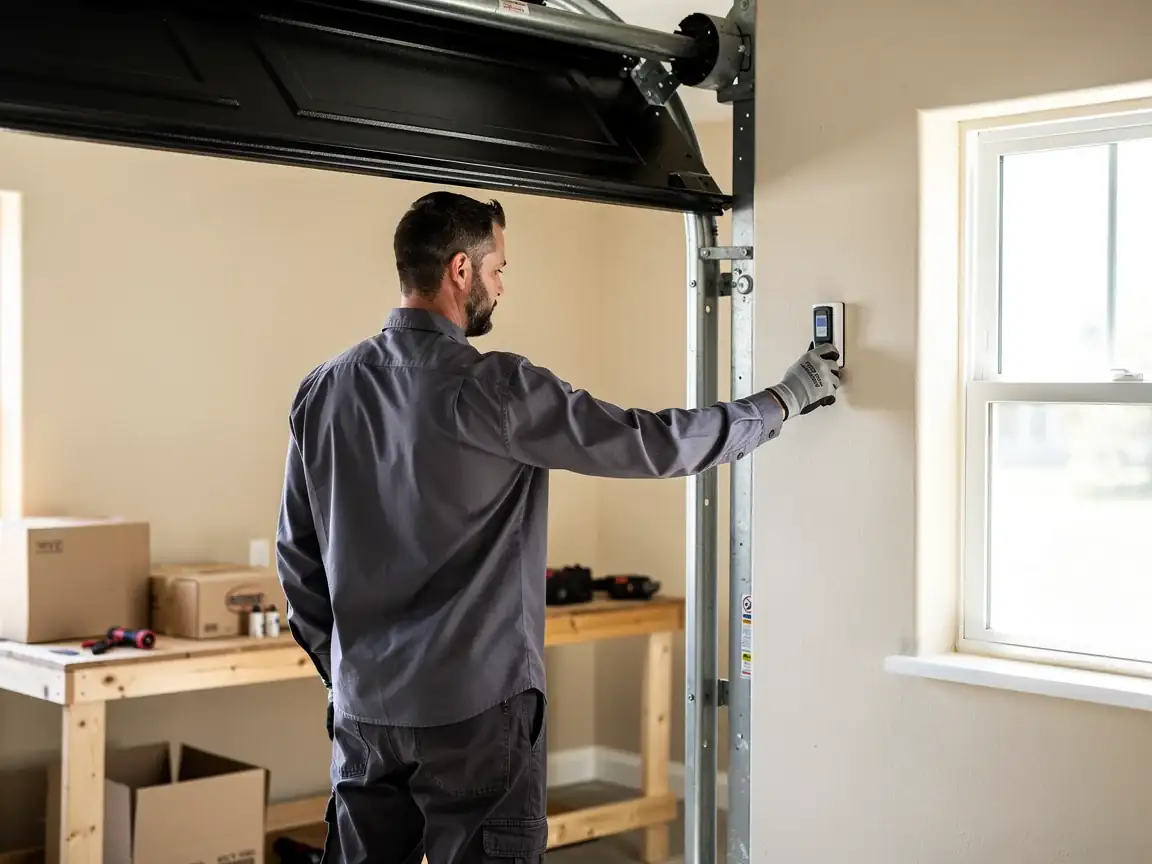
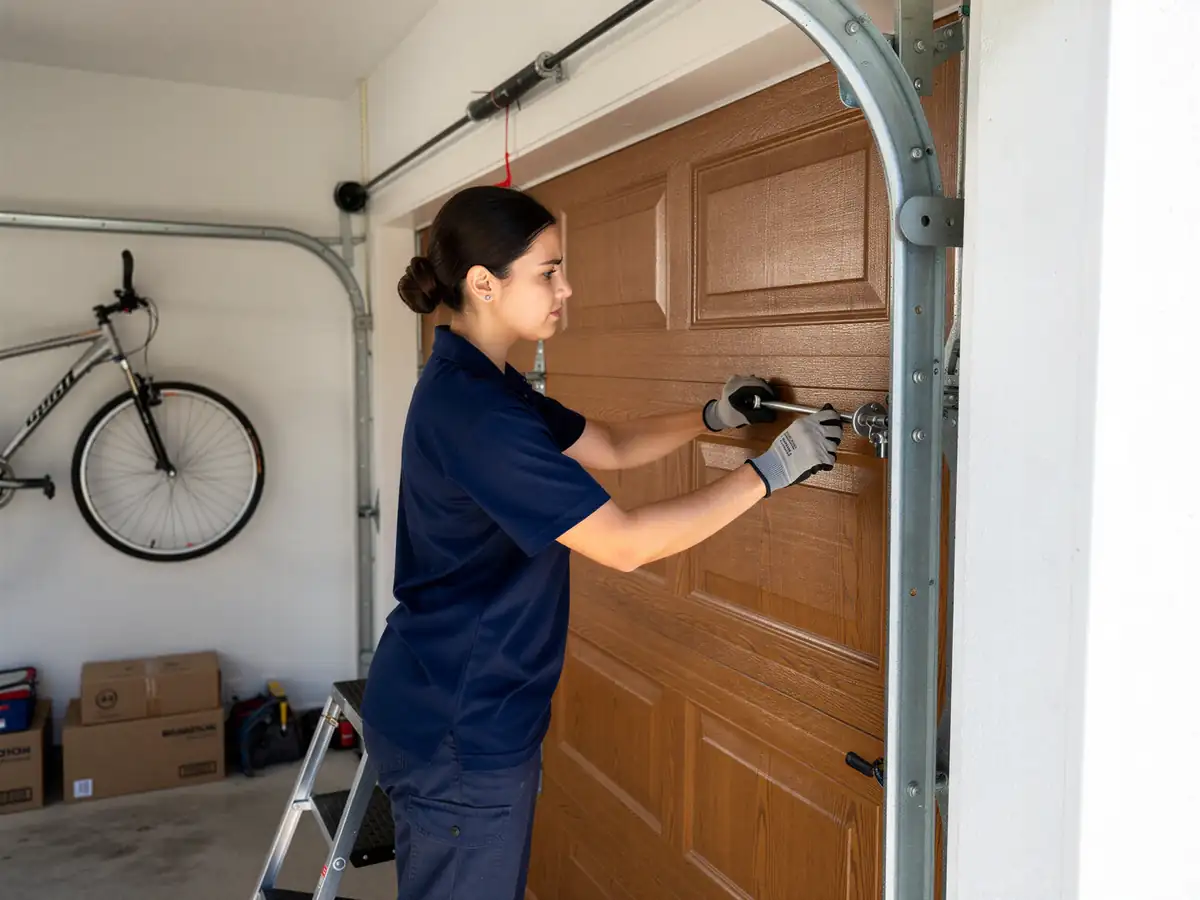
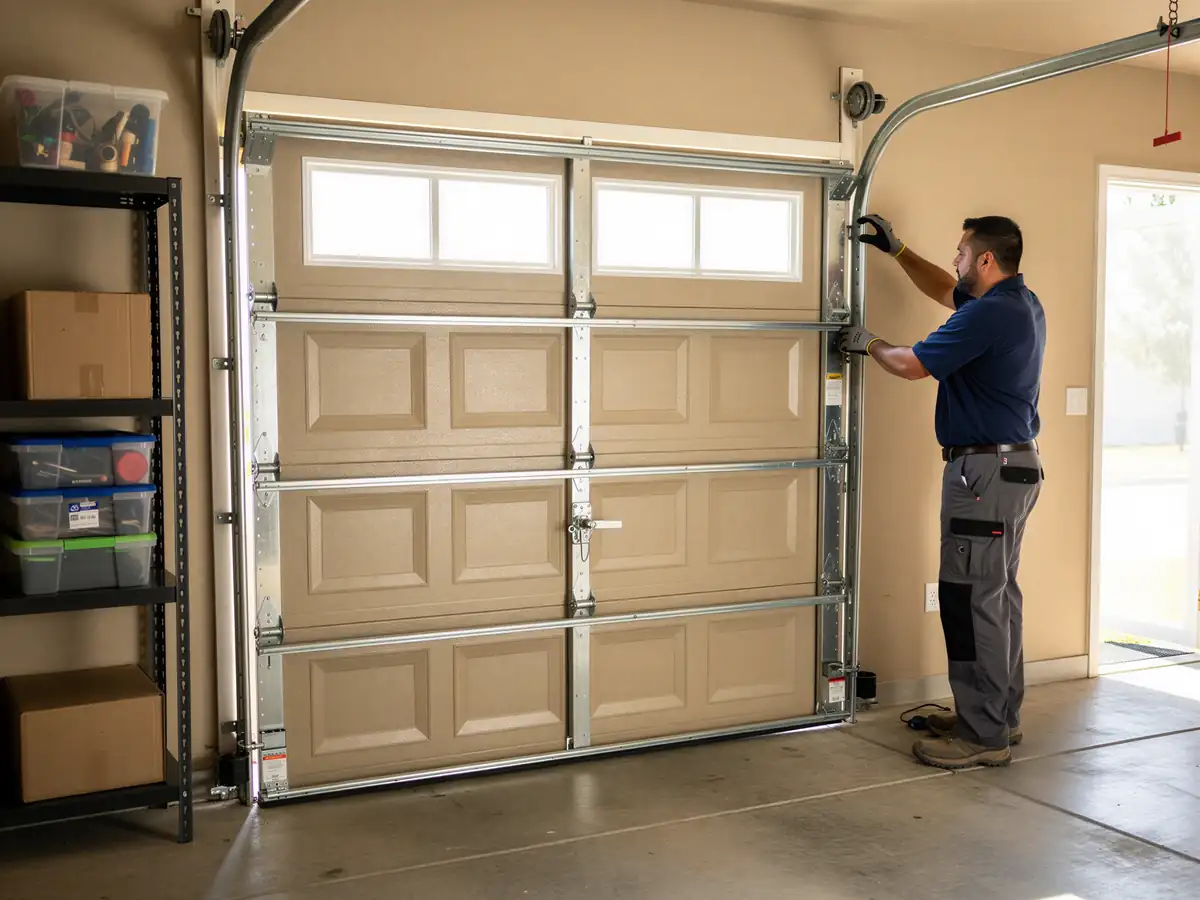
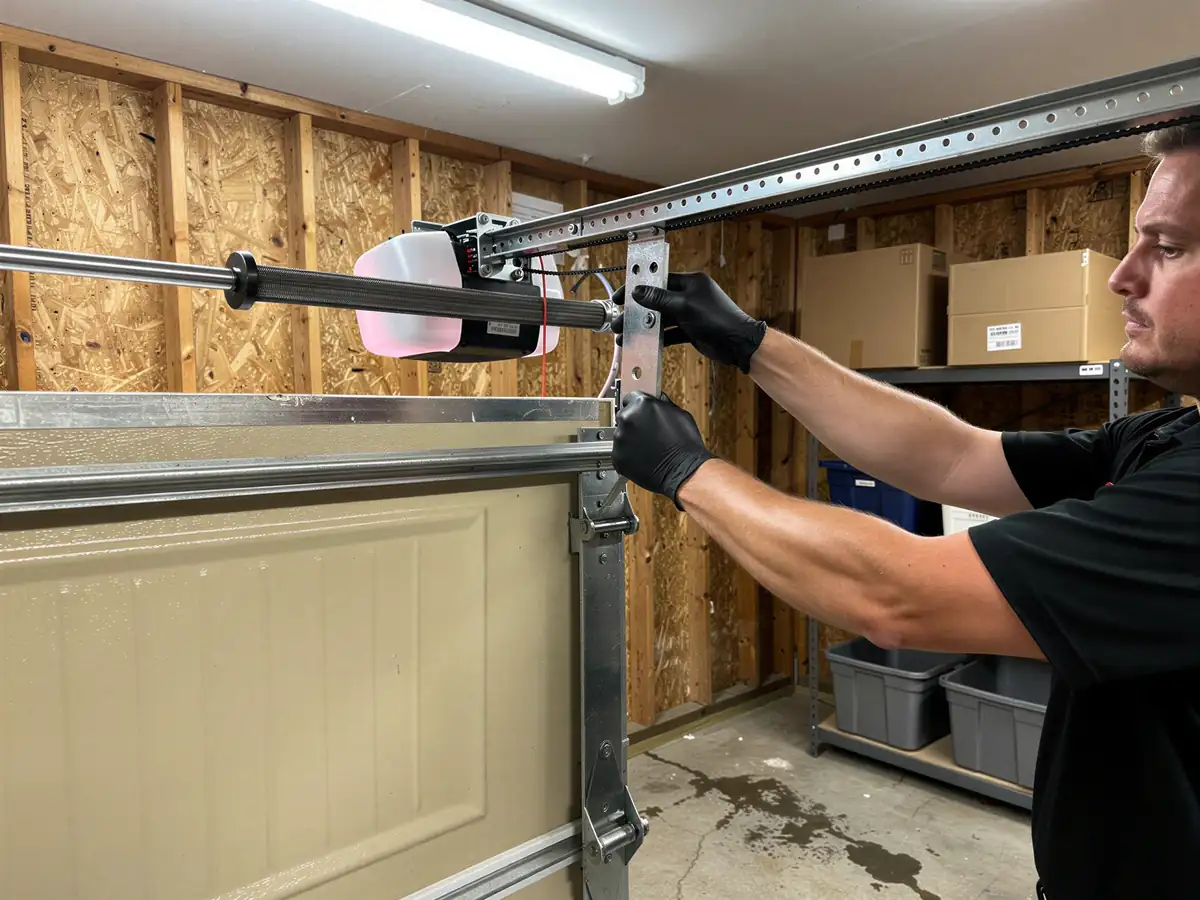
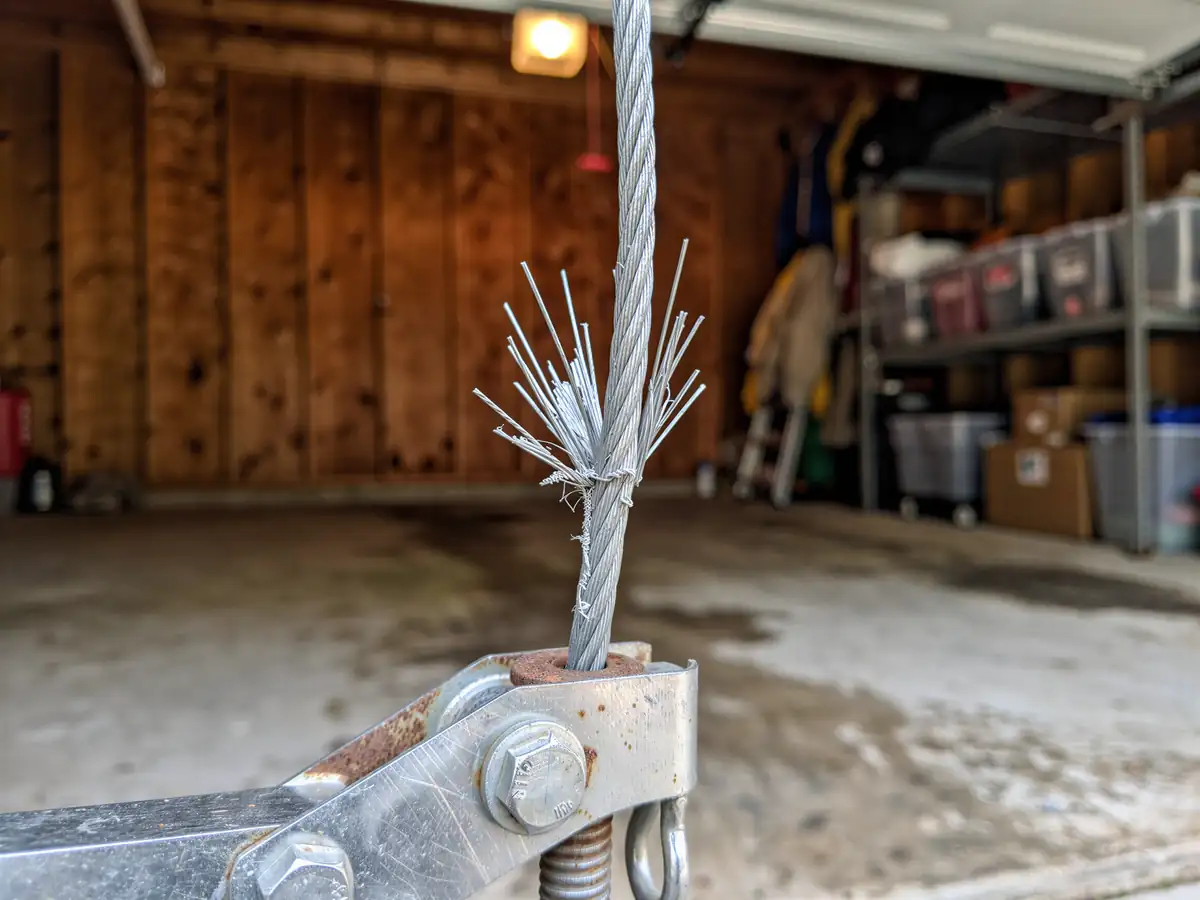
Most of Newark's housing went up between 1938 and 1996, with a lot of it clustered around 1958, which means a good share of the garage doors in this city are original or close to it, running on hardware nobody stocks new anymore. Start by disconnecting the opener and lifting the door by hand. If it's balanced, it should stay roughly where you put it, about halfway up, without you holding it. If it drops like dead weight, the spring has lost tension and that's a repair call, not a DIY fix. Next, look at the track for rust pitting at the bolt holes, common on doors from that 1958-era build window after enough winters. Run your hand along the bottom panel seam for flaking or soft spots. One honest note: if you find rust through the panel itself rather than just on the surface, that's not something a repair patches well. Surface rust and a tired spring are worth fixing. A panel rotted from the inside out usually isn't.
The Seasonal Bit
The pattern in Newark tends to run the same way year after year: doors get stiff and noisy from late fall through the coldest stretch, then loosen back up as temperatures climb. That's the cold-severe band doing what it does to lubricant, to steel tension, and to weatherstripping that's gone brittle. If you've got a door original to a house built anywhere in that 1938 to 1996 range, plan on checking spring tension and track alignment before the first hard cold snap, not after the door's already stuck halfway open on a Tuesday morning. Waiting until it fails tends to mean a weekend without a working door, a spring under load that's harder to service safely, or an opener motor straining against resistance it was never built for. None of this requires a yearly overhaul. It requires about twenty minutes with a flashlight and a willingness to act on what you see instead of hoping it holds through one more winter.
The Problem
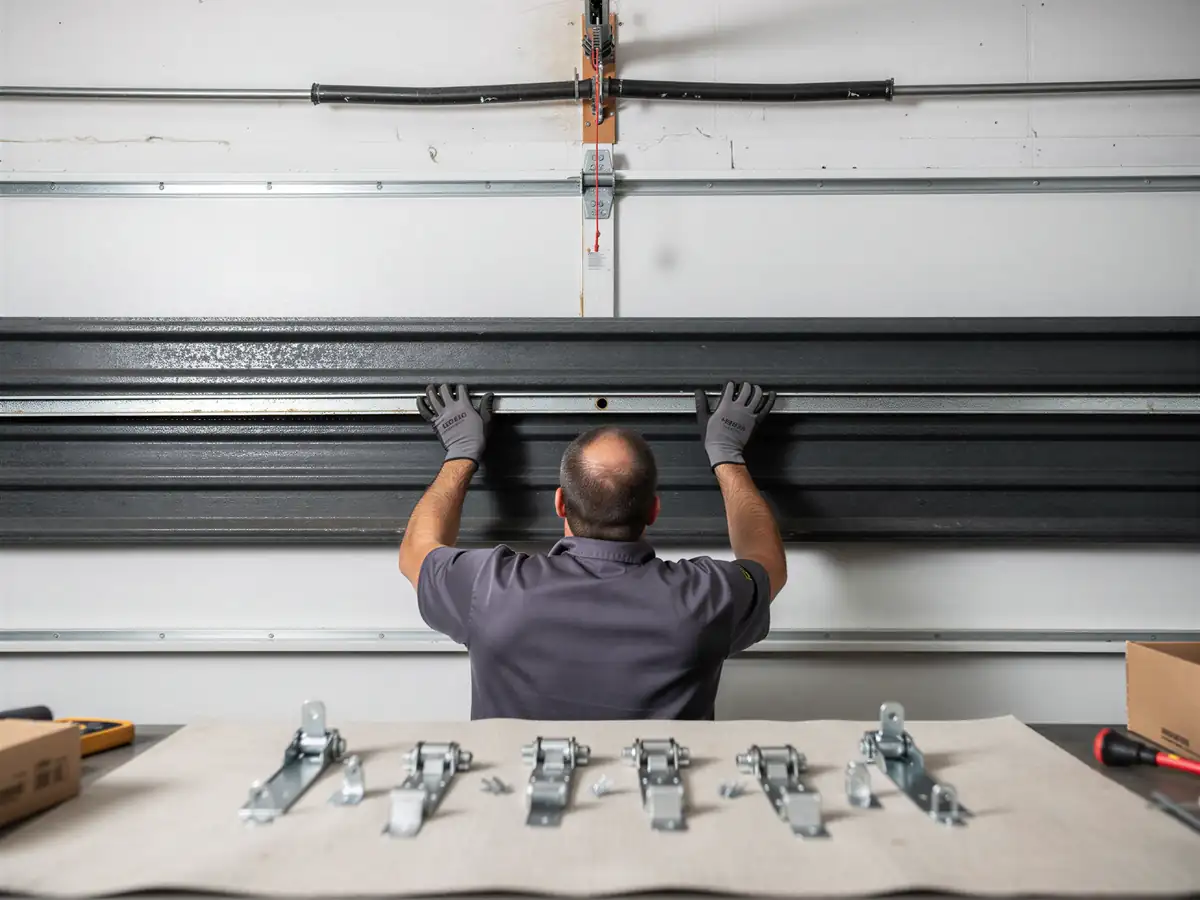
Across the service area, median household income runs around $120,958 and there are roughly 358,096 owner-occupied houses among 1,193,552 households, which tells you a fair number of Newark homeowners could replace a door outright without much strain. That's the real decision point: not whether a repair is possible, but whether it's worth doing. A single broken spring or a bent roller on a door that's otherwise sound is almost always worth fixing, cheap and fast. A door with rotted panels, a bent track from years of imbalance, or an opener fighting corroded hardware every single day is a different conversation. At that point you're paying repair labor to keep patching a door that'll need the next repair in six months anyway. If your door is original to a house built in that 1938-1996 window and it's needed two or more real repairs in the last two winters, that's usually the sign it's cheaper in the long run to replace than keep fixing.
How do I know if my garage door spring is actually broken or just loose?
Disconnect the opener and lift the door by hand. A door with a working spring stays put when you let go halfway up. If it drops on its own, the spring has lost tension and needs replacing, not adjusting. Don't try to tension a torsion spring yourself; it's under enough load to cause real injury.
Why does my door get so much harder to open every winter?
Newark sits in a cold-severe climate band, and steel springs and track hardware both tighten up under repeated freeze-thaw cycles. On an older door, the hardware has usually already loosened over the years, so the cold makes a marginal door feel a lot worse than it would on a newer one.
Is it worth fixing a garage door on a house this old?
Depends what's wrong. A broken spring, worn roller, or bent hinge on an otherwise sound door is almost always worth repairing. Rotted panels or a track bent from years of imbalance usually aren't, since you'd be paying to delay a replacement that's coming anyway.