The Symptom
The door won't move, or it moves wrong
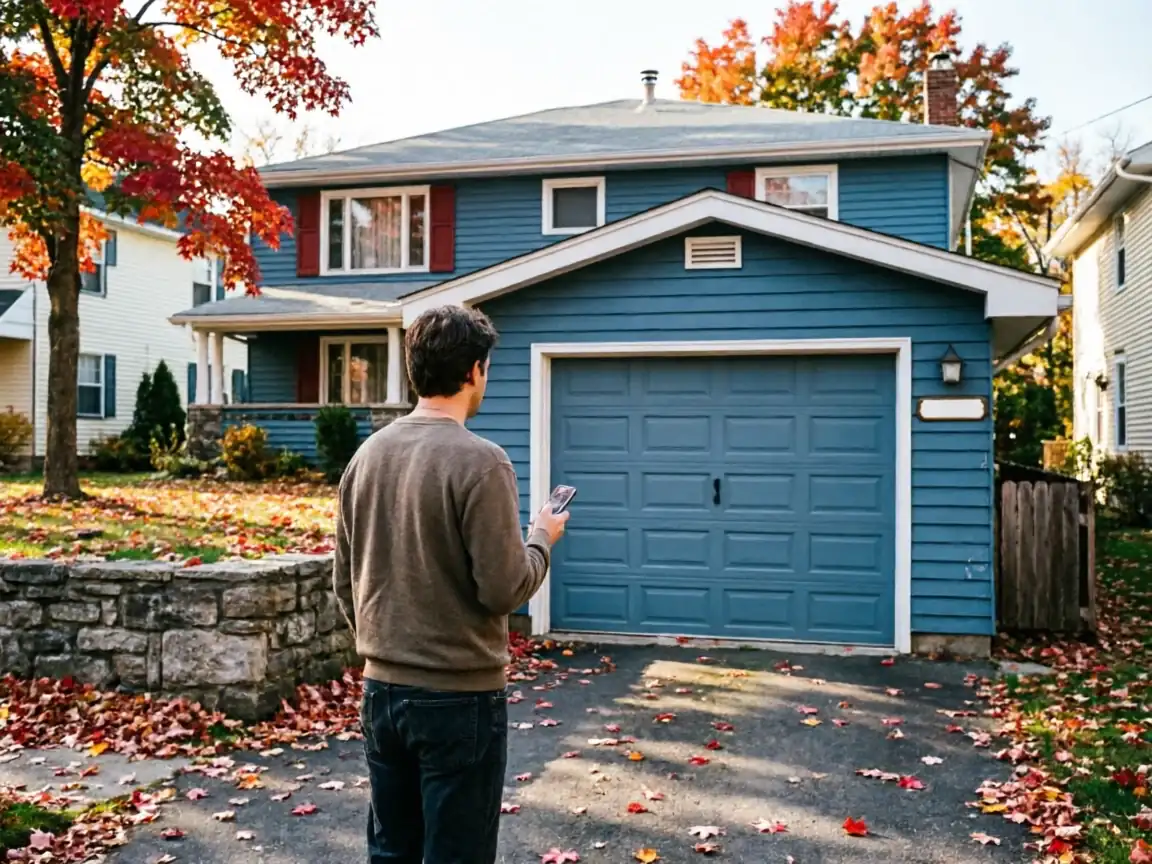
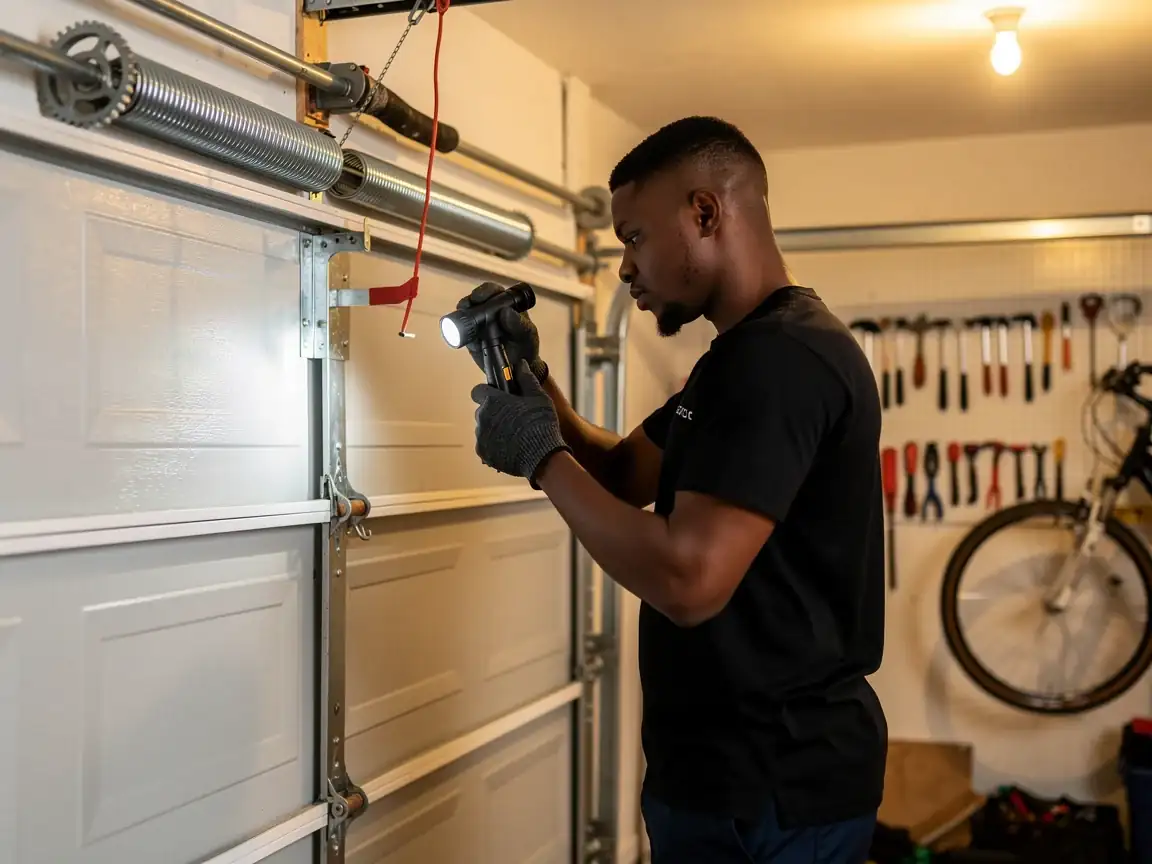
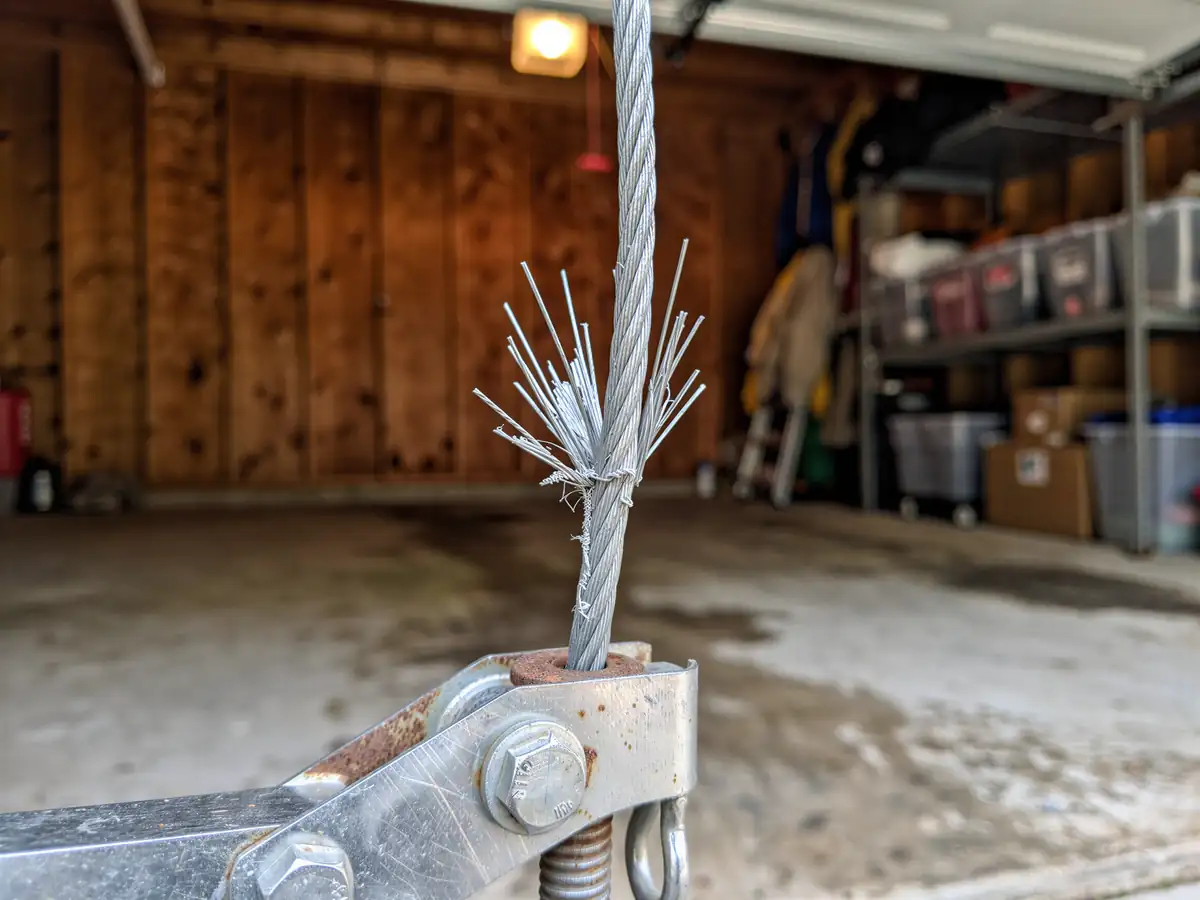
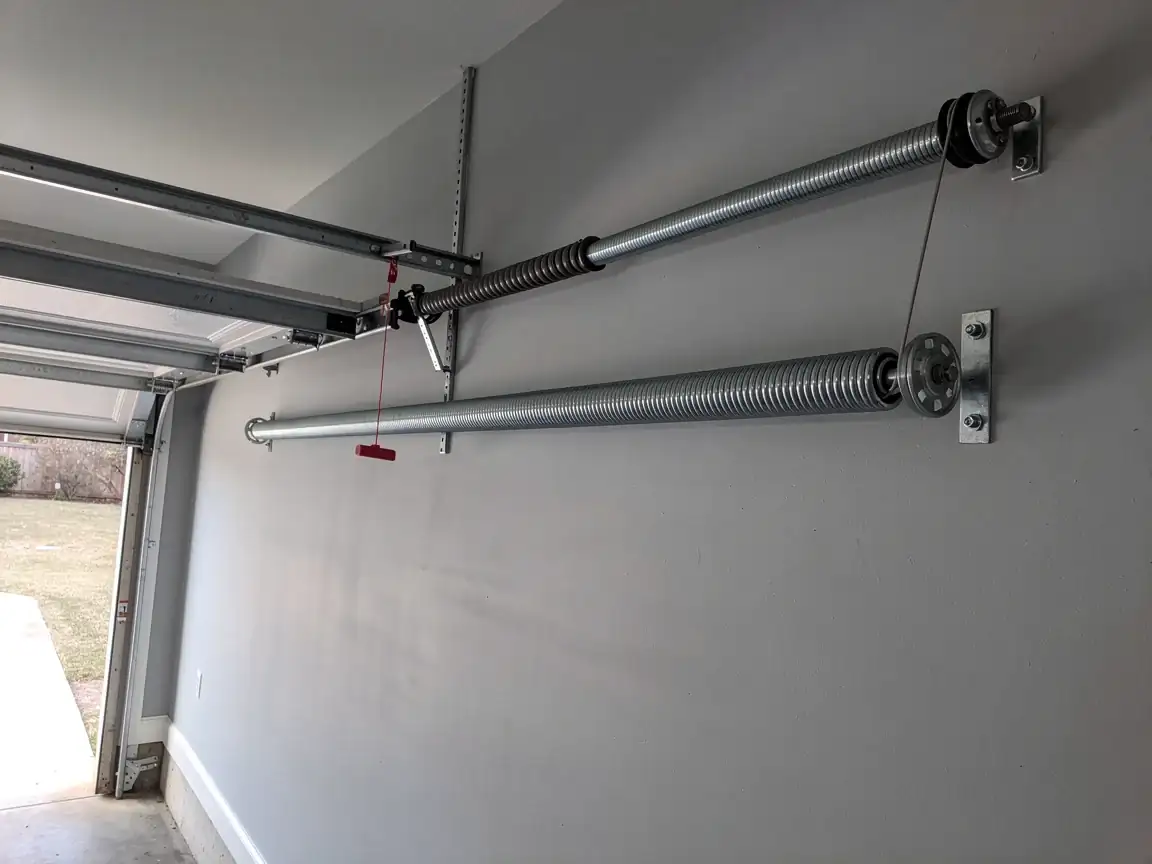
A torsion spring snaps with a bang you hear from the kitchen, and the door won't budge off the floor. A cable frays and jumps the drum, so one side of the door hangs lower than the other. The opener motor runs but the door doesn't lift - belt or chain slipped, or the trolley disconnected. Rollers grind in the track and the door shudders partway up, then stalls. Sometimes it's simpler and worse: the door is stuck halfway, blocking the car in or out, and it's 11pm.
Across the Newark area, most of these calls come from houses built between 1938 and 1996
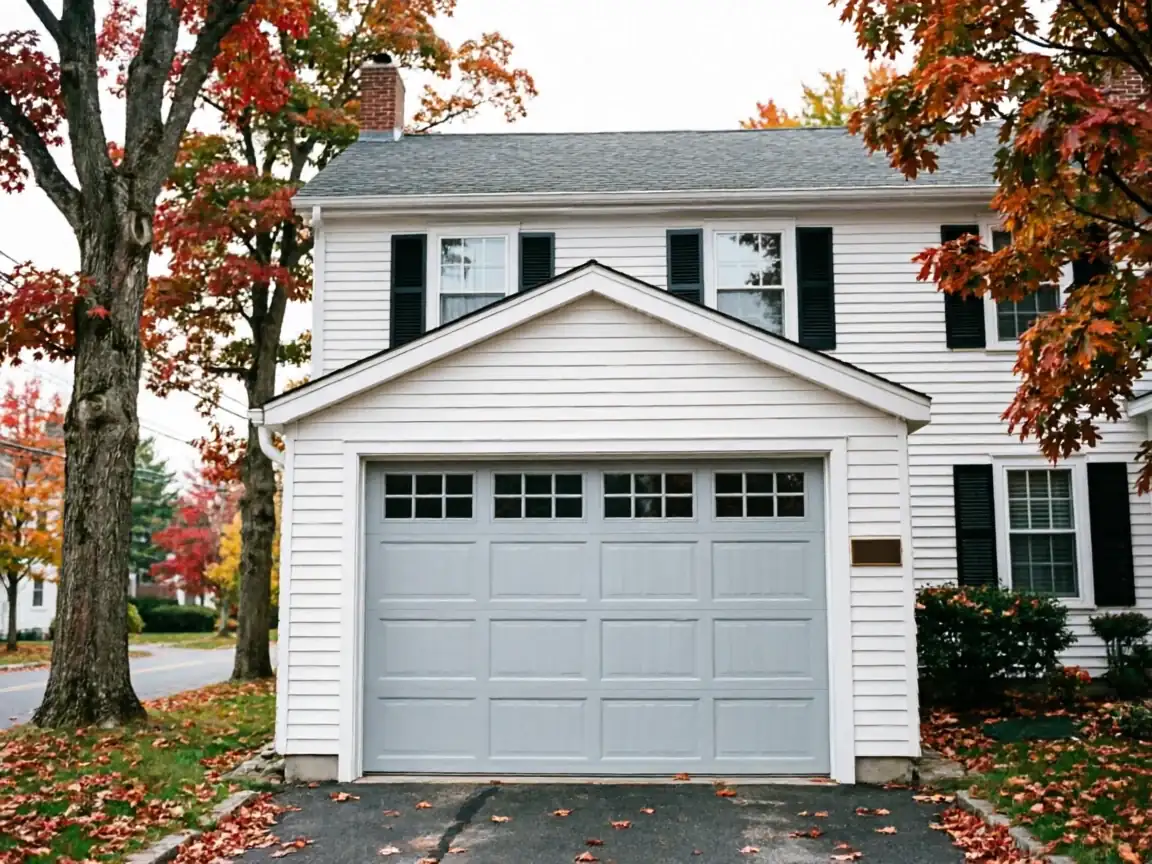
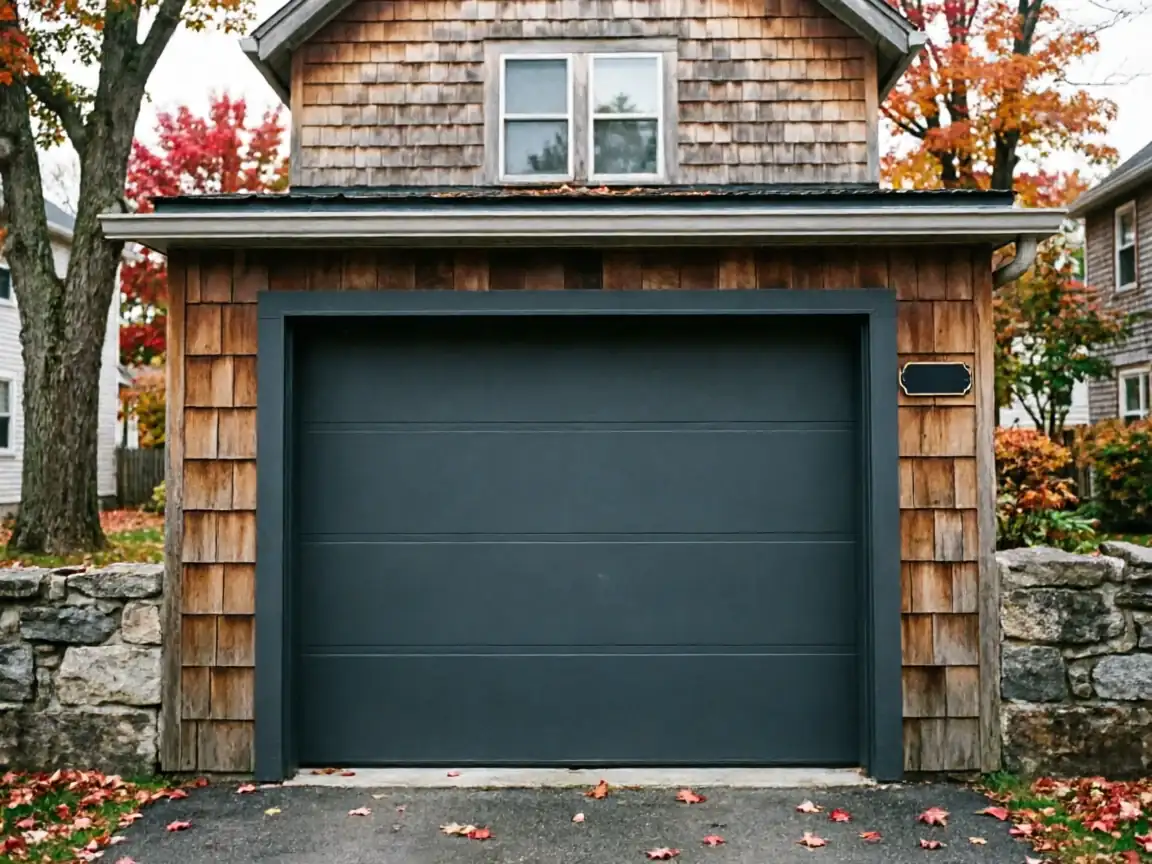
With a lot of that stock dating to around 1958 - which is relevant, because the hardware installed on a garage built in that window is not the hardware you'd find on a 2015 build. Springs sag and fatigue over decades of cold-weather cycling, and when a homeowner finally notices, it's usually because the door has already failed, not because something looked wrong first. That's why most of these calls are same-day or after-hours, not scheduled.
How We Fix It
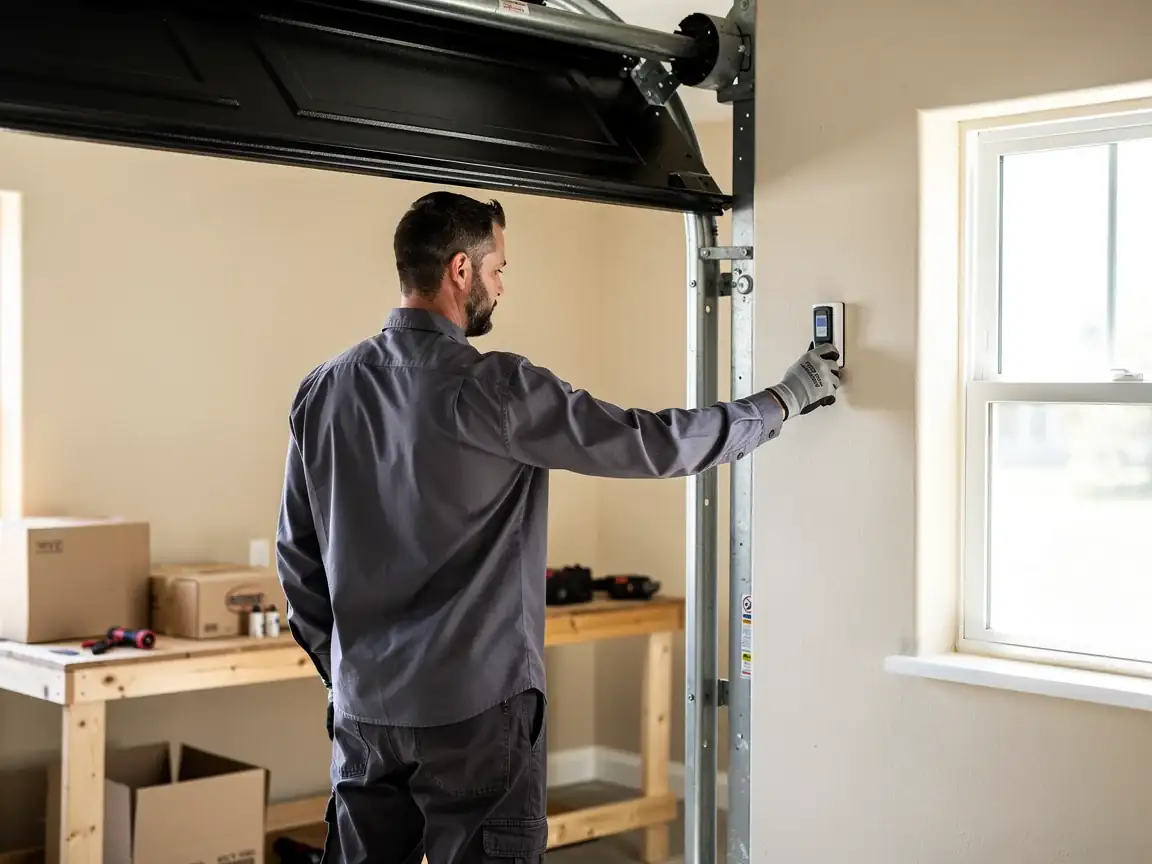
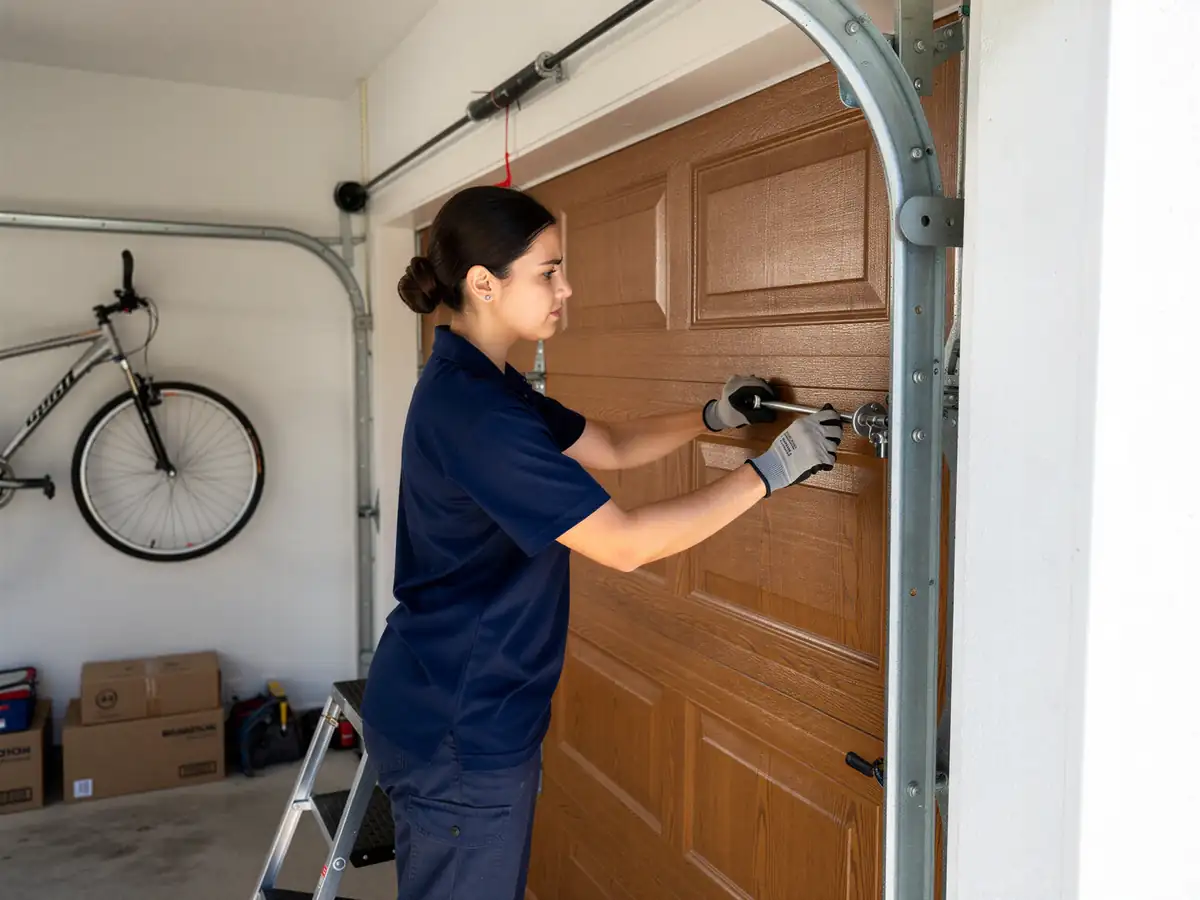
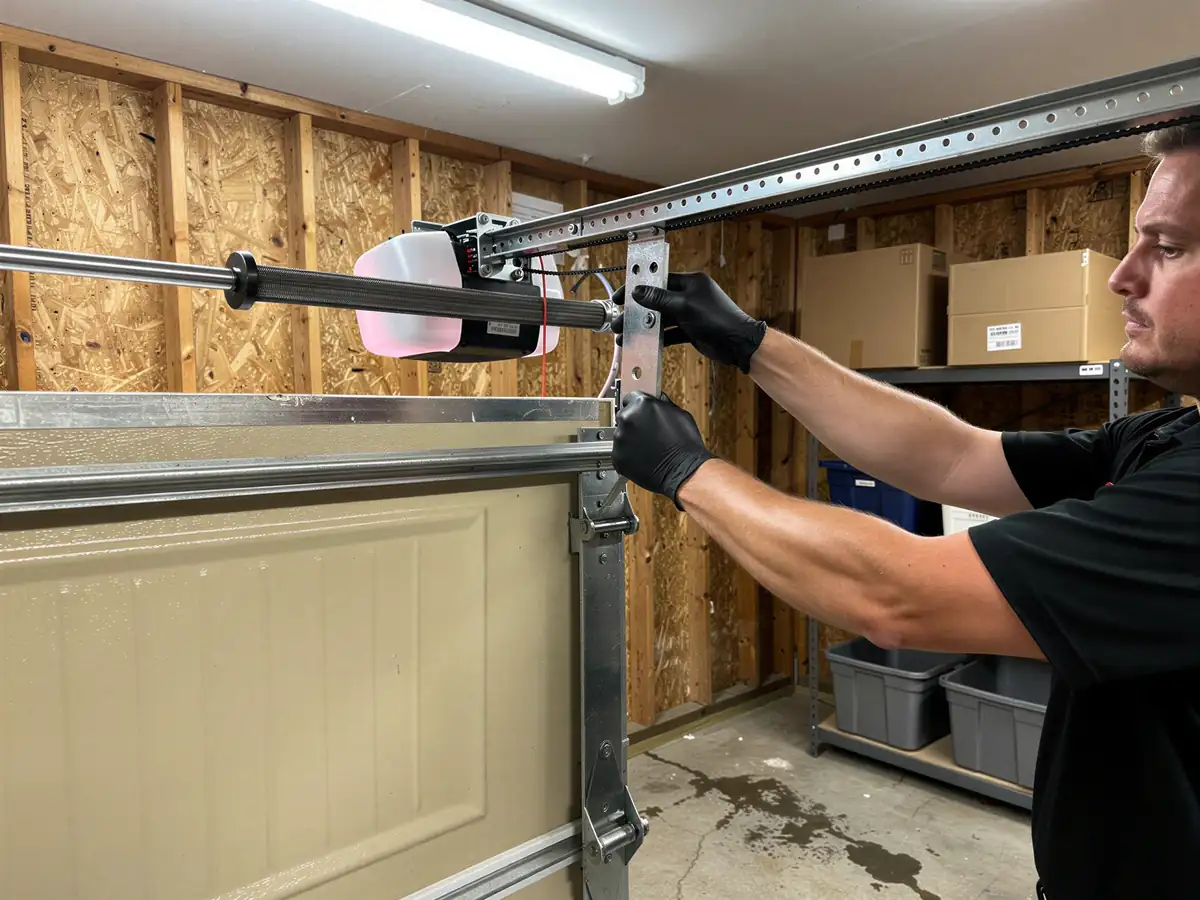
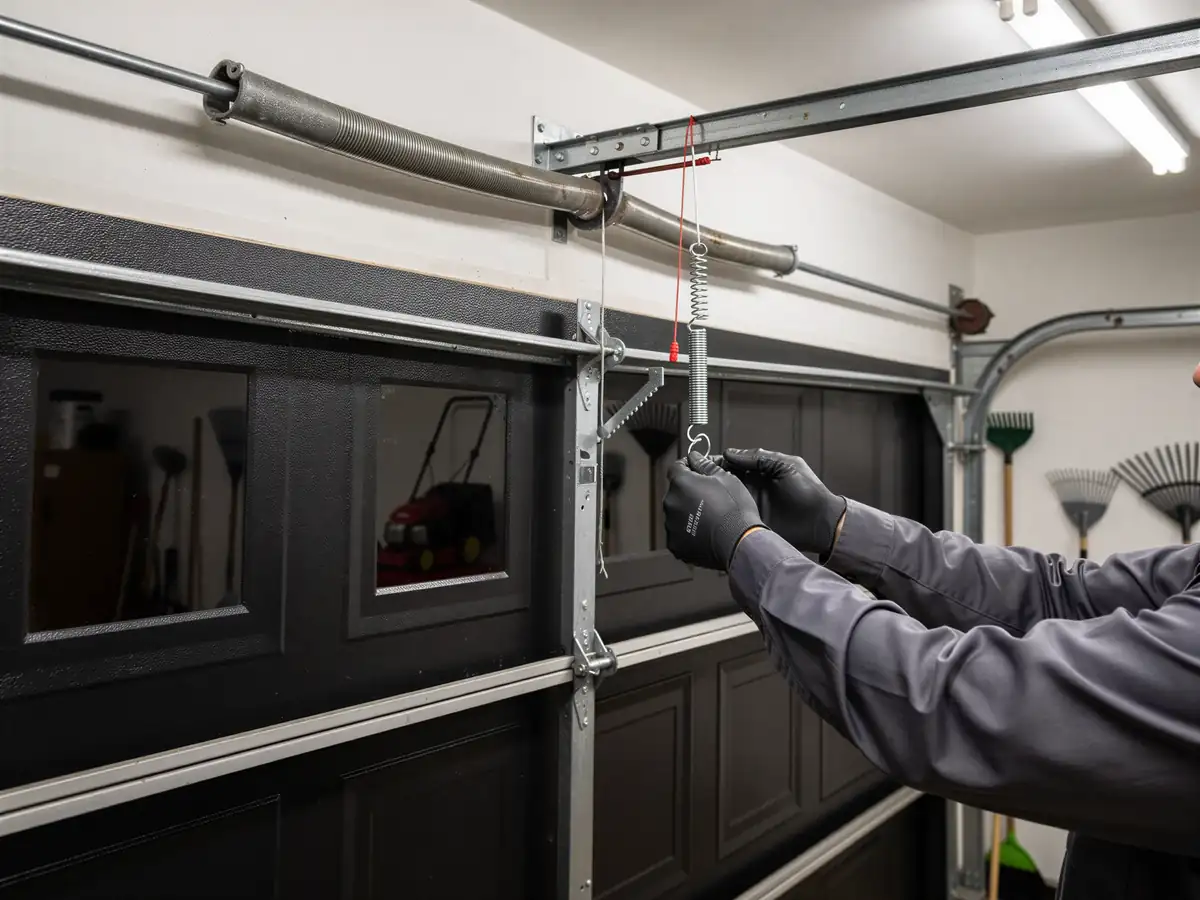
A broken torsion spring gets replaced in pairs when the door is old enough that the second spring is close behind - we don't sell a single spring job on a door where the other side is clearly original. Cables get re-terminated or replaced outright; we don't patch a frayed cable and send you on your way. If the opener is the problem, we check the logic board, the belt or chain tension, and the travel limits before we touch the motor - a lot of "dead opener" calls turn out to be a disconnected trolley or a worn sprocket, not a dead unit.
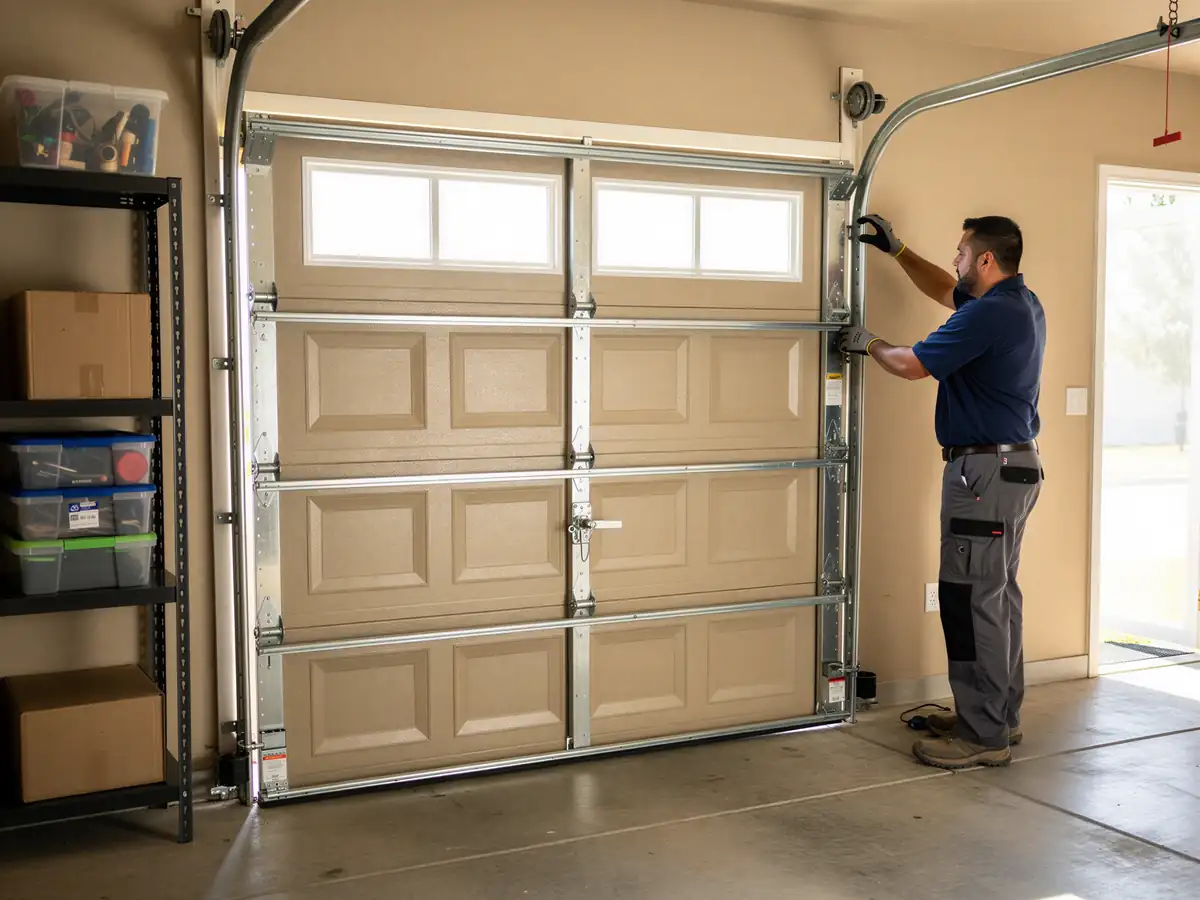
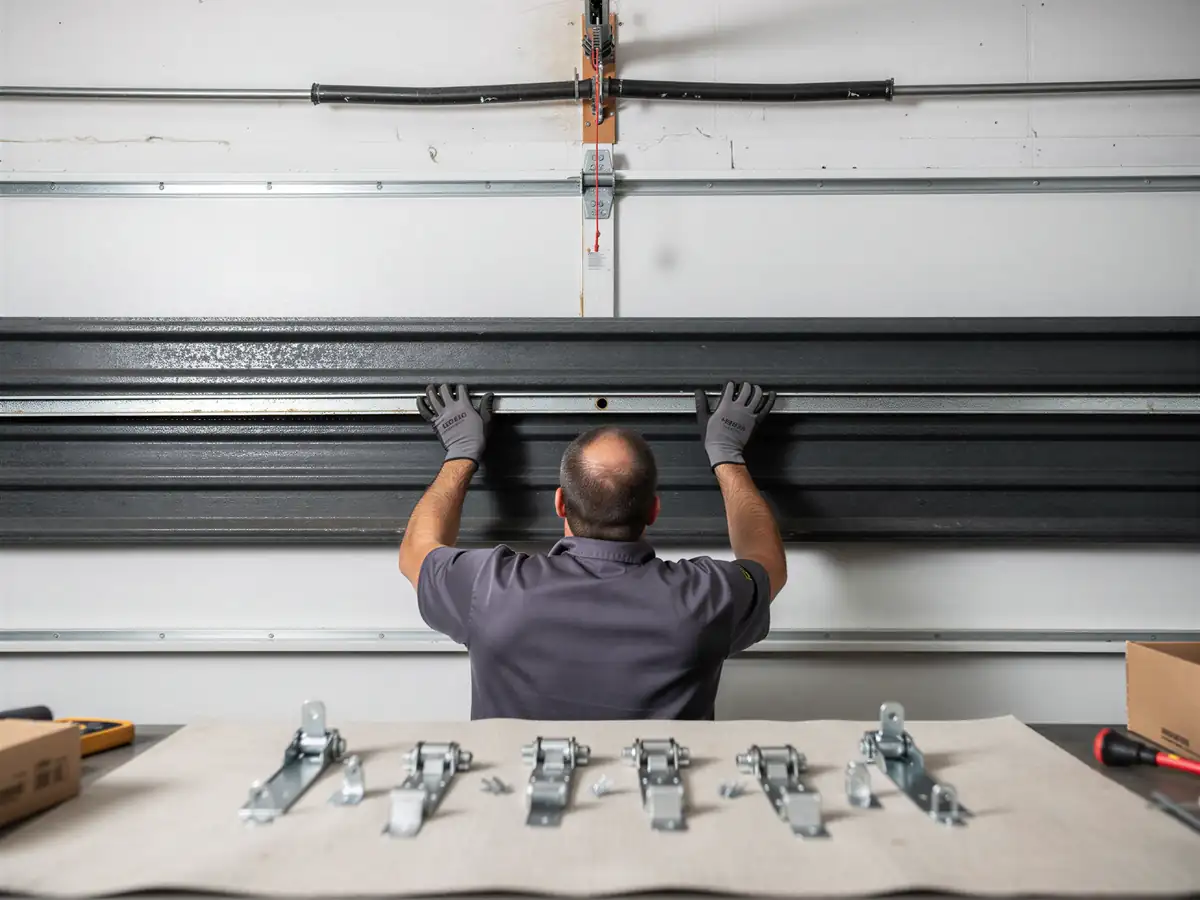
Rollers and track get straightened or swapped depending on wear, and if the track is bent from an impact, we true it rather than force the door through a bind that will just strip the rollers again in a season. On a stuck door, the first move is always manual release and a hand-check of the balance before any power tool touches it - a door with a broken spring can drop hard, and we don't want anyone under it. We carry common spring sizes and cable lengths on the truck; a less common opener logic board or a discontinued panel sometimes means a return trip once the part's in.
Why This Fails Locally
The housing across this part of New Jersey runs mostly pre-1960, and across the 156 named areas we work, that's the dominant pattern, not the exception. Garage doors and their hardware from that era were built to a different spring tension standard, and decades of New Jersey winters have cycled that hardware through freeze-thaw swings that steel fatigues under. This region sits in a cold, severe climate band, and torsion springs lose tension faster in cold temperature swings than they do in milder climates - the metal contracts, the coil binds slightly tighter on each cold start, and eventually it gives.
It's also a density issue. With over 1.19 million households and more than 358,000 owner-occupied houses across the service area, a huge share of garages are original or near-original installs that have simply never been touched. Nobody replaces a spring on a schedule - they replace it when it breaks, usually on the coldest morning of the year when the door is stiffest and the tension is at its worst. That combination - old hardware, cold-cycle fatigue, and houses that have had one owner's worth of "it still works, leave it" - is why this call comes in constantly, and why it comes in at odd hours.
The Cost of This Job
We're not going to quote a number here that doesn't hold up once we're looking at your actual spring size, door weight, and opener model
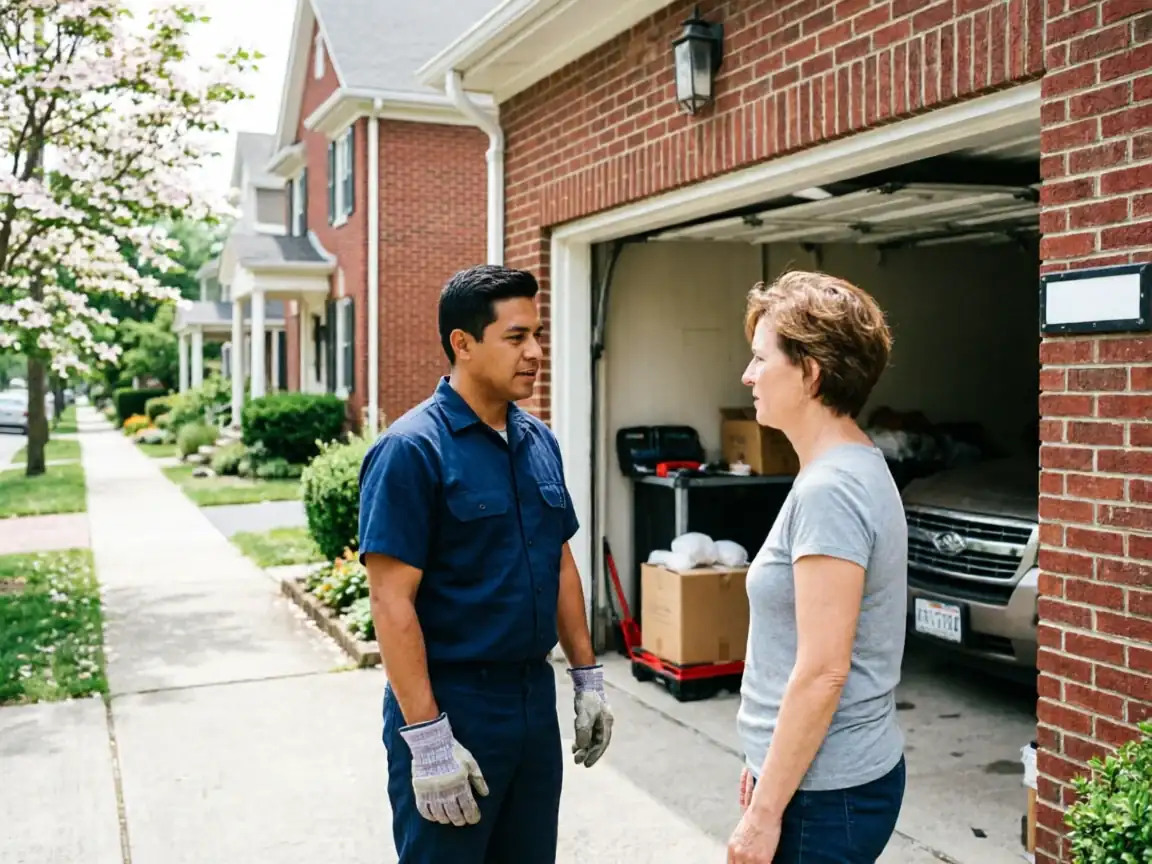
That varies too much to post a flat price. What we will say: a torsion spring replacement is a different job and a different cost than a cable job, and both are different again from an opener board swap. Median household income across this service area runs around $120,958, and most of the repair calls we run are commodity parts - springs, cables, rollers - not a full door replacement, so this isn't typically a job that competes with buying a new door.
Where it does get expensive is when a homeowner lets a broken spring sit and runs the opener against it anyway
That stresses the motor, the gears, and the track all at once, and turns a spring job into a spring-plus-opener job. The honest limitation: if your door and track are both badly bent from the same impact, or the panel is from a discontinued line, we may need to order a part rather than fix it on the first visit. We'd rather tell you that up front than promise a same-visit fix we can't back up.