Detached or Attached: Your Newark Garage Door Ages Differently
Newark's housing runs 1938 to 1958 median, mixing detached and attached garages. Cold-climate wear hits each type differently - here's what to watch for.
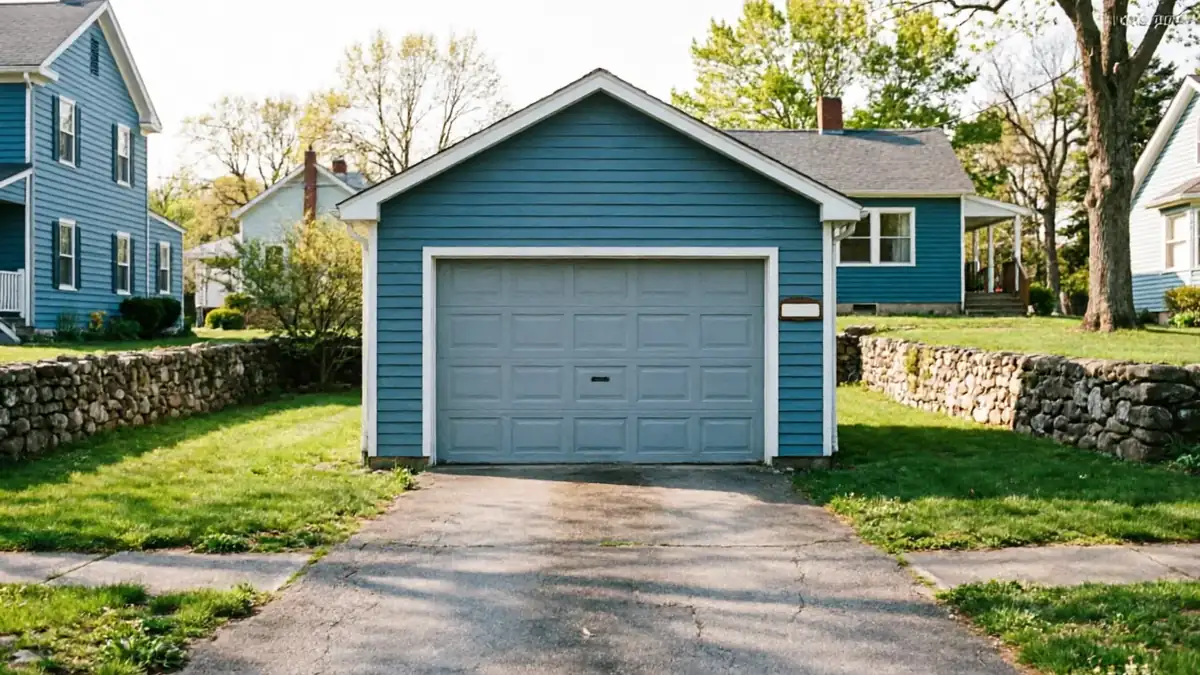
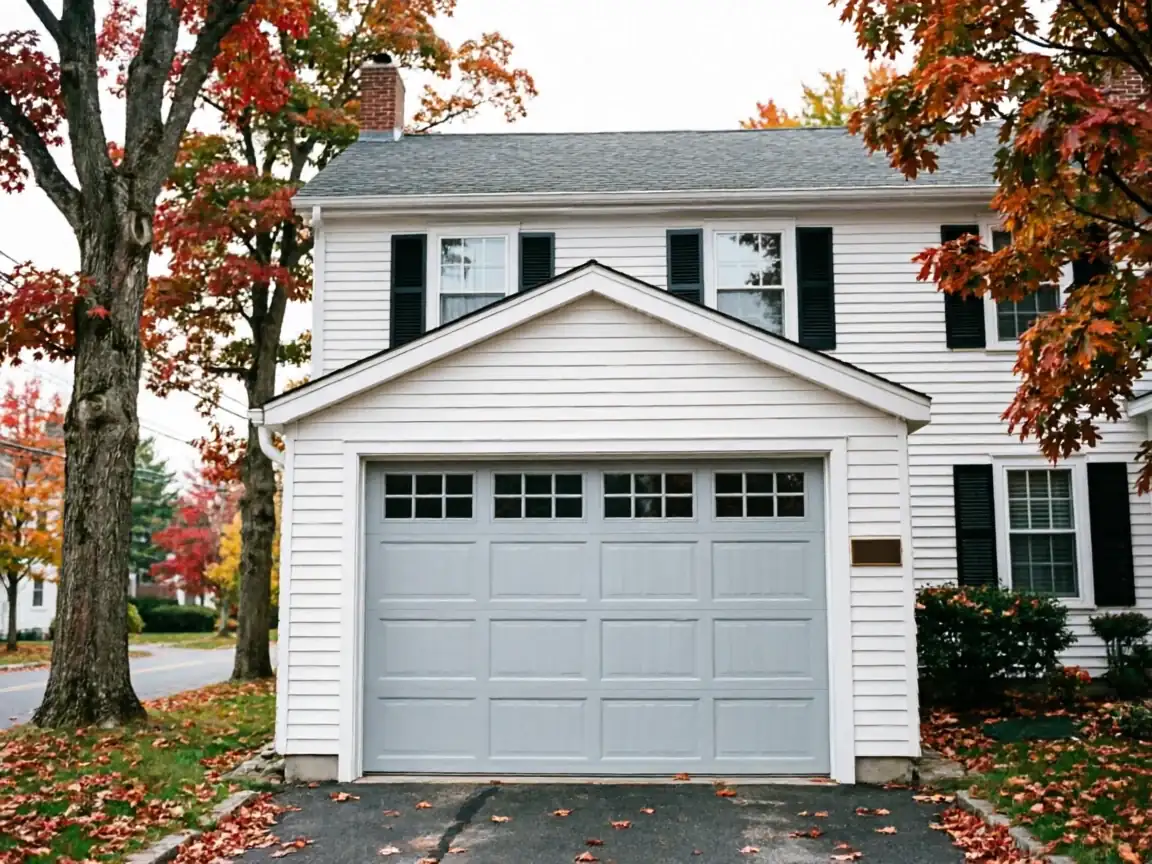
Newark sits in a climate band the federal data marks as cold and severe, and that matters more for a detached garage than an attached one. A detached structure has no shared wall with the house, so it gets none of the home's residual heat. On a night when the temperature drops hard, the steel skin of a detached door contracts fast and unevenly, which is what causes the panel seams you see gapping on older freestanding garages around Newark. An attached garage, even an unheated one, sits a few degrees warmer because it borders living space on at least one side. That difference doesn't fix a bad spring or a cracked panel, but it changes how fast cold-weather problems show up. Most of Newark's housing went up between 1938 and 1958, back when detached garages were common as a separate structure behind or beside the house rather than built into it. A lot of those original structures are still standing, still holding their original doors or early replacements, and still taking the full brunt of winter with no insulation buffer from the house at all.
Checking It Yourself
Walk out to a detached garage first, since it's the one exposed on all four sides. Run your hand along the bottom seal - on houses from the 1938-1958 era, that seal has usually been replaced more than once, and if it's cracked or flattened, cold air and water get under the door and speed up rust at the bottom panel. Check the track bolts where they meet the framing. On a detached structure built by hand decades ago rather than to a manufactured kit, that framing can flex more than a modern stud wall, and bolts work loose faster. On an attached garage, check the weatherstripping where the door meets the house wall - that's the point where cold Newark winters drive moisture into the seam between structures. On both, look at the bottom two panels for daylight gaps when the door is closed. If you see light, the door isn't sealing, and in this climate that's not cosmetic - it's a path for cold air and water straight onto your springs and cables.
The Seasonal Bit
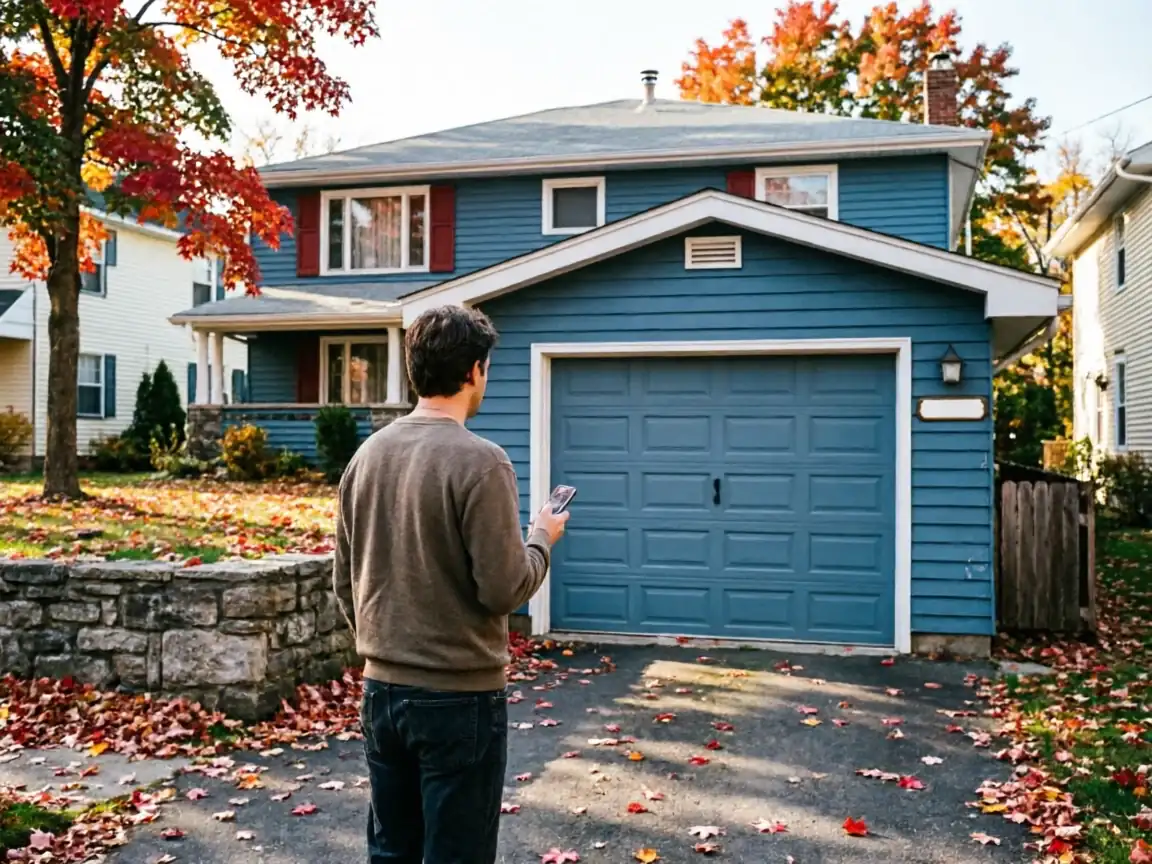
The swing between a warm fall day and a hard freeze is what does the real damage here, not the cold by itself. Steel expands and contracts with every cycle, and a detached garage door in Newark goes through more of those cycles per winter than an attached one because it has no buffer from the house. On the older stock - built median 1958, a lot of it before 1960 - you'll often find original or early-replacement hardware that was never rated for the number of freeze-thaw cycles it's now seen. Torsion springs lose tension faster in the cold, and a spring that's already fatigued from sixty-plus winters can let go without much warning. Attached garages see a gentler version of the same wear, but not none - the shared wall slows the swing, it doesn't stop it. If your garage backs onto an unheated room, like a lot of the older two-family houses near the that room runs almost as cold as a detached structure would.
The Problem
Here's the part we're straight about: a detached garage built in the 1940s or 50s, framed by hand to whatever the original builder had on site, often doesn't match a standard track kit off the shelf. Modern door and track hardware is made to fit a manufactured opening, and when the old framing is out of square - which happens after seventy-plus years of settling - fitting a new door right takes more than swapping parts. That's carpentry work on the structure itself, and it's not something we take on; we handle the door, track, spring, and opener, not reframing a garage. If your detached garage's opening has shifted enough that a standard door won't hang straight, get a carpenter to true up the frame first. We can tell you honestly whether that's the issue when we're out looking at the track and the gaps around it.
How it works
From “it’s stuck” to “it’s fixed”
01
Tell us what’s wrong
Describe the symptom - won’t open, loud bang, opener runs but the door won’t move.
02
On-site diagnosis
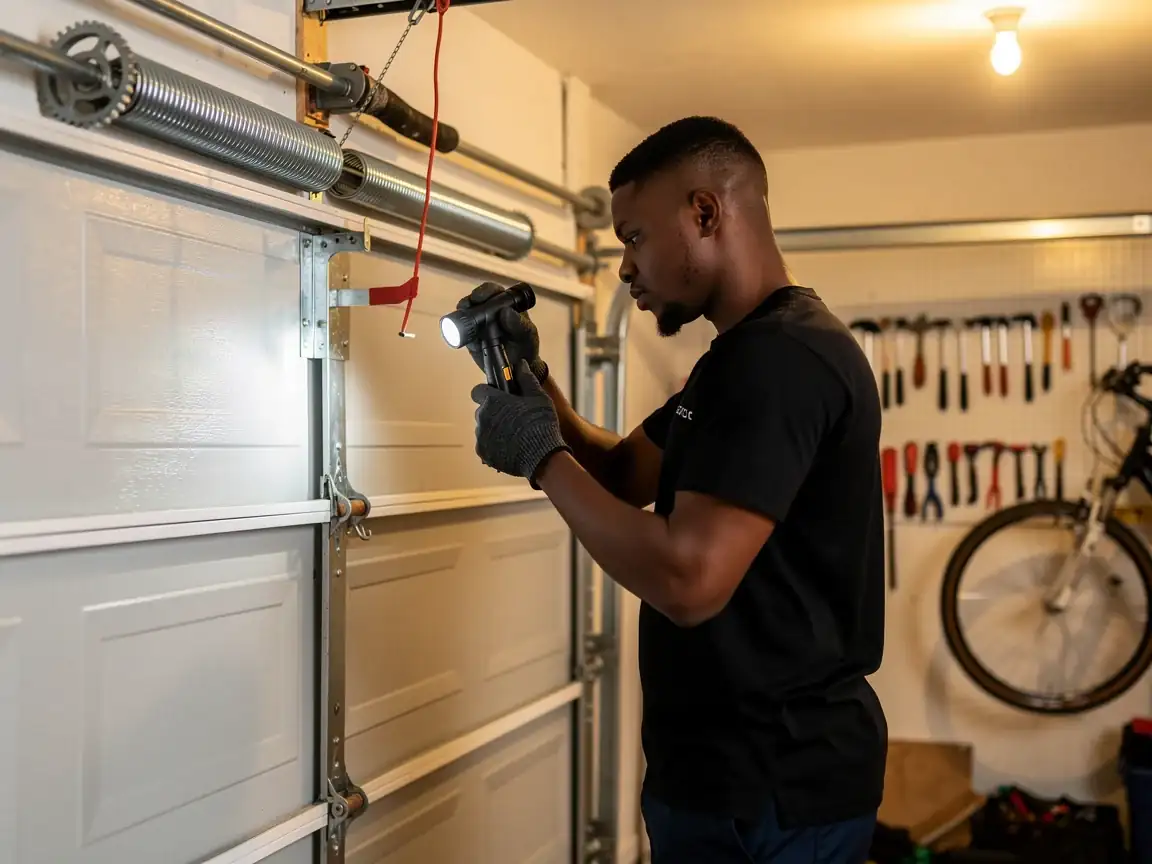
A technician tests the door under power and by hand and finds what actually failed.
03
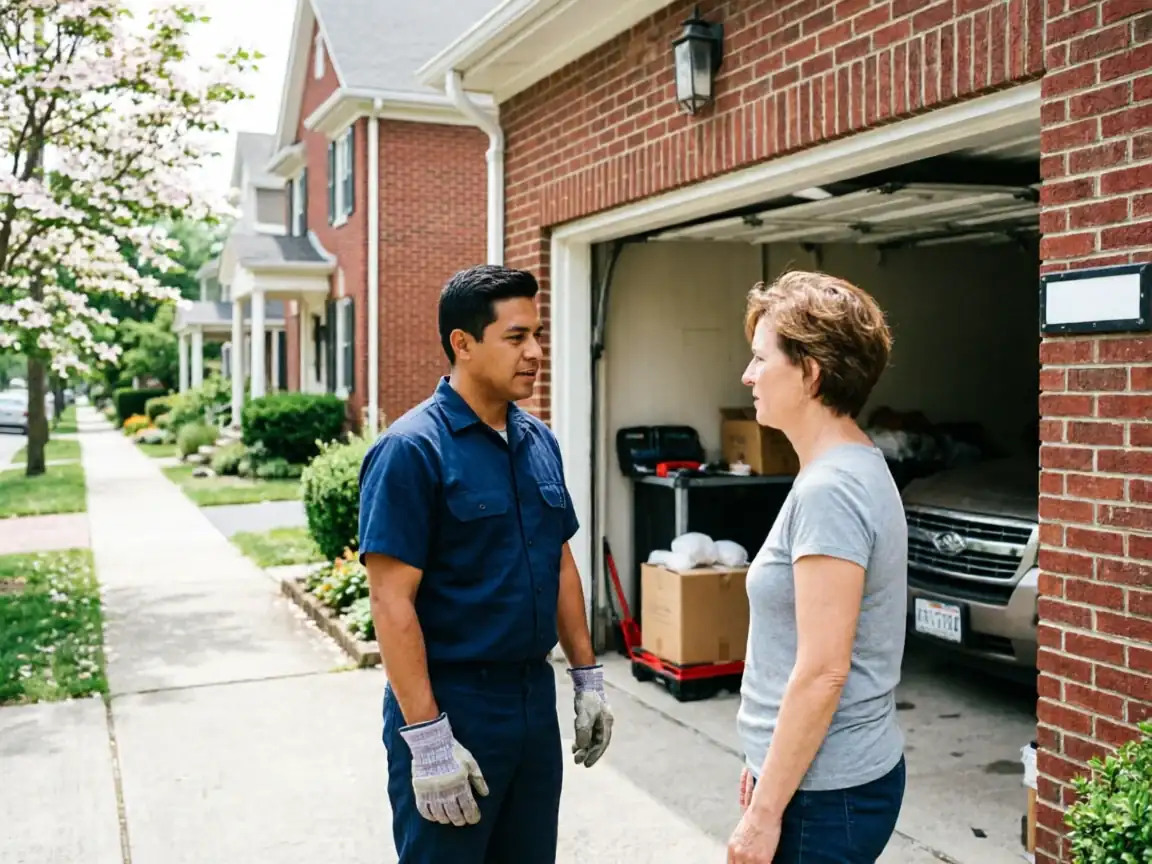
Clear, up-front plan
You get the fix that’s needed and what drives the cost - before any work starts.
04
Repaired & tested
The repair is done, the door is set true and tested, and the work area left clean.
Not sure which repair your door needs in Newark, NJ? Describe what it’s doing - every job starts with a diagnosis.
Is a detached garage door harder to maintain in Newark's winters than an attached one?
Yes, generally. A detached garage has no shared wall with the house, so it runs colder and sees more temperature swing through the season. That speeds up the wear on seals, torsion springs, and track bolts compared to an attached garage, which gets at least some residual warmth from the house.
My detached garage is original to a 1940s house - can a standard new door fit it?
Sometimes, but not always. A lot of Newark's detached garages were framed by hand rather than built to a manufactured opening size, and decades of settling can leave the frame out of square. We can check the track and opening, but if the framing itself needs straightening, that's carpentry work outside what we do.
Why does my attached garage door still get cold-weather problems if it's warmer than a detached one?
The shared wall slows the temperature swing, it doesn't stop it. If the room behind the garage is unheated, which is common in older Newark two-families, the garage still runs close to outdoor temperature and the same freeze-thaw wear on springs and seals still applies, just a bit more slowly.
What's the first thing to check if my garage door won't seal at the bottom?
Look at the bottom weatherstrip first. On houses from Newark's 1938-1958 building era, that seal has typically been replaced more than once and flattens or cracks with age. A worn seal lets cold air and water reach the bottom panel and the cables, which is where rust and corrosion usually start.