Garage Door Installation Built for Newark's Older Housing Stock
Newark homes built mostly before 1960 carry original hardware that wasn't made for today's openers. We install doors sized and sealed for this city's housing stock and winters.
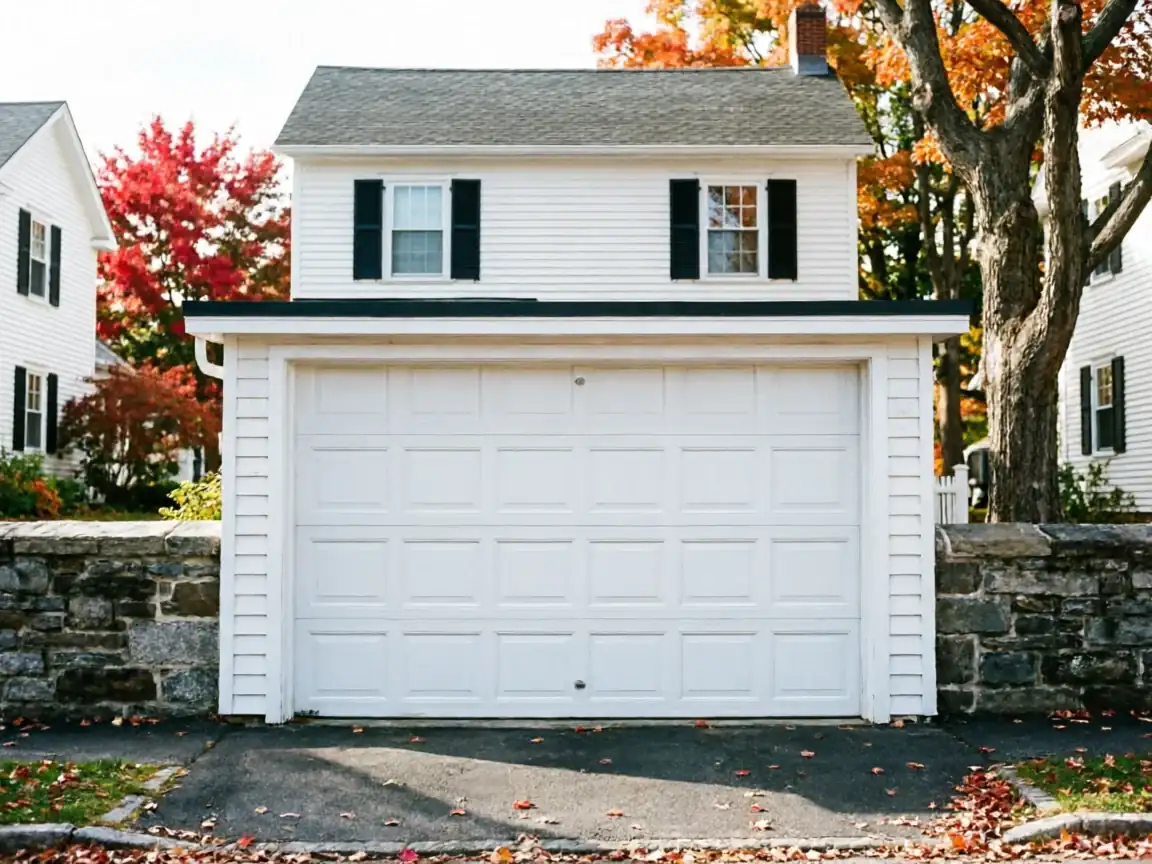
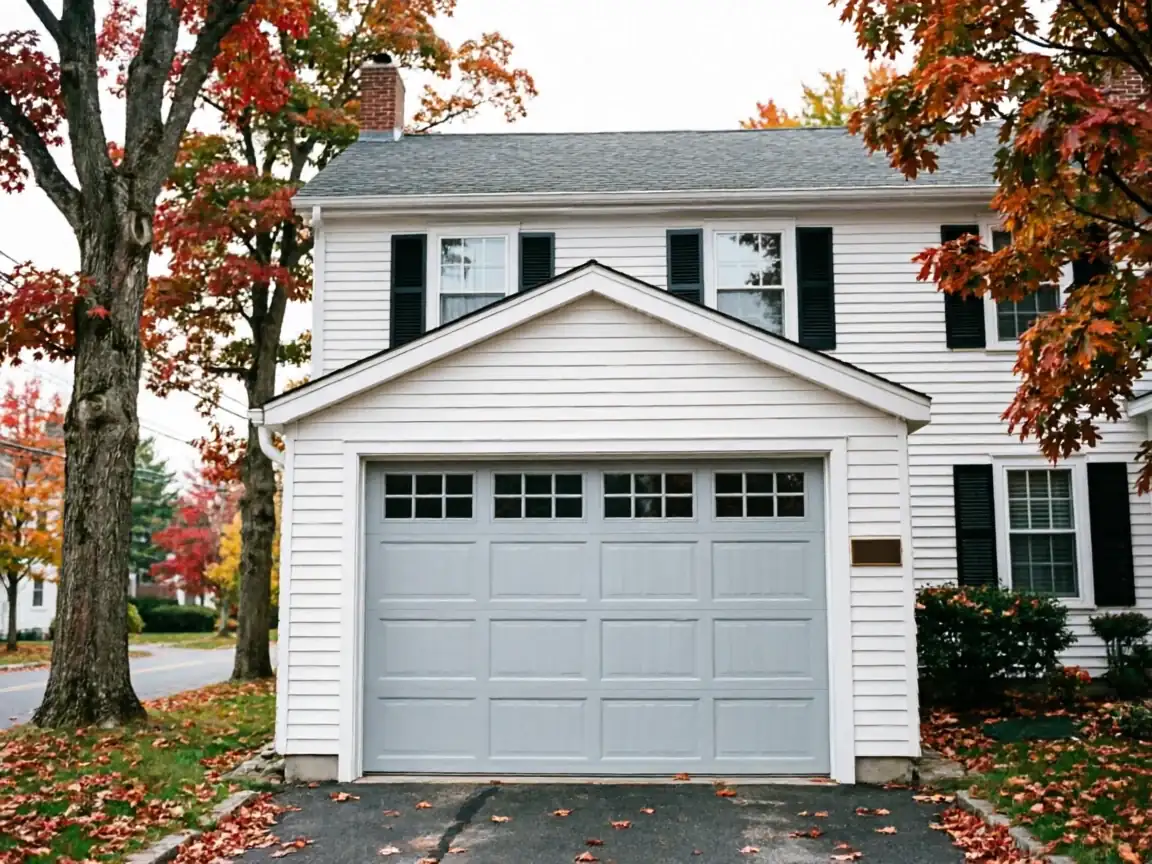
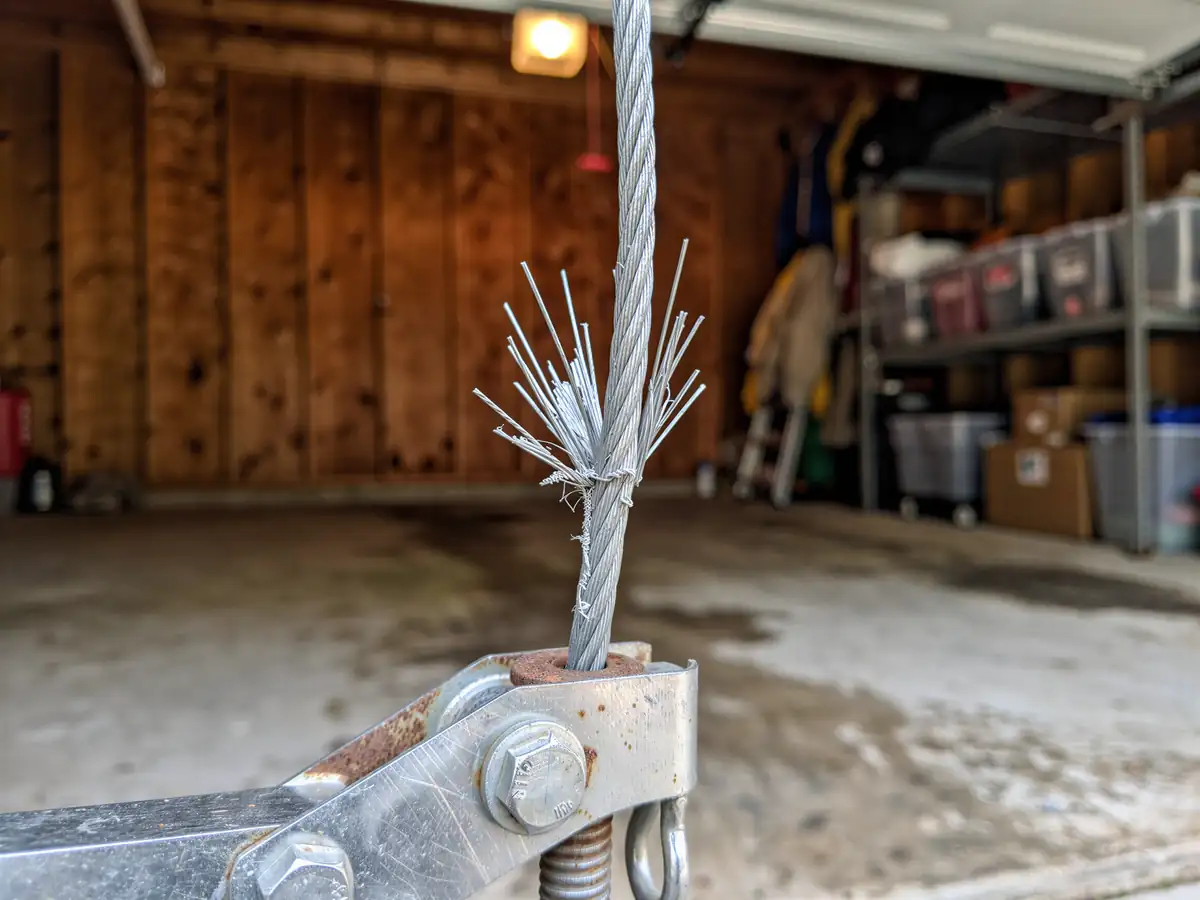
You call us because the door won't open smoothly anymore, or it's loud enough that the neighbors notice, or it's just old and you're tired of babying it. In a lot of Newark homes, that door is original to the house, or close to it. Housing in this area runs 1938 to 1996 with a median build year of 1958, and most of the 156 named areas in this region are still carrying that pre-1960 stock. That means a lot of single-car openings sized for cars and doors that don't exist anymore, steel sections that have rusted through at the bottom panel, and tracks mounted to framing that's shifted over sixty-plus years. The symptom you're seeing - binding, sagging, a door that won't seat flush at the bottom - usually isn't a one-part fix. It's the whole system aging out at once, which is normal for a house this old, not a sign you did something wrong.
How We Fix It
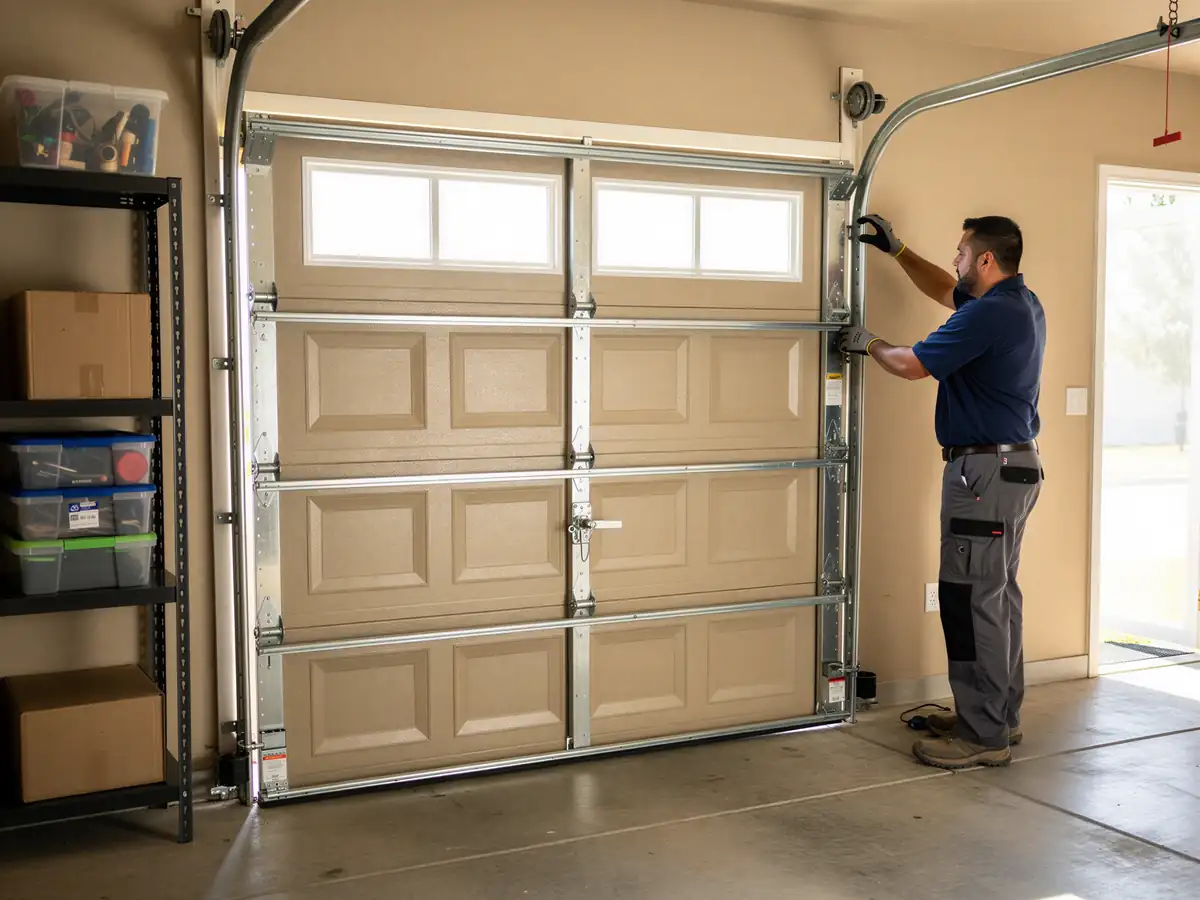
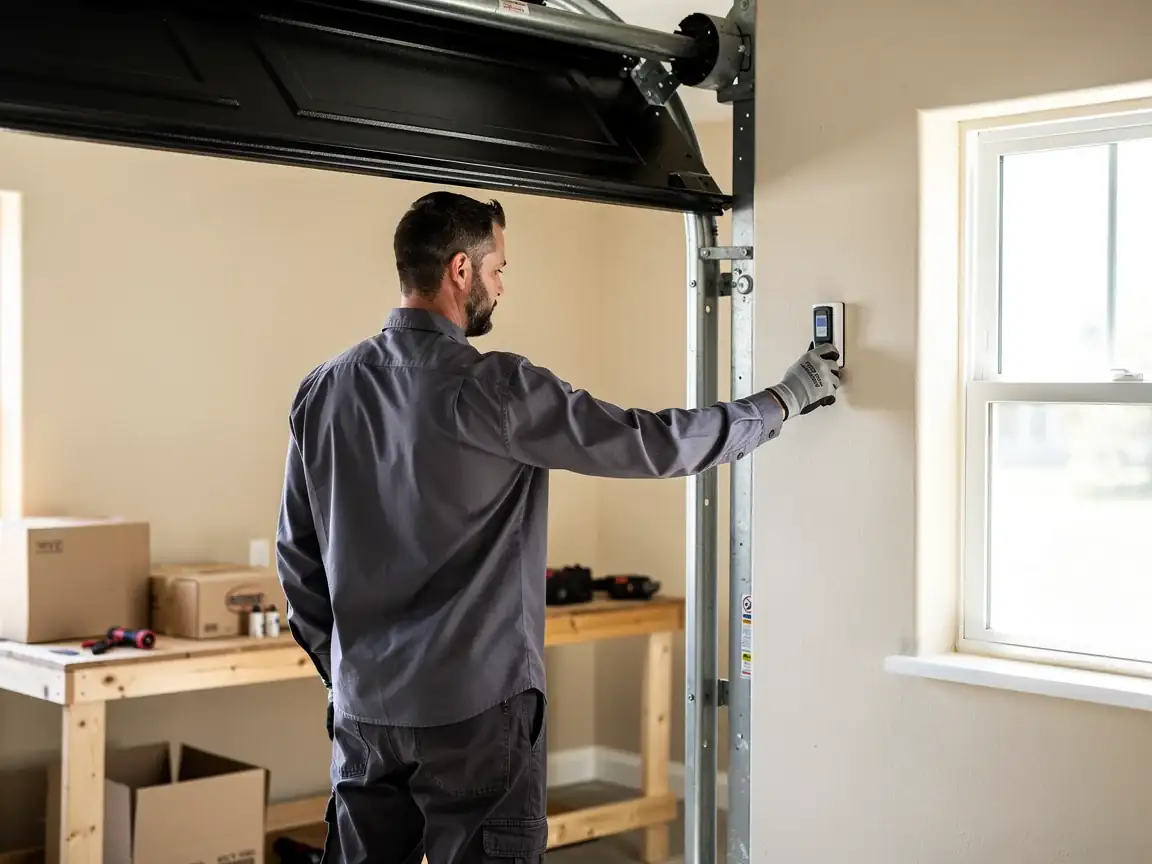
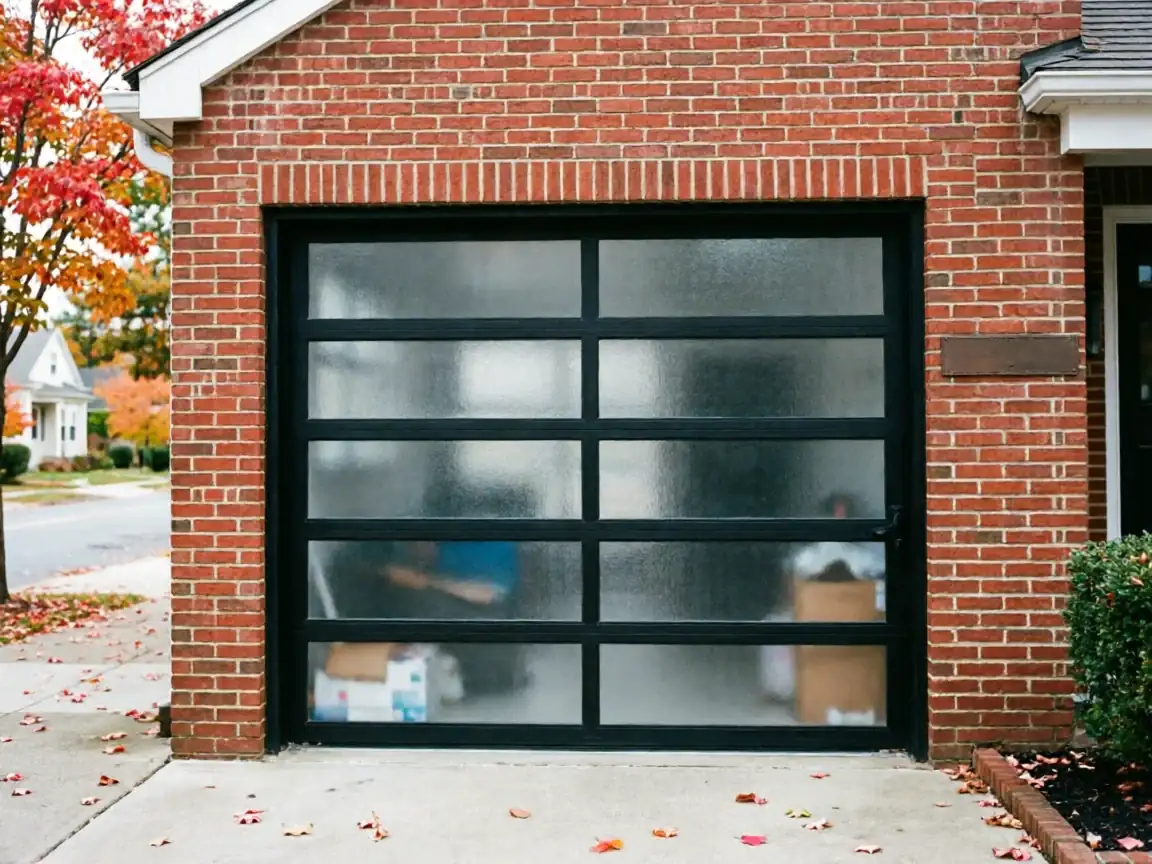
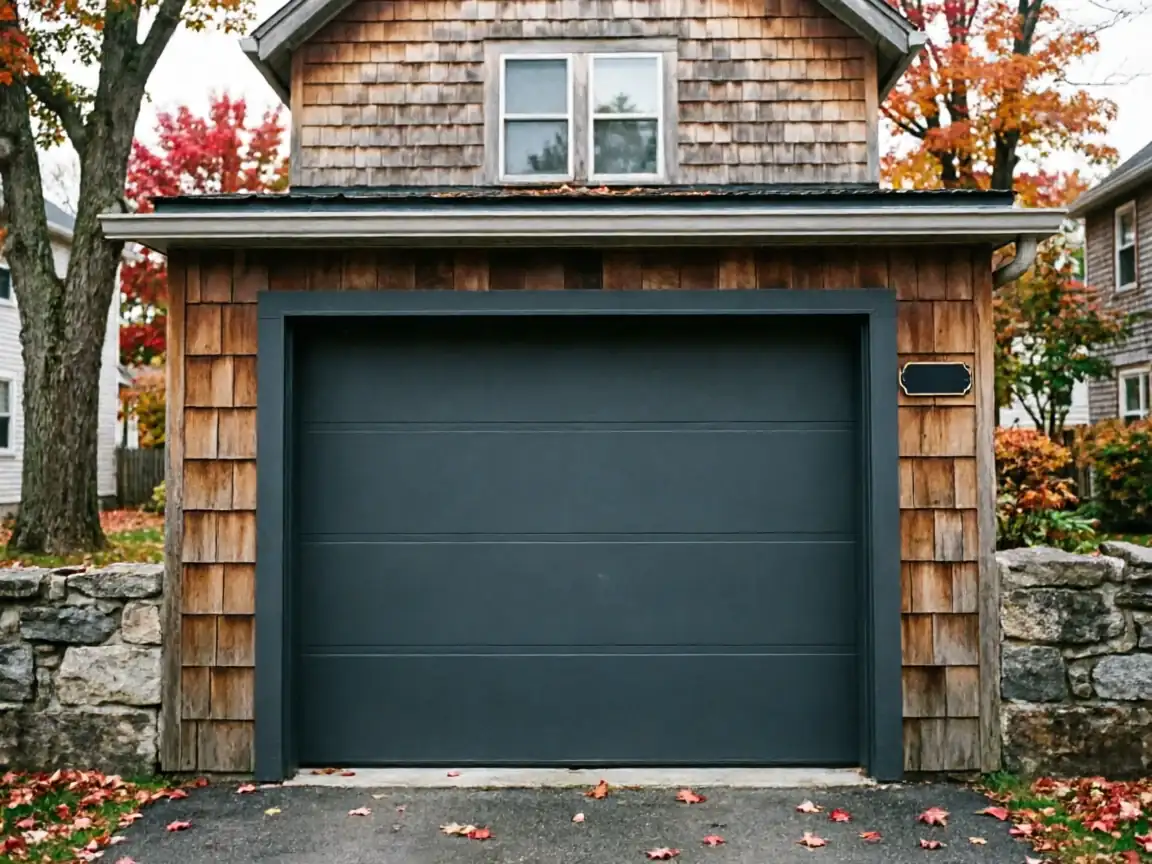
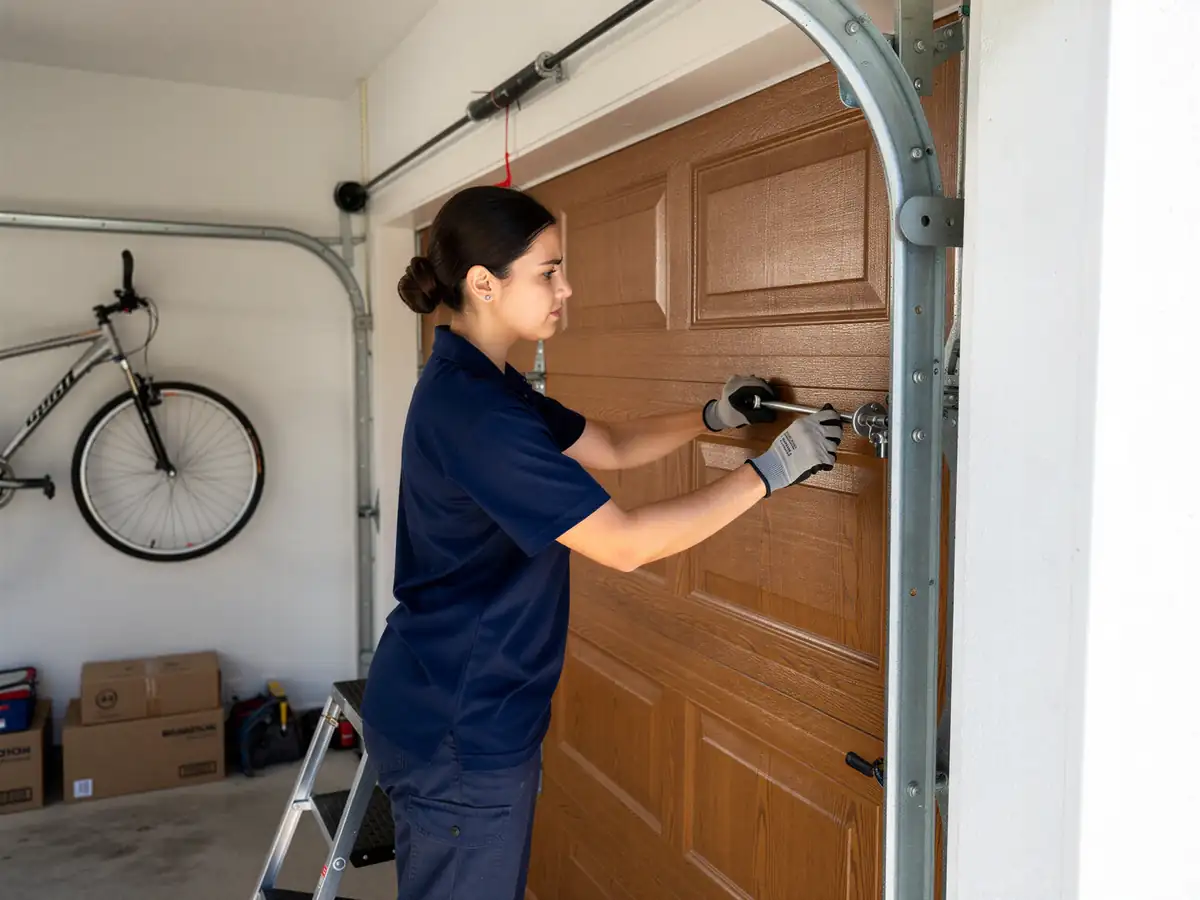
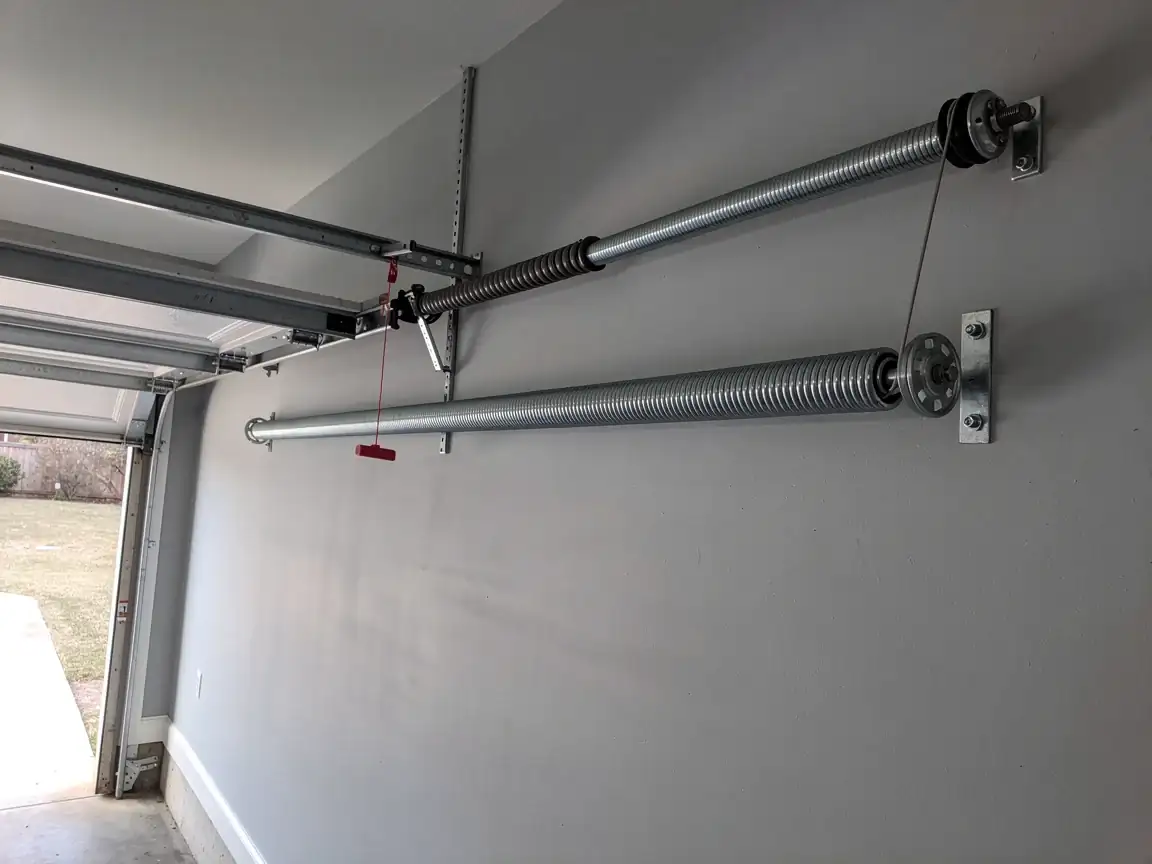
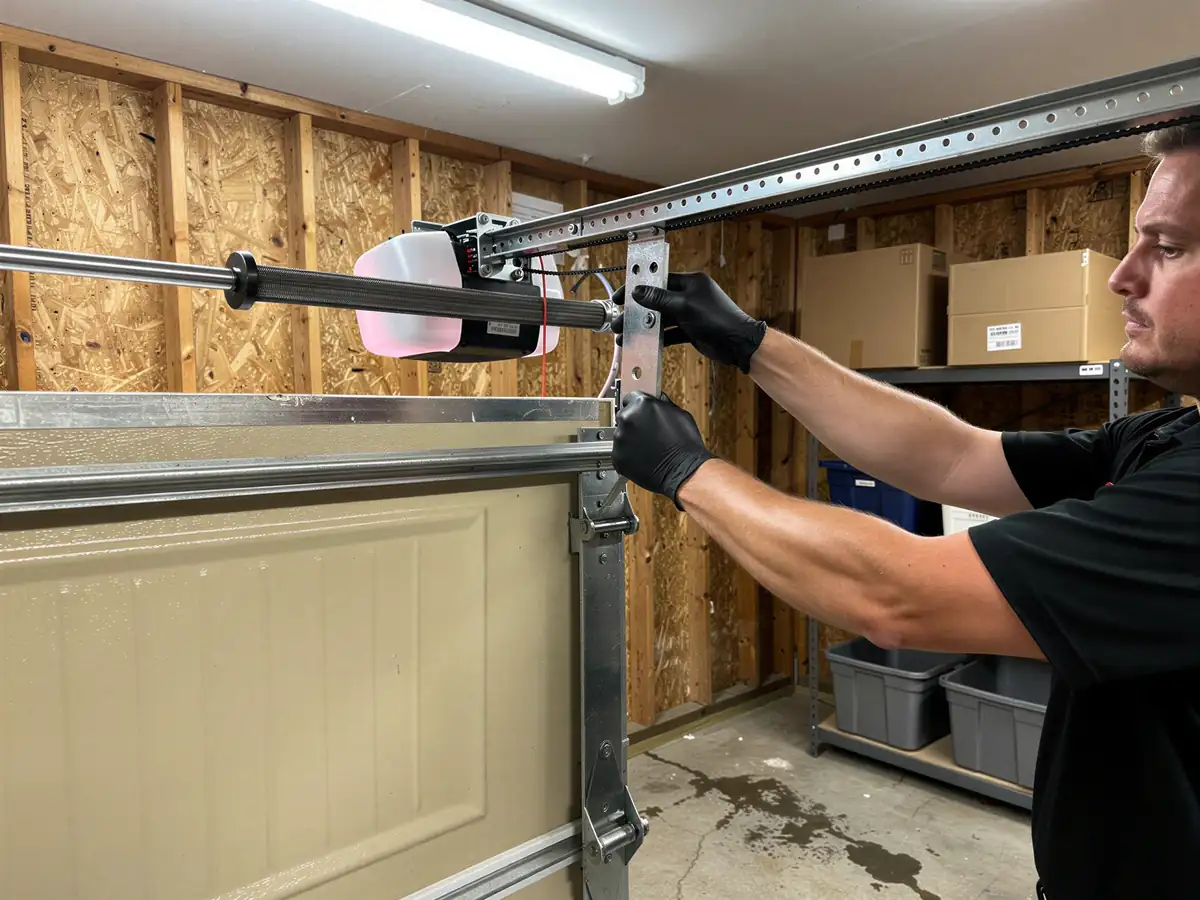
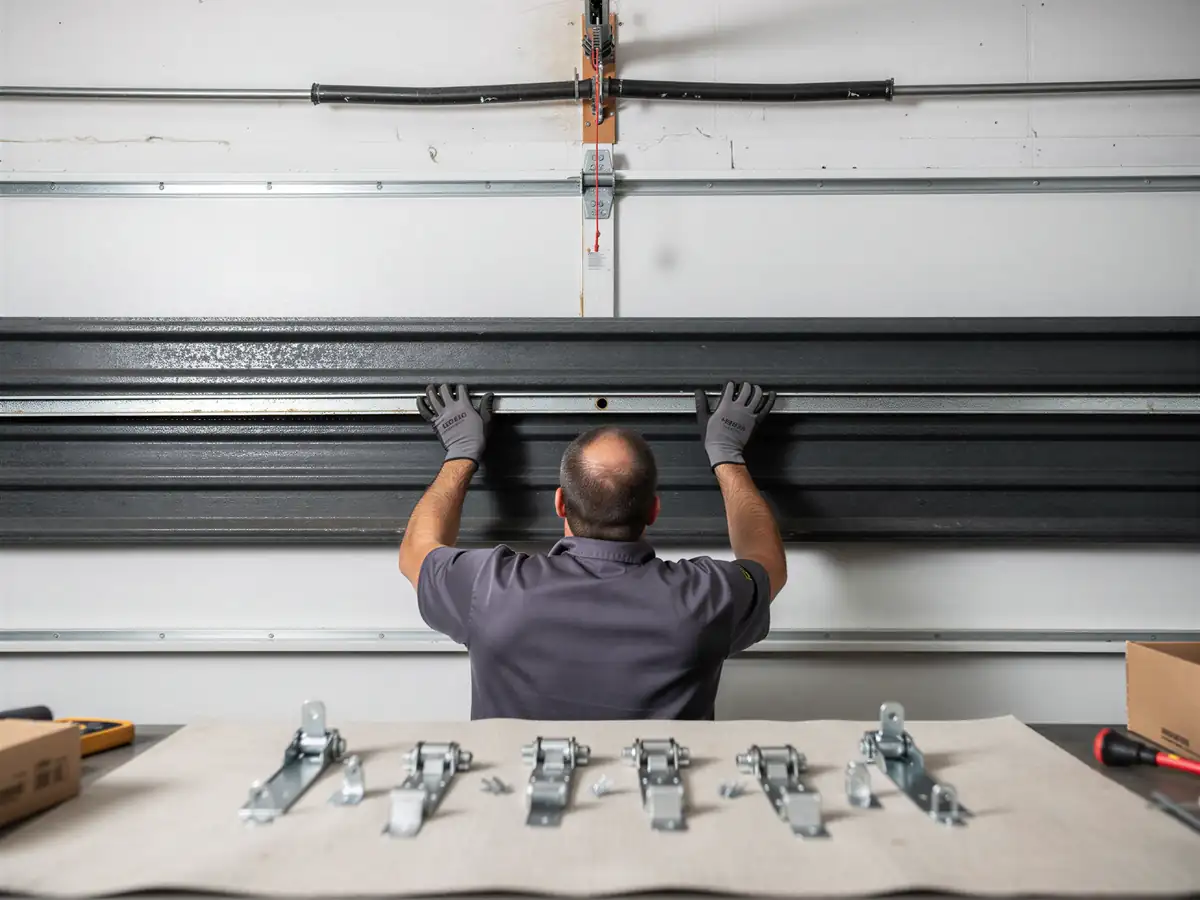
We measure the actual rough opening before we talk product, because a lot of these older framed openings run narrow or slightly out of square compared to what a modern door comes pre-sized for. We pull the old track, the old hinges, and the old bottom bracket hardware rather than bolting new parts to an opening that's moved over the decades. New doors go in with insulated steel or composite sections rated for the cold-climate loads this region sees, torsion spring systems sized to the actual door weight, and weatherstripping that seals against a jamb that may not be perfectly plumb anymore. We set the opener separately from the door install and test travel limits and auto-reverse before we leave, because an opener that's fighting a misaligned track will burn itself out in a season regardless of brand.
Why This Fails Locally
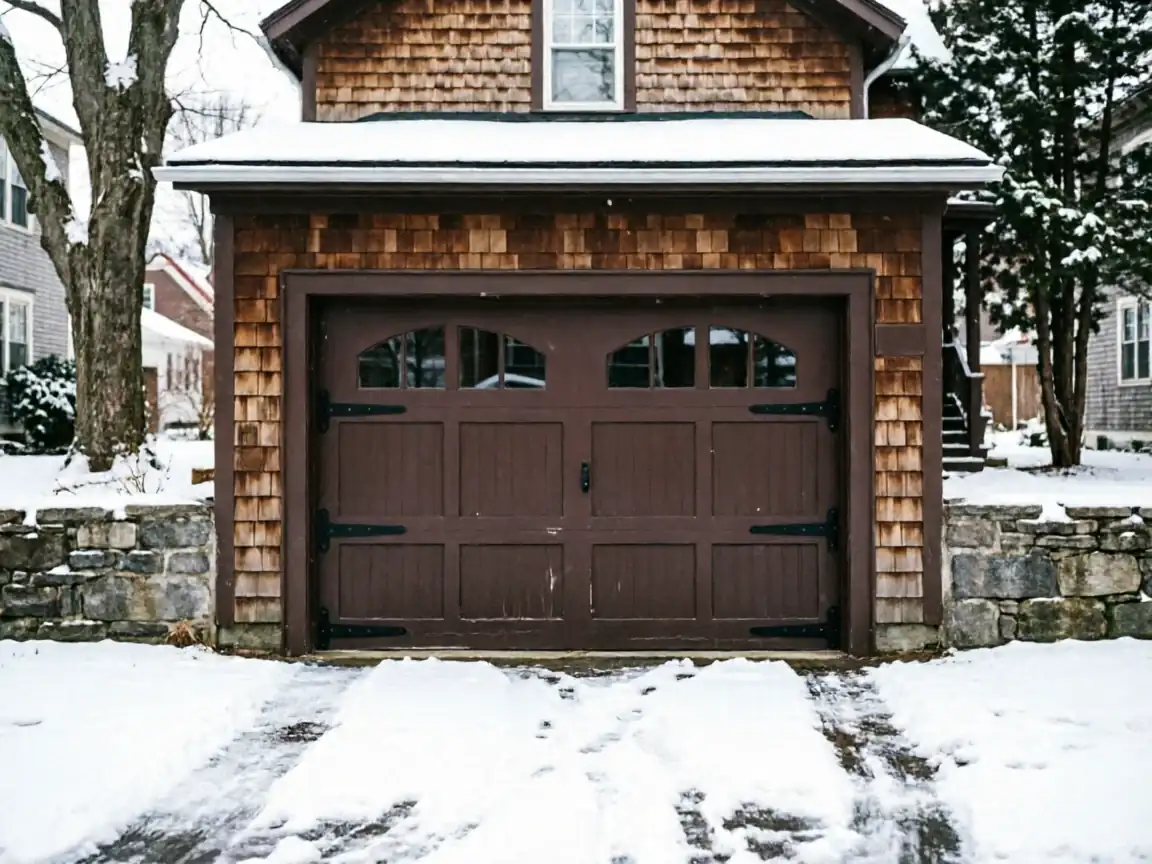
This region sits in a cold severe climate band, and that matters more for door installs than most homeowners expect. A door that isn't sealed and insulated right loses heat straight through the garage, and if that garage is attached, it loses heat into the house too. Older pre-1960 openings in this area were often built before insulated door standards existed at all, so swapping in a modern door without re-checking the framing and seal gaps leaves you with a new door that still performs like the drafty original. The age of the housing stock also means a lot of these installs hit surprises mid-job - a header that's not sized for a wider panel, jamb wood that's soft from decades of moisture at the base - things you can't always see until the old door is out.
The Cost of This Job
We're not going to give you a number here, because the cost swings a lot based on opening size, whether we're matching an original single-car bay or widening it, and whether the framing needs repair before the new door goes in. What we will say: in a service area with a median household income around $120,958 and 358,096 owner-occupied houses among roughly 1.19 million households total, we see a wide range of what people choose to spend - some want a straightforward like-for-like swap, others want insulation upgrades for the cold-climate load. One honest limitation: if your framing needs structural repair beyond the door opening itself, that's carpentry work we'll flag but won't quote as part of the door install. Ask us for a walk-through estimate before you assume a number either way.
How it works
From “it’s stuck” to “it’s fixed”
01
Tell us what’s wrong
Describe the symptom - won’t open, loud bang, opener runs but the door won’t move.
02
On-site diagnosis
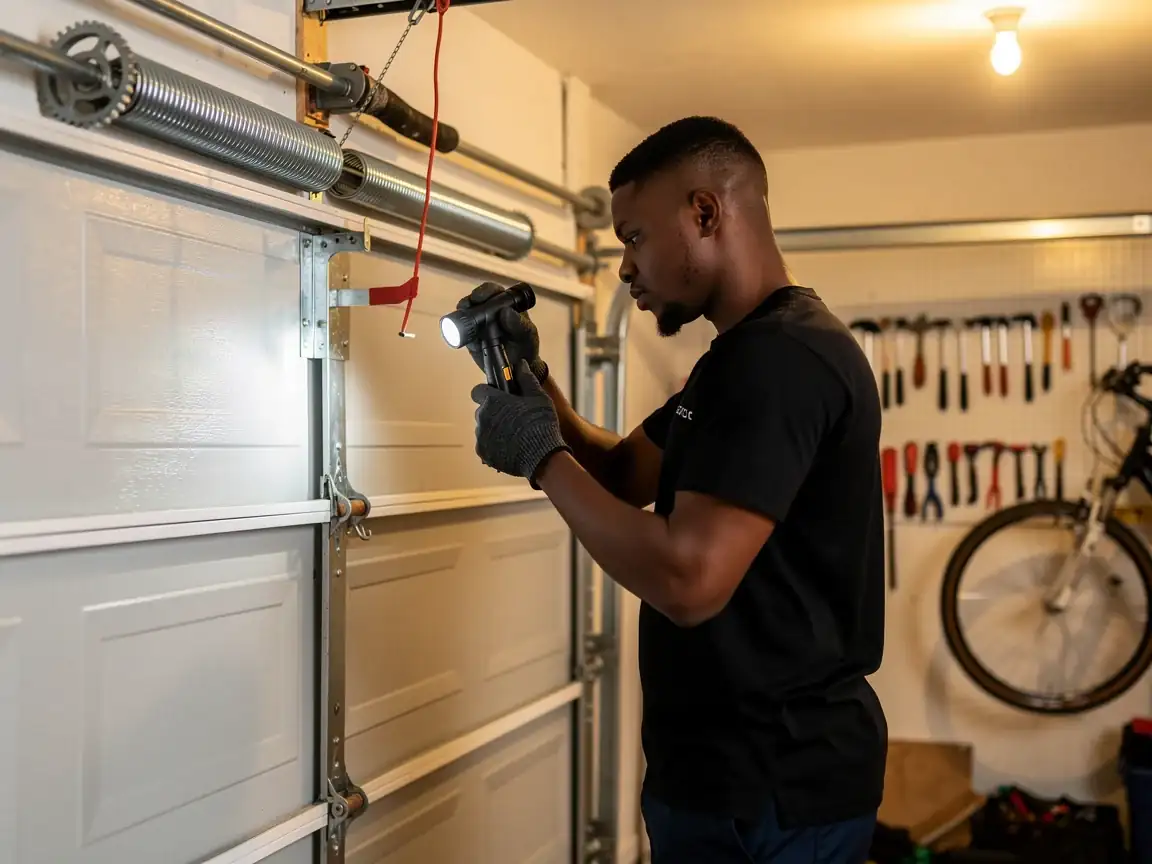
A technician tests the door under power and by hand and finds what actually failed.
03
Clear, up-front plan
You get the fix that’s needed and what drives the cost - before any work starts.
04
Repaired & tested
The repair is done, the door is set true and tested, and the work area left clean.
Not sure which repair your door needs in Newark, NJ? Describe what it’s doing - every job starts with a diagnosis.
Will a new garage door fit my original opening if my house was built in the 1950s?
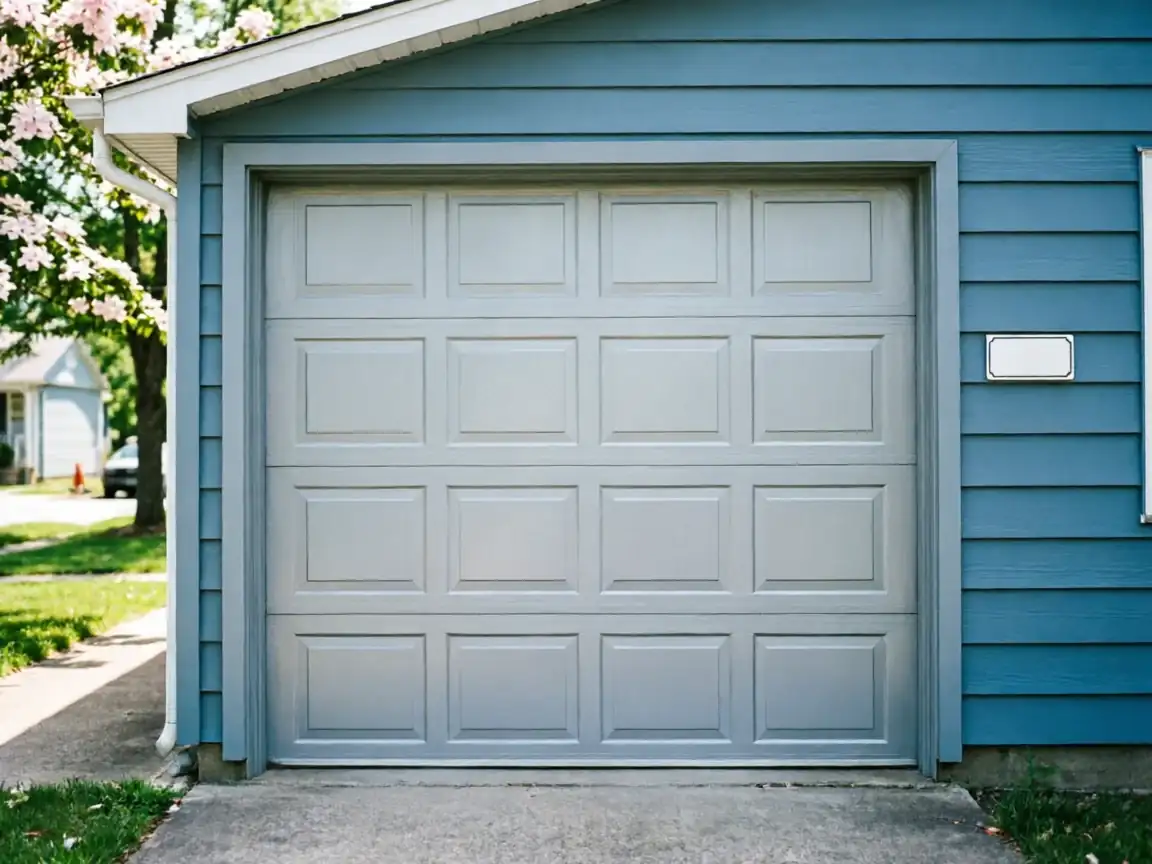
Often yes, but not always without adjustment. A lot of homes in this area have openings sized for cars and doors from the 1938-1996 build era, which can run narrower than today's standard sizes. We measure the actual rough opening first and tell you honestly whether it's a direct swap or needs framing work.
Do I need an insulated door given the winters here?
If the garage is attached to the house, yes, it's worth it. This region sits in a cold severe climate band, and an uninsulated door on an attached garage lets heat escape straight through, which shows up as a cold wall in the room next door. We size insulated doors to the opening rather than assuming one R-value fits every house.
How do you handle an opener that's already installed on an old door?
We test it separately from the door swap. A lot of openers on older setups are fighting a misaligned track or a door that's heavier than the opener was rated for, so we check travel limits, auto-reverse, and the force setting once the new door is in rather than assuming the old opener will behave the same way on new hardware.