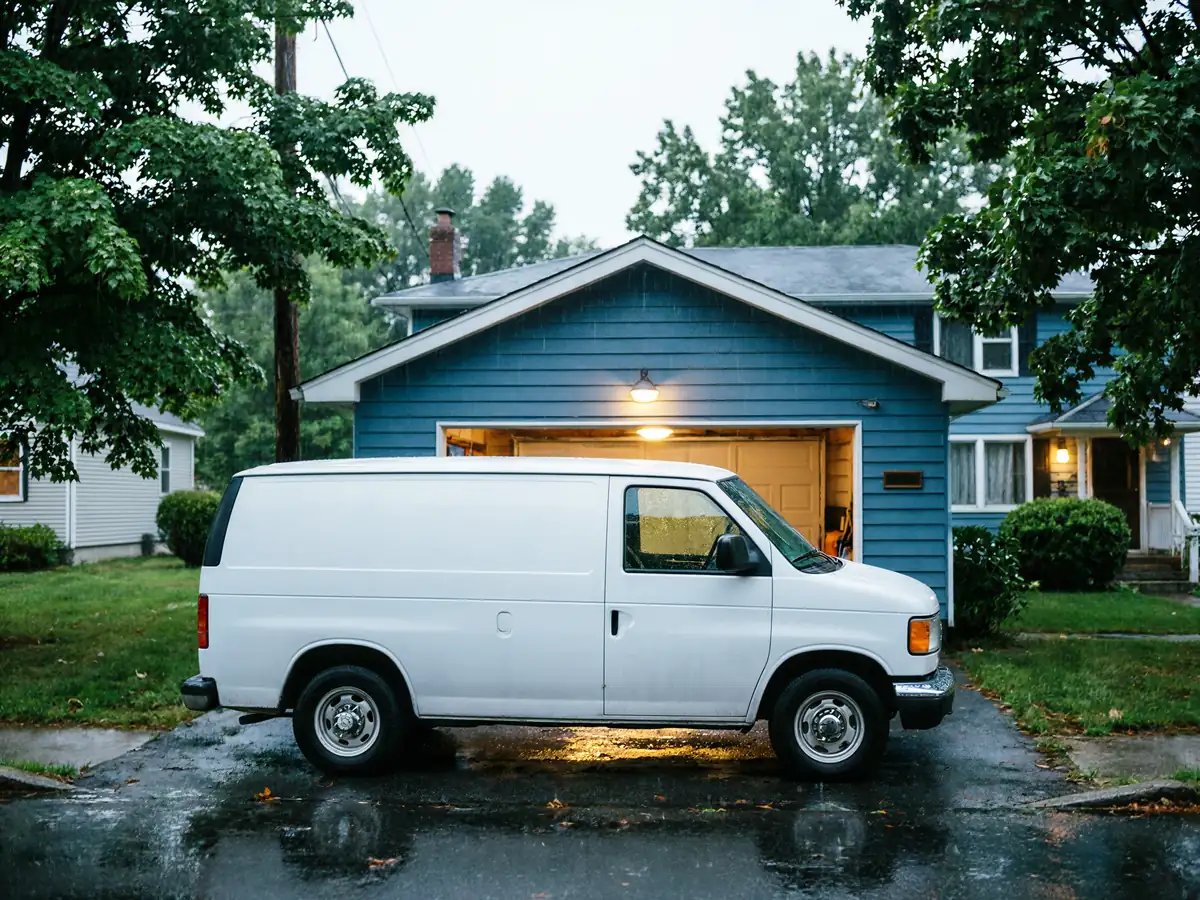
Newark homes built mostly before 1960 face cold-climate stress on garage door hardware. Here's what a technician checks first before touching your door.
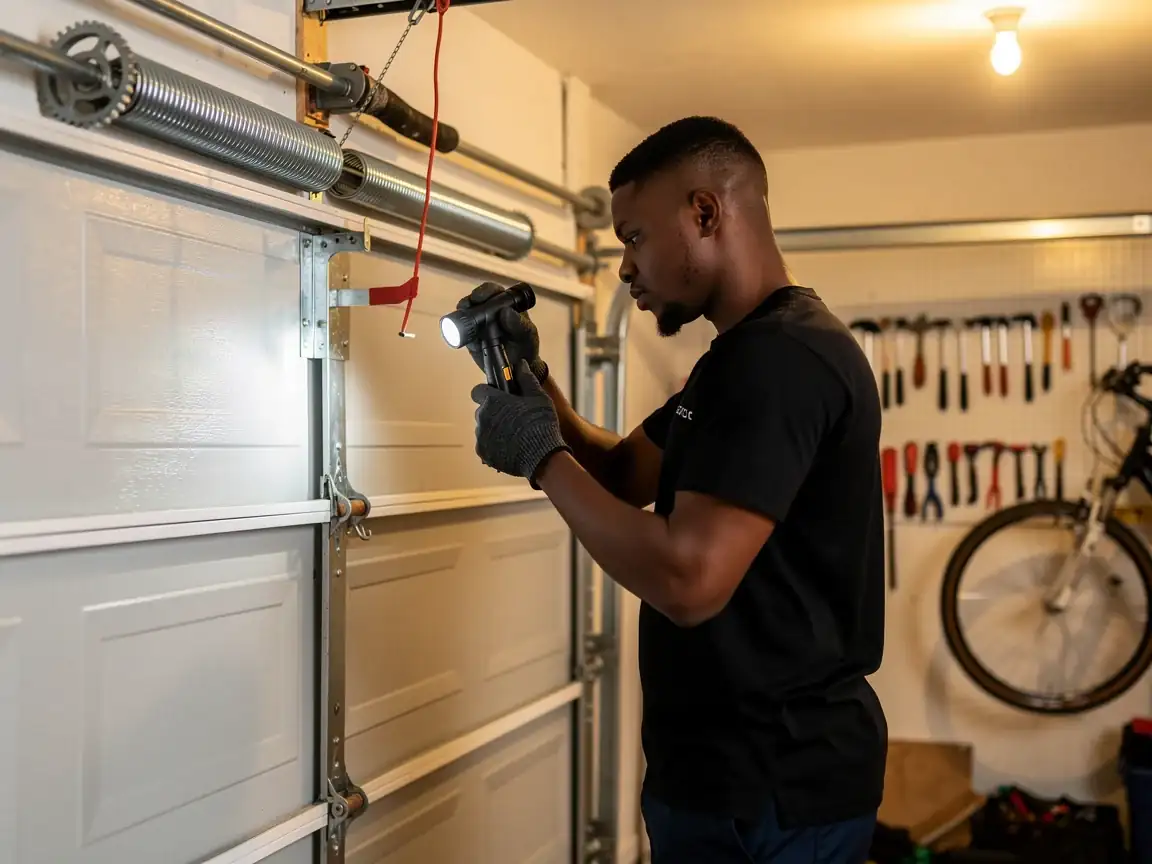
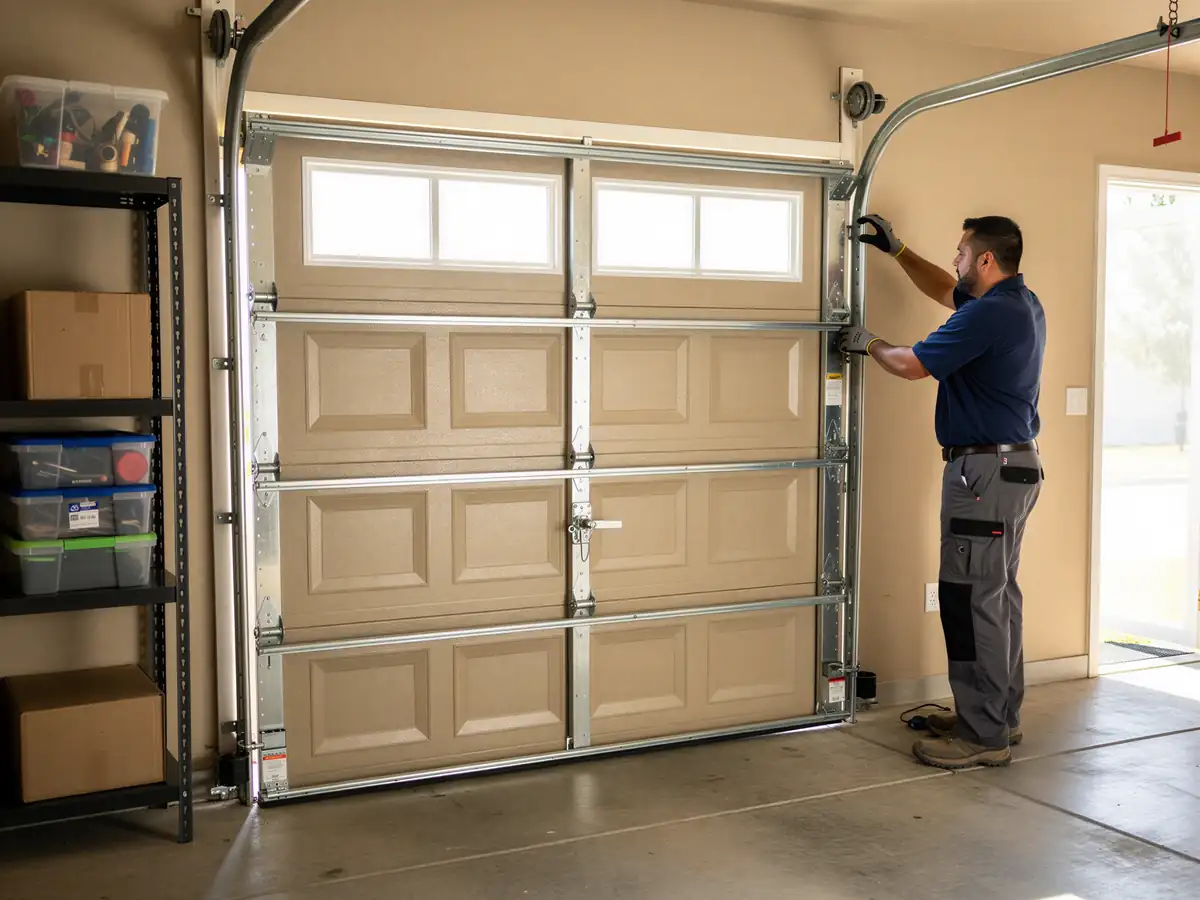
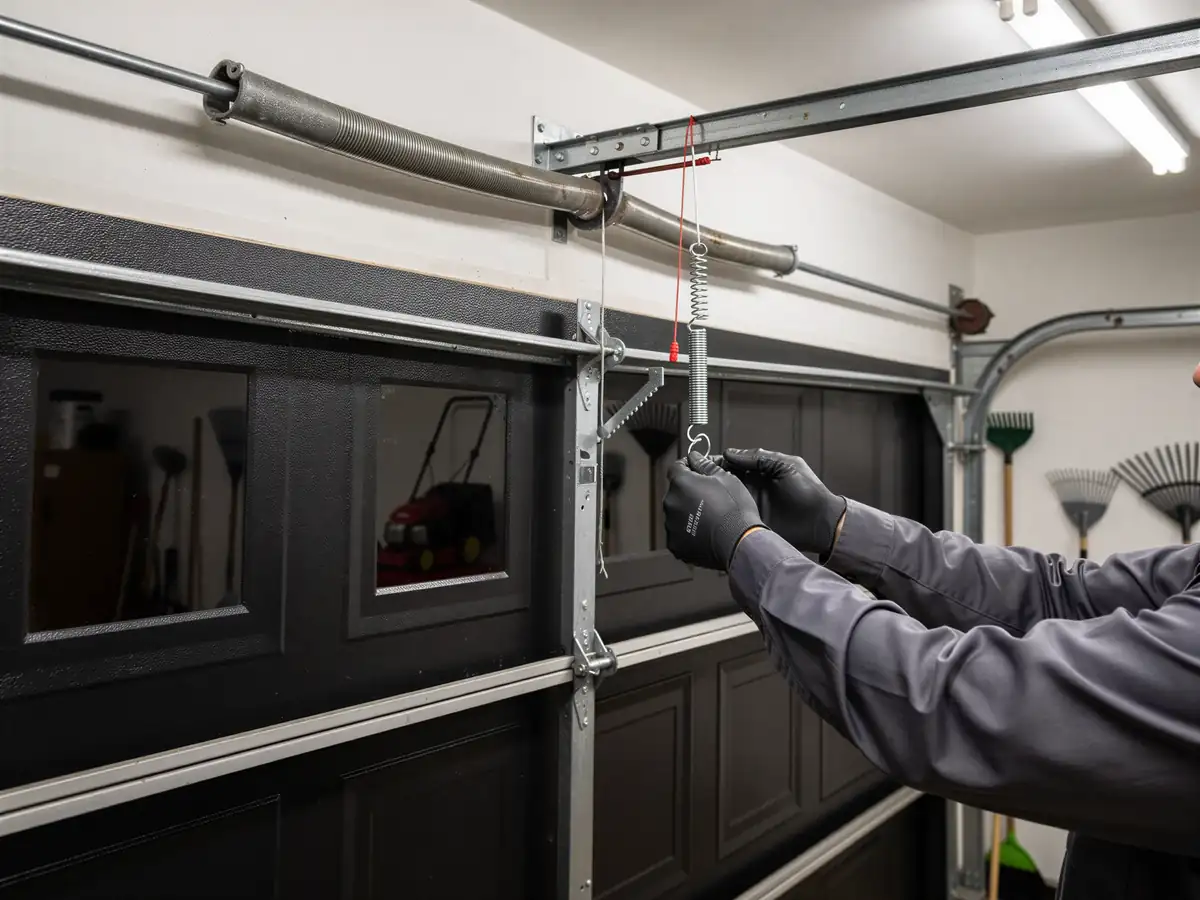
Newark sits in a cold-severe climate band, and that matters more than most homeowners realize until a door won't open on a January morning. Steel contracts in the cold, and a torsion spring that held an 8-foot door steady in August can leave it sitting crooked by midwinter because the tension was set when the metal was warmer and looser. Add in that the housing across this area was mostly built between 1938 and 1996, with the median landing around 1958, and you've got a lot of doors running on hardware that predates the weatherstripping standards we'd use on a job today. That original track and those original springs weren't engineered for 60-plus years of seasonal temperature swing, and it shows. So the first thing a technician does on a cold-season call isn't look at the opener - it's check how the spring is winding and whether the track has pulled away from true. Nine times out of ten on an older Newark door, that's where the real problem starts, not in the motor everyone assumes is broken.
Checking It Yourself
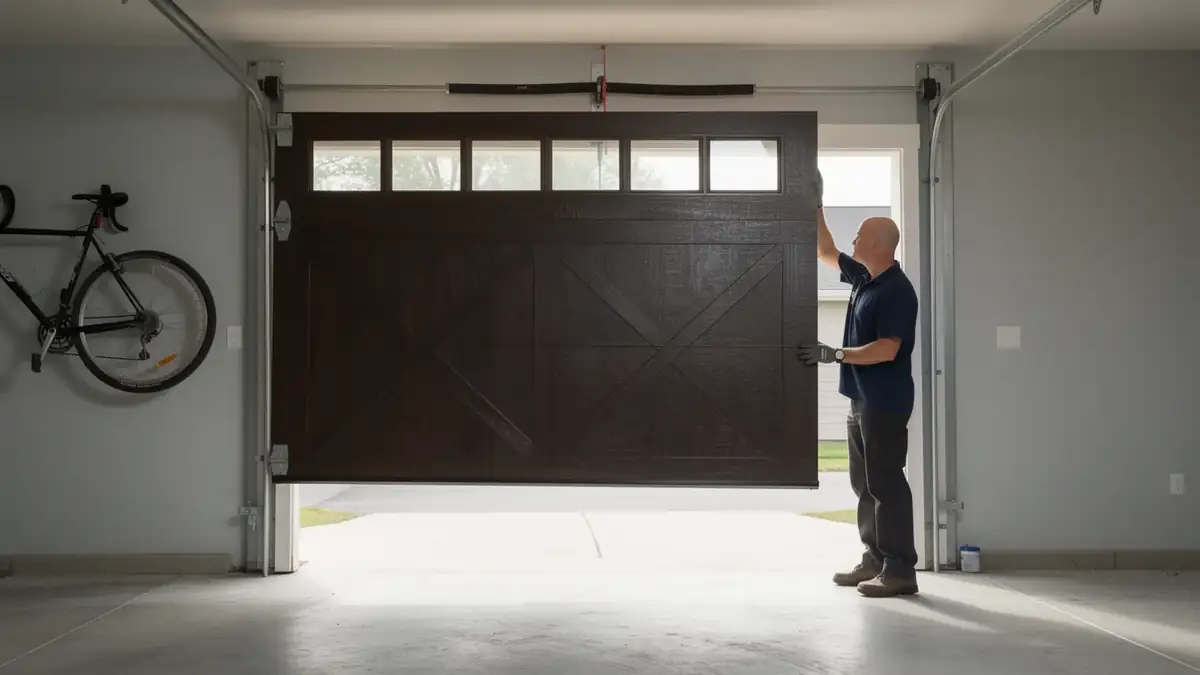
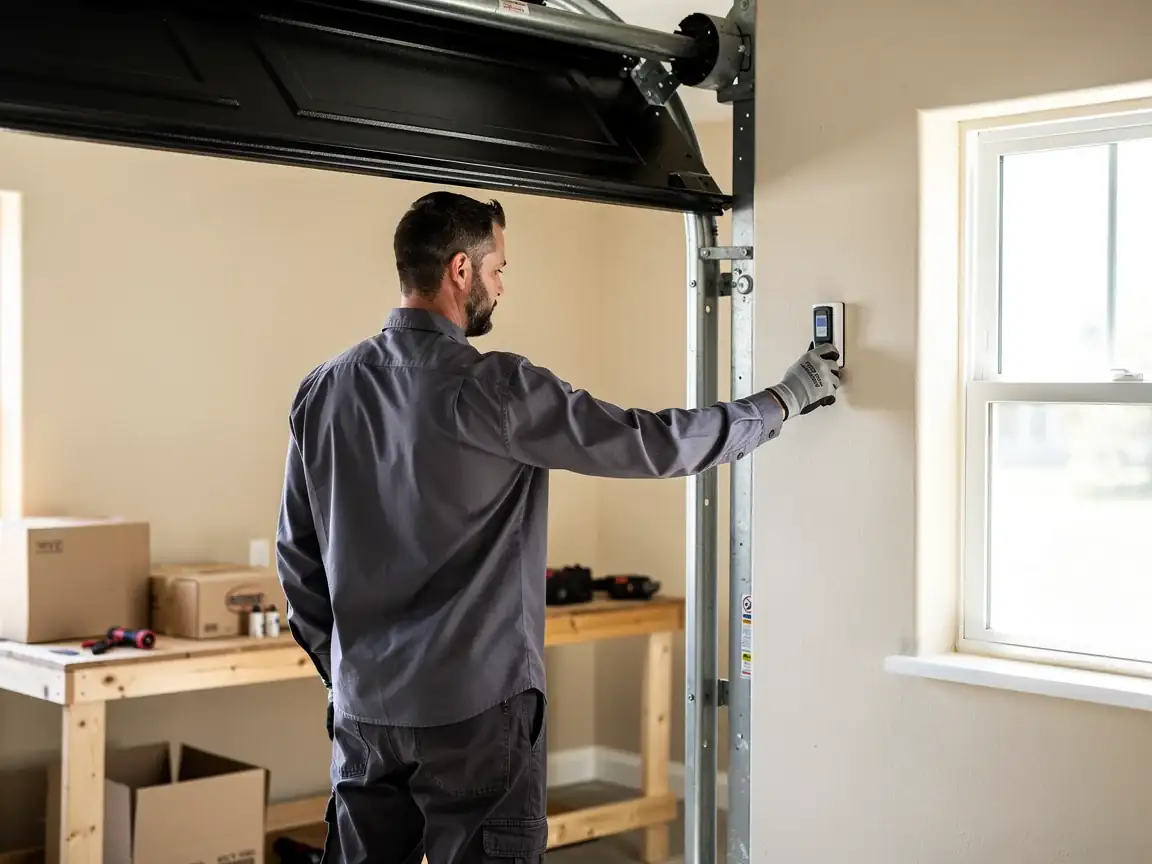
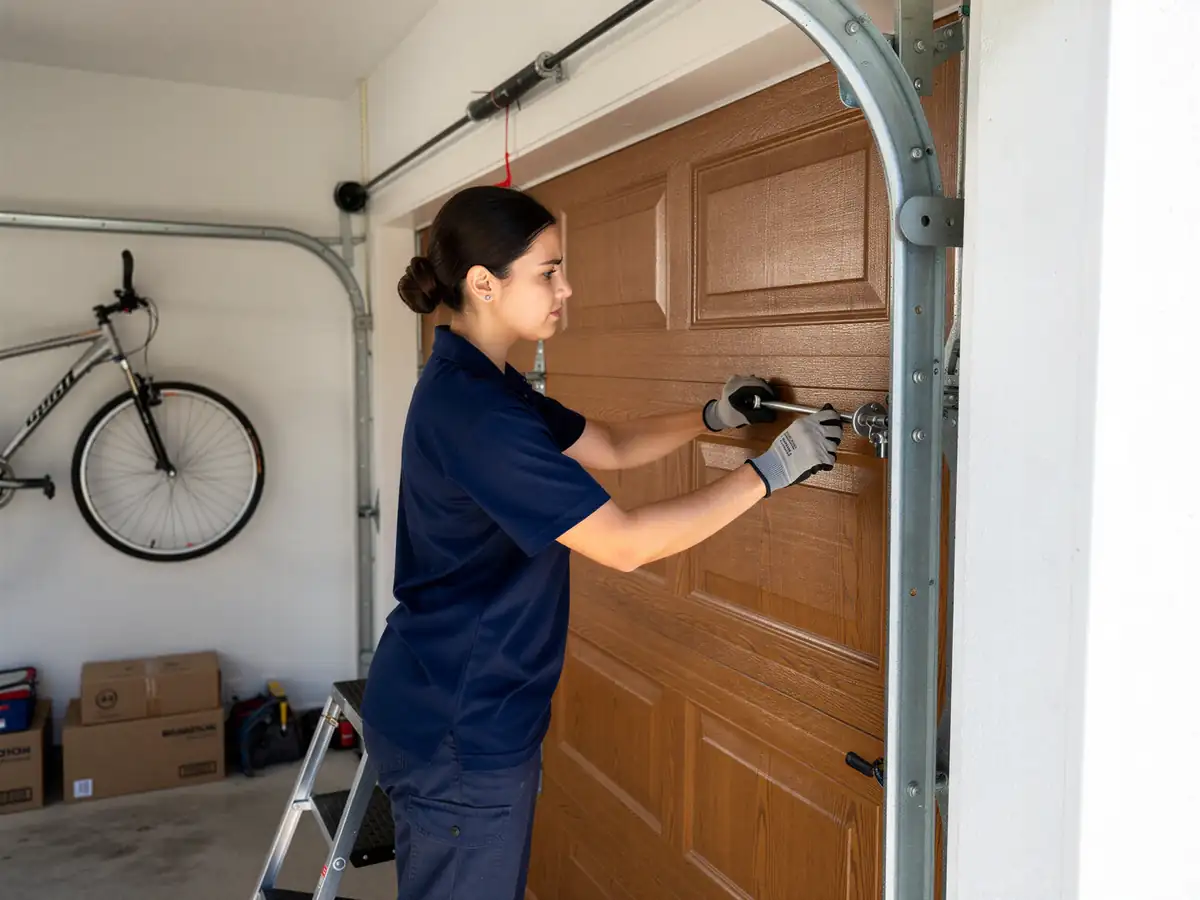
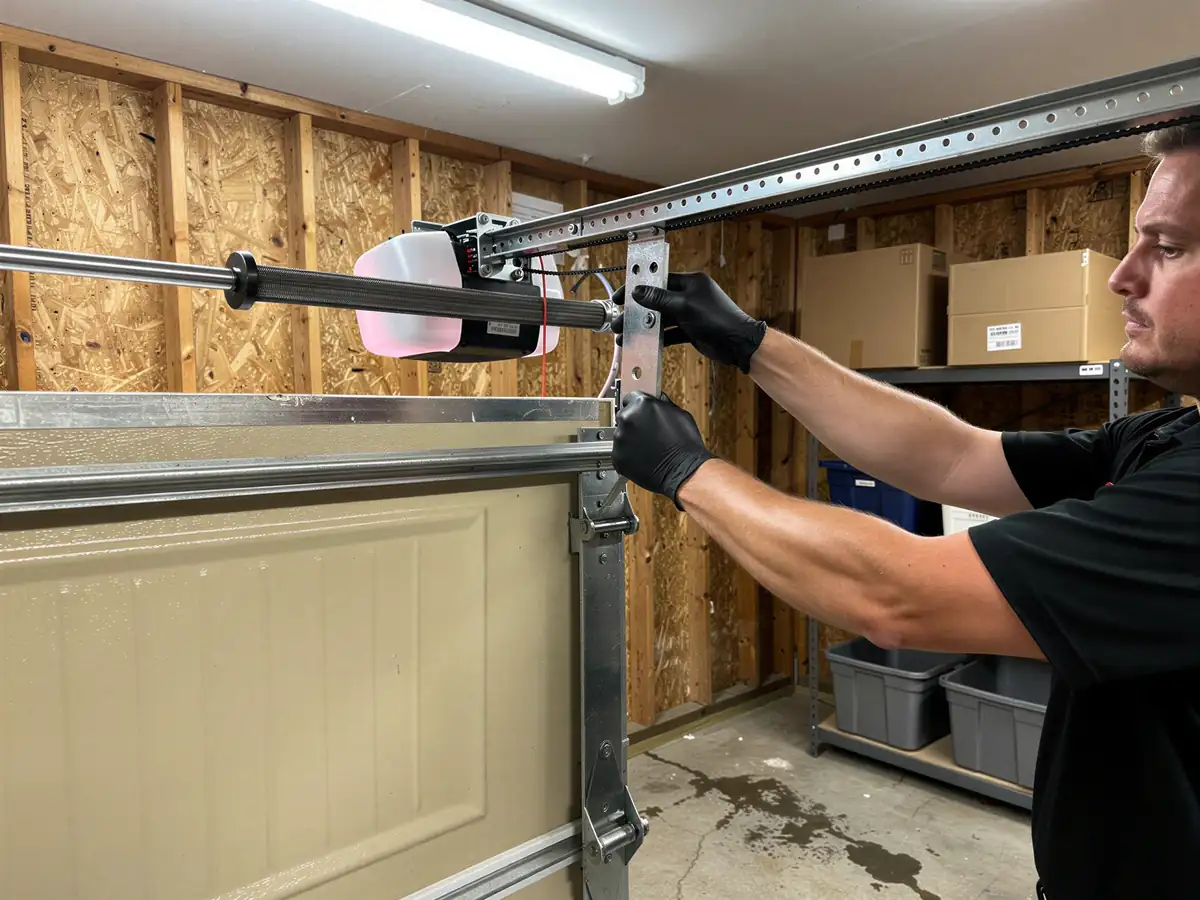
Before you call anyone, there are a few things you can look at yourself. Pull the release handle and lift the door by hand - it should move with one hand and hold steady at waist height. If it drops or shoots up, the spring tension is off, and that's not a DIY fix. Look at the rollers: on a lot of the pre-1960 stock that makes up most of this area, you'll still find steel rollers instead of nylon, and they wear loud and uneven long before they fail outright. Check the weatherstrip along the bottom panel - on an older door it's often cracked or missing in sections, which lets cold air and moisture straight into the track. Run your hand along the horizontal track for rust or pitting; galvanized track from that era doesn't hold up the same way newer coated track does. None of this tells you exactly what's wrong, but it tells a technician where to start, and it can save you a diagnostic call if the fix is as simple as a worn weatherstrip rather than a spring replacement.
The Seasonal Bit
The cold-severe climate here means the real trouble season isn't summer - it's the first hard freeze and the stretch right after it. Grease that was fine in October turns stiff by December, and an opener motor straining against a sluggish track will burn out faster than one running free. On the older doors that make up most of this housing stock, built well before modern lift-assist openers were standard, the motor is often doing more work than it was ever sized for once the spring tension drifts even slightly off. We see the same pattern every cold snap: a door that worked fine in November suddenly binds or reverses halfway up in January, and it's almost always the spring tension shifting with the temperature, not a new part failing. If your door has started acting different only since it got cold, that's the clue, not a coincidence.
The Problem
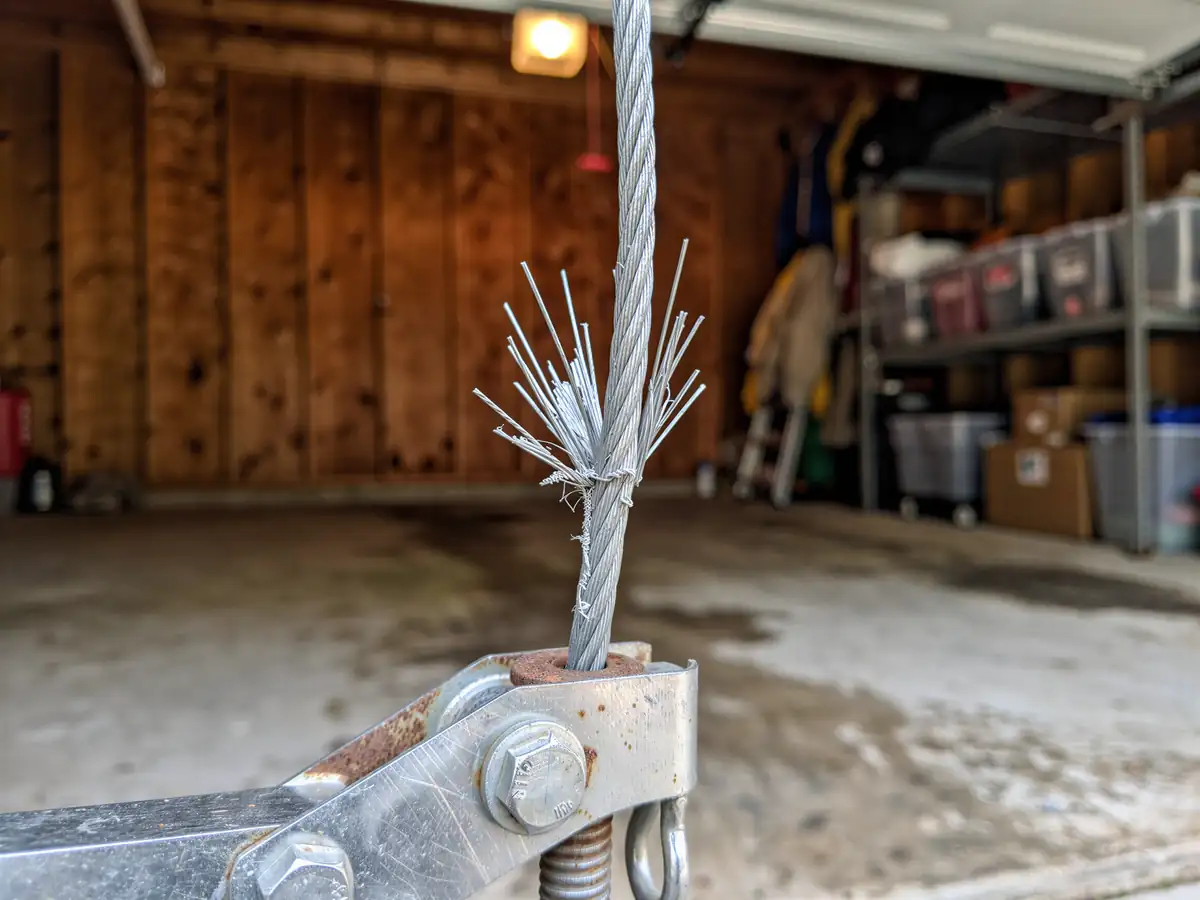
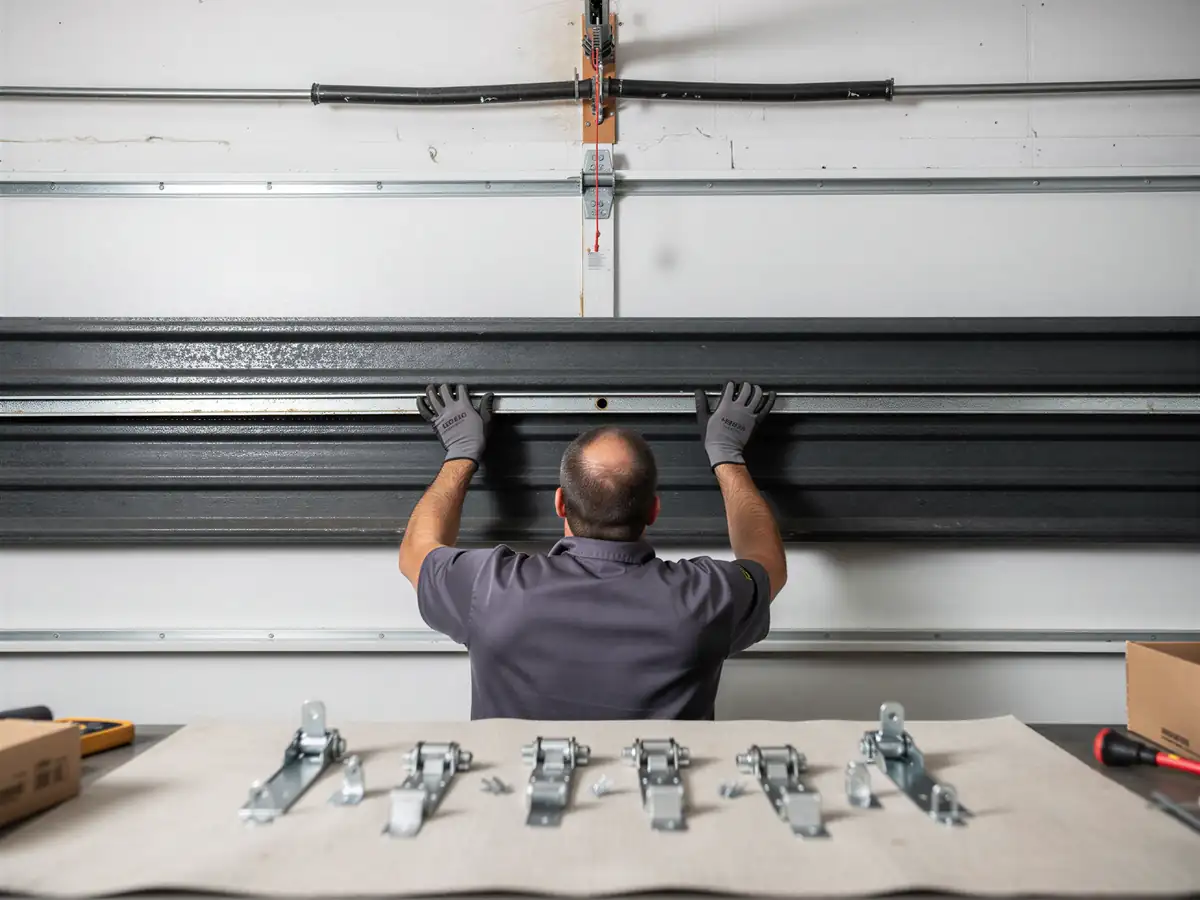
Here's the honest part. A lot of the panel styles and hardware sizes common in houses built in the 1940s and 1950s simply aren't made anymore, and finding an exact match for a cracked panel on a door that old can mean a real wait, sometimes longer than anyone wants to hear. When a single panel is out of production, patching it with a close-enough replacement looks mismatched, and matching old galvanized track to new sections isn't always clean either. Past a certain point - a door with multiple panels showing rust-through, or a spring and track both worn past adjustment - we'll tell you straight that replacement makes more sense than another repair bill. We don't carry parts for every obsolete opener model either; if yours is old enough that the manufacturer no longer supports it, that's a conversation worth having early, not after a second service call.
How it works
From “it’s stuck” to “it’s fixed”
01
Tell us what’s wrong
Describe the symptom - won’t open, loud bang, opener runs but the door won’t move.
02
On-site diagnosis
A technician tests the door under power and by hand and finds what actually failed.
03
Clear, up-front plan
You get the fix that’s needed and what drives the cost - before any work starts.
04
Repaired & tested
The repair is done, the door is set true and tested, and the work area left clean.
Not sure which repair your door needs in Newark, NJ? Describe what it’s doing - every job starts with a diagnosis.
Cold steel loses tension. A torsion spring set to balance your door in warmer months can leave it unbalanced once temperatures drop, which is common on older doors in this area where the original spring and track are both decades old and weren't sized with today's cold-weather tolerances in mind.
My house is older - should I expect different problems than a newer home?
Likely, yes. Housing in this area mostly dates to 1938 through 1996, with a lot of it built before 1960, so doors often still have original steel rollers, galvanized track, and hardware that predates current weatherstripping standards. That means more wear-related issues and occasionally parts that are harder to match.
Is it ever not worth repairing an old door?
Sometimes. If a panel from an older production run is cracked and no longer made, or if rust has gotten into multiple panels and the track both, patching it can cost nearly as much as replacing the door and still look mismatched. We'll tell you when that's the case instead of running up a repair bill.