What Was Built Here
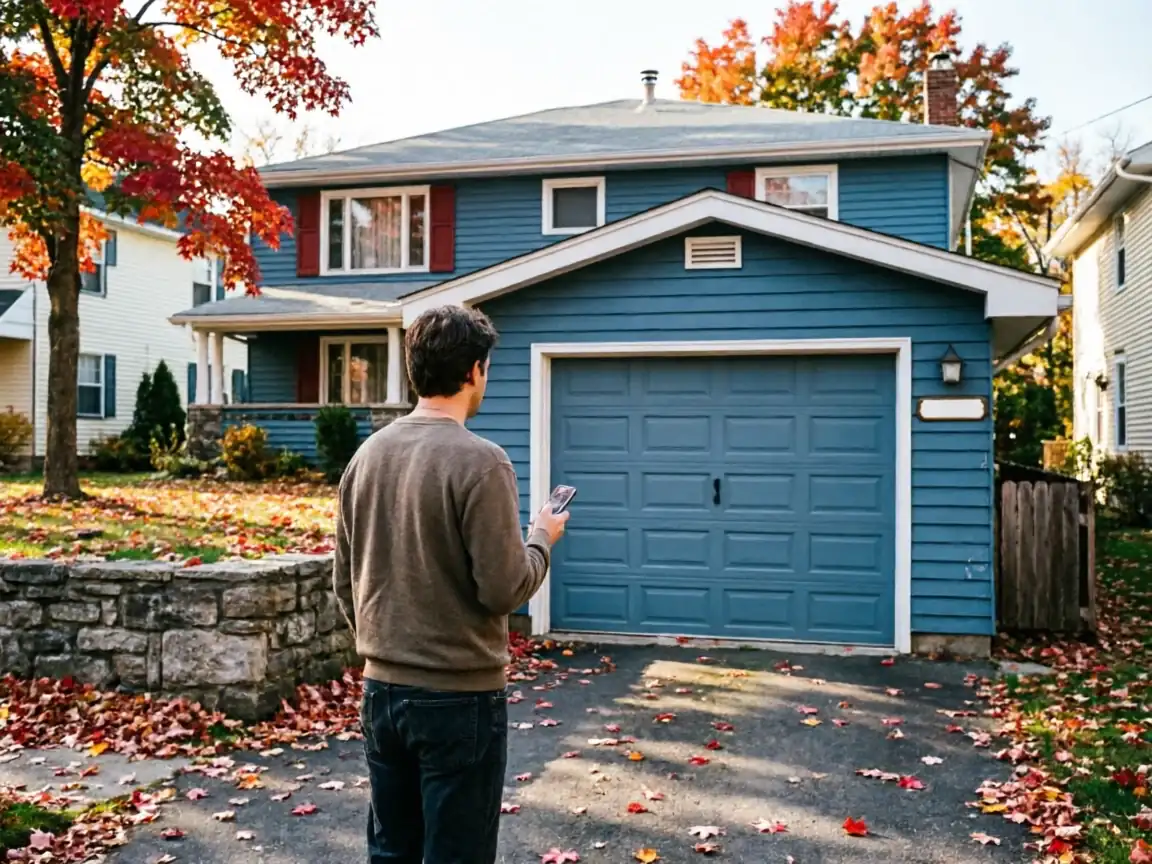
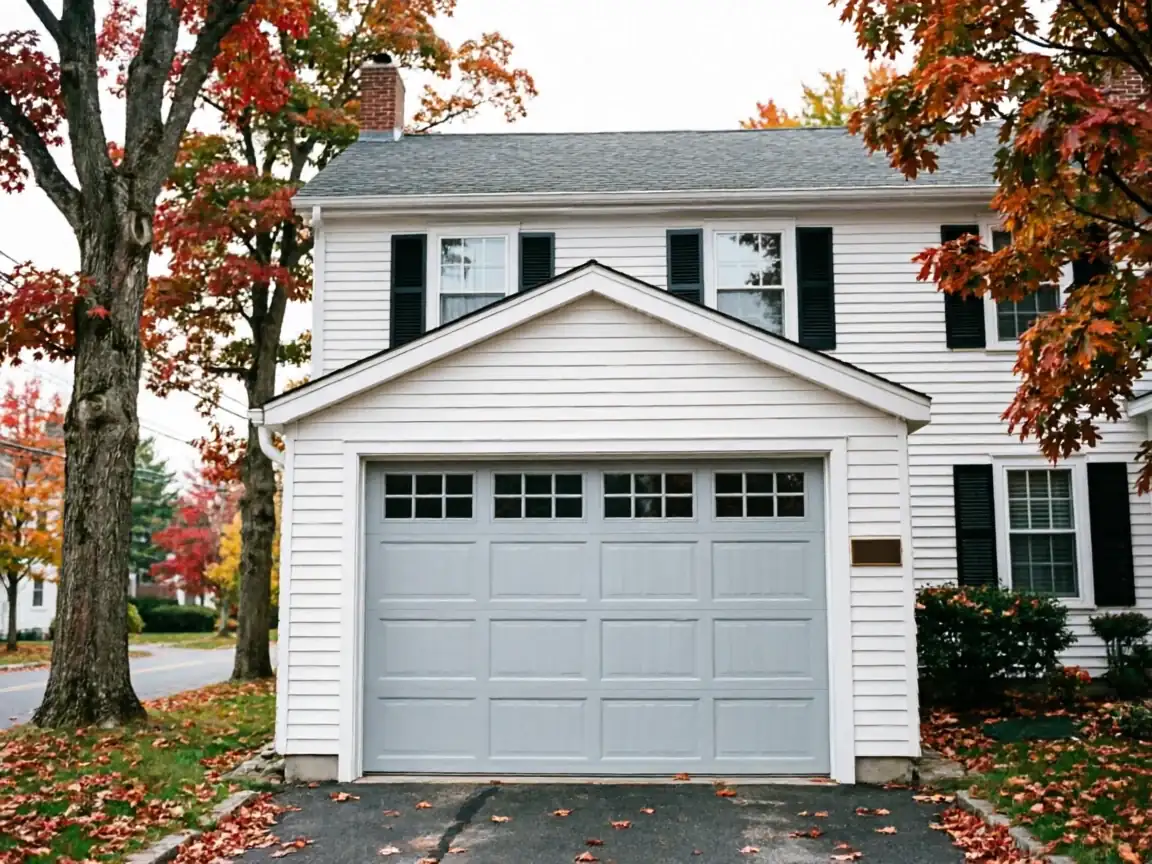
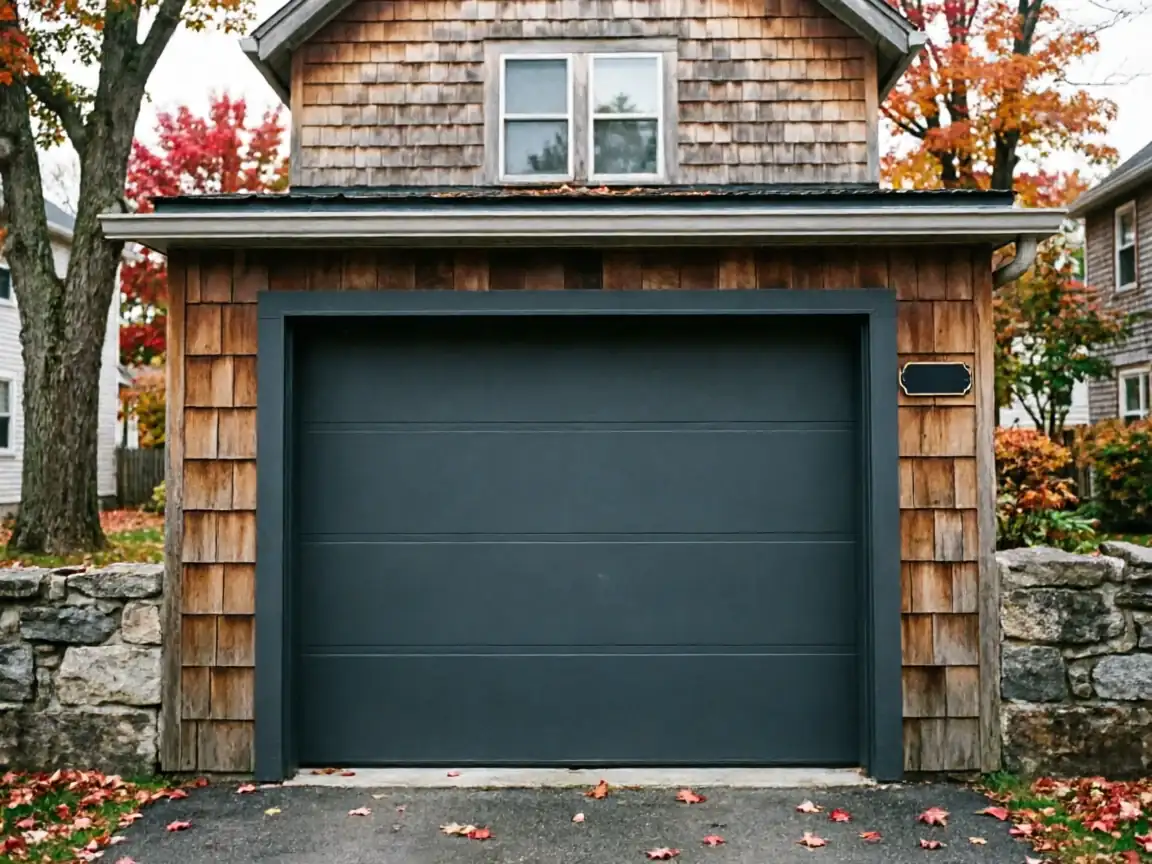
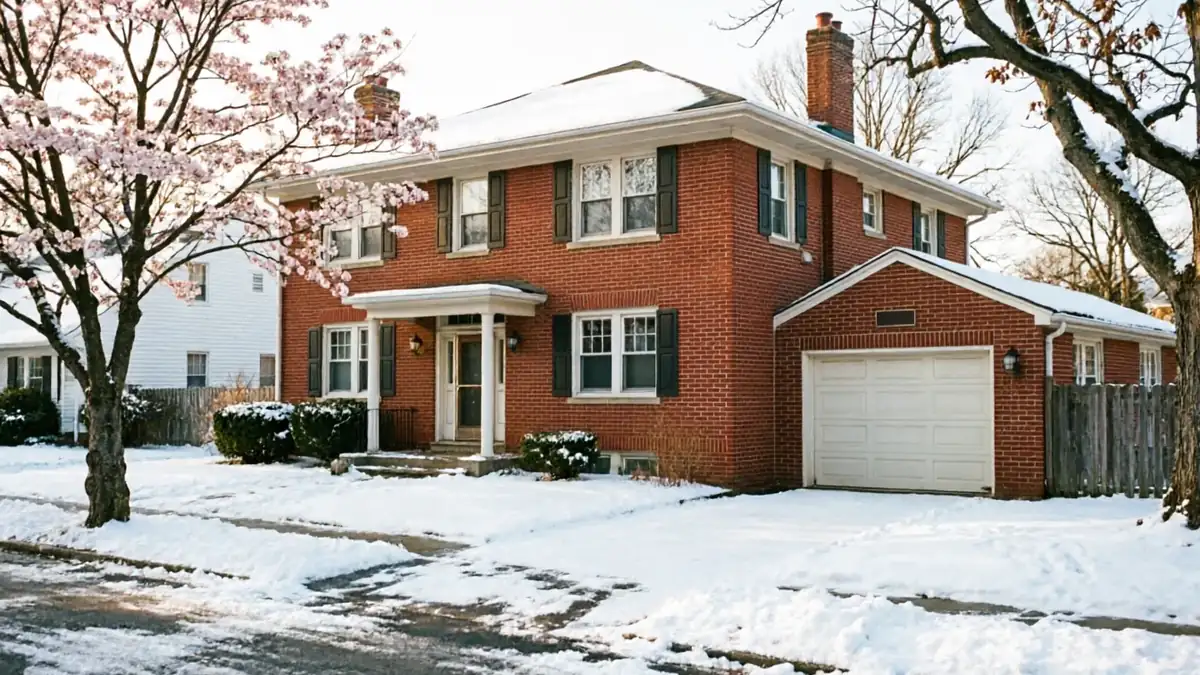
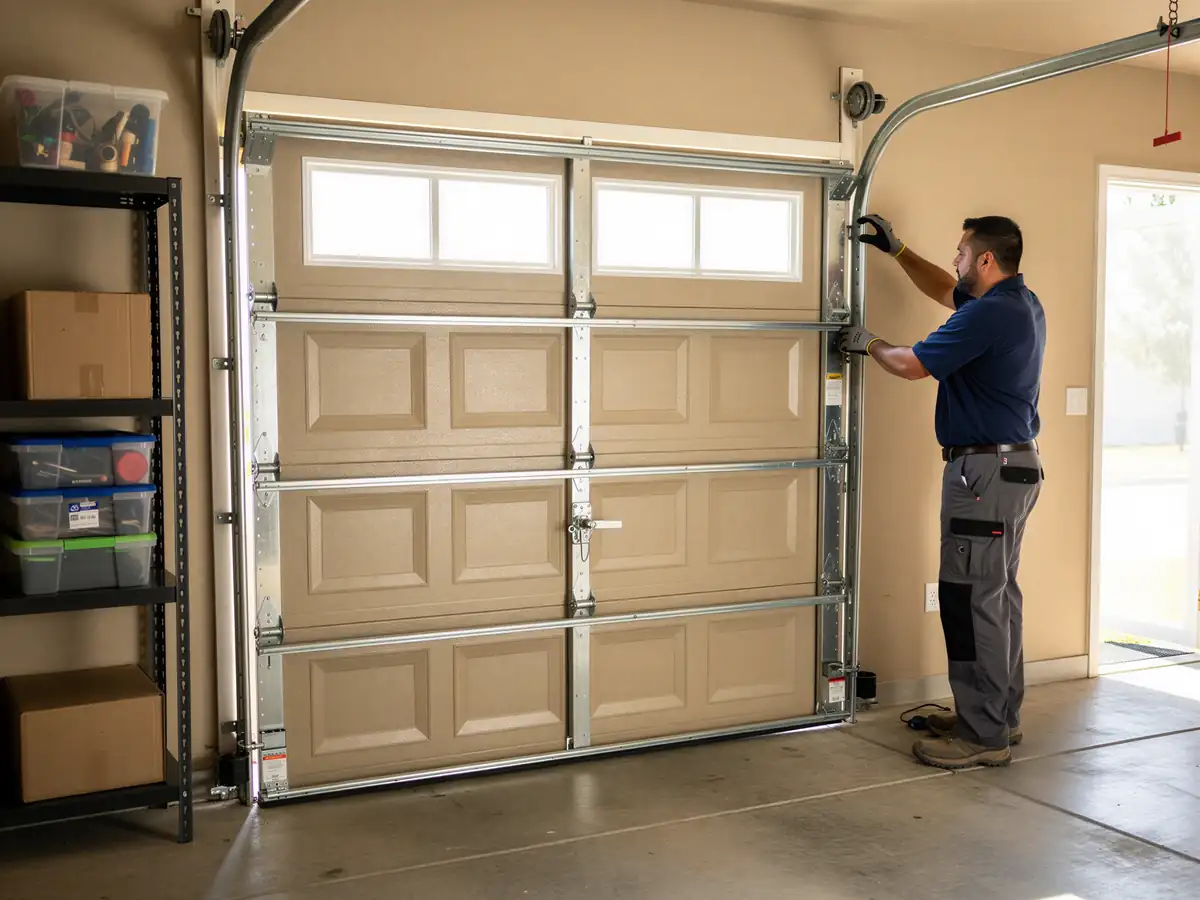
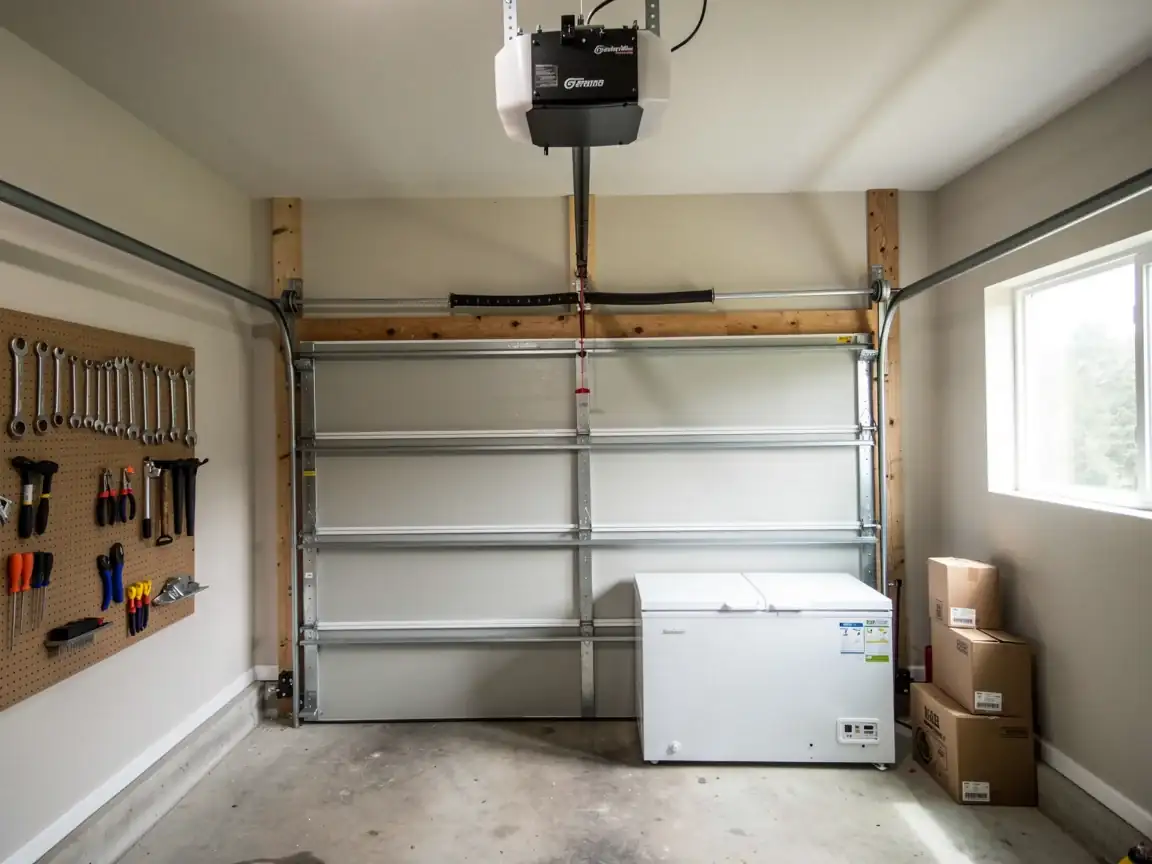
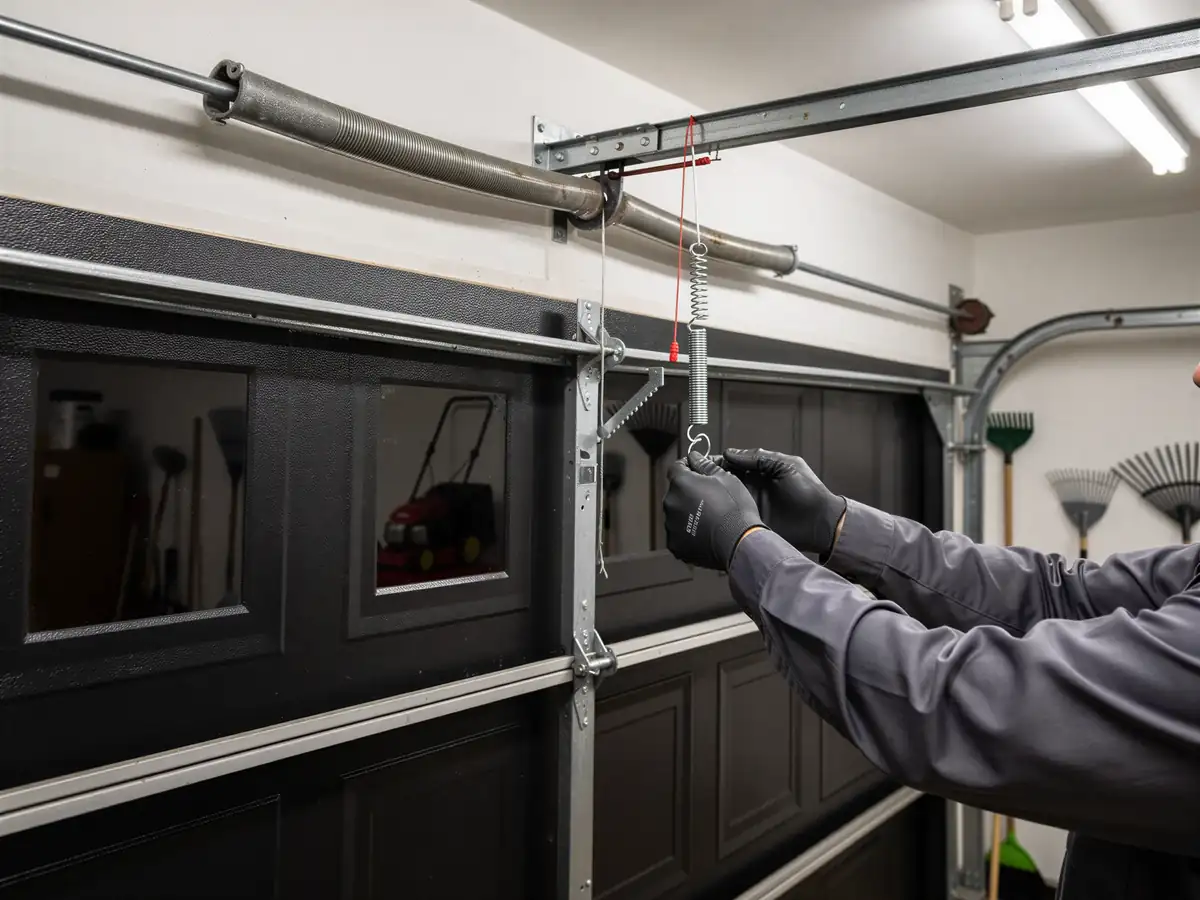
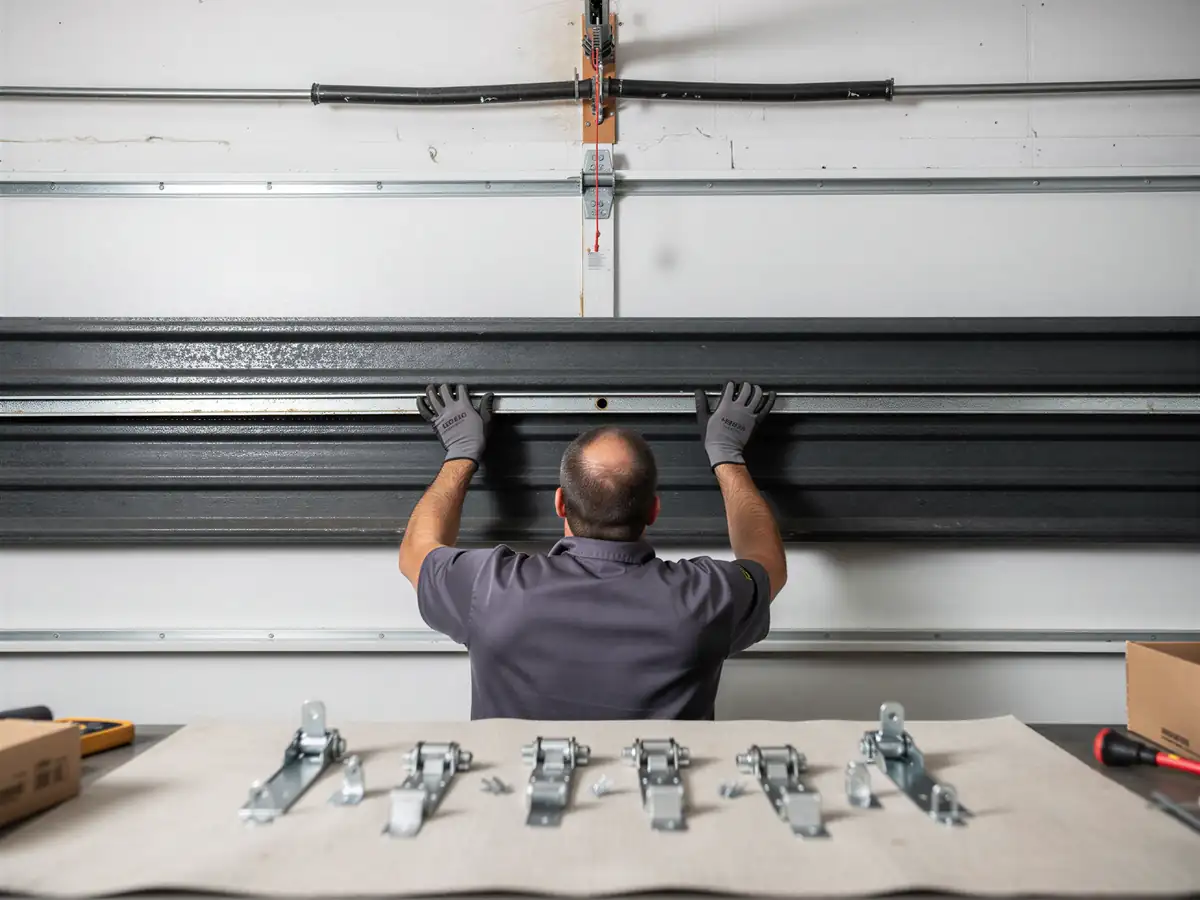
East Orange's housing stock centers on 1957 - older, tighter, and more uniform than the median across the wider Newark service area, which runs 1938 to 1996. That one number changes what's hanging over your driveway. A house built in 1957 was framed for a garage opening sized to the cars of that era, often with a single-panel door on side-mounted torsion hardware rather than the extension-spring, sectional setups that showed up in later decades. With roughly 28,188 households in East Orange and a median income of $59,872, a lot of these homes are long-owned and the original door or its direct replacement is still doing the work. That matters for parts: torsion springs wound for a 1950s single-panel door aren't the same wind or diameter as what a big-box store stocks for a 2000s sectional door, and guessing wrong on that spring means a door that slams or won't hold position.
What People Here Ring About
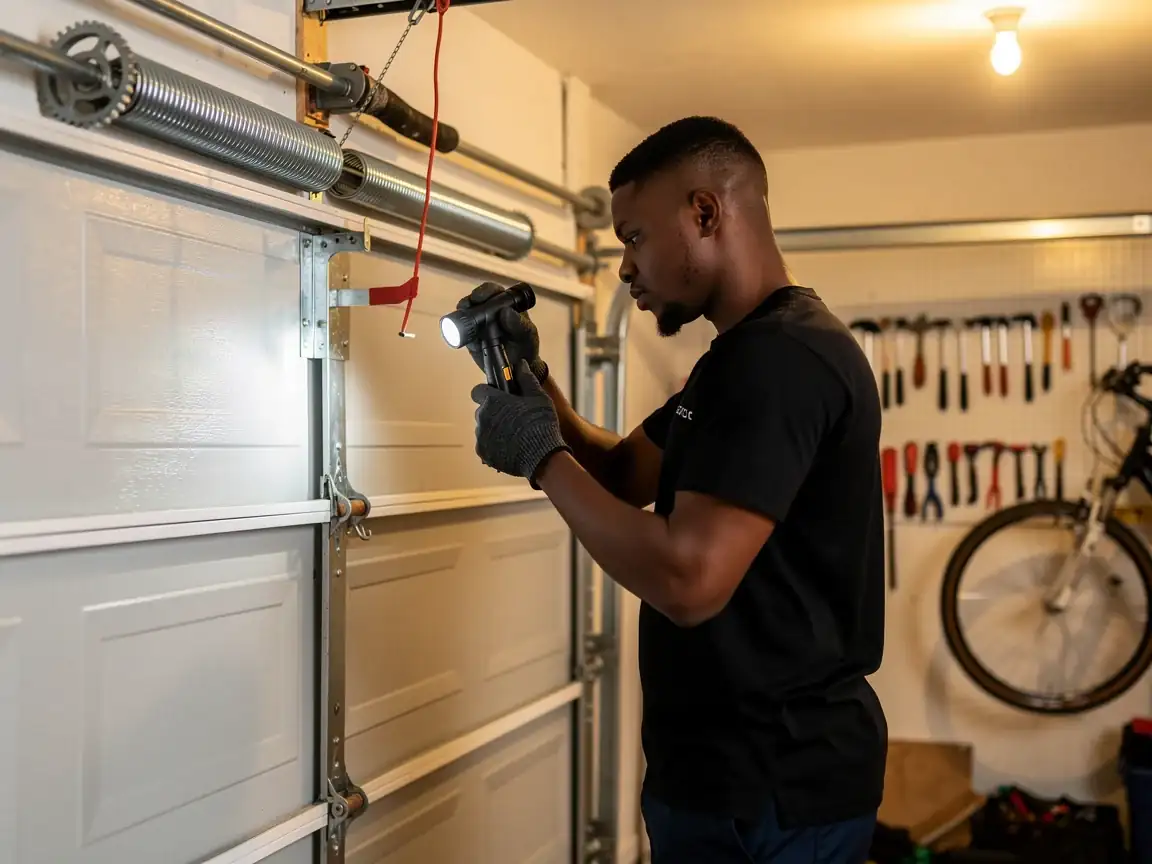
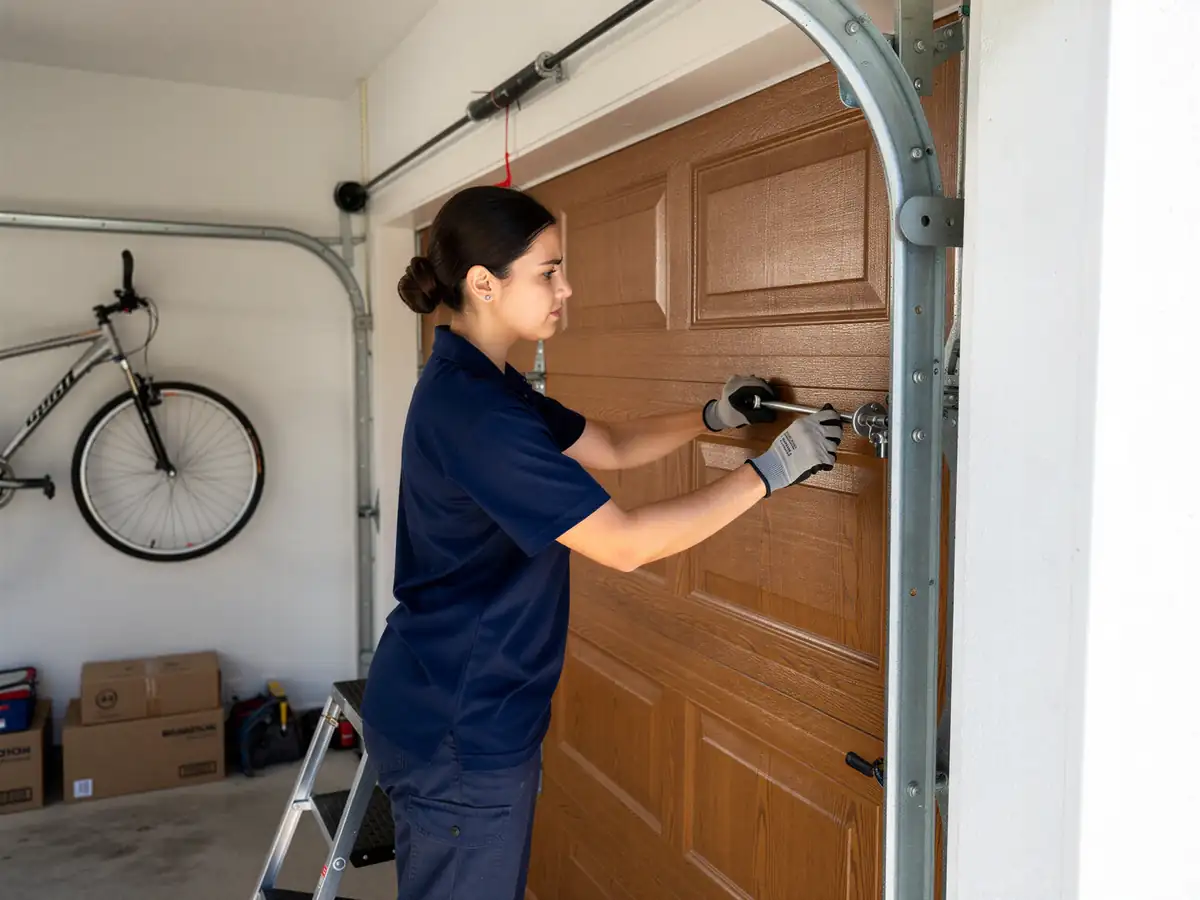
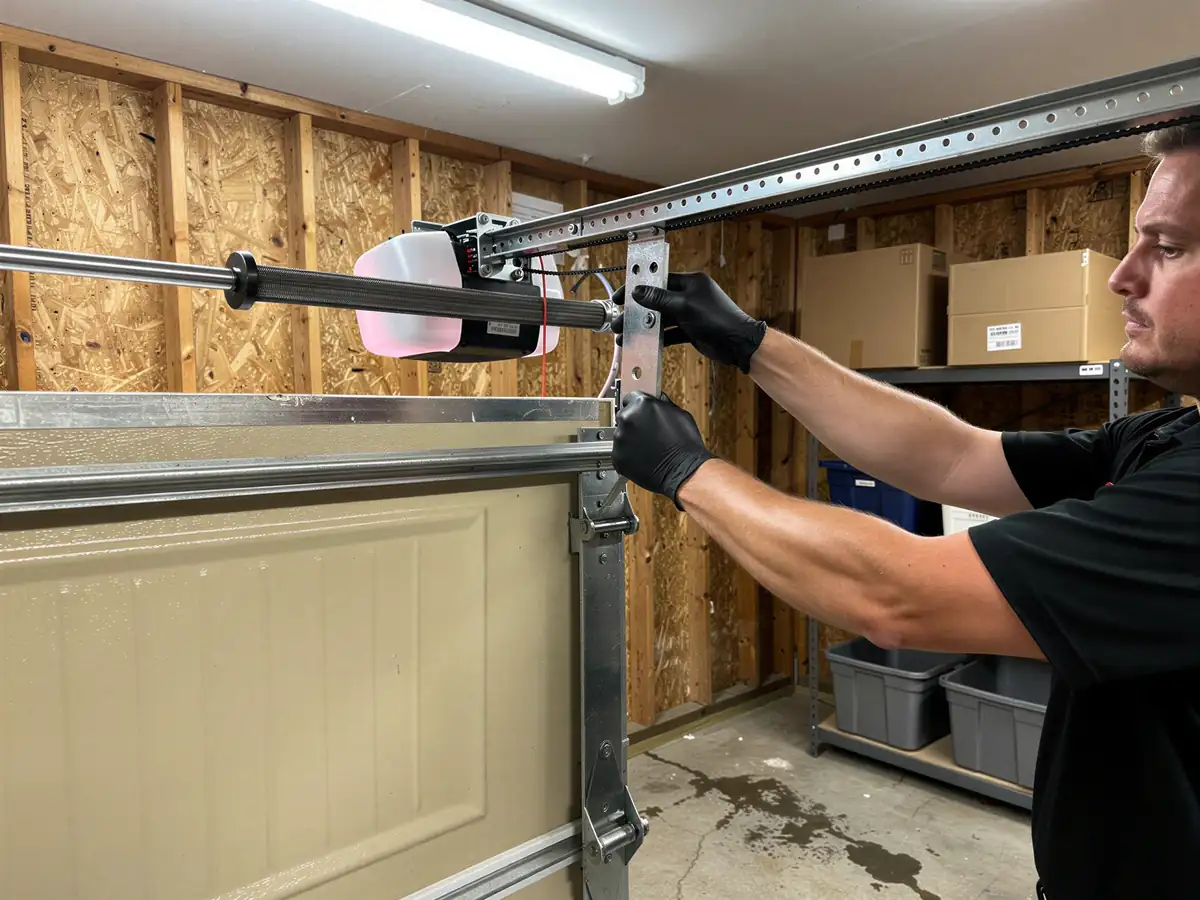
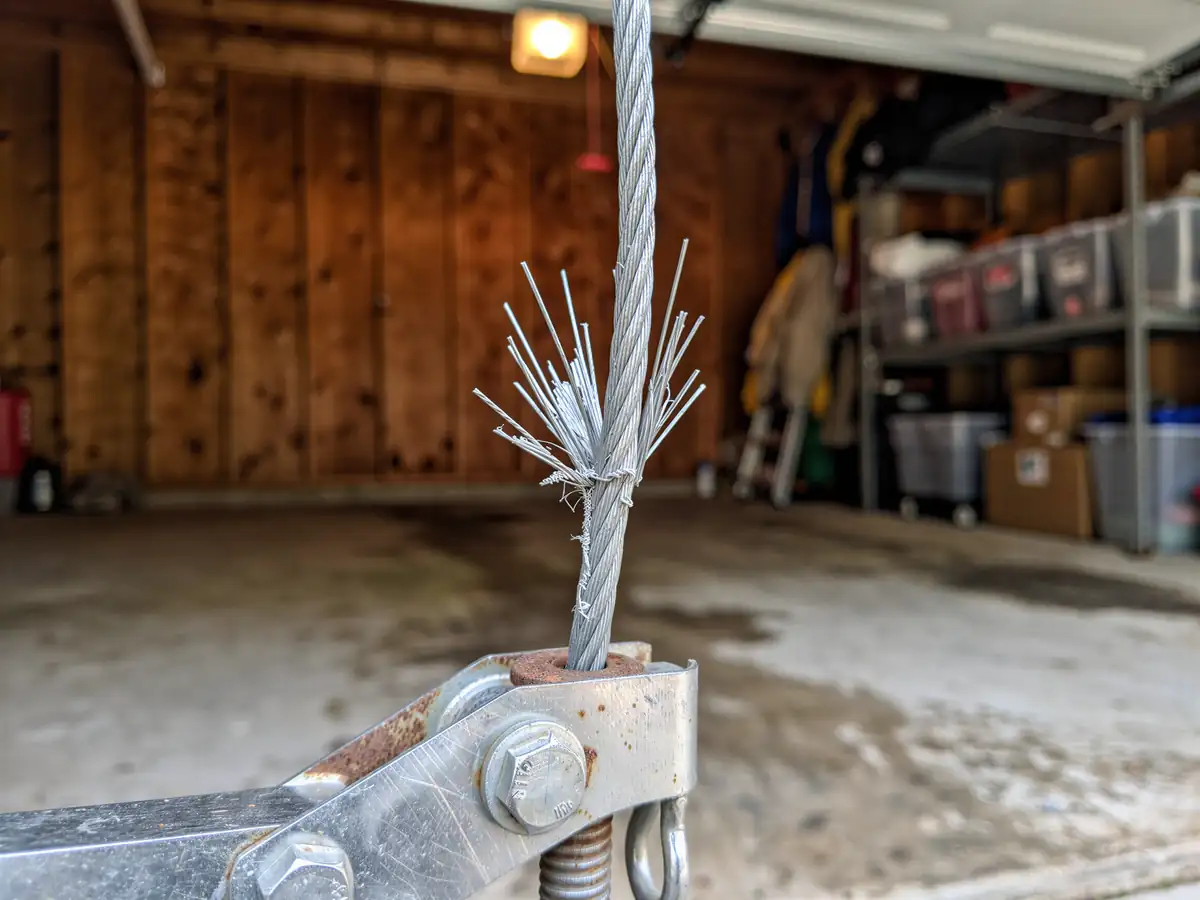
Given the climate band here is classified cold and severe, the calls we get from this side of the service area cluster around cold-weather failures: springs that snap on the first hard freeze because the metal's been fatigued for years and the cold just finishes the job, and openers that strain or stall when old grease has gone stiff on original tracks. Rollers on these older single-panel doors tend to be steel, not nylon, so they're noisier and more prone to binding as the track ages and the house settles - common in stock built around the late 1950s. We also hear from owners whose cables have started to fray at the drum, which on a side-mounted torsion setup is a different fix than the overhead torsion bar jobs we see on newer doors elsewhere. None of this is an East Orange quirk by chance - it's what 1957-era hardware does after six decades of winters.