Can You Do This Yourself
The median house in East Orange went up around 1957
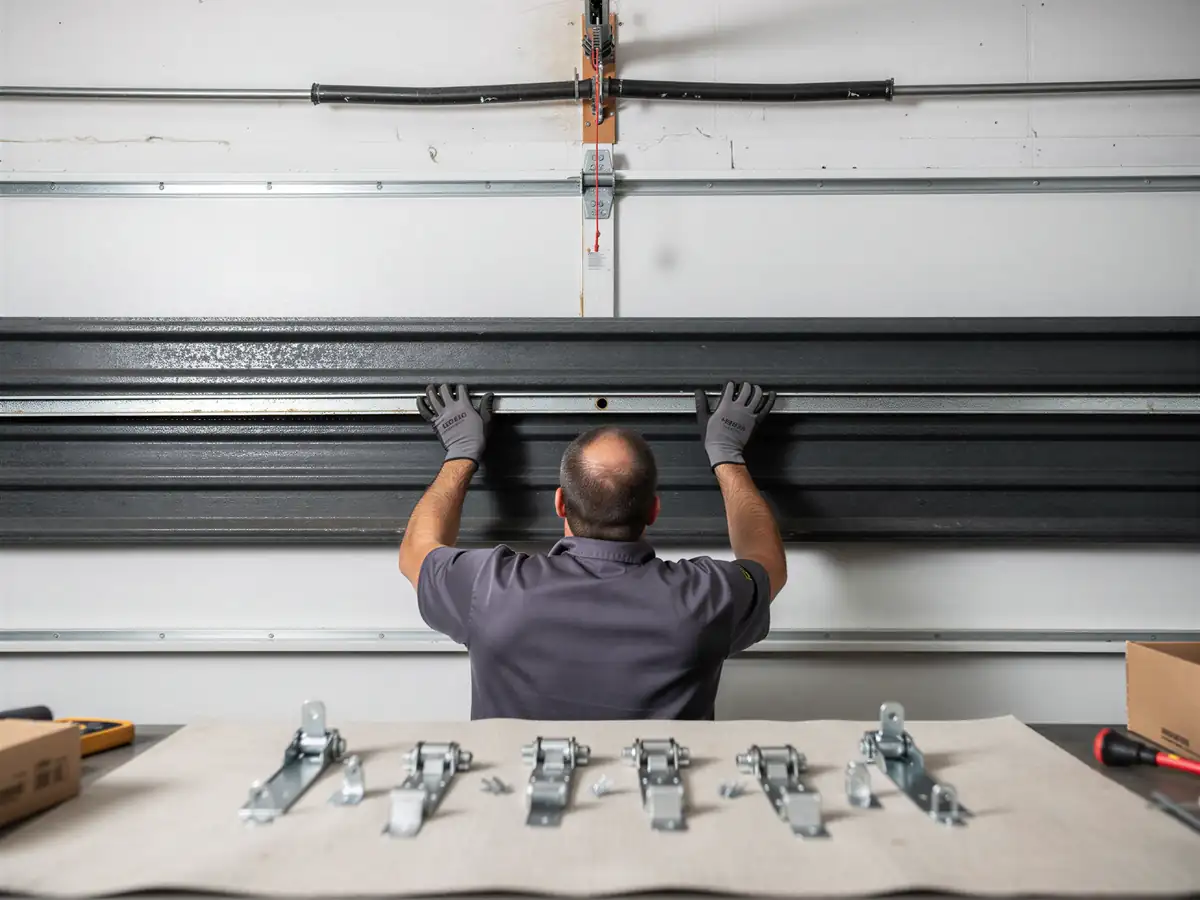
And a lot of the garage doors still hanging on those houses are closer to original than anyone wants to admit. That means a single, heavier door panel - often wood-faced steel - on a torsion spring that was wound to lift that specific weight. Swap in a generic big-box spring kit sized for a lighter modern door and you either strain the opener or leave the door imbalanced enough to slam on its rail.
Torsion springs store real force
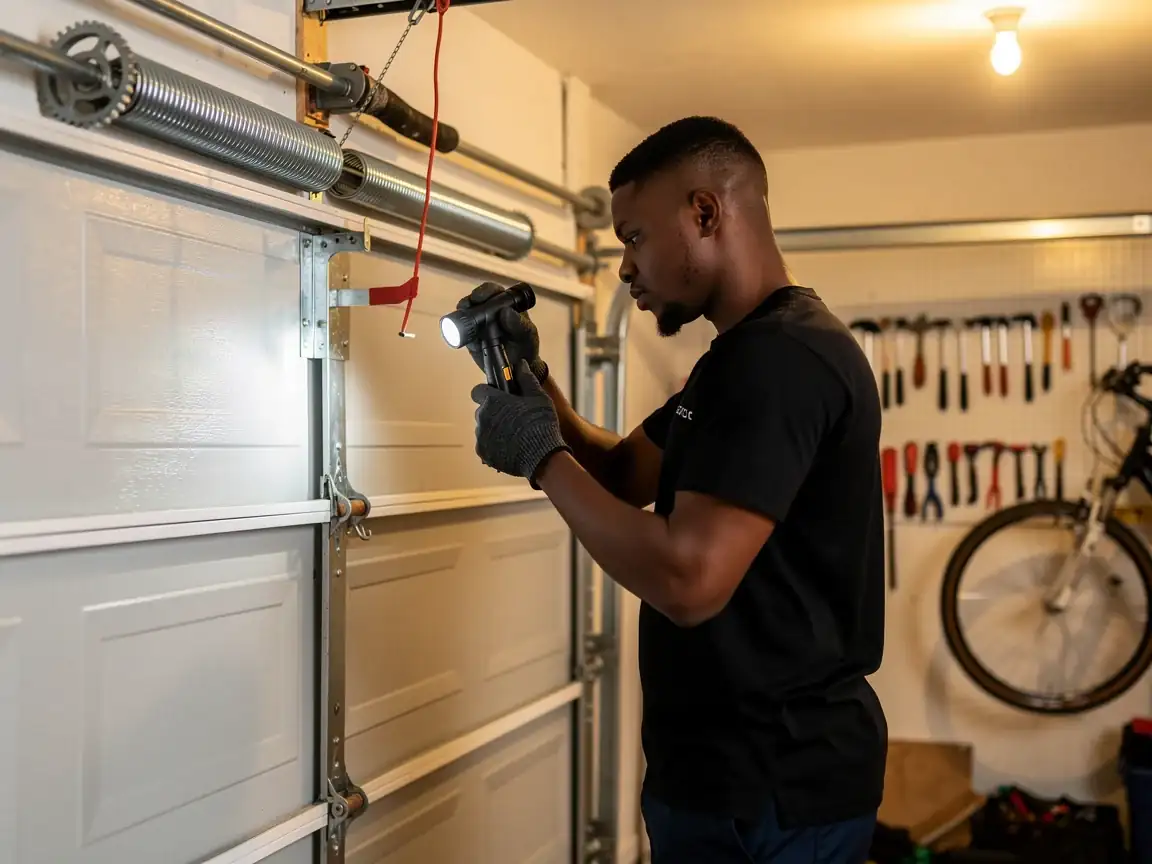
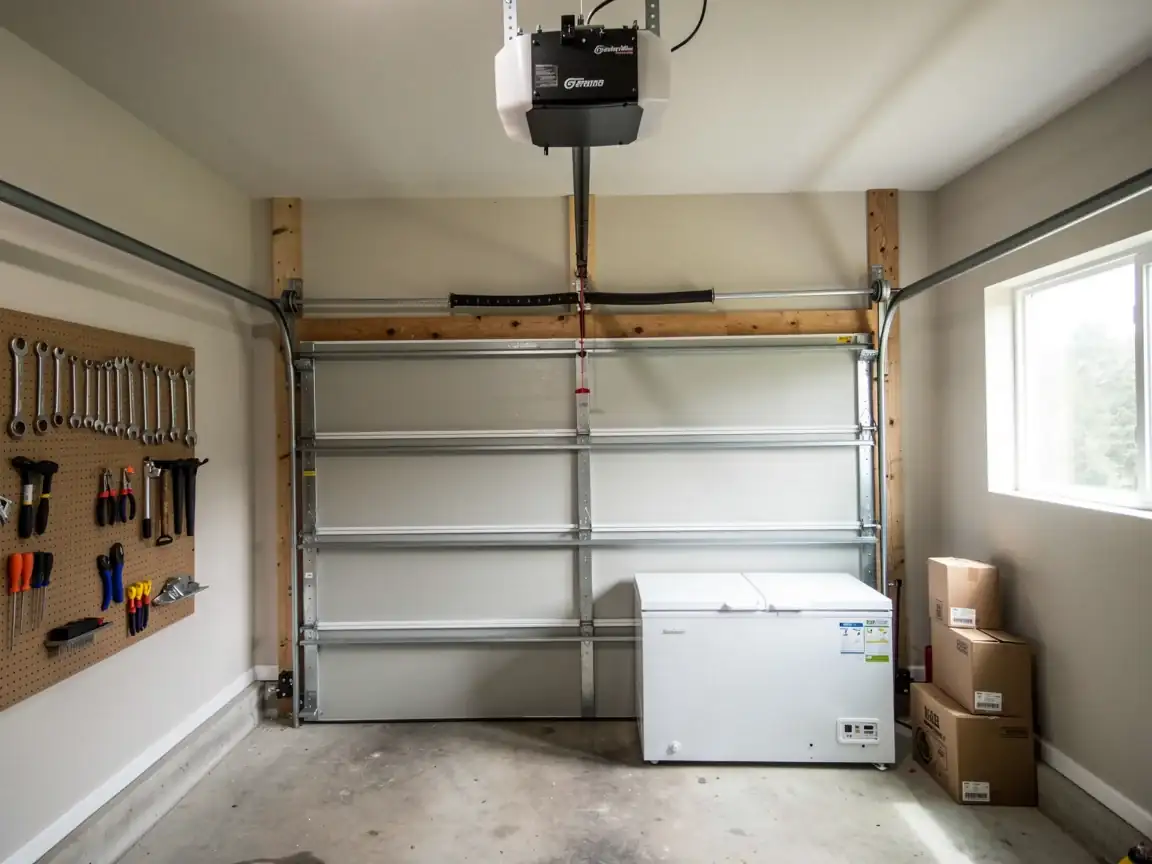
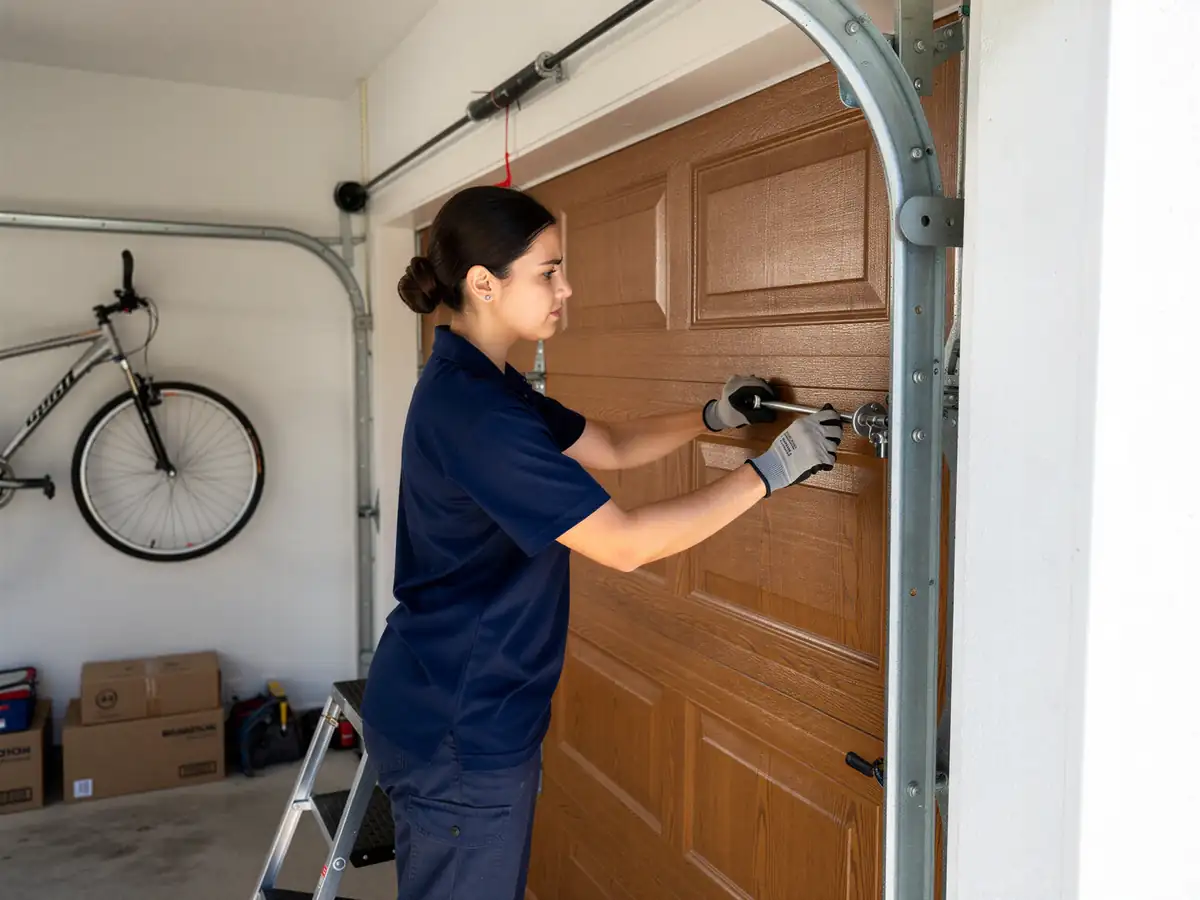
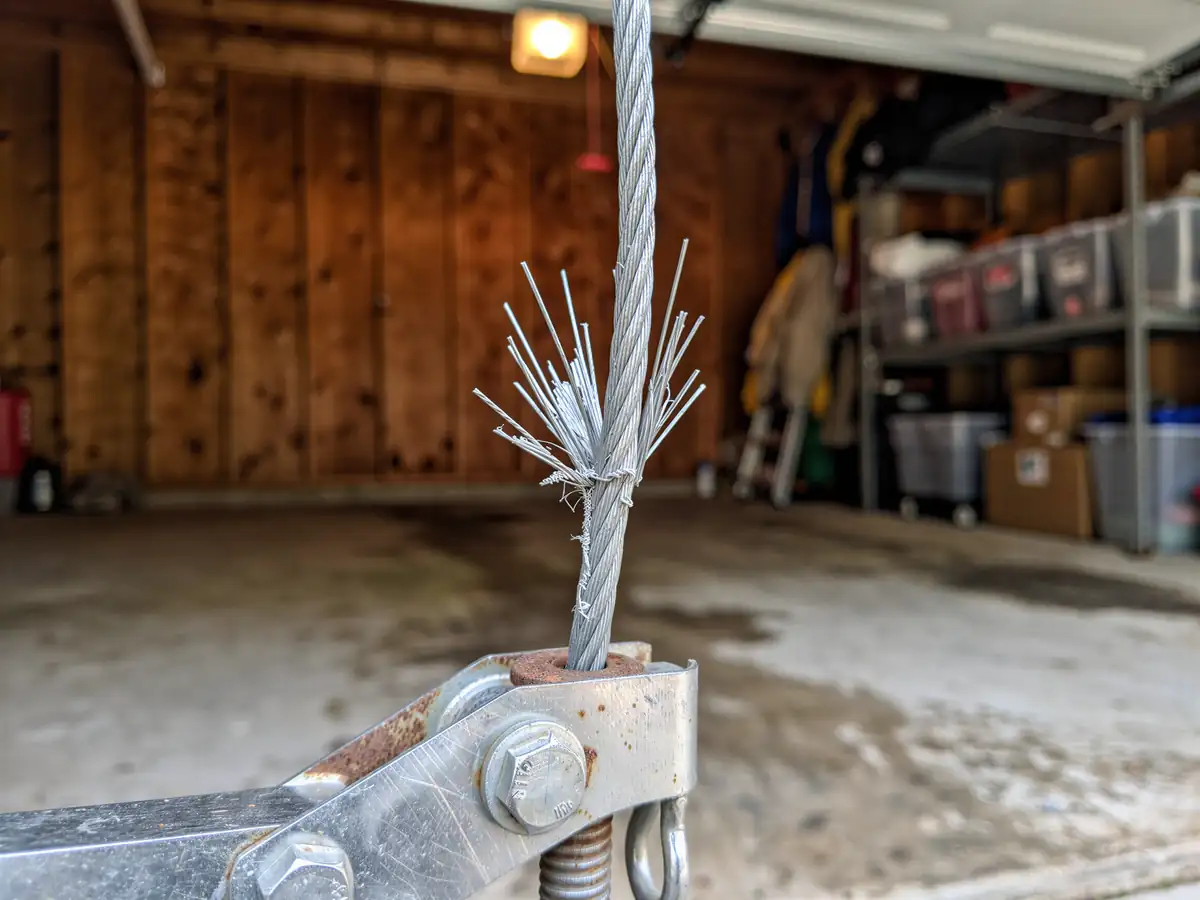
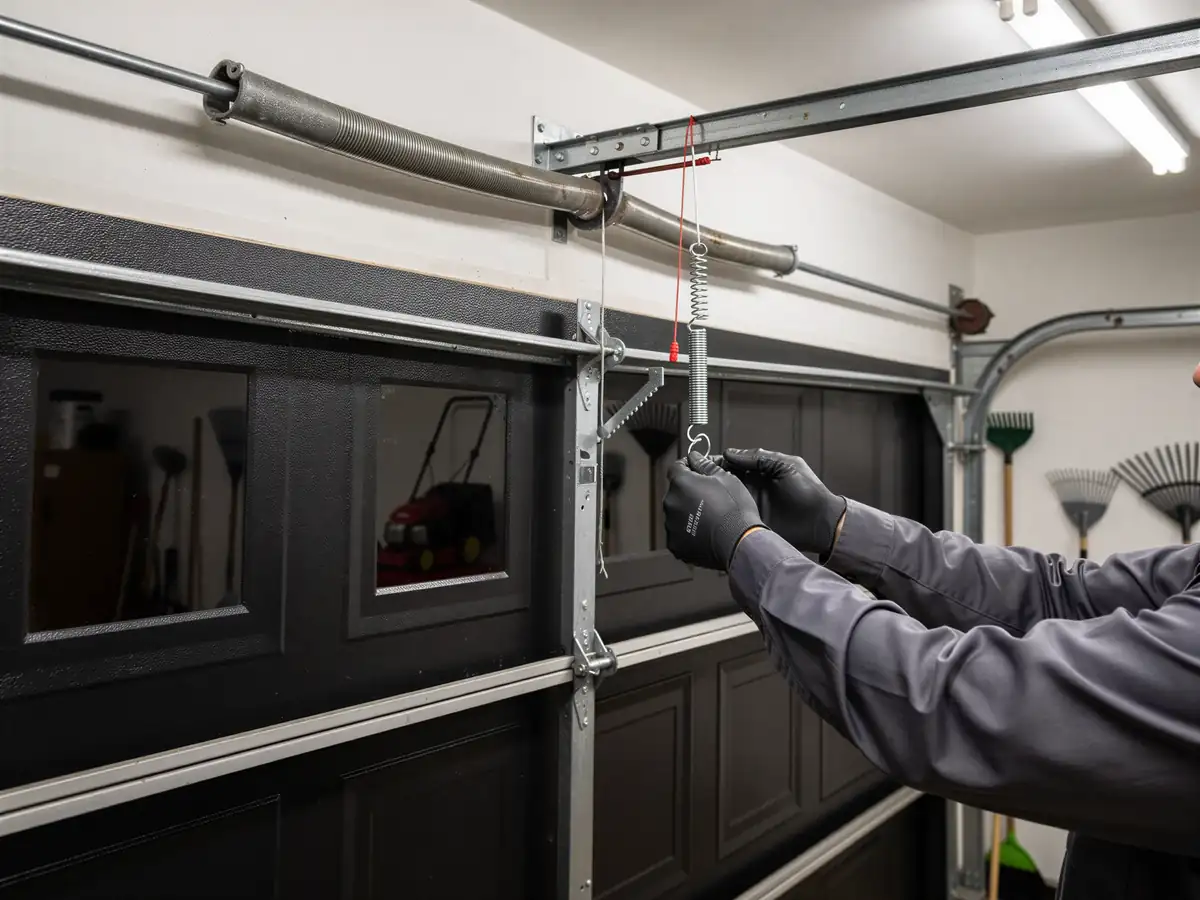
A spring under tension on a door this old can let go with enough energy to break a wrist or worse, and the winding bars for it aren't something most garage toolkits have anyway. If your door is lifting unevenly, hanging crooked on one side, or the cable looks frayed where it wraps the drum, that's not a tighten-a-bolt job. We'll say plainly: if you don't already own torsion bars and know how to use them, this is the one repair on a garage door worth paying someone else to do. Extension spring setups on older two-car doors are a little more forgiving to inspect, but even those carry enough coiled force to do damage if a hook slips.
How We Fix It
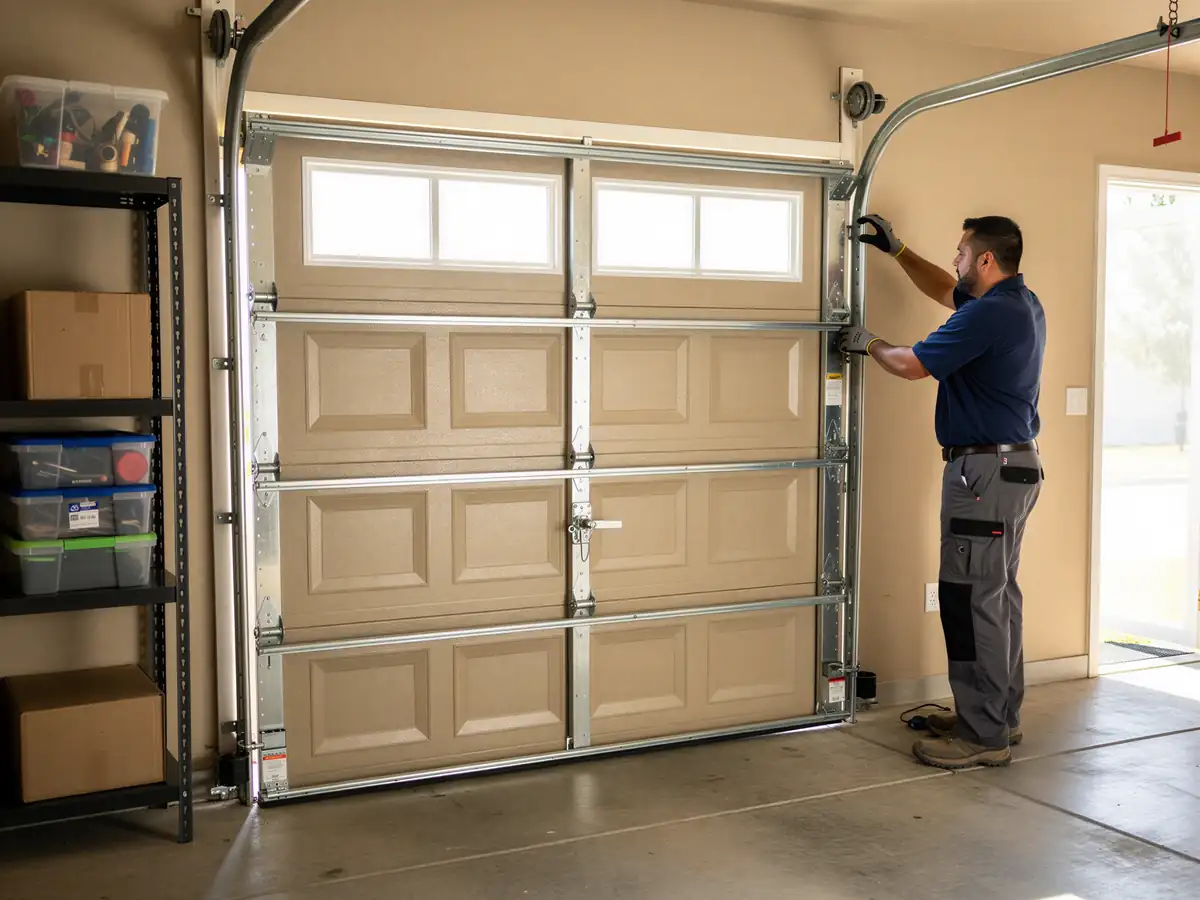
We come out from Newark, about 4 miles in, and the first thing we check isn't the spring - it's the door itself. On a house built in the late 1950s that's original stock, the panel weight is usually heavier than what today's standard torsion springs assume, so we measure the door and calculate wire size, coil diameter, and wind length to match the actual weight hanging on the track, not a generic chart.
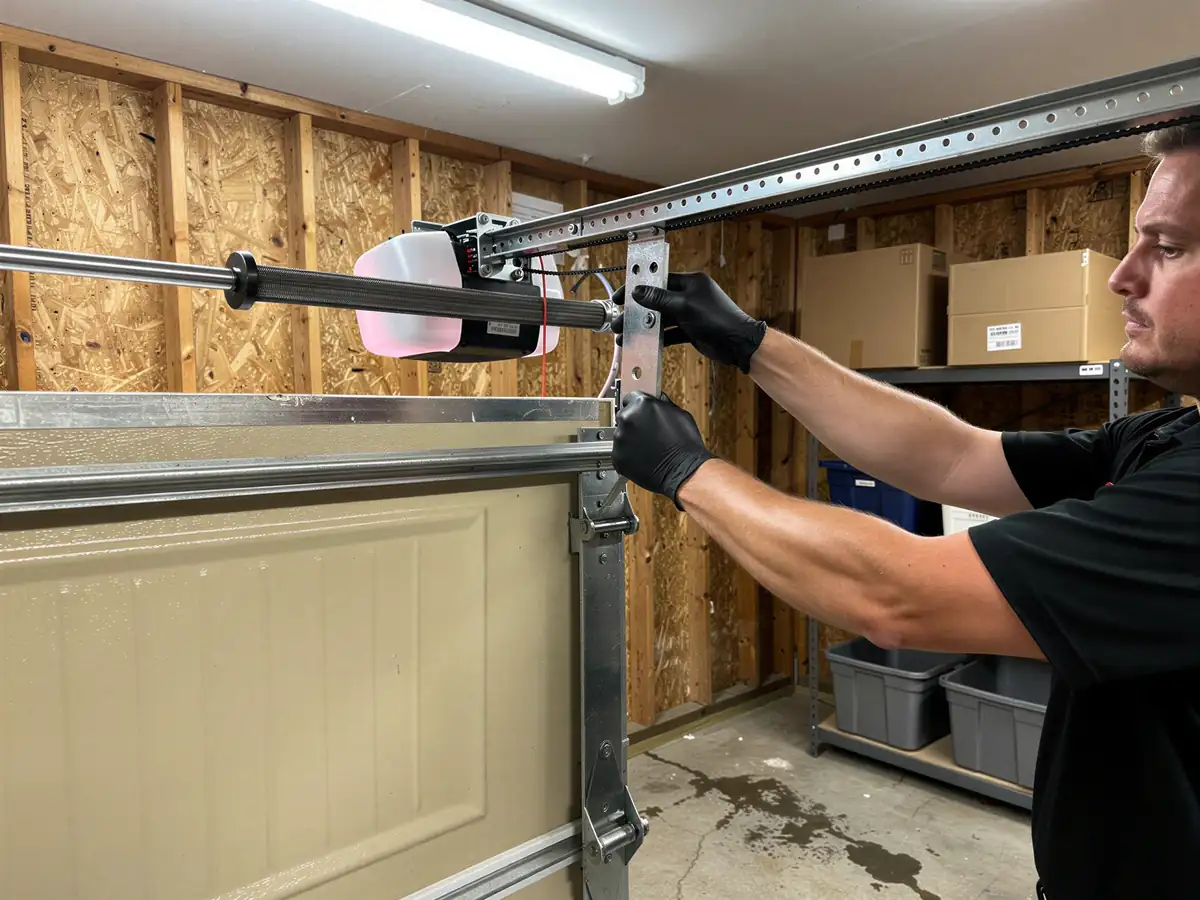
Given the cold-severe climate this area sits in, we also look at what temperature swings have done to the steel. Cold makes spring steel more brittle and prone to snapping on a hard pull, which is why winter mornings produce more of these calls than July does. We replace the spring, true, but we also check the drums, bearing plates, and cable for wear that cold cycling causes faster than people expect. We don't just hang a new spring and leave - we balance the door so the opener isn't doing the lifting work the spring should be doing.
What we won't do is sell a spring upgrade that outlives the rest of the hardware on a door this old. If the track or drums are too worn to trust, we'll say so before we quote the spring alone.
Why This Fails Locally
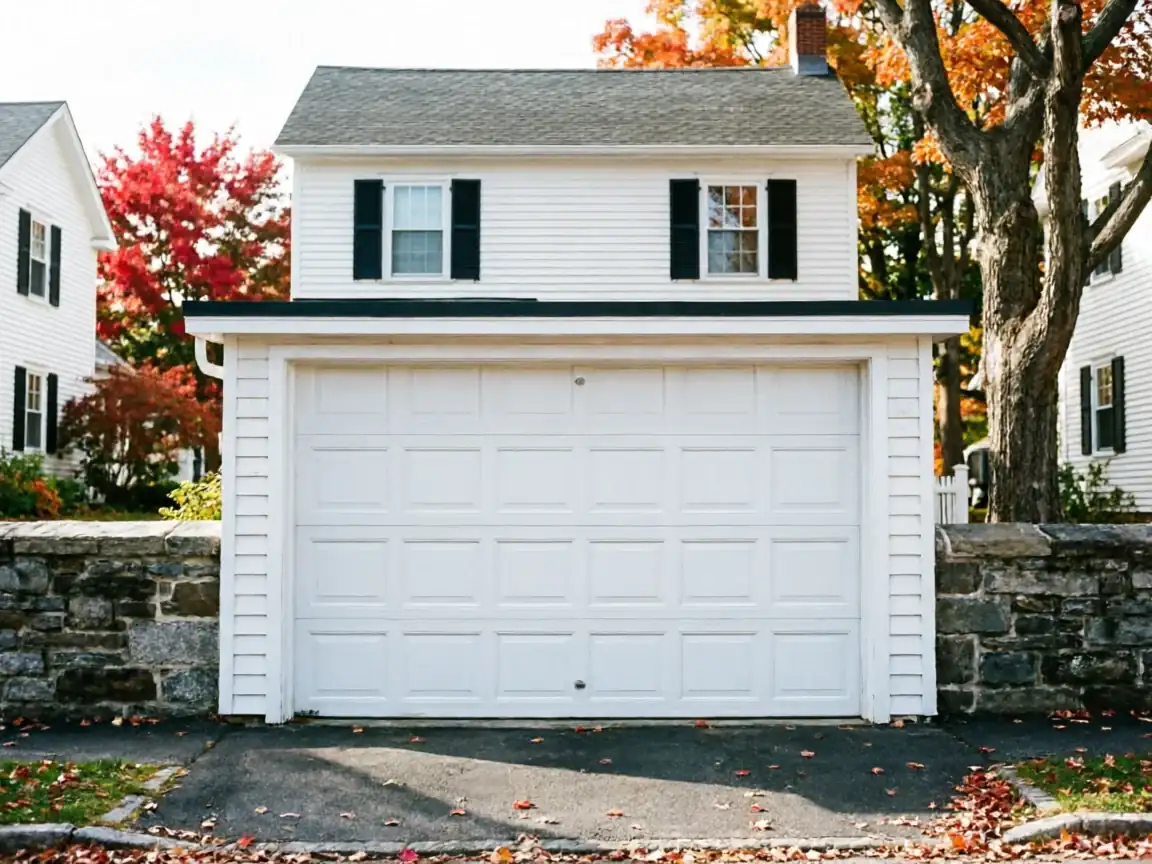
East Orange's housing stock is part of a broader pattern across this service area - mostly pre-1960 construction, with the local median build year around 1957. Doors from that period were built heavier than the lightweight steel sectional doors sold today, and the torsion hardware sized for them is correspondingly stouter. That combination - an old heavy door plus a cold-severe climate - is a specific stress pattern: steel contracts in deep cold, cycles through daily swings, and fatigues faster than it would somewhere with a milder winter.
We see a particular failure shape here because of it: springs that look fine in fall and snap clean through in the first hard cold stretch of winter, usually on the coil nearest the center bracket where stress concentrates. On a lighter, newer door this wouldn't be as hard on the hardware, but these original-era panels ask more of the spring every single lift. It's also why a spring swapped out with the wrong wire gauge fails again within a year or two - the door's weight didn't change, only the part did, and it was never matched to it.
Getting It Booked In
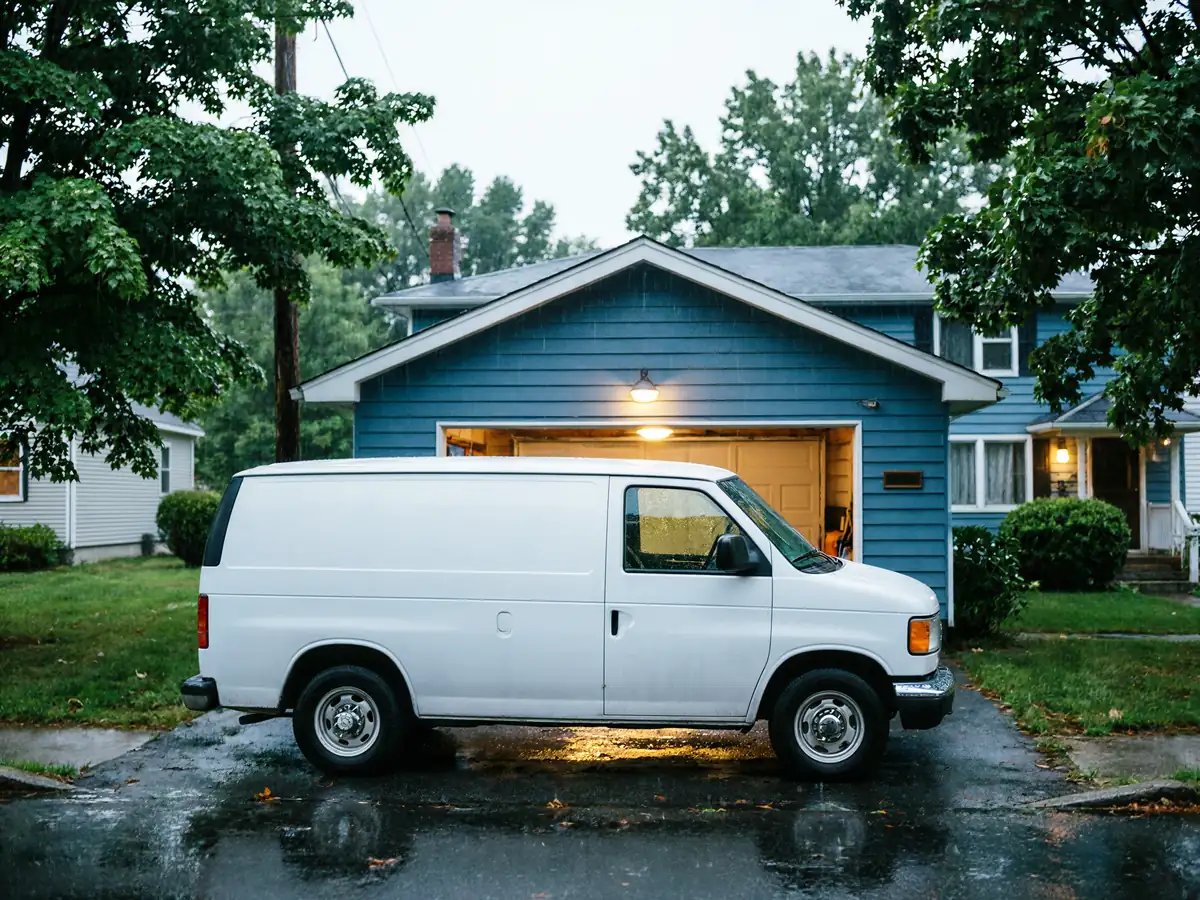
We're based in Newark and travel out to East Orange, about 4 miles each way
So scheduling works around the route rather than a local branch sitting around the corner. That's the honest limitation here - if you need same-hour emergency service with a truck already parked nearby, we're not that. What we can do is get a tech out with the right spring stock for older, heavier doors, since that's most of what we're repairing in this part of the service area.
- 4 miles
When you call, tell us the door's rough age if you know it and whether it's a single heavy panel or a sectional door
That alone tells us a lot about which torsion spring we're bringing before we even see the house. If the door's original to a 1950s build, we'll usually have the right spring size with us on the first visit rather than needing a return trip.