The Symptom
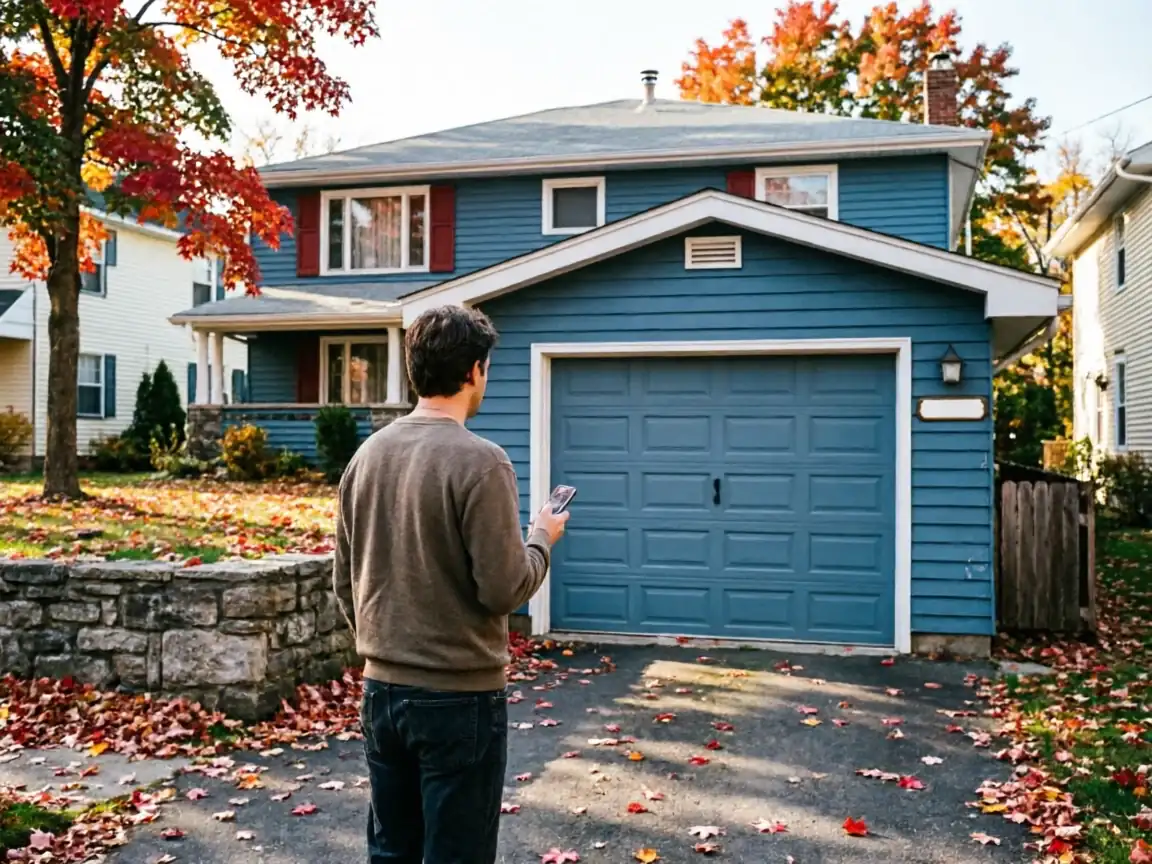
You back out of the driveway, clip the door, and now one section is caved in or cracked straight through
Maybe it's not a crash - maybe a panel just rusted through at the bottom where snowmelt sits against it all winter, or warped after years of swelling and shrinking with the cold. Either way you've got a door that still closes but looks wrong, and sometimes doesn't seal right at the seam anymore.
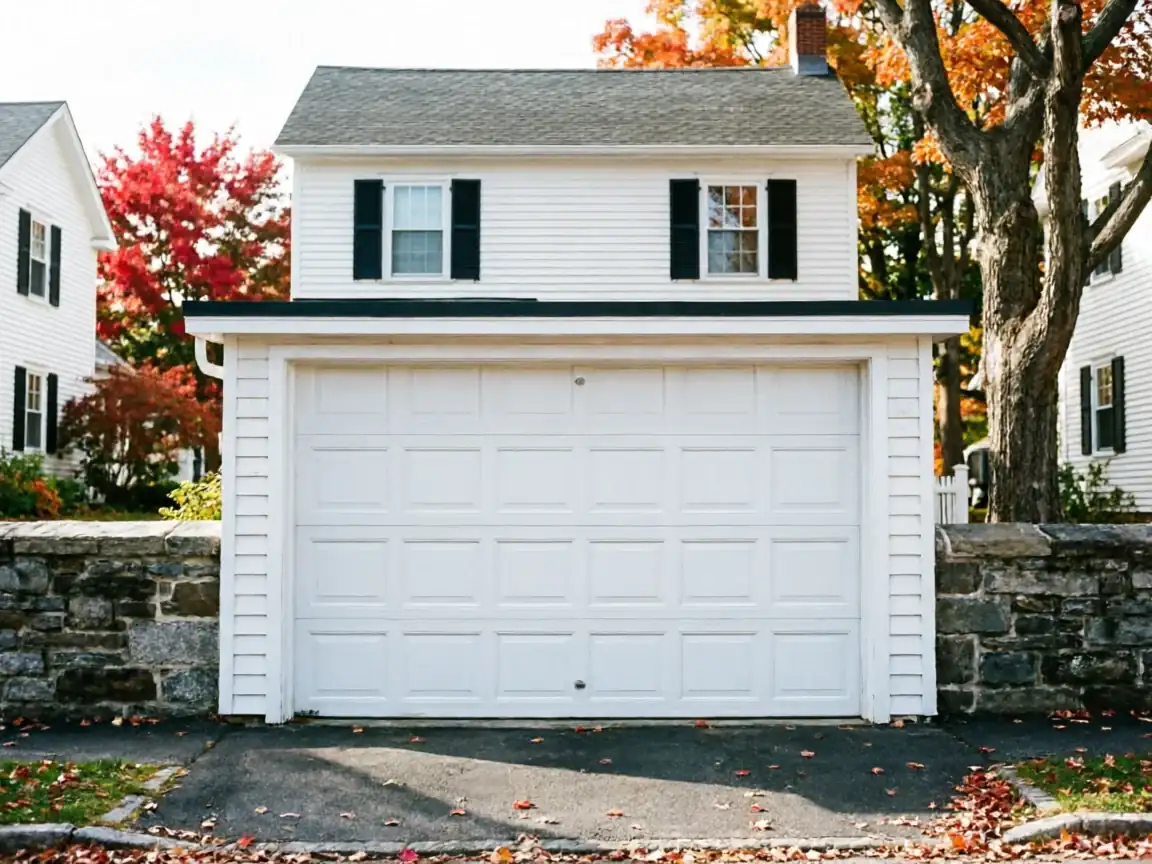
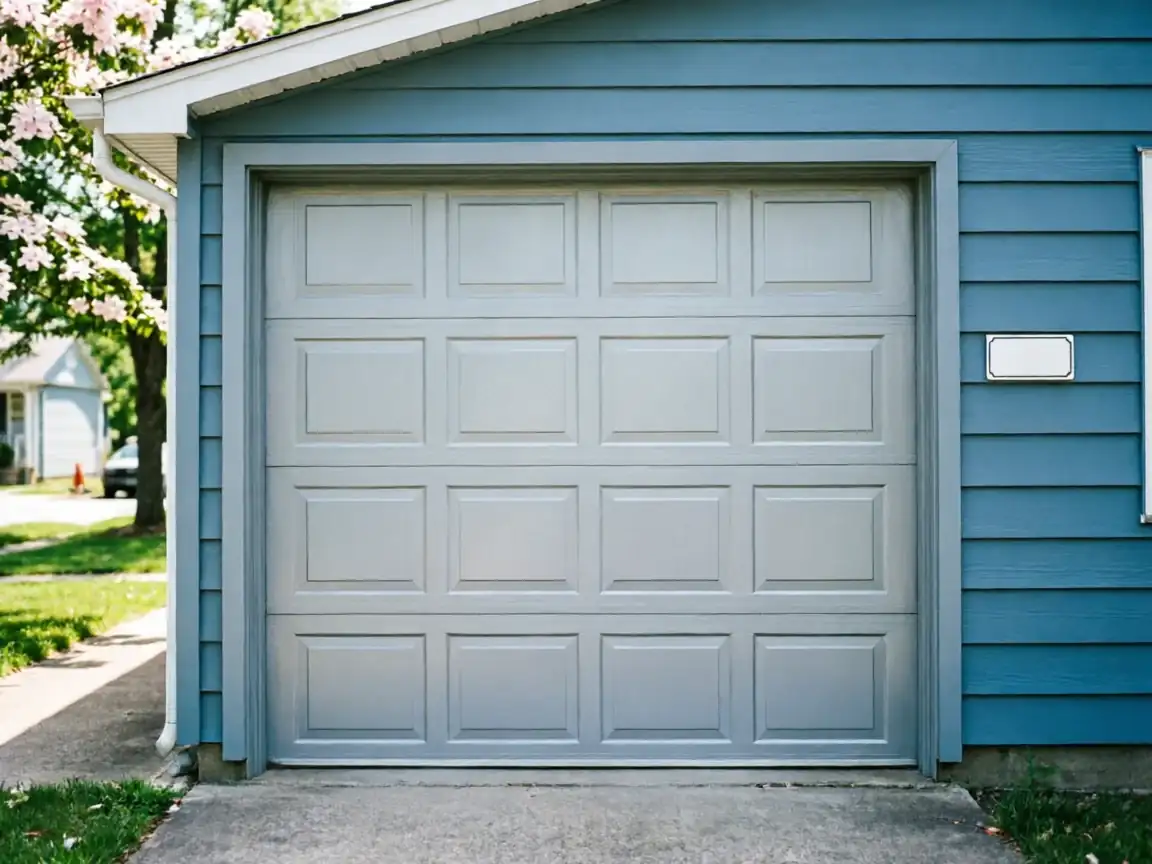
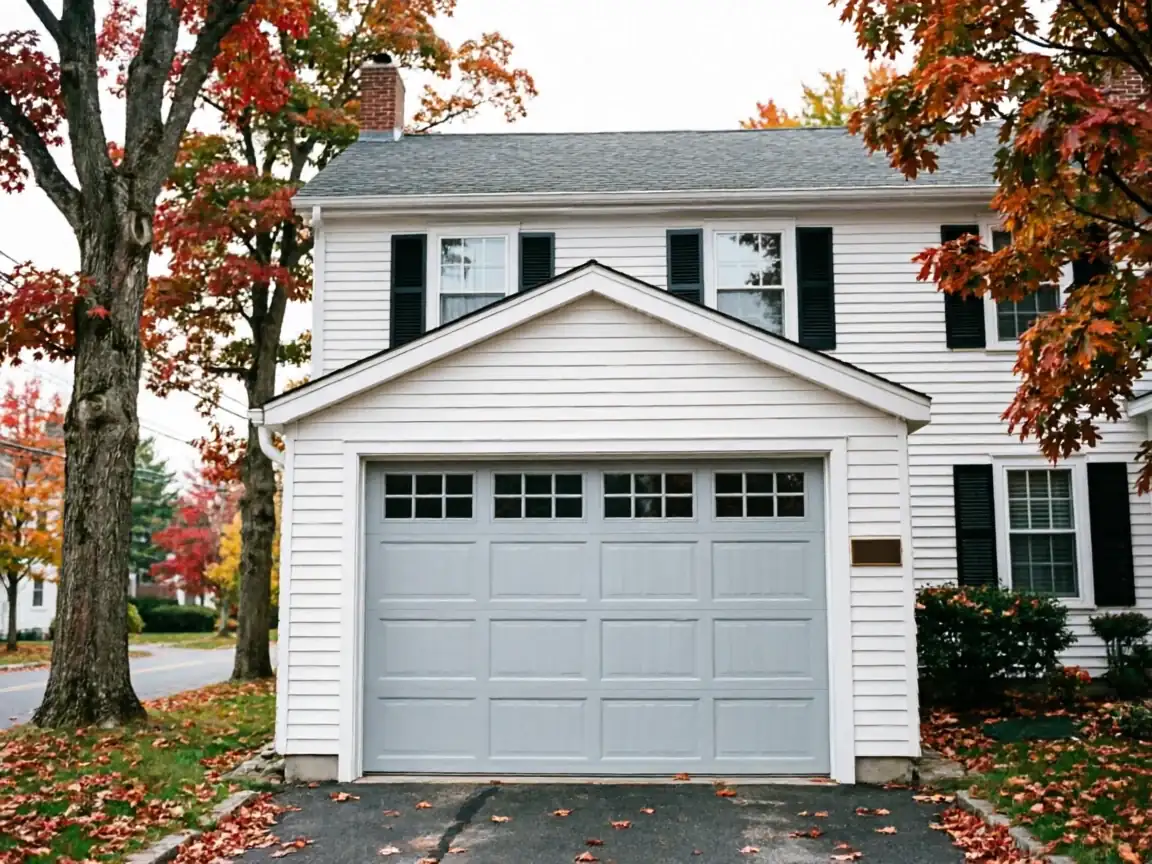
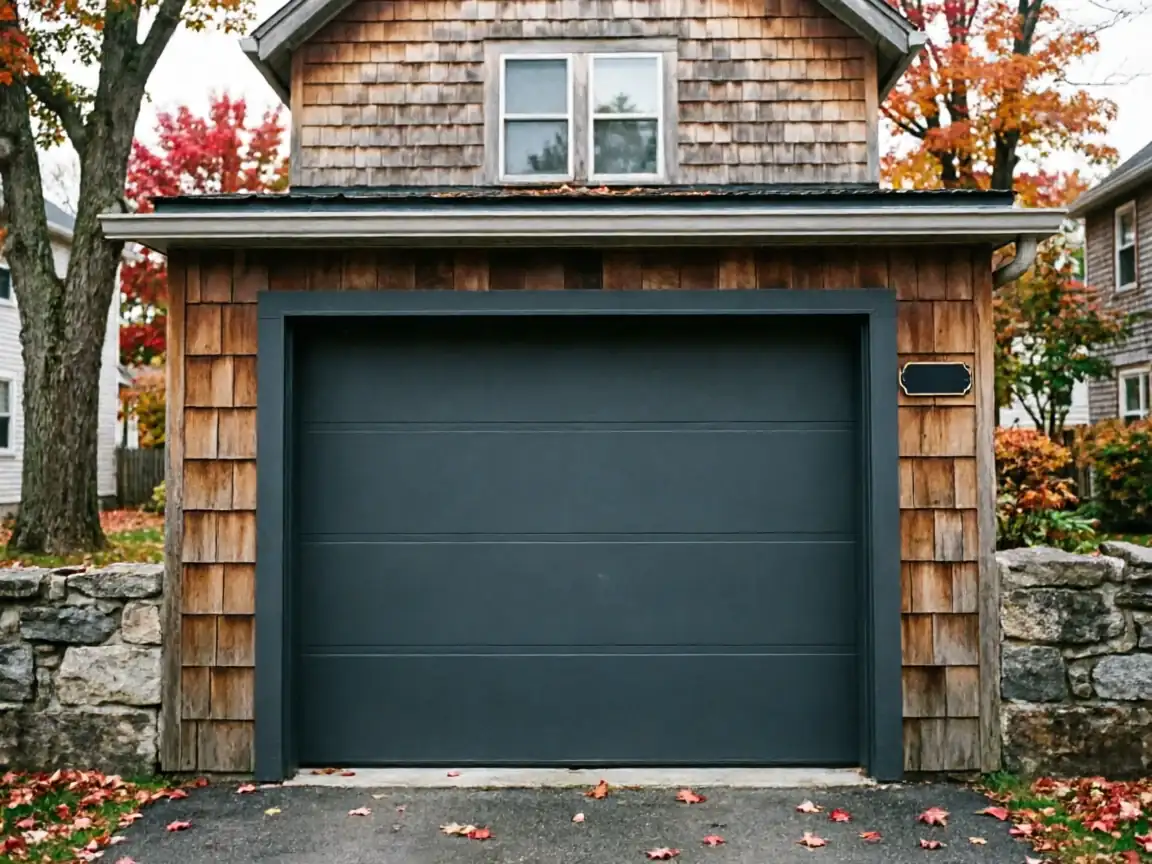
In Newark, this shows up most on the older sectional doors that make up a lot of the housing stock across the service area
Doors built when steel gauges and insulation specs were different from what's sold today. A single bent panel on one of these older doors throws the whole section out of alignment, which stresses the rollers and track next to it. What starts as a cosmetic dent becomes a door that binds or drags within a season.
We also see panels cracked at the hinge holes
Which is a sign the screws were over-torqued or the panel itself is thinner-gauge steel than what you'd get today. That's a different fix than a simple dent, and it changes whether we replace one section or recommend the whole door.
How We Fix It
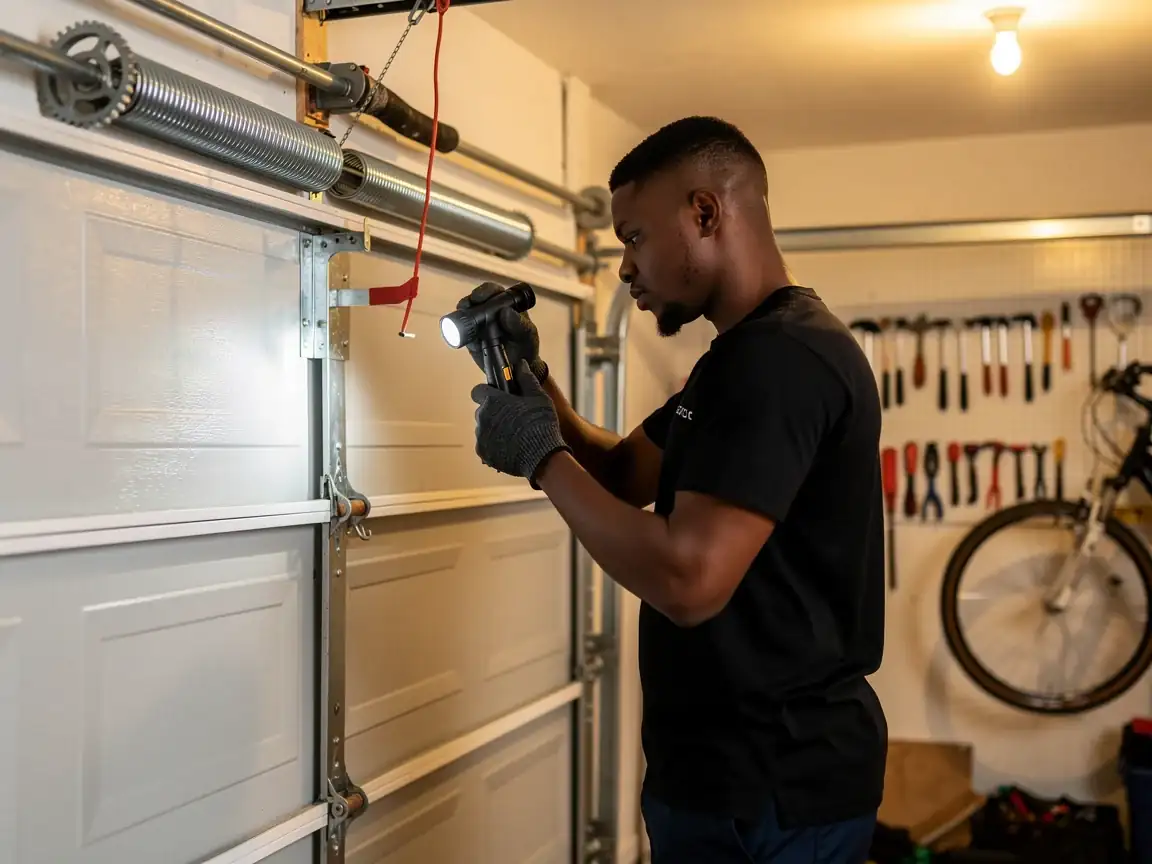
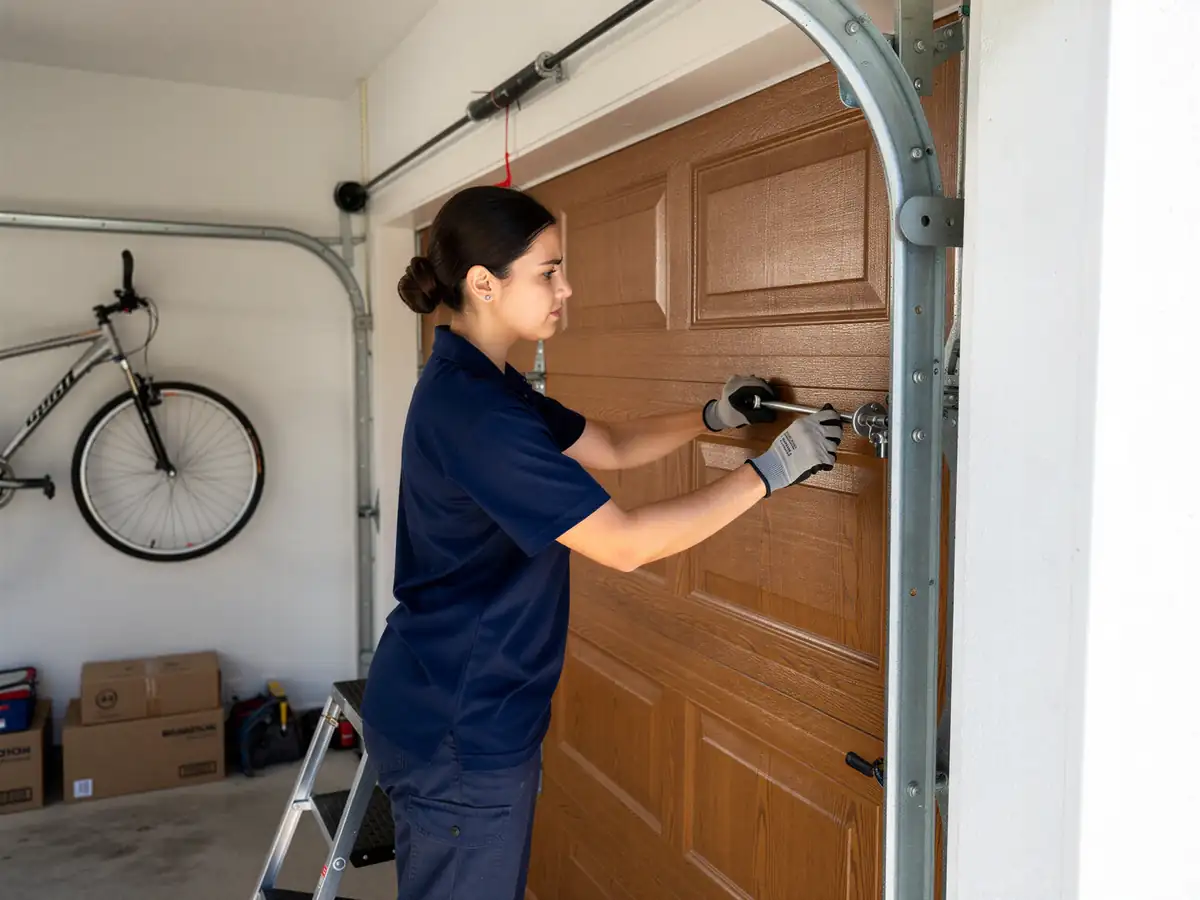
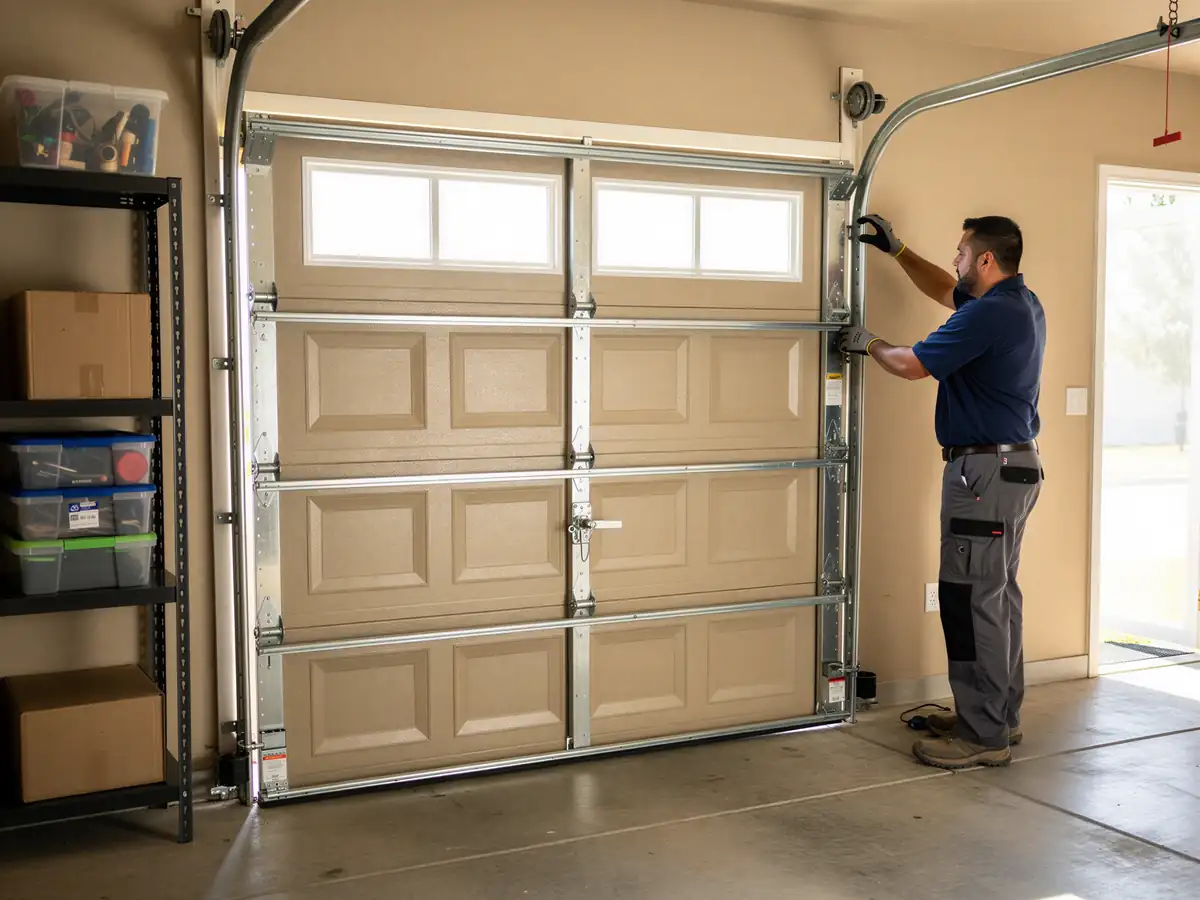
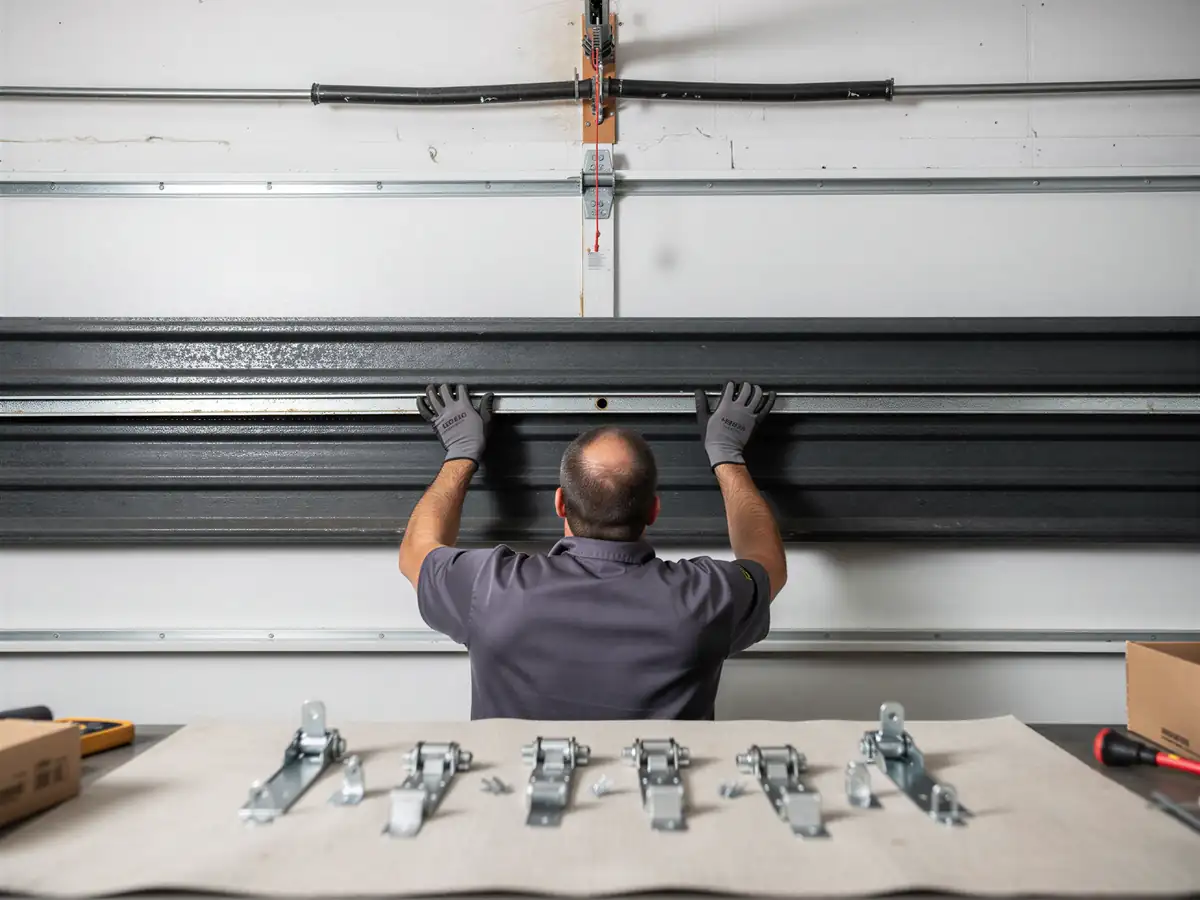
First call is figuring out whether your door is still in production. A lot of the sectional doors on homes built mid-century in this area were discontinued decades ago, so matching a single panel means tracking down the manufacturer, the exact panel width, and the hardware pattern - hinge spacing changed more than once over the years. If we can get a matching panel, we pull the damaged section, transfer the hinges and rollers, and set it back into the track without touching the rest of the door.
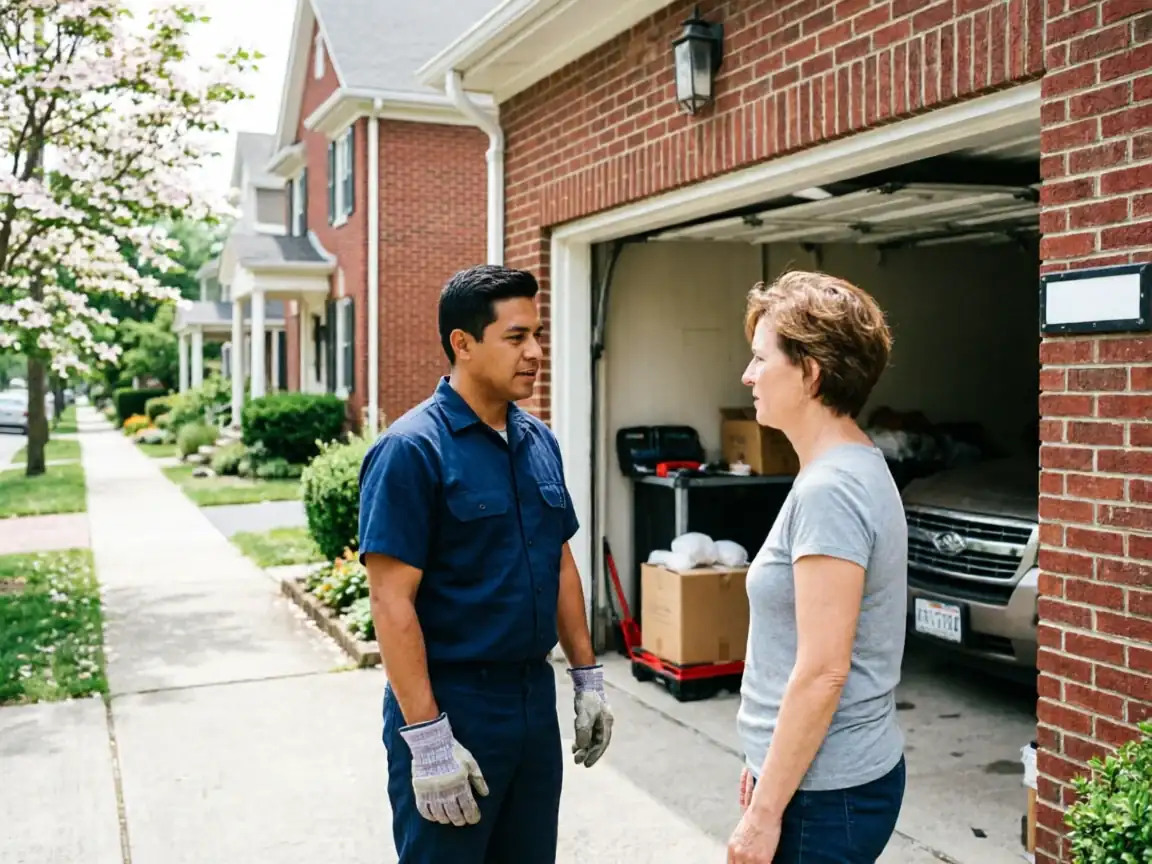
If the panel can't be matched - which happens more than homeowners expect on doors from the 1950s and 60s - we're honest about it up front. Sometimes the better move is a full replacement with a modern door that fits your opening, rather than a mismatched patch that will stick out and age differently than the rest of the door.
One limitation worth saying plainly: we don't stock every discontinued panel pattern on the truck. On older doors we often need a day or two to source the right match before we can finish the job, and we'd rather tell you that than promise same-day on something we can't guarantee.
Why This Fails Locally
Housing in this service area runs mostly 1938 to 1996, with a median build year around 1958, and that matters here specifically. Doors installed on homes from that era were often replaced once in the 1980s or 90s with panel styles that are no longer made, so when one section fails, an exact match is the exception, not the rule.
The climate band here is classified cold and severe, which means real freeze-thaw cycling every winter. Steel panels expand and contract with that swing, and seams that were fine in July open up a hair by February. Water gets into the seam, sits, and rusts the bottom rail from the inside out - you see the bubbling paint before you see the hole. On a pre-1960 door with thinner steel than current code calls for, that process moves faster than it would on a door built in the last ten years.
Across the 156 named areas in this region, the pattern repeats: older housing stock, harder winters, and panels that were never designed to be swapped out individually decades after installation. That combination is why panel replacement is a steady call here rather than a rare one.
The Cost of This Job
What drives the price on a panel job isn't labor time, it's sourcing
A current-production panel that matches your door in stock color and hardware is the cheapest version of this repair. A discontinued panel that has to be special-ordered, or color-matched by hand, costs more and takes longer - sometimes a repaint is the only way to get a decent match on an older door.
The other factor is how many sections are affected
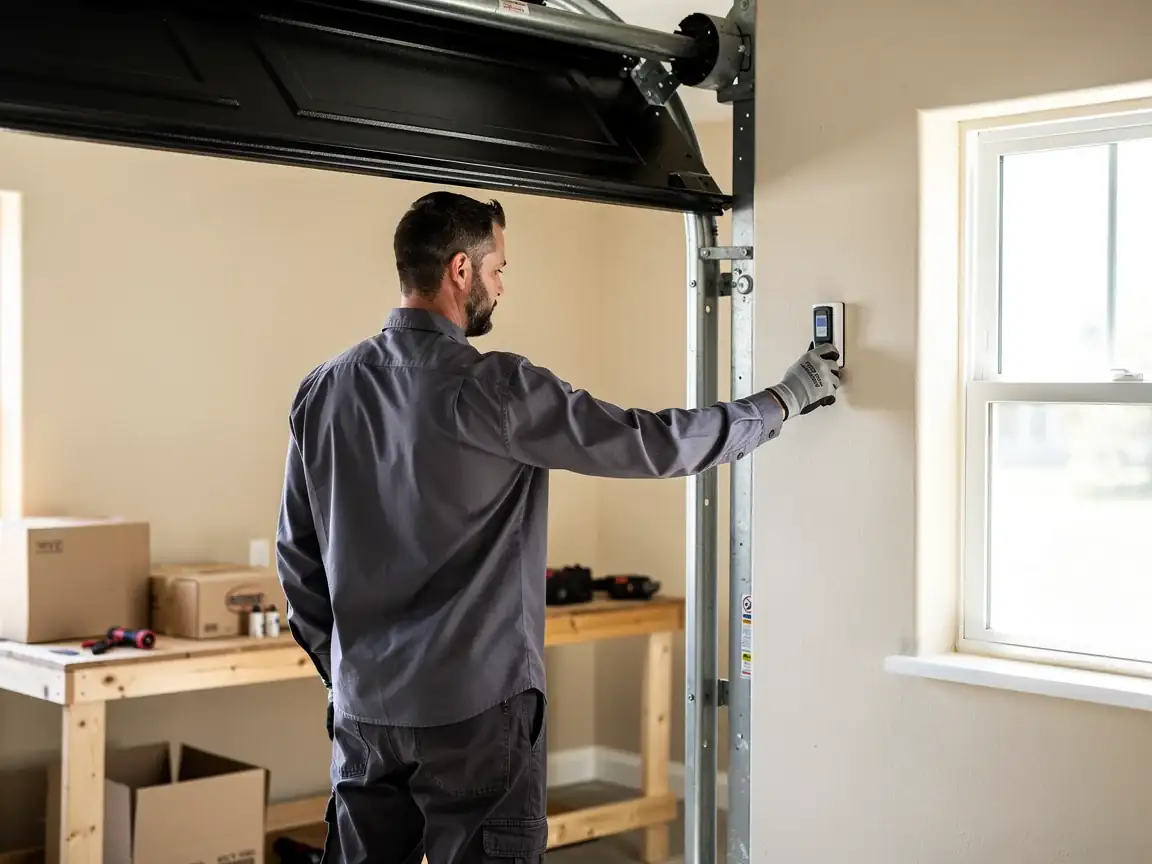
One panel is a contained job. If the impact bent the track or knocked the opener's travel limits out of adjustment, that gets fixed at the same time, which is worth doing - reopening the door and finding a second problem a week later is a worse outcome for everyone.
And on some older doors, once we're into sourcing a single discontinued panel
Replacing the whole door section-for-section in a modern equivalent ends up close in price to patching the old one - at that point we'll tell you straight which way makes more sense for your house rather than just taking the easier job.