What We Do Not Do
We run out of Newark, not Elizabeth
There's no local depot here and no crew sitting around the corner waiting for a call - every truck that comes to you drives the 4 miles in from Newark. That means we don't promise a five-minute arrival or a storefront you can walk into on a Saturday. What we do is schedule the drive and show up with the right parts already on the truck for what we're seeing in this area, because we've worked enough of these streets to know what breaks.
- 4 miles
We also don't try to stretch a dying door's life past the point it makes sense
If a door built when the house went up in the mid-1950s has a bent track, a rusted-through bottom panel, and an opener that's seized, patching one of those three doesn't buy you much. We'll tell you straight when replacement beats another repair call, even if that's not the answer that gets us back out here next month. And we don't stock every obsolete spring size on day one - some of the oddball wind counts on these old doors take an extra day to source.
What Was Built Here
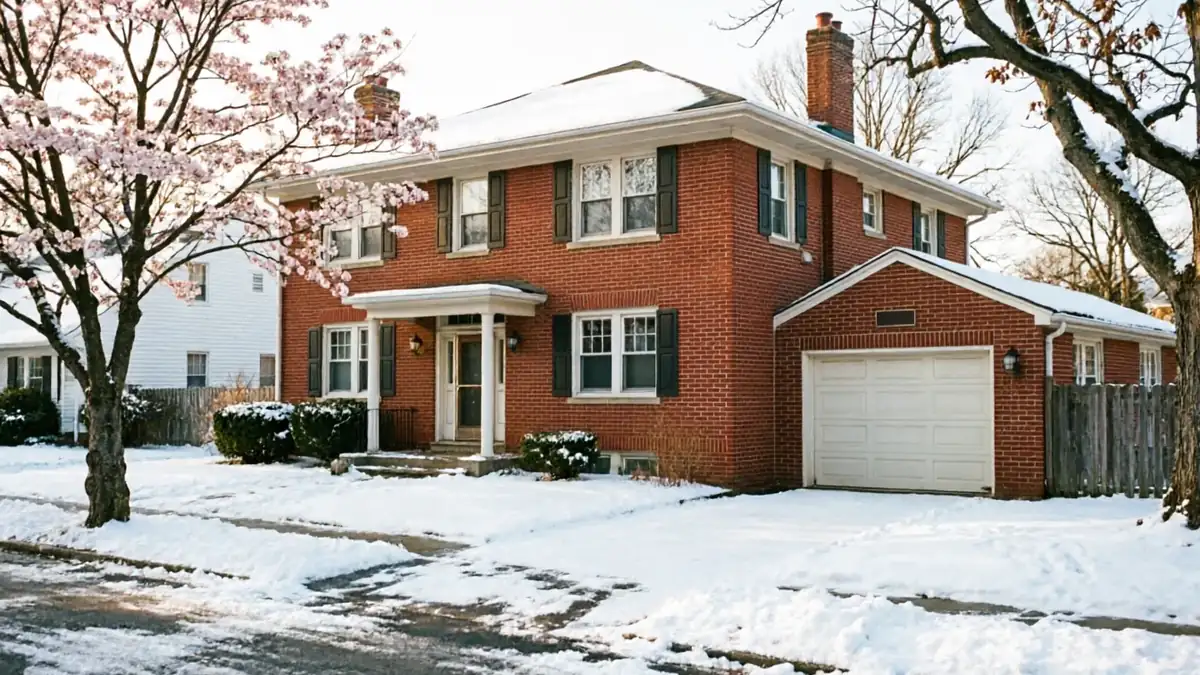
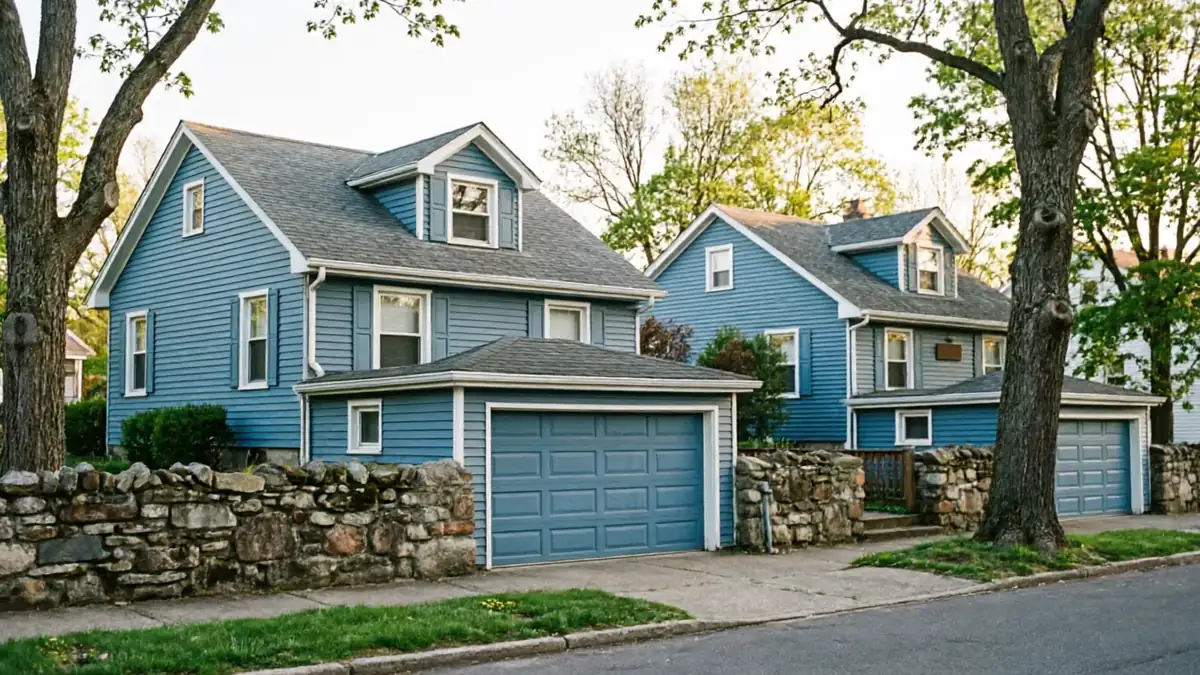
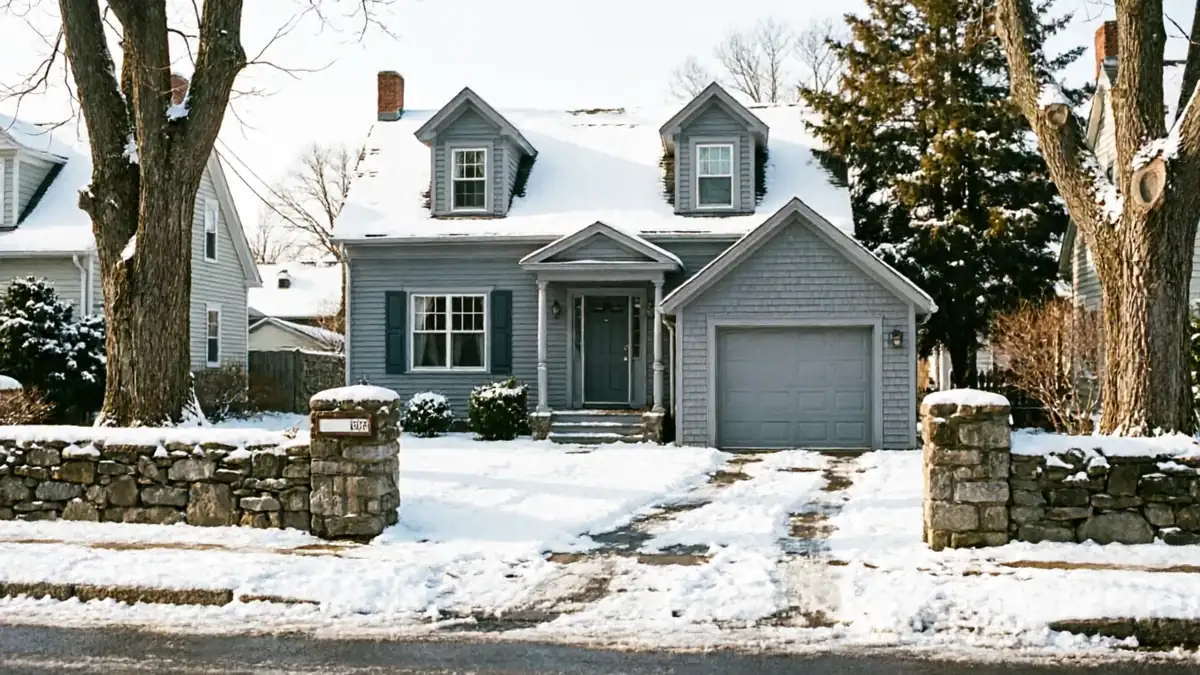
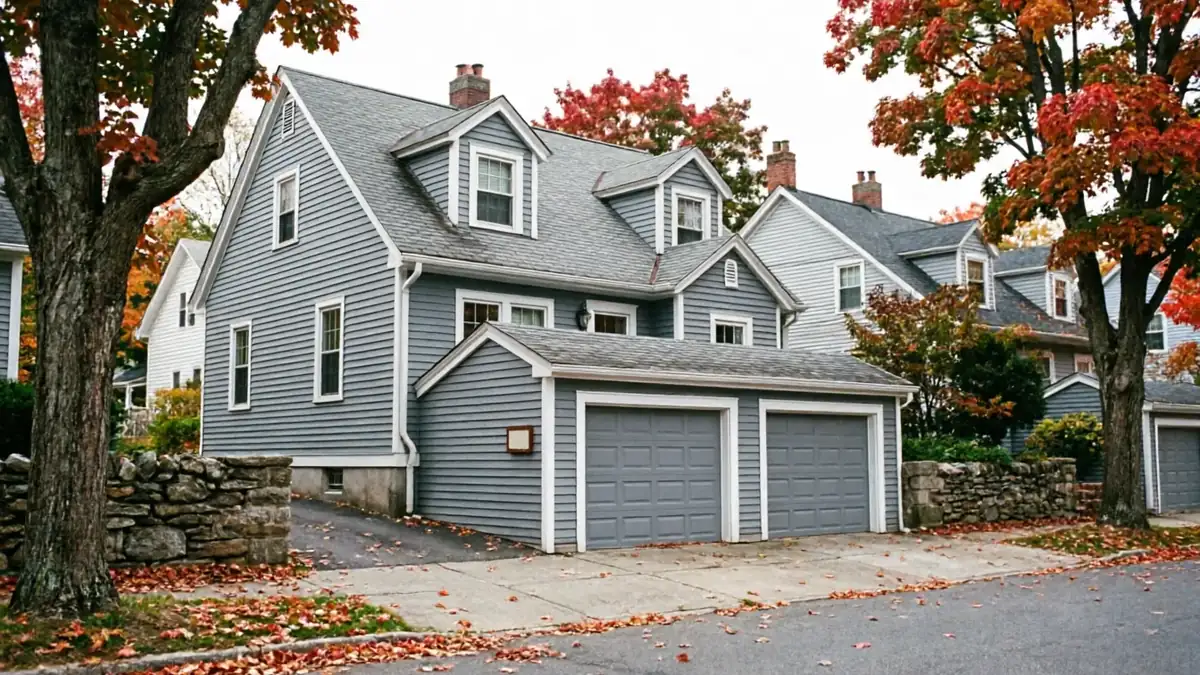
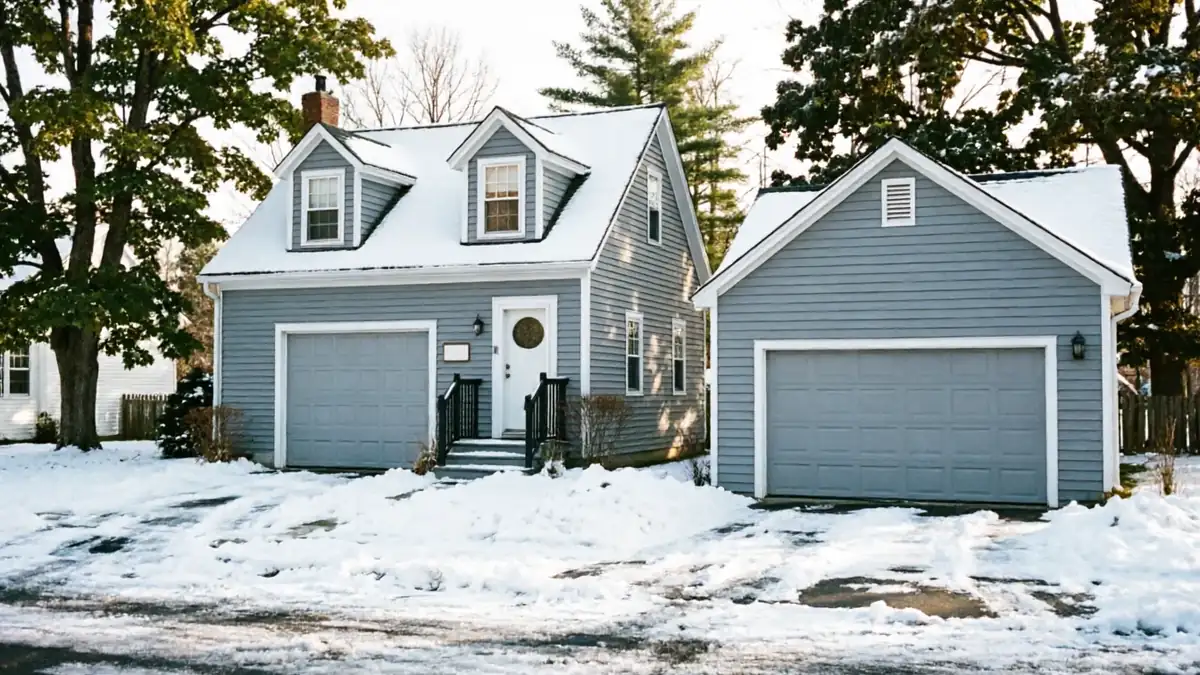
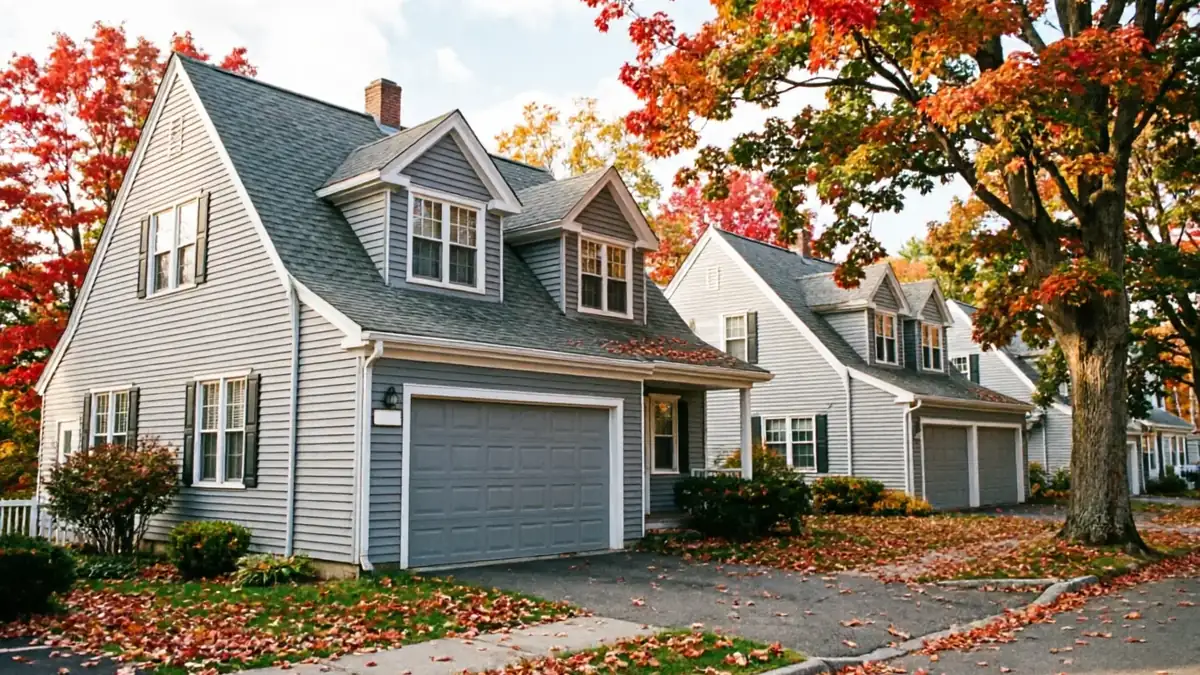
Elizabeth's housing runs older than the service area average - most of it went up around 1955, a few years ahead of the broader coverage area's median of 1958. Across the wider region the housing stock spans 1938 to 1996, but Elizabeth sits on the early side of that range, with roughly 45,932 households packed into blocks that were largely built out before sectional steel doors became the standard.
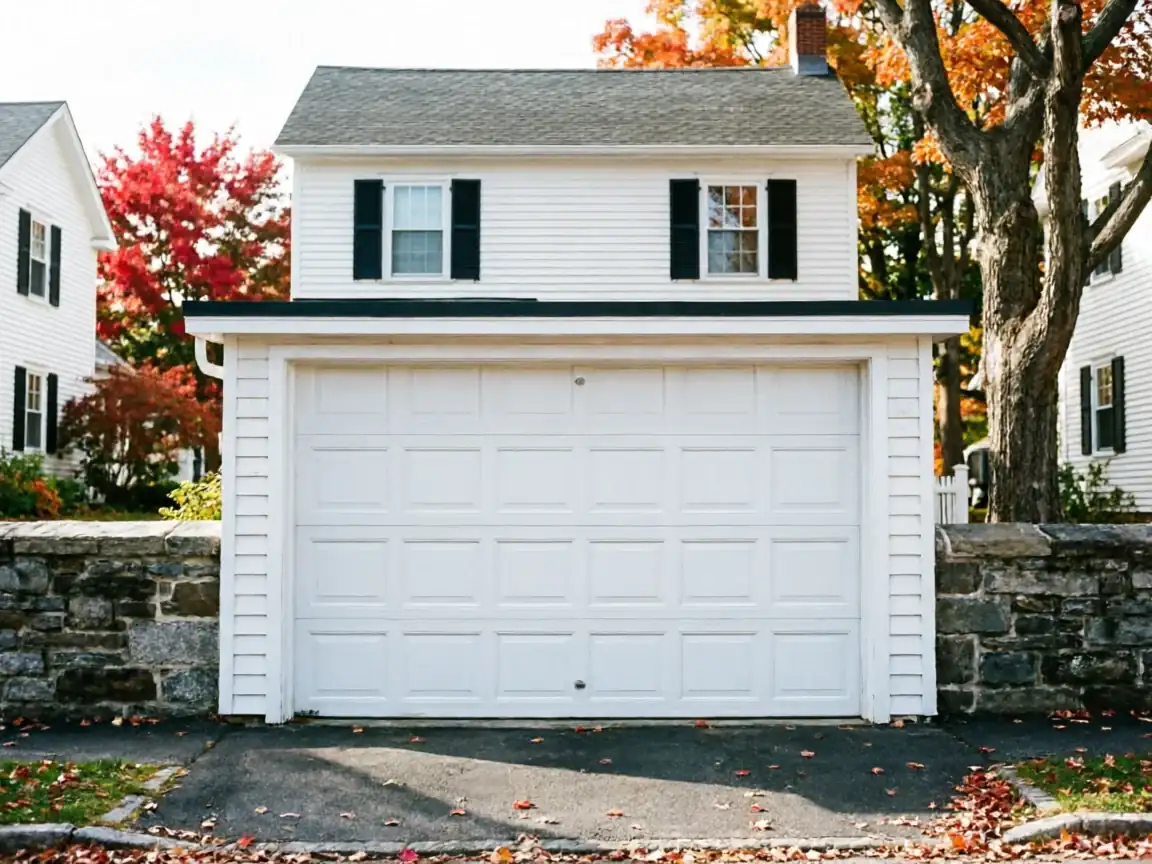
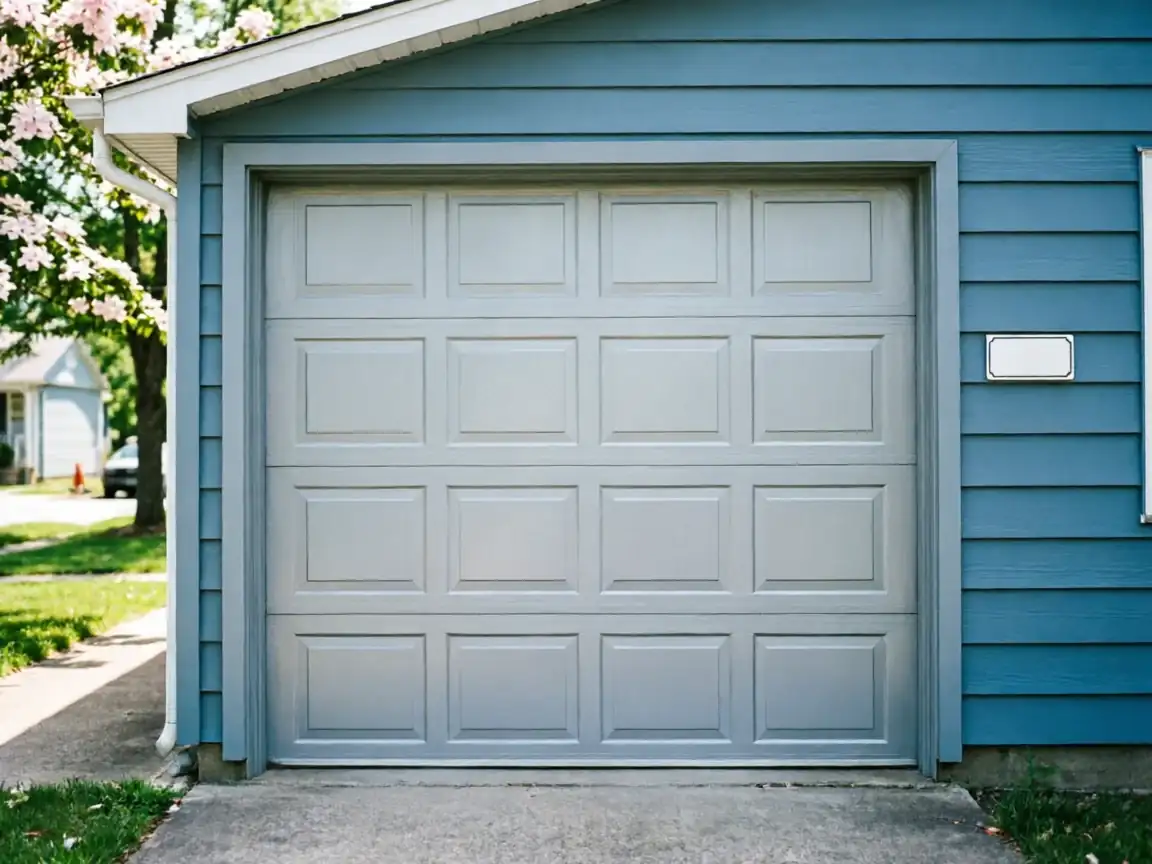
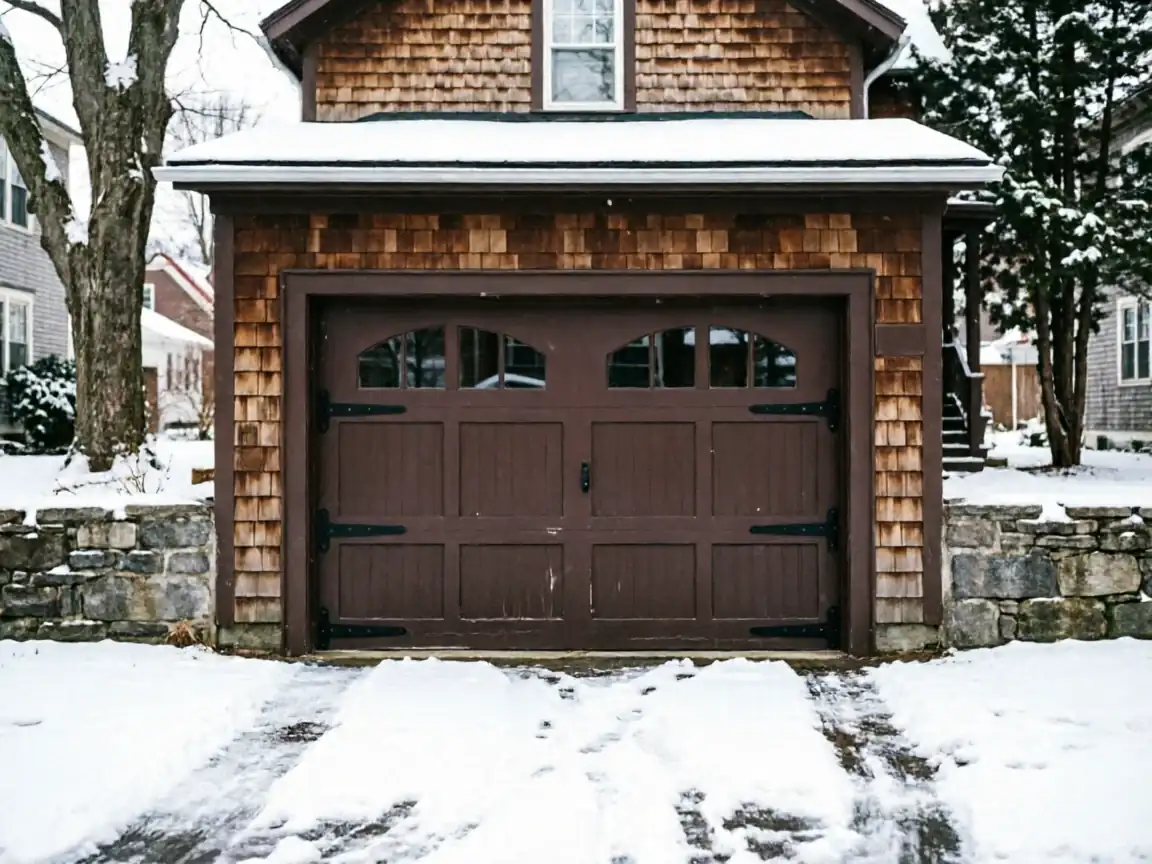
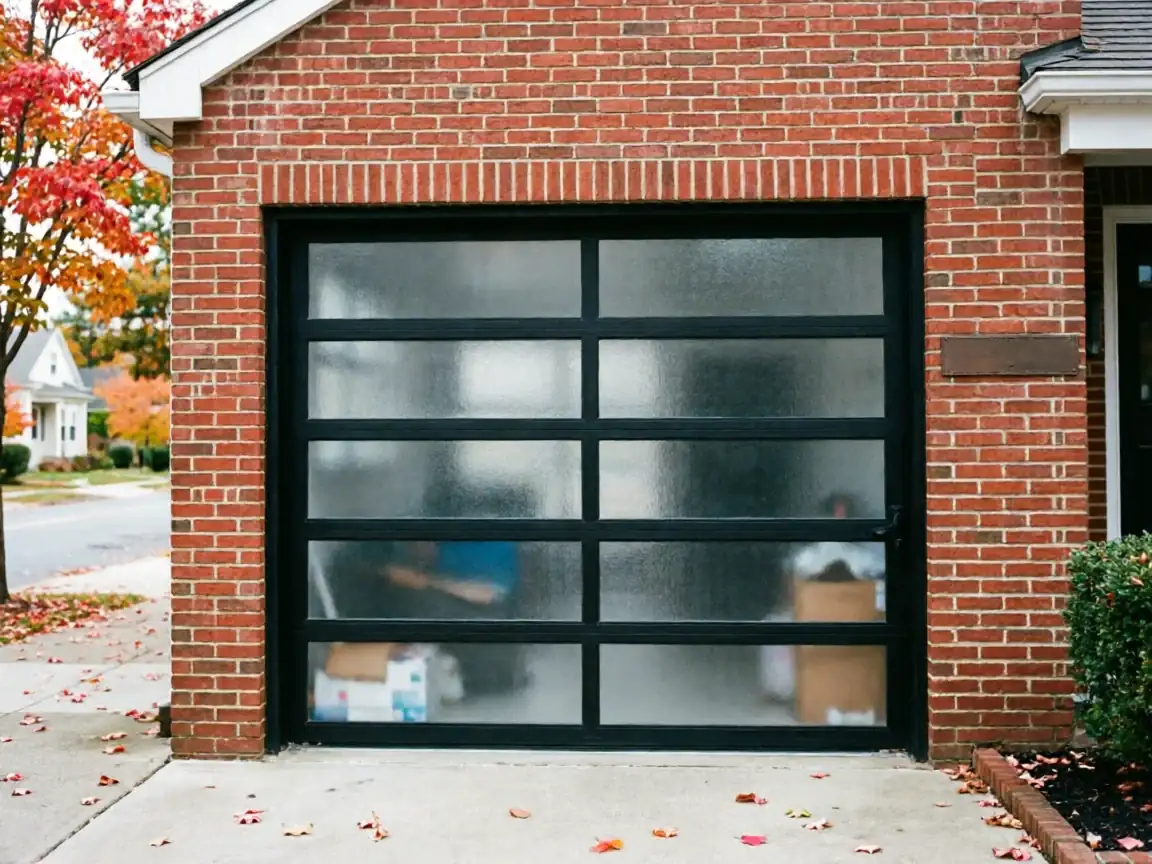
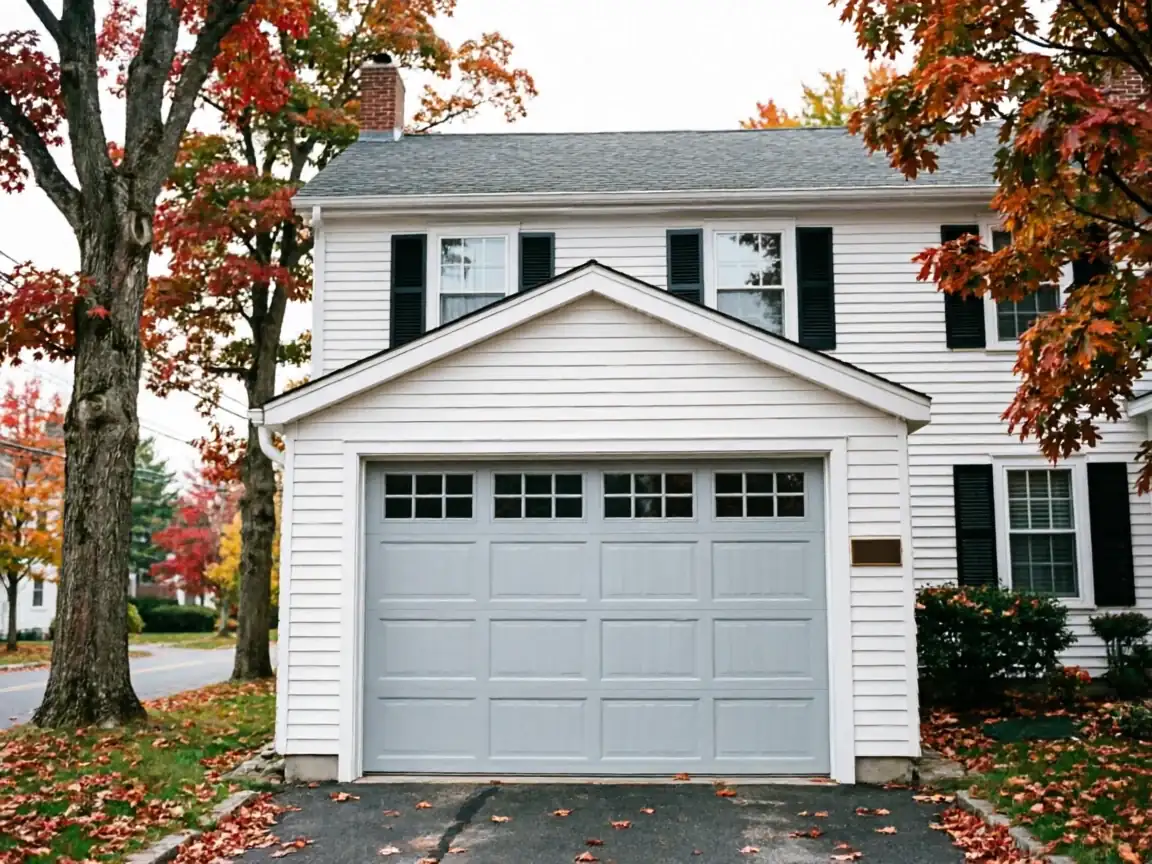
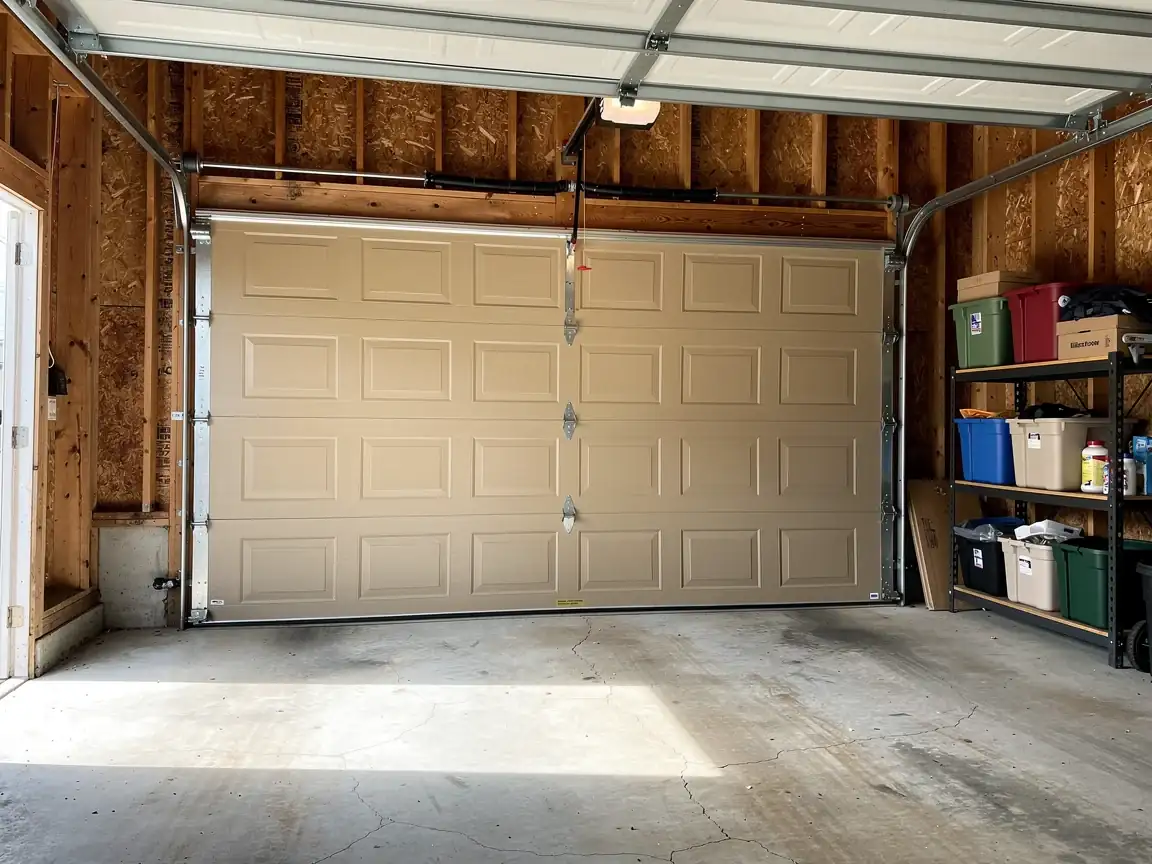
That matters because a door installed on a house built in 1955 is almost never the original door anymore, but the opening, the header, and the track mounting usually are. You get a lot of retrofit garage doors hung on framing that predates them by decades, which is a different repair problem than a door and opening installed together in the same year. The climate here is also classed as cold and severe, which over 70 winters of freeze-thaw on original lumber framing does real work on how square an opening stays. At a median household income of $63,874, which runs well under the $120,958 median for the full service area, a lot of these doors get kept running longer than a newer house's door would be.
What People Here Ring About
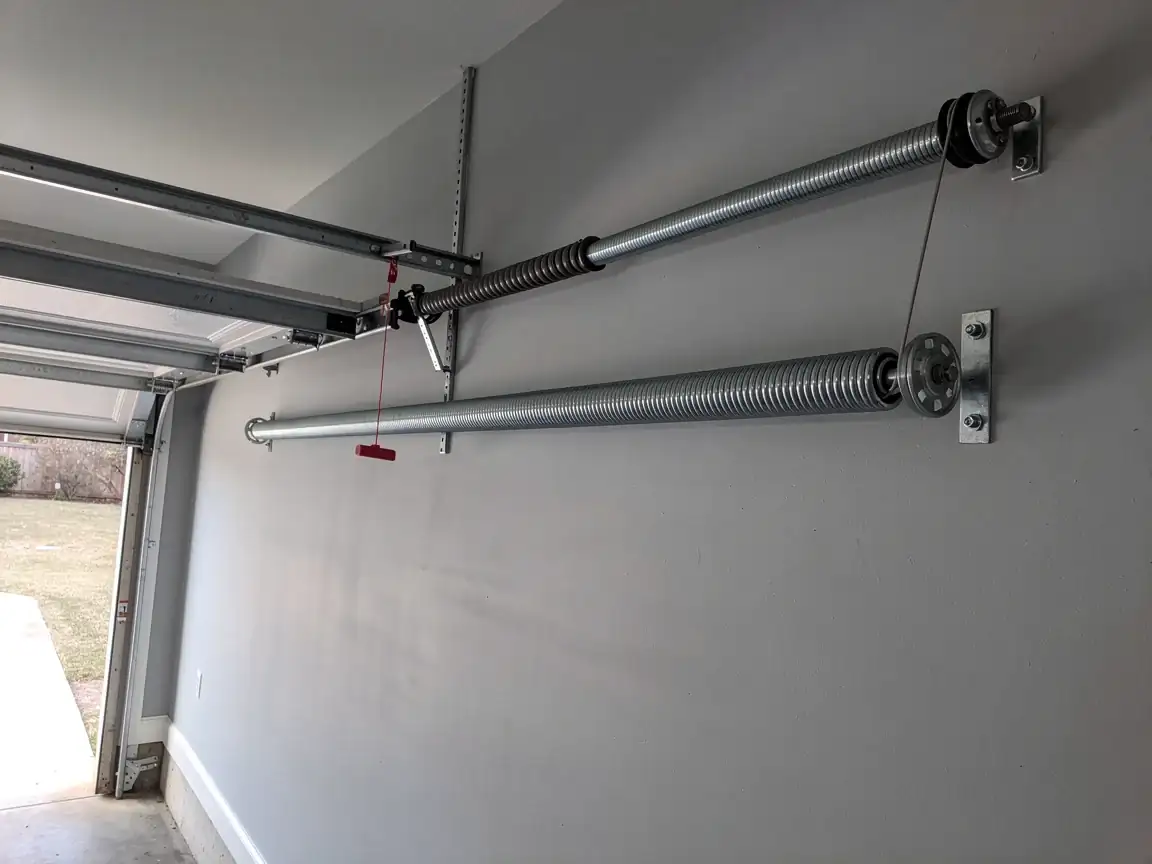
The calls we get from this part of the coverage area cluster around a few things. Torsion springs that have gone slack or snapped outright - on houses built mid-century, that spring has usually been replaced once already, sometimes with hardware that doesn't match the door's actual weight. Openers that grind, hum, or stop responding, often because they were bolted onto a retrofit rail that was never squared to the original 1955 framing.
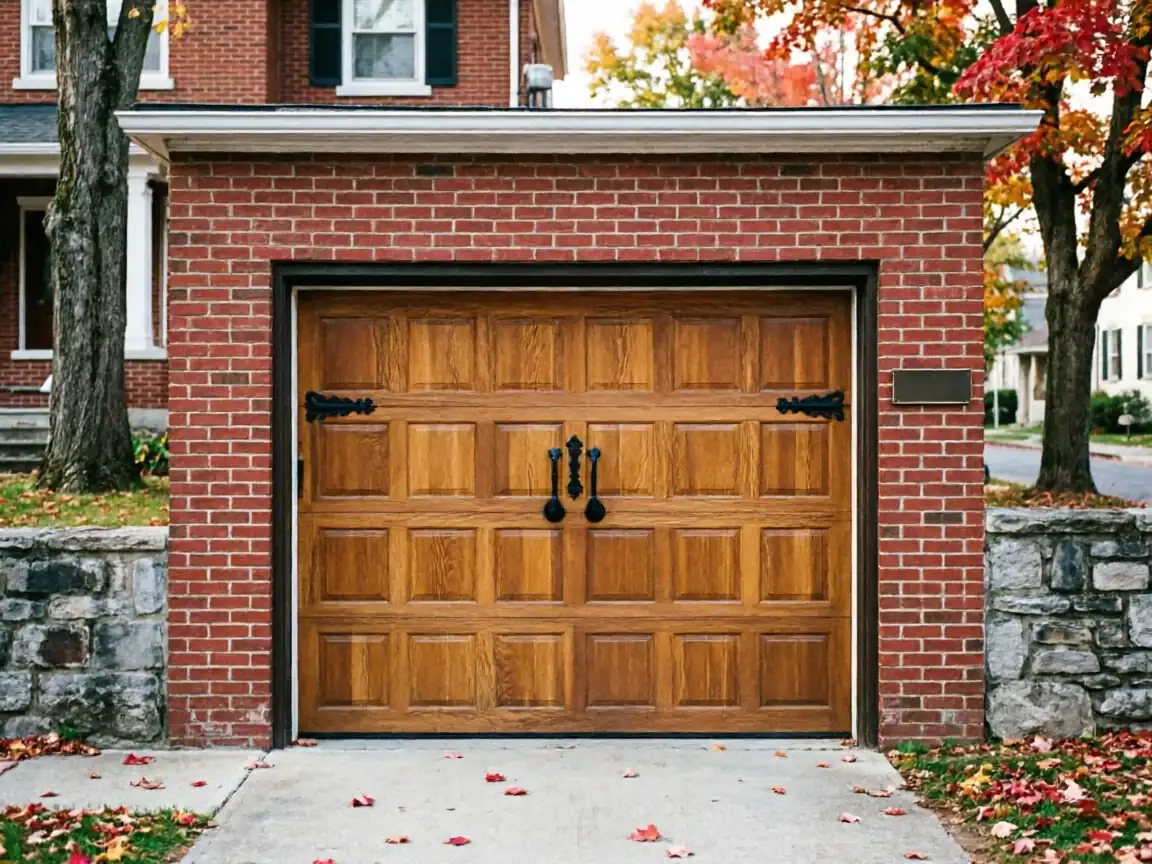
We also hear a lot about doors that stick halfway, usually a track that's pulled slightly out of alignment as the house settled over seven decades. On the older one-piece swing-up doors that still show up on some of these blocks, the complaint is almost always the same: the whole door sags on one side because the cables and pulleys weren't built for the lift hardware someone bolted on later. None of this is exotic. It's what happens when a door, an opener, and a framed opening from three different decades get asked to work as one system.
What That Means for Doors
A door built for a 1955 opening doesn't move the way a door built for a 2005 opening does
The older framing tends to be narrower and less forgiving of a slightly out-of-plumb track, so when we're out in Elizabeth we check squareness before we touch springs or cables - adjusting tension on a door that's racked in its frame just burns through the new spring faster.
The cold, severe climate band this area sits in means steel hardware corrodes and stiffens faster than it would somewhere milder
So springs, rollers, and cables all run a shorter service life than the manufacturer's rated cycle count suggests. On a house from the 1950s, that's compounded by original wood jambs that have shifted over the decades. We replace rollers and cables as a set more often here than we would on newer housing stock, because on a door this old, fixing one worn part just exposes how close the next one is to failing.