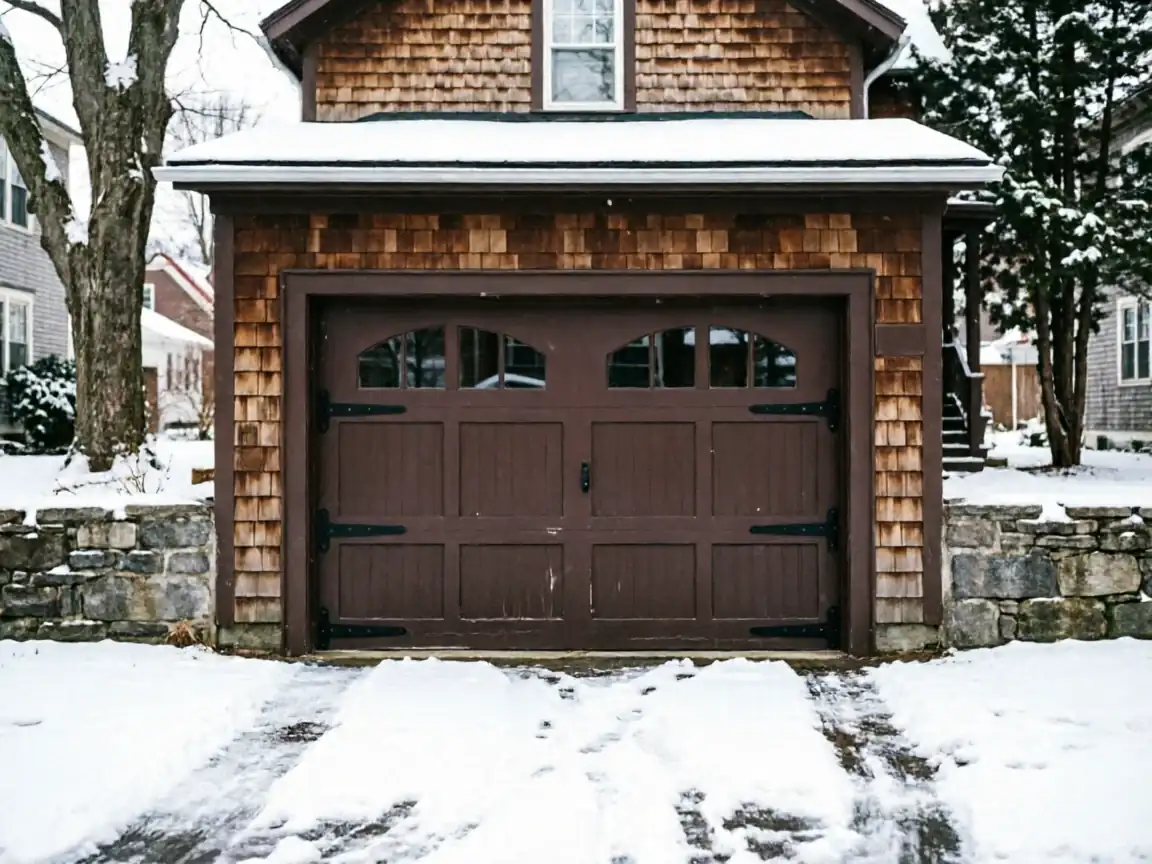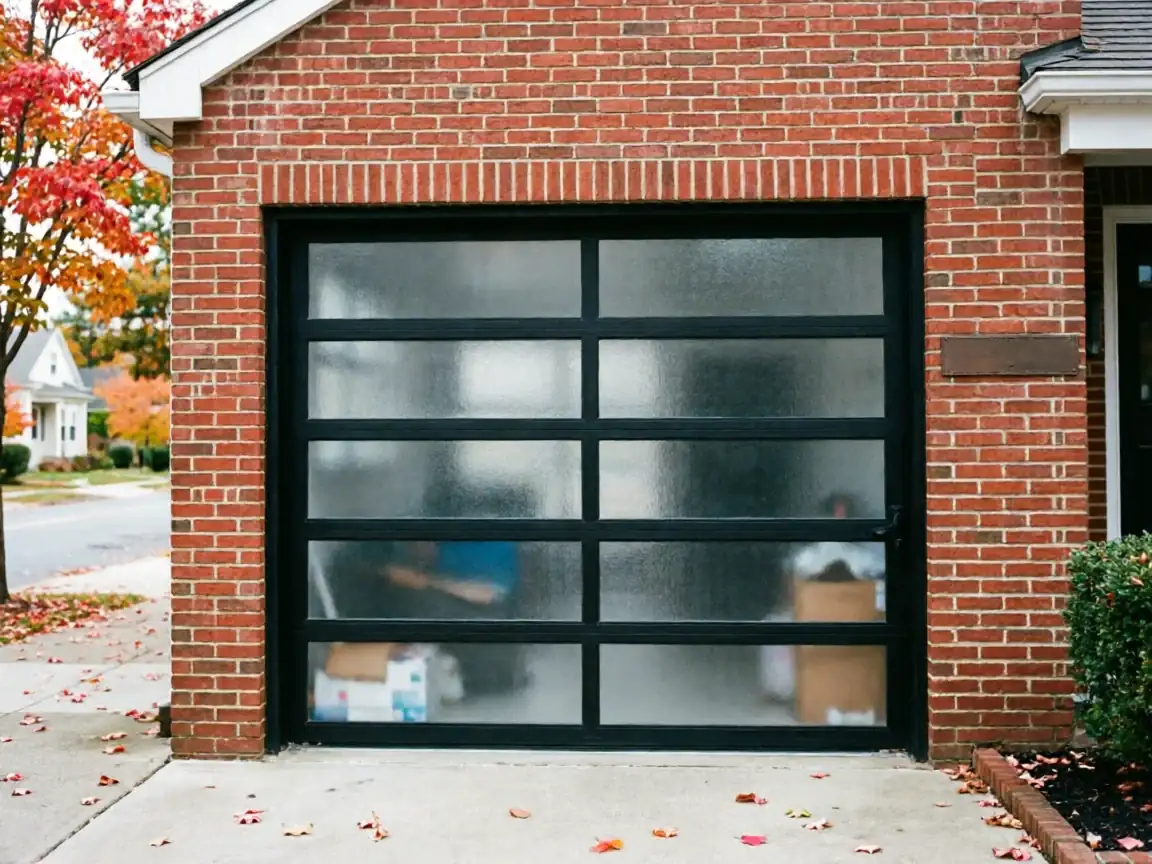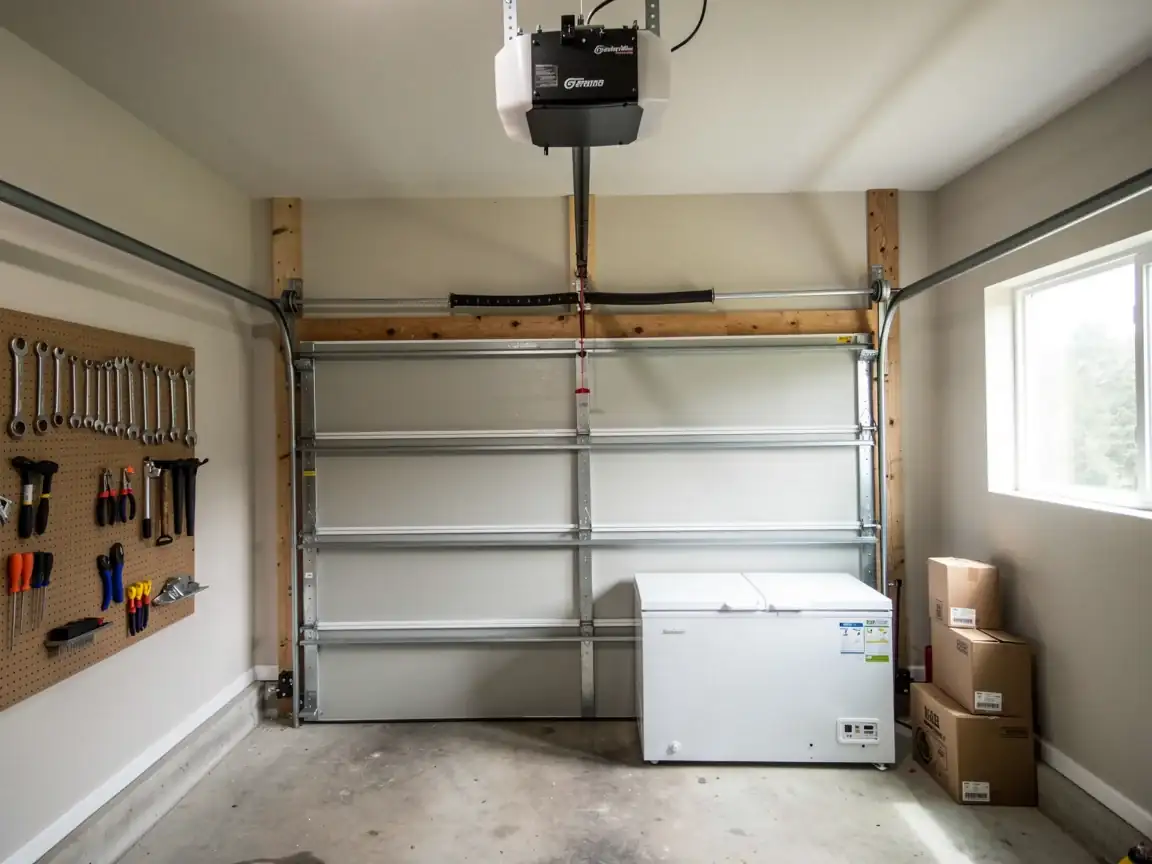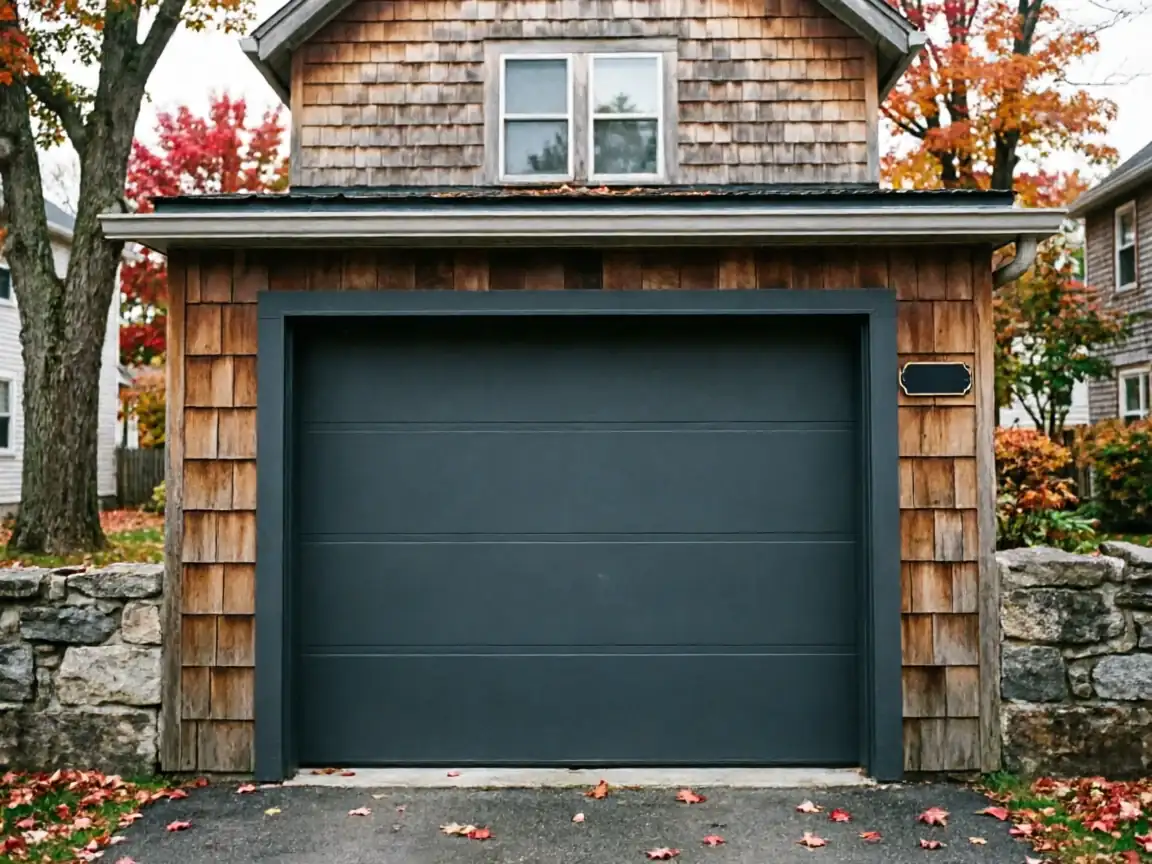
How We Fix It
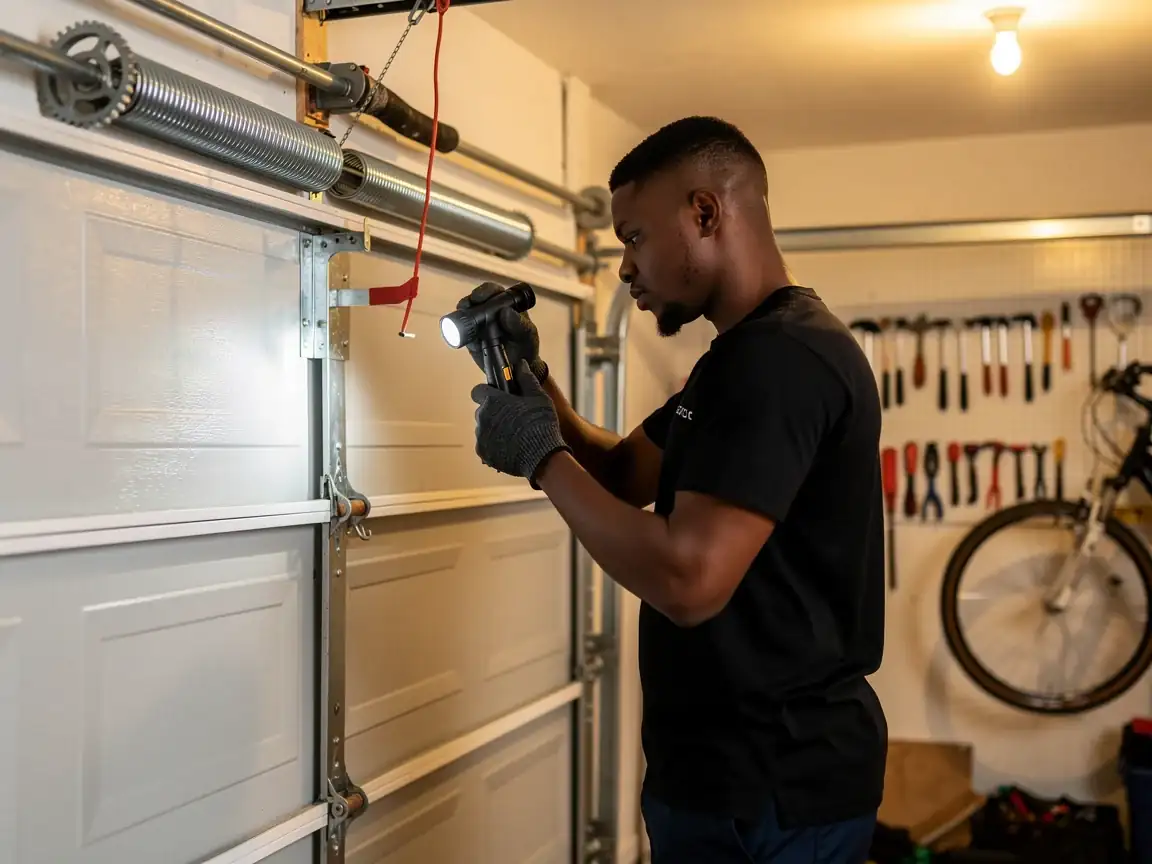
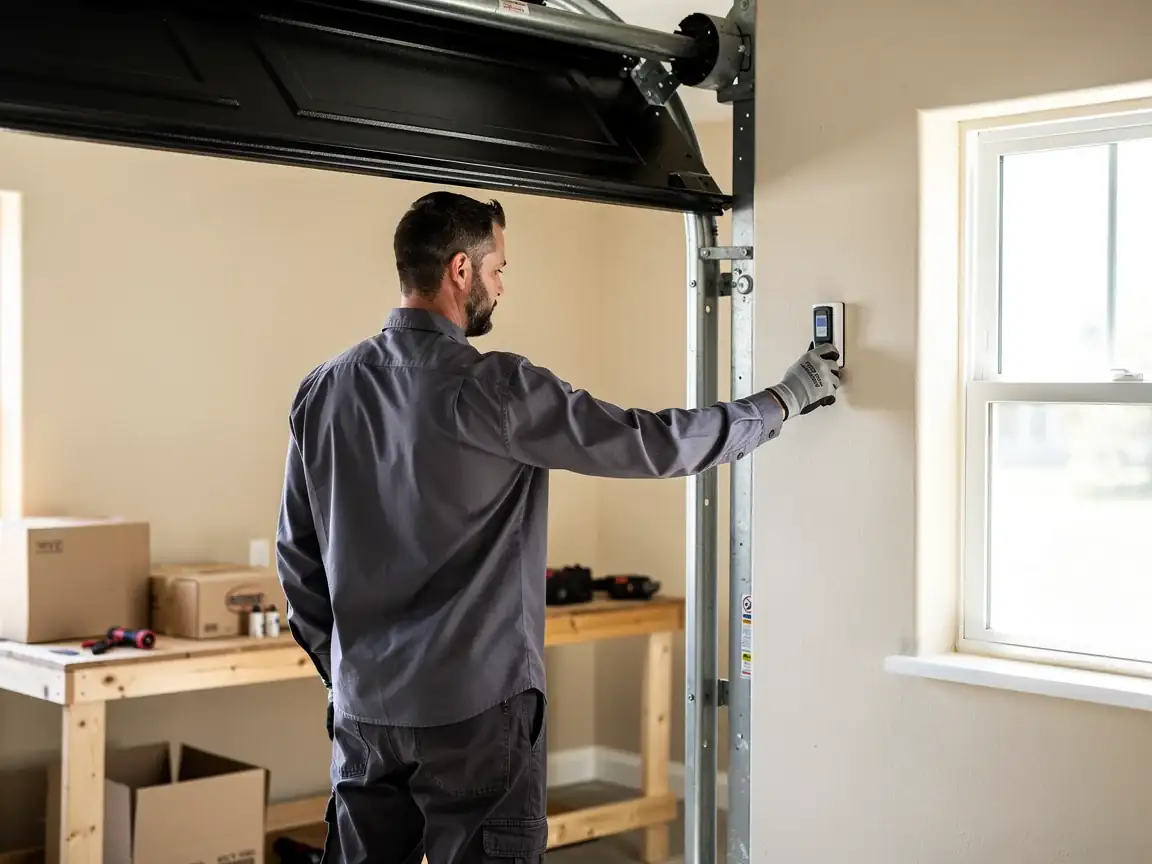
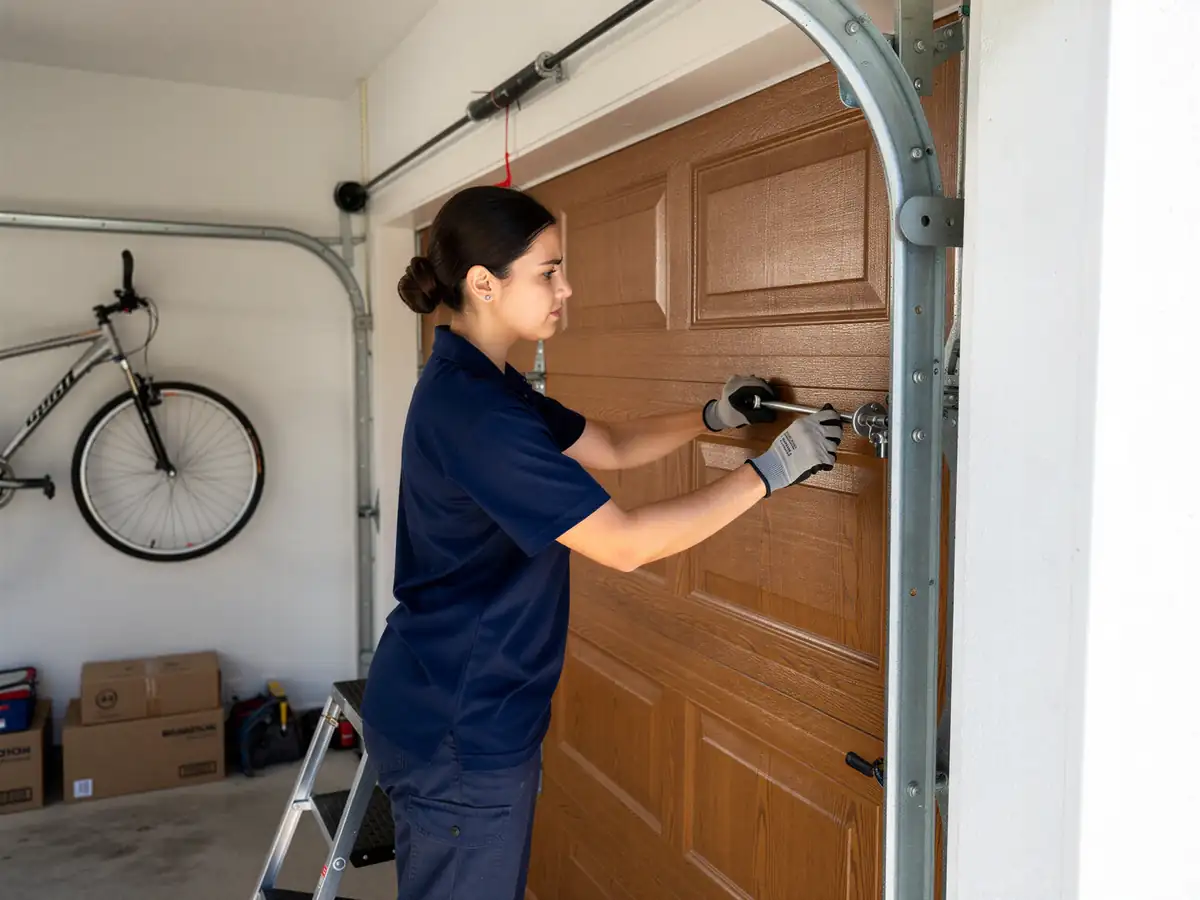
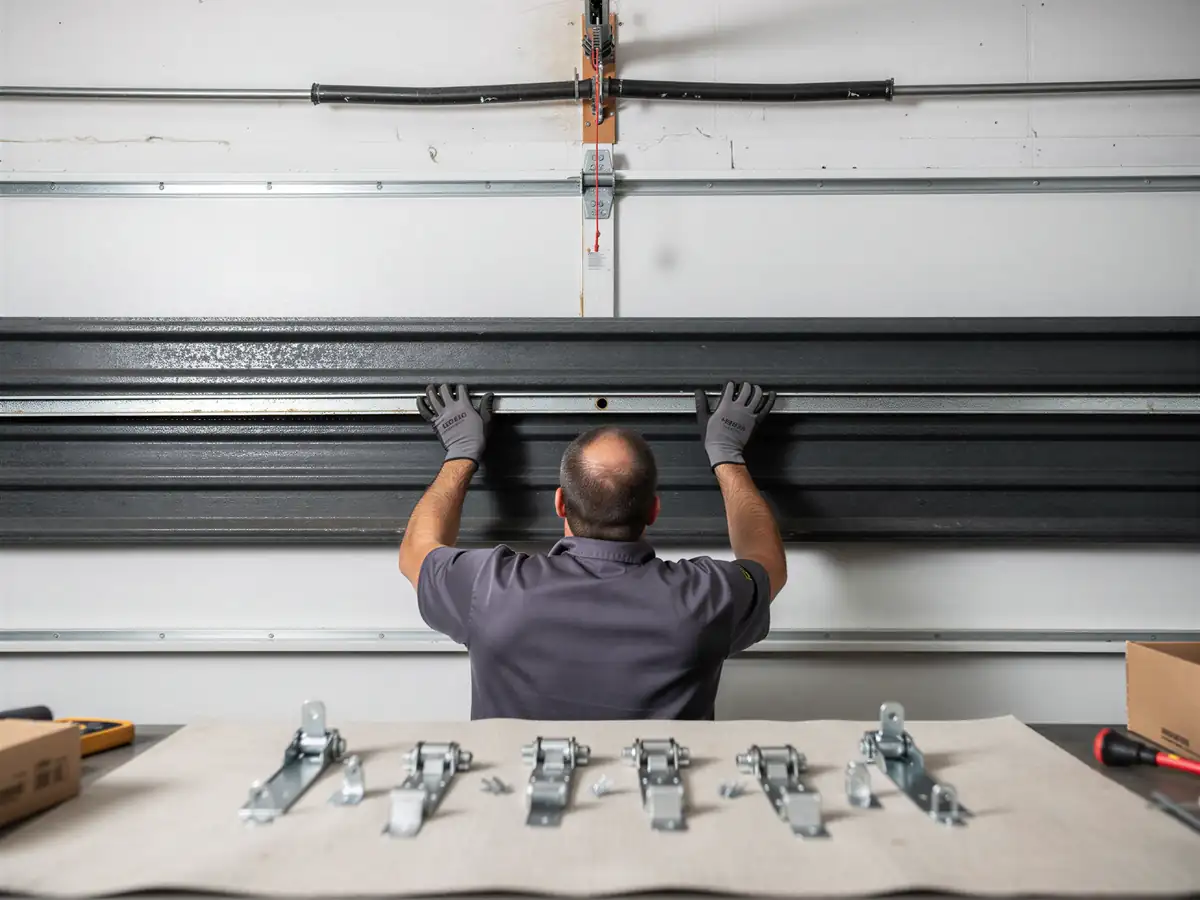
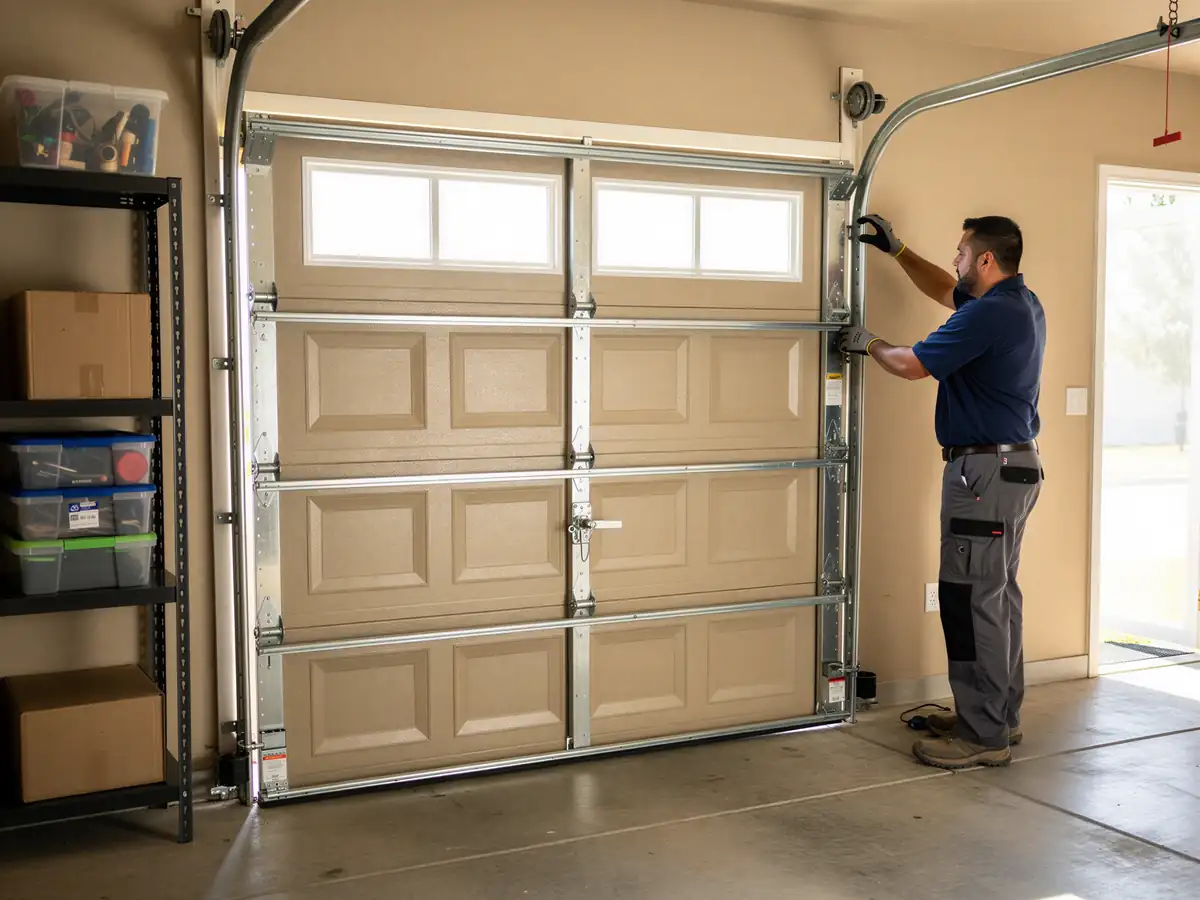
We come out from Newark, about 4 miles away, and start with the opening itself, not the door. On a house from the 1955 era we measure jamb width, headroom, and backroom clearance before we ever quote a model, because those three numbers decide whether a standard torsion setup will work or whether the track needs to be reworked to clear a low ceiling joist. Given the region's cold winters (classified as a severe cold climate), we also check whether the garage is attached to living space, since that changes whether an insulated door is worth the extra cost or whether a standard steel door does the job. Elizabeth's median household income runs lower than the wider service area's - about $63,874 against a broader area median near $120,958 - so we price options across that range rather than pushing the top-tier door by default. We install the door, reframe hardware where the old brackets won't take new spring weight, and set the opener travel limits to match the corrected track. We don't carry a crew or a yard in Elizabeth itself; every job here is a trip from the Newark shop, which we plan for rather than treat as an inconvenience.
The Symptom
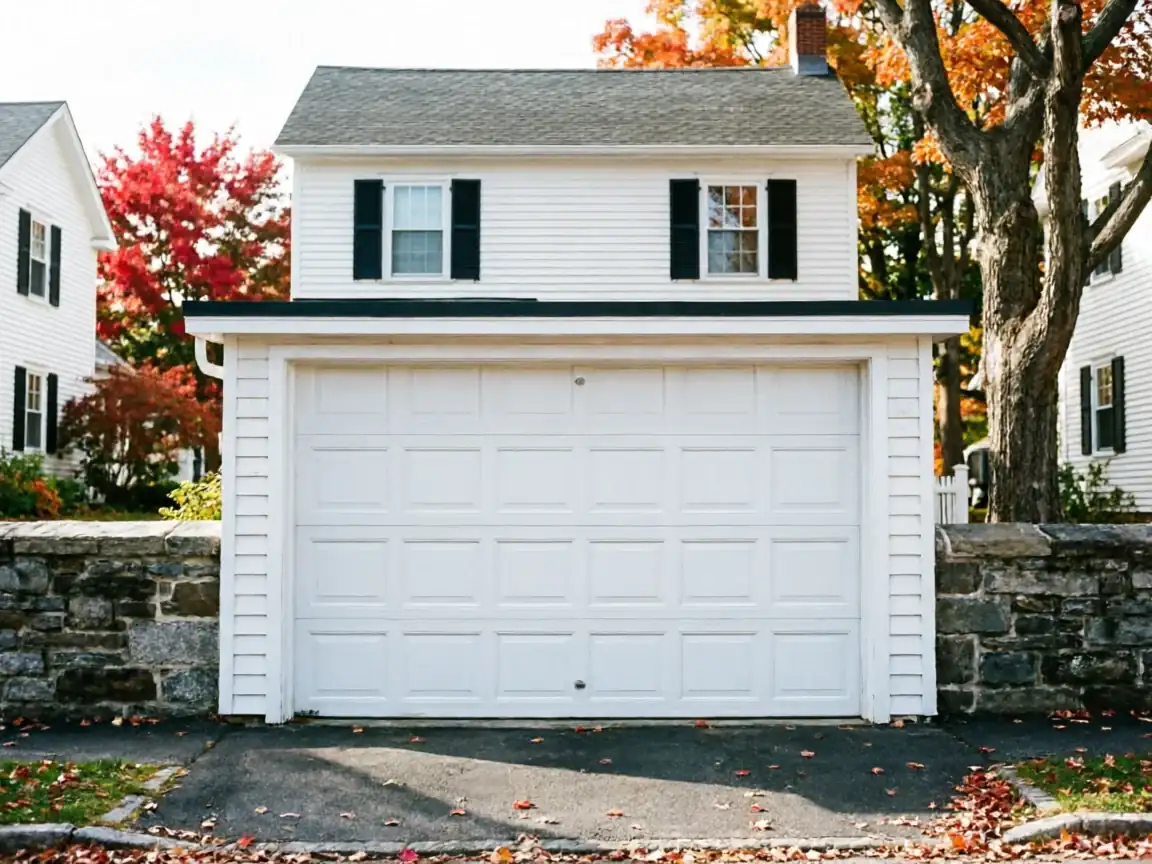
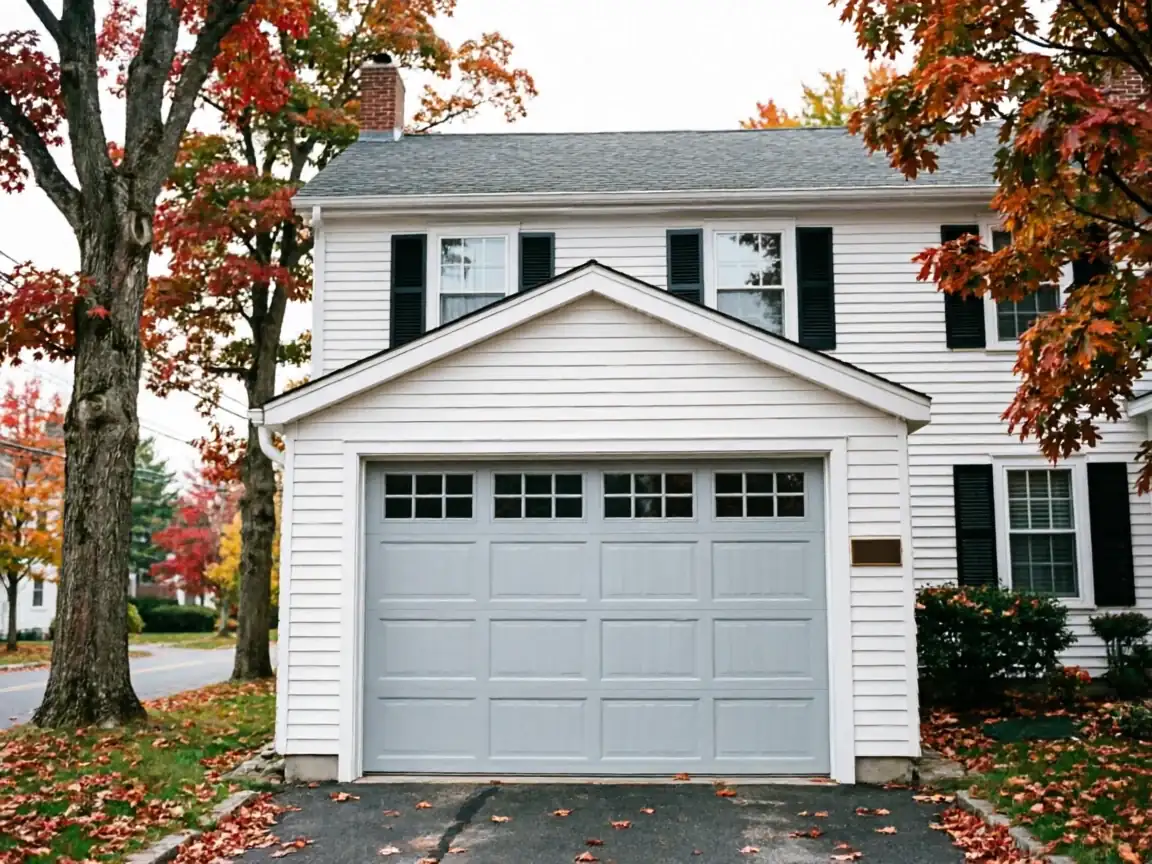
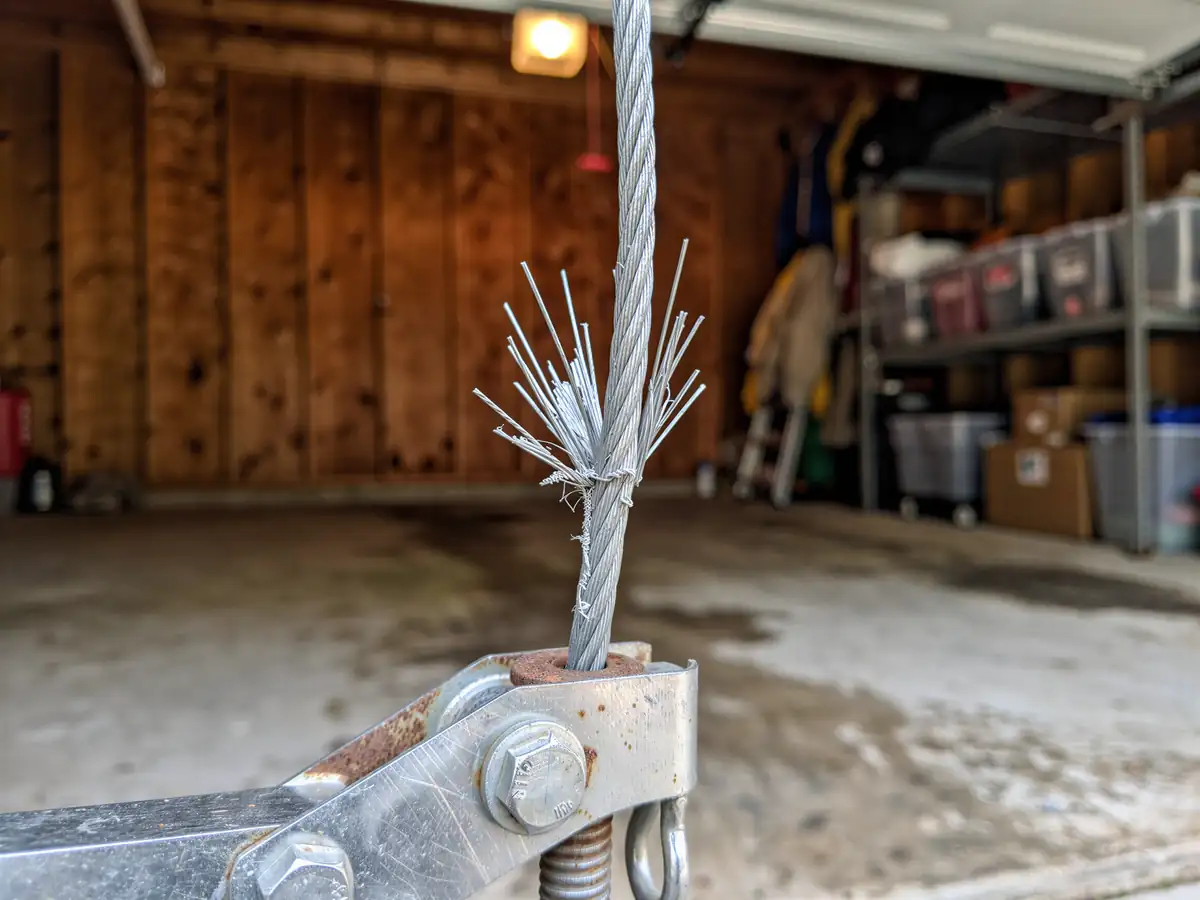
On a house from the mid-1950s, the giveaway usually isn't a door that won't open - it's one that opens unevenly, drags on one side, or slams the last foot of travel. That's the original track geometry fighting a door and opener that have been replaced piecemeal over the decades while the frame never was. In a severe cold climate like this one, metal track brackets that have loosened over sixty-some years contract further in winter, so the drag gets worse exactly when the door gets used most for shelter from the weather. Some owners also notice daylight at the bottom panel or a draft along the sides - on these older openings that's often a sign the jamb was never squared to begin with, not a bad weatherstrip. If your door shudders partway up, or the opener seems to be working harder than it used to without the door itself being damaged, that's usually the opening telling you it's due for a real fit, not another patch.
Can You Do This Yourself
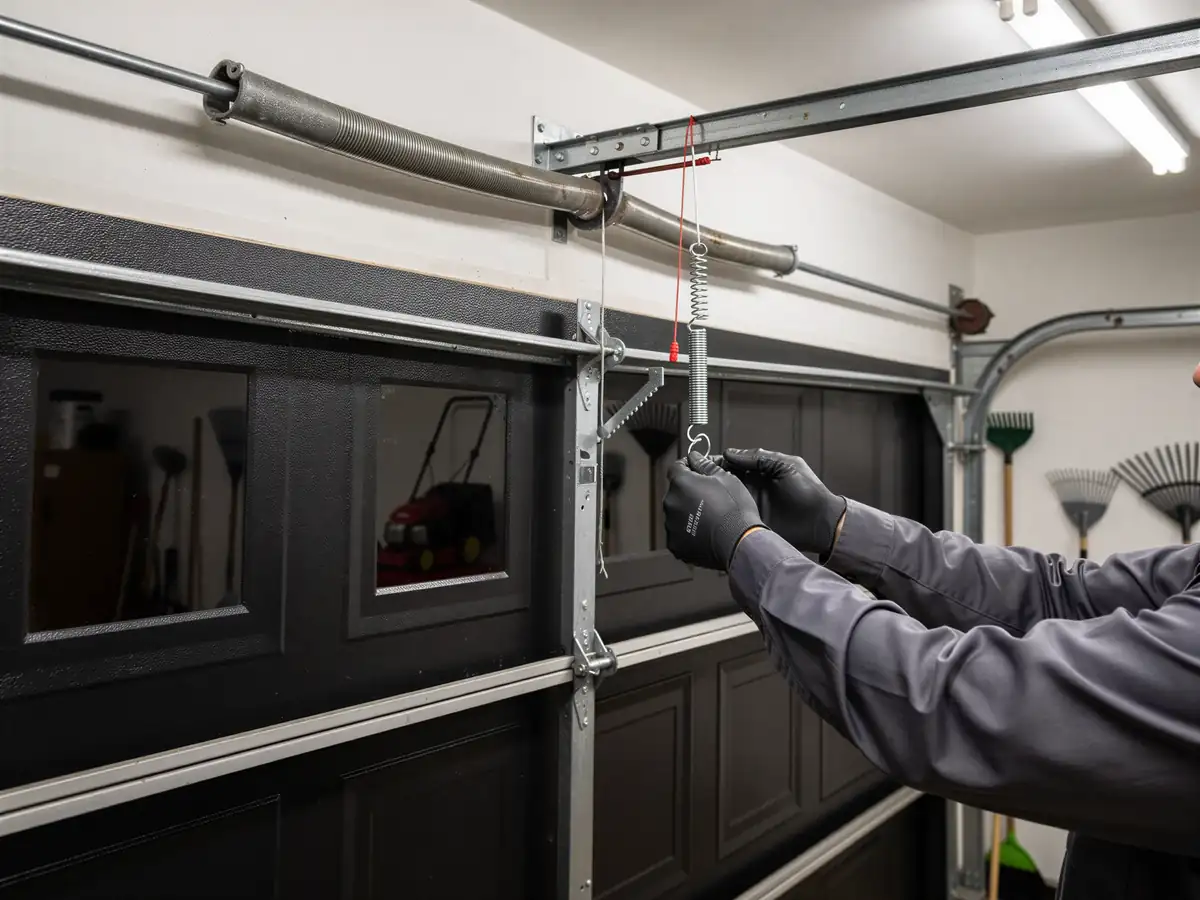
A lot of homeowners can hang hardware. Fewer can safely set torsion spring tension on a door sized for a 1950s-era opening, and that's where DIY installs on houses this age tend to go wrong. The springs on an original opening were calibrated for a lighter, uninsulated door; swap in a heavier insulated panel without recalculating spring weight and tension, and you've got a door that either won't lift evenly or puts enough stored force into the spring to seriously hurt someone if it lets go. If you're comfortable with framing carpentry, squaring an old jamb before installing is reasonable work to take on yourself. Torsion spring sizing and track alignment on a corrected opening is where we'd tell you to call it in. There's no shame in doing the rough carpentry and having someone else finish the door - plenty of our jobs start that way.
Parts We Carry
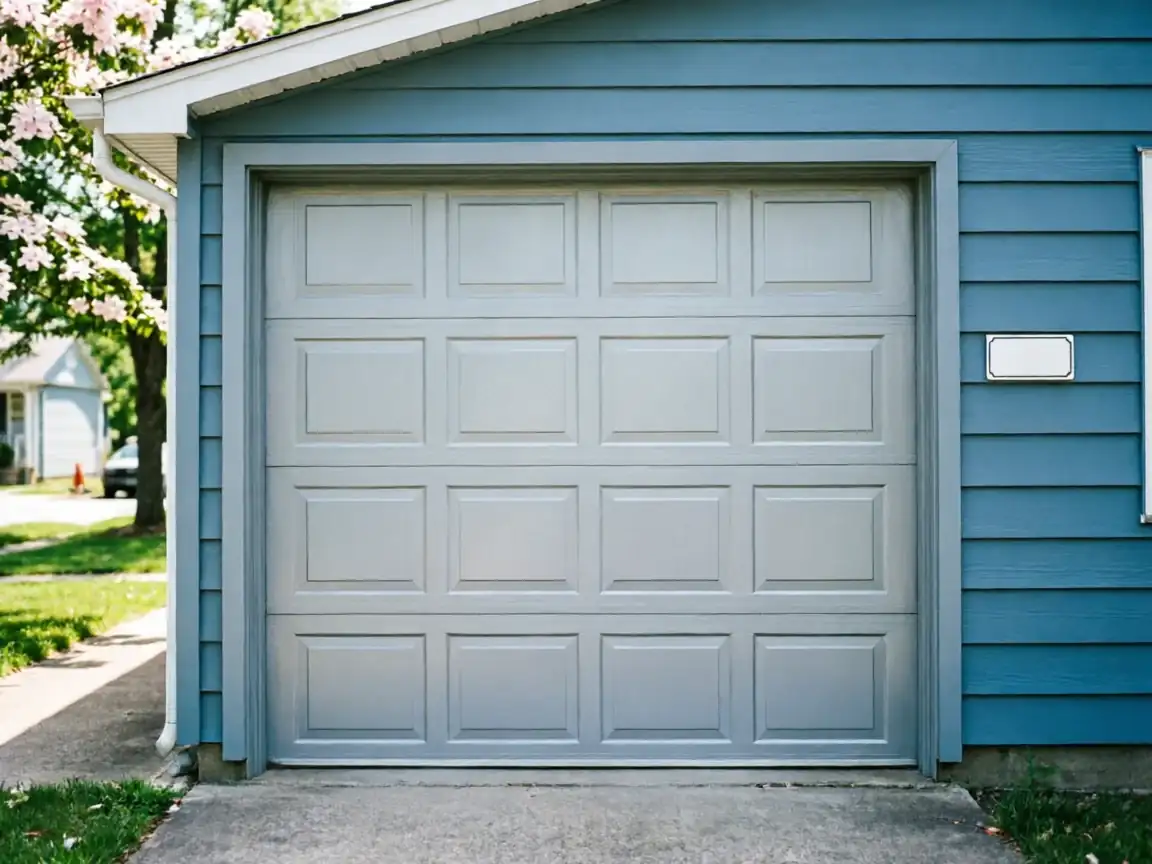
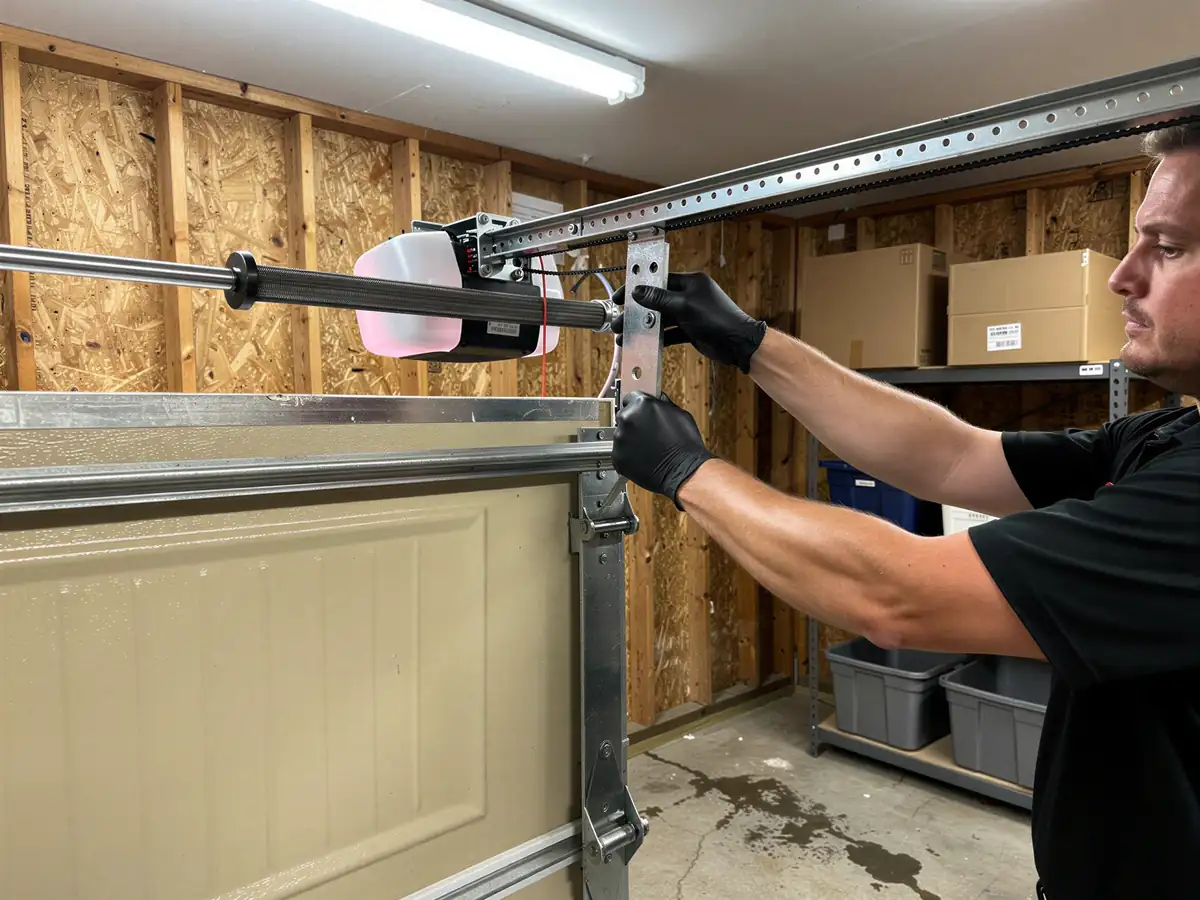
Given the severe cold winters here, we stock insulated steel sectional doors as a default option rather than an upsell, since an uninsulated door on an attached garage in this climate shows up as a heating bill problem fast. We also carry torsion spring sets sized for the lighter original openings common on 1955-era Elizabeth houses, along with standard-lift track hardware for the low-headroom garages that generation of construction produced. For openers, we stock units with manual release handles rated for use in cold weather, since older garages here often sit unheated through the winter and standard plastic components can get brittle. We don't stock every custom panel width or high-end smart-opener model on the shelf - those come in by order - but the core combination that fits this town's housing stock, insulated steel door, correctly sized torsion spring, and a cold-rated opener, is what we keep on the truck.