Why This Fails Locally
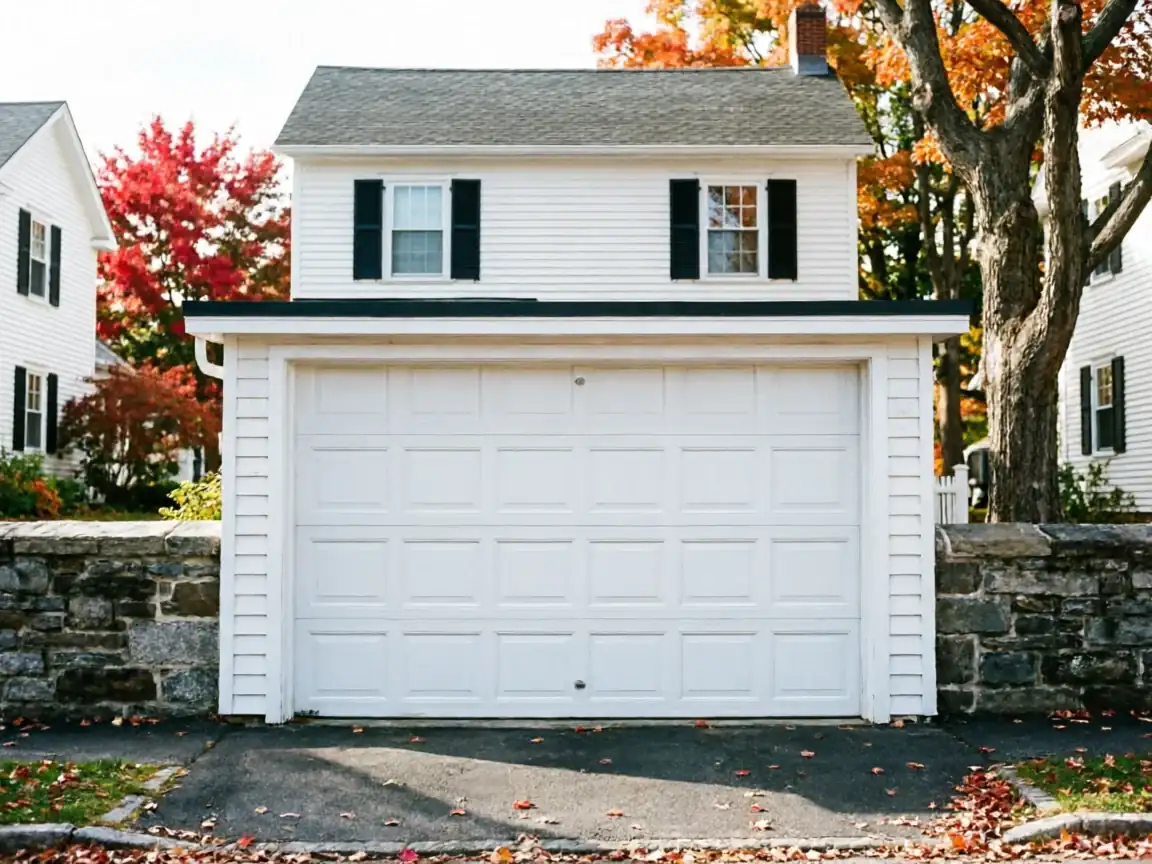
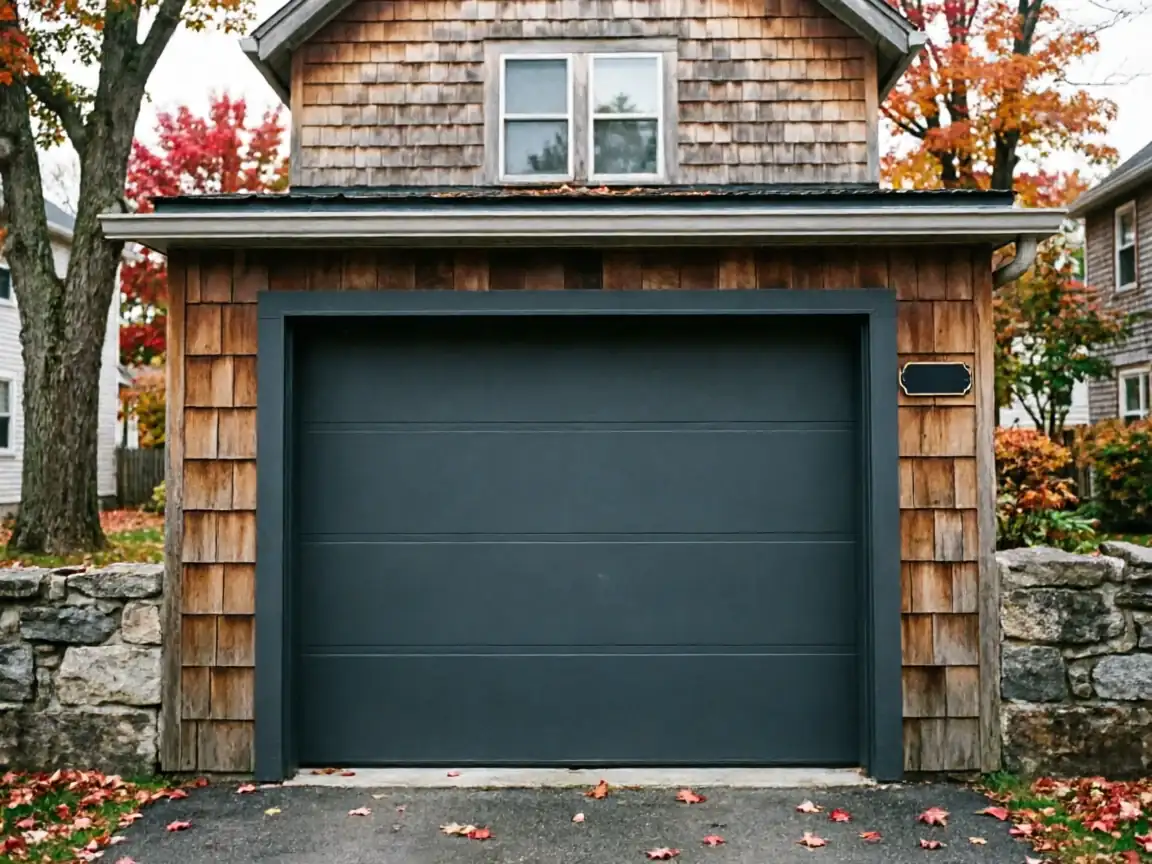
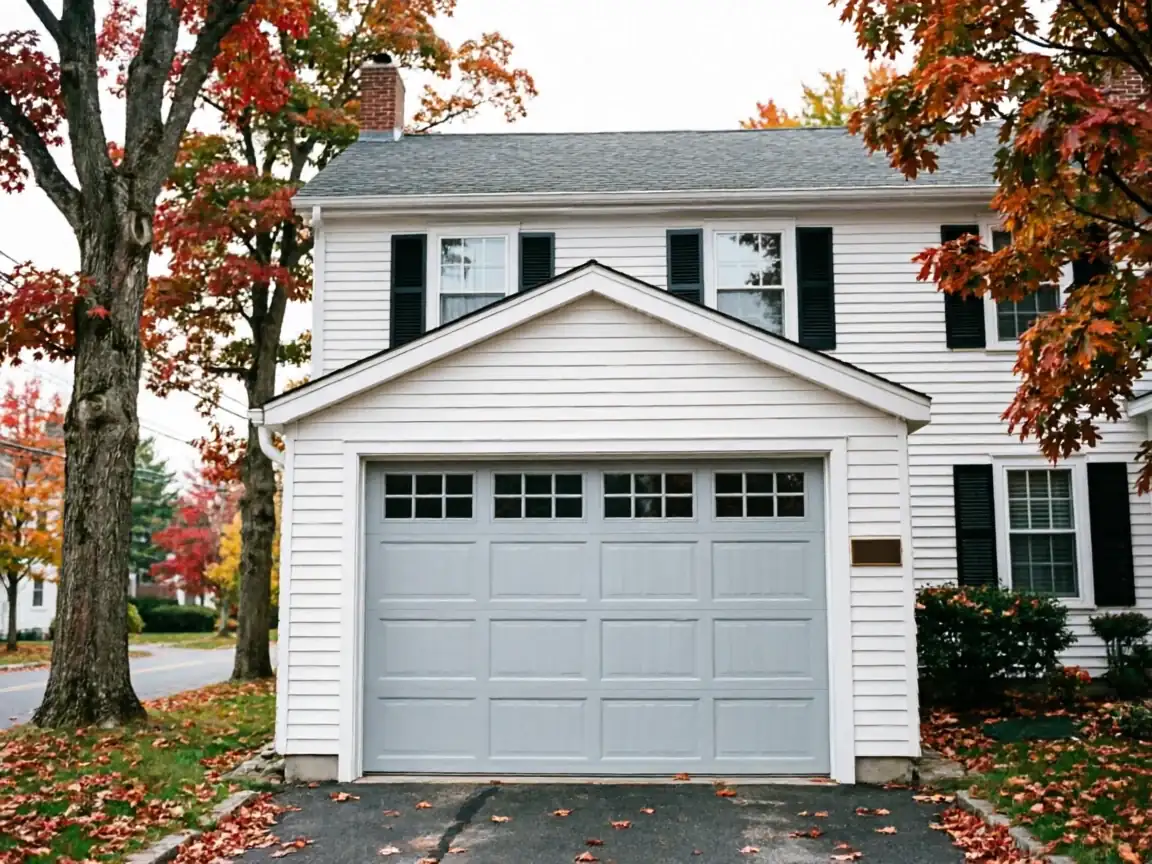
Most garages in Elizabeth went up around 1955, built for one car or a narrow two-car bay
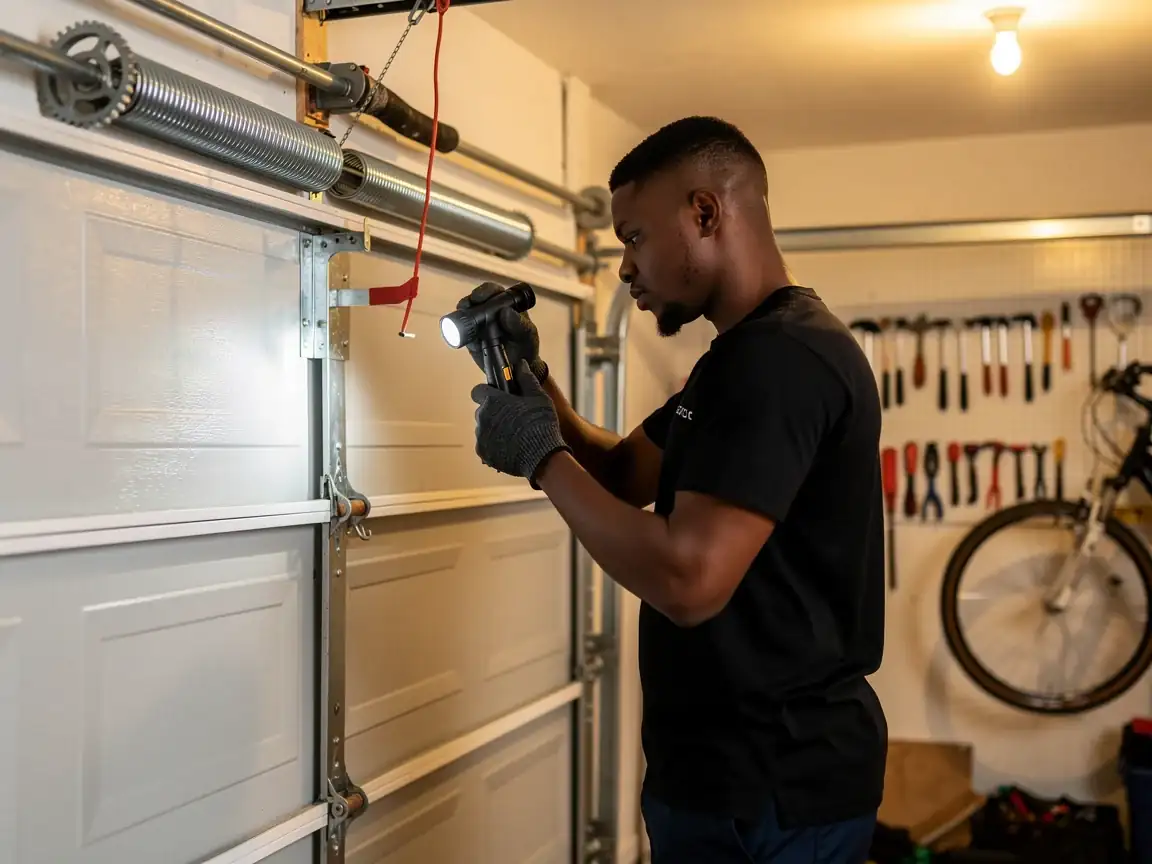
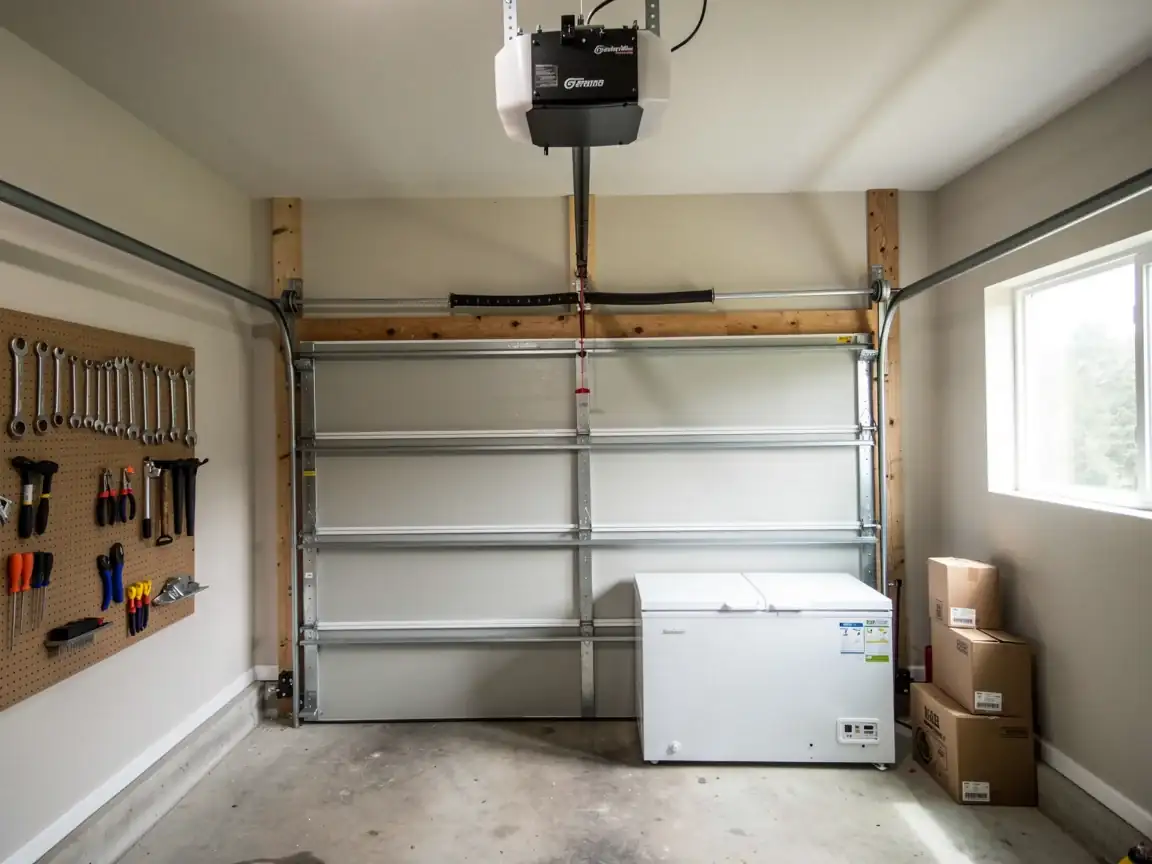
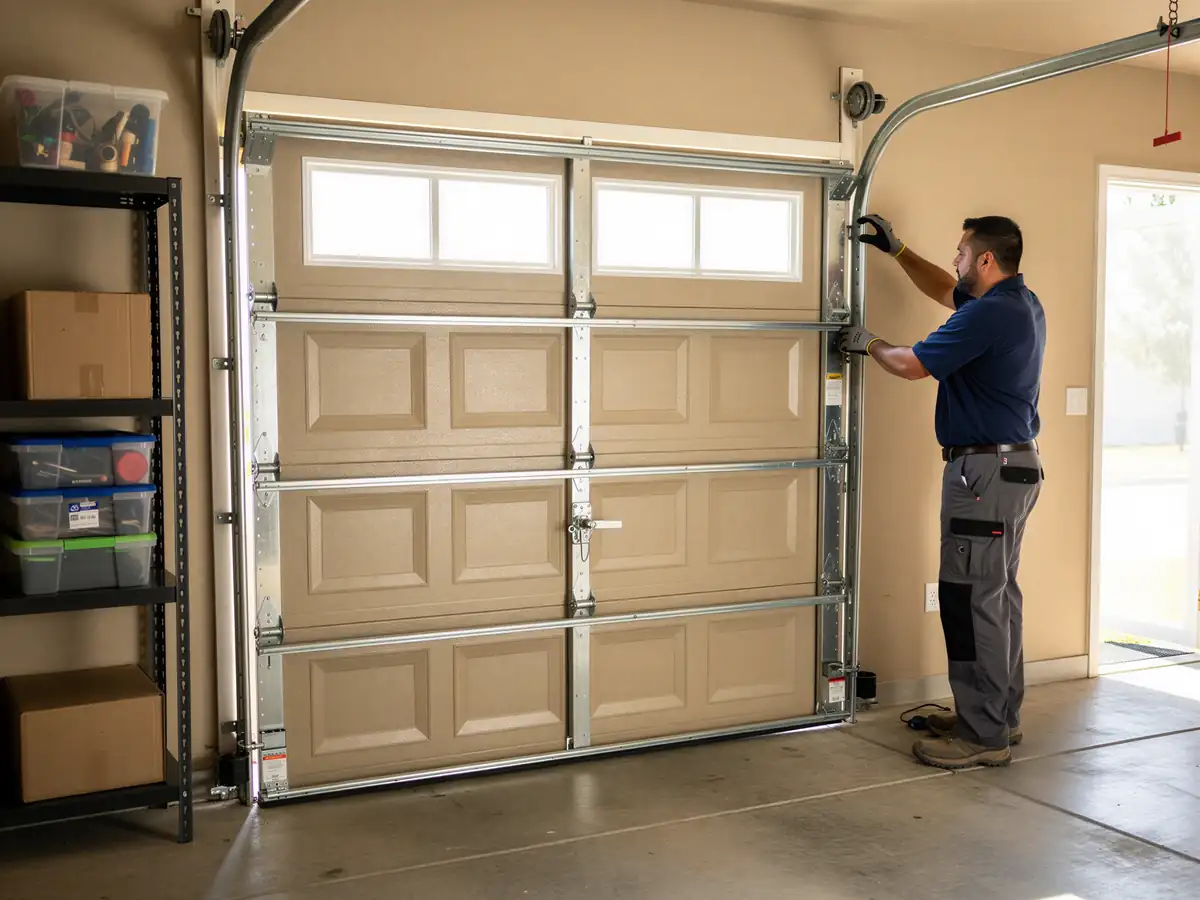
With steel or wood doors sized to that smaller footprint. Lots here are tight, driveways are short, and the original door openings run narrower than what builders frame today. That matters more than it sounds like it should. A door built for a 9-by-7 opening on side-mounted torsion hardware doesn't just look dated - it carries springs, drums, and cable sized for a lighter panel than anything sold now, on a track system that was never meant to take an insulated replacement without reworking the jambs.
That lines up with the wider service area's 1938 to 1996 building stretch
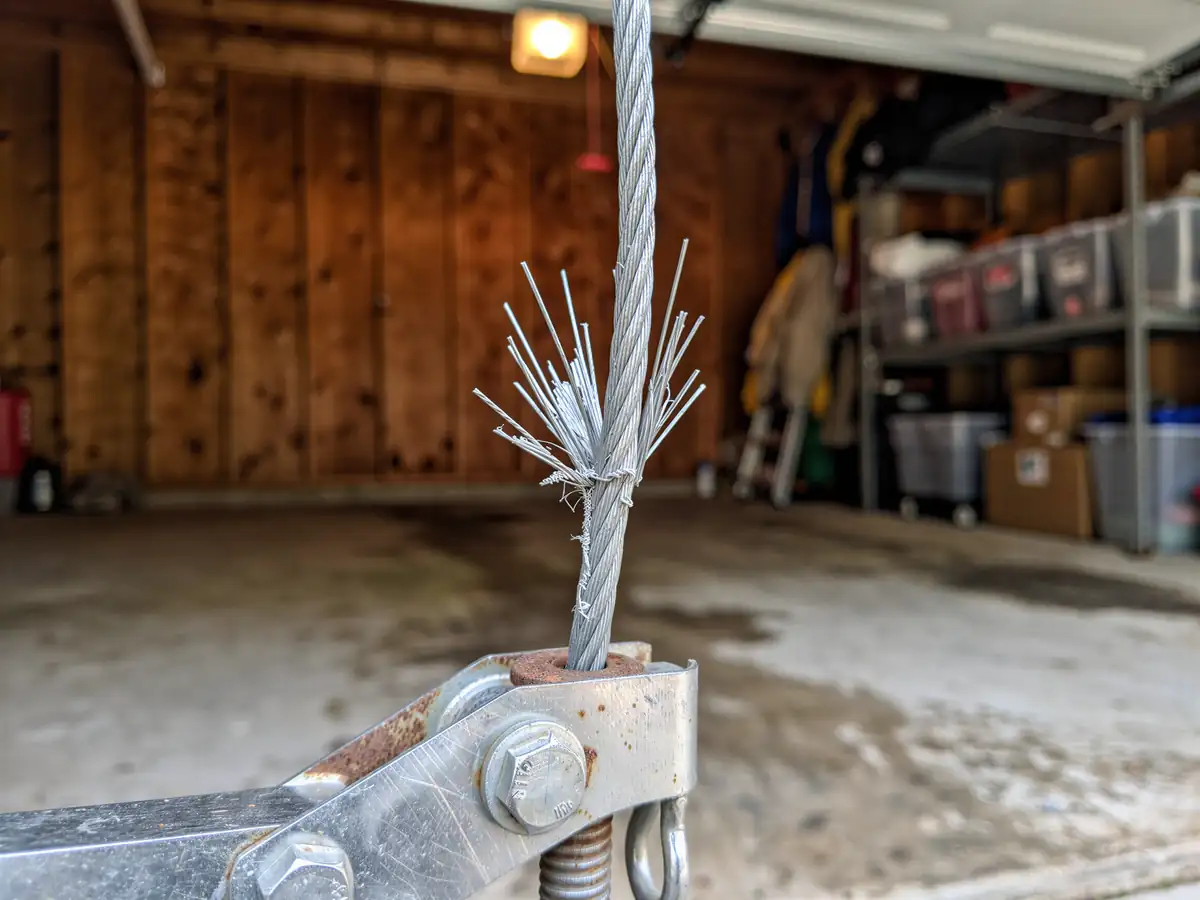
But Elizabeth's own homes cluster tighter, right around the 1955 mark. The hardware from that era is past its working life almost everywhere we find it. Springs lose tension gradually, so a door that worked fine for years starts dragging, then slamming, then refusing to budge - usually without warning, usually on the coldest morning of the year. Add a winter that puts real stress on steel through expansion and contraction, and a spring that was already near the end gives out.
How We Fix It
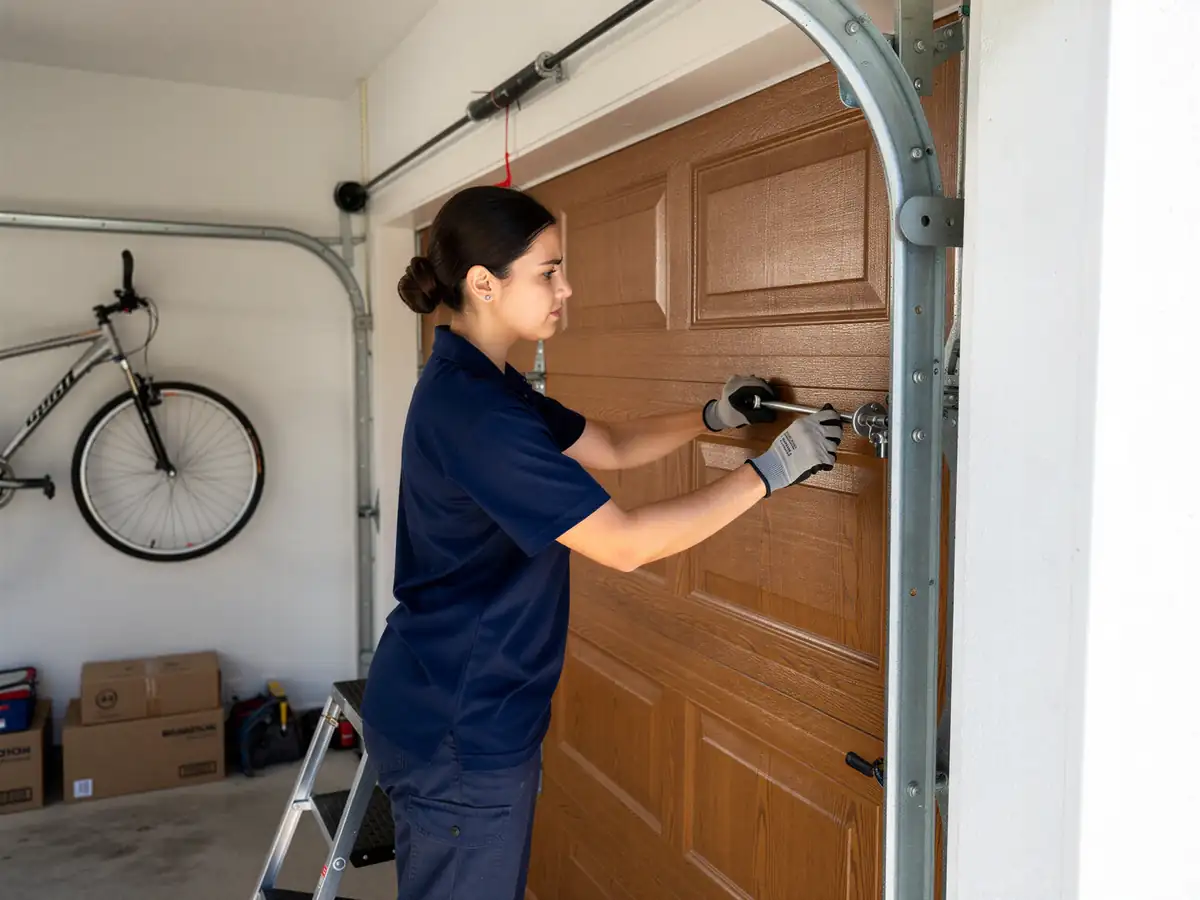
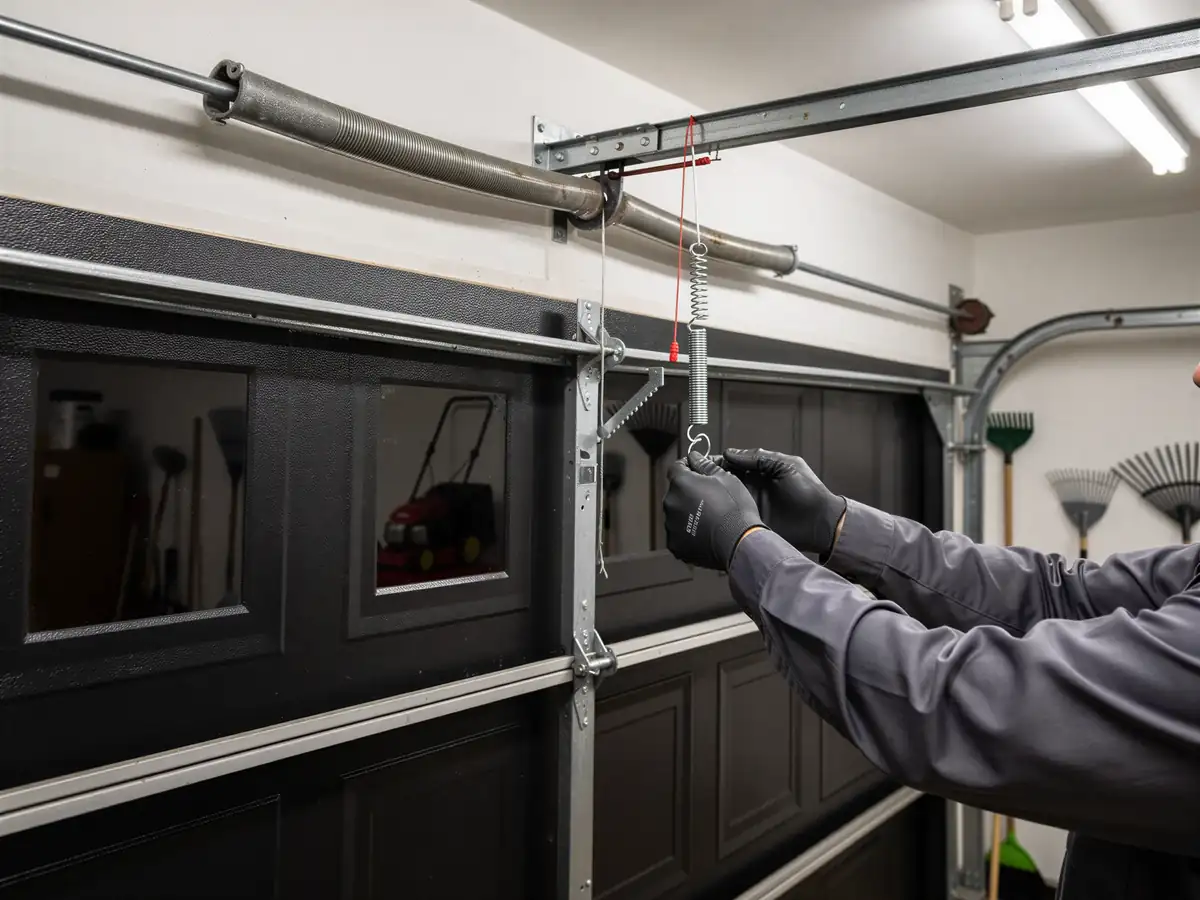
We start by looking at what's actually on the door, not what a parts catalog assumes should be there. On a 1955-era Elizabeth garage, that means checking whether the torsion hardware is original, whether the track has been bent from someone forcing a stuck door, and whether the opening itself has ever been modified. A lot of these doors have been patched more than once by whoever owned the house before - a replacement panel that doesn't quite match, a spring swapped for one slightly off in wire gauge. We account for that before we quote anything, because guessing on hardware this old wastes a trip.
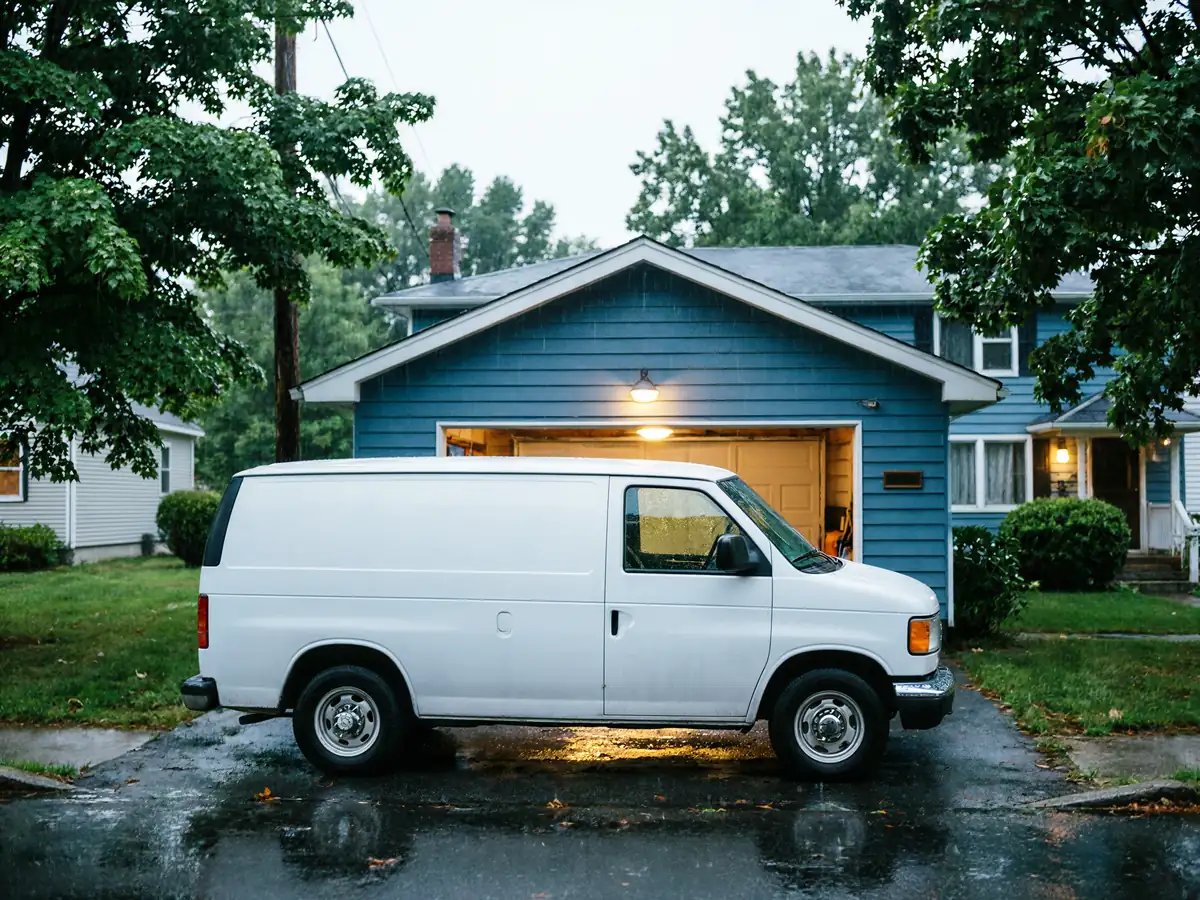
The truck comes four miles from Newark to reach Elizabeth, with no promise of a set window once it's on the road - traffic on the way in varies, and we won't pretend otherwise. Once we're there, repairs on original torsion springs, worn rollers, and bent track get handled on site where the fix holds. If the opening's been altered or the drum and shaft don't match any stocked spring, we say so and work out what actually fits rather than forcing a part that's close enough.
The Symptom
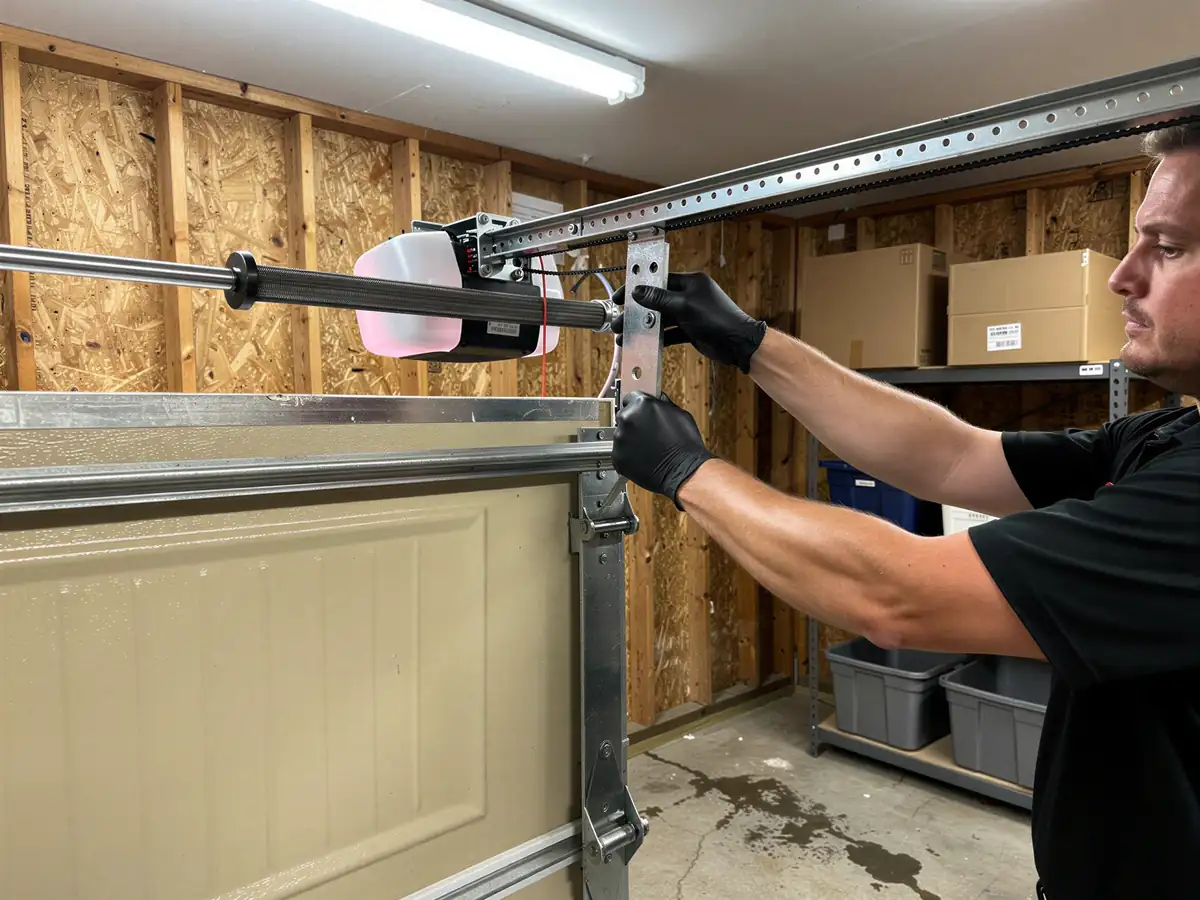
The most common call out of Elizabeth isn't a door that won't open at all - it's one that opens unevenly, drops fast on one side, or grinds partway up before stalling. That's the signature of a torsion spring that's lost tension on a door this old: one spring still has some pull left, the other's gone, and the opener motor is doing work it was never built to do, straining against an unbalanced door every time it runs.
A second common pattern is a door that's fine most of the year but sticks or groans the first cold week. That's original steel track that's shifted slightly out of alignment over decades, tightening up when metal contracts in the cold. Neither of these means the door is done. Both mean the hardware underneath hasn't been touched since it went in, and it's telling you that plainly if you know what to listen for.
How Long It Takes
A straightforward torsion spring replacement on a door like this is usually a same-visit job once we're on site
The work itself doesn't take long, the diagnosis does. Figuring out whether the drum, shaft, and cable are original or a mismatched mix from an earlier repair takes longer on a 1955 door than on something installed in the last ten years, because nothing about it is standard.
We won't quote a response time for getting to Elizabeth
Since the truck is coming from Newark and the four miles in can run quick or slow depending on the day. What we can say is that once we're there, most spring and track repairs finish in one visit. Anything that needs a special-order part - an odd-width panel, a long-discontinued opener motor - takes longer, and we'll tell you that up front rather than after we've started.
Can You Do This Yourself
Honest answer: not the spring. A wound torsion spring on a door this old holds enough stored force to break a wrist or worse if it lets go while you're working on it, and on original 1955 hardware you often can't tell how much life is left in the wire until it's already failed. That's not a sales line - it's the reason this is one job we'd rather you call for.
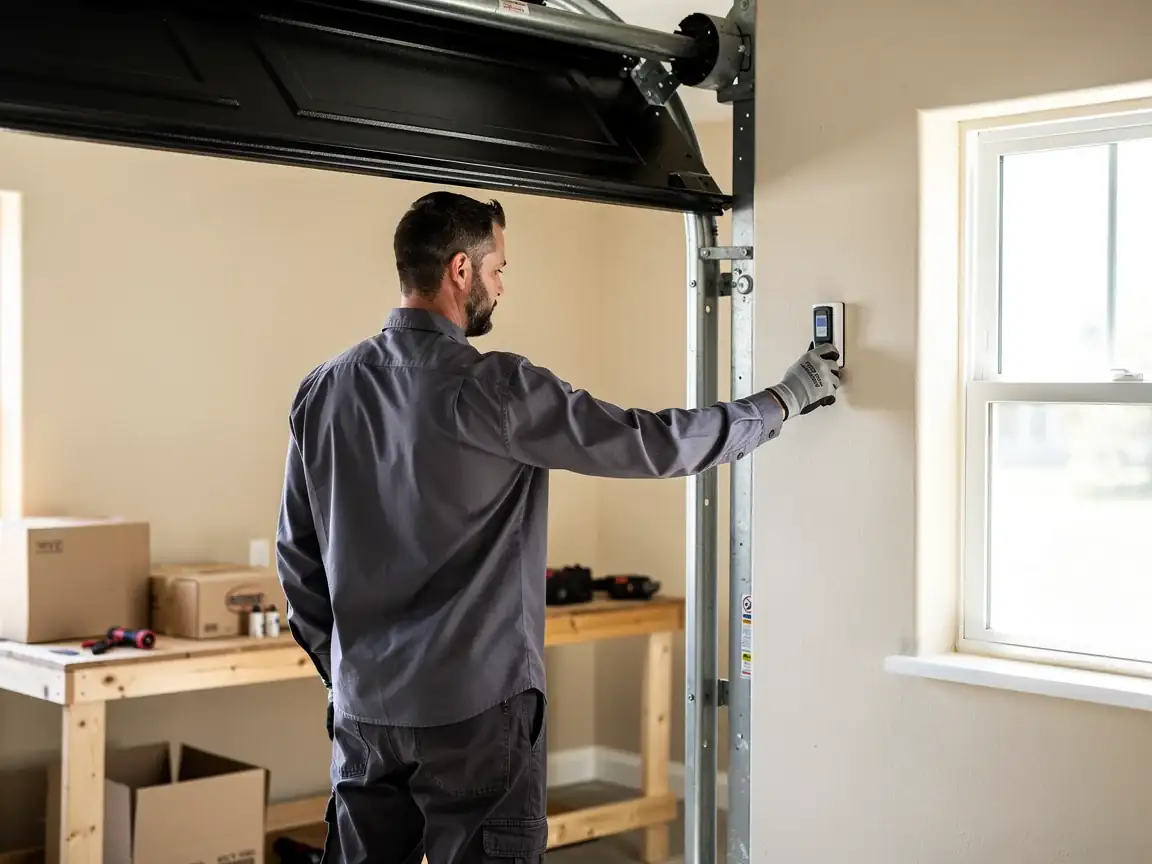
What you can reasonably check yourself: whether the tracks are visibly bent, whether the rollers are cracked or missing, and whether the opener's safety sensors are aligned and clean. Those are visual checks, no tools near a loaded spring required. If the door is binding, dropping fast, or making a grinding sound on the way up, that's past a homeowner fix and into the kind of hardware that needs someone who's handled old torsion setups before.
Parts We Carry
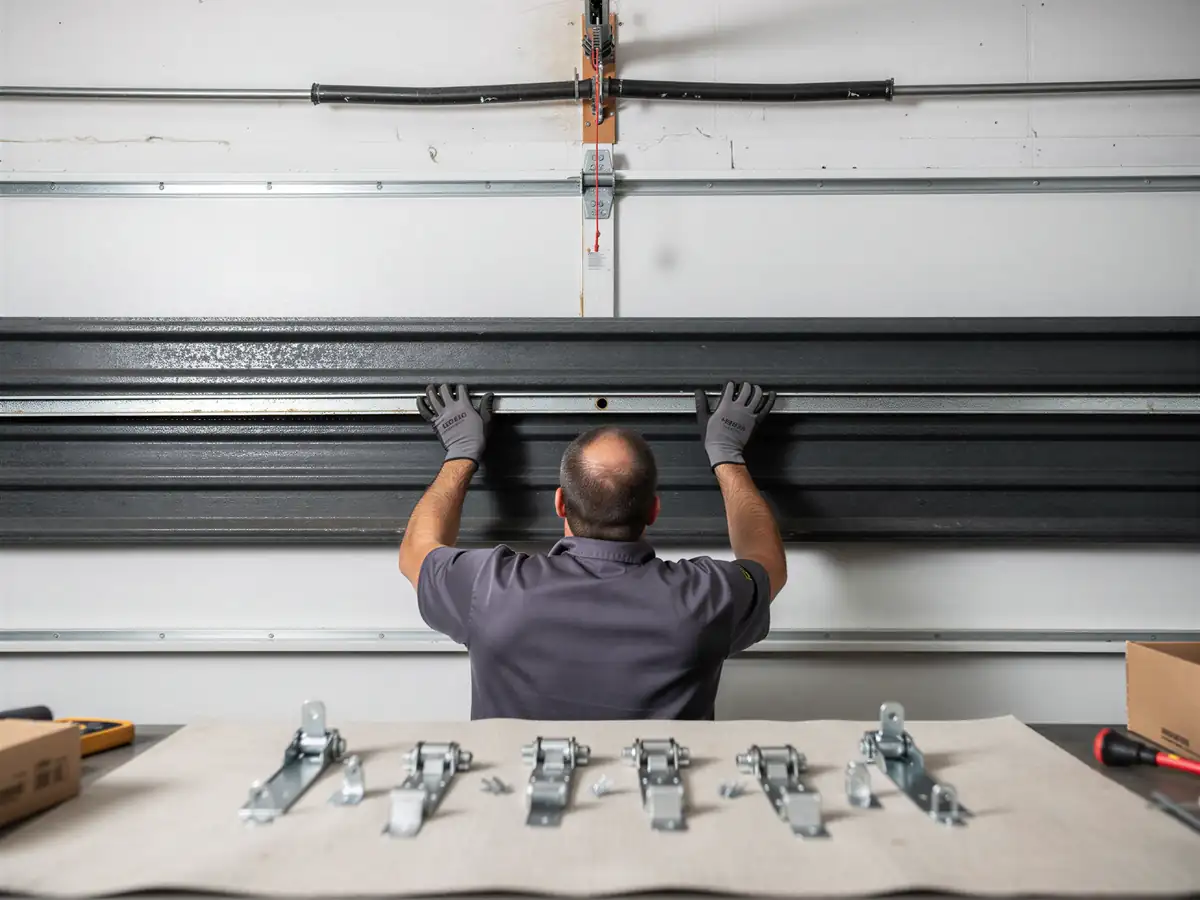
For a door of this era, the parts that matter are torsion springs wound to match older drum and shaft sizes, standard-track rollers and cable, and replacement panels sized for the narrower openings common on Elizabeth's original garages. We stock what covers the bulk of these calls - the hardware that fails most often on a house built around 1955.
What we don't carry on the truck is anything custom to a discontinued opener model or a panel width nobody's made in decades. With roughly 45,932 households packed into Elizabeth's grid of narrow lots, most of those original torsion setups were never upsized for today's heavier insulated doors, and once in a while that means a special order instead of a same-day fix. Median household income in Elizabeth runs $63,874, well under the broader service area's $120,958, which shapes how many of these jobs end in a targeted repair rather than a full door swap - and we'll lay out both options honestly before recommending either.