How We Fix It
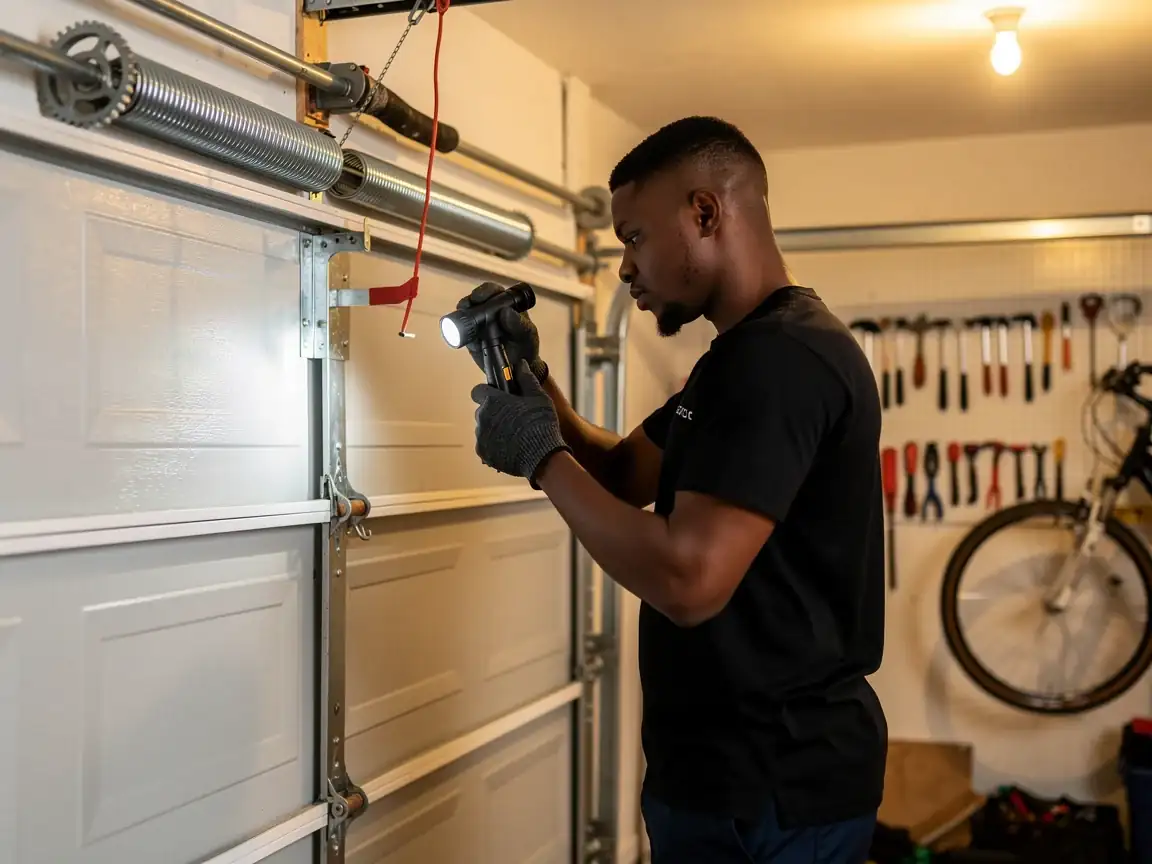
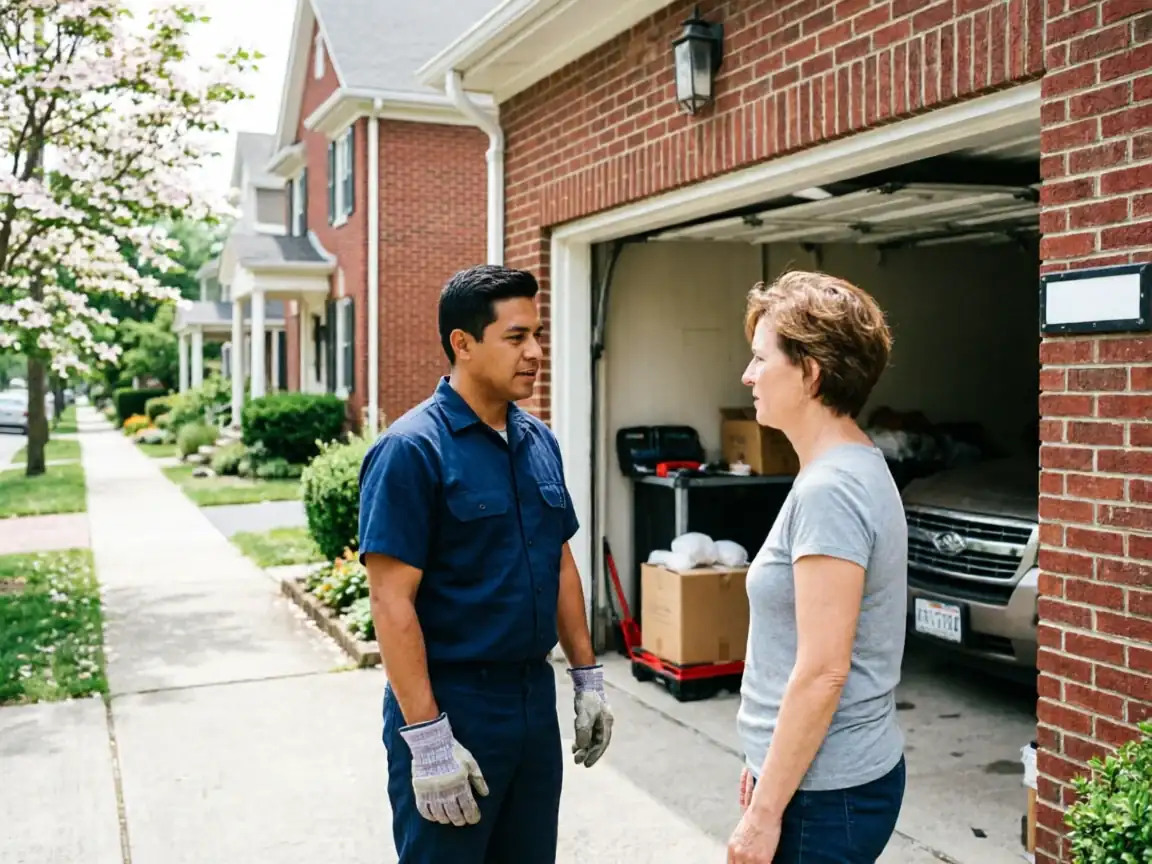
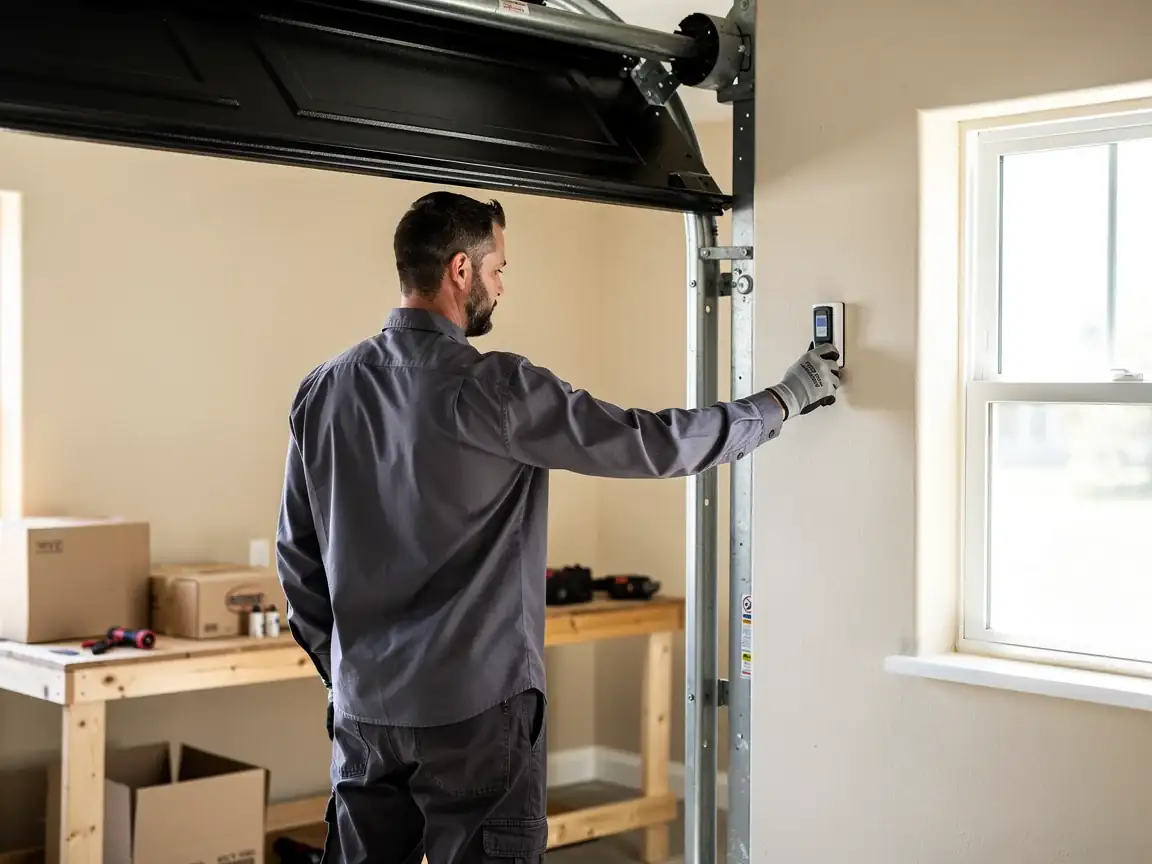
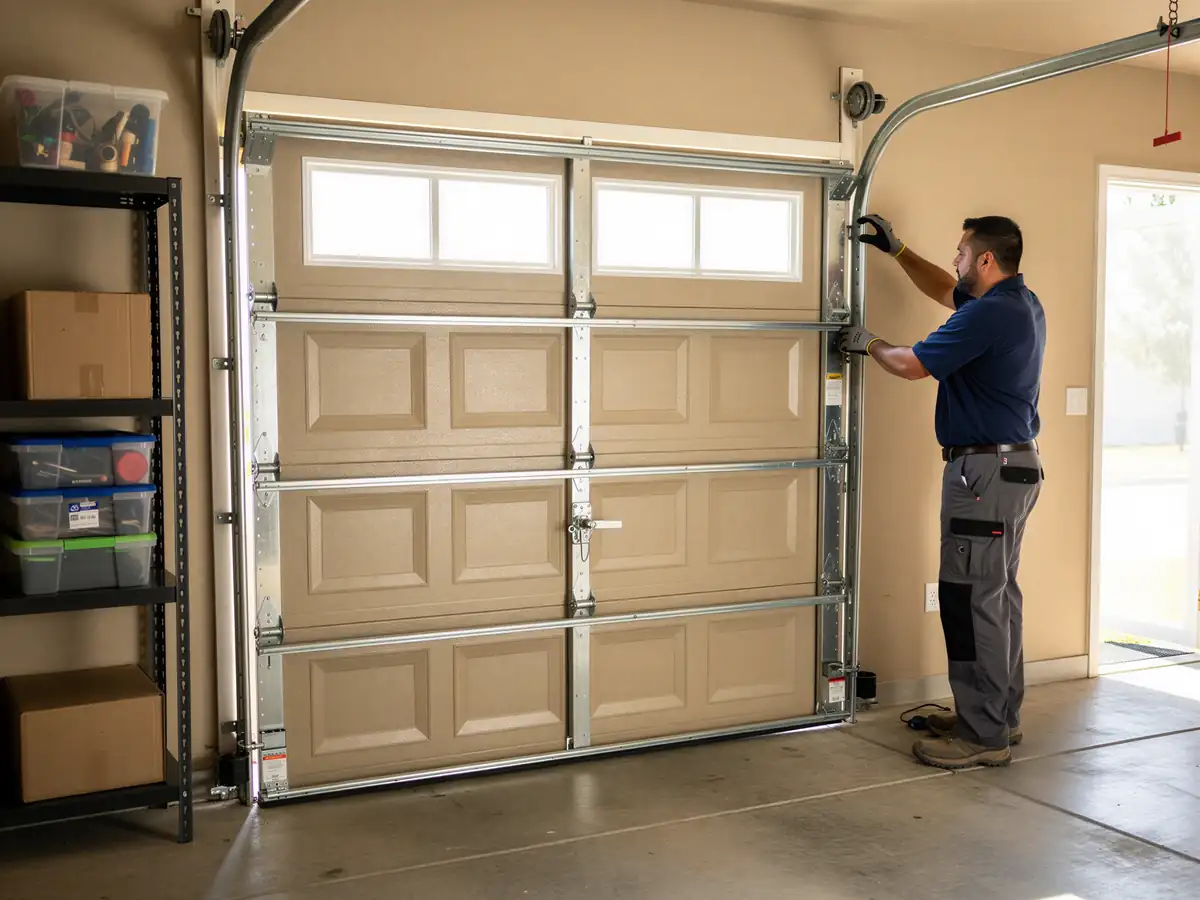
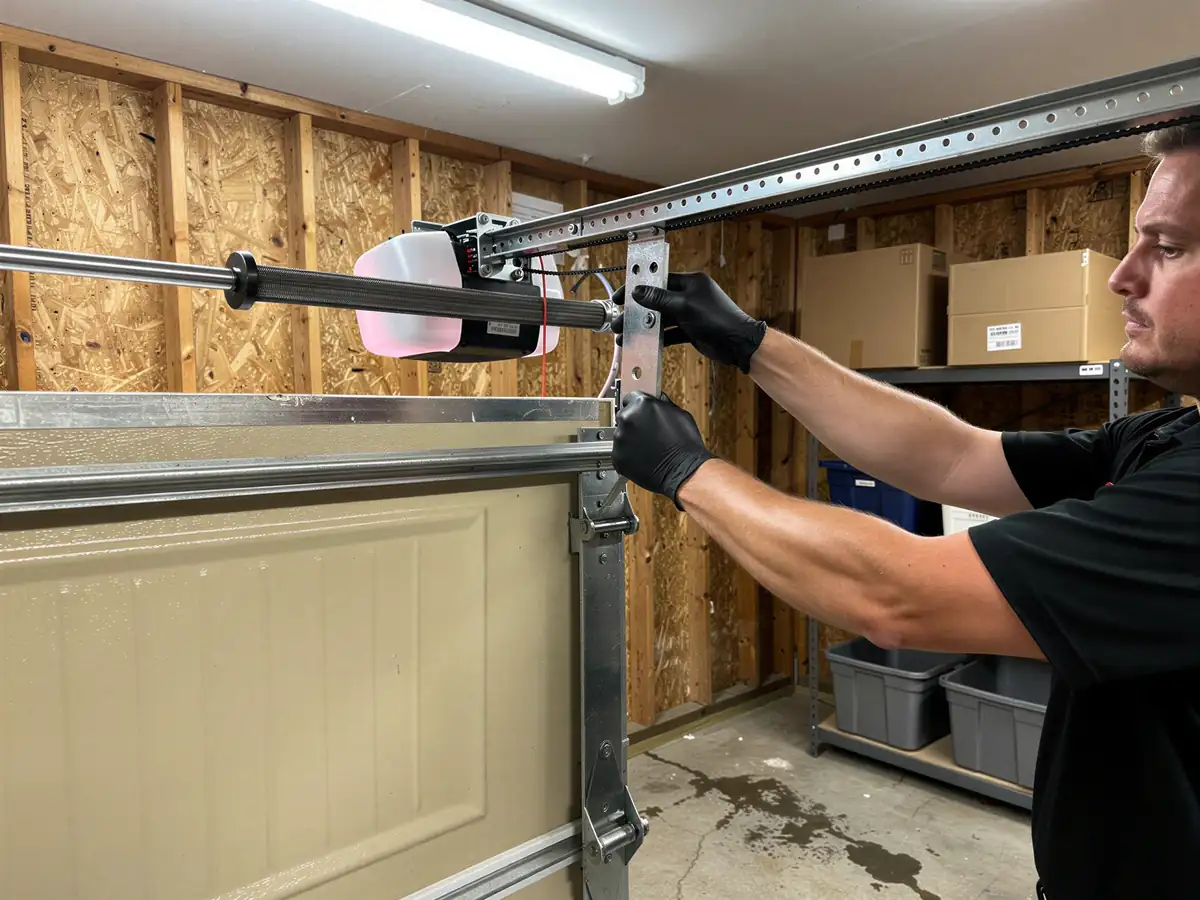
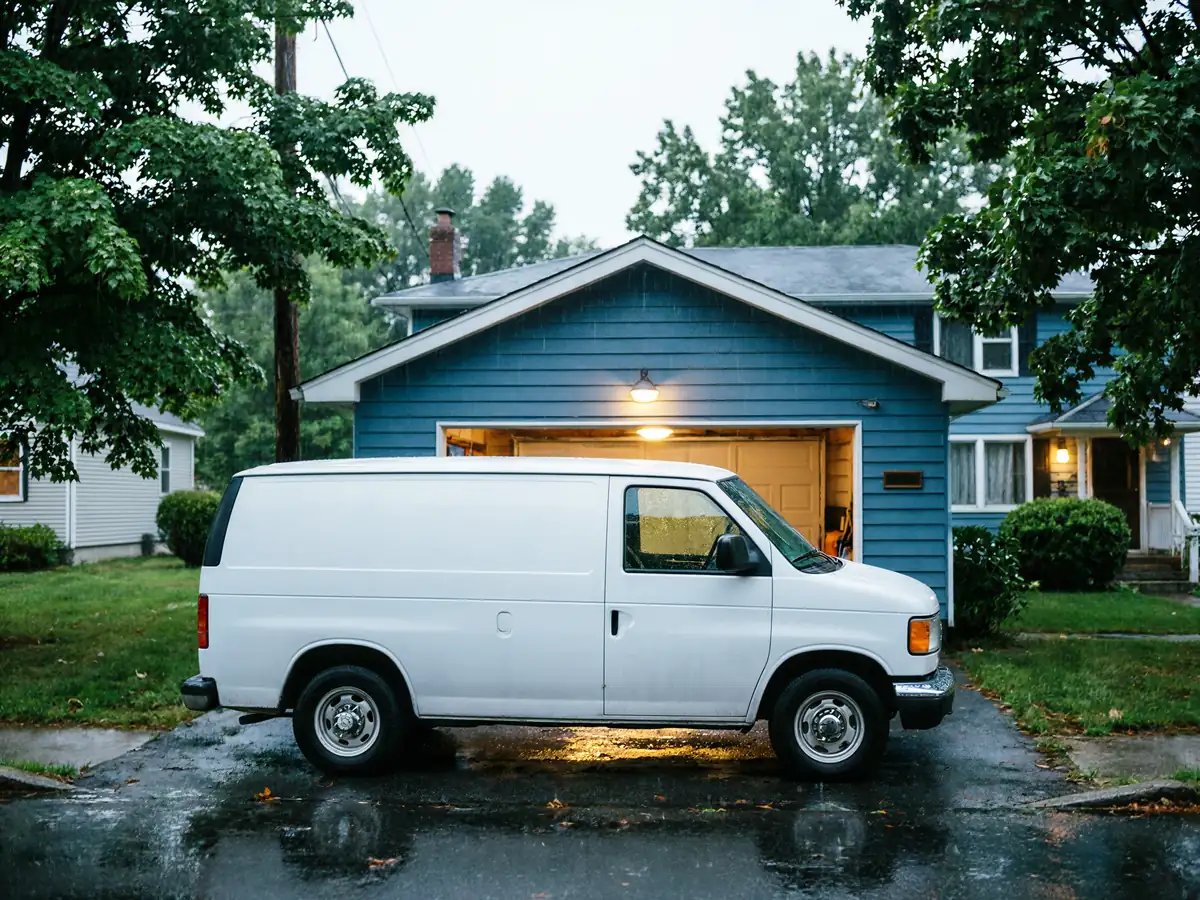
We come from Newark, about 4 miles out, so the drive isn't the obstacle - matching the part to a door this old is. On a 1955-era torsion setup we're usually dealing with a different drum size and winding cone than what ships standard today, so the first job on site is measuring, not guessing. We carry a range of torsion springs sized for the shaft diameters common to this housing era, plus the galvanized cable and end bearing plates that wear out alongside them. If the opener itself has failed - and on houses this old it's often a second or third-generation opener already - we check the travel limits and the safety reversal before we touch anything else, because older brackets were not always installed to current standards. We don't force a modern part onto hardware it wasn't built for. If the track or jamb has shifted enough that a quick fix won't hold, we say so before we start, not after.
The Symptom
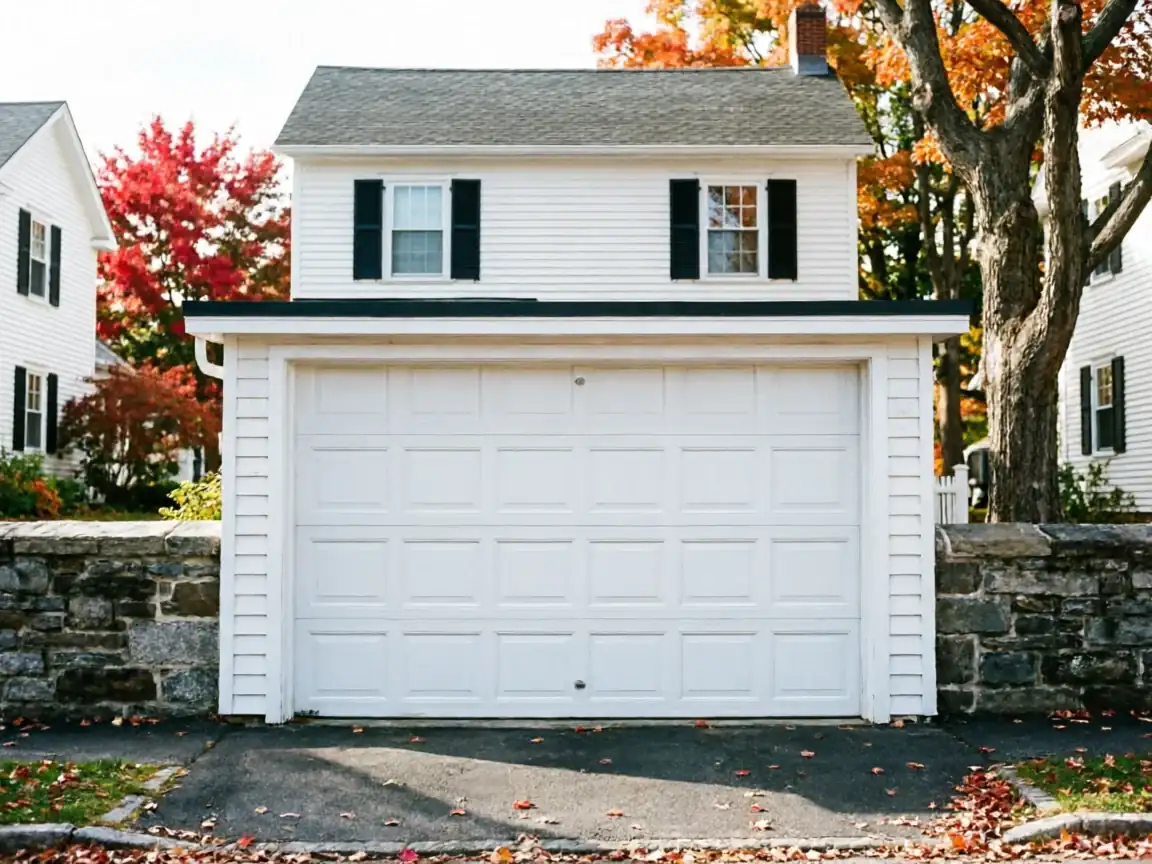
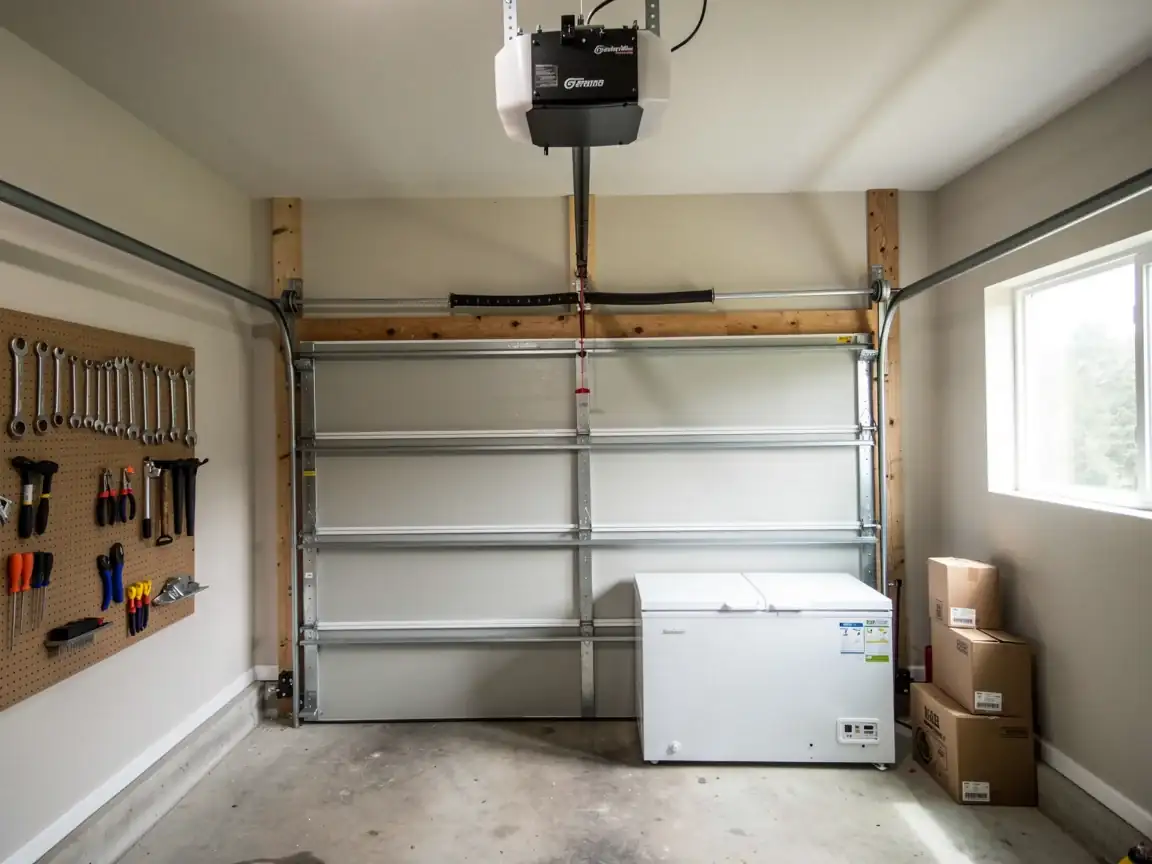
The call we get most from this part of the area is a door that drops fast and hard, or one that won't move at all and the opener motor just hums. On a torsion system installed in the 1950s, that combination almost always means a broken spring, not a dead opener - the motor is straining against full door weight with nothing to help lift it. A close second is a door that runs off-track on one side, which on these older single-car openings usually traces back to a roller that's worn thin after decades of use, or a hinge that's cracked where the panel seams were never reinforced. If you hear a bang and then the door won't budge, don't keep hitting the wall button - that's the motor fighting a broken spring, and it will burn out the opener if you let it keep trying.
Can You Do This Yourself
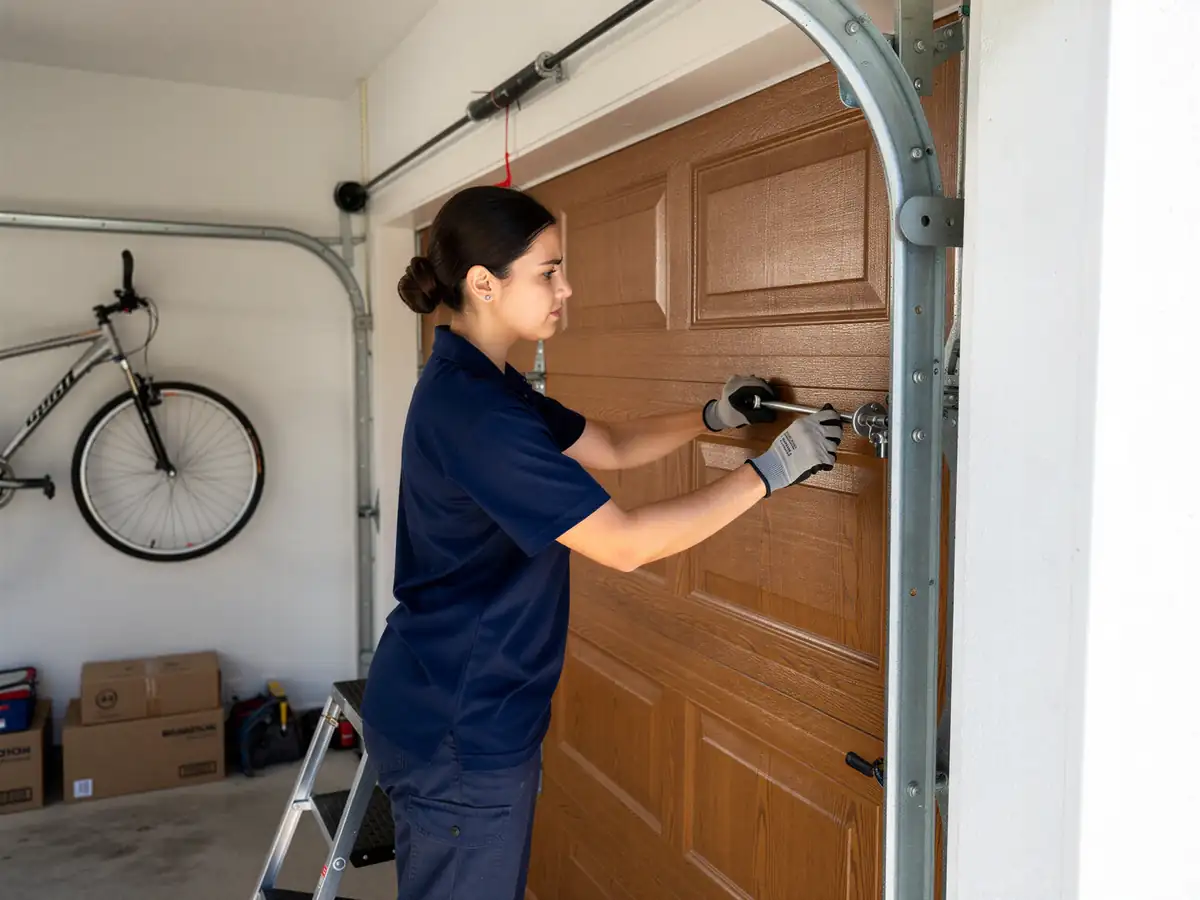
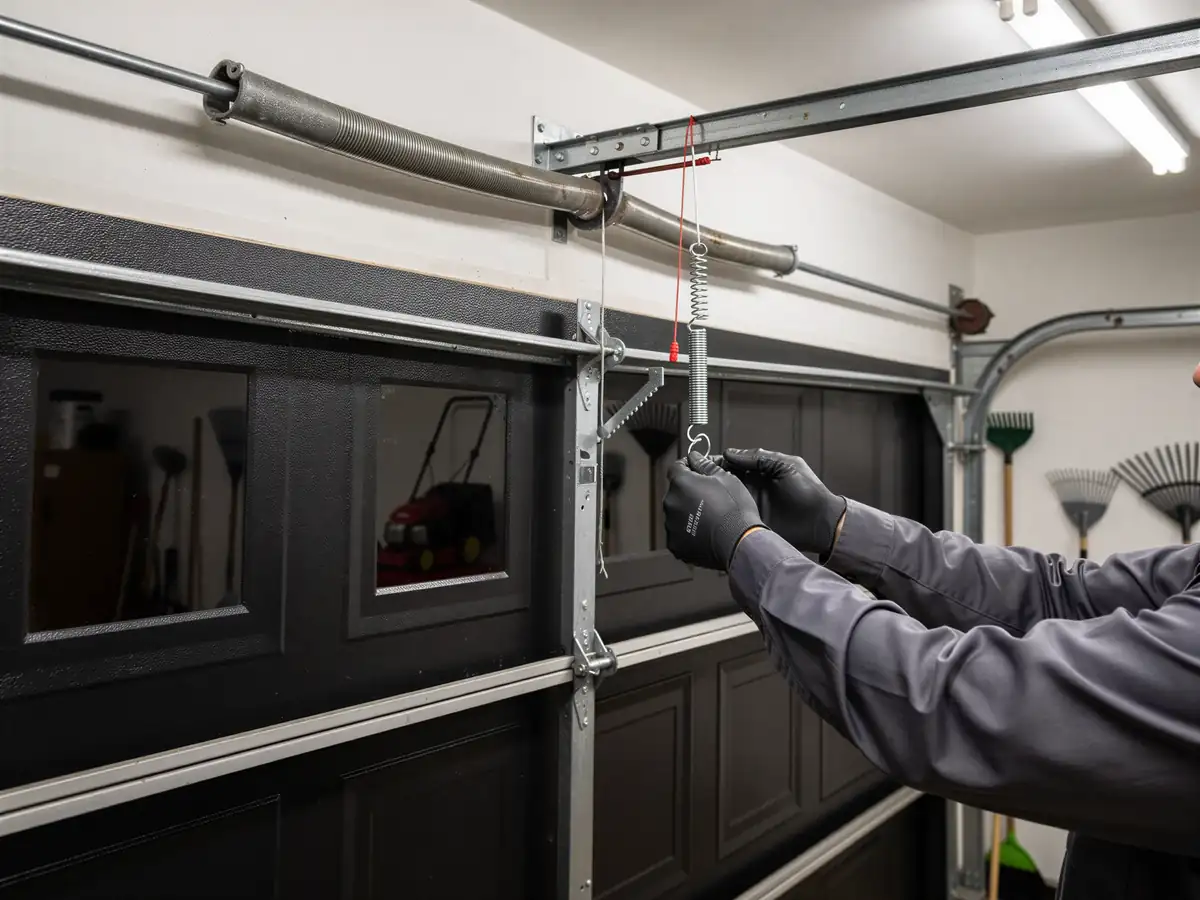
Don't touch a torsion spring yourself. A wound torsion spring on a standard door holds enough force to break bones, and on a 1955-era setup the winding cones may be a style that doesn't match the safety tools sold today. What you can safely check: whether the door is manually disconnected from the opener (pull the red cord) so you can test if it moves by hand at all, and whether the track has visibly bent away from the wall. If the door won't budge by hand either, stop - that's a spring or cable problem, not something to force. We'd rather you call with a question than end up as the second job of the day because a DIY attempt made the fault worse.
Parts We Carry
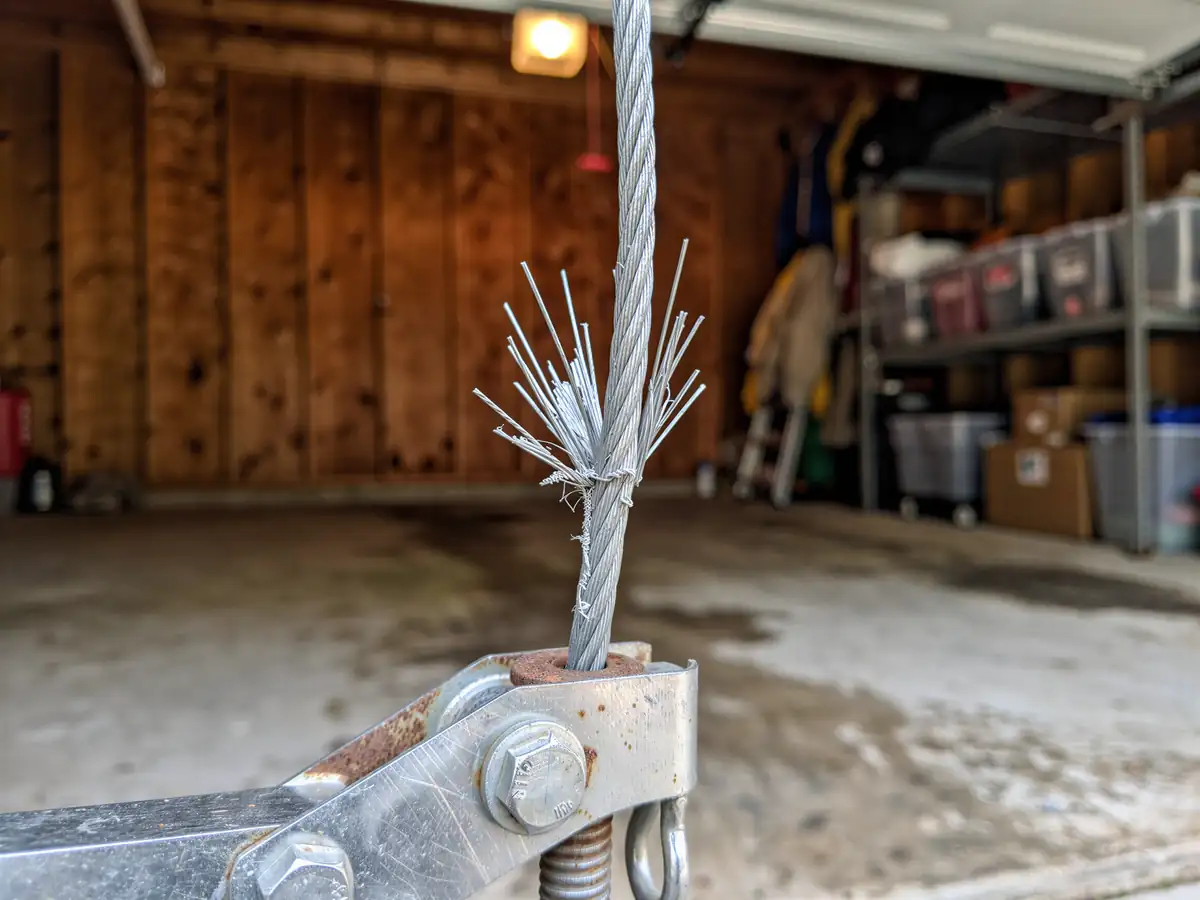
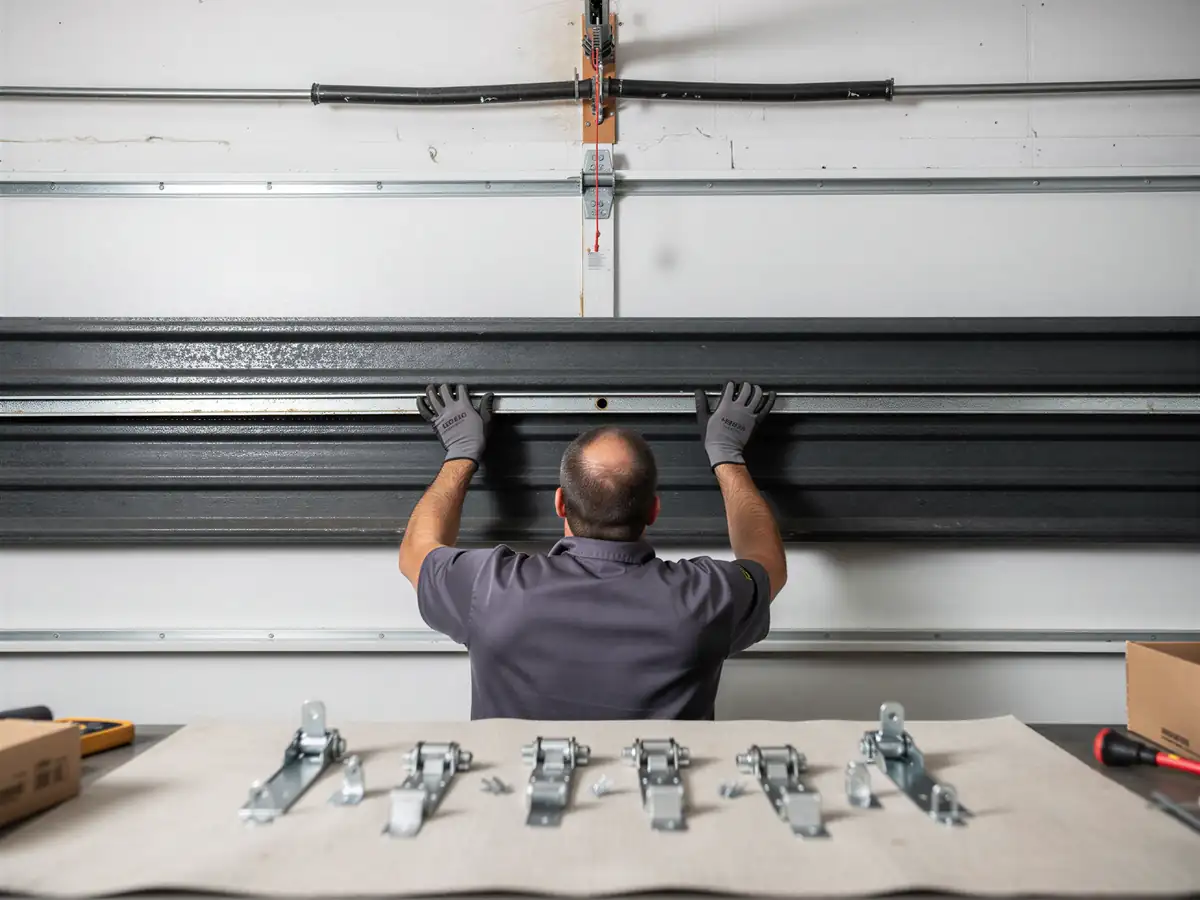
We stock torsion springs across the shaft and drum sizes that show up most often in housing from the 1938-1996 build range this area falls into, along with galvanized lift cable, end bearing plates, and the heavier-gauge rollers that hold up better in a cold climate than the plastic ones builders used decades ago. We also carry standard safety sensor kits for openers that predate current reversal requirements. What we don't stock on the truck: custom panel sections for doors that are no longer in production - those can mean a lead time, and on a door this old, replacement is sometimes the more honest answer than patching one more part onto it.