Why This Fails Locally
Elizabeth's housing stock centers on 1955
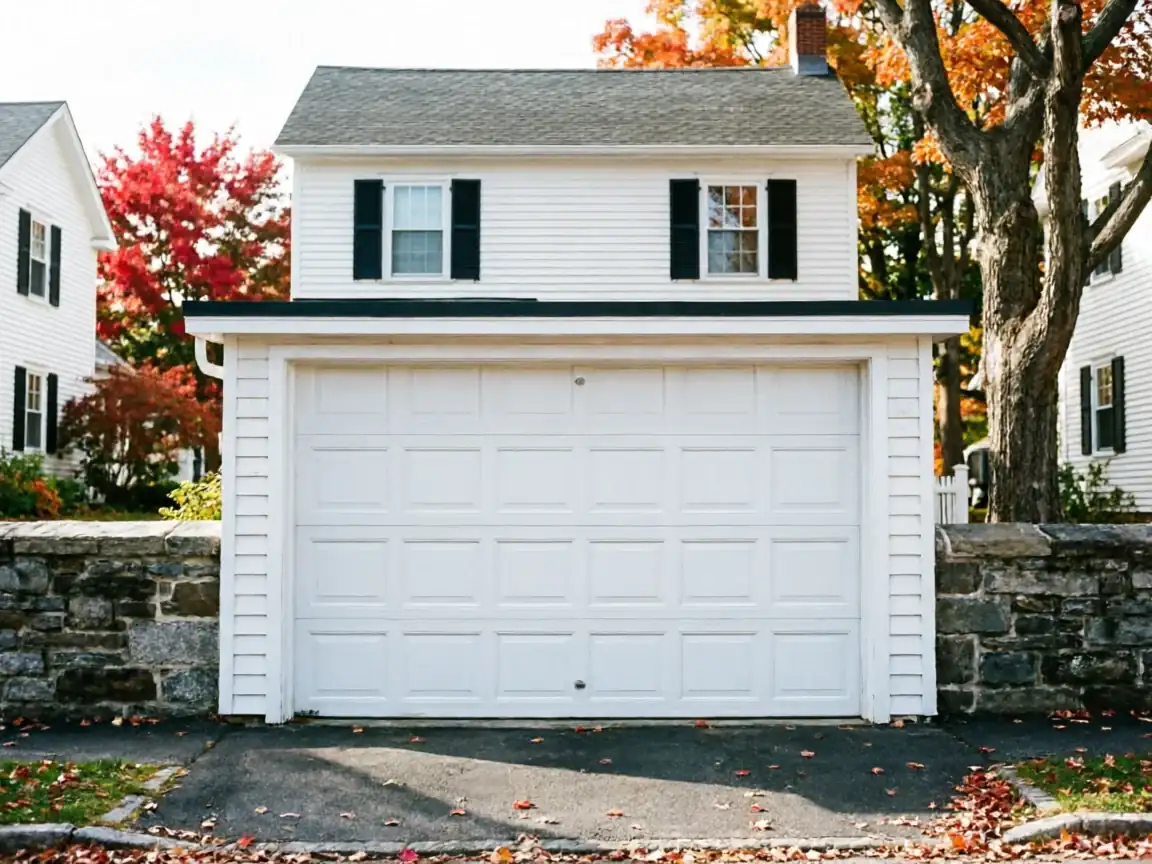
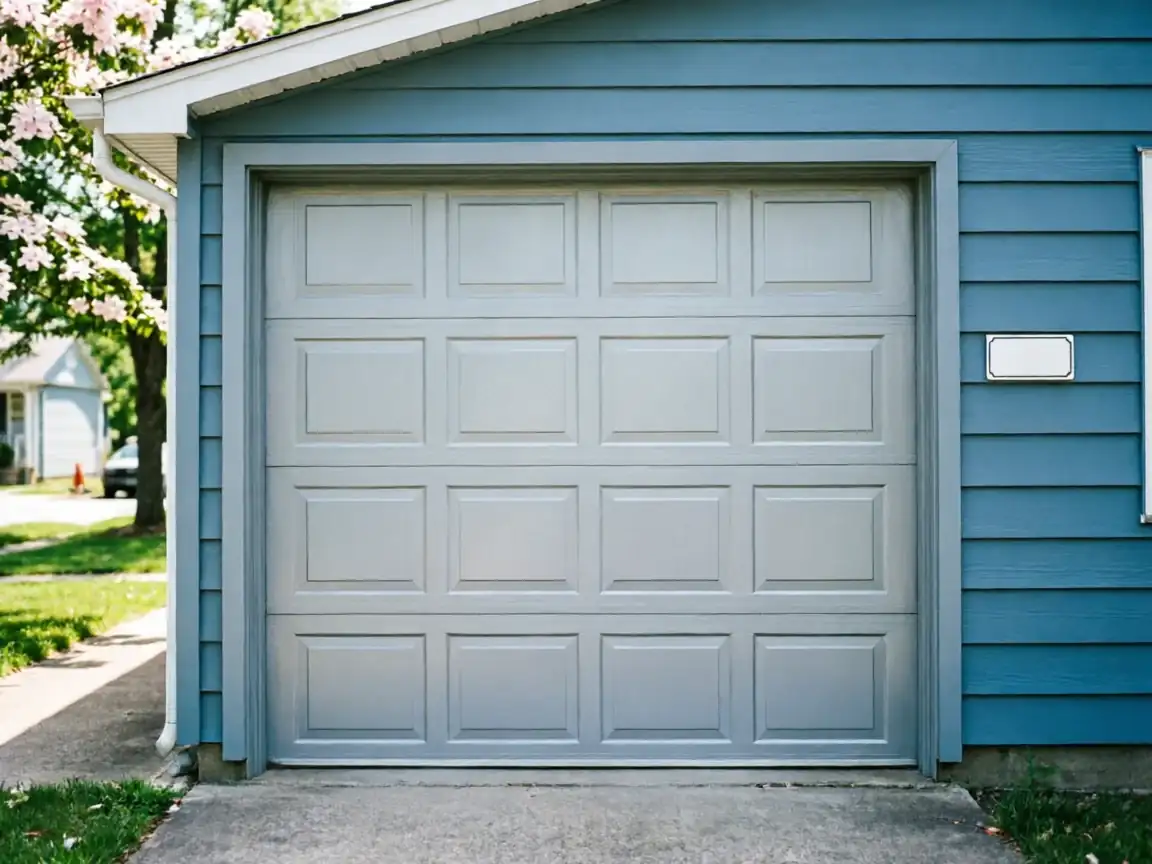
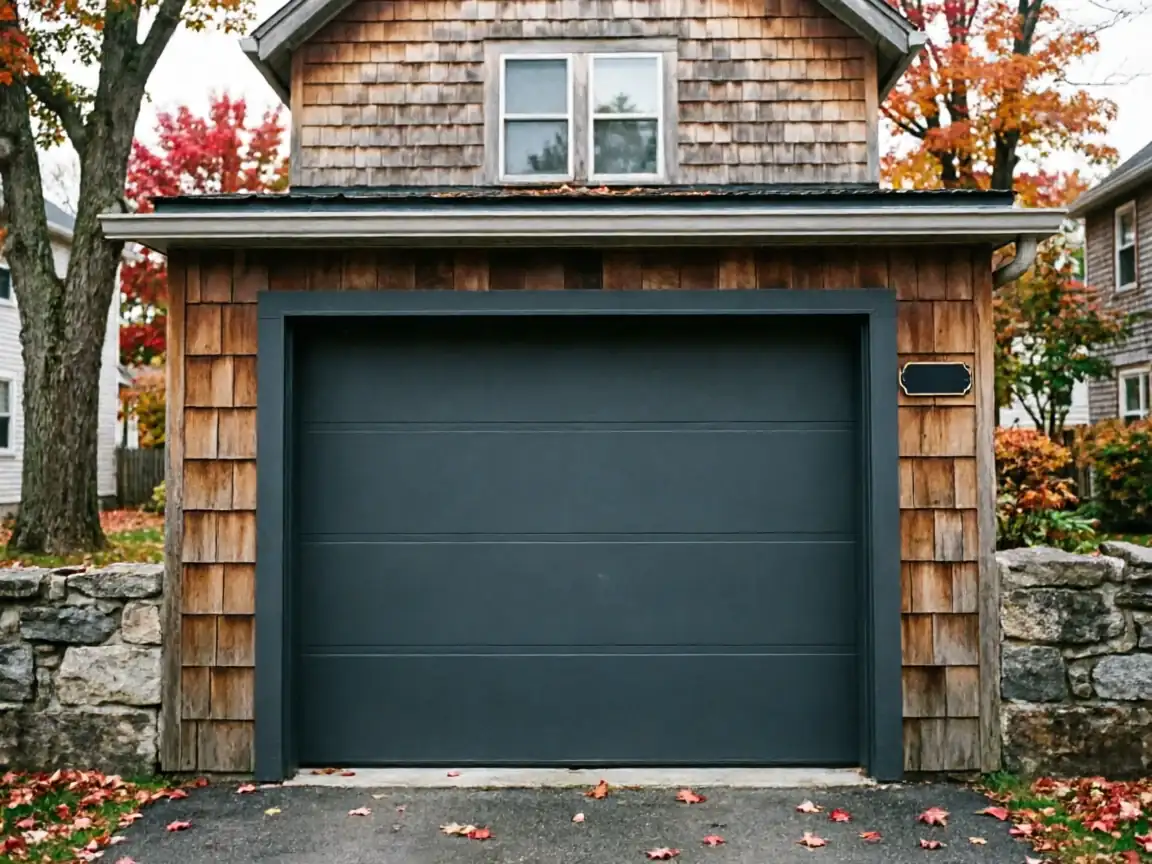
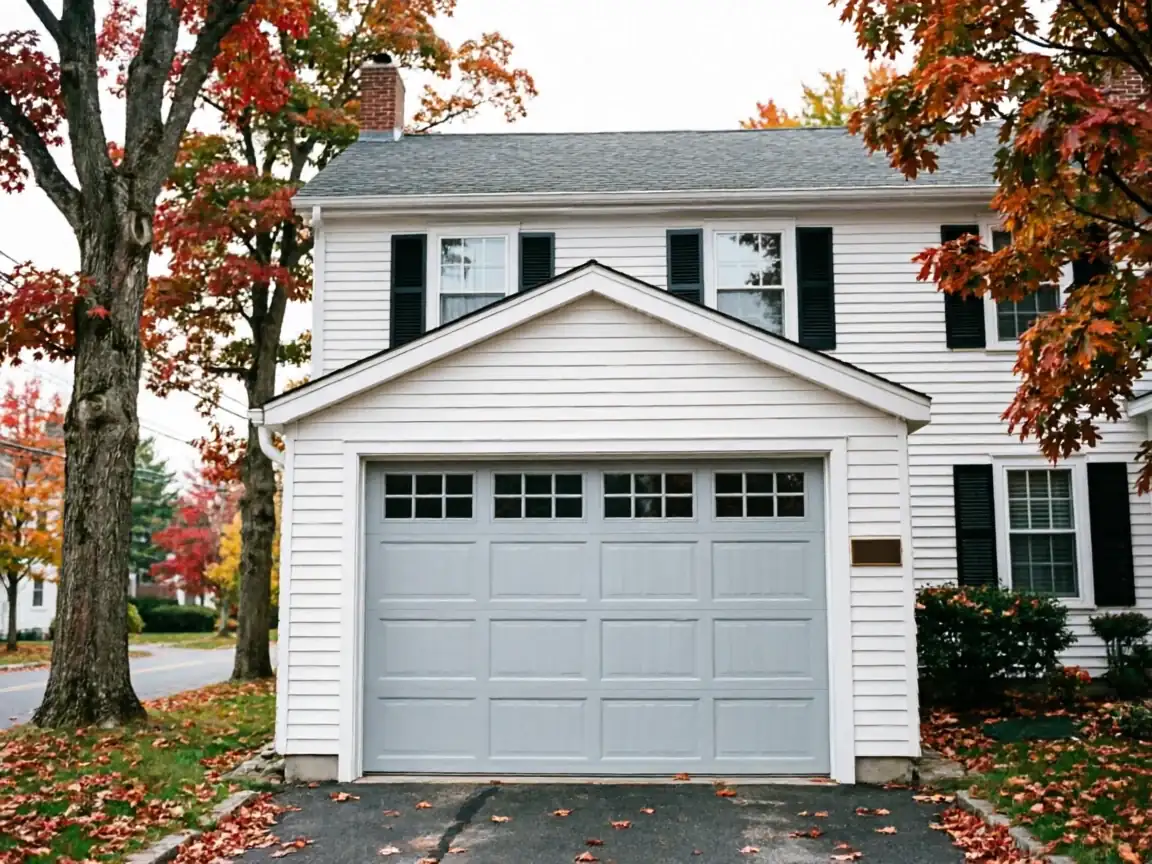
A few years earlier than the 1958 median across the wider service area. That gap matters on a garage door. Houses built in the early-to-mid 1950s in this part of New Jersey often got steel doors sized to openings that don't match what big-box stores stock today - narrower panel widths, different hinge spacing, sometimes a non-standard track width bolted in by whoever built the house. When a panel on one of these doors gets creased by a backed-into car or rusted through at the bottom groove, you can't always walk in and buy a replacement panel off a shelf. It has to be matched or the whole door goes out of square. We see this pattern across the service area's pre-1960 stock, but Elizabeth's slightly earlier build year means we run into it here more often than in neighborhoods built a decade later.
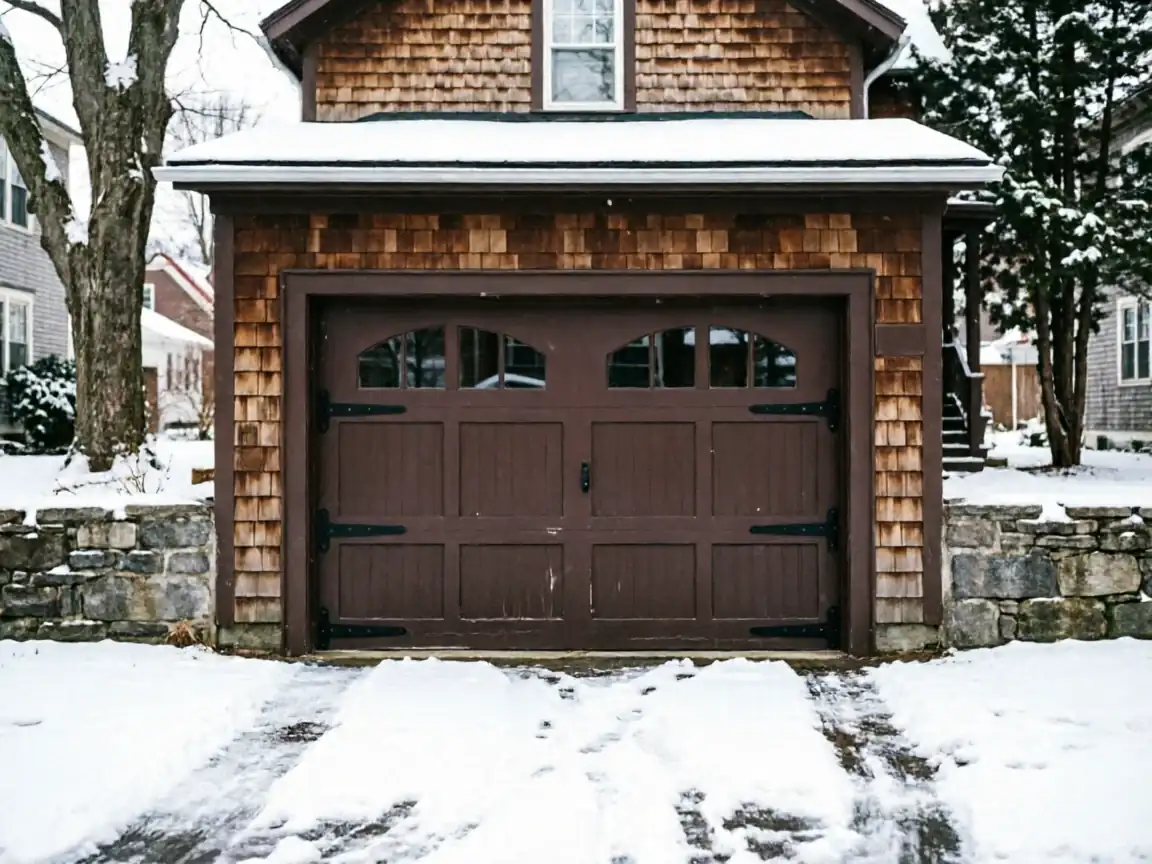
Add the region's cold, severe winters and road salt tracked in on tires
And the bottom two panels on these older steel doors corrode from the inside out, well before the rest of the door looks tired.
How We Fix It
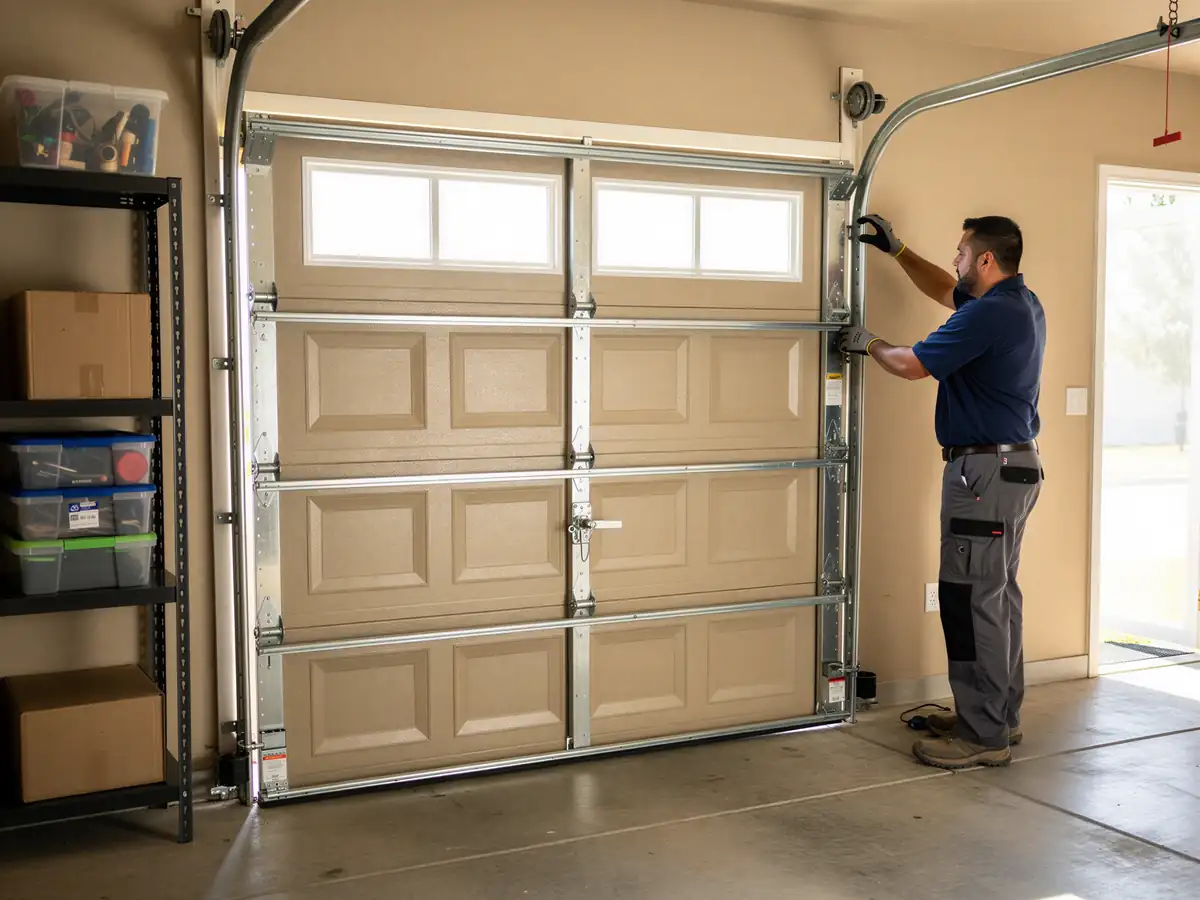
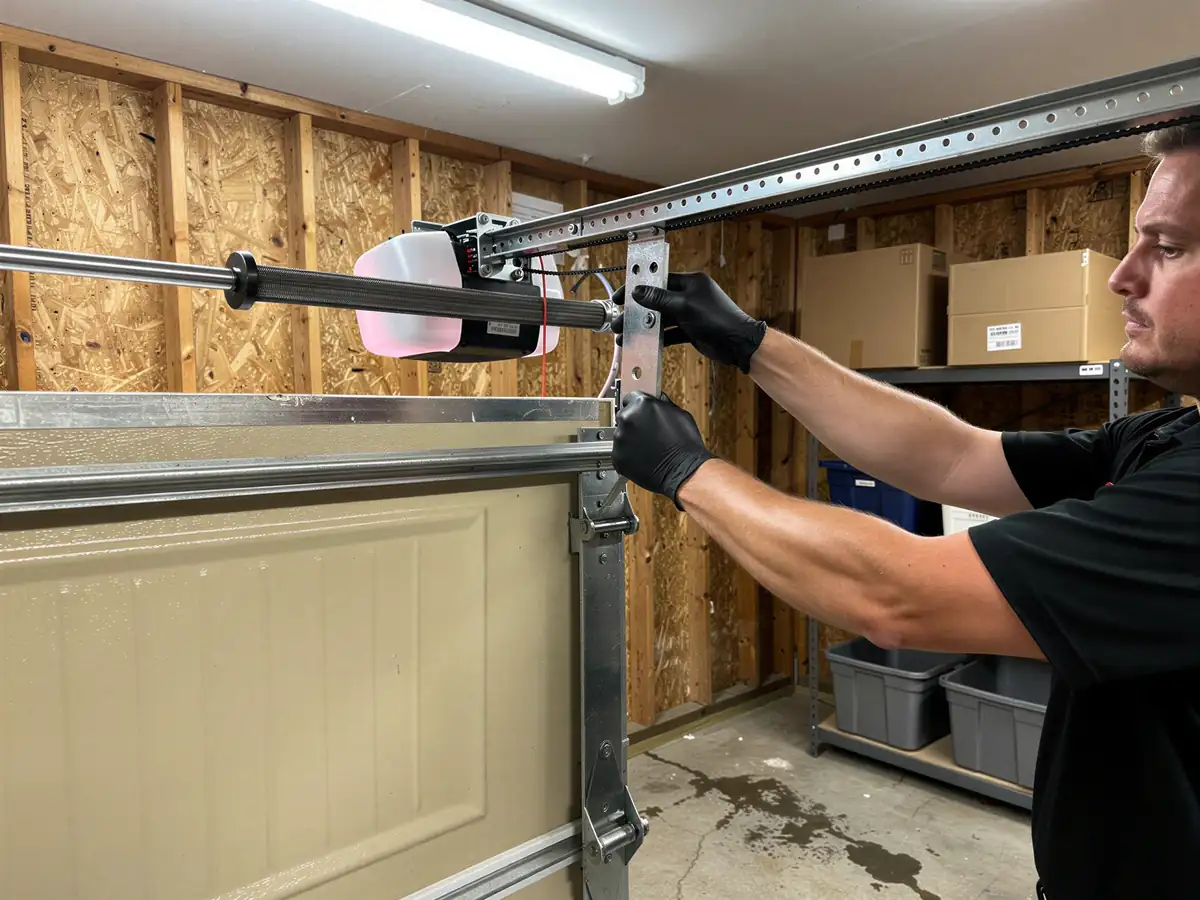
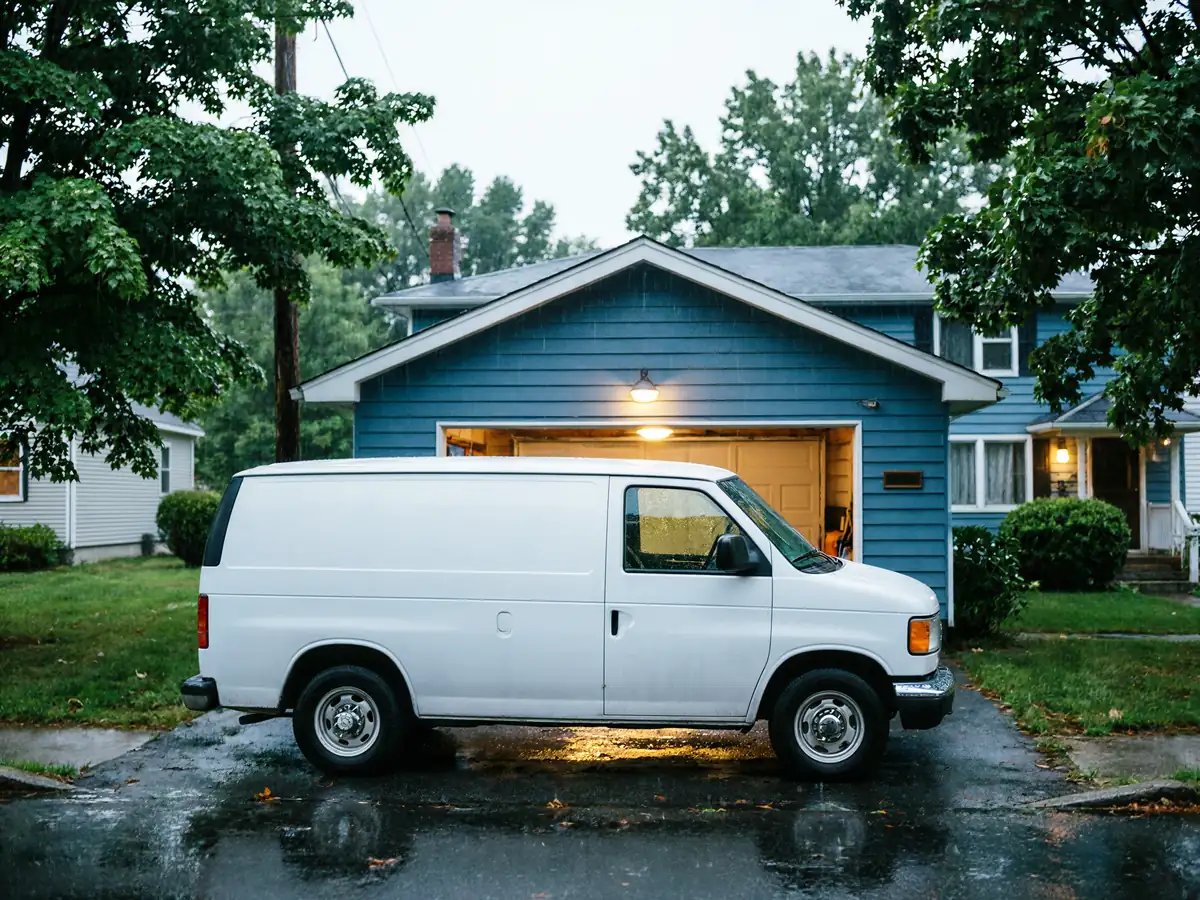
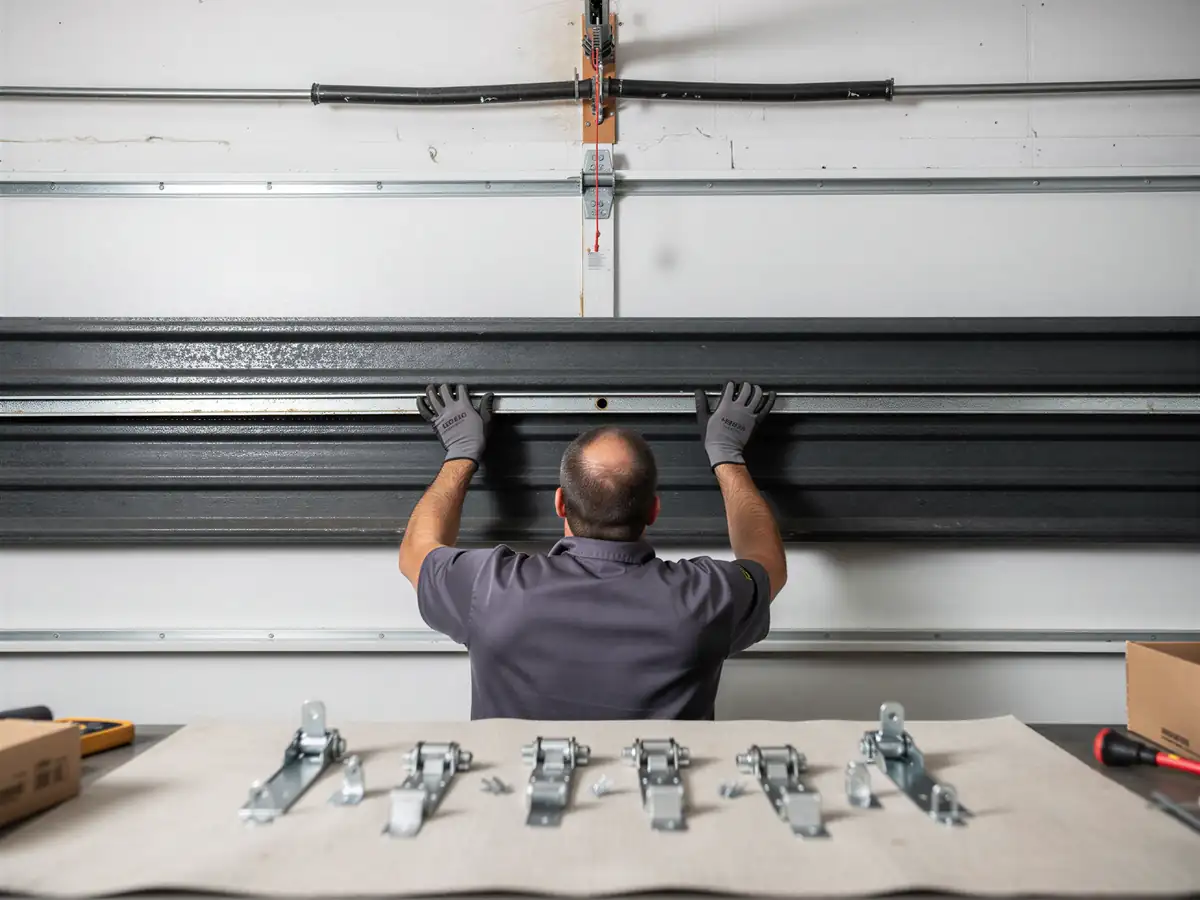
We come from Newark, about four miles out, and the first thing we do on a panel job is measure the actual opening and panel height, not assume it matches a modern standard. On a door this old, we check whether the track and hinge spacing are original or already modified by a prior repair. If we can source a matching panel for the existing door, we fit that one panel and leave the rest of the door alone - no reason to replace four good panels to fix one bad one. If the panel style has been discontinued and nothing matches closely enough to look right or operate safely, we say so and quote a full door instead of forcing a mismatched panel onto an otherwise sound door. That call gets made on site, with the door in front of us, not over the phone.
The Symptom
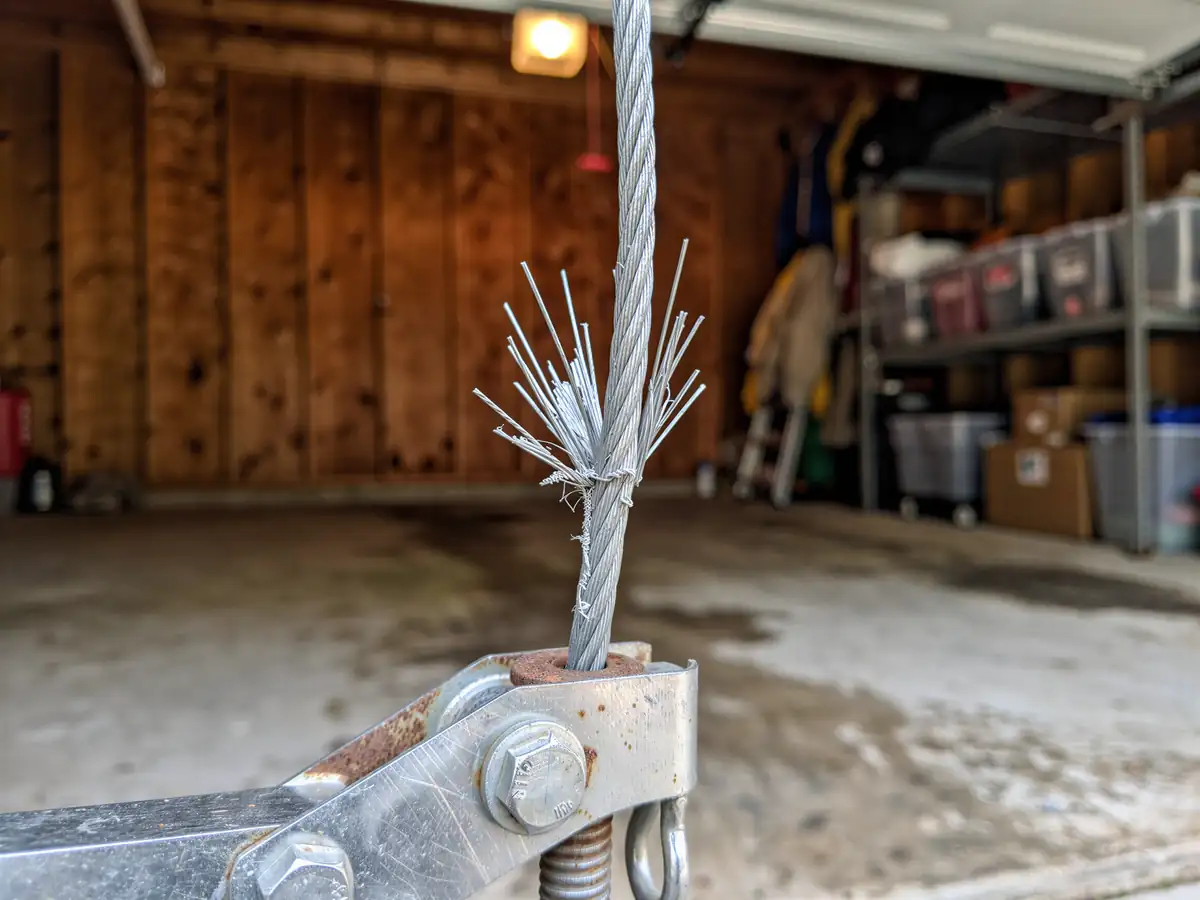
The giveaway on a failing panel almost never shows up as a dramatic break. It starts as a seam that won't sit flush - a visible gap or bulge where one panel meets the next, usually at the bottom section where impact and moisture both do their work. On the mid-1950s steel doors common in Elizabeth, the bottom panel often shows rust bubbling up through the paint along the lower edge before any dent is visible from the street. The door may still open and close, but it binds slightly or makes a new scraping sound at that one panel as the rollers try to travel a track that's no longer perfectly straight. Left alone, a bowed panel puts uneven load on the opener and the cables next to it, which turns a one-panel fix into a bigger job.
Can You Do This Yourself
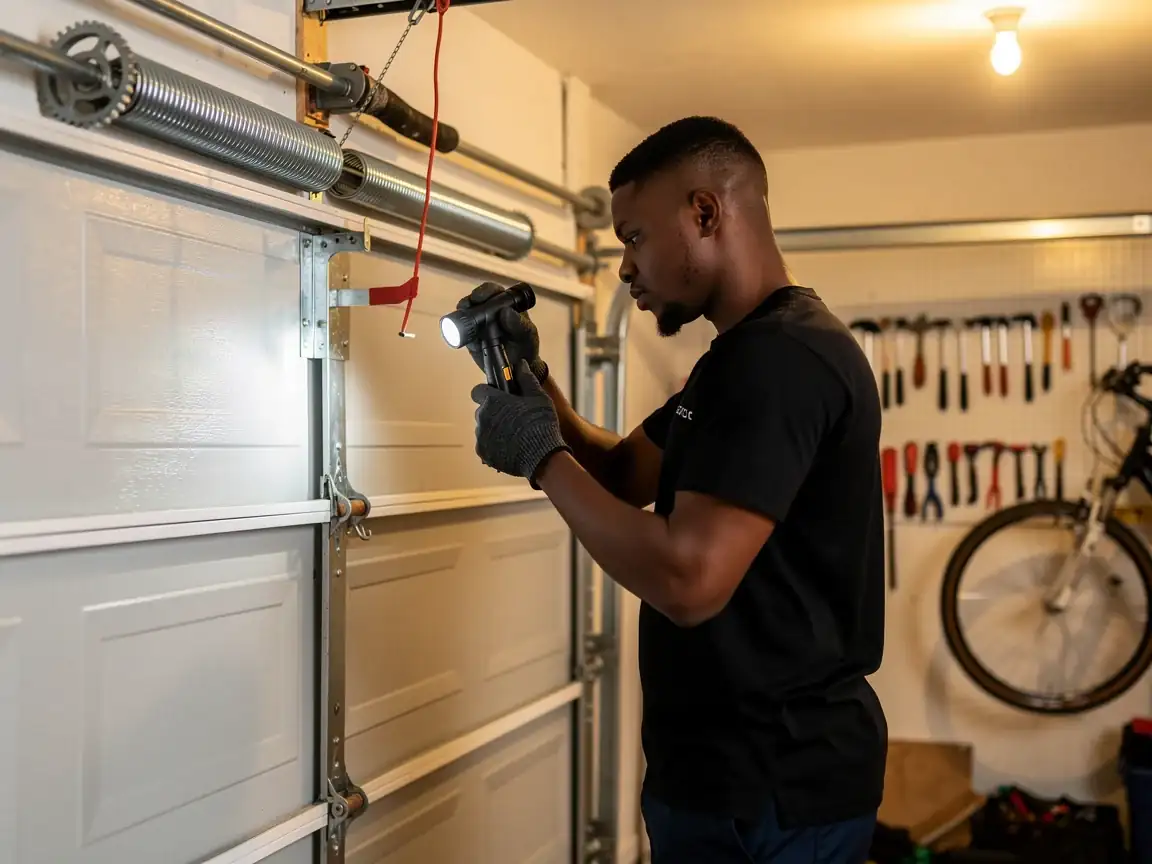
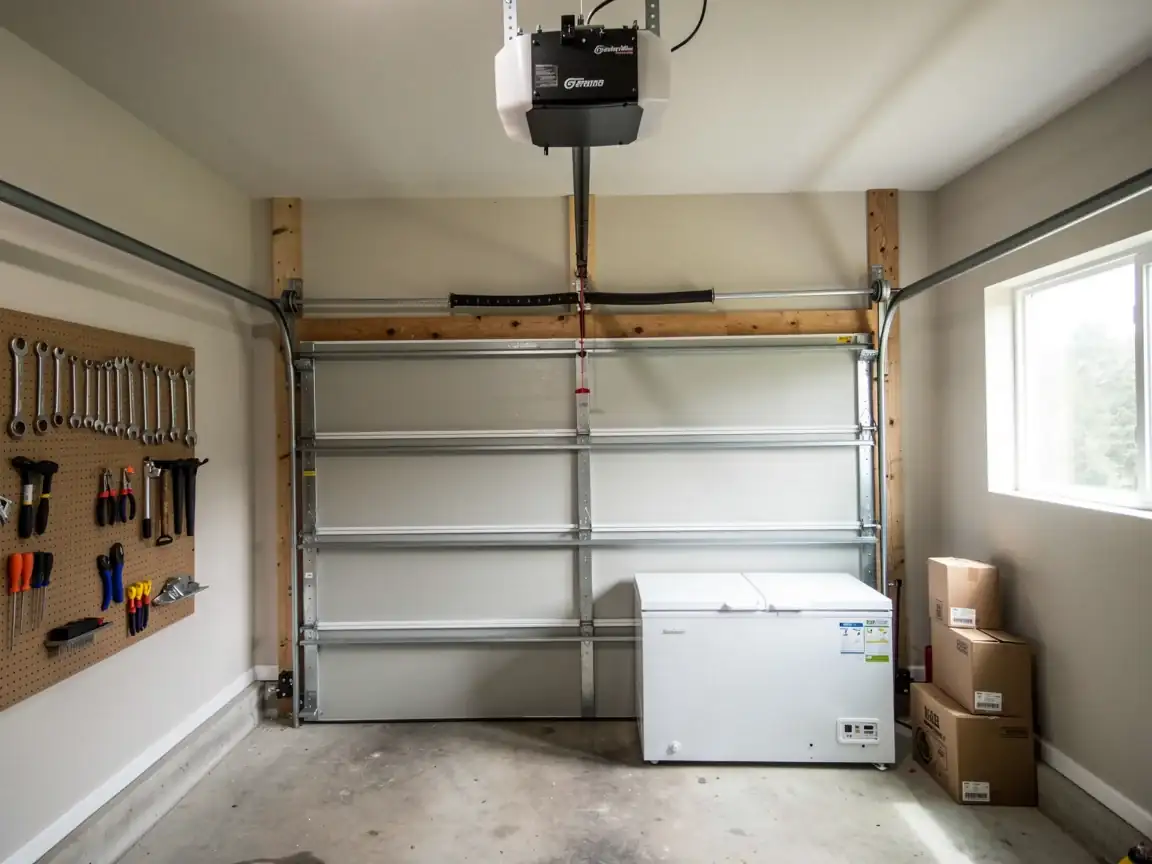
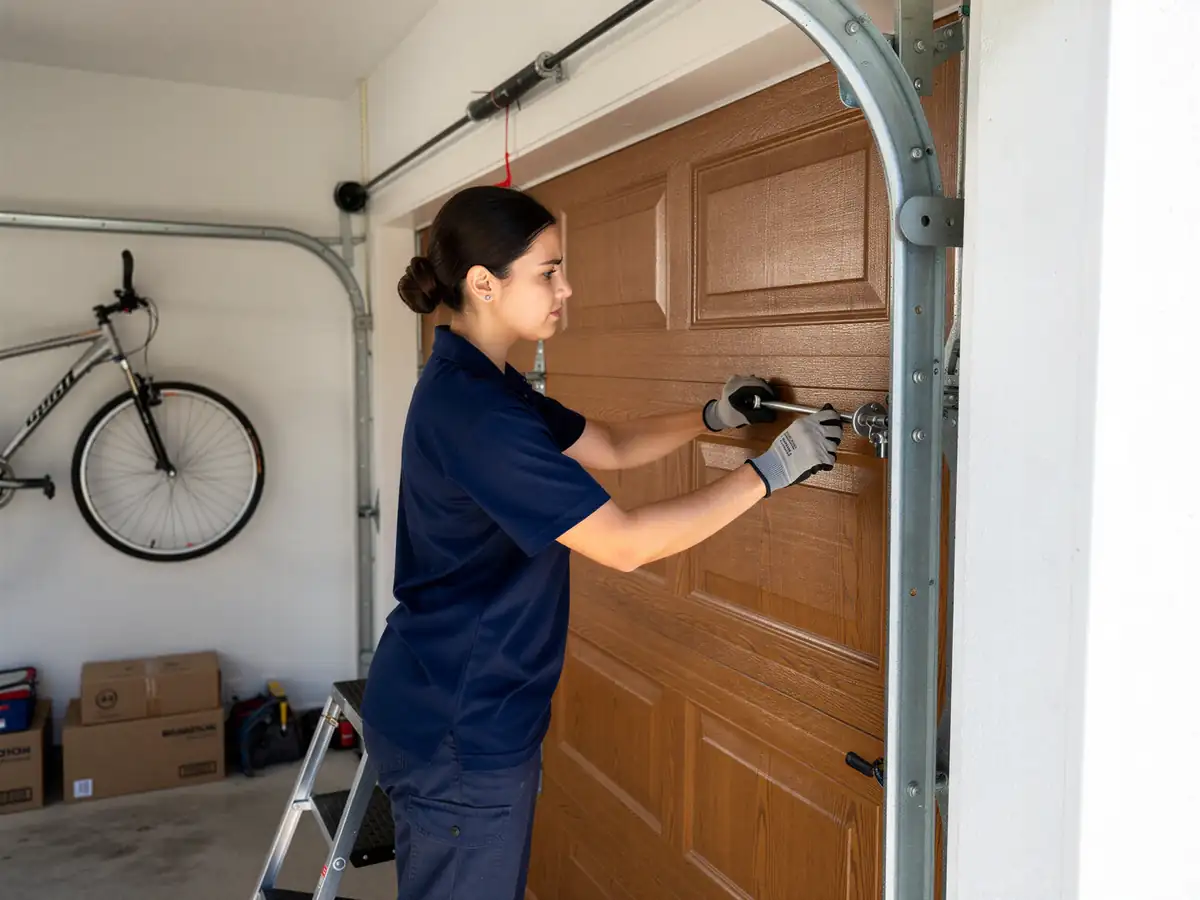
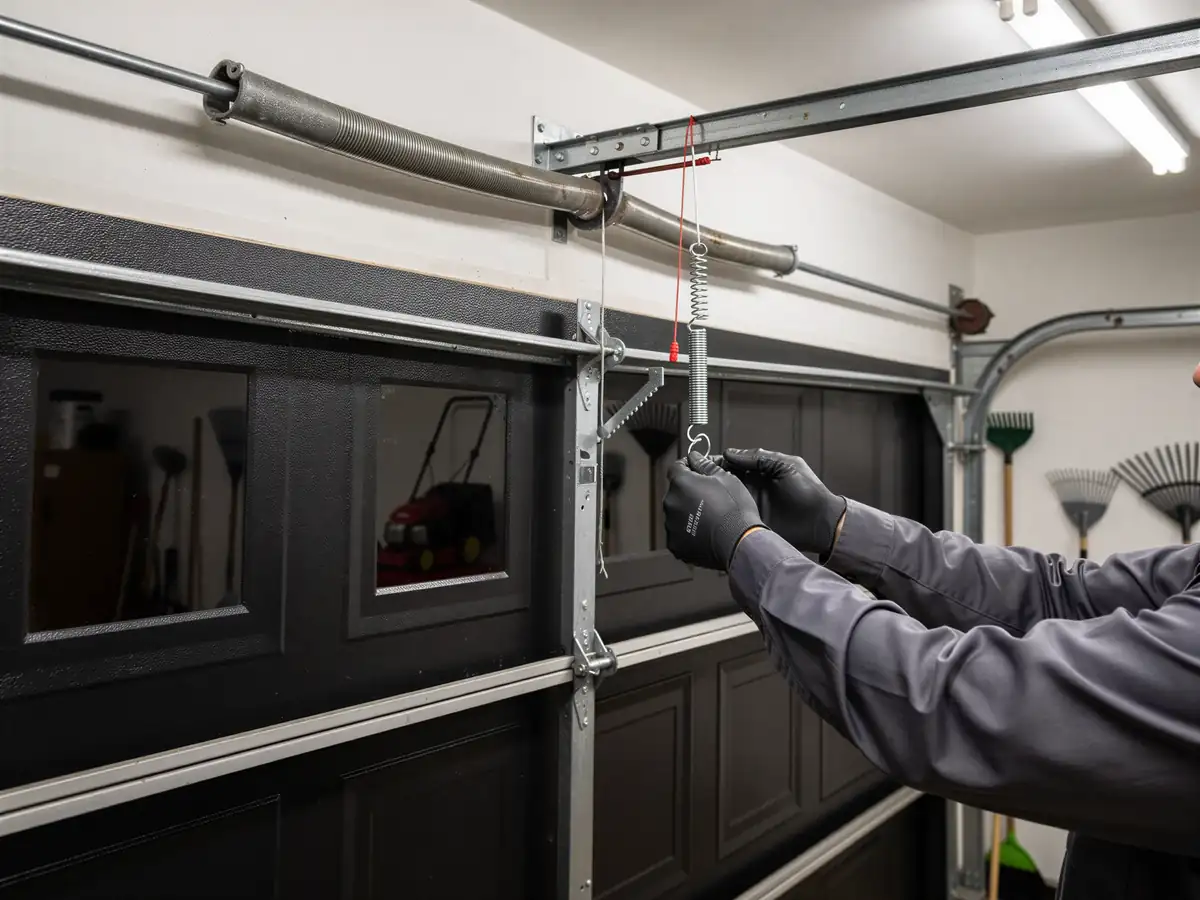
Swapping a single panel sounds like a bolt-and-unbolt job, and on paper it is. In practice, taking a panel out of a door under spring tension without disconnecting and controlling that tension first is how people get hurt, and it's an easy way to warp the panel next to the one you're replacing if the door isn't supported correctly while it's apart. If you're comfortable with torsion springs and have a second set of hands, a single-panel swap on a door that still has its original, unmodified track is within reach for a confident DIYer. We won't talk you out of trying. We will tell you that on an older door where the hinge spacing has shifted even slightly over the decades, getting the new panel to sit flush takes more fitting than the instructions suggest.
Parts We Carry
We stock common steel panel sizes that cover a good share of the doors we see on these older streets, in the finishes and panel styles that turn up most often on 1950s-era garages. What we don't carry on the truck is every discontinued panel profile ever made - some of the original styles from this era simply aren't produced anymore, and for those we either source a close match or recommend a full door rather than a patch that won't age well next to the original panels. We'll tell you straight which situation you're in before we start cutting into anything.