What We Do Not Do
We don't keep a crew stationed in Kearny
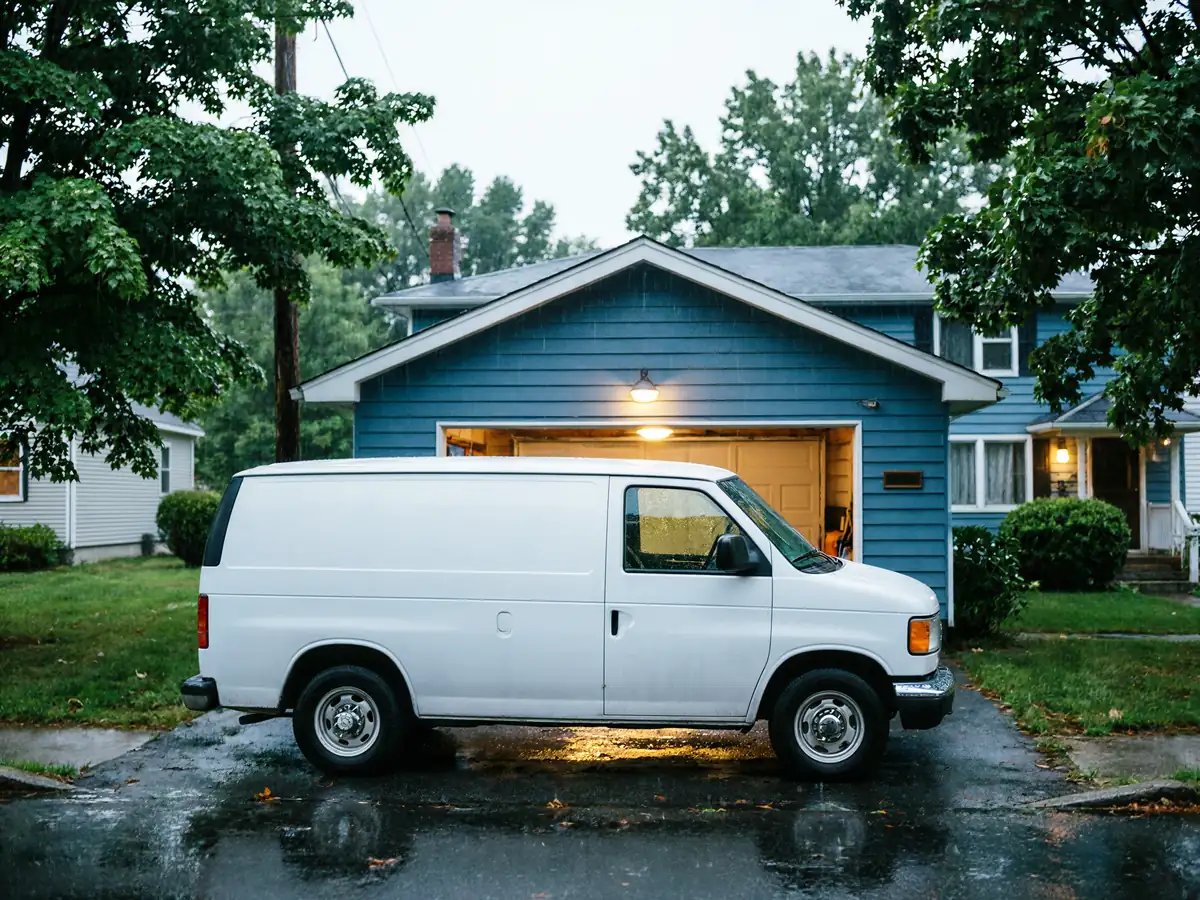
We run out of Newark, about 3 miles away, and we book Kearny calls into the same route as our Newark jobs. That means we're not the guys to call for a same-day job you need handled in the next twenty minutes during peak traffic hours - we'll give you an honest window when you call, not a promise we can't keep.
- 3 miles
We also don't do structural garage work
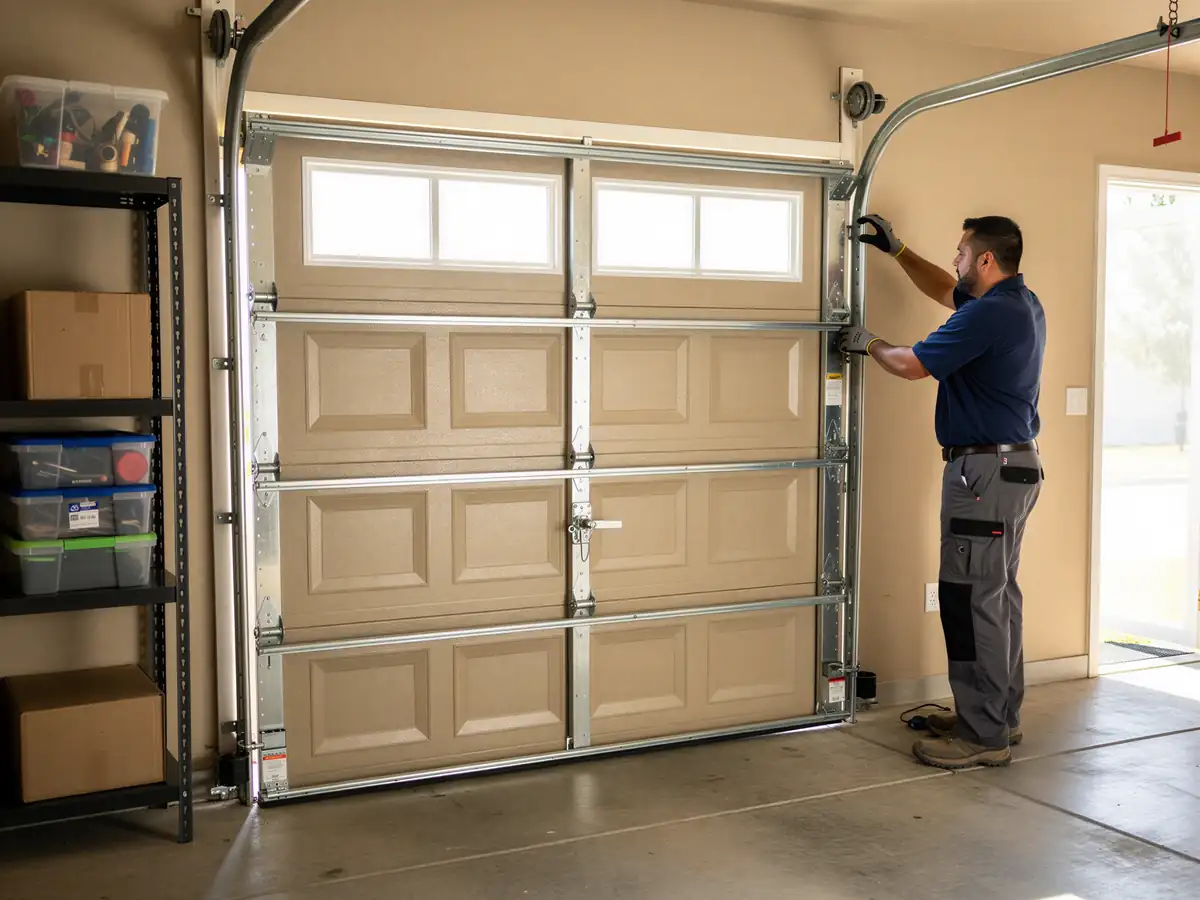
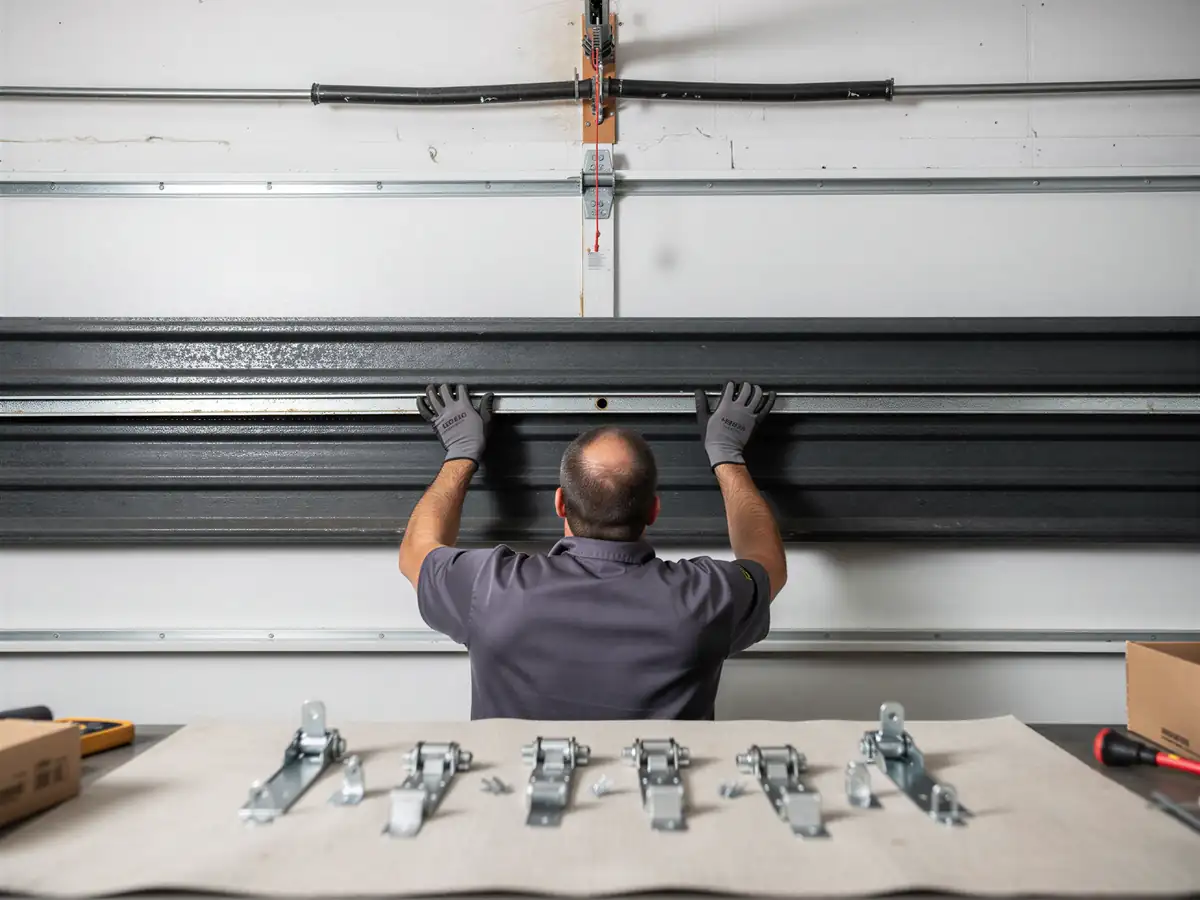
If your opening needs framing changes or the header's compromised, that's a carpenter's job, not ours. And we don't install doors we can't get parts for down the road; if you bring us a door from a brand that's been out of production for years, we'll tell you straight rather than patch it and send you a bill.
What Was Built Here
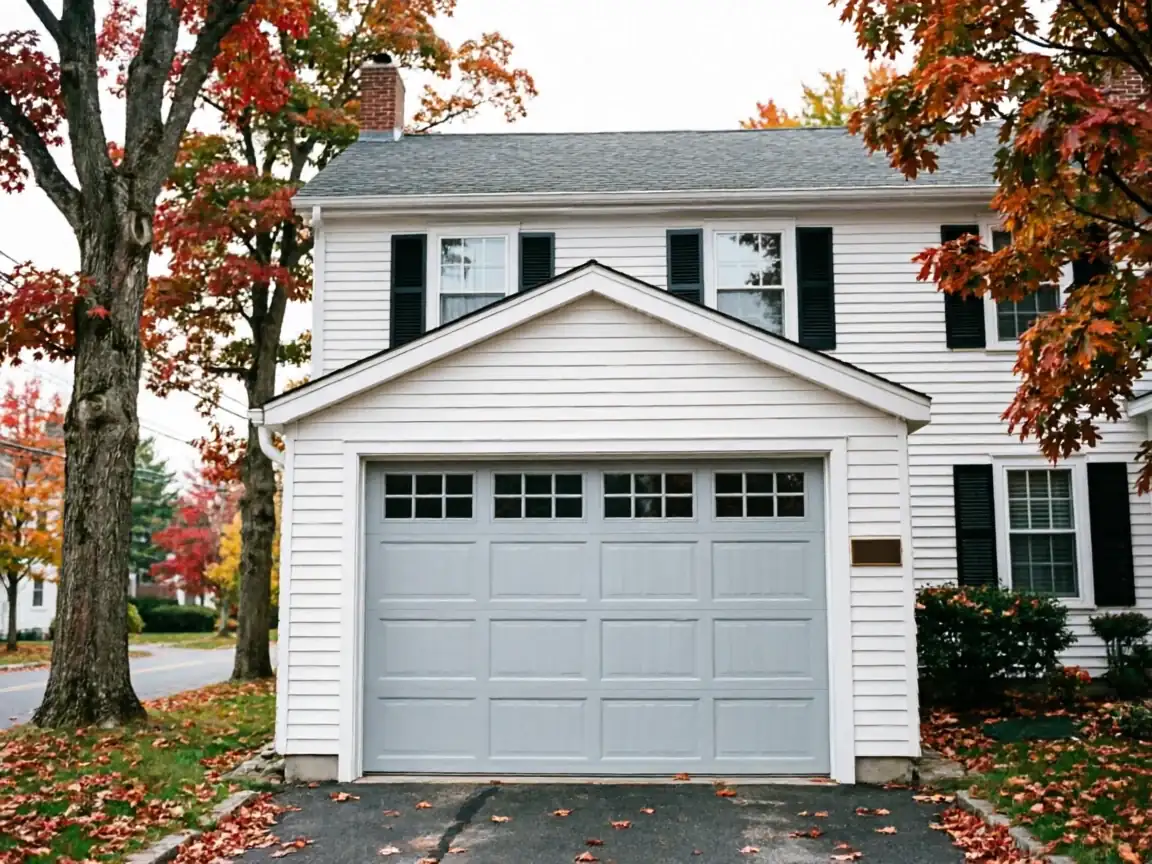
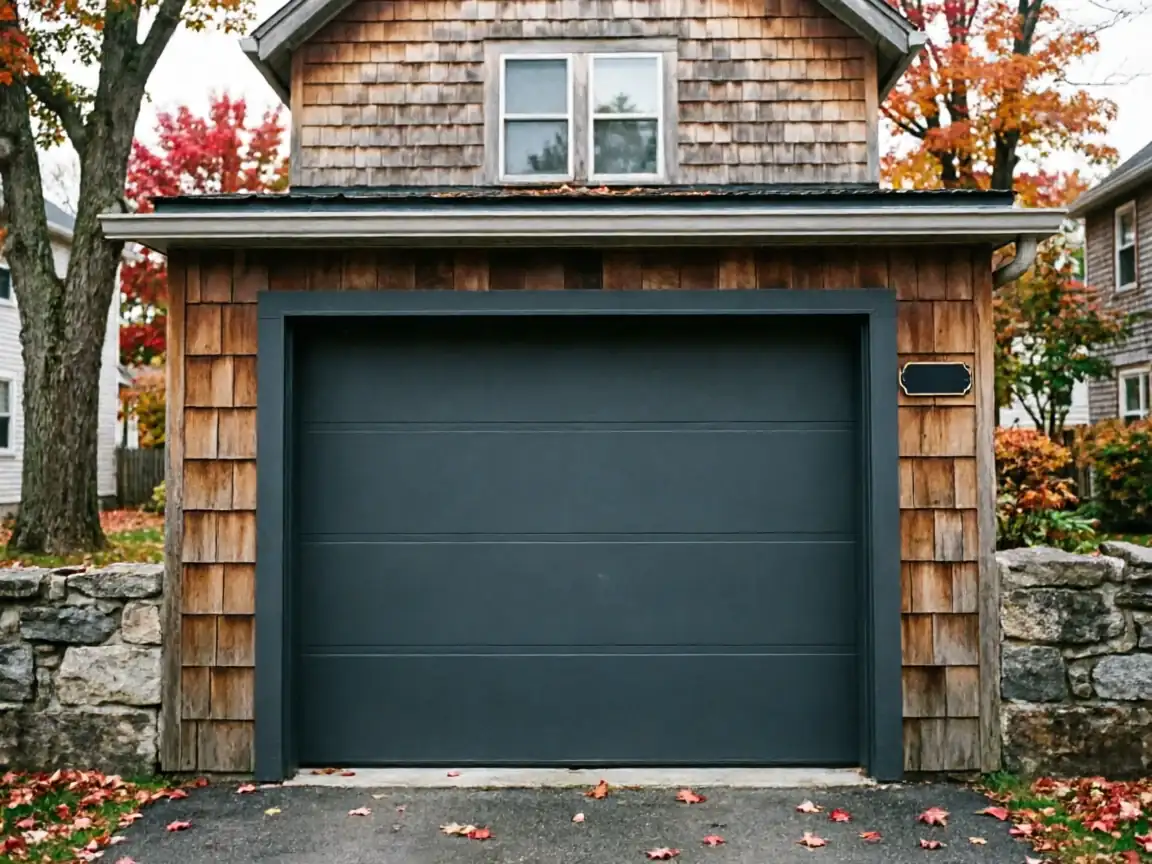
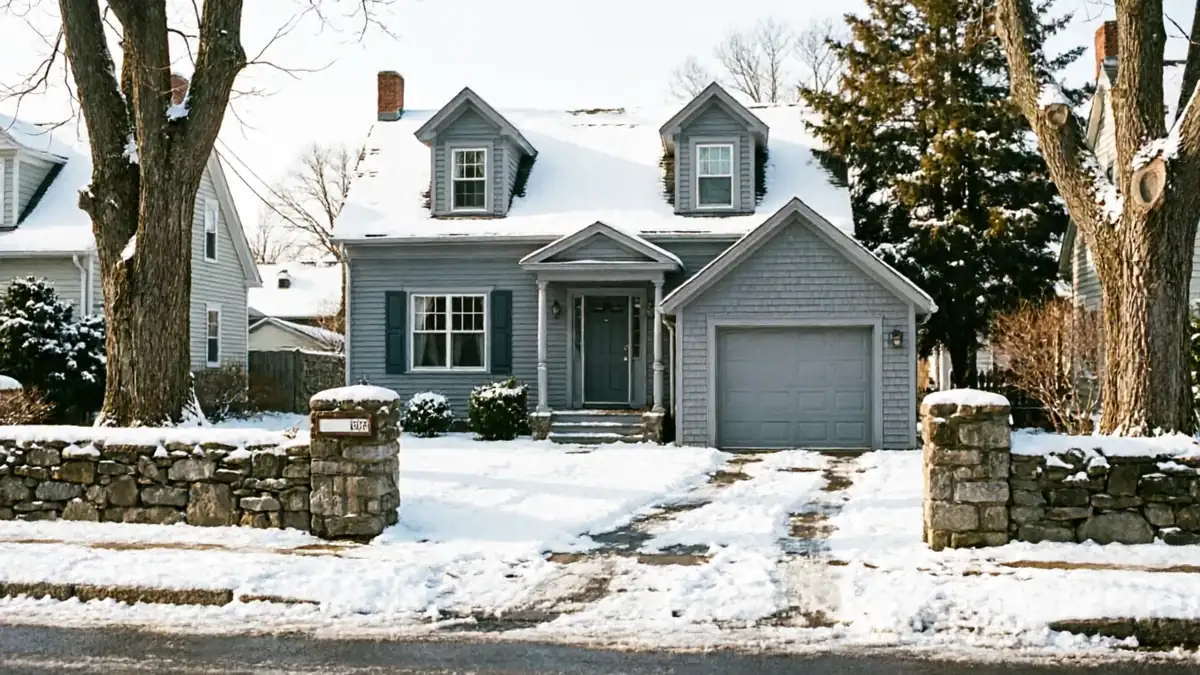
Kearny's housing runs older than a lot of what we see elsewhere in the service area, with a median build year around 1952. That's a full generation before most garage door openers had safety reversal sensors, and well before torsion spring systems became the standard over extension springs on single-car doors.
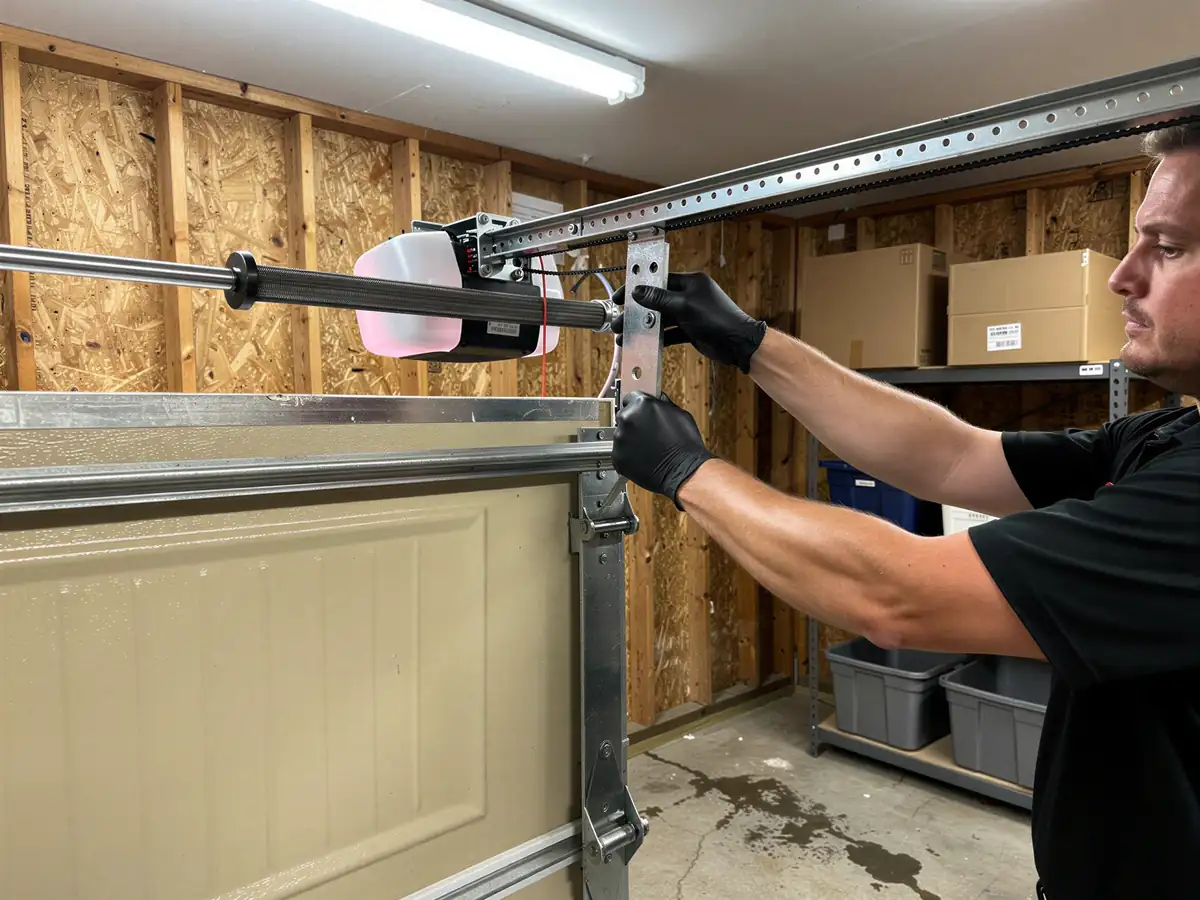
Across the wider area we cover, housing stock stretches from 1938 to 1996 with a median around 1958, so Kearny sits right in that older band rather than toward the newer end. With roughly 14,756 households in town, that's a lot of garages still running original hardware, or a second-generation opener bolted onto a bracket that was never meant to hold it.
The area overall has about 1,193,552 households and 358,096 owner-occupied houses, which gives you a sense of scale - Kearny is one piece of a much larger stretch of older housing we work across, not a standalone pocket.
What People Here Ring About
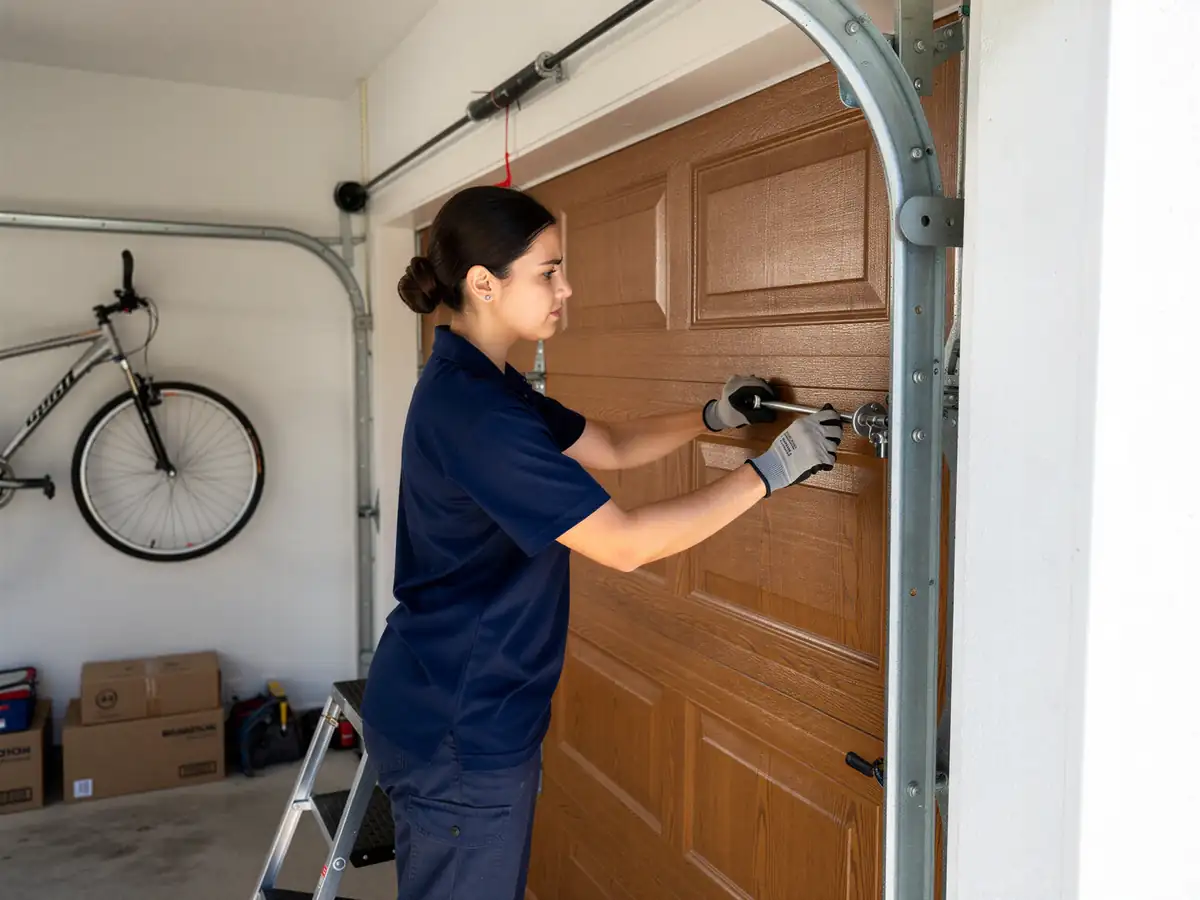
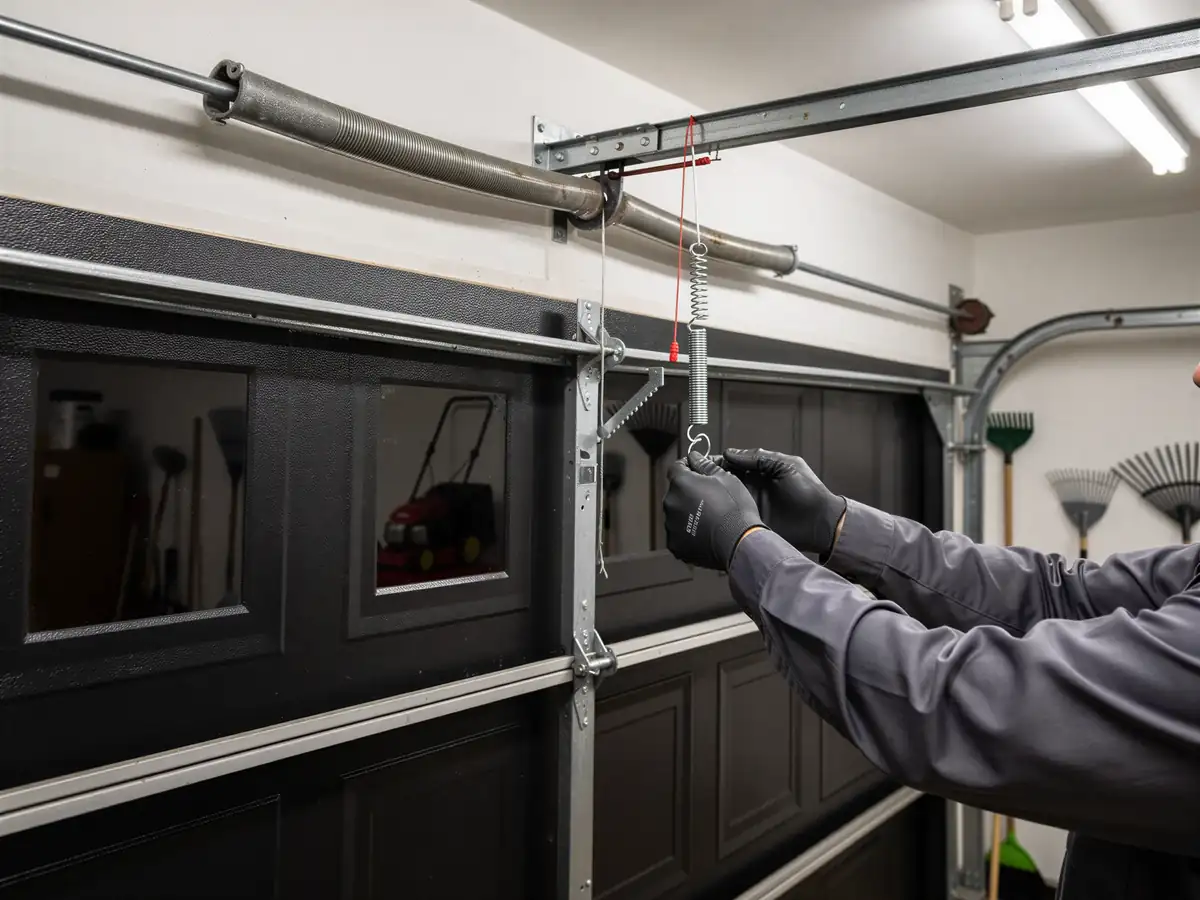
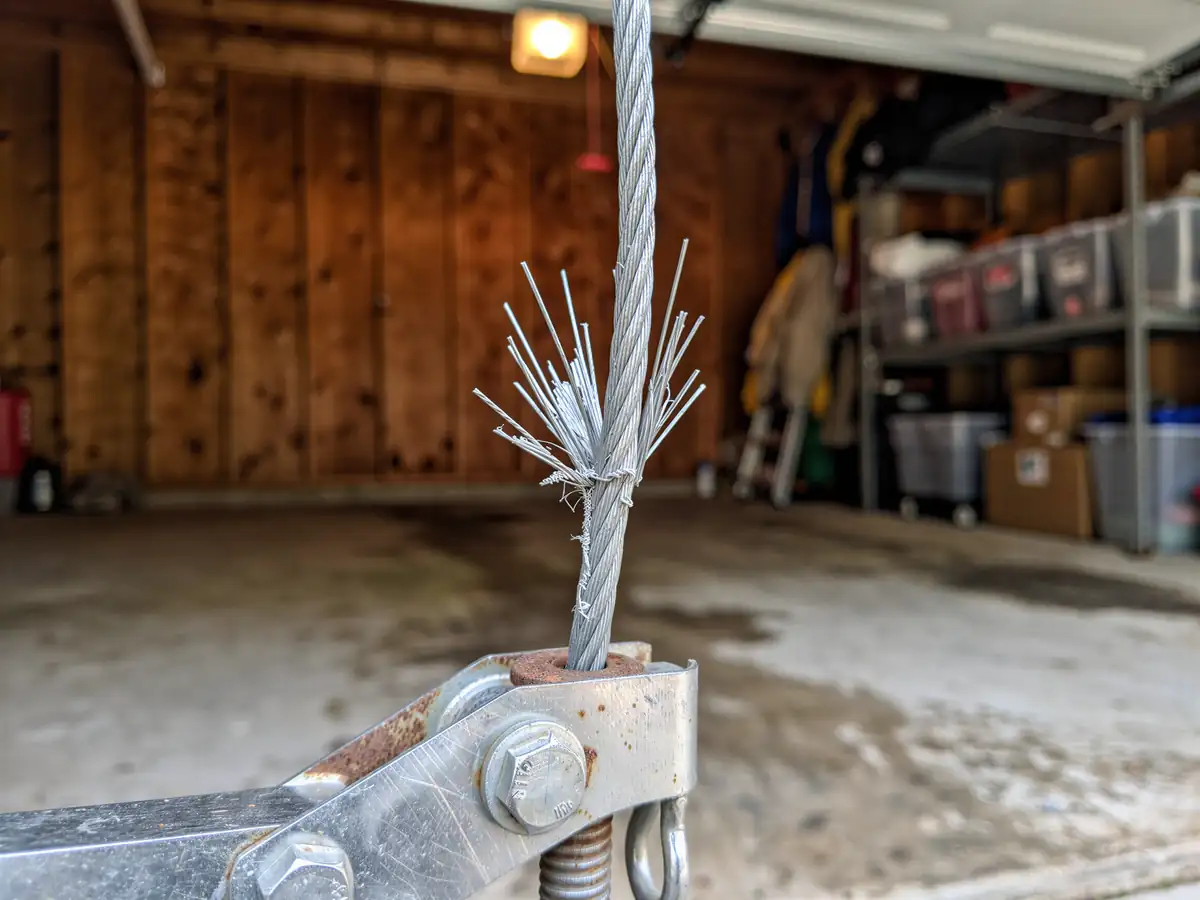
Given the age of the housing stock, the calls we get from Kearny lean toward hardware that's simply worn out rather than something broken by accident. Extension springs that have stretched past their rated cycles. Rollers that have gone from nylon to bare steel wheels grinding in a track that was never replaced. Cables fraying at the drum because nobody's touched them since the house was built.
Median household income in Kearny runs around $83,212, noticeably below the $120,958 median across the full service area, and that shows up in the kind of calls we take - more repair requests, fewer full replacements on the first call. People want the door working again, not necessarily a new system, and that's a reasonable ask on hardware from this era if the frame and track are sound.
Winter brings its own set of calls too - openers straining against doors that have swollen or stiffened in the cold, and springs that snap on the first cold morning after months of slow fatigue.
What That Means for Doors
The service area sits in a cold, severe winter climate band
And a door built or installed around 1952 wasn't engineered with modern weatherstripping or insulated panel standards in mind. That combination - older hardware plus harder winters - is why spring failures in Kearny tend to happen in clusters during the first real cold snap rather than spread evenly through the year.
If your door is original to a house from that era
The torsion or extension spring sizing was likely calculated for a lighter door than what's common now, especially if a previous owner swapped in a heavier insulated panel without upgrading the spring. That mismatch is one of the most common things we find once we're actually standing in front of the door, not something you'd notice from inside the house.
We can usually repair what's there rather than replace the whole unit
But when the track is rusted through or the header's pulled away from the framing, repair stops making sense and we'll say so before we start any work.