How We Fix It
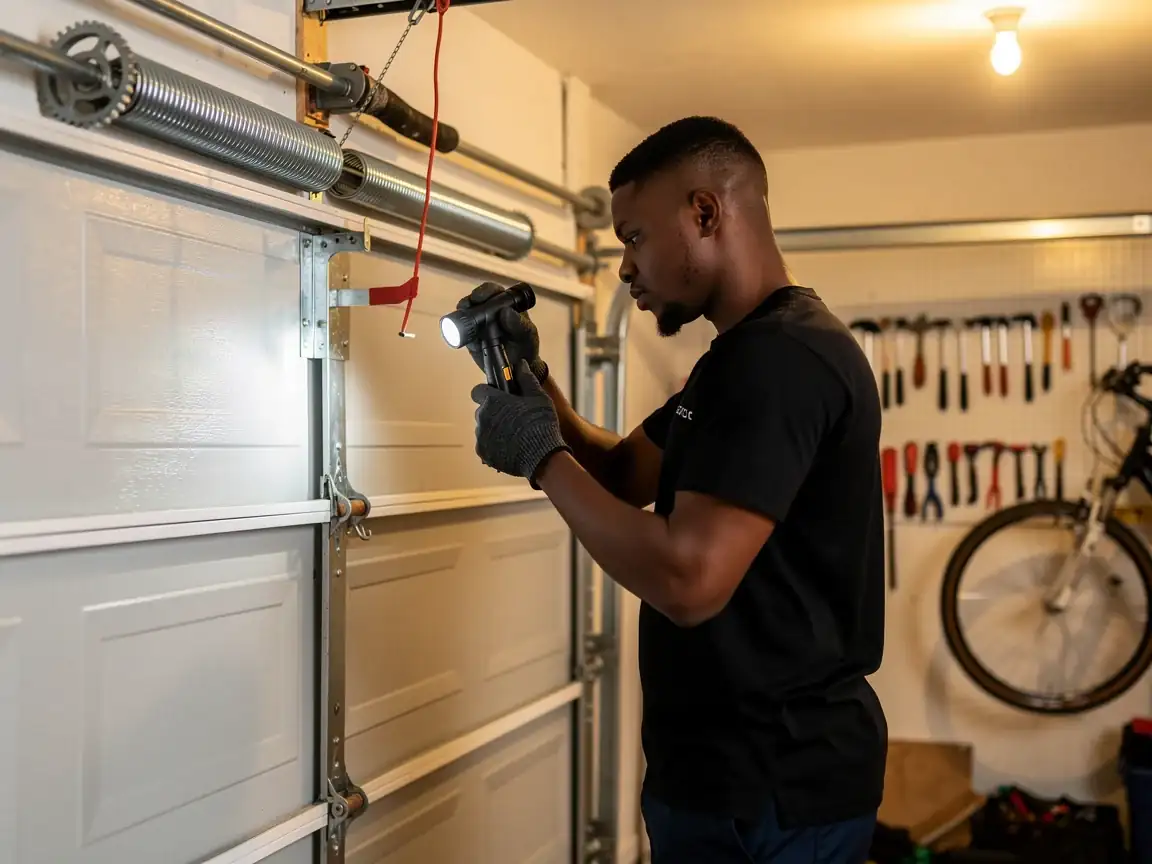
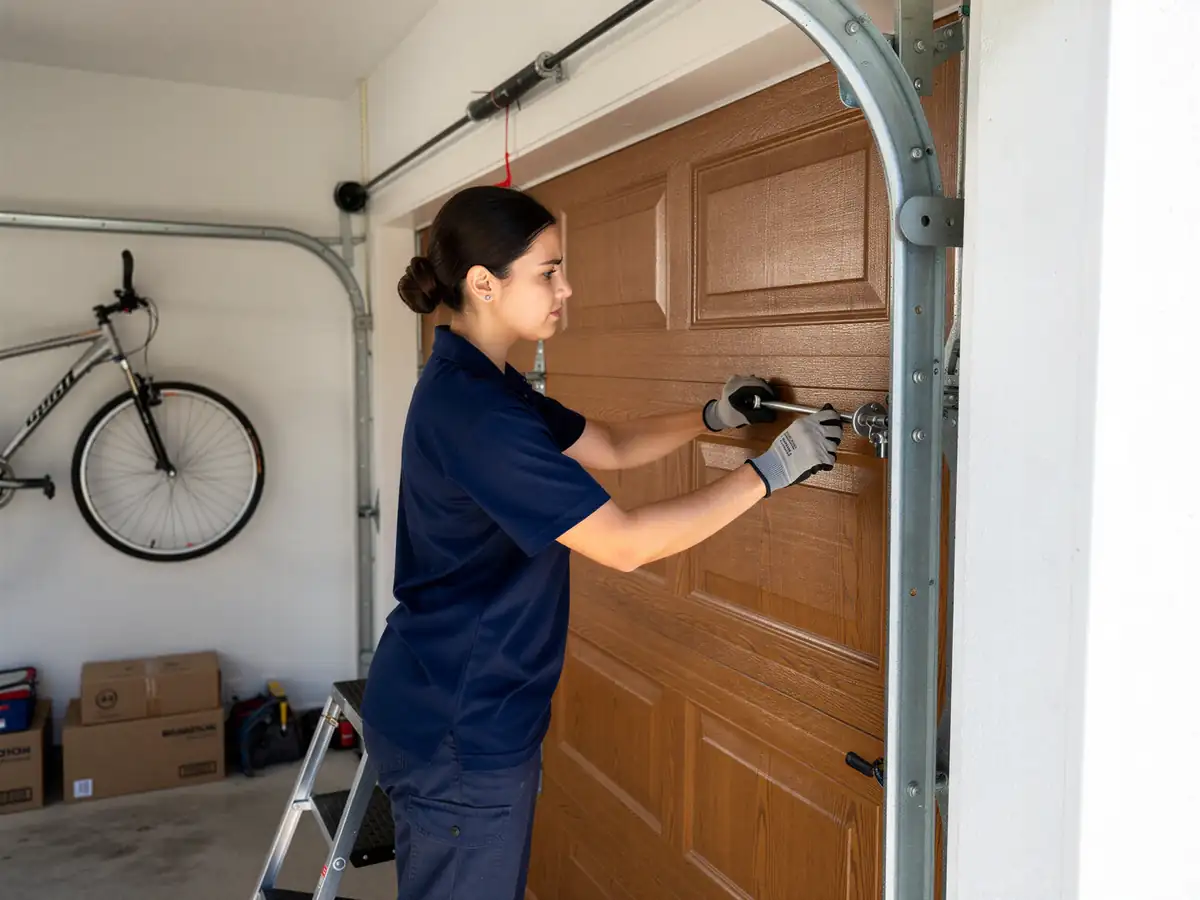
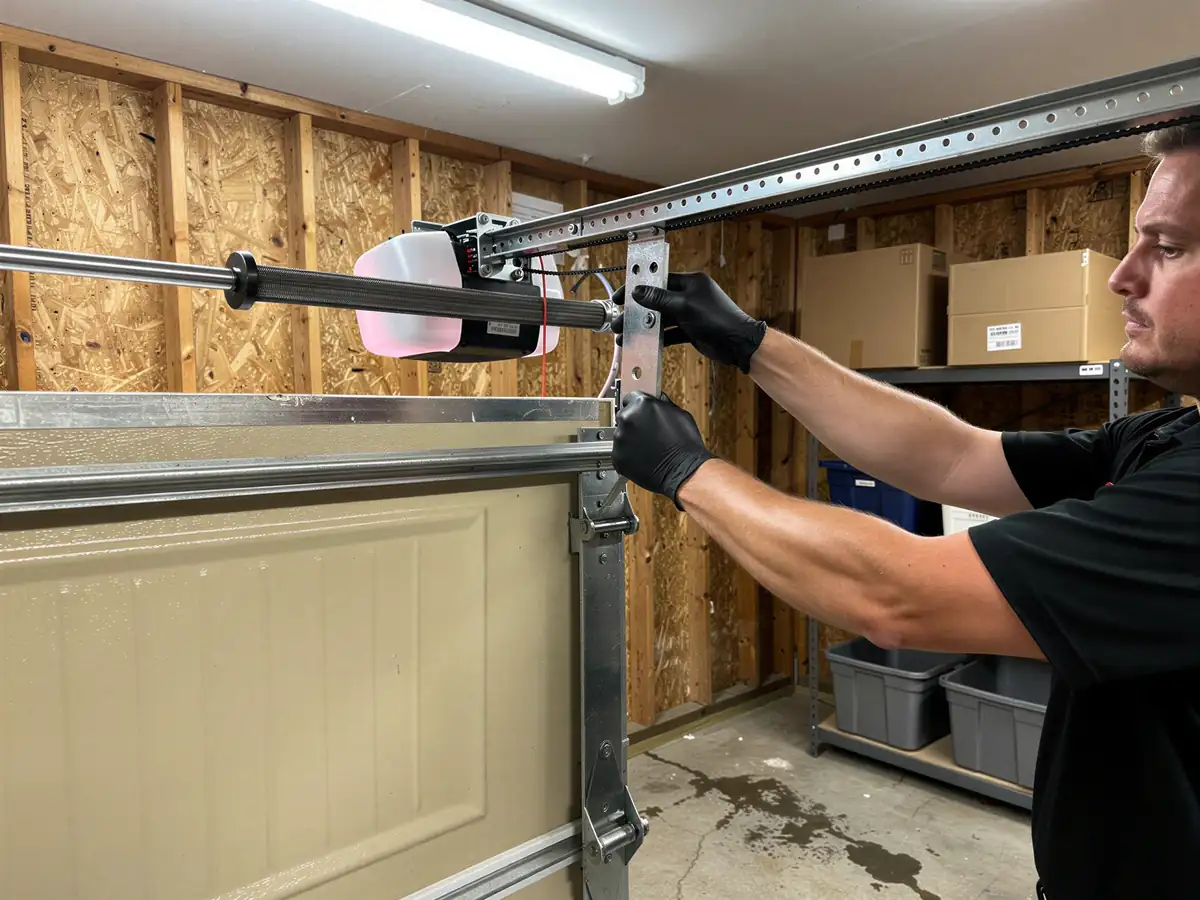
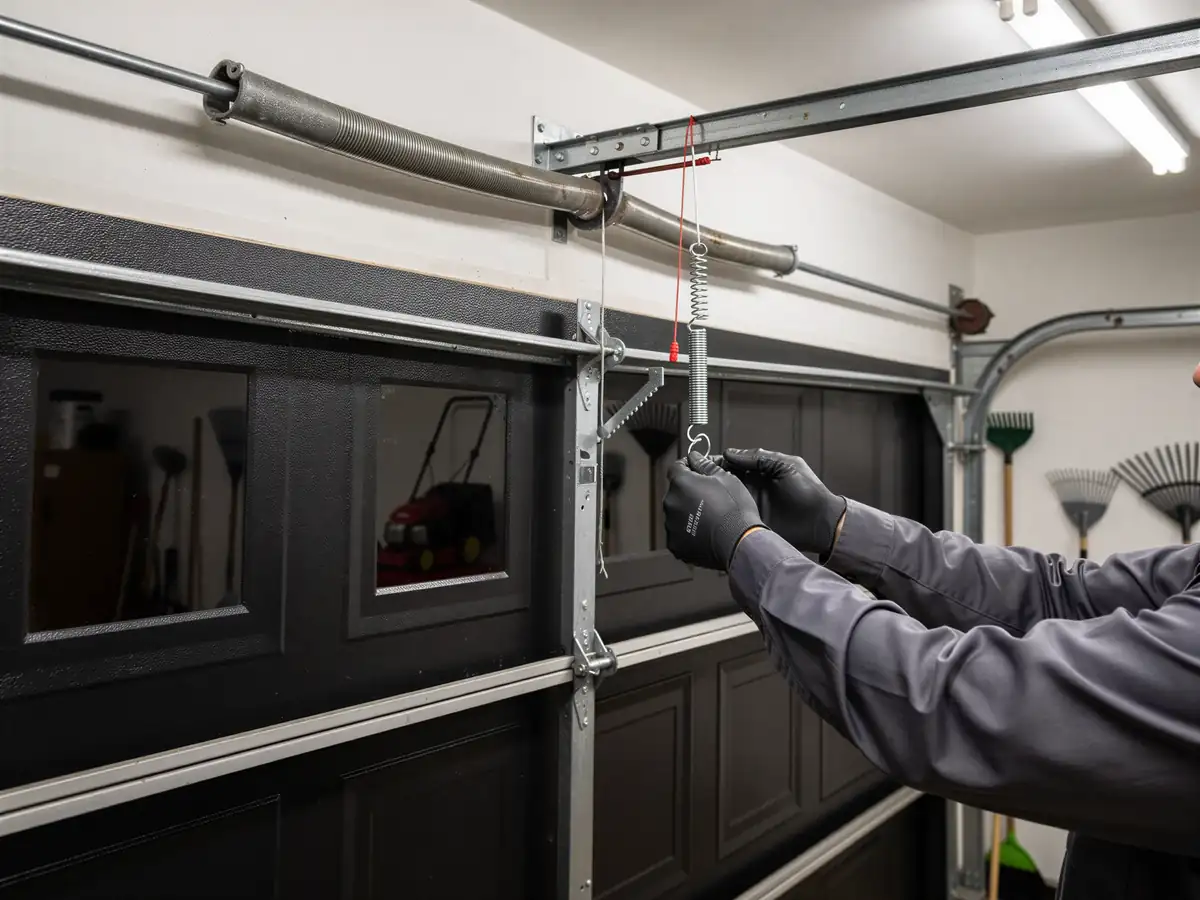
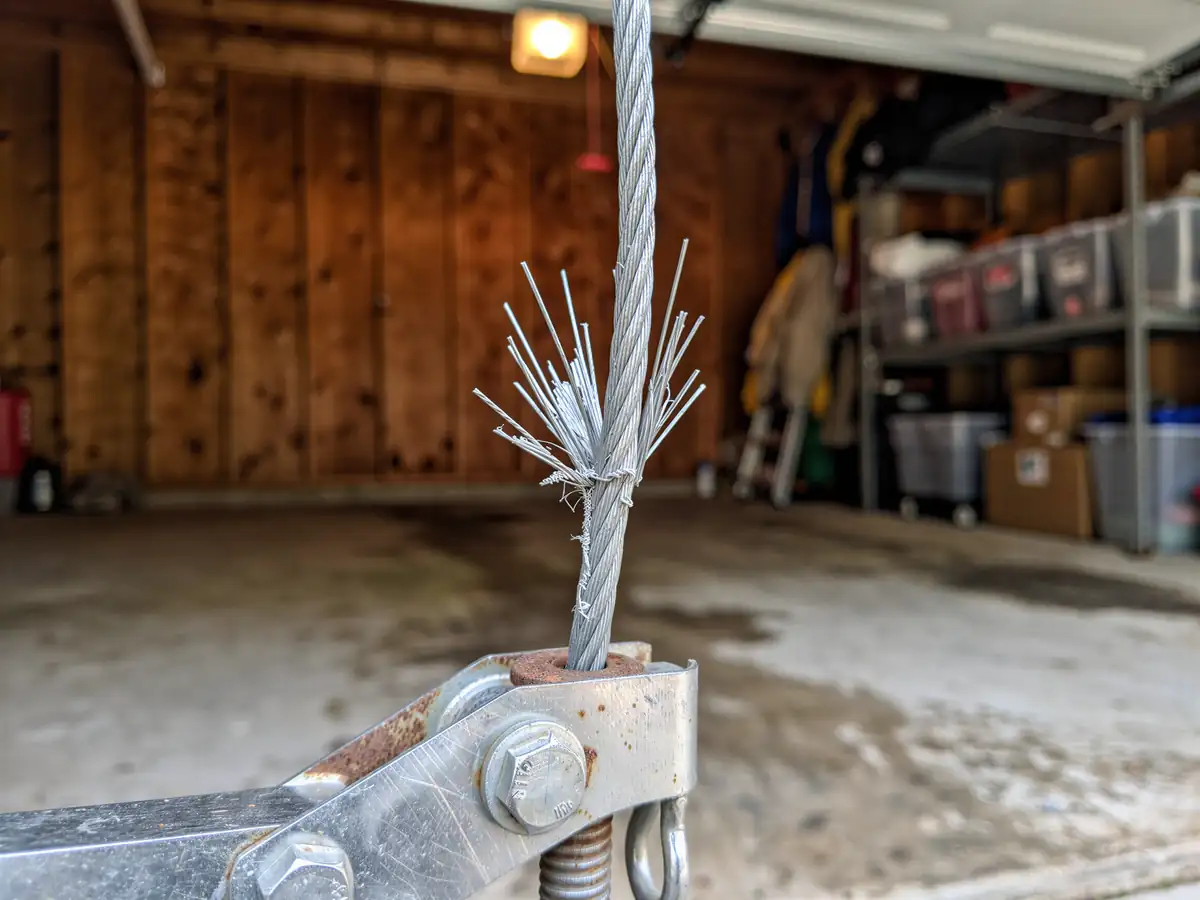
We don't patch a frayed cable with tape or a quick splice - a cable under spring tension that's already showing wear gets replaced outright, both sides, even if only one side looks bad. On the older drum setups common in Kearny's 1952-era garages, we check the drum grooves for wear before we restring, because a worn drum will shred a brand-new cable in a matter of weeks. If the spring itself is original or close to it, we flag that too; a cable failure on a door this old is often the first visible sign that the spring is near the end of its life, and replacing one without looking hard at the other is how you end up back out here in a month. We test the door's balance after the cable is back on, not just the opener's force settings, since a door that's out of balance will eat a new cable almost as fast as the old one.
Parts We Carry
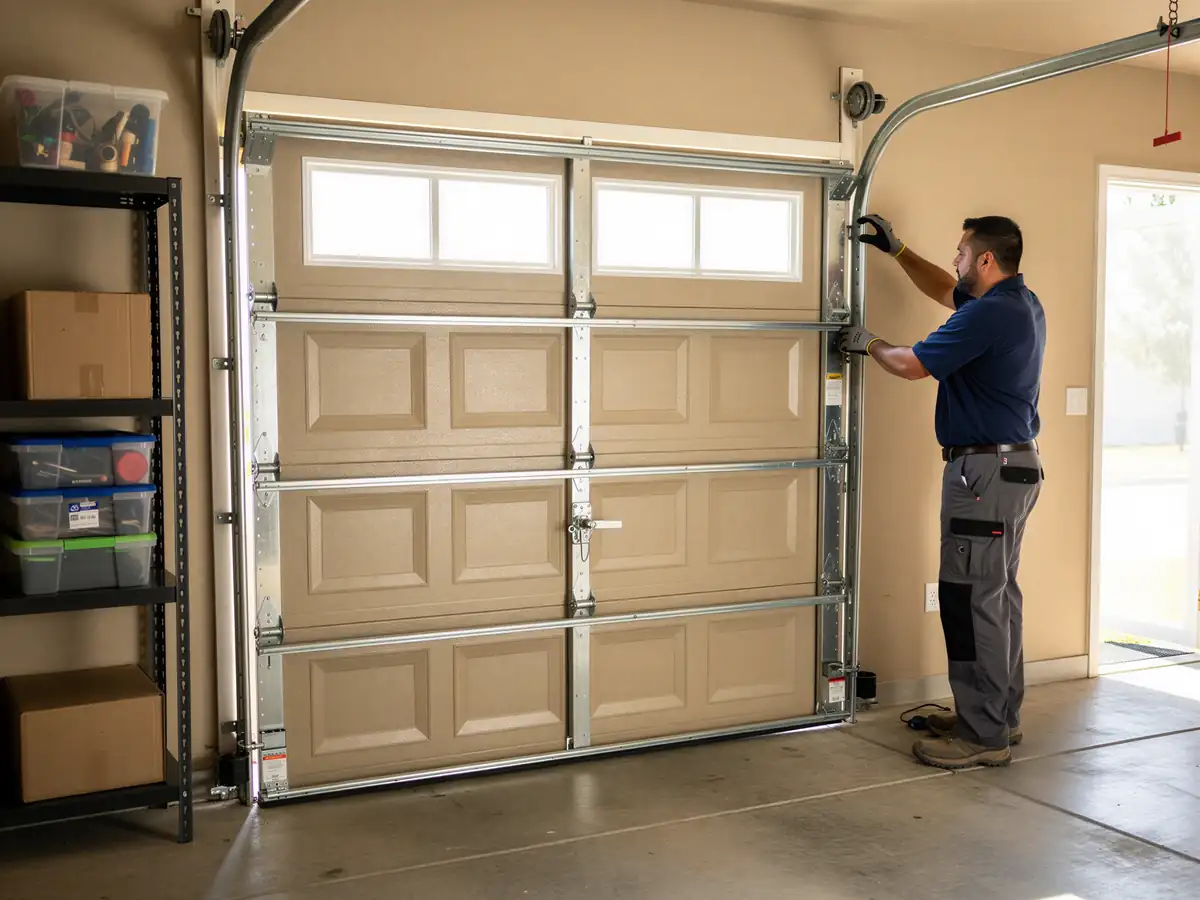
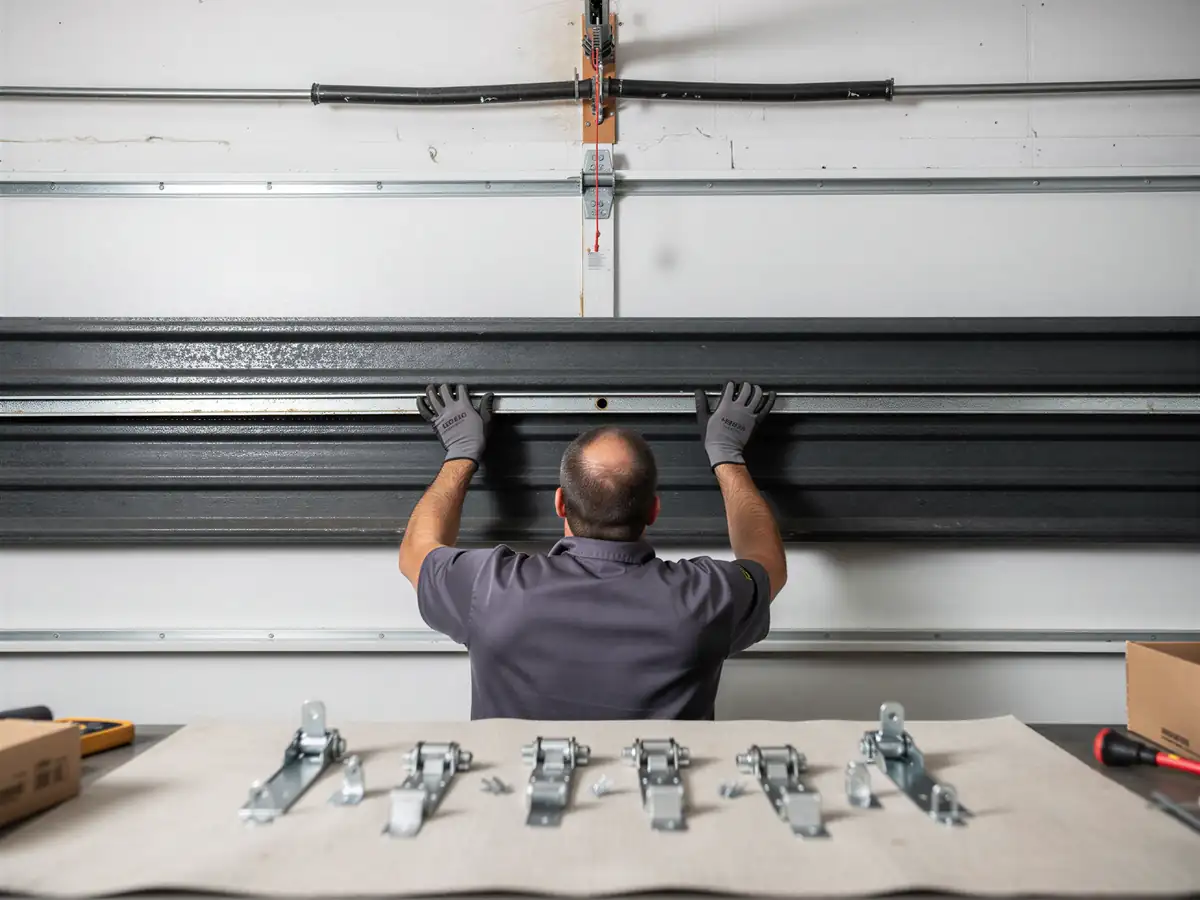
We stock standard galvanized lift cables in the gauges that match both older drum-and-cable systems and newer torsion setups, along with the drums, end fittings, and safety cables that come with a full cable job. Given how much of Kearny's housing dates to the early 1950s, we carry parts sized for the older torsion hardware that's less common on newer builds, not just the current standard sizes you'd find on a door installed in the last decade. One honest limit here: if a door needs a specialty cable drum that isn't a stock size - which happens on some of the oldest or custom doors - that part isn't something we carry on the truck, and we'll tell you up front if your job needs an order instead of a same-visit fix.
Where This Job Goes Sideways
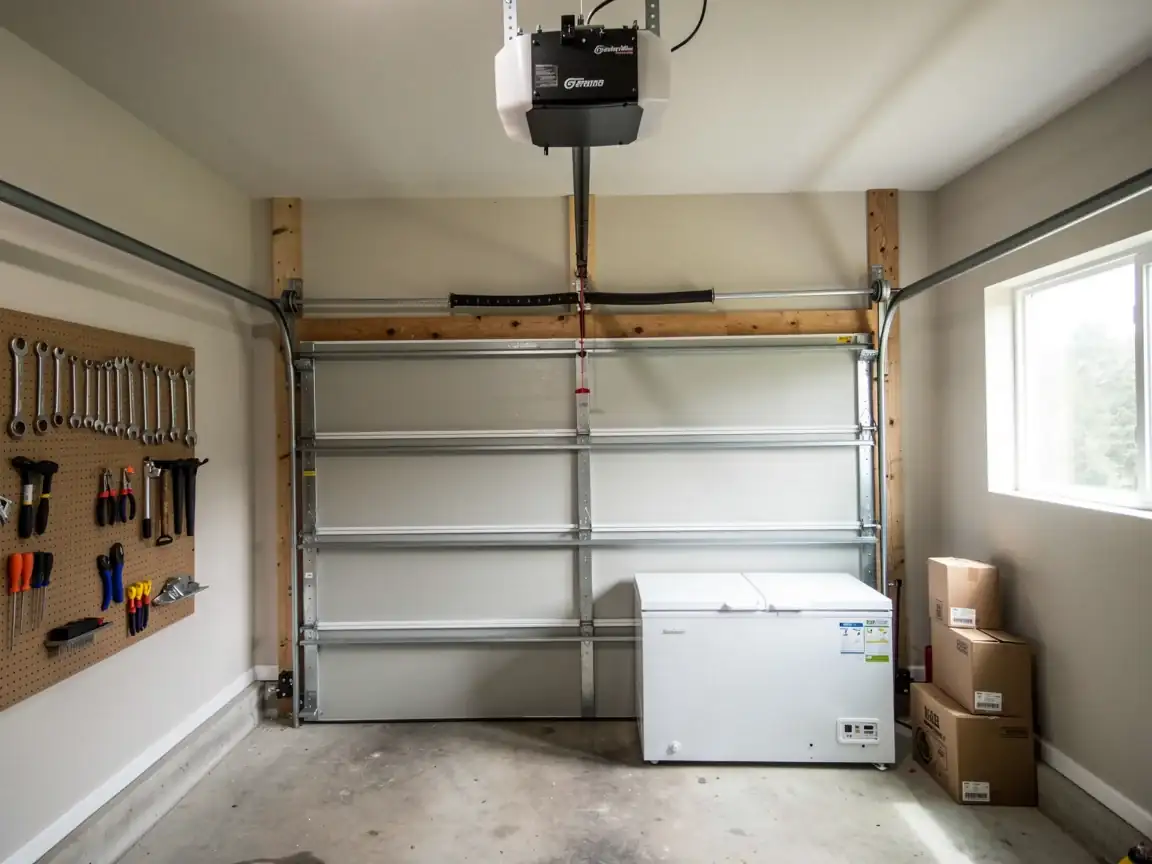
A cable job turns into a bigger job fast when the drum itself is worn or the wrong size for the cable, which we see more often on the original equipment still hanging in a lot of Kearny's older garages. If the torsion spring is original to a house built around 1952, it's had seven decades to fatigue, and a cable replacement can be the moment that spring finally lets go too - we'd rather tell you that's a real possibility before we start than surprise you mid-job. It also gets complicated on doors where a previous repair used a cable that doesn't match the drum pitch; that mismatch wears both parts faster and isn't always visible until we've got the door open. None of this is common, but on housing stock this age, it isn't rare either.