Serving Newark, NJ & nearby
(973) 291-0751
Newark, NJ

Why Your Safety Sensors Keep Drifting in Newark

Newark's pre-1960 housing stock and severe cold climate push garage door safety sensors out of alignment every winter. Here's why, and what to check yourself.

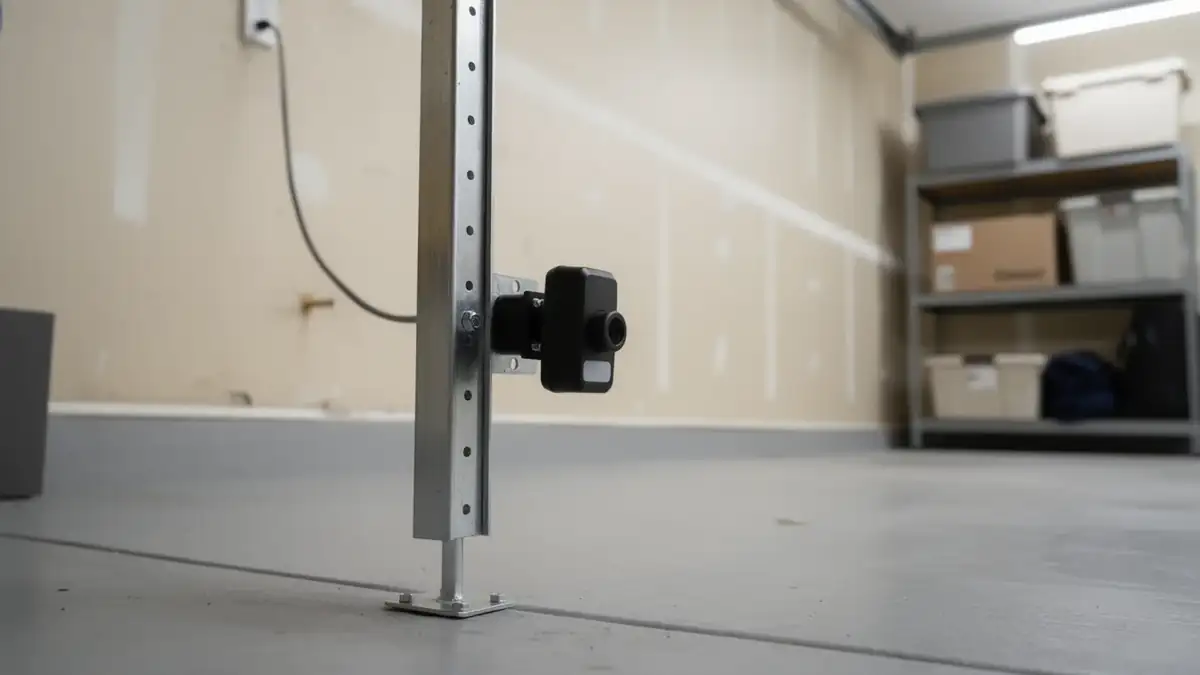
A black security camera is mounted on a metal support beam in a garage.

What the Weather Here Does to It

Newark sits in a severe cold climate band, and that matters more for your sensors than people think. The eyes on either side of the track bolt to a bracket, and that bracket is only as stable as whatever it's fastened to - wood jamb, masonry, or a thin strip of trim added later. When the ground freezes and thaws through a Newark winter, concrete slabs heave slightly, door frames shift with moisture, and a sensor that was dead-on in October can be a half-inch off by February. You won't see it happen. You'll just notice the door refuses to close, or closes and reverses halfway down for no visible reason. That's usually not a broken sensor. It's a sensor staring past its partner instead of straight at it, because the structure around it moved a fraction of an inch. Condensation plays a role too - cold glass lenses fog on humid mornings, and the opener reads that fog as an obstruction. None of this is a defect in the sensor itself. It's what cold-climate framing does to anything bolted to it twice a year, every year, for as long as the house has stood.

Checking It Yourself

Start by looking at the two small boxes near the bottom of each track, roughly six inches off the floor. Each has a tiny LED. One should glow steady, the other should glow solid when they're looking at each other - check your opener's manual for which color means aligned, since it varies by brand. Wipe both lenses with a dry cloth; dust and cobwebs collect there more than you'd expect in a garage that isn't sealed tight. Next, crouch down and sight along the beam line - if one bracket looks tilted or the mounting screws look loose, that's your culprit, not the electronics. Loosen the wing nut or screw holding the bracket, nudge it gently until both LEDs read solid, then retighten. Test the door three times before you call it fixed. If the lights go solid but the door still won't close, the problem has moved past the sensors into the opener's circuit board or the wiring between them, and that's past what a tightened bracket will solve.

The Seasonal Bit

Here's the part that's specific to this city rather than garages in general. Most of the housing in Newark's service area was built between 1938 and 1996, with a median build year of 1958, and federal law didn't require safety sensors on garage door openers until 1993. That means on a huge share of these houses, the sensors were never part of the original structure - they were added years, sometimes decades, after the door and frame were already settled into their final shape. The bracket got mounted onto whatever wood or masonry existed at install time, not onto anything designed to hold it. Across the 156 named areas that make up this territory, pre-1960 construction is the rule, not the exception, so this isn't a problem limited to one block - it's baked into the age of the housing stock itself. Add Newark's severe cold winters on top of that older framing and you get a predictable seasonal pattern: sensors that held alignment fine all summer start drifting as soon as the first hard freeze sets in, then settle again once spring thaw is done.
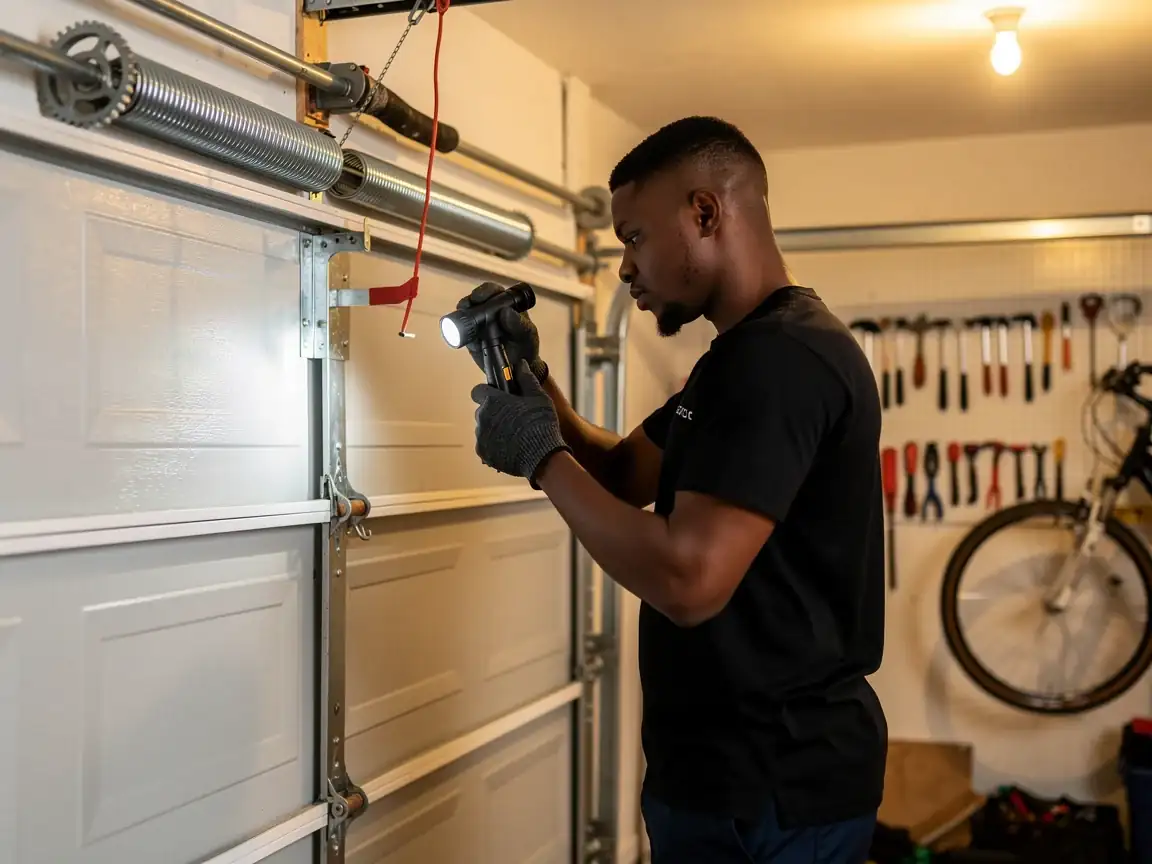
The Problem

Realigning a bracket is a five-minute fix when the jamb underneath it is sound. It's not a fix when the jamb itself has shifted permanently - cracked, rotted at the base, or pulled away from the slab after years of freeze-thaw in a house built before 1960. In that case you can nudge the sensor straight today and it'll walk out of true again by next winter, because the wood it's screwed into keeps moving. We'll tell you straight if that's what we're looking at rather than charging you for the same alignment call twice a year. Sometimes the honest answer is a new bracket mounted to a solid point, not a repeat visit. We don't rewire houses or touch anything behind the wall - if the issue traces back into the opener's internal wiring rather than the external sensor run, that's a call for whoever installed the opener's electrical, not us.

How it works

From “it’s stuck” to “it’s fixed”

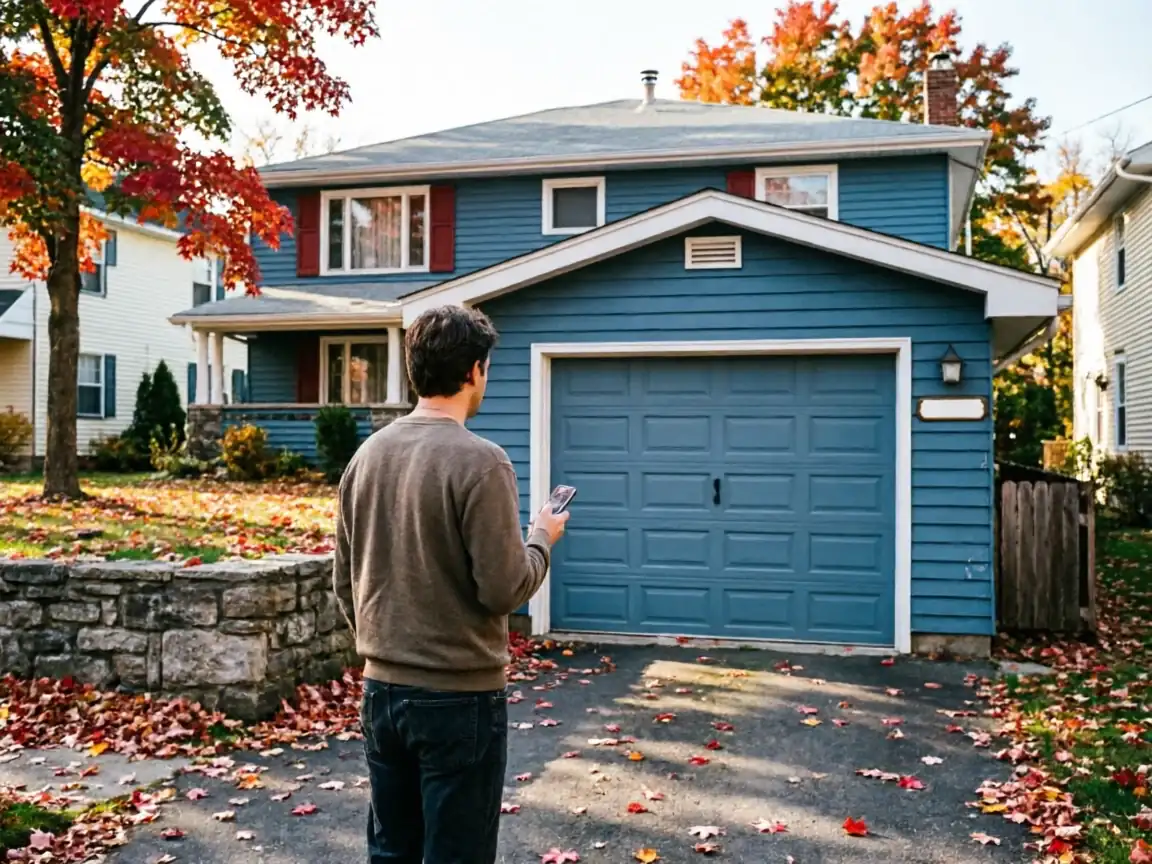
A man stands in a driveway looking at a blue garage door on a blue house.

Tell us what’s wrong

Describe the symptom - won’t open, loud bang, opener runs but the door won’t move.

A technician shines a flashlight on the garage door's top panel and roller.

On-site diagnosis

A technician tests the door under power and by hand and finds what actually failed.

A technician talks to a woman in front of a brick house with an open garage.

Clear, up-front plan

You get the fix that’s needed and what drives the cost - before any work starts.

A technician adjusts a garage door opener control panel on a wall.

Repaired & tested

The repair is done, the door is set true and tested, and the work area left clean.

Not sure which repair your door needs in Newark, NJ? Describe what it’s doing - every job starts with a diagnosis.

How we work

What to expect

Diagnosis firstEvery visit starts by finding what actually failed - not a pre-written parts list.
The right part for the doorSprings and openers matched to the door’s weight and age, so the fix holds up.
Straight answersWhen a repair makes more sense than a replacement - or the reverse - you hear it plainly.
Clean, careful workTension released safely, hardware set true, the door tested under power before we leave.
What we do

Garage Door Services

Repair and installation work for Newark homes and businesses.

A technician adjusts a brown garage door with a tool.

Garage Door Repair

Broken spring, stuck opener, or dead track on a Newark garage door. We work on the pre-1960 doors and hardware common across Newark's older housing stock.

Learn more
A technician in a blue shirt is working on a tan garage door with windows.

Garage Door Installation

Newark homes built mostly before 1960 carry original hardware that wasn't made for today's openers. We install doors sized and sealed for this city's housing stock and winters.

Learn more
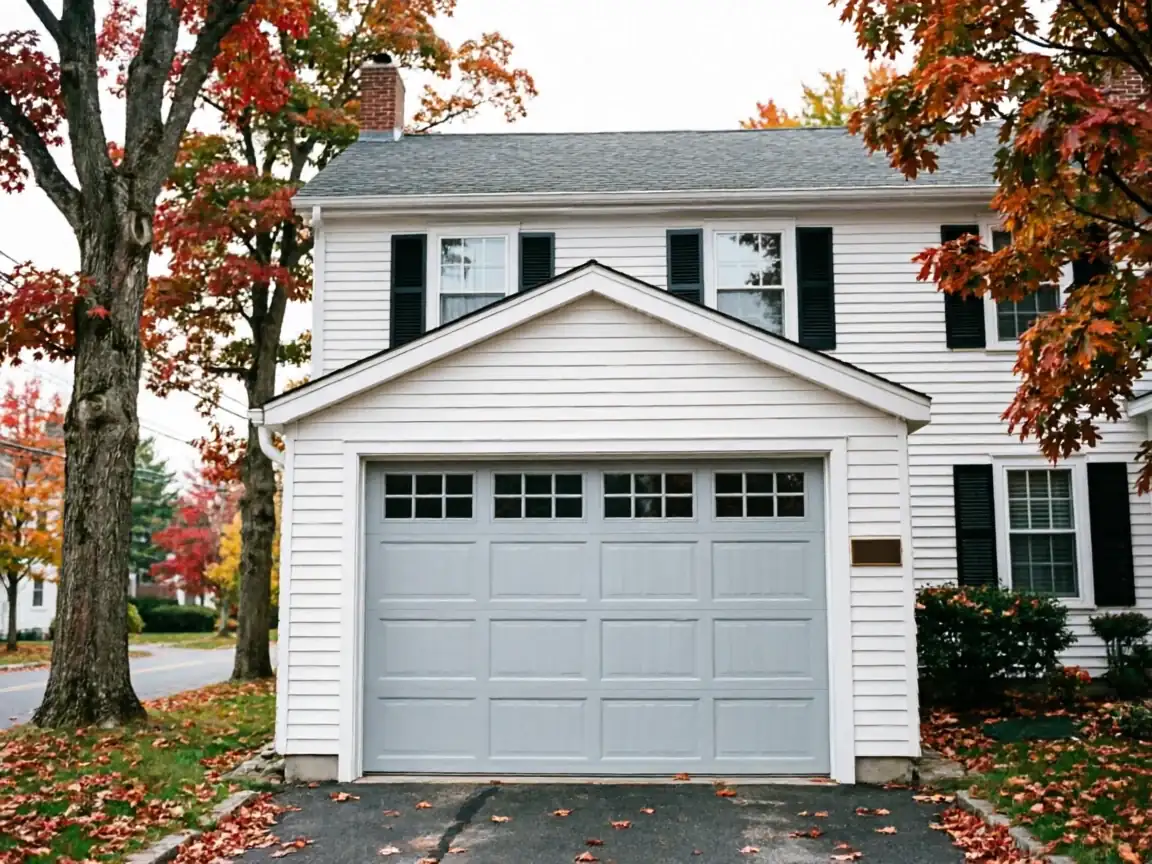
A white house with a light gray garage door and black shutters.

Garage Door Service

Garage door won't open or makes a grinding noise? Newark Garage Door Pros diagnoses and repairs doors on Newark's older housing stock, built mostly before 1960.

Learn more
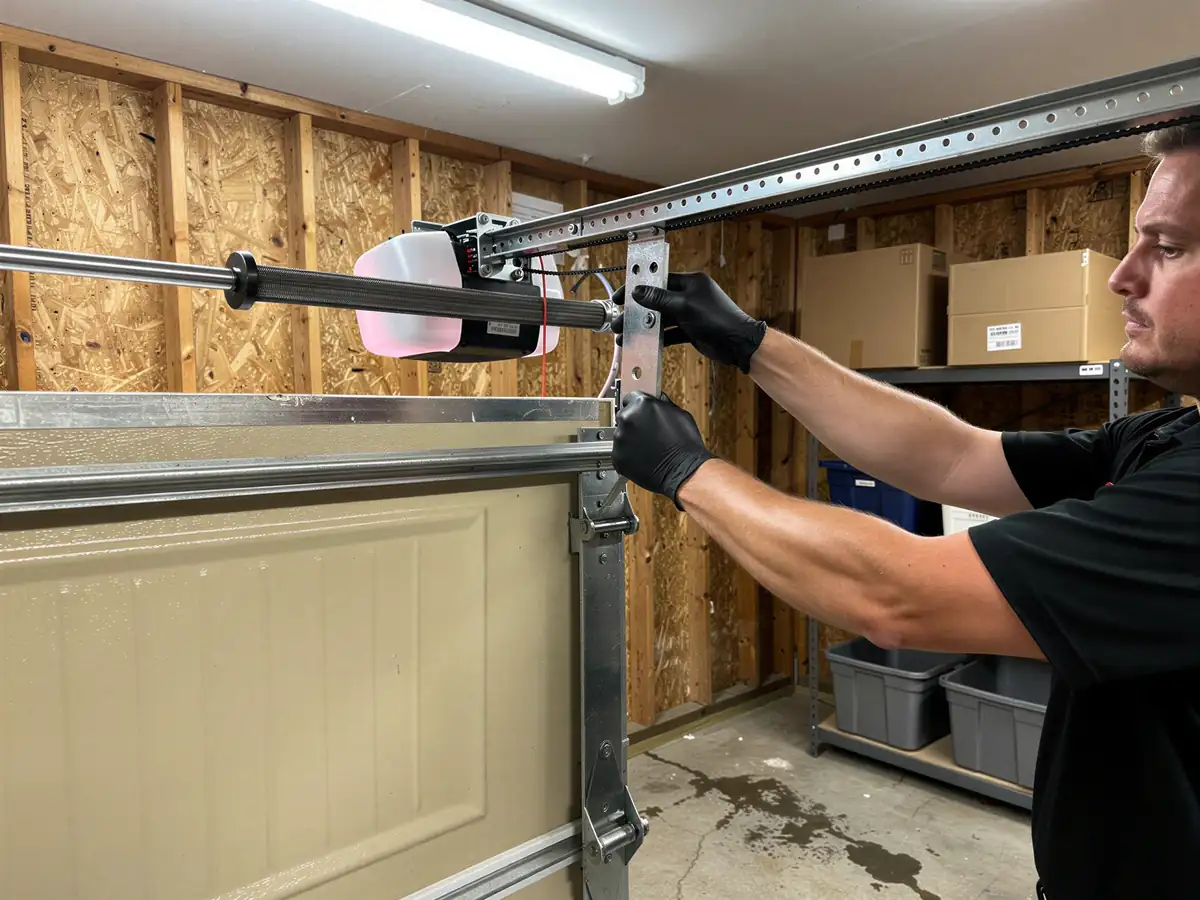
A technician in black gloves adjusts the garage door opener rail.

Opener Installation

Opener replacement and install for Newark homes built 1938-1996, where old chain drives and cold-weather strain wear out openers fast. Call for a quote.

Learn more
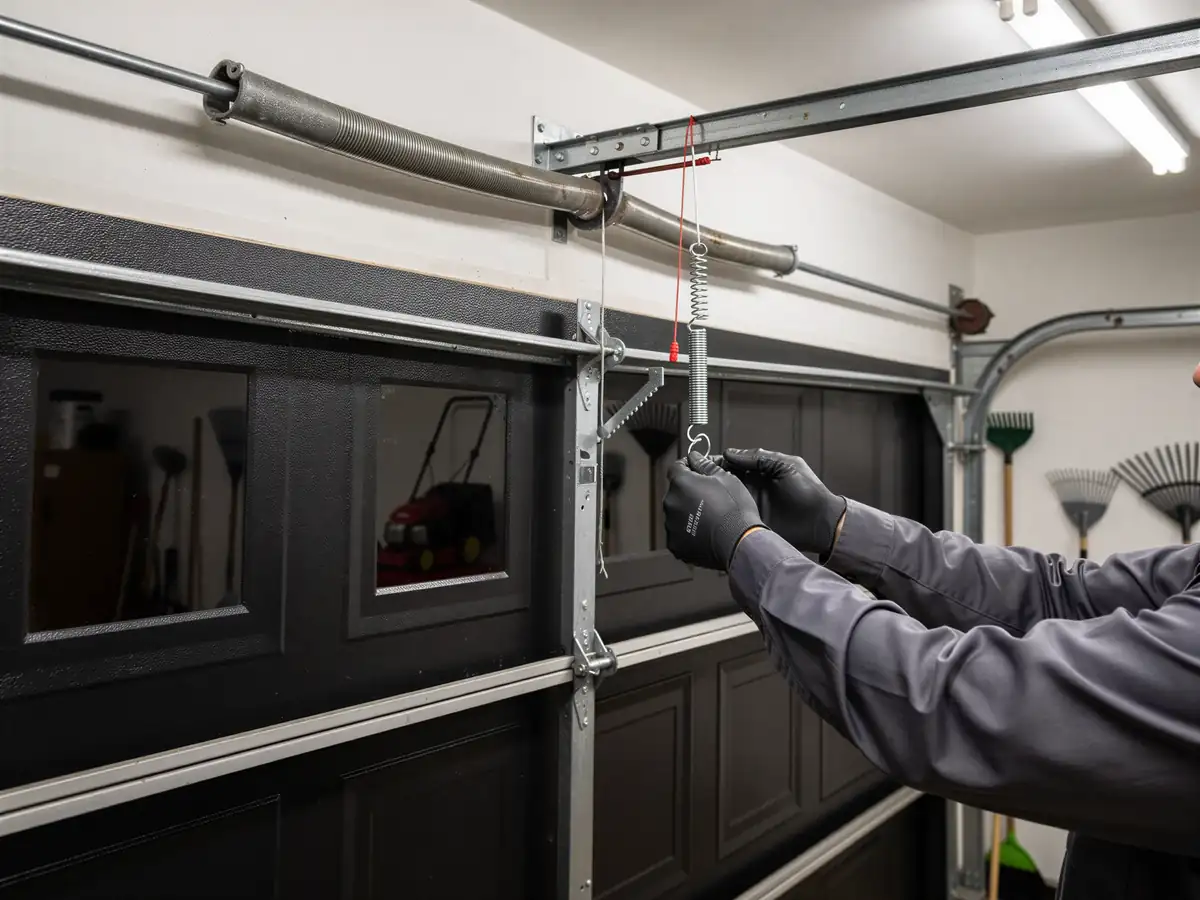
A technician in black gloves is working on a garage door spring.

Spring Repair

Broken torsion or extension spring on your Newark garage door? We explain why it happens, how we fix it, and what it costs in this area's older housing stock.

Learn more
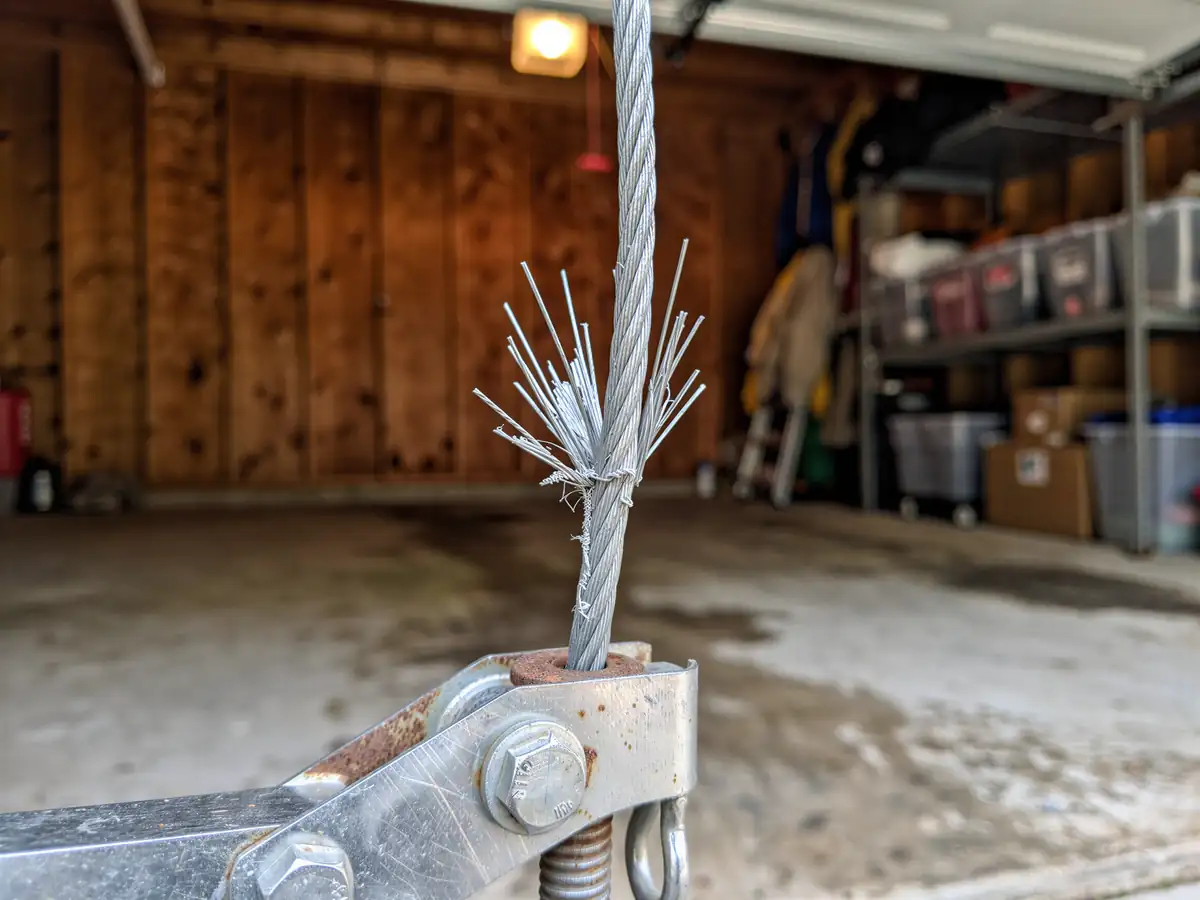
The frayed garage door cable is attached to a metal bracket in a garage.

Cable Repair

Snapped or fraying garage door cables in Newark, NJ. Why it happens so often in pre-1960 housing stock and cold winters, and what the fix actually involves.

Learn more
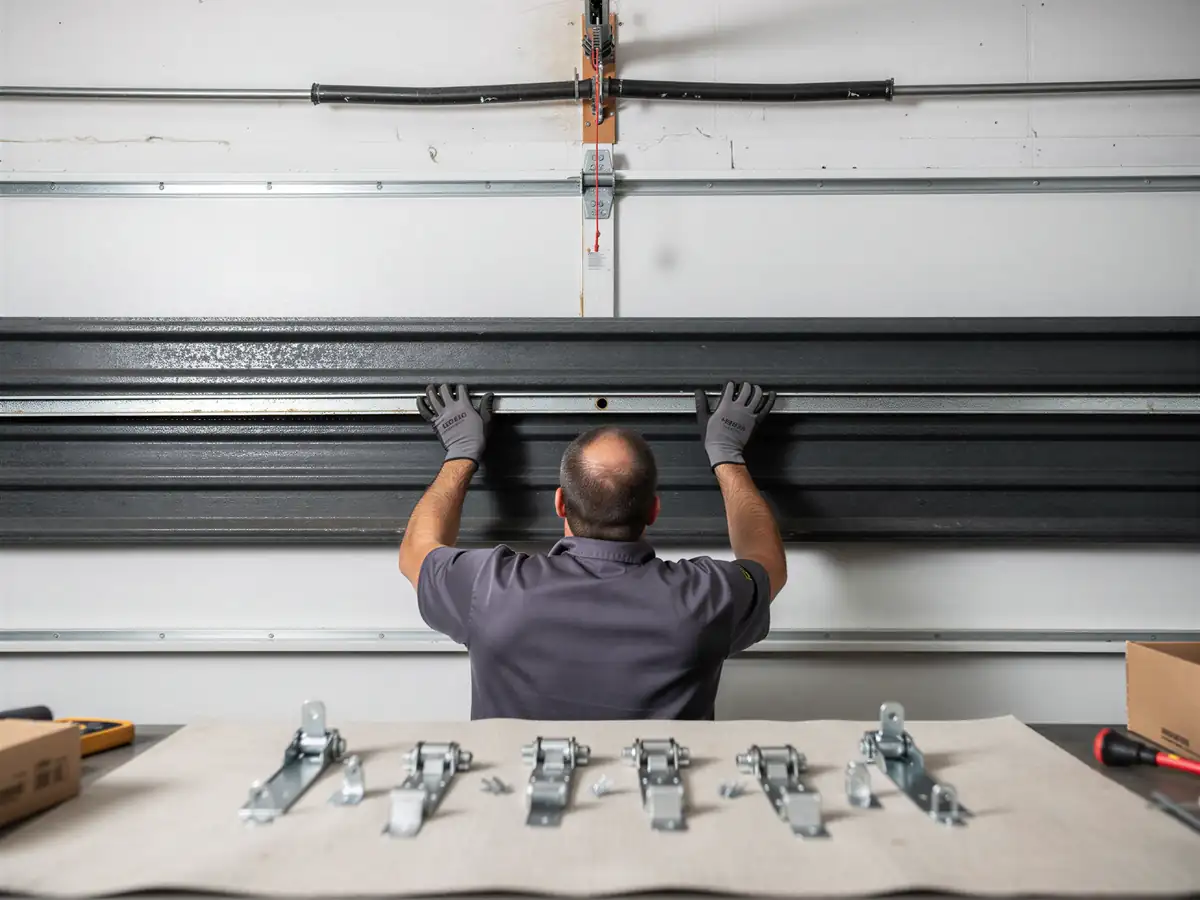
A technician installs a black garage door panel with new hinges on a table.

Panel Replacement

Dented or cracked garage door panels are common on Newark's pre-1960 housing stock. We match panels on older doors and explain when replacement beats a patch job.

Learn more
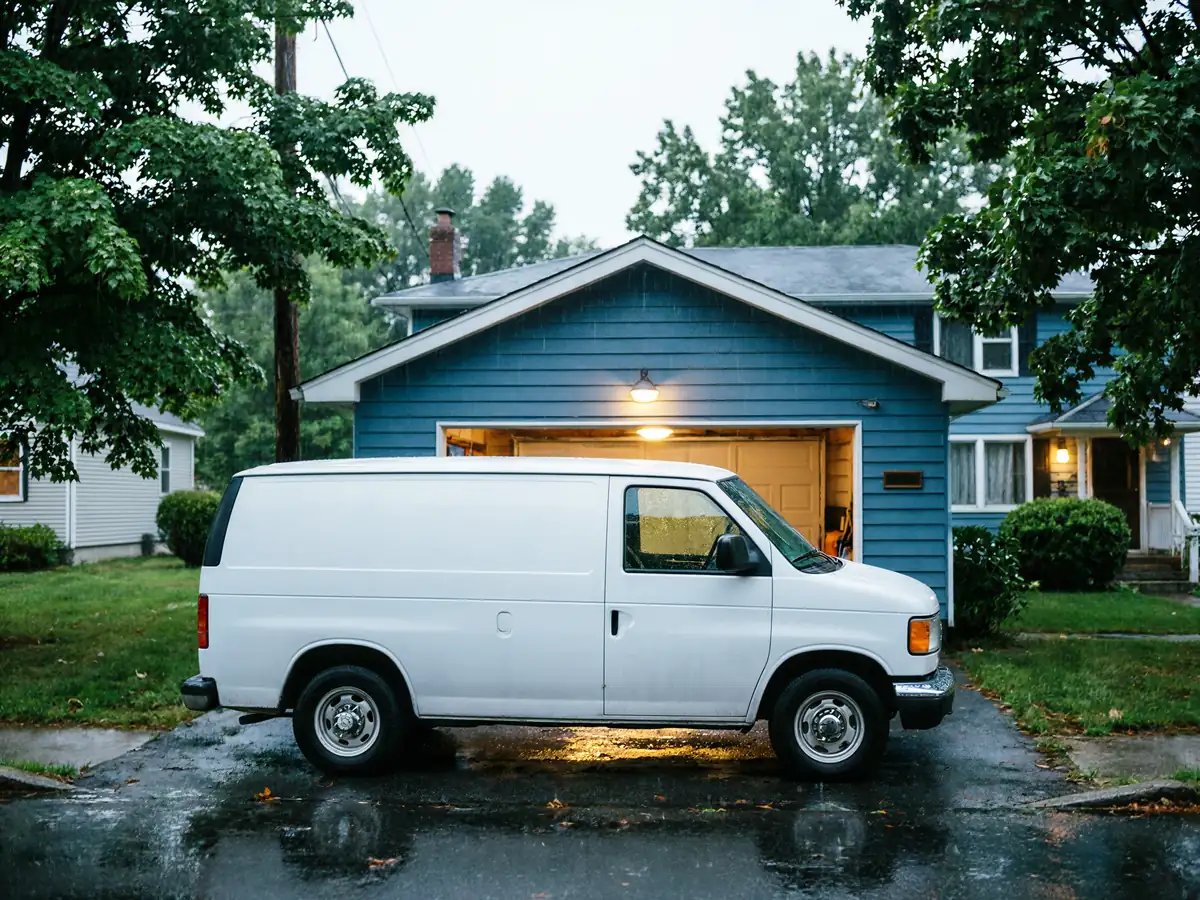
A white van is parked in a wet driveway in front of a blue house.

Emergency Garage Door Repair

Broken spring or jammed door in Newark tonight? We fix the faults common to Newark's 1938-1996 housing stock and cold-climate hardware wear across the area.

Learn more
Questions

Frequently asked

Straight answers about garage door repair in Newark. Still unsure? Ask us directly.

Why does my garage door only act up in winter?

Newark's severe cold climate puts real freeze-thaw stress on the slab and frame your sensor brackets are mounted to. On older houses, especially the pre-1960 stock common across this service area, that movement is enough to knock a sensor's aim off by the time the first hard freeze hits, even though nothing visibly broke.

My sensors have solid lights but the door still won't close. What's wrong?

If both LEDs read aligned and the door still reverses, the fault has likely moved past the sensors themselves into the opener's internal circuit or the wiring between units. That's beyond a bracket adjustment and usually needs a look at the opener directly.

Is it normal for a house this old to not have had sensors originally?

Yes. Most homes in this area were built between 1938 and 1996, well before the 1993 federal requirement for garage door safety sensors. On those houses the sensor brackets were added later, often onto framing that was never meant to hold them, which is part of why alignment issues show up more here than on newer construction.

Ready to get your garage door sorted?

Request a QuoteCall