What We Do Not Do
We don't keep a crew stationed in West Orange
We run out of Newark, about 6 miles east, and we're upfront about that: if you need a same-hour emergency call on a holiday weekend, we may not be the fastest option on the road. What we do is show up with the right parts for the job once we're there, because we know what's waiting behind most of these doors before we open the truck.
- 6 miles
We also don't try to sell a full replacement when a repair holds up
If your spring, cable, or roller set has failed but the door and track are sound, we fix what's broken and leave the rest alone. And we don't install doors we can't service down the road - no off-brand units with parts nobody stocks.
One honest limit: if a panel is custom-sized to a non-standard opening
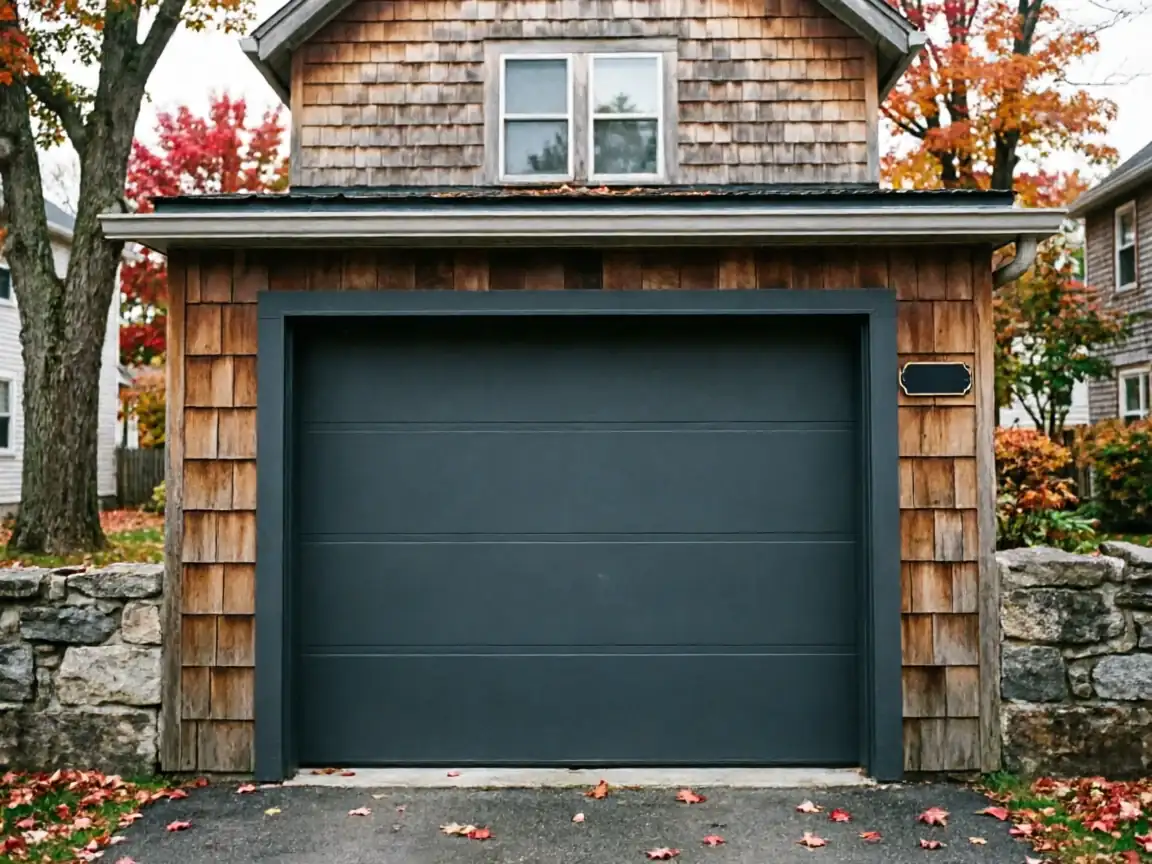
Which turns up now and then in older West Orange construction, we may need to order material rather than carry it on the truck. That adds a day or two, not a same-visit fix.
What Was Built Here
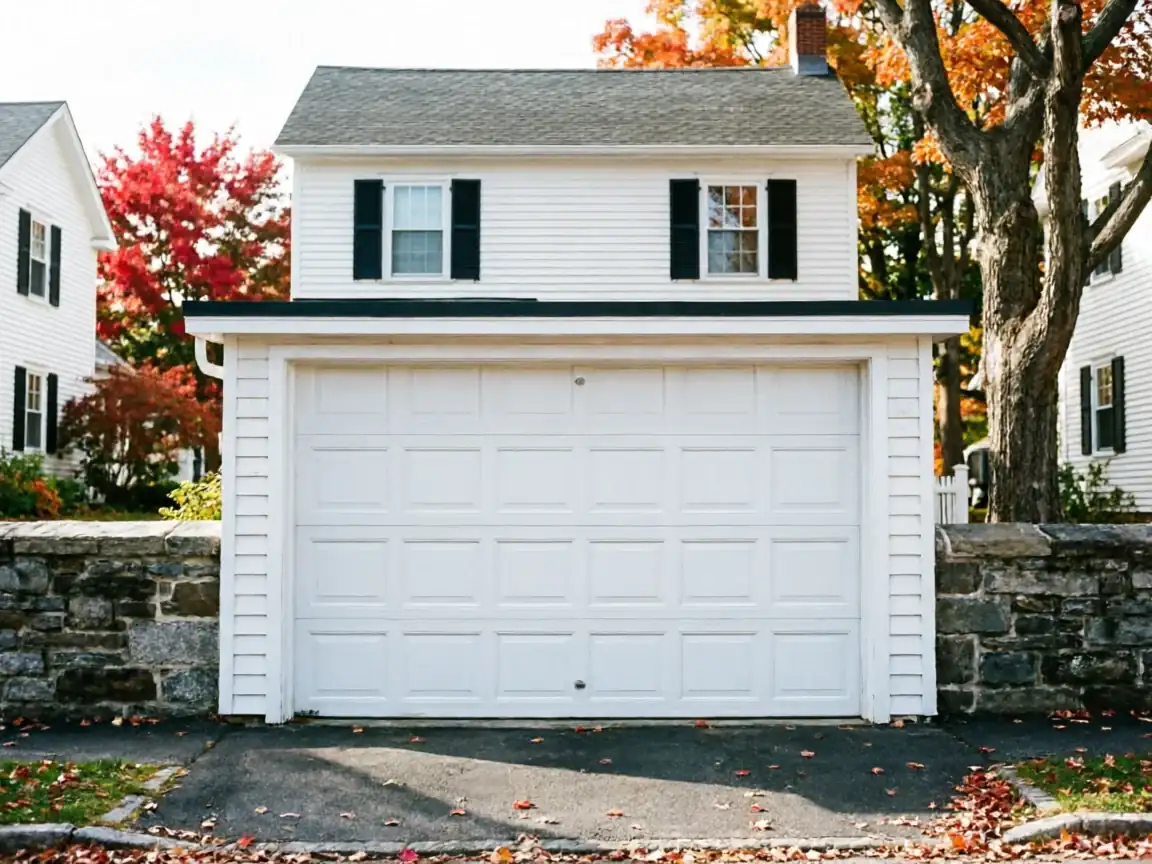
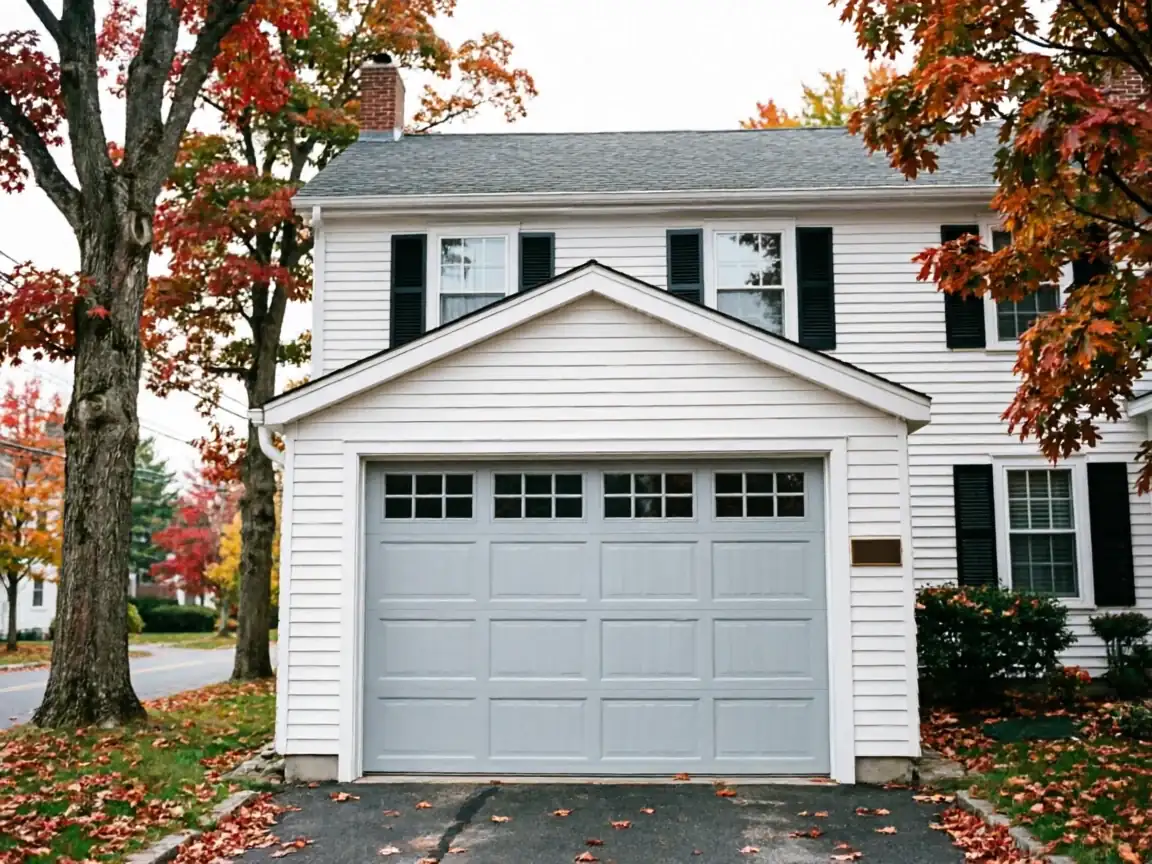
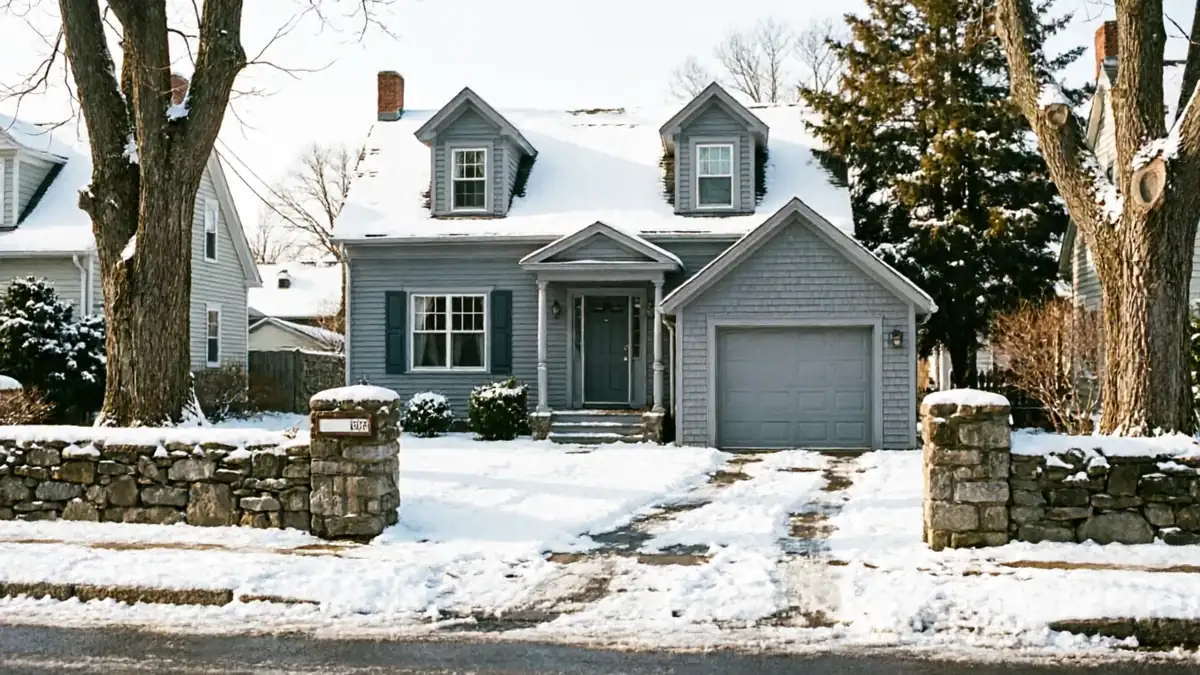
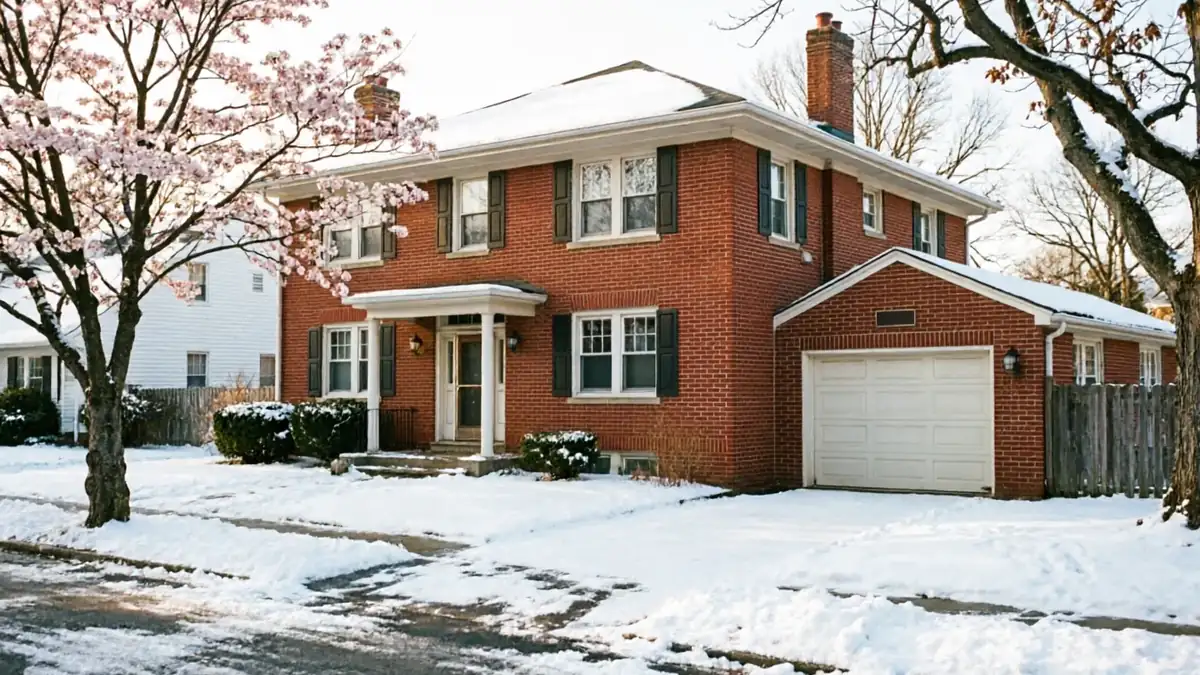
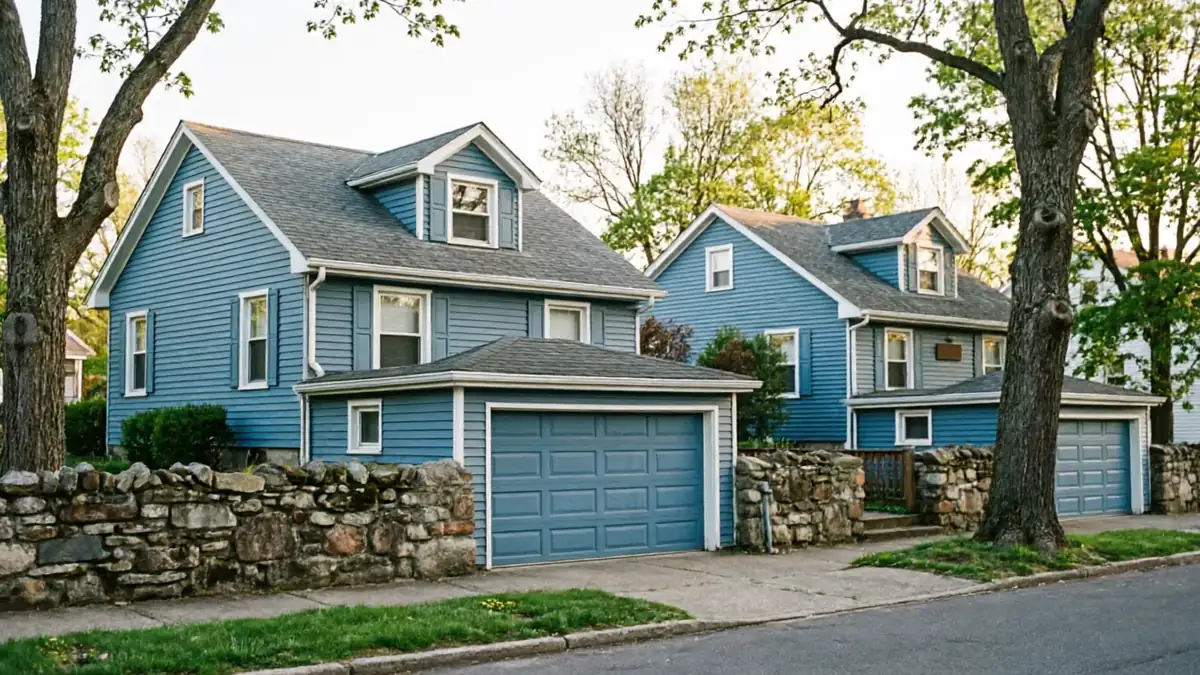
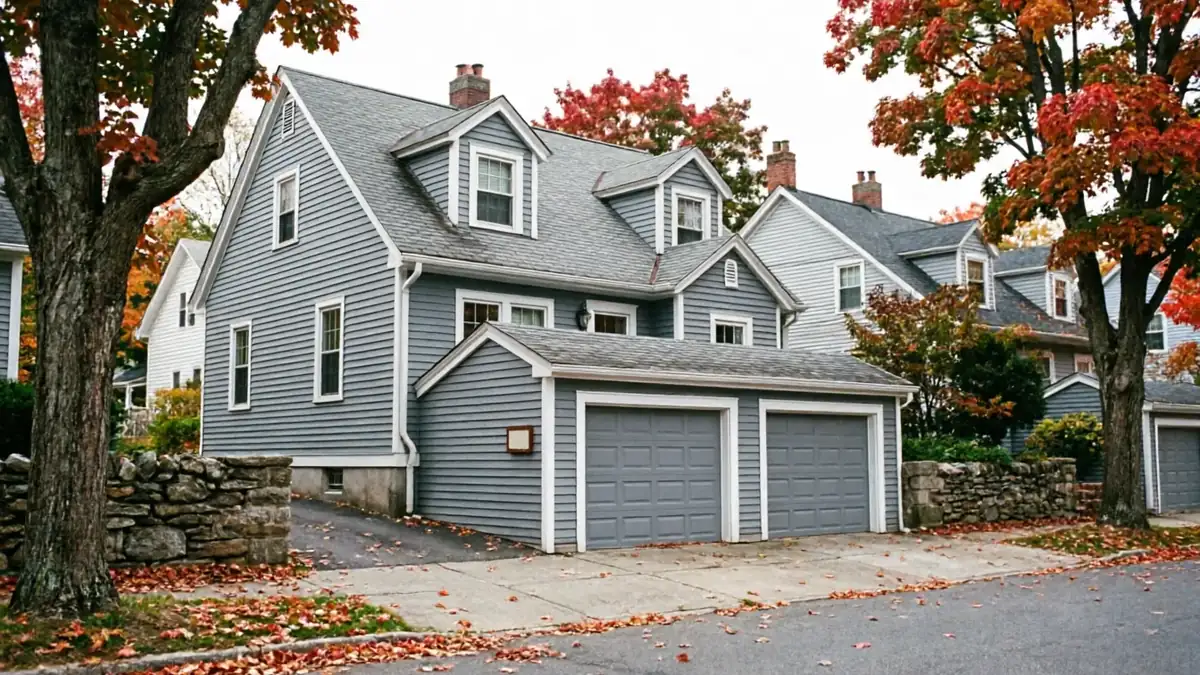
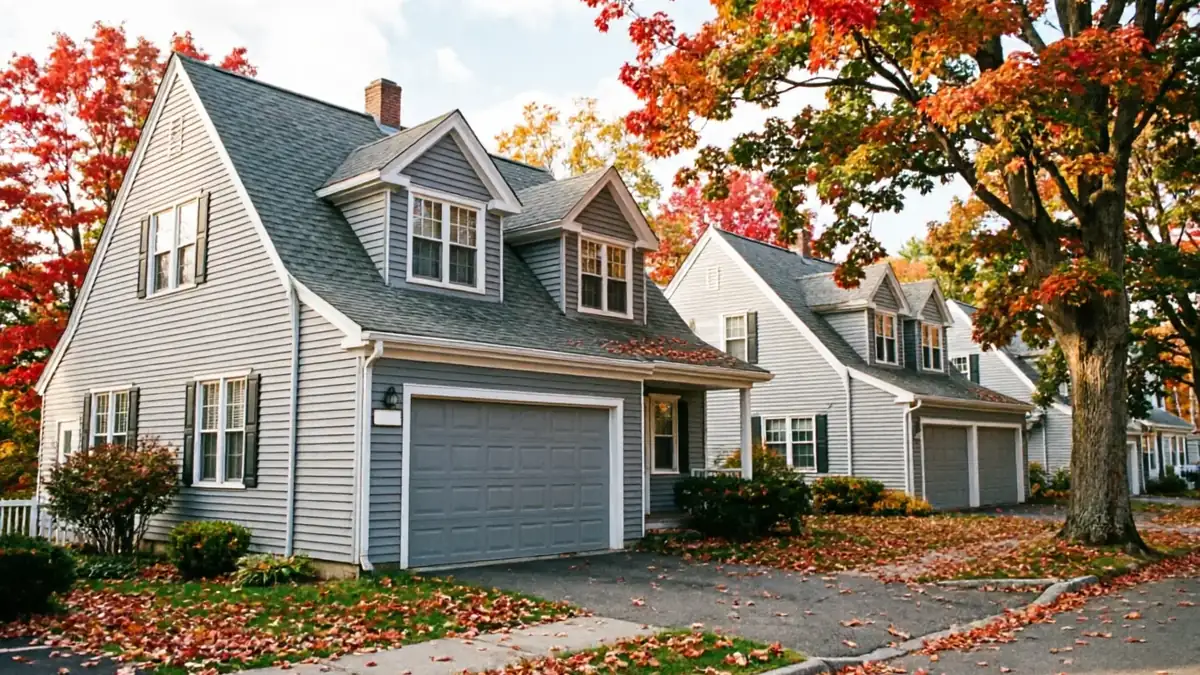
Housing in this part of Essex County runs mostly 1938 to 1996 with a median build year around 1958 area-wide, and West Orange sits right on that line at 1956. That's a tight cluster - it means most of the garage doors we see on these streets were either installed when the house went up or replaced once, decades ago, with whatever matched the opening at the time.
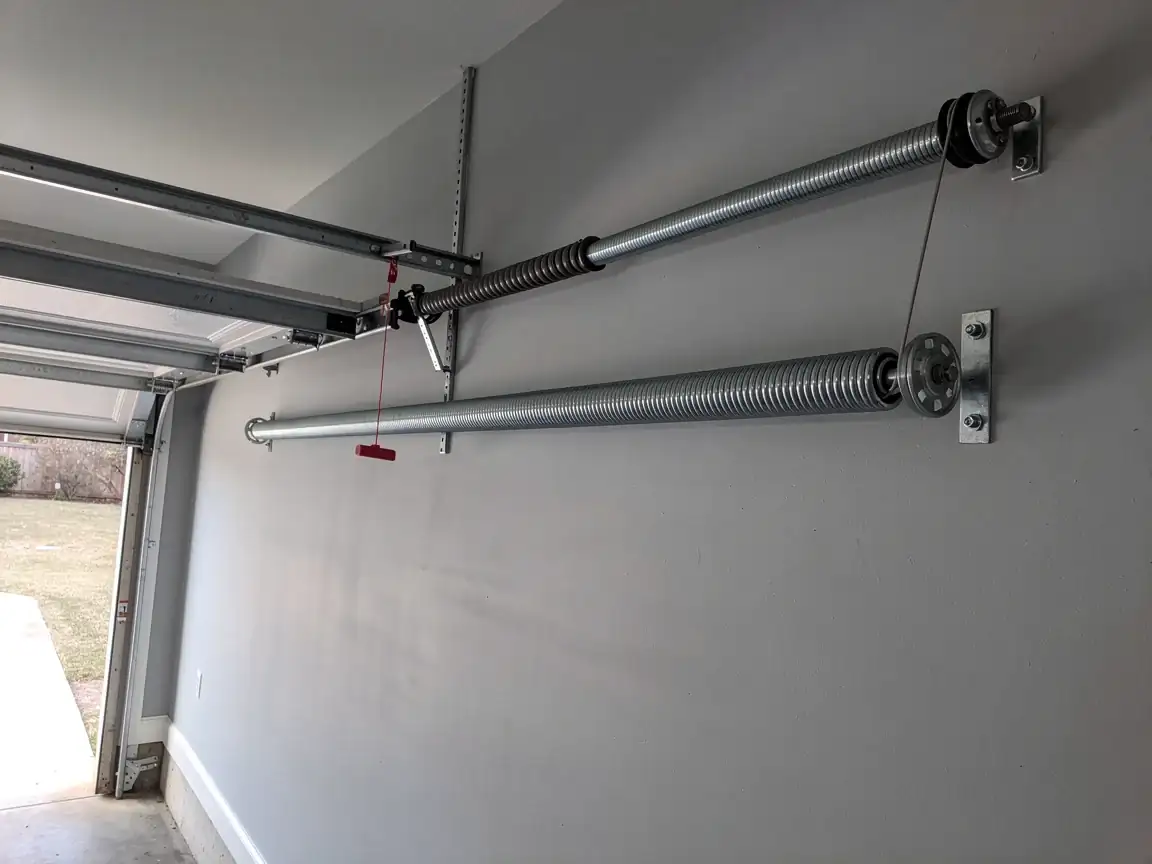
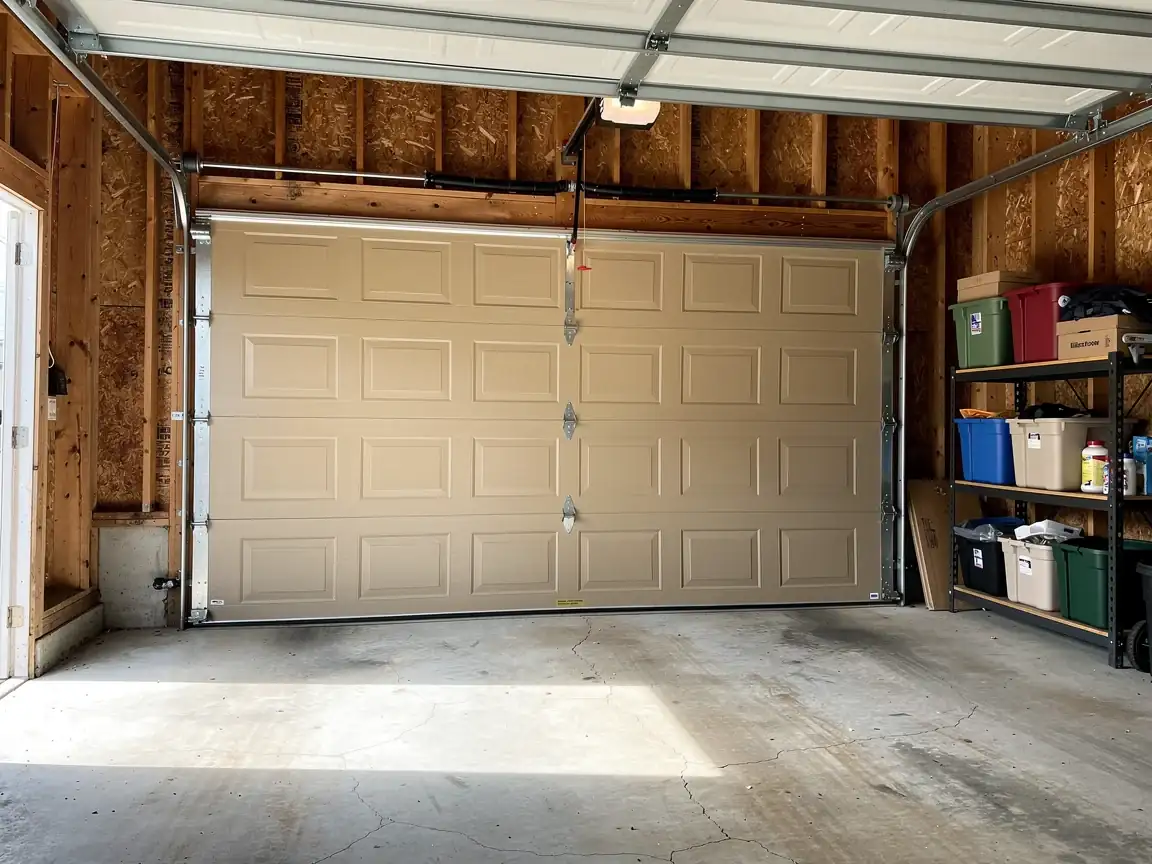
A house built in 1956 almost never came with a modern extension-spring setup on rollers sized for today's steel sectional doors. More often it's an older wood or early steel door on a torsion spring bolted straight to the header, with hardware that predates the galvanized coatings and nylon rollers you'd find on anything sold in the last twenty years. With 17,440 households in West Orange, that's a lot of garages running on 60-plus-year-old bones even where the door face itself has been swapped out once or twice.
What People Here Ring About
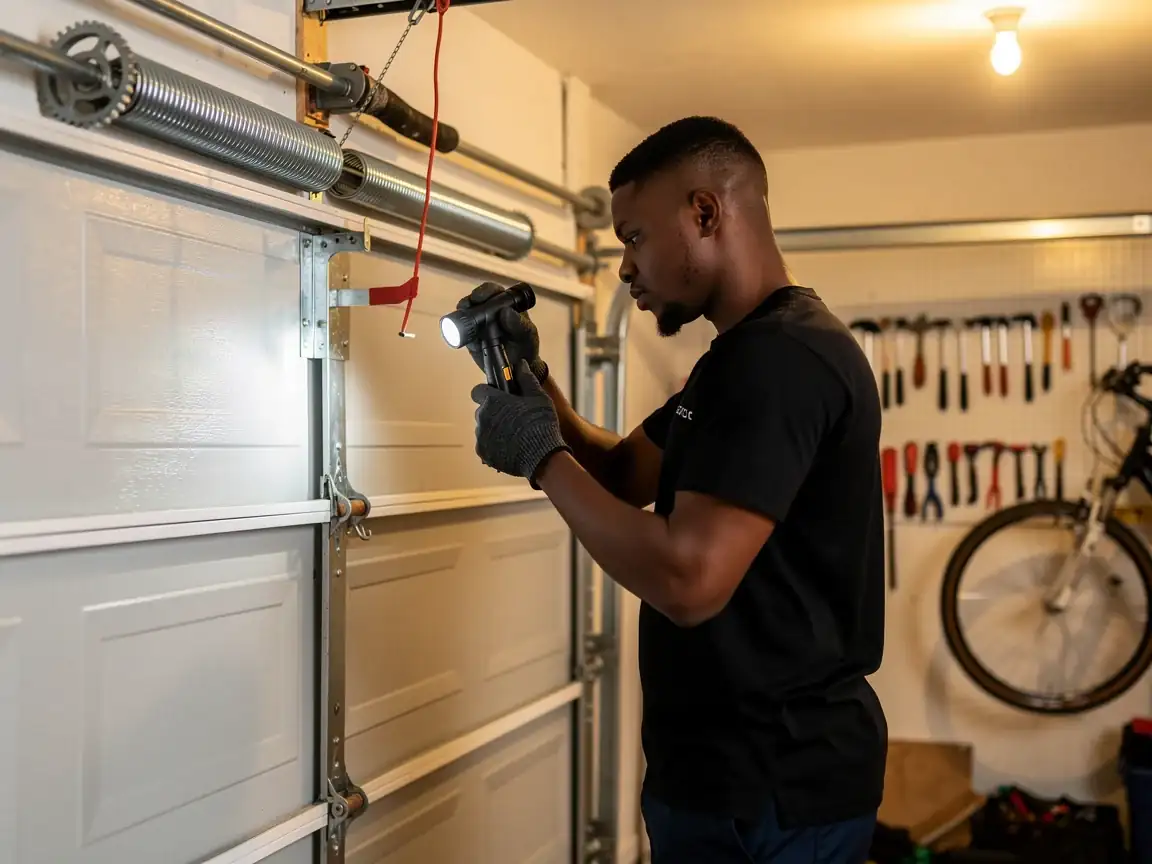
The calls from West Orange skew toward wear, not storm damage. Torsion springs that have cycled tens of thousands of times since a mid-century install finally give out, usually on a cold morning when the steel is stiffest and least forgiving. We also get a steady run of cable and roller failures on doors where the track was never upgraded to match a heavier replacement panel installed somewhere along the way - the hardware and the door stopped matching each other years ago and nobody noticed until it jammed.
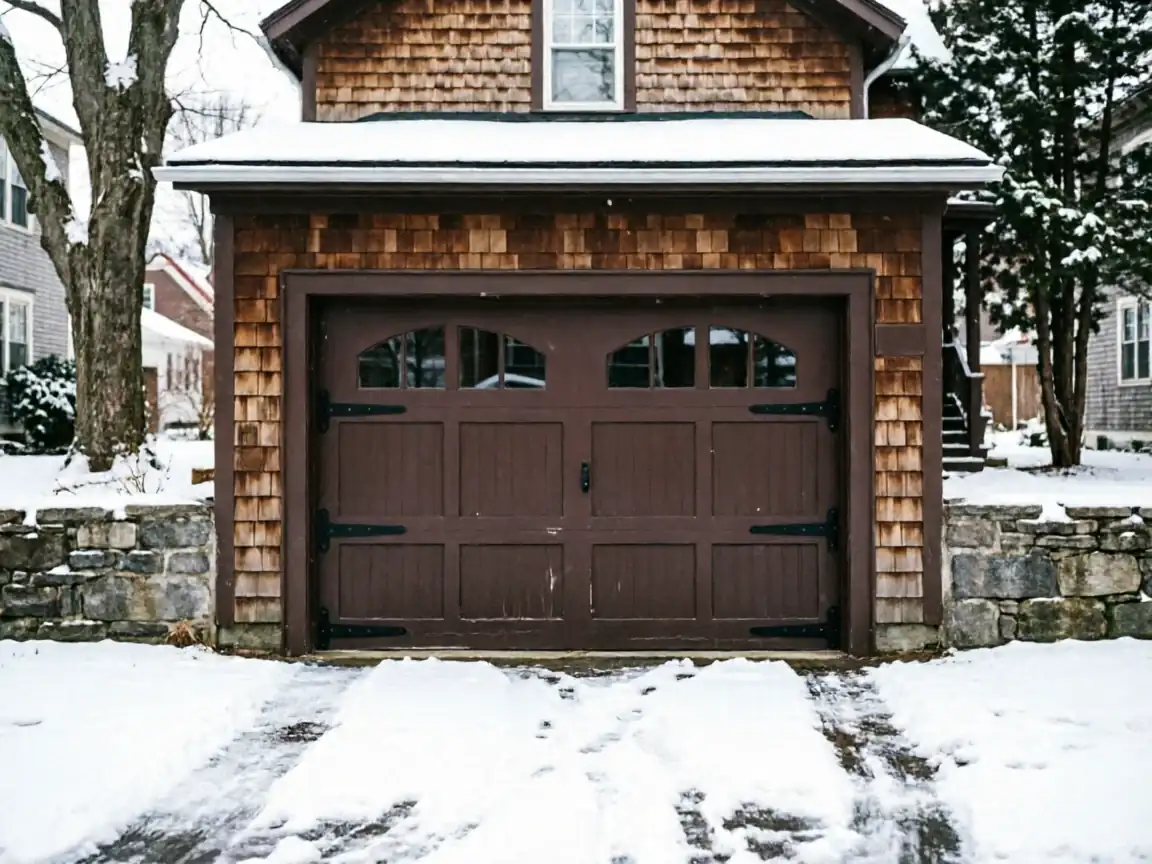
Opener complaints tend to be less about the motor and more about the sensors and the mounting, since a lot of these garages were framed before anyone built to code for photo-eye safety sensors. With a severe cold climate band across this area, metal contracts and expands enough each winter to loosen fasteners and throw tracks out of alignment, which shows up as grinding or a door that won't seat square at the bottom.
What That Means for Doors
If your West Orange house is close to that 1956 median
Expect the repair to involve hardware that doesn't match current stock sizing - we carry adapters and know which springs cross over, but it's worth asking up front rather than assuming a part is universal. Median household income in West Orange runs $131,645, well above the wider area's $120,958, and we see that reflected in more owners opting for a full torsion and track upgrade rather than a patch repair once one component fails, since the house is otherwise staying put long-term.
Cold-climate steel fatigue is the real driver here
A spring rated for a certain cycle count wears faster through repeated winter contraction than the same spring would in a milder zone. If you're hearing a loud bang from the garage on a frigid morning, that's very likely a torsion spring letting go, not an opener fault - and it's not safe to open the door by hand until it's replaced.