Emergency Garage Door Repair for West Orange's Older Doors
West Orange's garage doors mostly date to the 1950s, with hardware that doesn't match today's stock. We run from Newark, 6 miles out, with parts sized for these older doors.
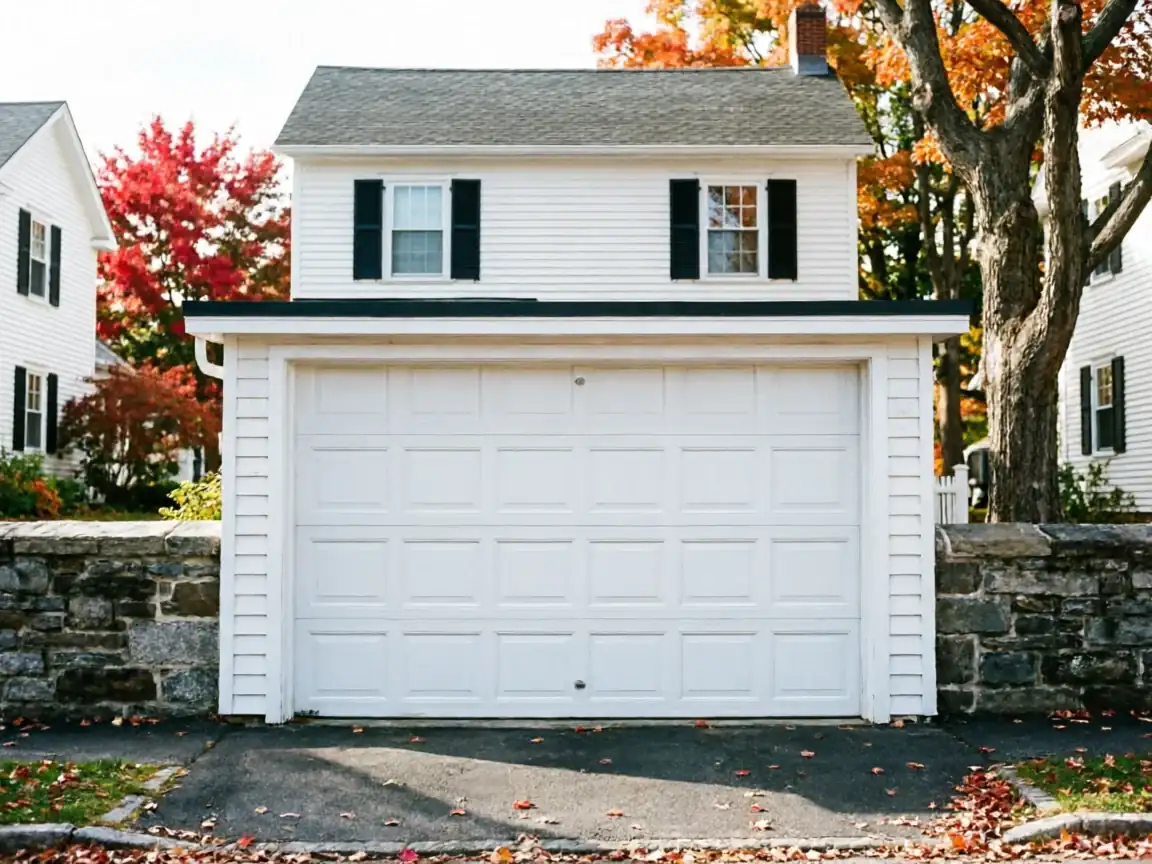
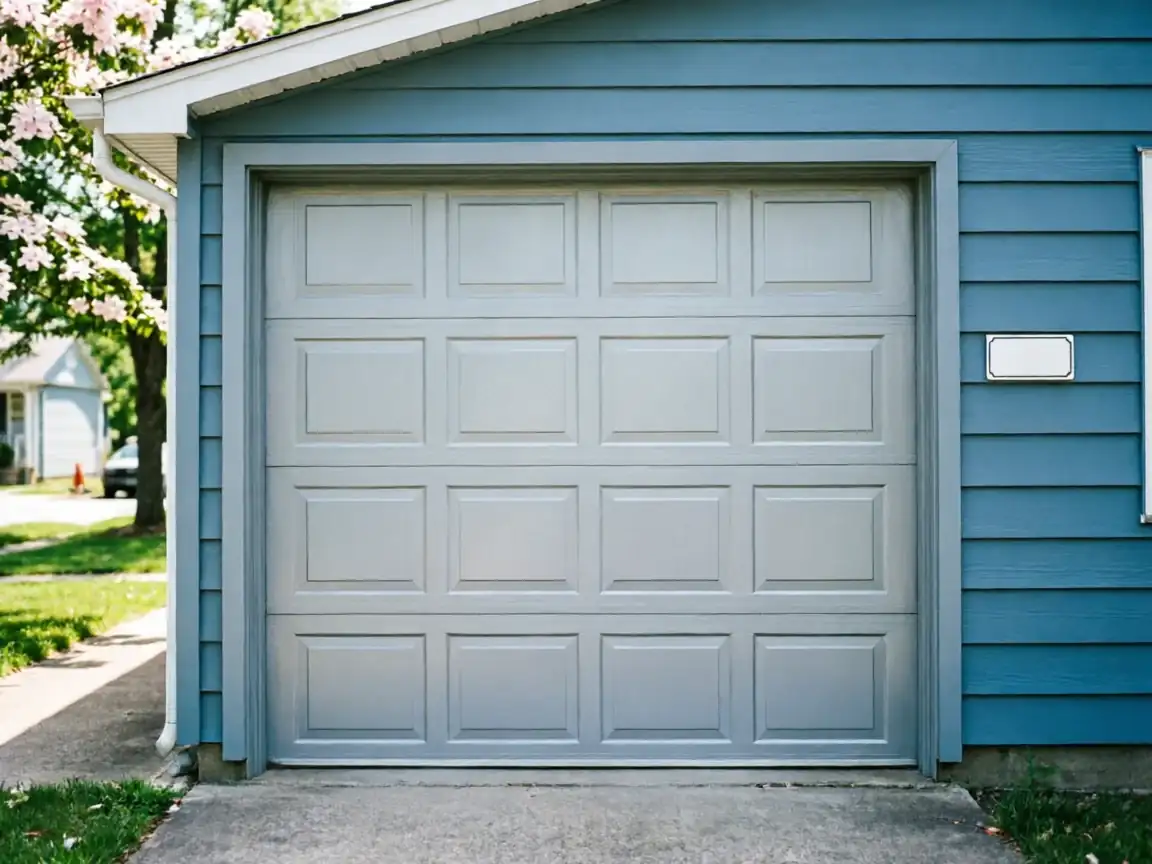
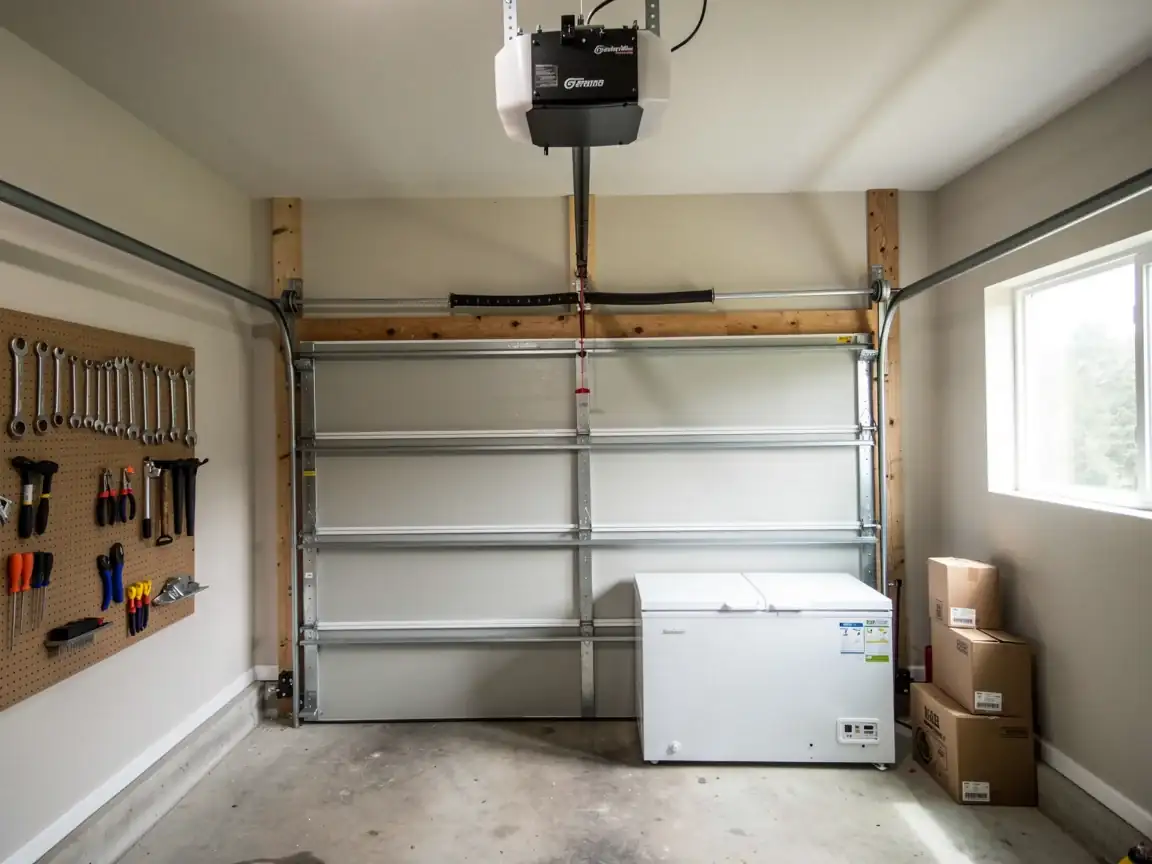
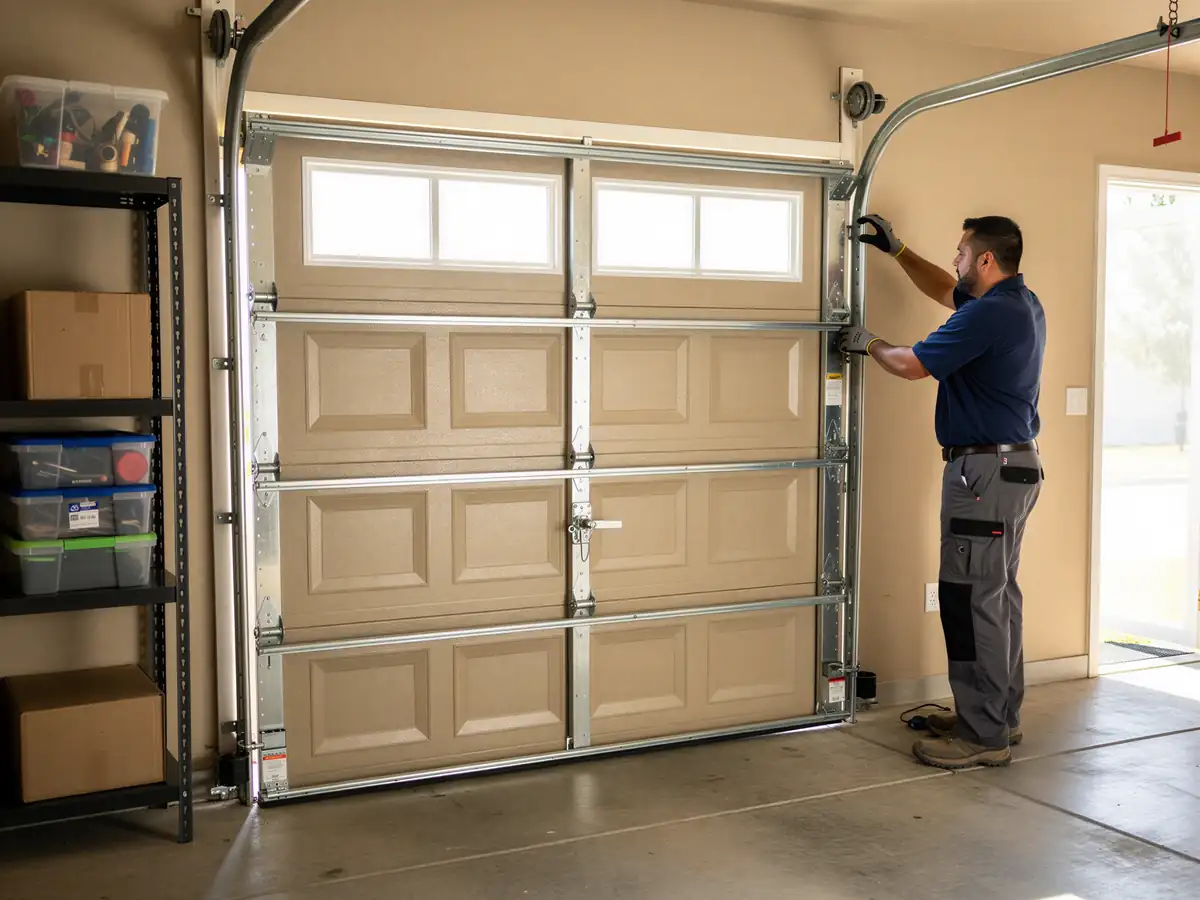
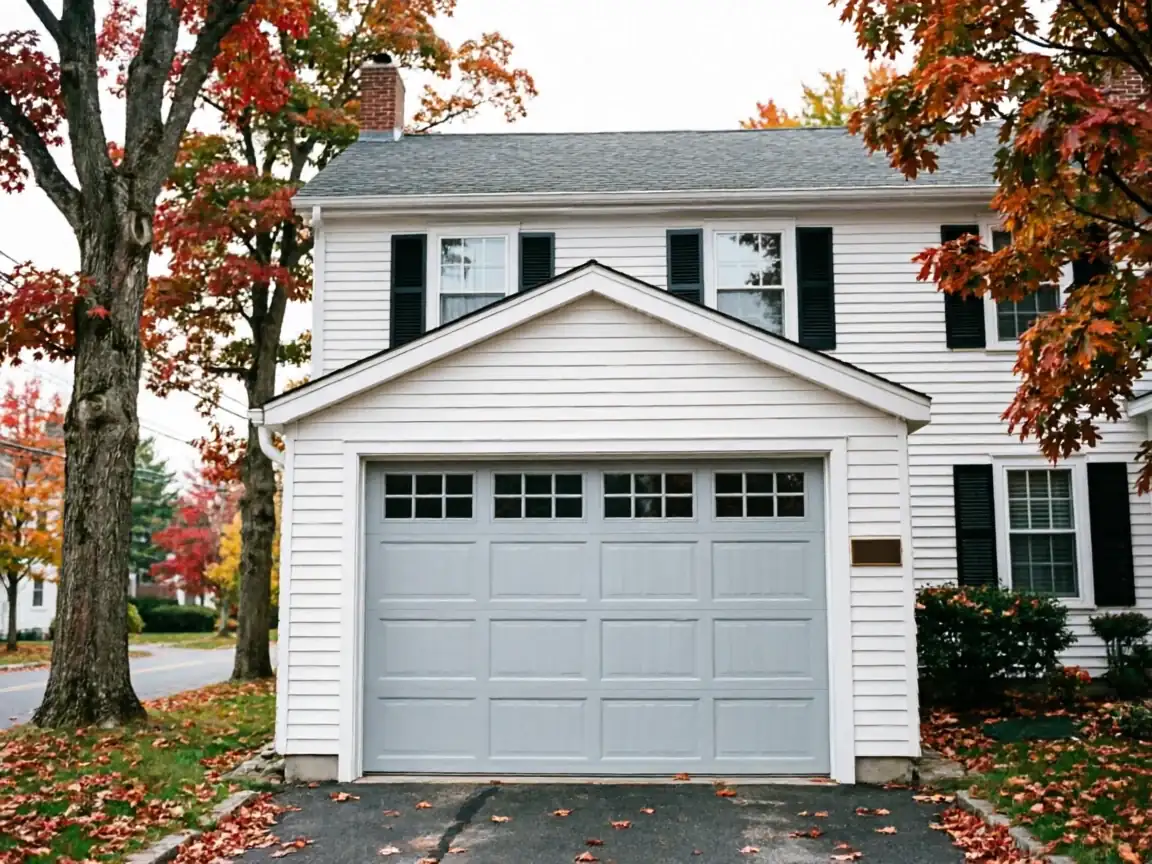
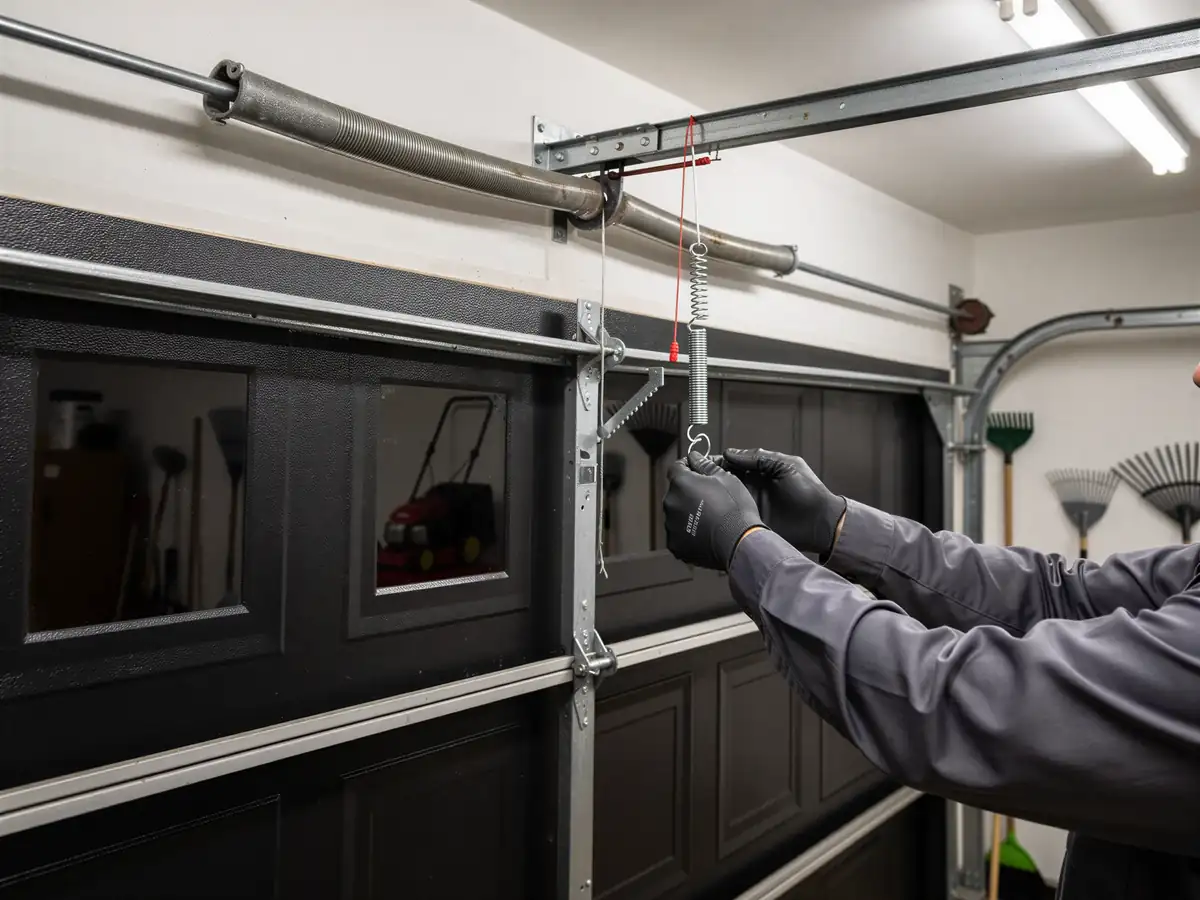
A broken spring job here costs more when the door behind it is original to the house, and in West Orange a lot of them are. The housing stock in this part of our service area runs 1938 to 1996 with a median build year of 1958, and West Orange itself sits right around 1956 - early enough that plenty of homes still carry their first garage door, or a direct replacement that matched the old opening rather than a modern one. That means single-layer steel or wood panel doors, 7-foot singles and 16-foot doubles, often running on extension springs mounted along the track instead of a torsion bar over the header. Swapping that setup for a torsion system costs more than replacing a torsion spring with another torsion spring, because the hardware above the door has to change too, not just the spring. We can't give you a number without seeing the door - age, size, and whether the track is bent or just worn all move the price - but we won't quote a torsion-spring price on a job that turns out to be an extension-spring door. That mismatch is the single most common reason a phone quote and a truck quote don't match here.
Where This Job Goes Sideways
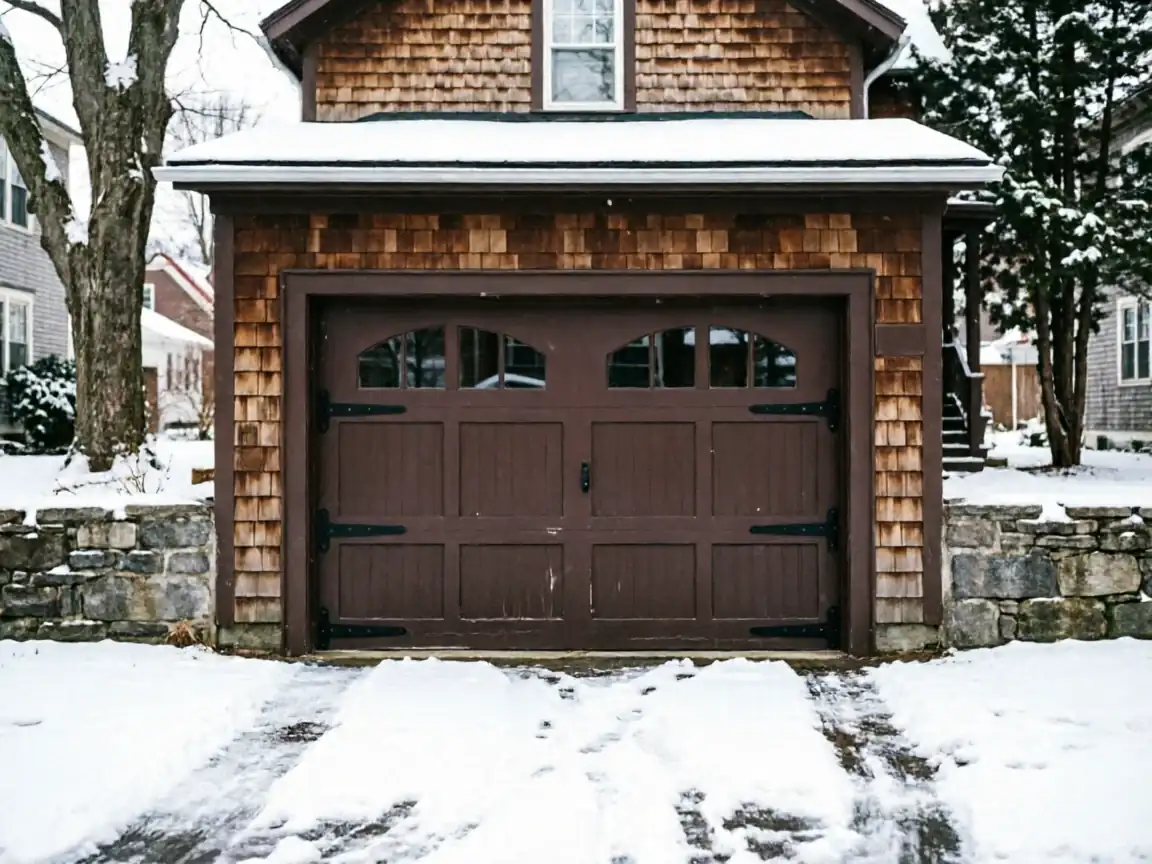
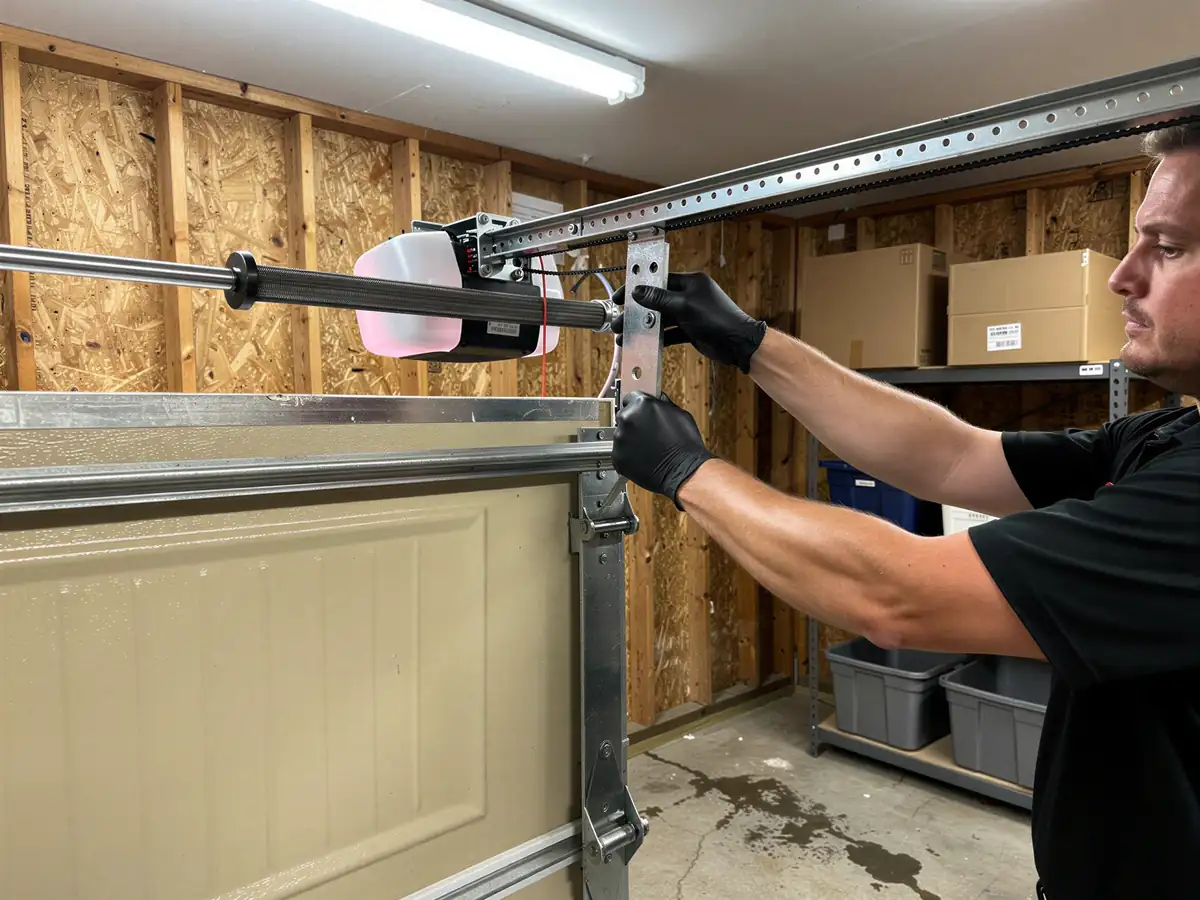
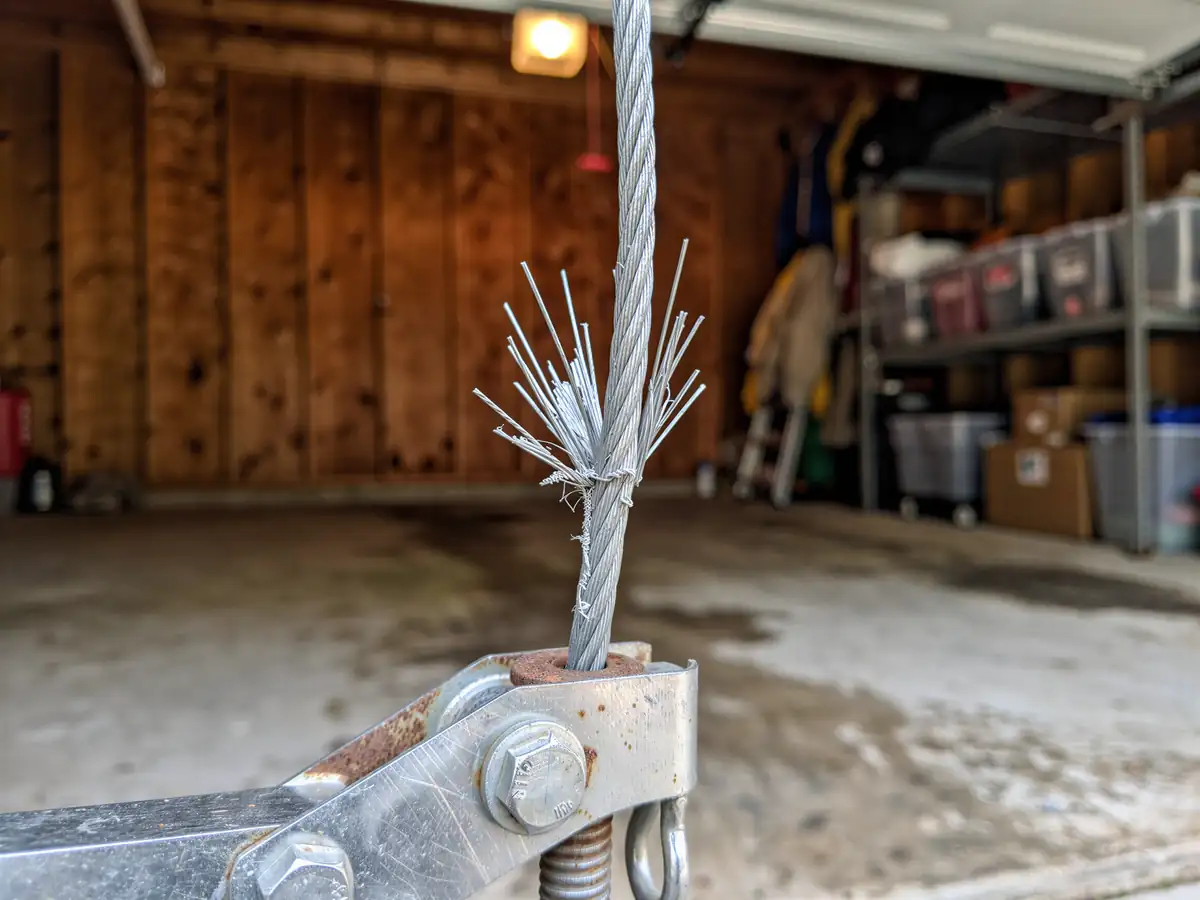
The failure we see most in this part of town isn't the spring itself - it's what's attached to it. Extension springs from the 1950s and 60s often run without safety cables, which were not standard when these doors went in. When one of those springs lets go, it can whip the cable or the pulley off the track instead of just going slack, and that turns a spring job into a track-and-pulley job. The other thing that catches people off guard: a door this old frequently has a replacement opener bolted onto original hardware that was never built for powered operation, so the motor's been straining against stiff rollers and a bent track for years before it finally quits. We see panels on wood doors from this era that have swelled, warped, or delaminated at the bottom where water sits, which isn't a spring or cable problem at all - no repair fixes a warped panel, and we'll tell you that straight rather than keep adjusting a door that needs replacing.
How Long It Takes
We run this call from our Newark shop, and West Orange is about six miles out, so there's drive time built into every visit before the work itself starts. A spring replacement on a standard door, once we're on site, moves fast - it's the diagnosis on an older door that takes longer, because we're checking whether the cable drum, the pulley, and the track are original 1950s-era parts or something swapped in later. West Orange has roughly 17,440 households, and a fair number of them are on their second or third opener but the original door hardware underneath - so a same-day fix sometimes becomes a two-visit job if a part has to come from a supplier rather than off the truck. We'll always tell you on site whether we can finish that day or whether we're waiting on a part, instead of promising a timeline we can't back up from six miles away.
Parts We Carry
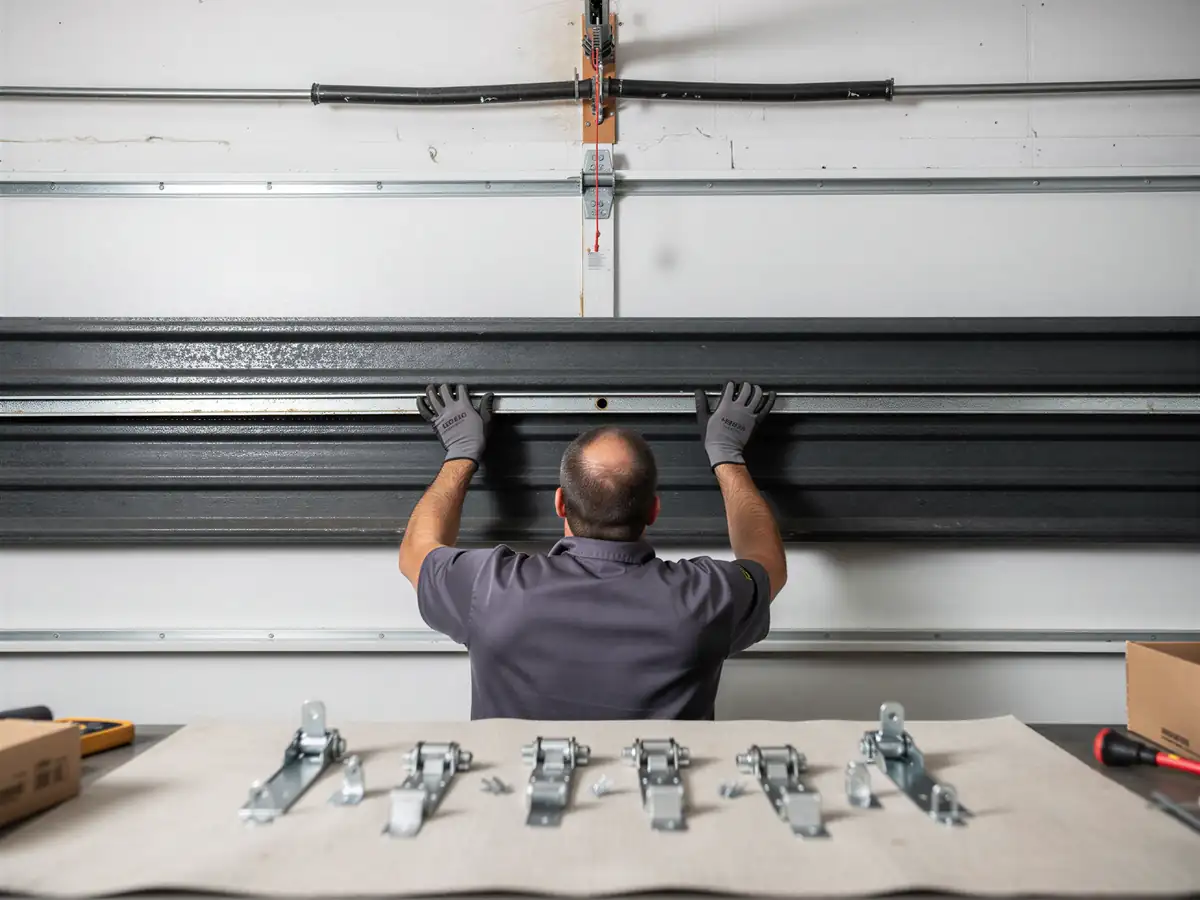
Because so many doors in this area still run on the sizes and spring types common to 1956 construction, we stock extension springs, drums, and standard torsion springs for both 7-foot and 8-foot openings on the truck, along with the rollers and hinges that wear out fastest on older steel doors. What we don't carry on the truck is obsolete or oddly-sized hardware - some wood doors from this era used panel dimensions nobody manufactures anymore, and those pieces have to be special-ordered, which can add days rather than hours. With a median household income of $131,645 in West Orange, we find more owners here choose full door replacement over chasing parts for a door that's outlived its hardware, and honestly that's often the right call once a wood panel door starts needing a third repair in two years. Cold winters don't help old steel track or stiff original springs either - they get brittle and tight exactly when a sudden temperature drop puts extra load on a spring that was already due to fail.
How it works
From “it’s stuck” to “it’s fixed”
01
Tell us what’s wrong
Describe the symptom - won’t open, loud bang, opener runs but the door won’t move.
02
On-site diagnosis
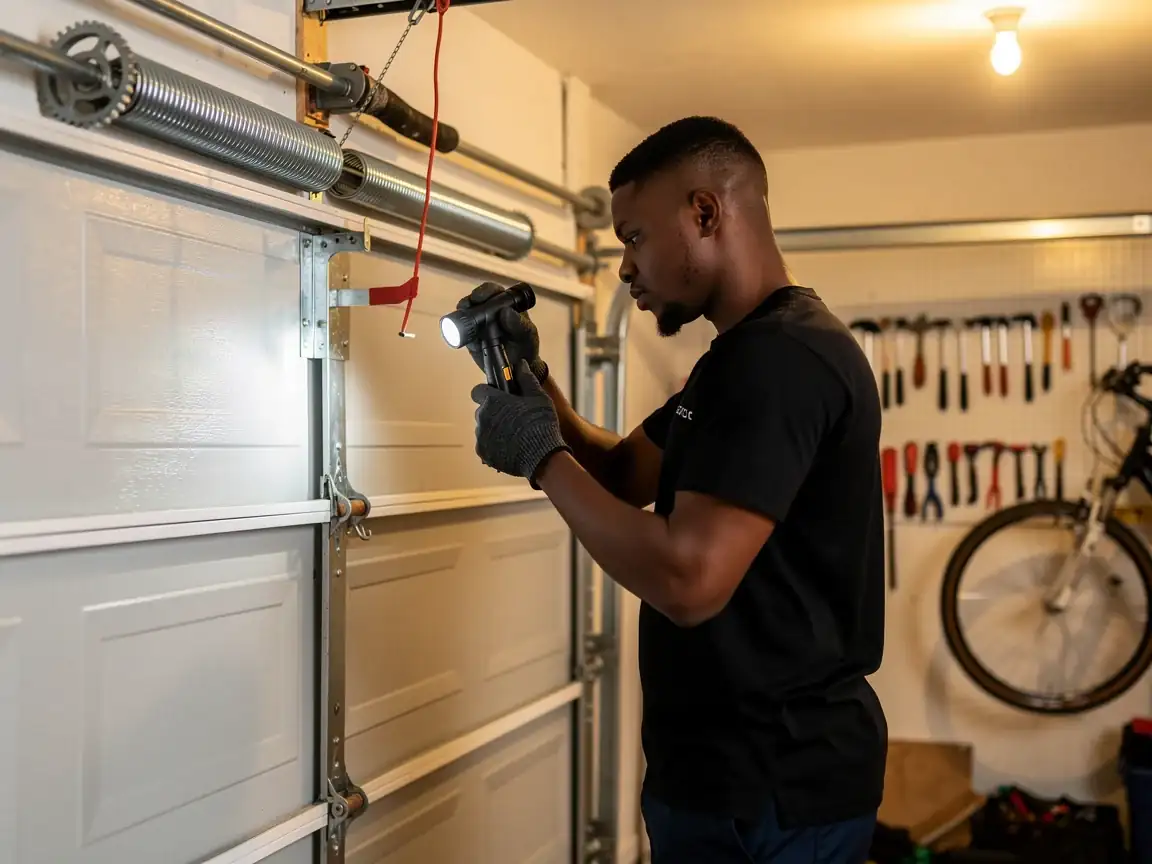
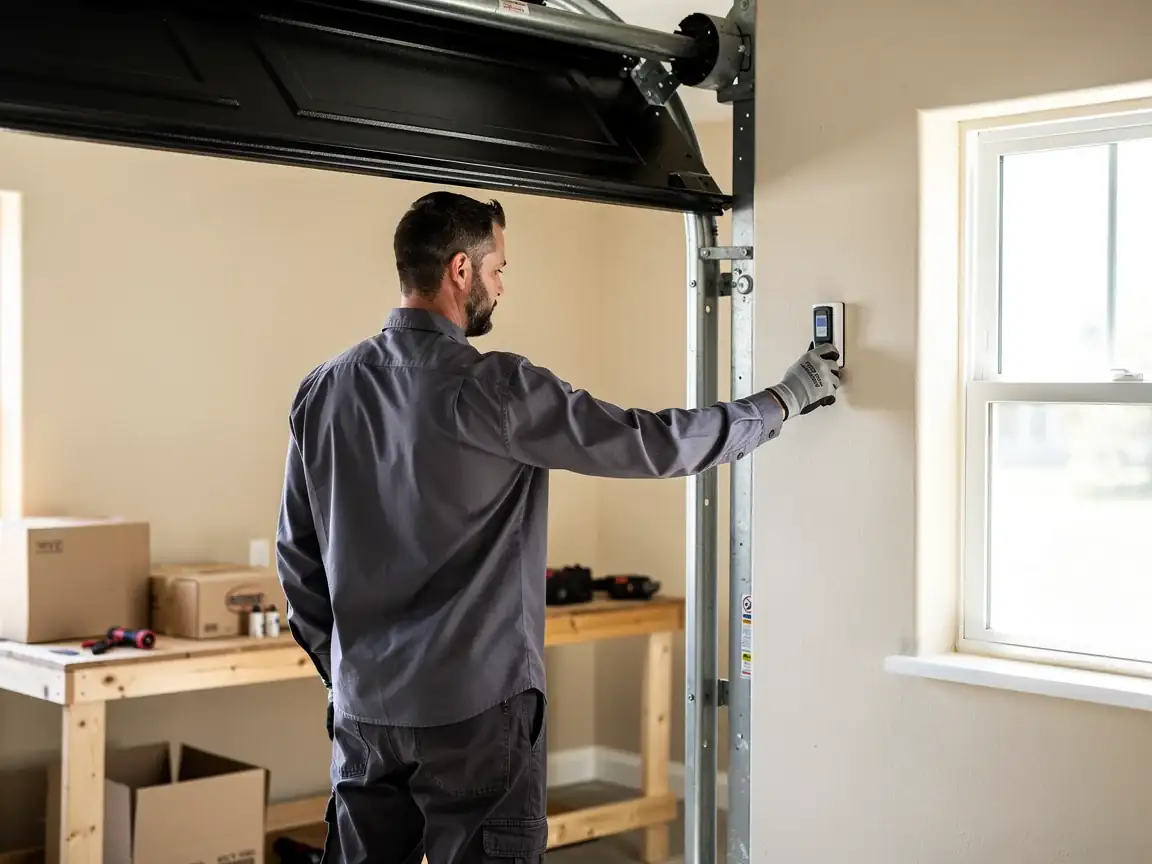
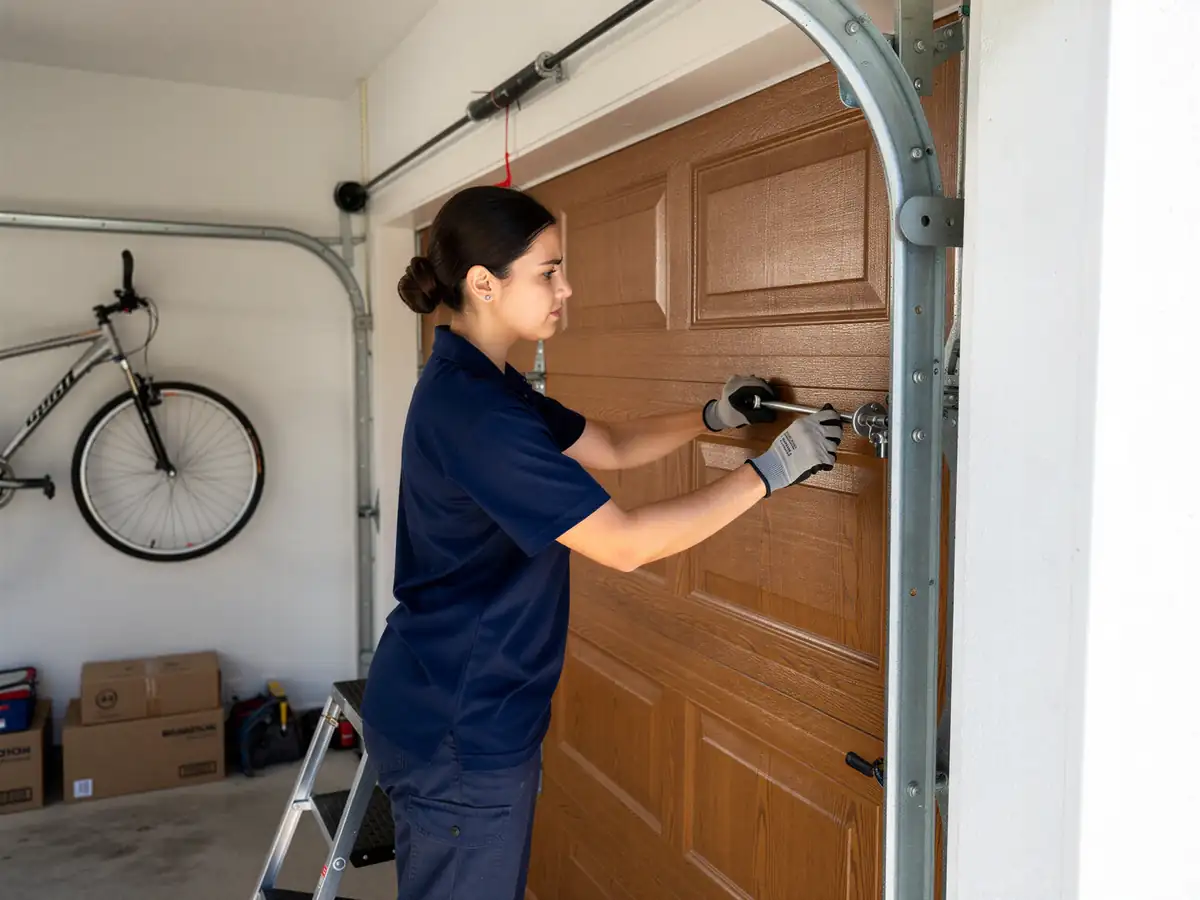
A technician tests the door under power and by hand and finds what actually failed.
03
Clear, up-front plan
You get the fix that’s needed and what drives the cost - before any work starts.
04
Repaired & tested
The repair is done, the door is set true and tested, and the work area left clean.
Not sure which repair your door needs in Newark, NJ? Describe what it’s doing - every job starts with a diagnosis.
If your house dates to the 1950s, you may still have extension springs rather than a torsion bar, and those springs have a shorter working life, especially once cold weather stiffens the metal. A spring that's failed twice in a few years is usually a sign the whole assembly, not just the spring, is past its working life.
Do you carry parts for older doors right on the truck?
We stock common torsion and extension springs, drums, rollers and hinges sized for the doors typical of this area's 1950s-era construction. Less common wood-panel dimensions or discontinued hardware sometimes have to be special-ordered, which can take longer than a same-day fix.
How far out is West Orange from your shop?
We run these calls from Newark, about six miles away. That travel is built into scheduling rather than response-time promises - we'll tell you honestly whether a part or a second visit is needed once we've seen the door.
Is it worth repairing an old wood garage door or should I replace it?
If the panel has swelled, warped, or delaminated at the bottom, repair won't fix that - only replacement will. We'll tell you straight if a door is past the point where another repair makes sense rather than keep patching it.