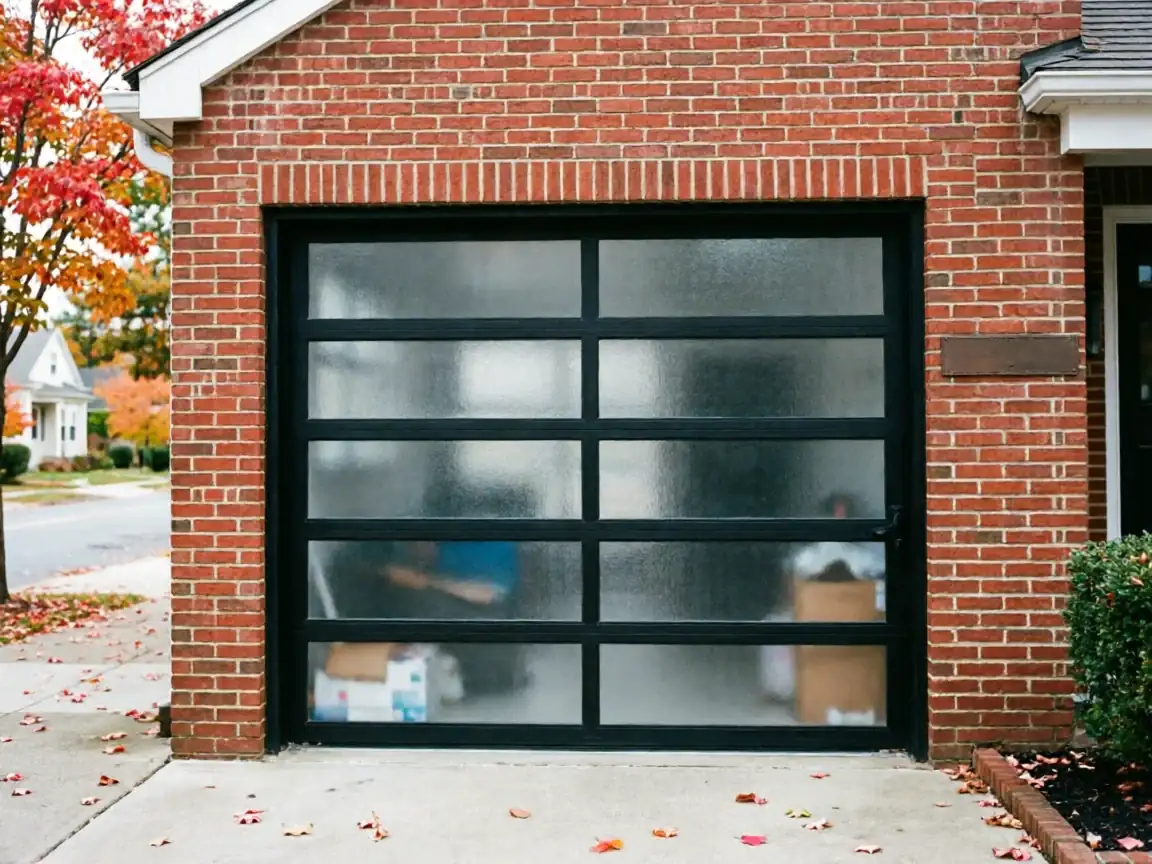
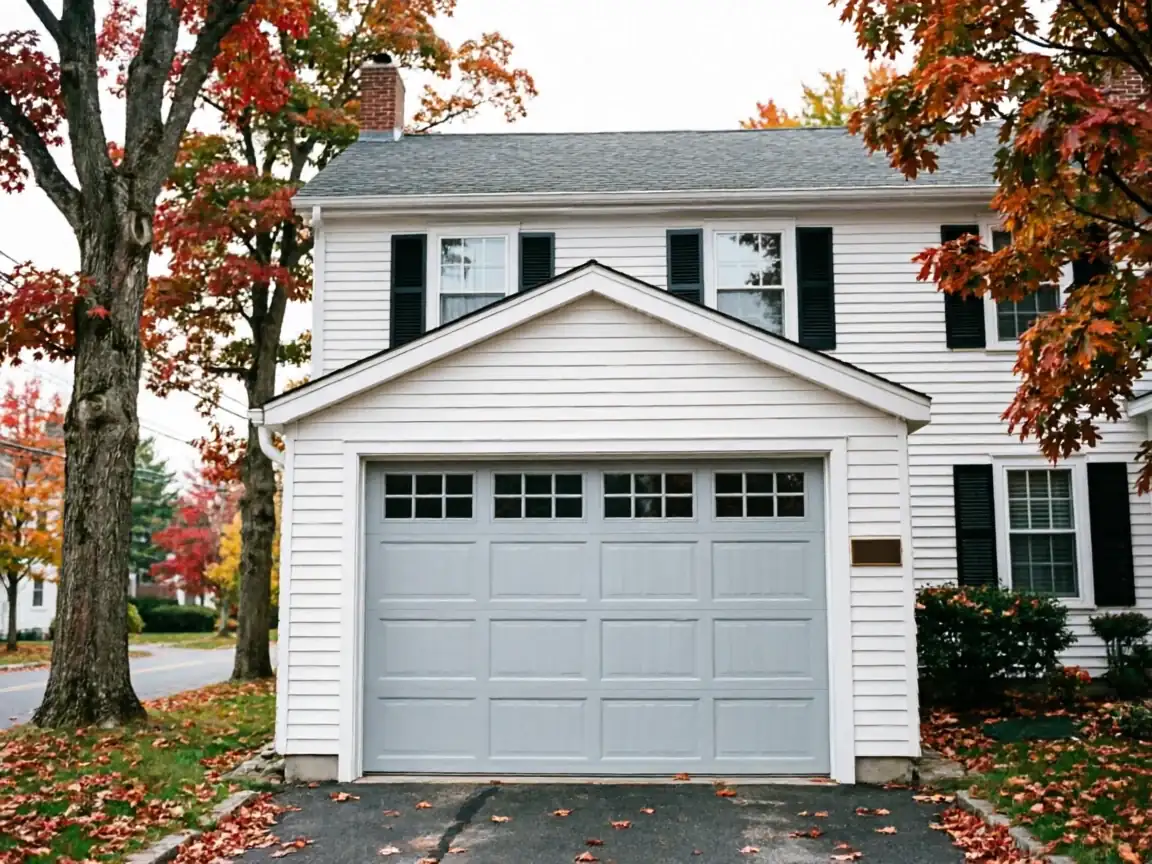
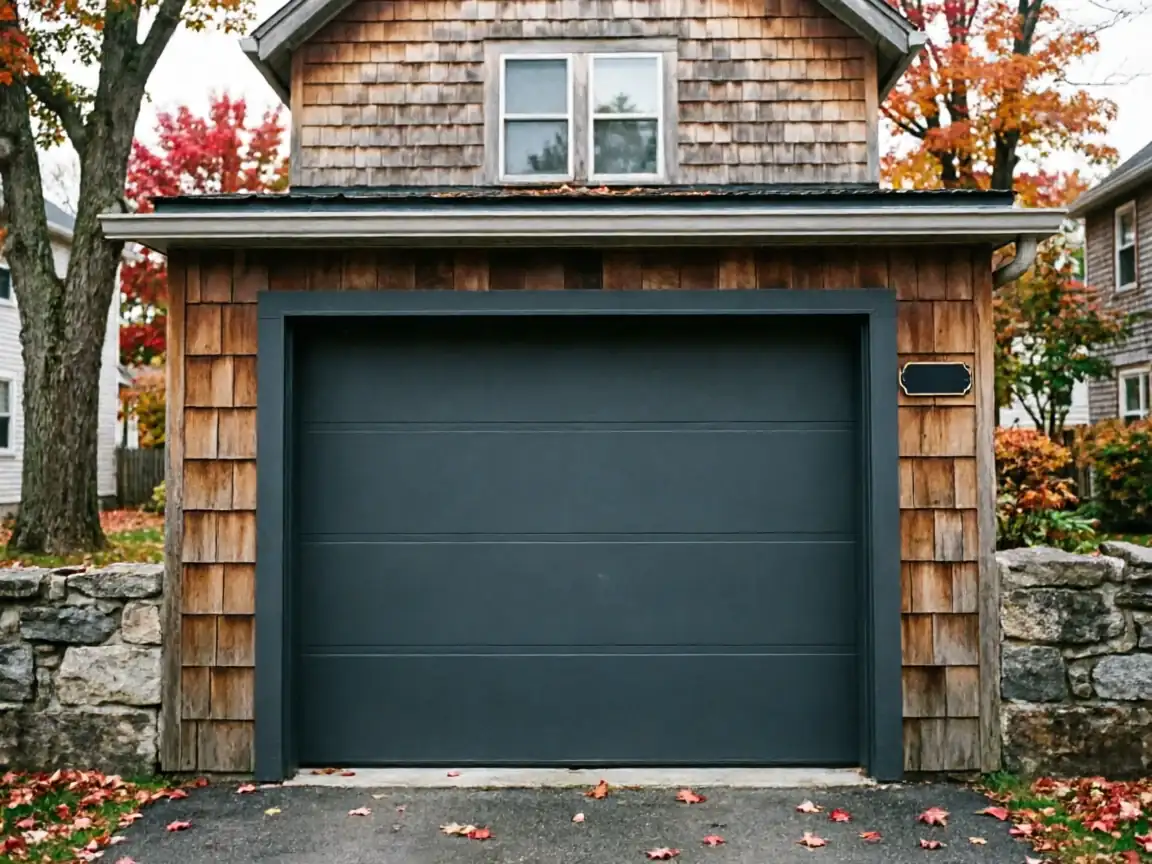
Opener replacement and install for Newark homes built 1938-1996, where old chain drives and cold-weather strain wear out openers fast. Call for a quote.
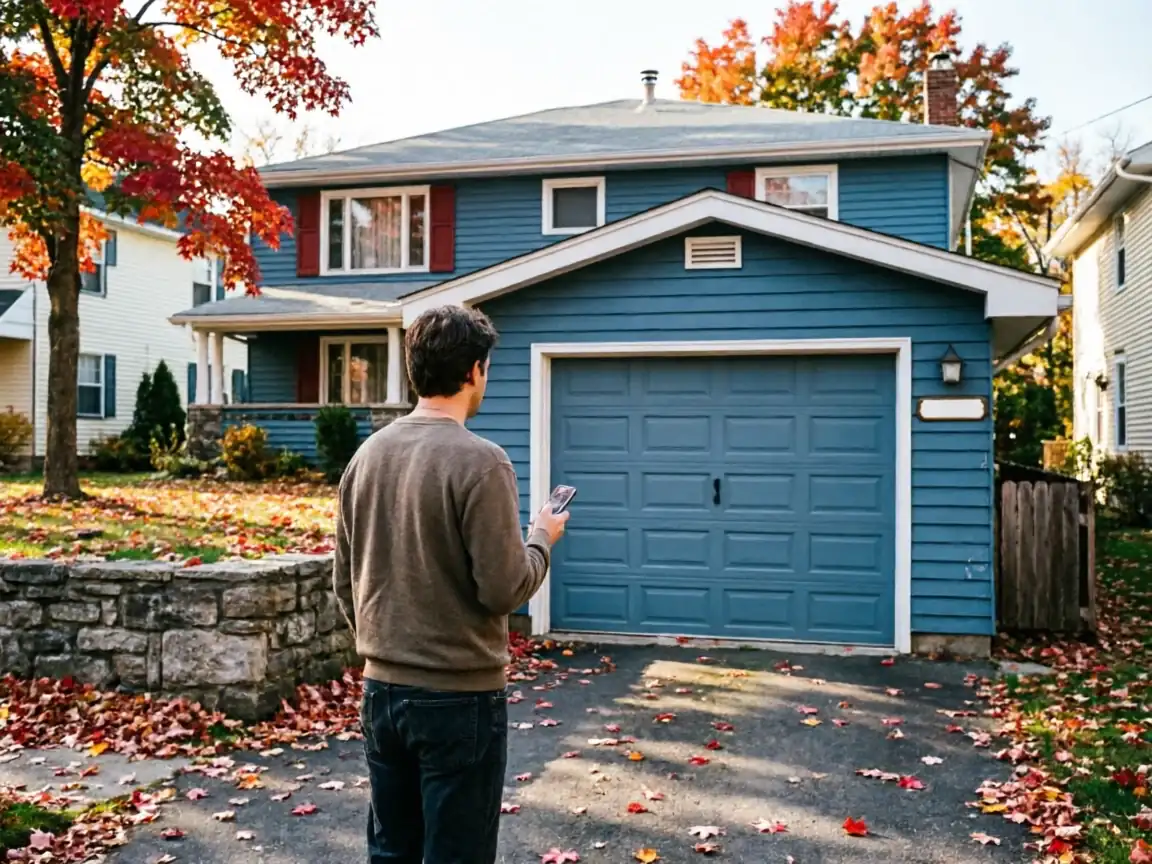
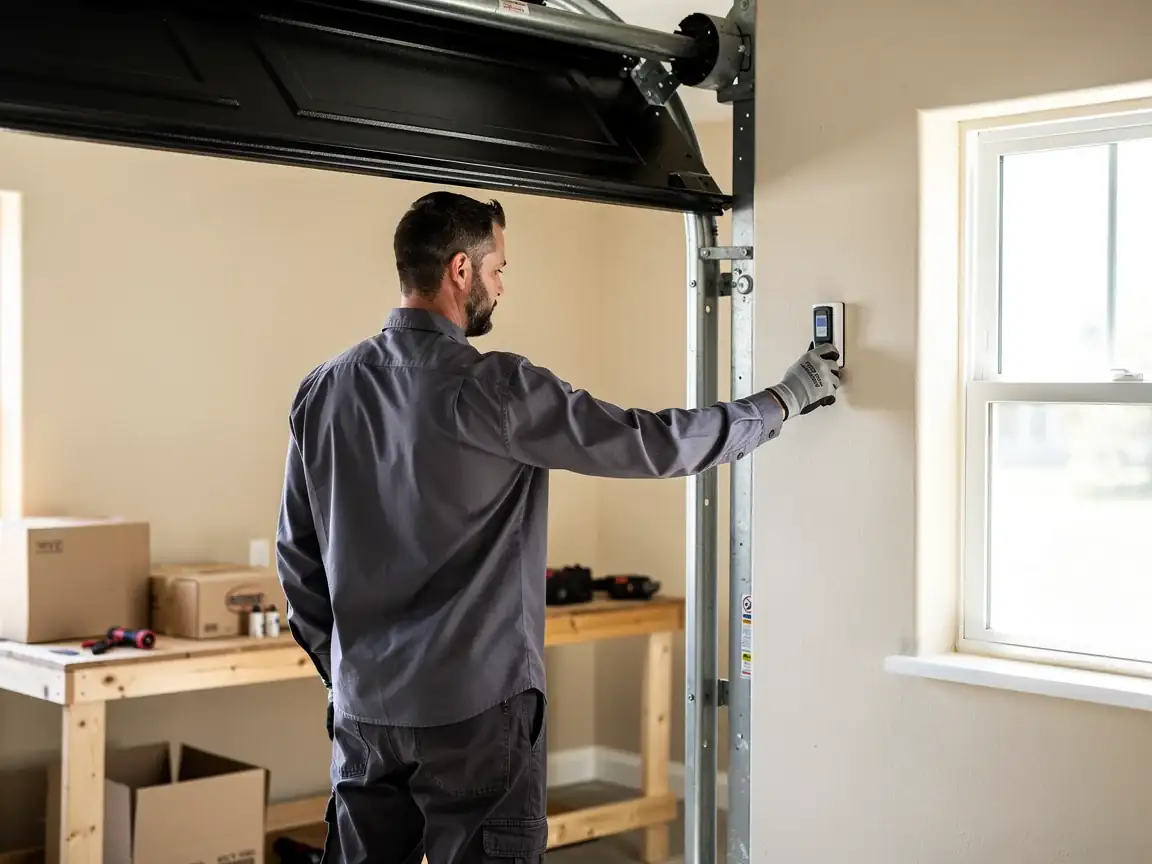
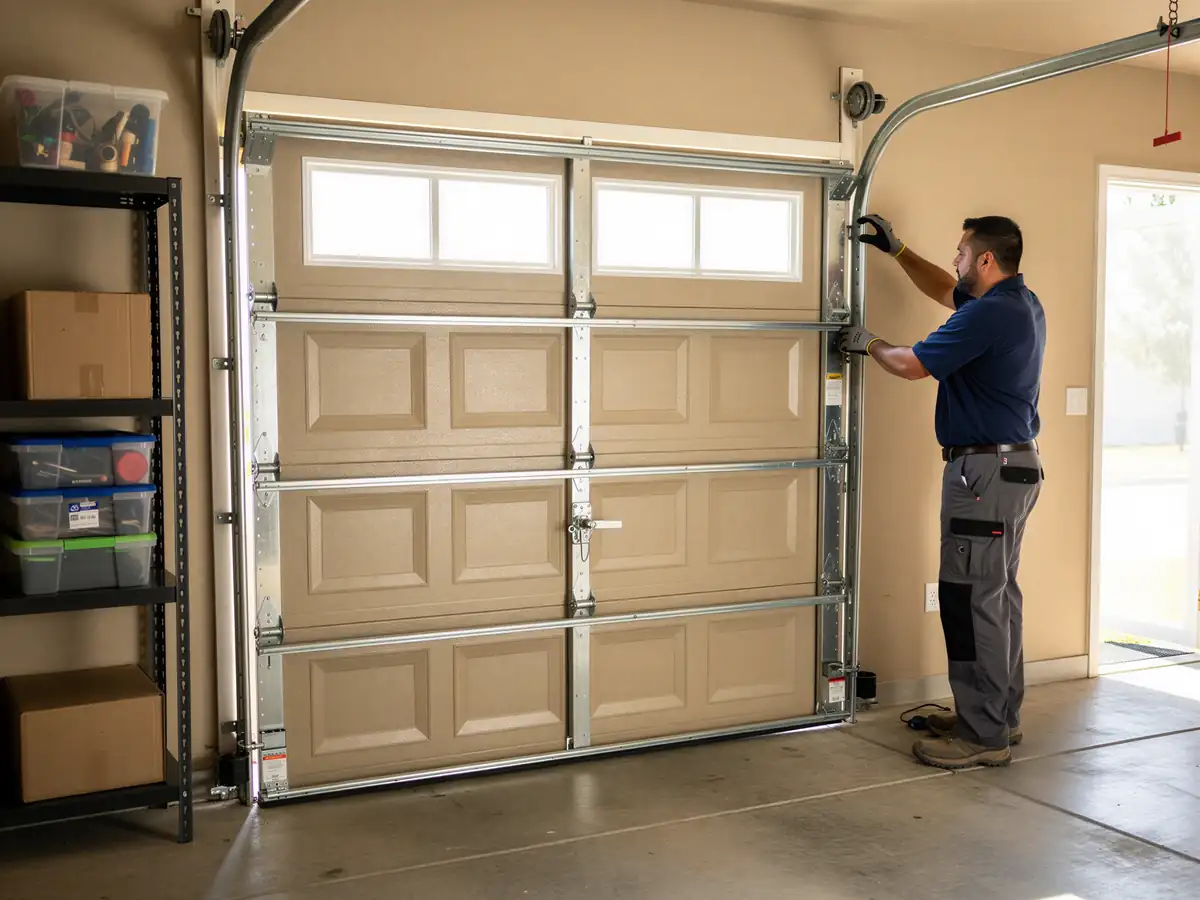
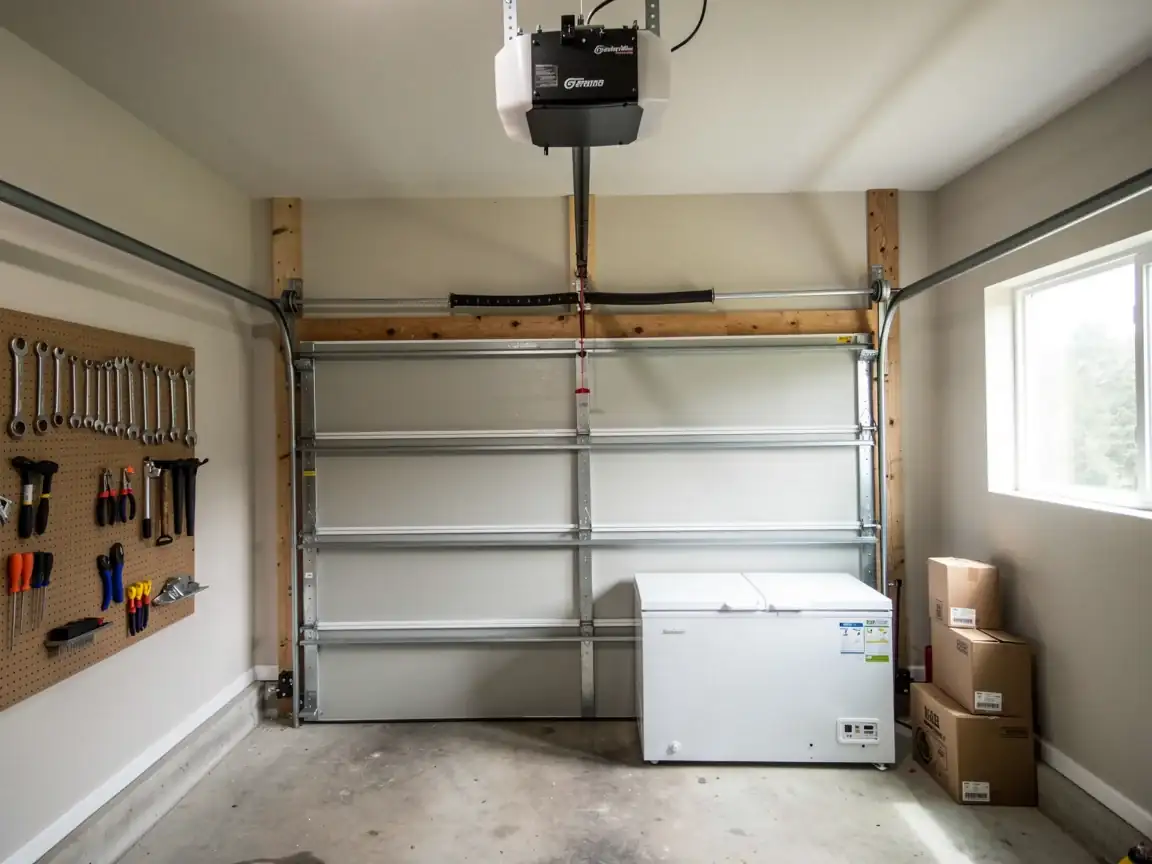
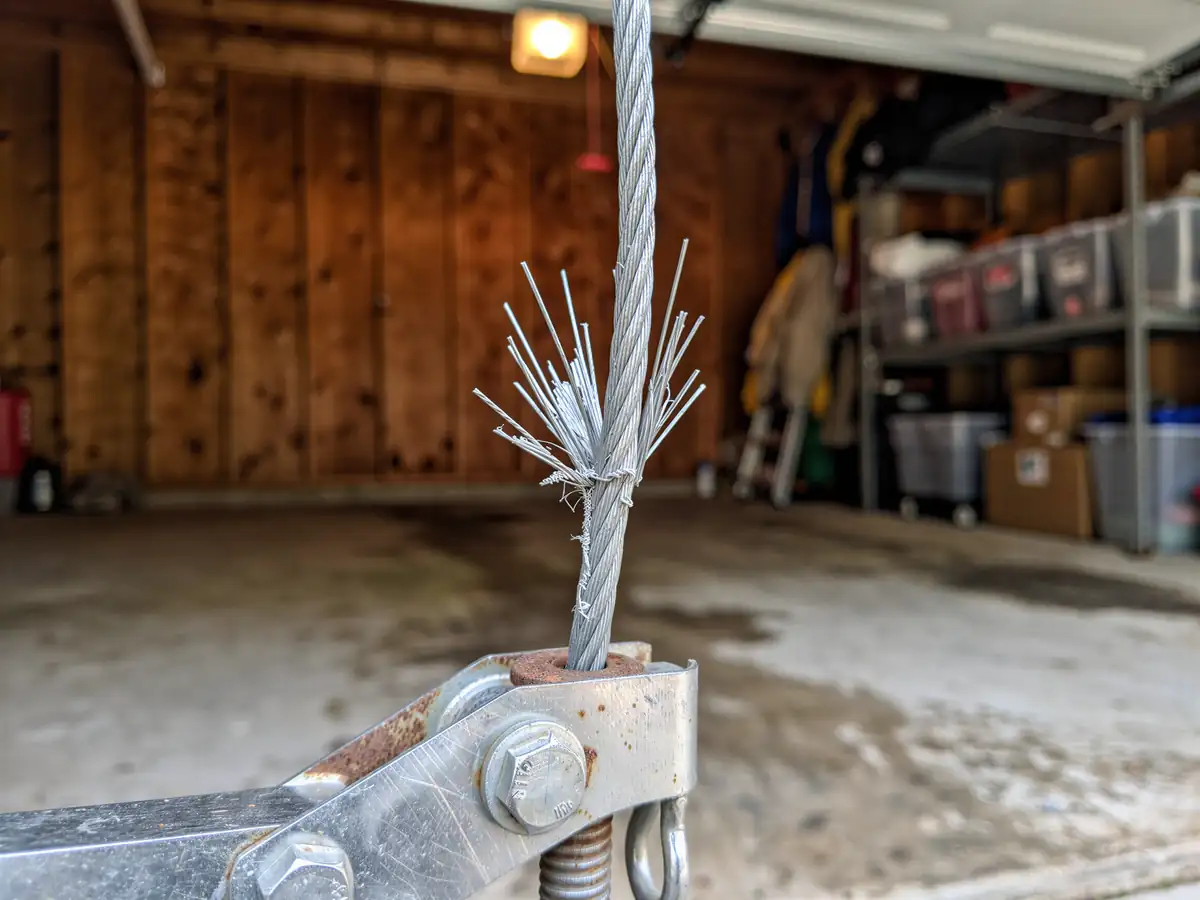
The opener hums but the door doesn't move, or it moves for a second and then stops. Maybe the remote works from your driveway but not from the street. Maybe the motor runs hot and smells like it's working too hard before it trips a breaker. These are the calls we get most on openers in houses built across the 1938 to 1996 window that makes up most of Newark's housing stock. A lot of that stock still runs the chain-drive opener that came with the house, sometimes decades old, sized for a door that's been replaced since without anyone upgrading the opener to match. The gears inside strip quietly. You don't hear it until the day the door won't lift at all. Other times it's not the opener itself but the safety sensors at the bottom of the track, knocked out of alignment or caked with road salt and grime from a Newark winter, so the unit refuses to close and just blinks at you. Either way, the opener is the part of the system most homeowners never think about until it quits, and by then it's usually not a five-minute fix - it's a unit that's past rebuilding.
How We Fix It
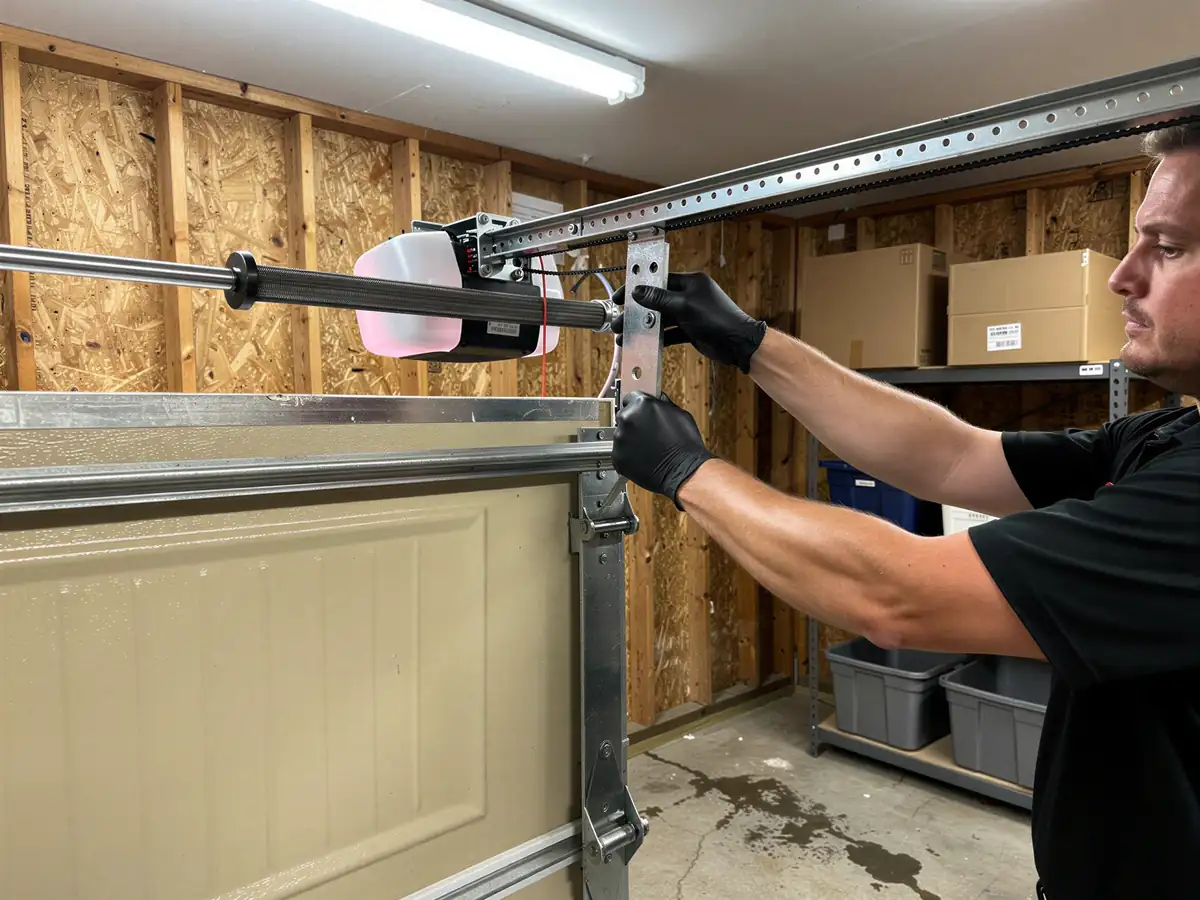
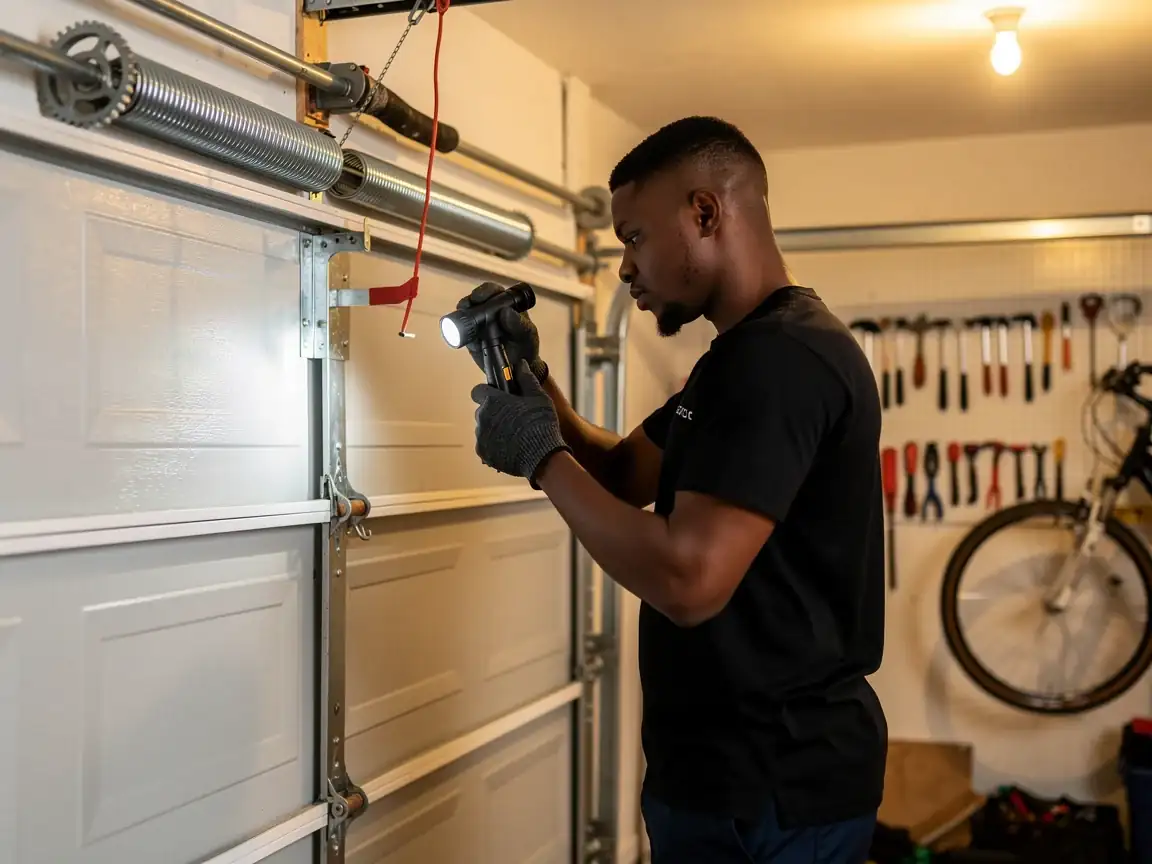
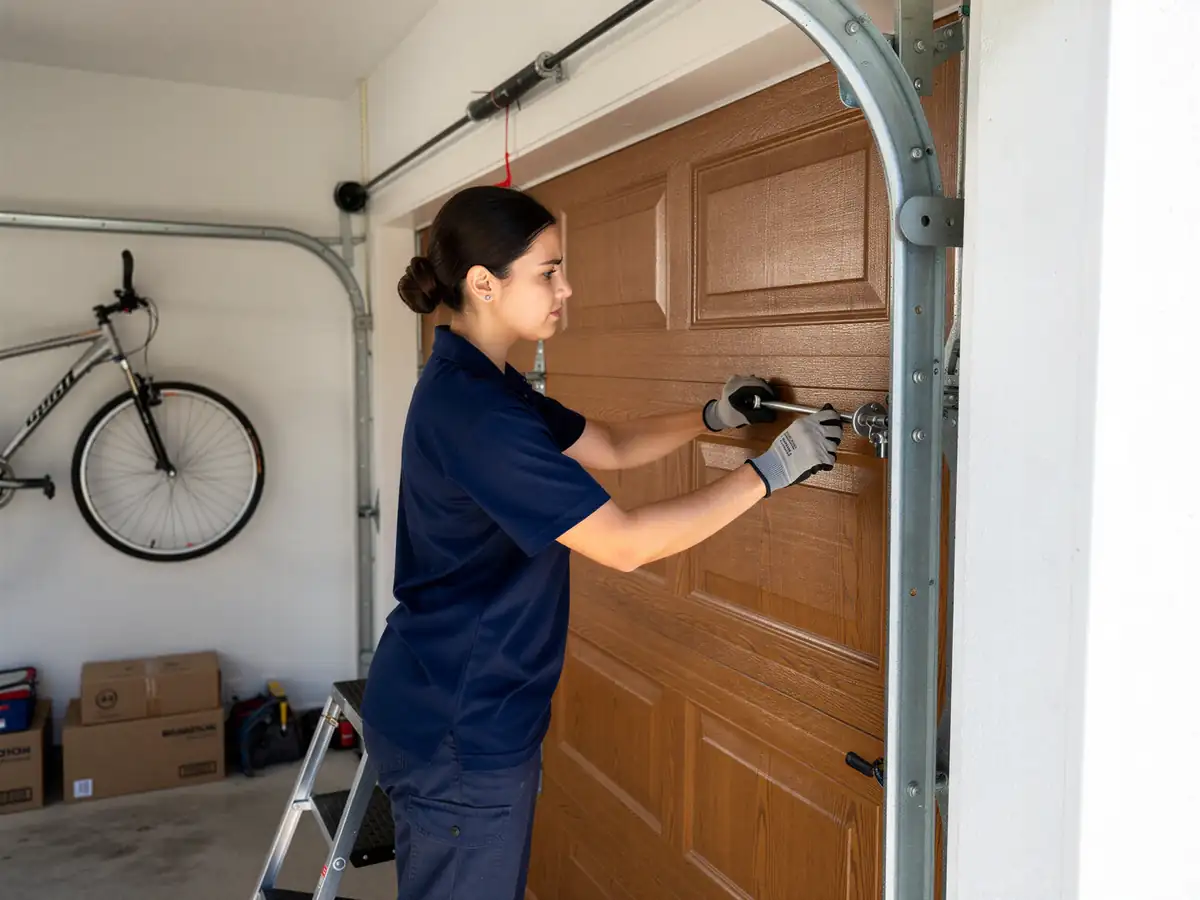
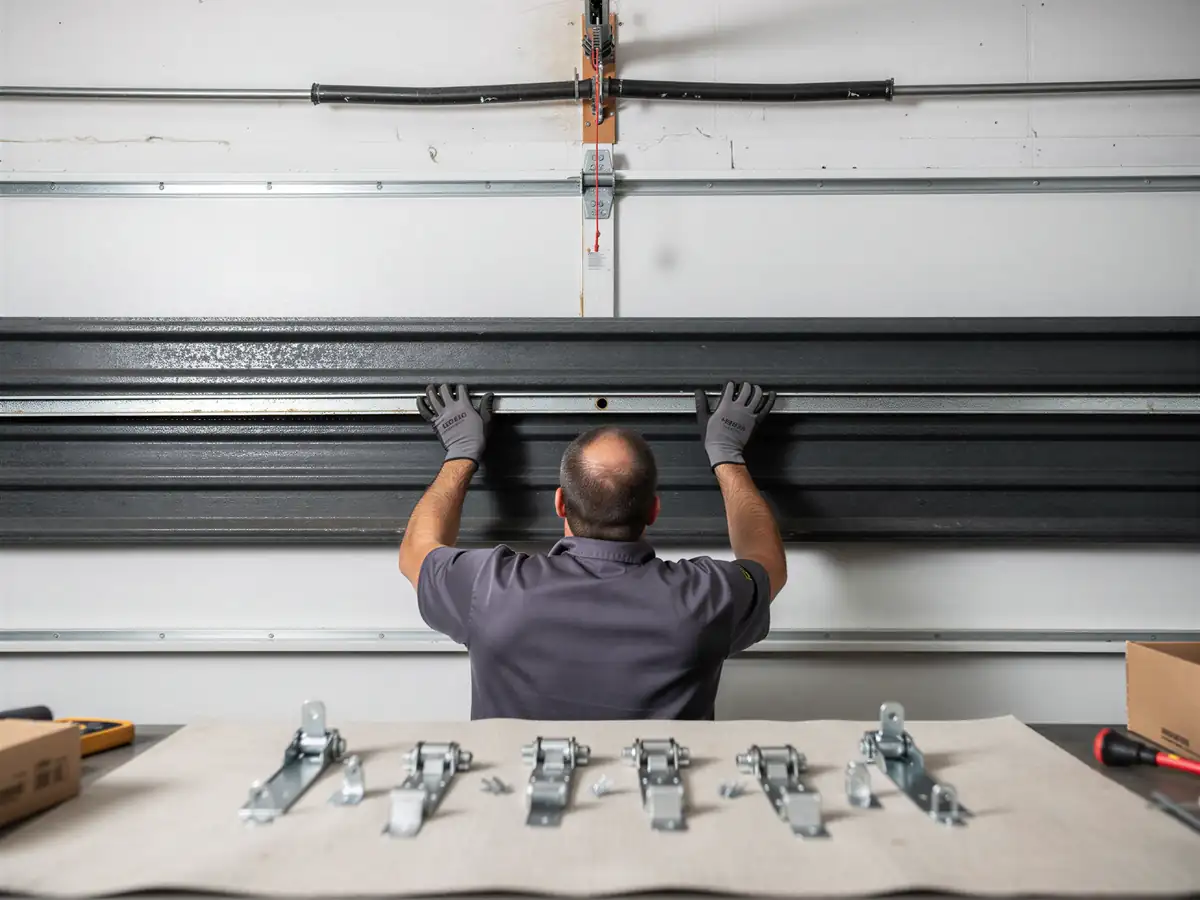
We start by checking whether this is actually an opener problem or a door problem wearing an opener's symptoms - a bound track or a dead spring will make a good opener look broken, so we test the door by hand, disconnected, before we touch the motor unit. If the opener's the culprit, we check gear condition, logic board response, and whether the unit is even rated for the door's weight and travel, since older homes often got a replacement door at some point without a matching opener swap. For failed units we install a new opener sized to the door and the opening, set the travel limits and force settings properly - rushed force settings are the number-one reason openers
How it works
From “it’s stuck” to “it’s fixed”
01
Tell us what’s wrong
Describe the symptom - won’t open, loud bang, opener runs but the door won’t move.
02
On-site diagnosis
A technician tests the door under power and by hand and finds what actually failed.
03
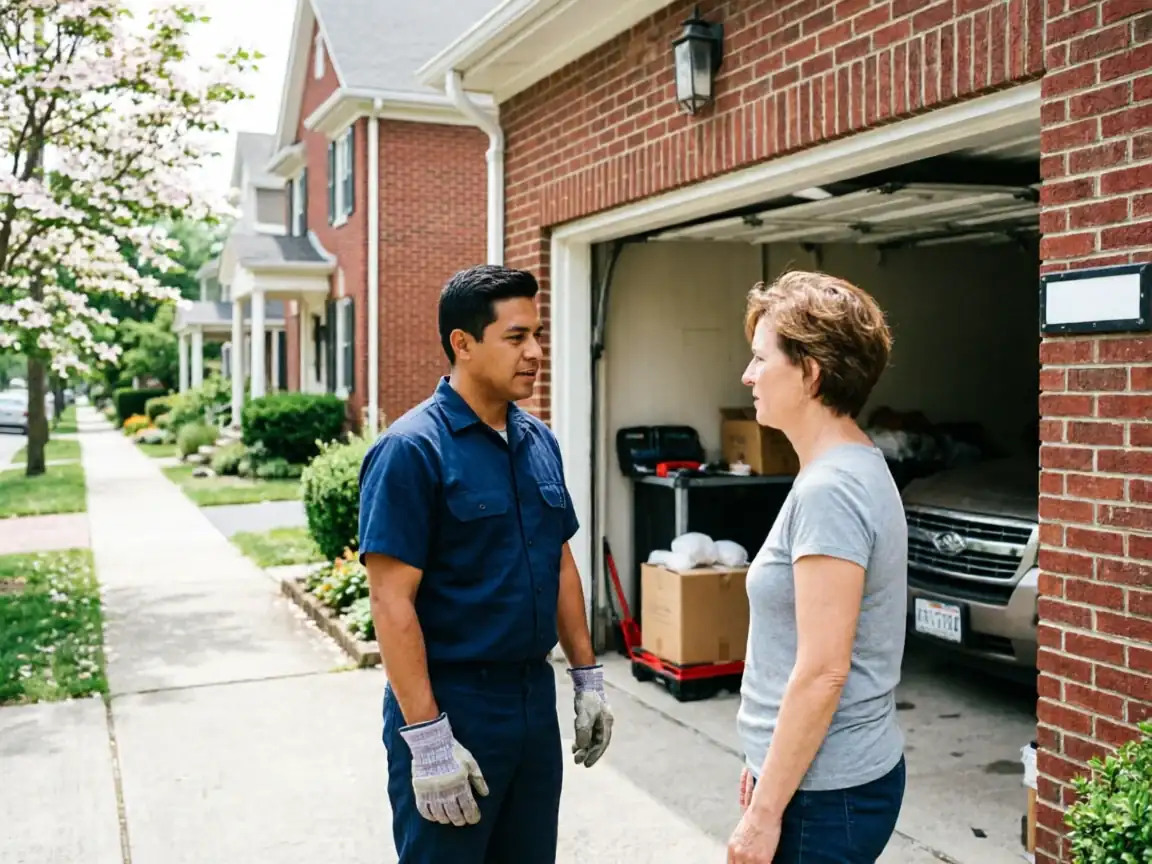
Clear, up-front plan
You get the fix that’s needed and what drives the cost - before any work starts.
04
Repaired & tested
The repair is done, the door is set true and tested, and the work area left clean.
Not sure which repair your door needs in Newark, NJ? Describe what it’s doing - every job starts with a diagnosis.
In most cases yes, as long as the door is structurally sound and the drive type matches your rail space. What we check first is weight and balance - an opener sized for a light door will strain and fail early on a heavier one, which is common when a door's been swapped but the opener wasn't.
Why does my opener work in summer but act up in winter?
Cold makes grease stiffen, metal contract, and sensors drift out of alignment slightly as the frame shifts. In a severe cold climate like Newark's, an opener already near the end of its life often shows its first real symptoms in the coldest stretch of the year, not because the cold broke it but because it was already marginal.
Do you repair openers or only replace them?
We repair when the gears, logic board, and drive are in decent shape and the fix is something like sensor alignment or a worn drive gear. Once the motor itself is failing or the unit predates current safety-reversal standards, replacement is the honest answer - we'll tell you which situation you're in before we start any work.