Panel replacement for West Orange homes built mostly in the 1950s and 60s. We drive the 6 miles from Newark knowing what pre-1960 panel stock actually needs.
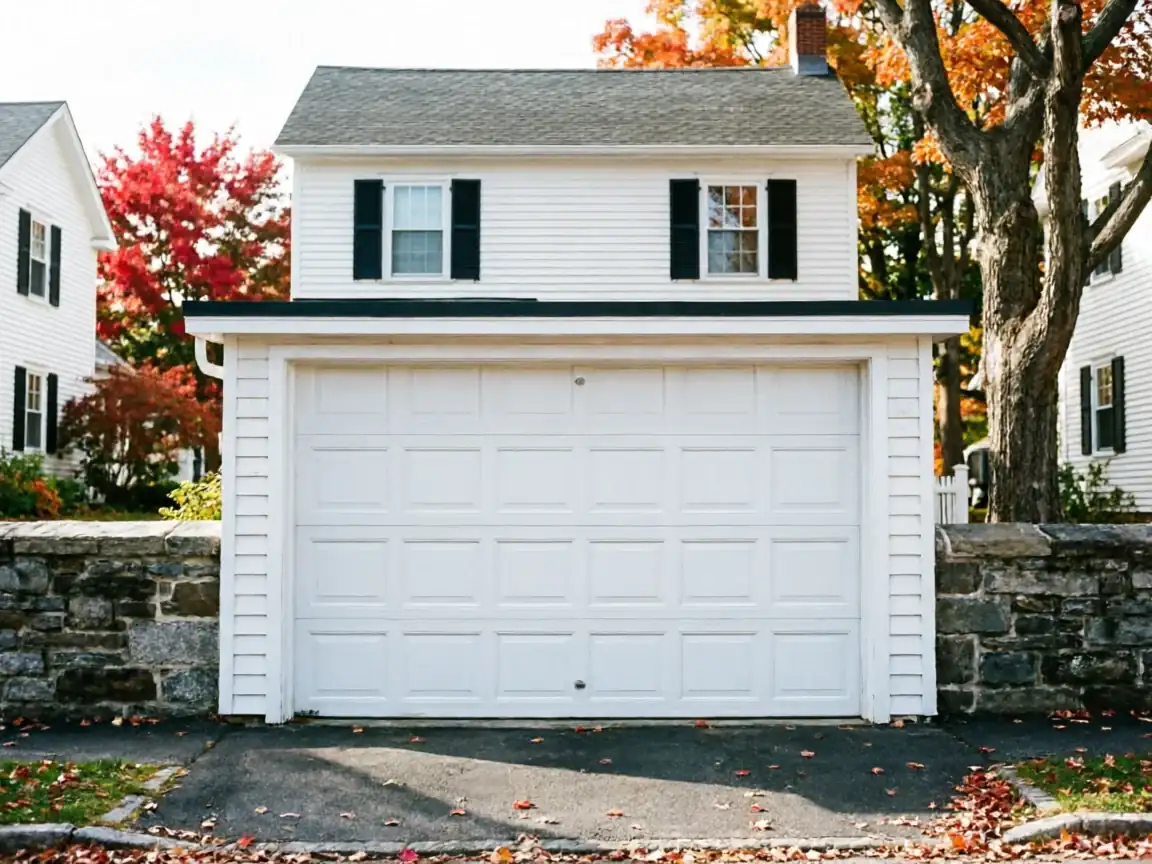
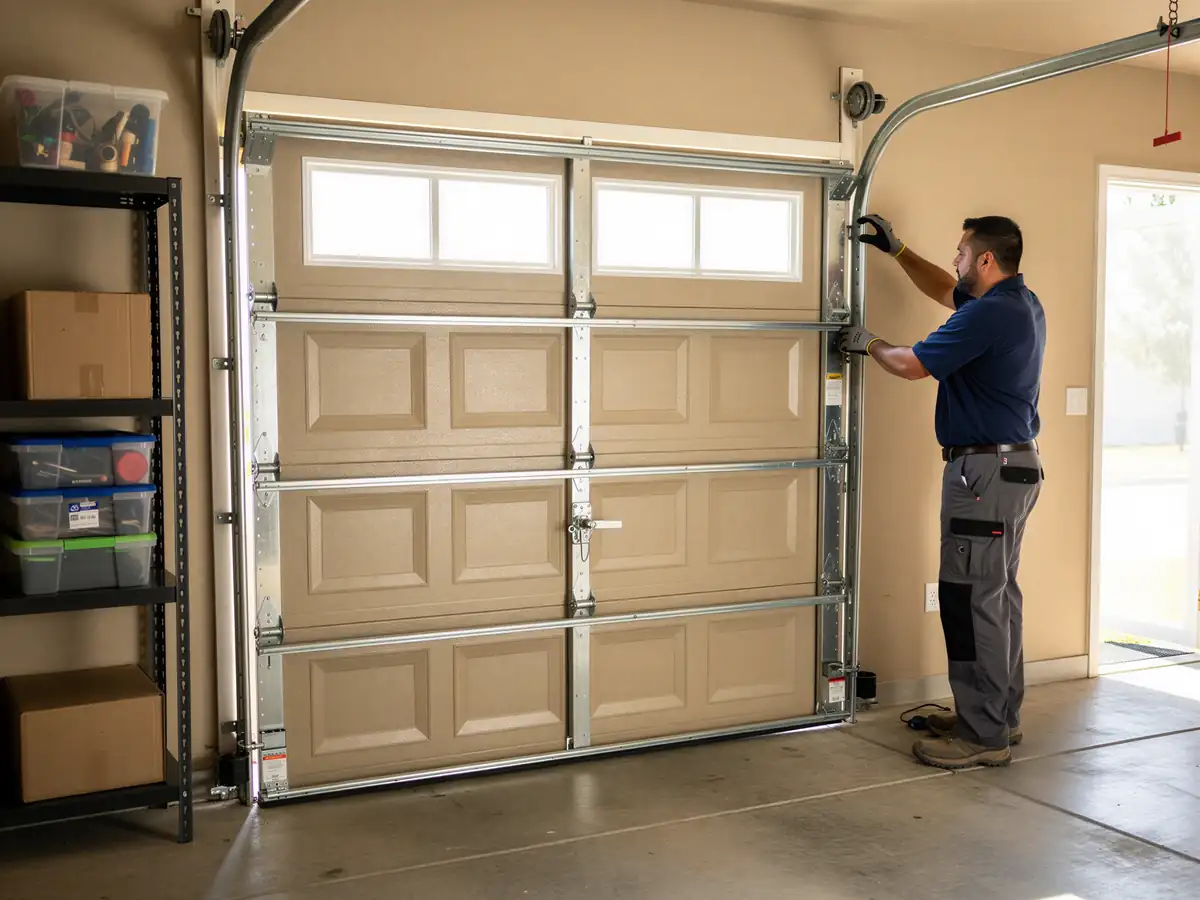
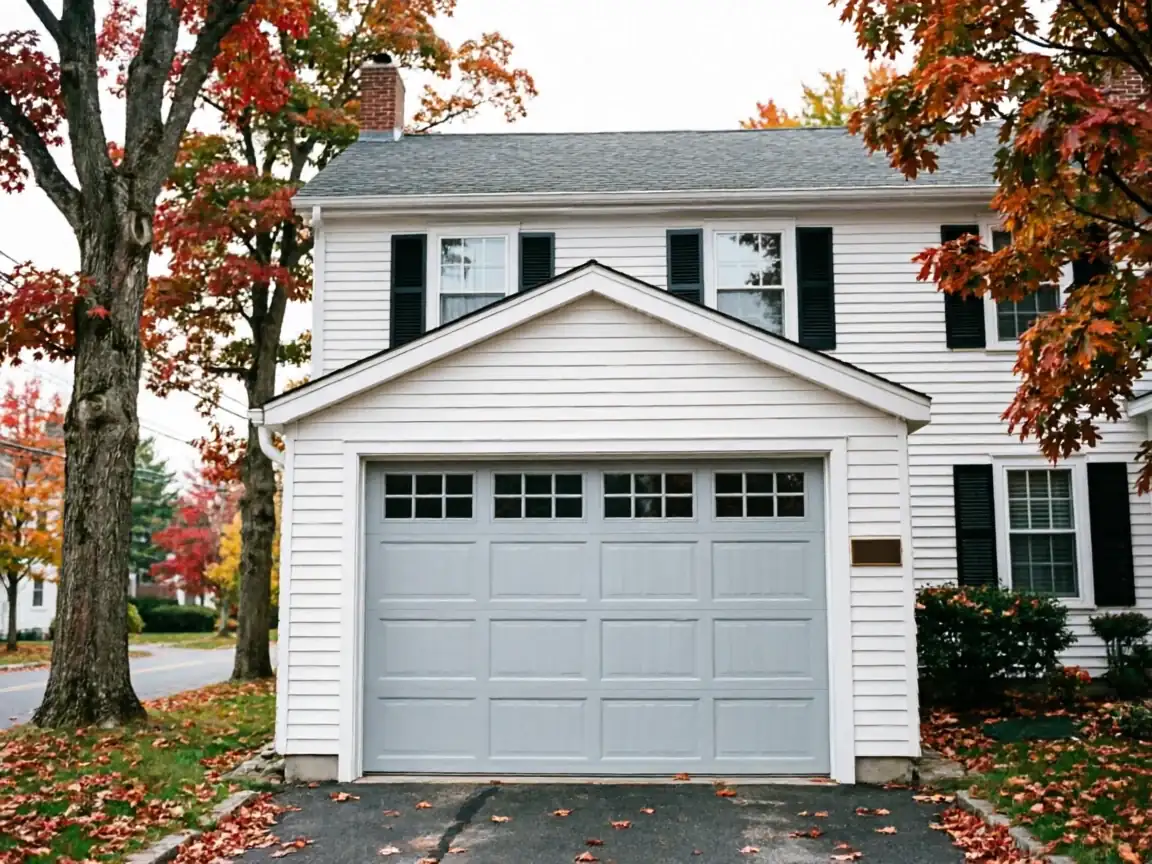
West Orange sits about 6 miles out from our shop in Newark, which matters more for this job than most. A single-panel swap on a steel sectional door is a short visit if the section is still made, but a lot of the doors we find in West Orange are older than that - the area's housing stock runs mostly 1938 to 1996, with a median build year around 1956. A door installed when the house was built, or replaced once in the 1980s, often uses a panel height or a track width nobody stamps anymore. That drives the bill up before a technician even touches the door: locating a matching section, or deciding the whole door needs to go instead. We price the call once we're looking at the actual panel and the actual track, not before. Median household income here runs higher than the wider Newark service area - about $131,645 against the area's broader $120,958 - but that doesn't change what a part costs or what's in stock. The honest version: if your door is a common 16-foot steel sectional from the last fifteen years, this is a routine repair. If it's older and original to a 1950s build, expect the quote to include sourcing time, not just labor.
Where This Job Goes Sideways
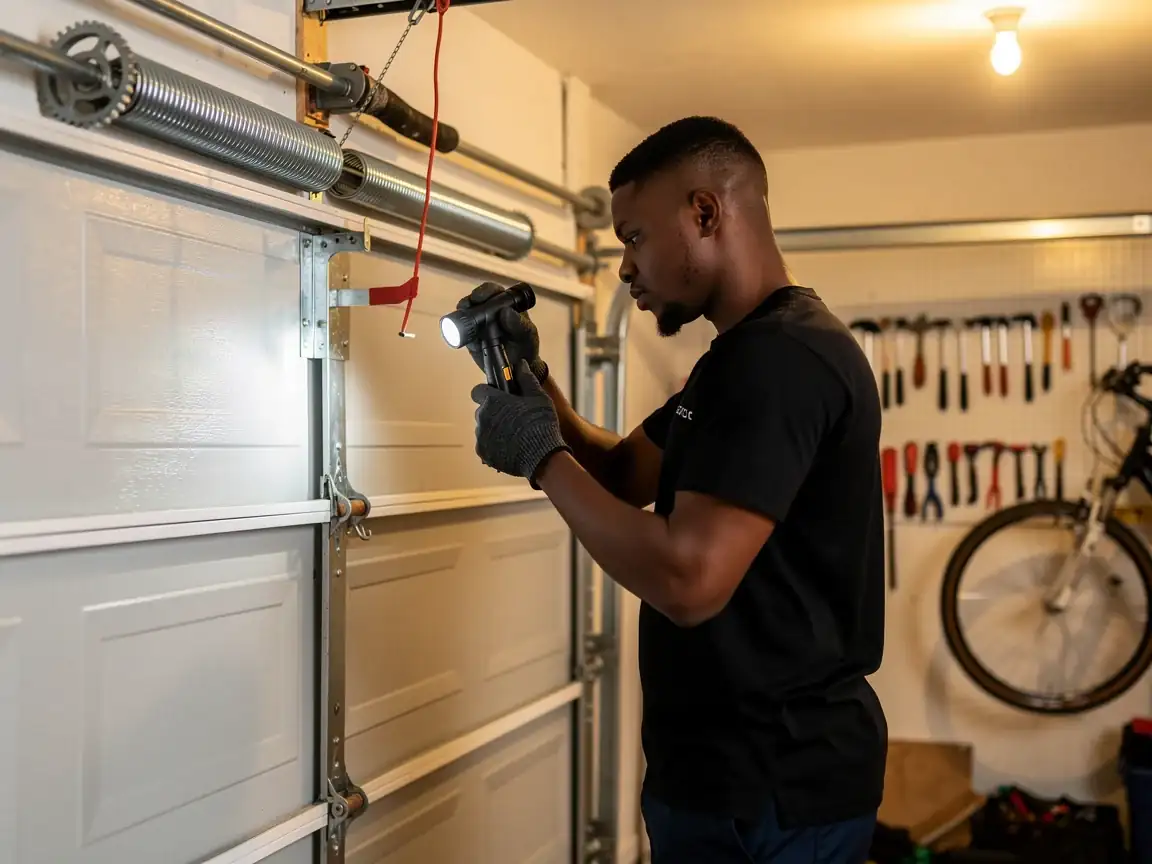
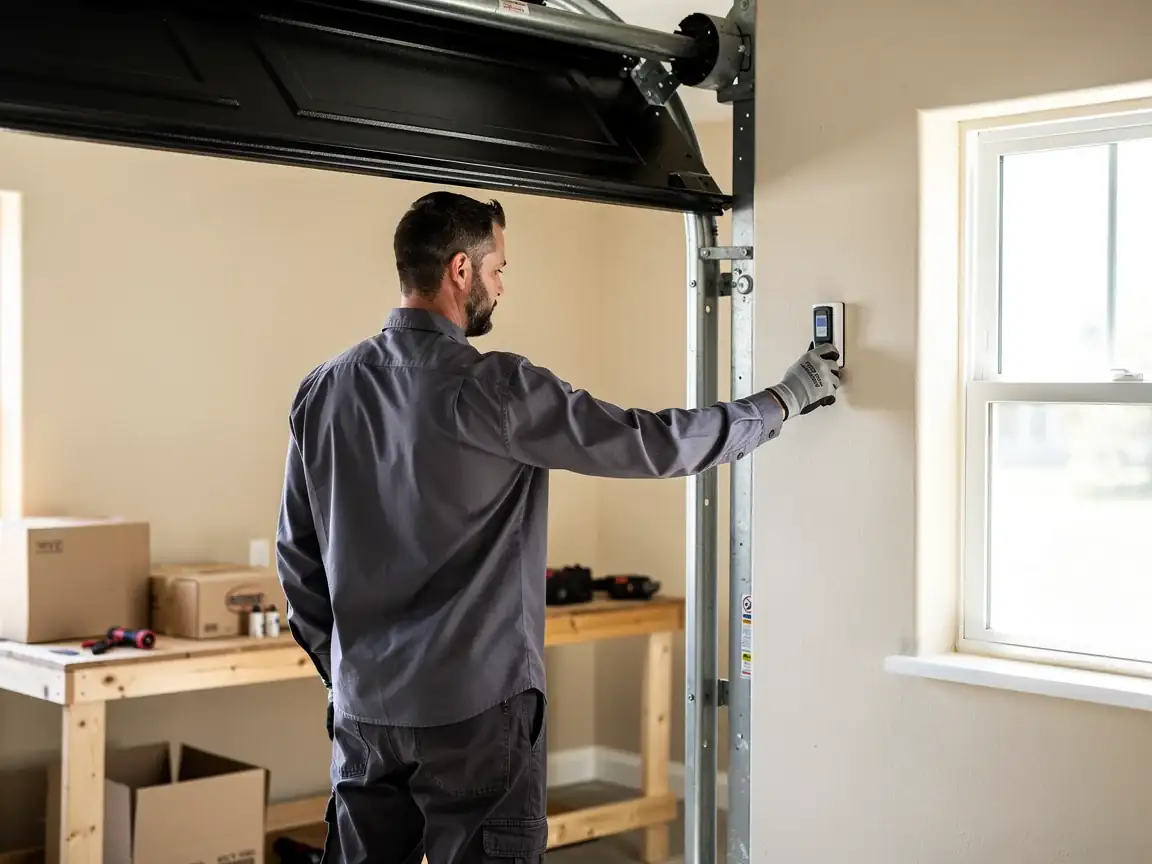
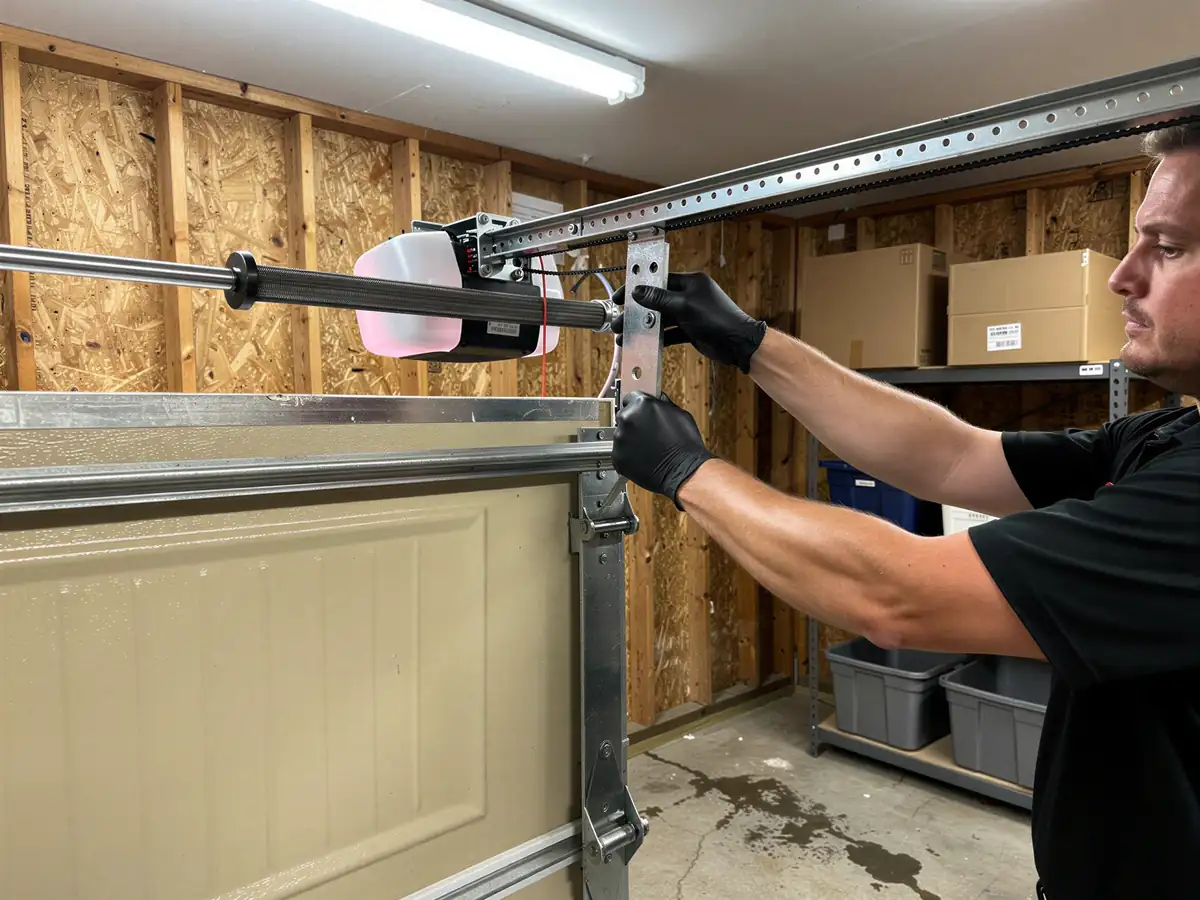
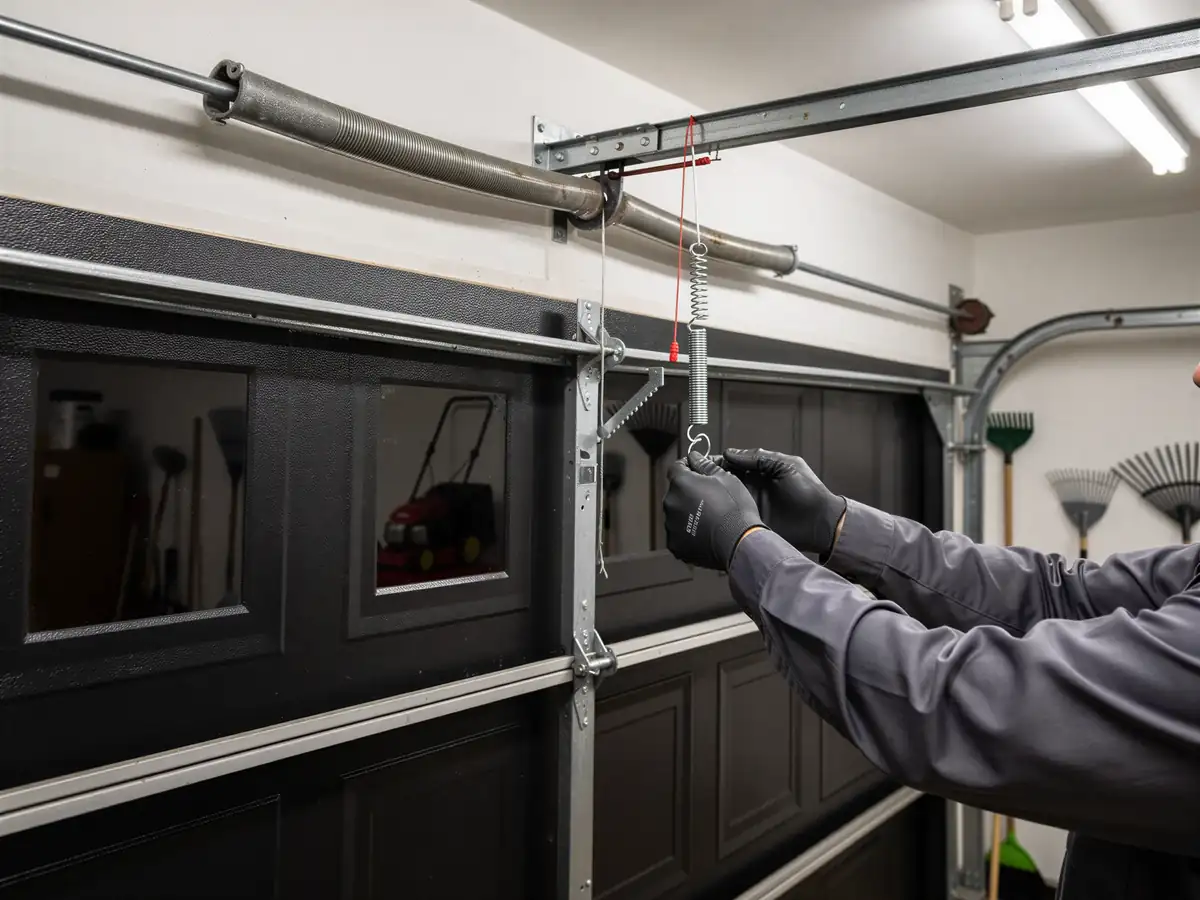
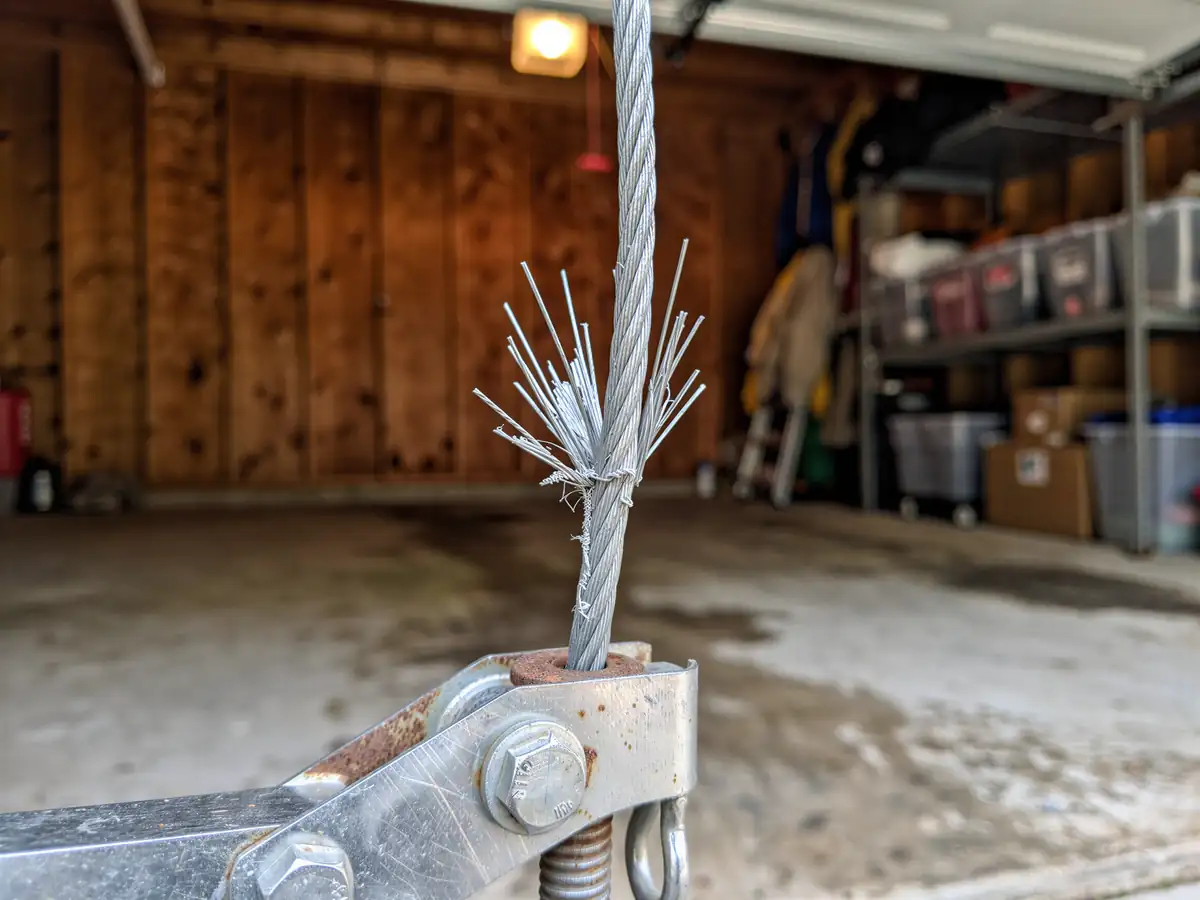
The failure we see most in West Orange isn't the panel itself - it's what's behind it. Houses built in the 1950s through the 1970s often have doors on hardware nobody's touched since install: single-torsion springs sized for a lighter door, rollers that were never nylon, track that's been reset by hand more than once. Swap one panel into a frame like that and the door runs crooked inside a week, because the rest of the door was already out of balance before the panel cracked or dented. We check balance and track alignment before we order a replacement section, not after, because a new panel on bad hardware fails the same way the old one did. The other place this goes wrong is cold-weather cracking. This area sits in a severe cold climate band, and steel panels with foam-filled cores that have taken freeze-thaw cycles for sixty-plus winters get brittle at the seams. A hairline crack you can't see in July opens up in January. We'd rather tell you that now than have you call back in February.
How Long It Takes
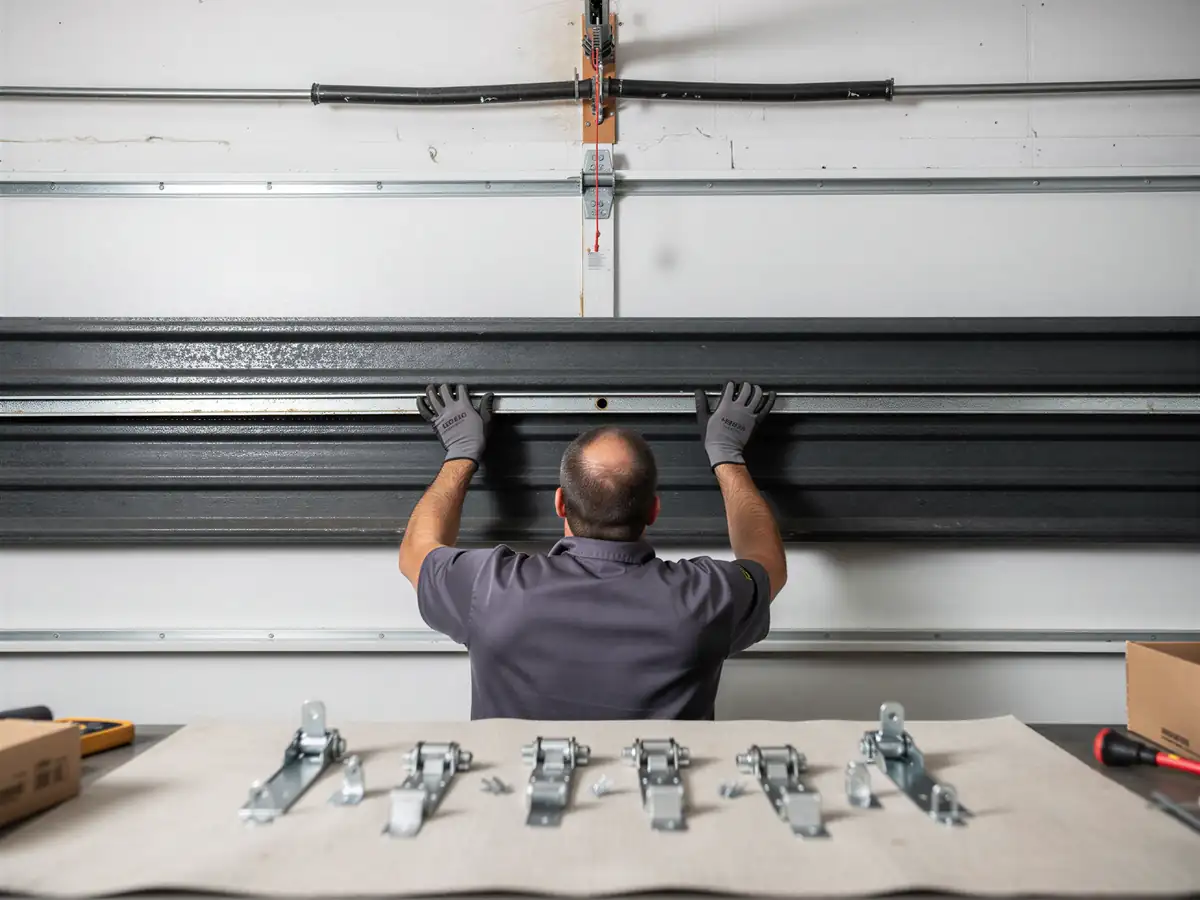
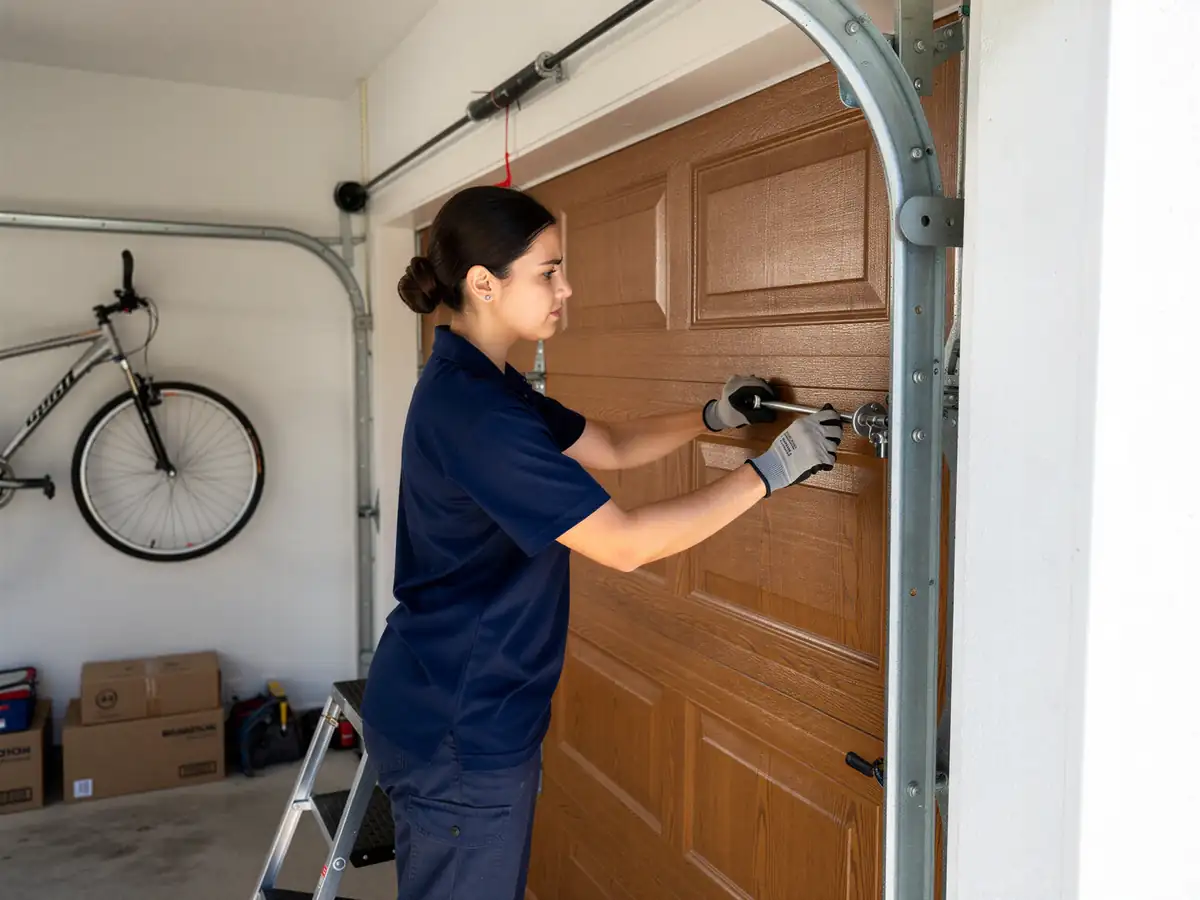
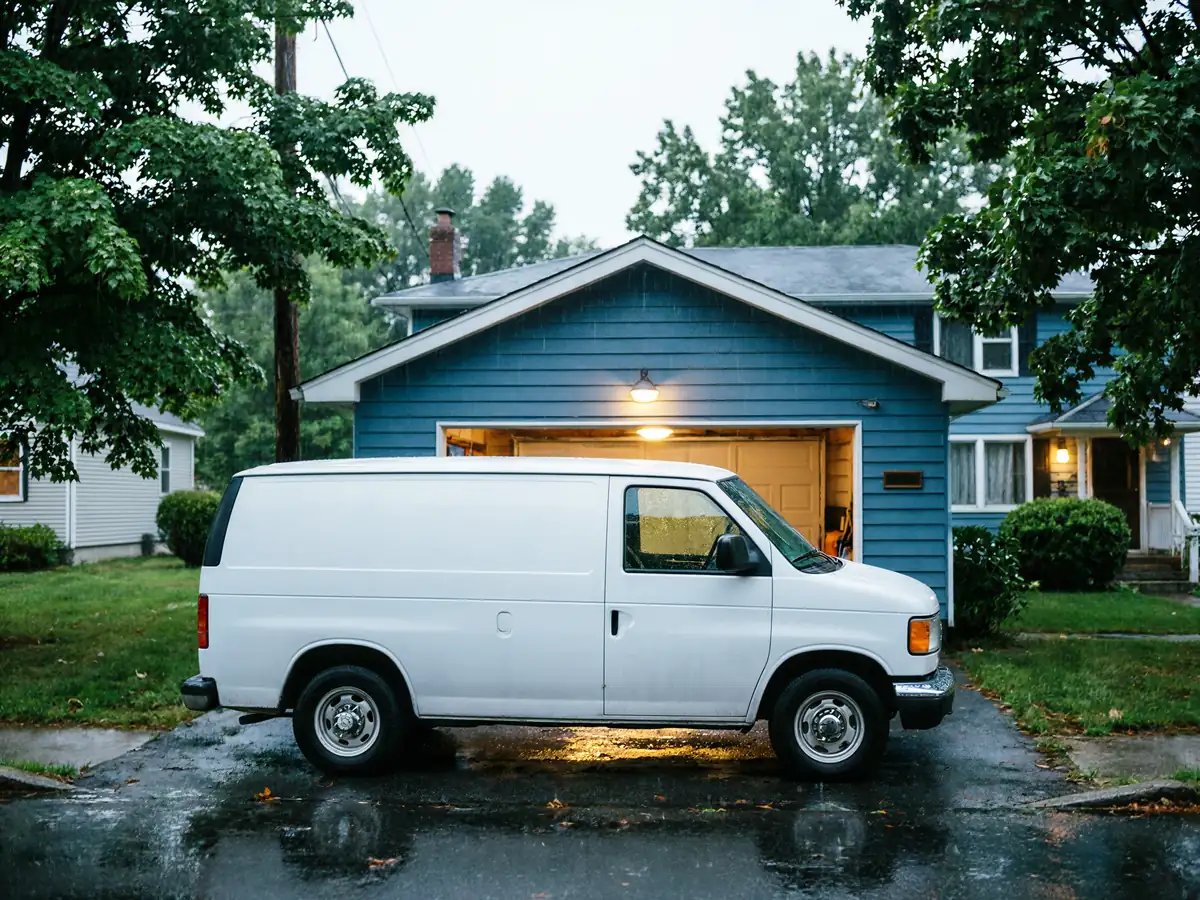
A straightforward panel swap - door in good shape otherwise, section available - is usually a single visit. The time that adds up is the drive and the sourcing, not the install itself; a panel goes in and gets fitted in under an hour once it's on the truck. Where it stretches out is matching older stock. For houses built in the 1950s and 60s, which is most of West Orange, a torsion-hardware door from that era sometimes means the exact panel profile isn't something we're carrying that week. We'll tell you on the first visit whether it's a same-trip job or a two-trip job, and we won't guess at a timeline we can't back up - we don't operate a local branch here, we run the job out of Newark, so scheduling is built around that drive, not around being already on your street.
Parts We Carry
We stock common steel sectional panel sizes that fit most doors installed in the last fifteen to twenty years, along with the standard hardware that goes with them - hinges, end stiles, rollers sized to match. What we don't keep on the truck is anything custom to an original 1950s or 60s door: wood panel sections, odd-height steel sections from discontinued product lines, or anything built to a track width that's no longer standard. If your door falls into that category, which is common given how much of West Orange's housing predates 1960, we'll look at whether replacing the single panel is worth it against replacing the whole door. Sometimes patching an old door costs more over two visits than just putting in a new one. We'll say so plainly instead of running up the job.
How it works
From “it’s stuck” to “it’s fixed”
01
Tell us what’s wrong
Describe the symptom - won’t open, loud bang, opener runs but the door won’t move.
02
On-site diagnosis
A technician tests the door under power and by hand and finds what actually failed.
03
Clear, up-front plan
You get the fix that’s needed and what drives the cost - before any work starts.
04
Repaired & tested
The repair is done, the door is set true and tested, and the work area left clean.
Not sure which repair your door needs in Newark, NJ? Describe what it’s doing - every job starts with a diagnosis.
Why does my panel replacement cost more here than a quote I saw online?
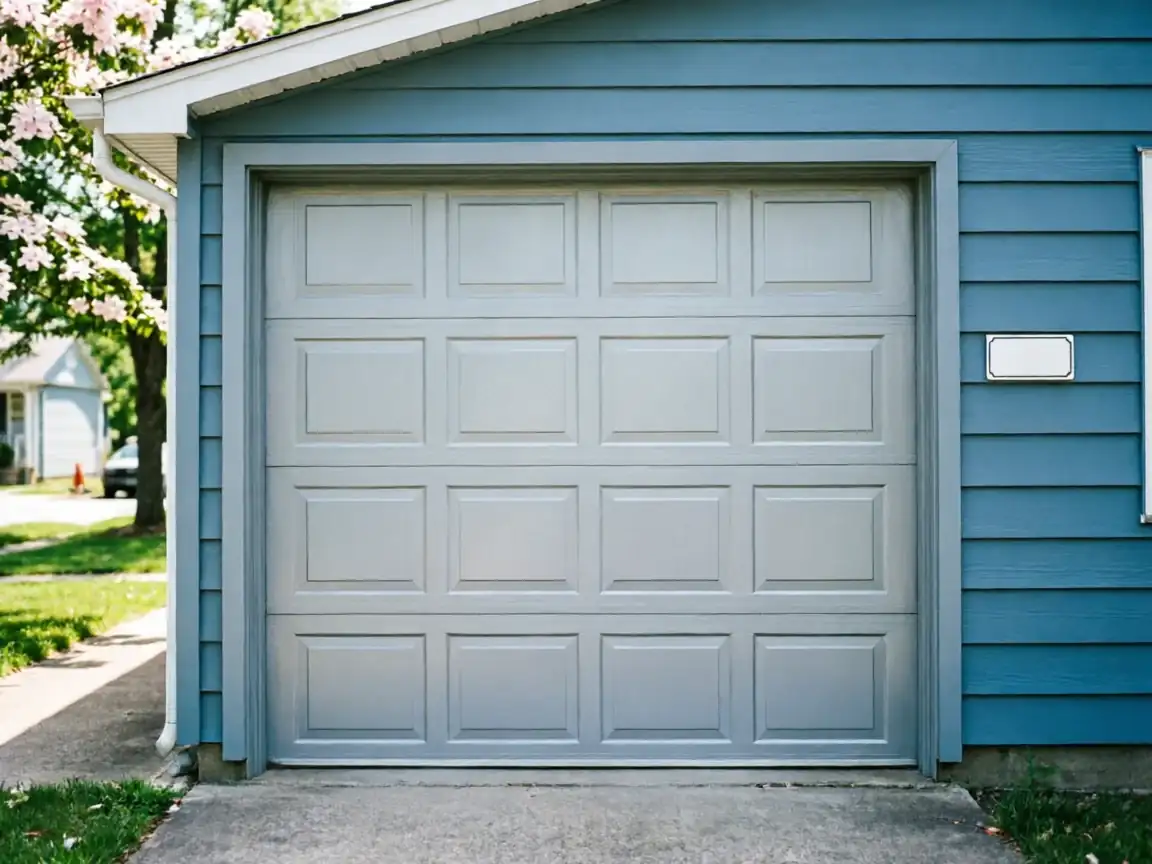
Online panel-replacement quotes usually assume a common steel sectional door from the last 15-20 years. A lot of West Orange homes were built in the 1950s, and doors that old often use panel heights or track widths that aren't standard stock anymore, which adds sourcing time to the job.
Do you have a shop in West Orange?
No. We run this job out of Newark, about 6 miles away. There's no local branch or depot here, so scheduling is built around the drive, not around a crew already in town.
Can you just replace one panel instead of the whole door?
Often yes, if the rest of the door is sound and the panel section is still available. If the door is original to a 1950s or 60s build, we'll check whether single-panel replacement is worth it against full door replacement before we quote either one.
Why did my panel crack without me hitting it?
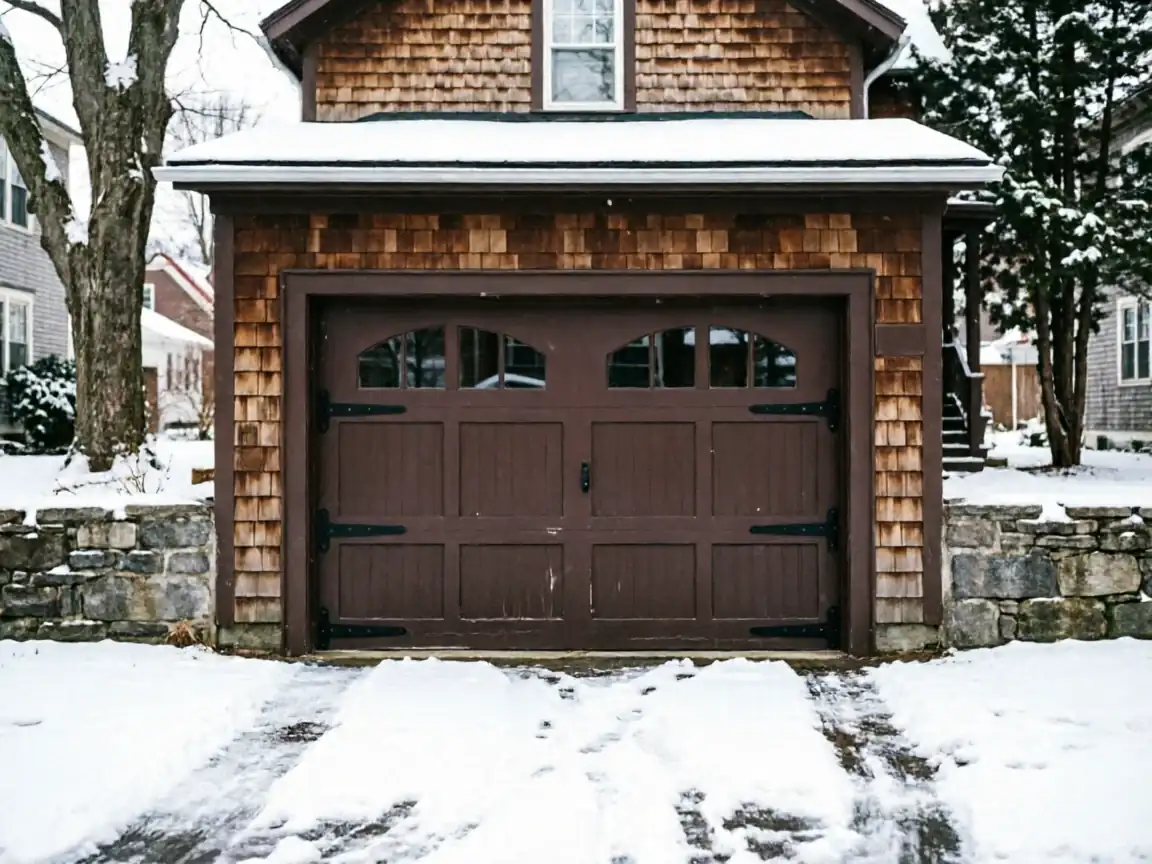
This area sits in a severe cold climate band. Steel panels with foam cores take decades of freeze-thaw cycling, and seams that formed hairline cracks years ago often don't fail visibly until a hard winter finishes the job.