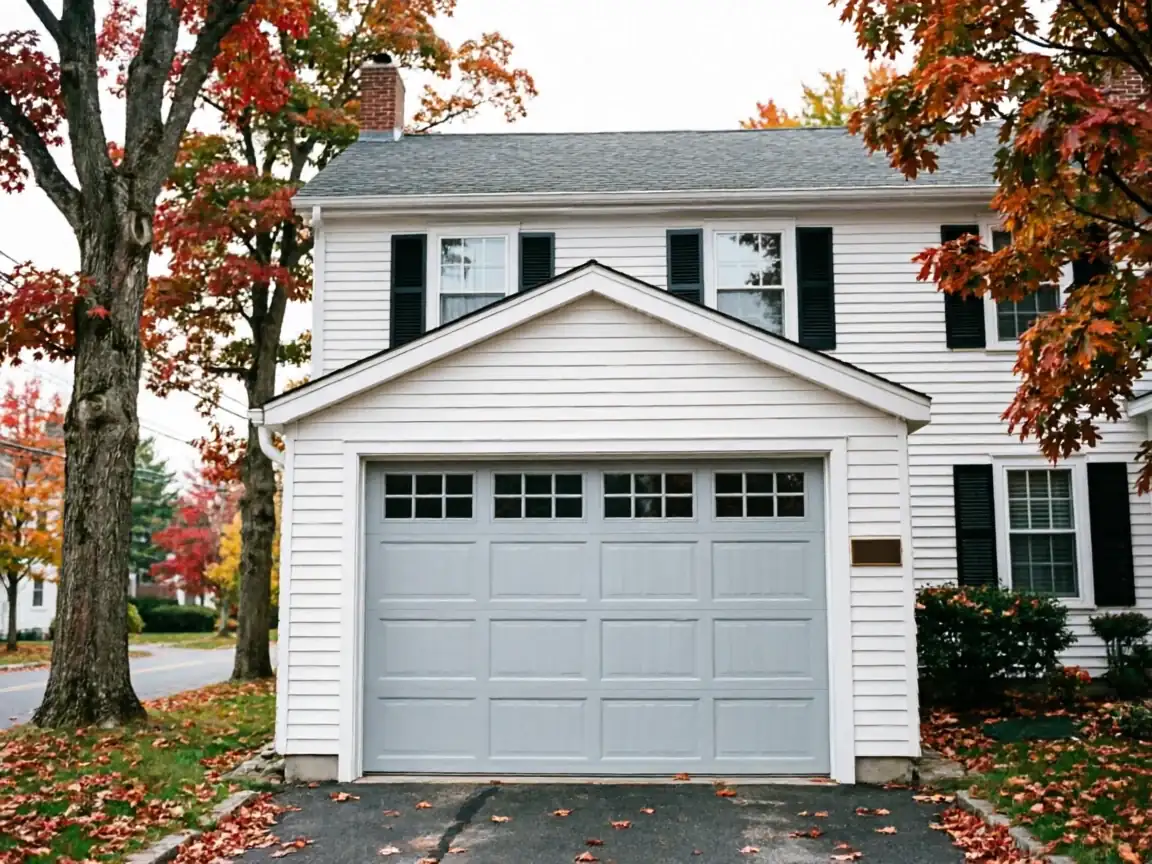
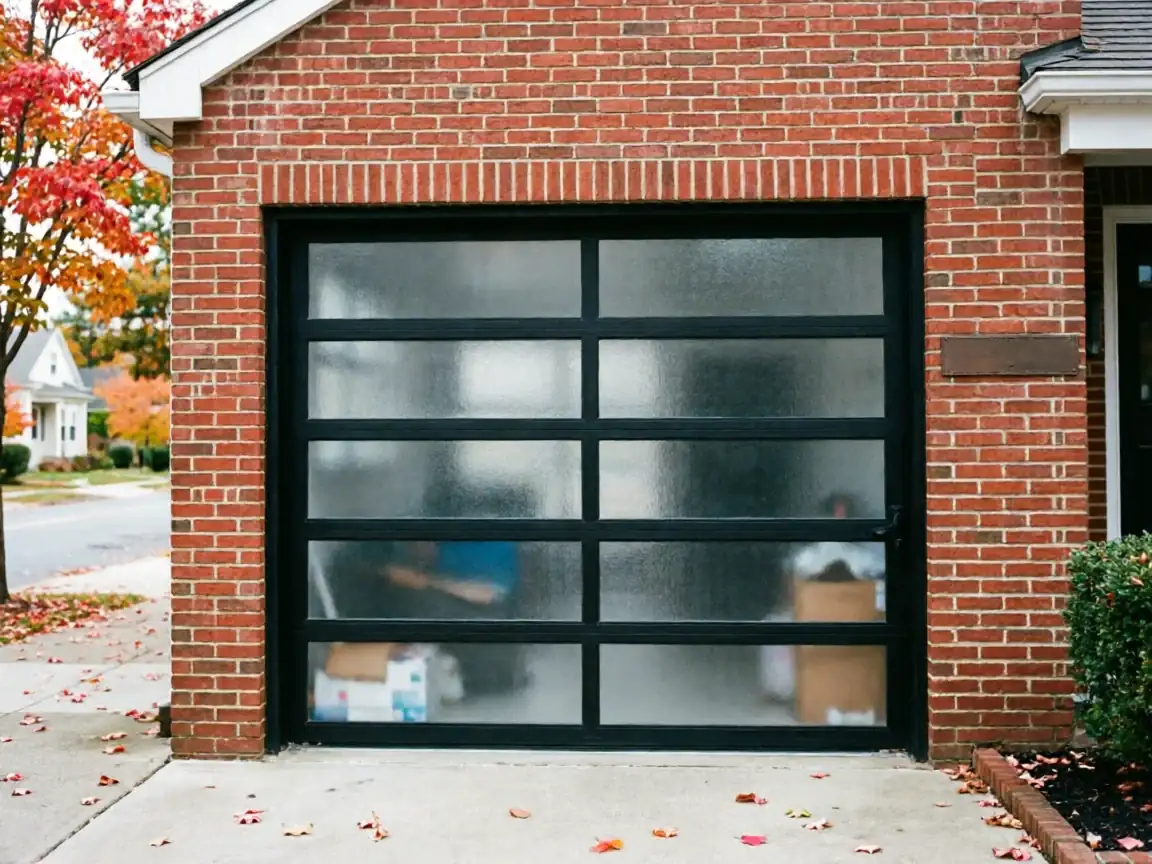
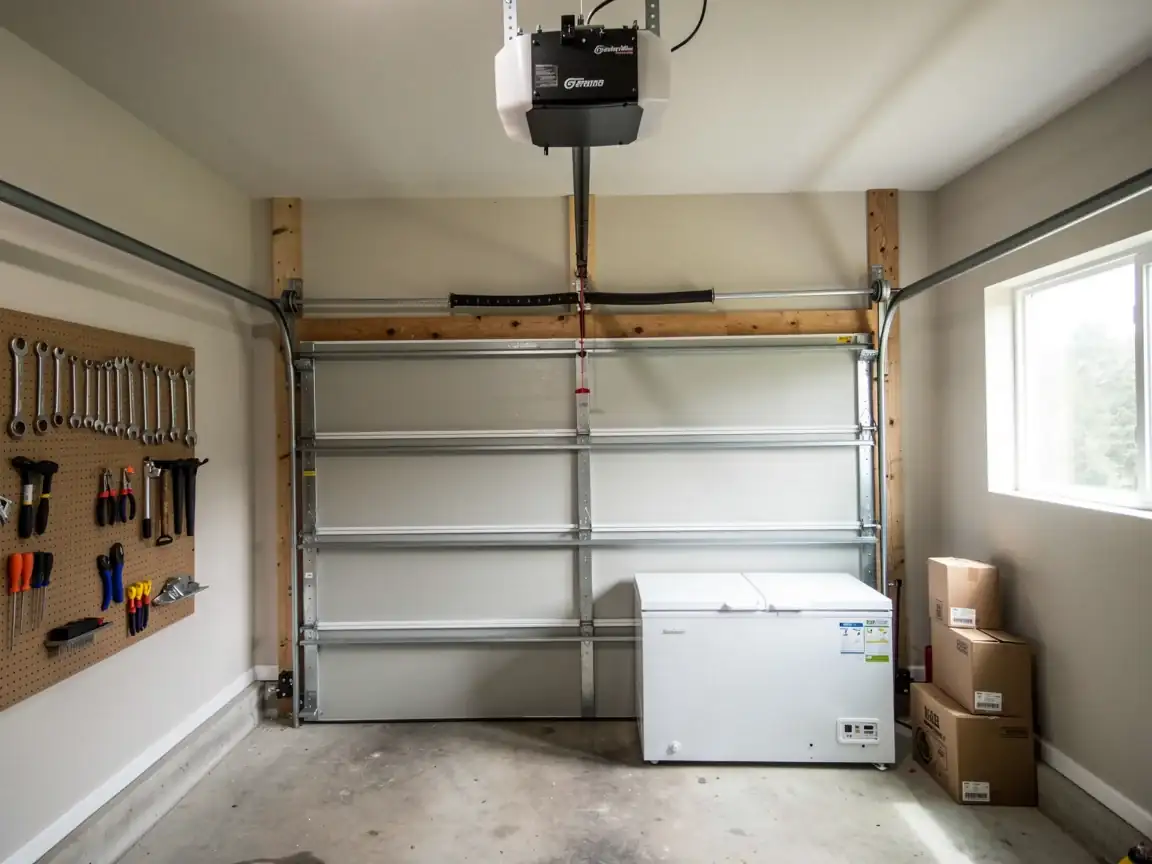
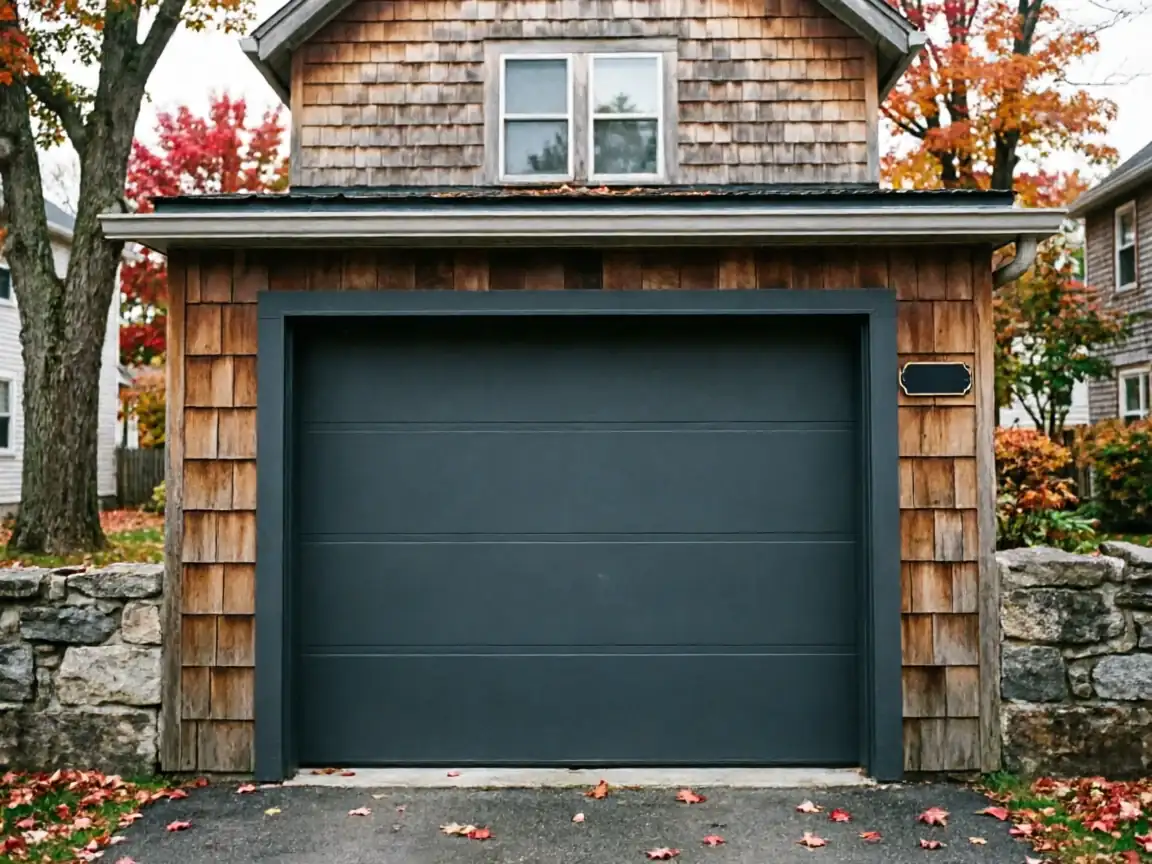
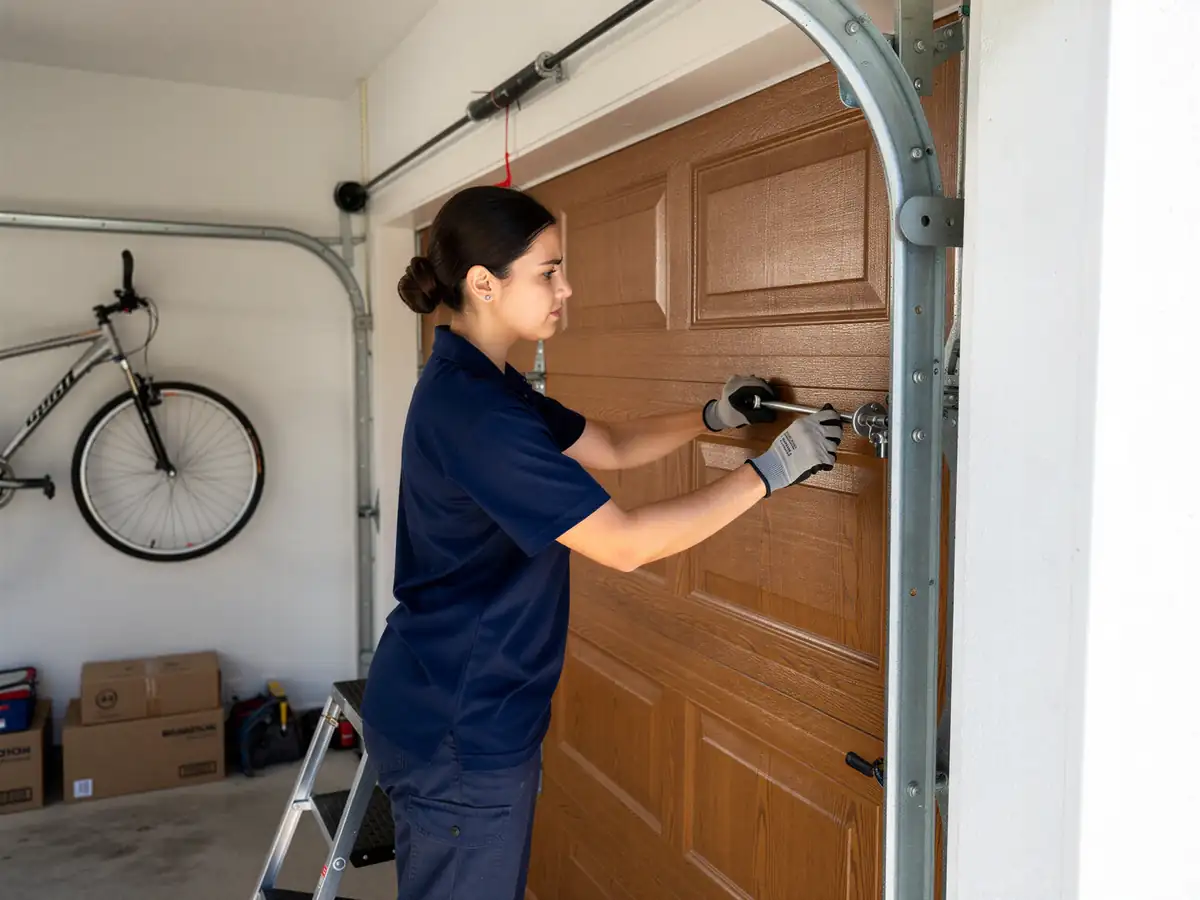
West Orange's housing stock runs a touch older than the rest of the service area, median build year 1956, which means specific spring and track setups on original openings. We work from Newark, six miles out.
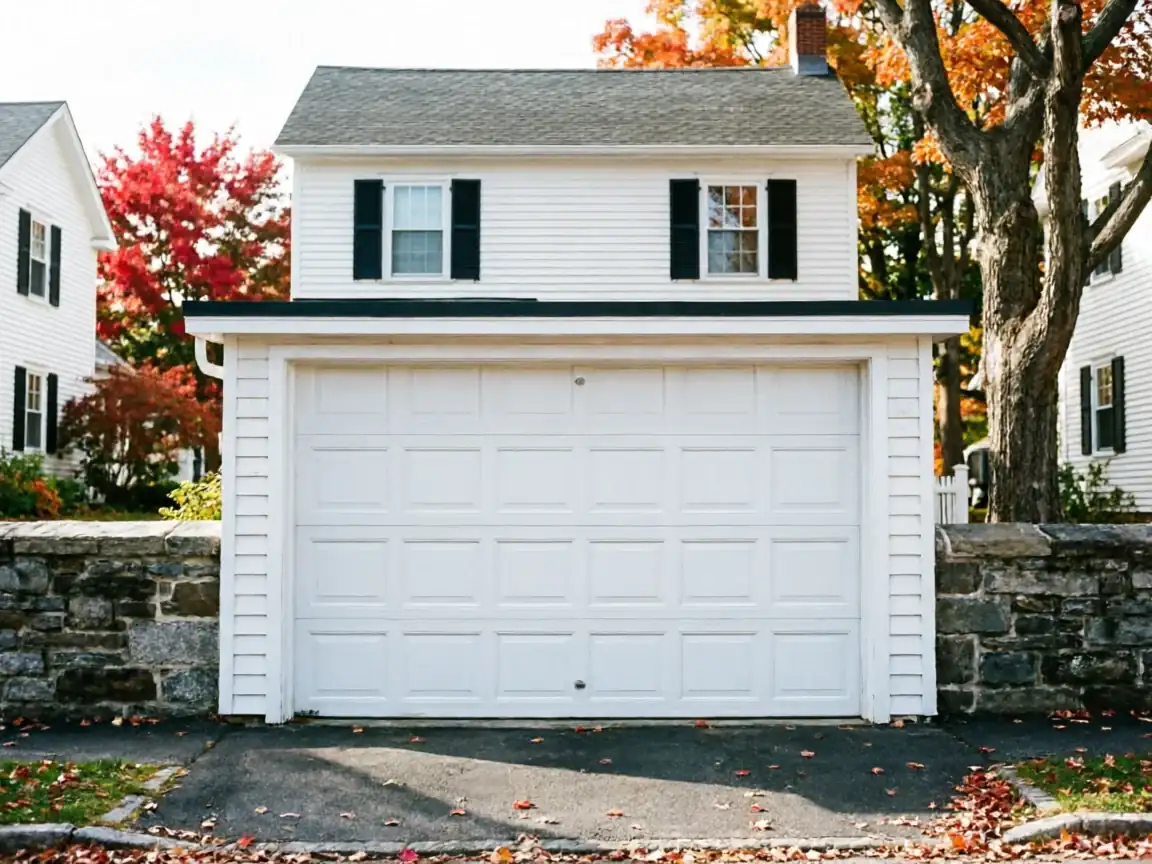
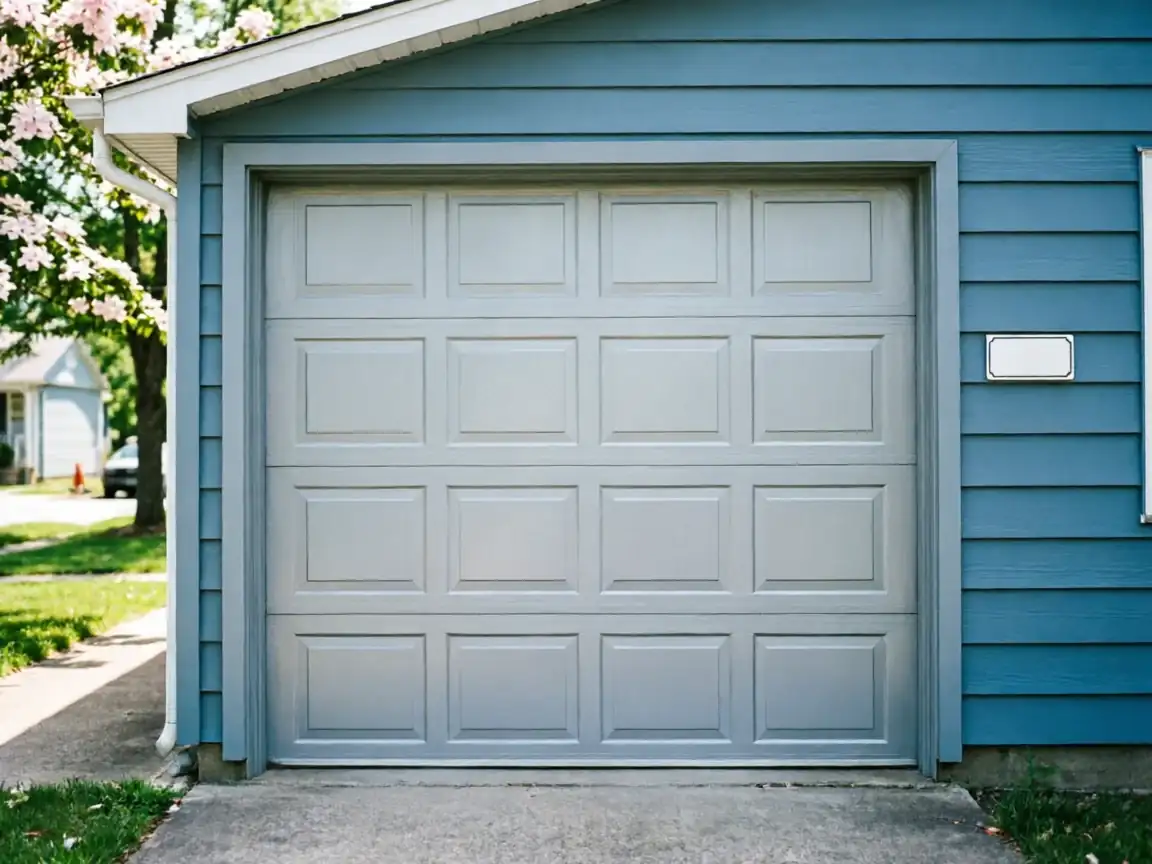
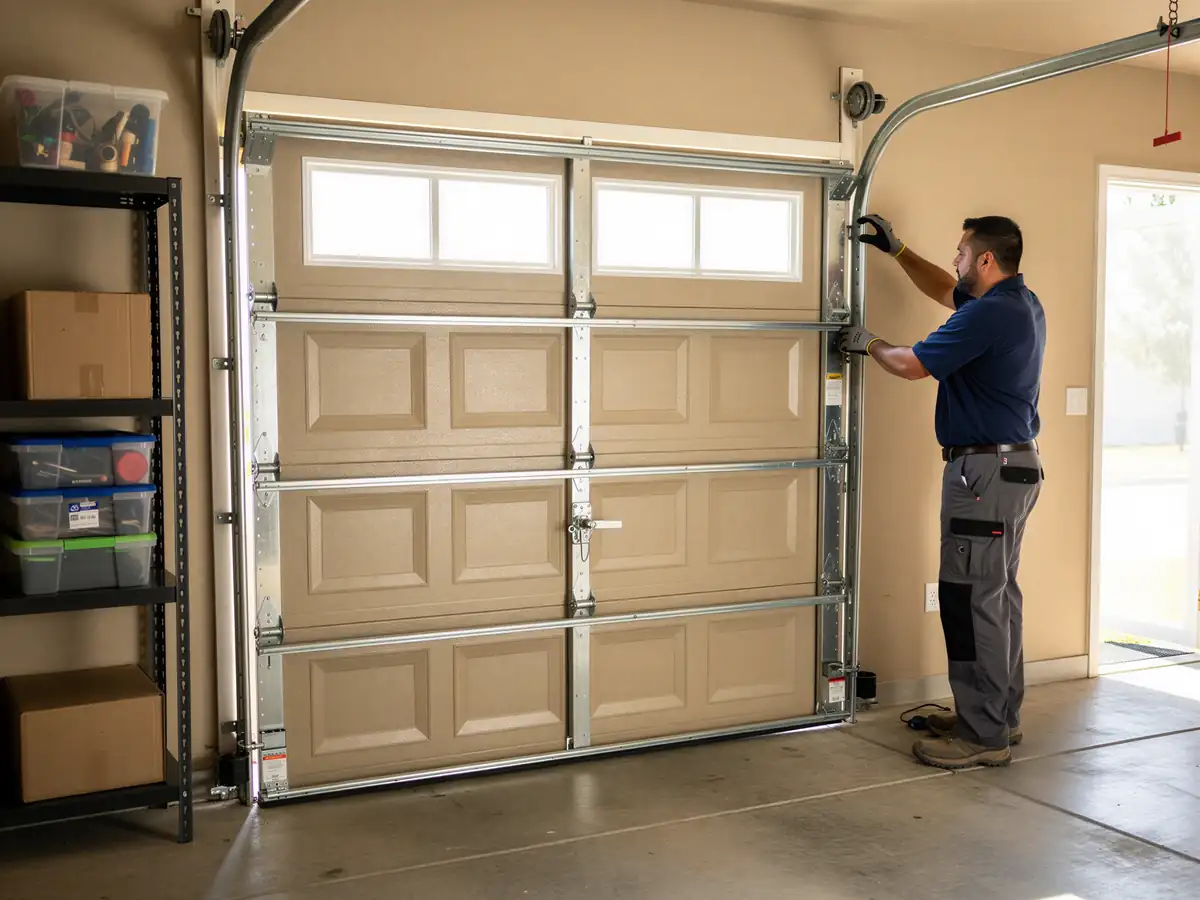
West Orange's median home went up in 1956, two years ahead of the 1958 median across the broader service area we cover out of Newark. That's not a big gap on paper, but it means a larger share of the doors on this side of town are original to openings framed before 1960 - narrower jambs, lower headroom, hardware sized for one-piece wood or early steel doors rather than the two-car steel sectional doors that became standard later. The job cost here tracks what's actually behind the opening, not a town-wide number. A straight spring swap on a door that's already been updated to modern sectional hardware is one price. Retrofitting a torsion conversion onto a 1950s low-headroom opening, which is common on this side of the service area, is another. West Orange also runs a higher median household income than the service area average - $131,645 against $120,958 - and we see that show up more in requests for full door replacement over patch repairs, not in the price of any single repair call. We quote the opening in front of us, not the zip code.
Where This Job Goes Sideways
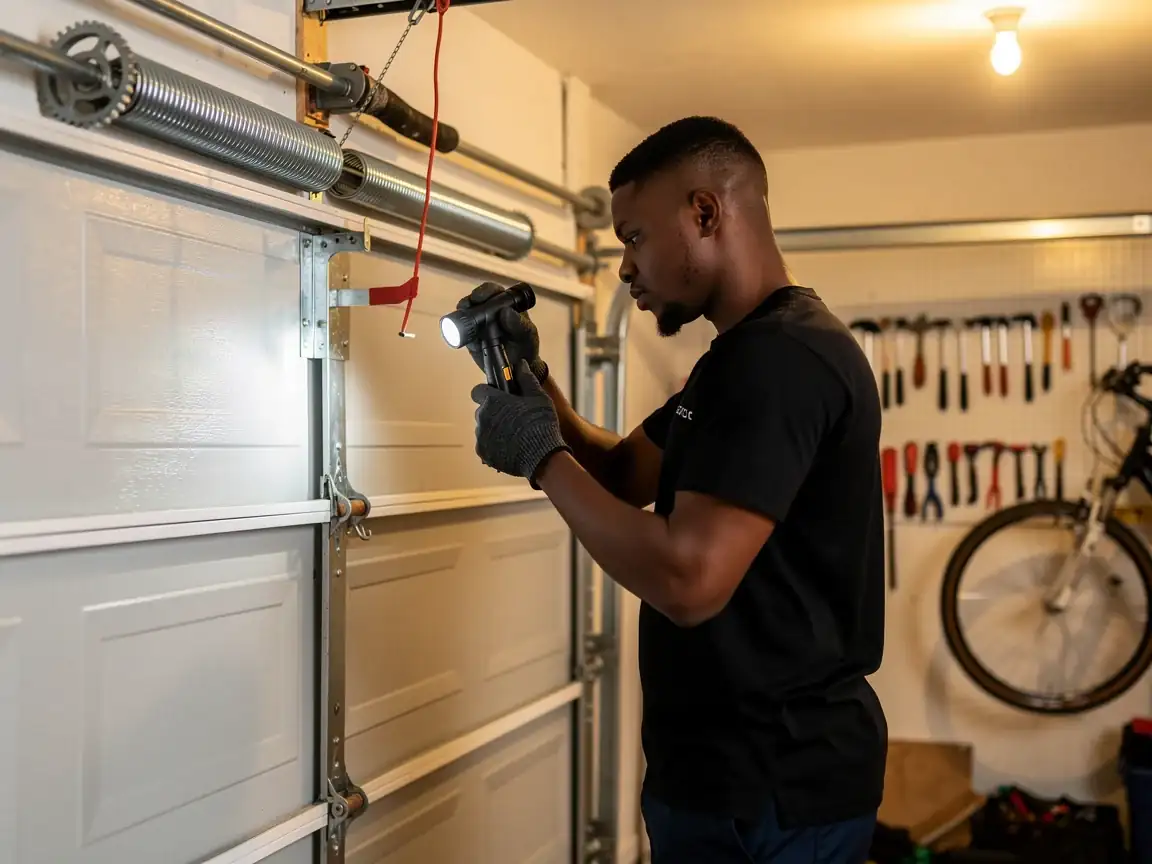
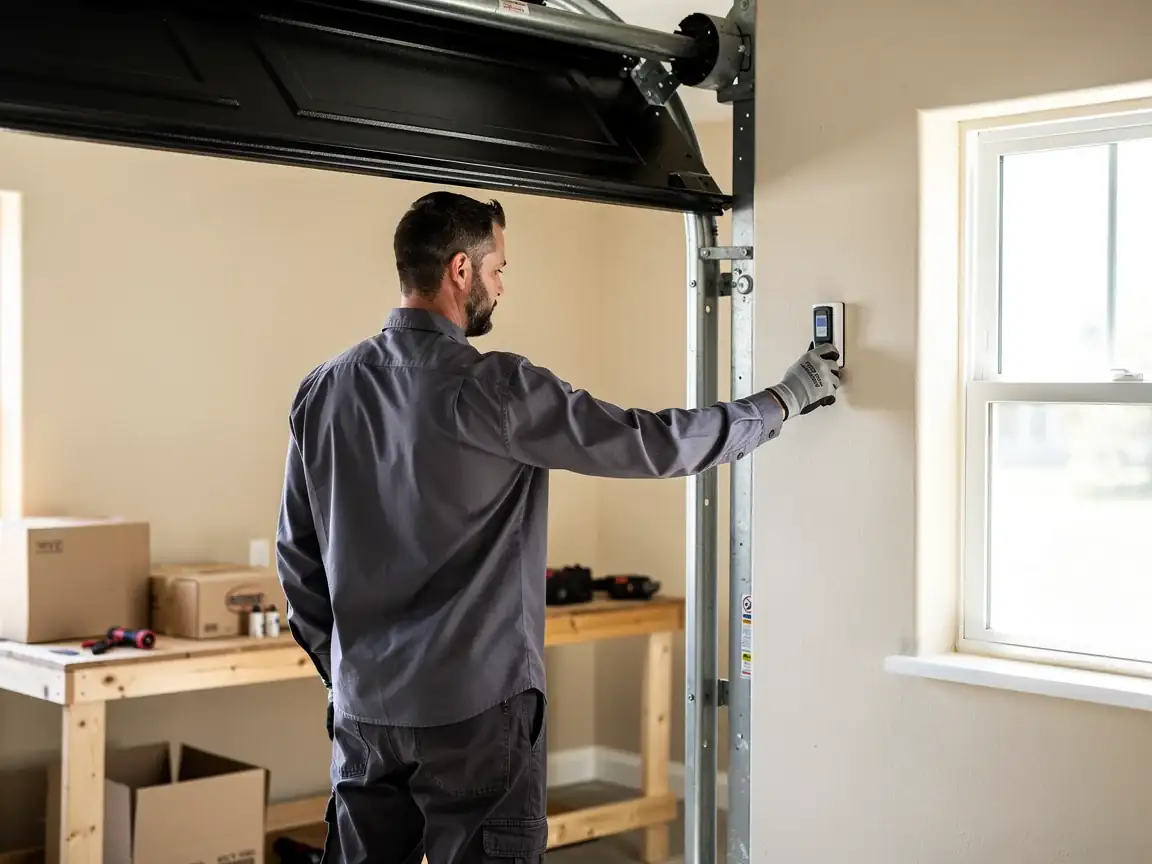
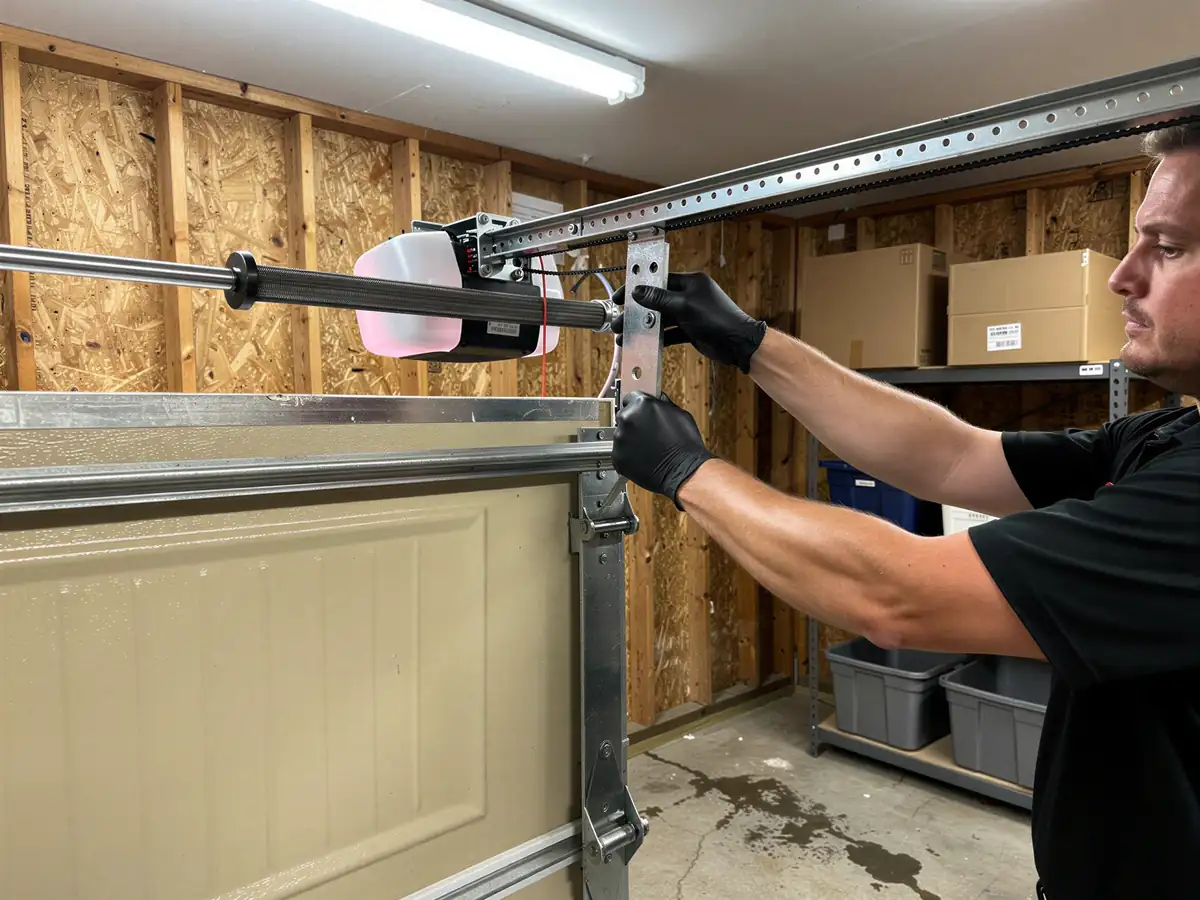
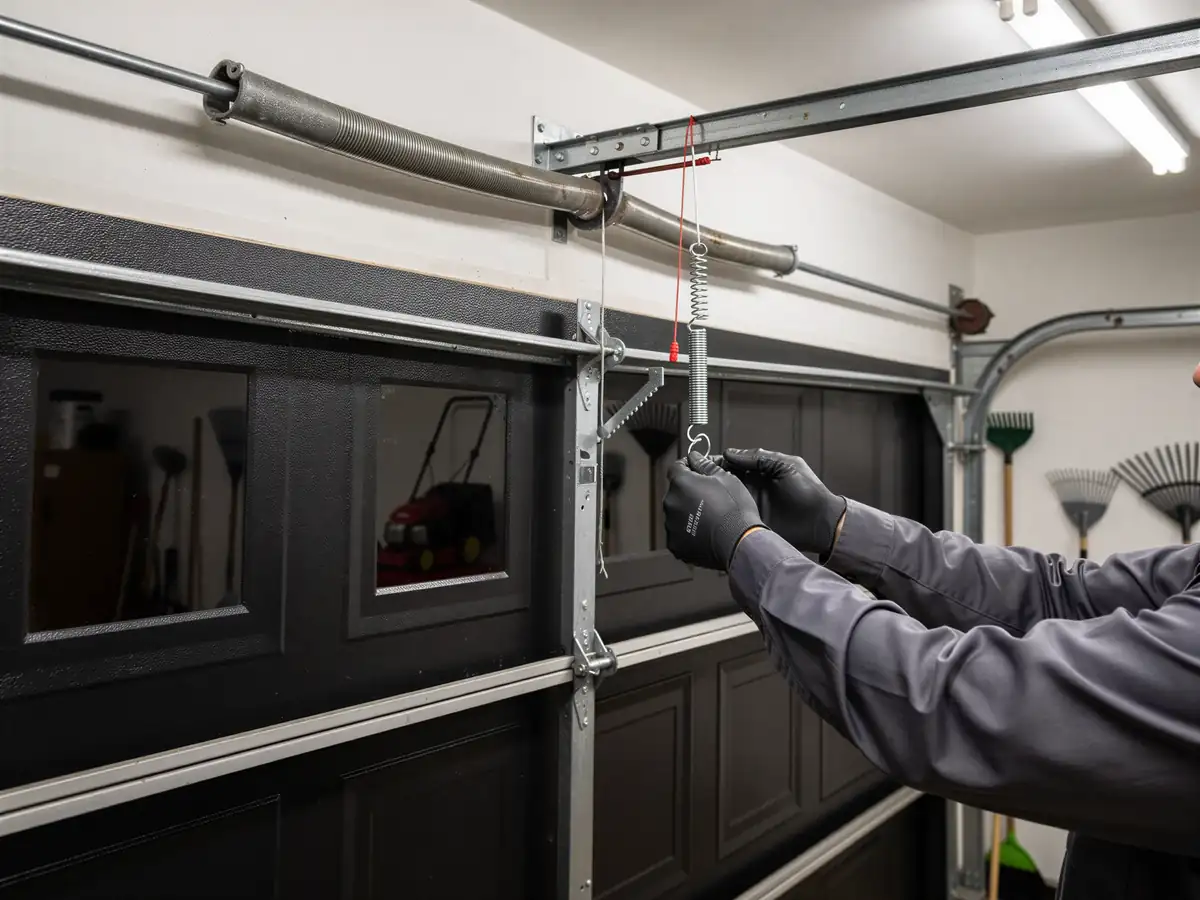
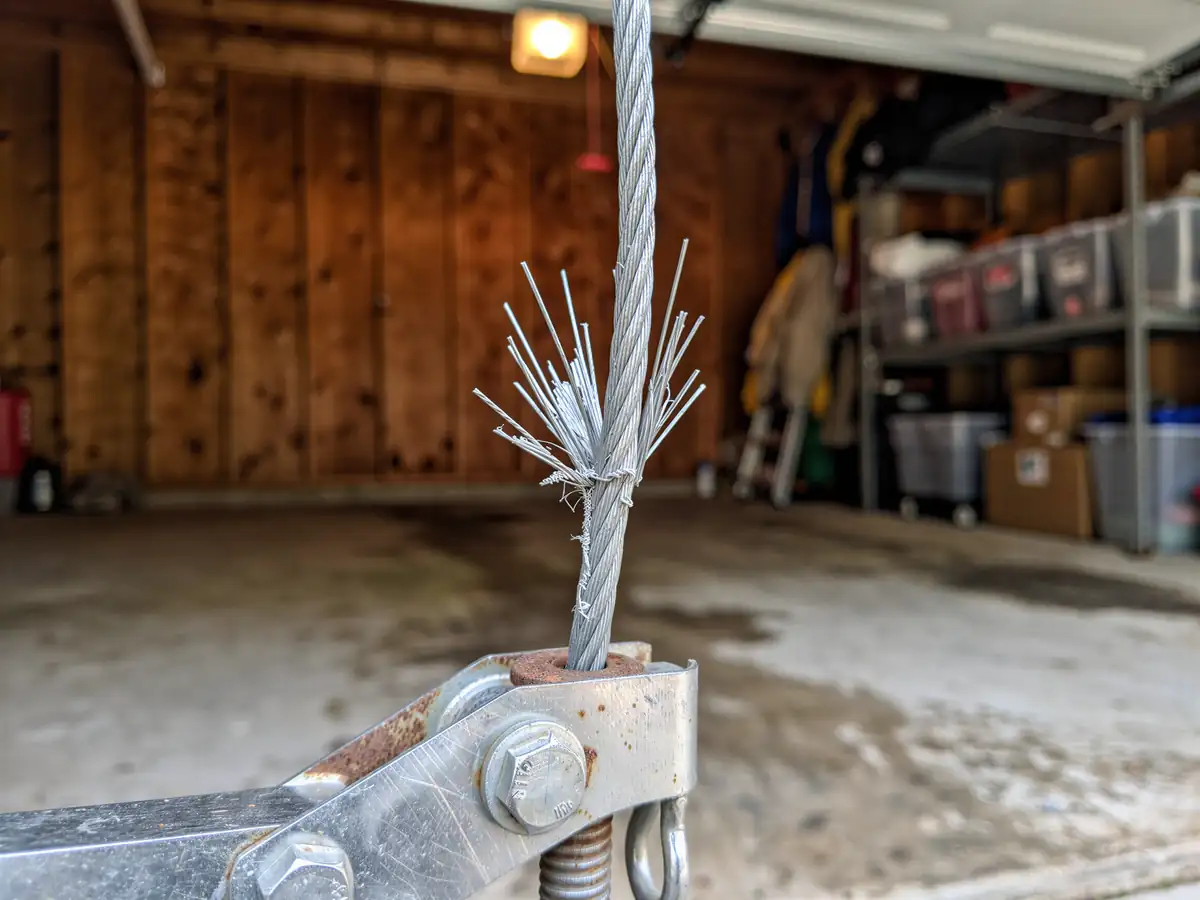
The failure mode we run into most in West Orange is a spring or cable sized for a door that isn't the one currently hanging in the opening. Houses built in the 1950s and earlier got replacement doors over the decades, and whoever installed the replacement didn't always swap the spring to match the new door's weight. That mismatch doesn't show up as a problem until the spring fails early or the opener strains against resistance it was never meant to fight. The region sits in a cold-climate band with real seasonal swings, and on these older openings that means more cycling stress on tracks and rollers that were never insulated or weatherstripped to a modern standard. We also see openers mounted on garages that were never framed for one - an add-on from decades back, bolted into ceiling joists that weren't sized for the load. That's the kind of thing you can't see from a photo over text. It needs someone standing under the door.
How Long It Takes
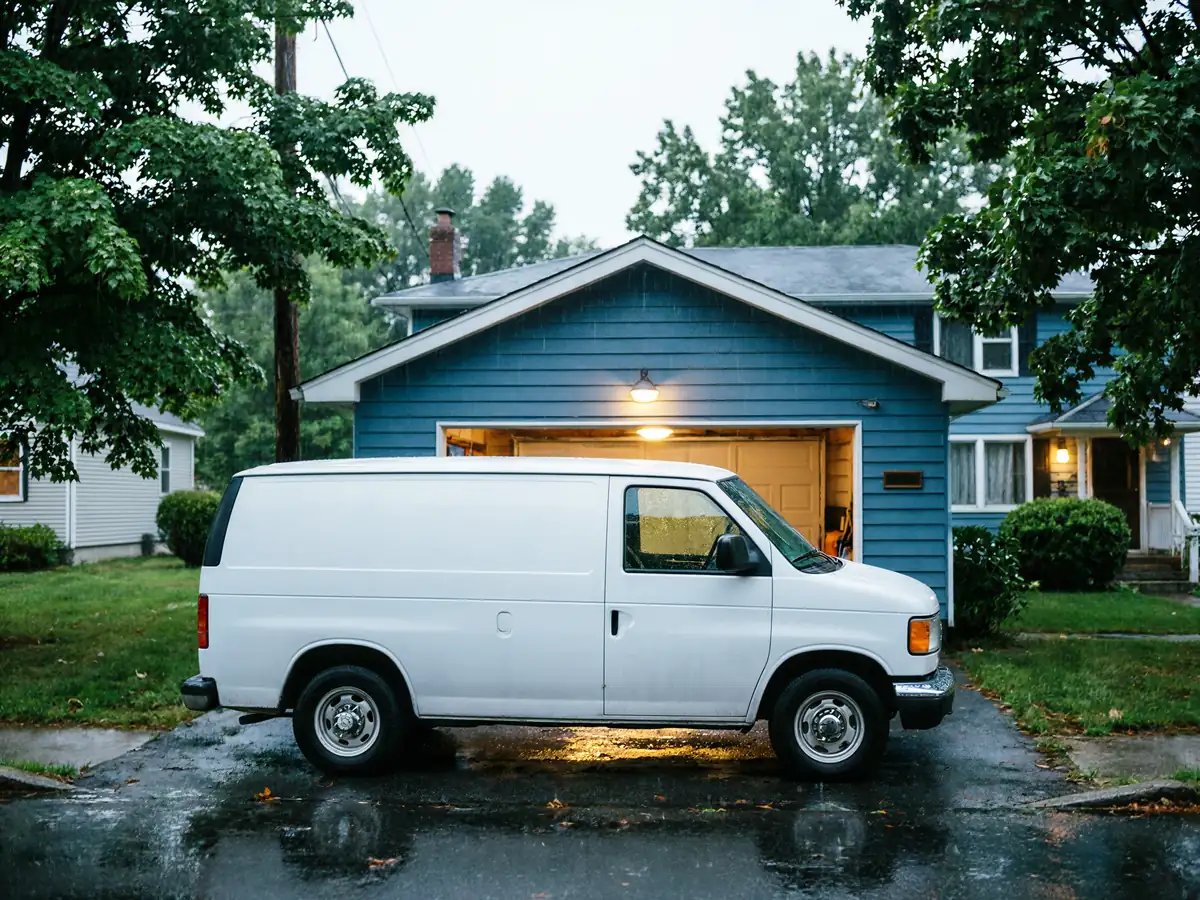
Most single spring or cable repairs on a West Orange home run the same timeline as anywhere else in the service area - under two hours once the truck is on site. What changes the clock is parts fit, not distance; we're six miles out of Newark, close enough that travel time isn't the variable. If the opening is original to a 1950s build and needs a torsion conversion, or if we find a low-headroom situation that needs a different drum or shaft configuration, that's a second trip once we've confirmed the part. We'd rather tell you that up front than guess at hardware we haven't measured. Full door replacements on these older openings also tend to run longer than on newer construction nearby, simply because stock sizes don't always match frames built before standard dimensions were common.
Parts We Carry
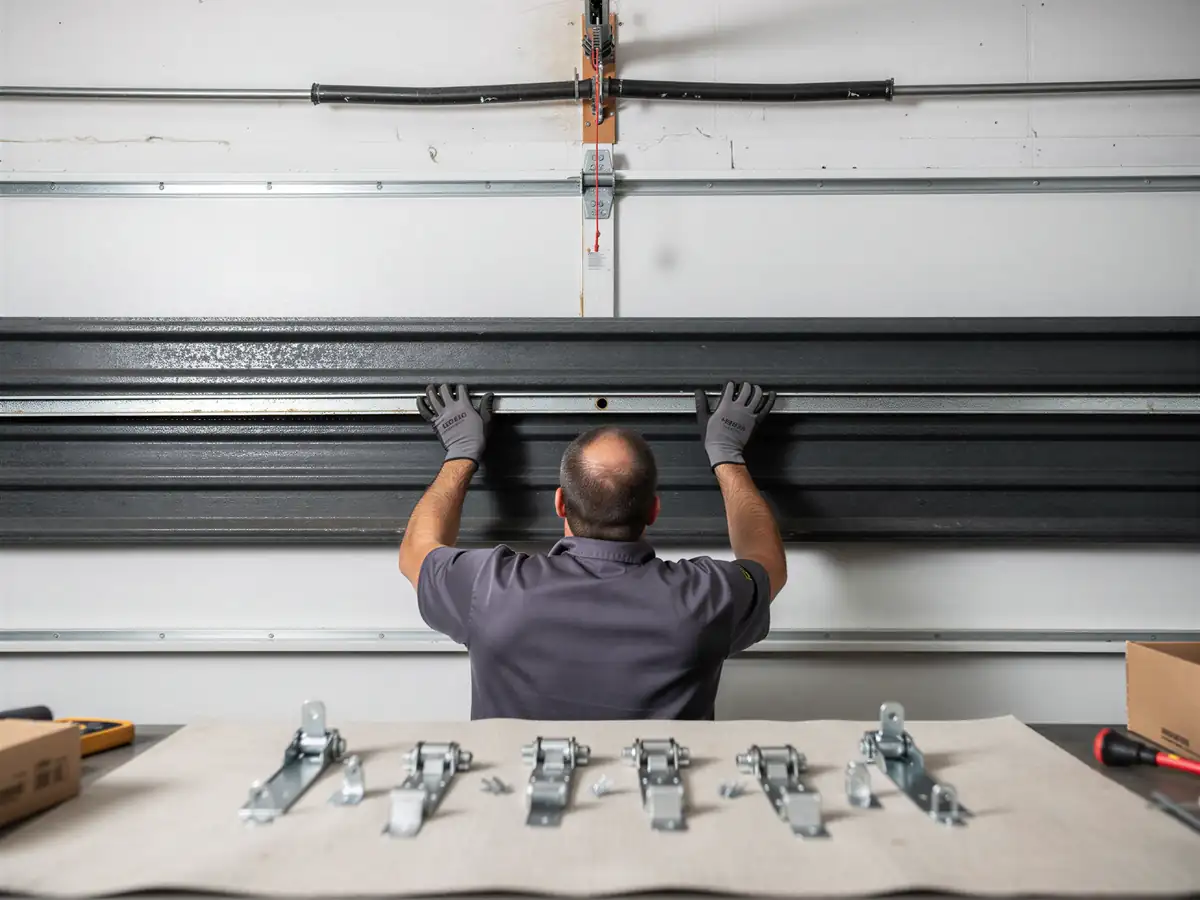
We stock the springs, cables, rollers, and hinges that cover the door types most common across this cold-climate service area - including the standard torsion setups found on the bulk of homes built from the late 1930s through the 1990s, which describes most of what's on the ground here and in the surrounding towns. What we don't keep on the truck is hardware specific to doors that predate that standard range - original 1930s and 1940s track hardware on a door that's never been touched, for instance. That's a special-order part, and we'll tell you the lead time once we've seen it rather than promise a number we can't back up. For most West Orange calls, especially anything tied to a door installed or replaced since the 1960s, the part comes off the truck the same visit.
How it works
From “it’s stuck” to “it’s fixed”
01
Tell us what’s wrong
Describe the symptom - won’t open, loud bang, opener runs but the door won’t move.
02
On-site diagnosis
A technician tests the door under power and by hand and finds what actually failed.
03
Clear, up-front plan
You get the fix that’s needed and what drives the cost - before any work starts.
04
Repaired & tested
The repair is done, the door is set true and tested, and the work area left clean.
Not sure which repair your door needs in Newark, NJ? Describe what it’s doing - every job starts with a diagnosis.
Why does my garage door spring keep breaking when my neighbor's doesn't?
If your house and your neighbor's went up around the same time but had doors replaced at different points, you may be running different spring sizes on similar-looking doors. A spring sized for a lighter original door won't last under a heavier modern sectional door. We check the door's actual weight against the spring on site rather than assuming they match.
Do you have a branch in West Orange?
No. We work out of Newark and cover West Orange along with the rest of the surrounding service area, about six miles out. There's no separate dispatch point here, just the same crew and the same stocked truck coming from Newark.
Is it worth repairing an old torsion setup from the 1950s or should I replace the whole door?
Depends on the opening and what's actually failed. A worn spring or cable on sound hardware is usually worth fixing. If the drums, shaft, or track are original and we're already converting the setup, replacing the full door at that point often costs less in the long run than piecing together old hardware that's no longer made to spec.
Does the cold weather here cause more garage door problems?
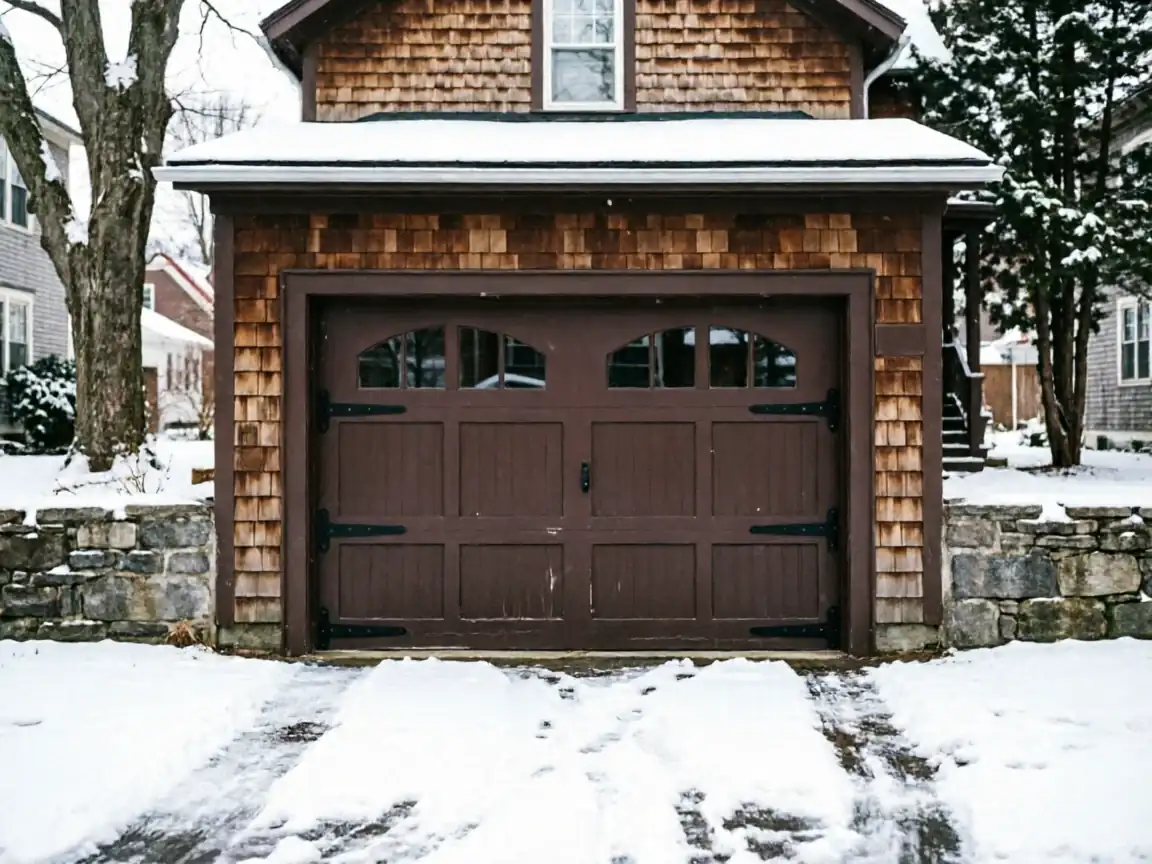
The region sits in a cold-climate band with real seasonal temperature swings, and that does add wear to tracks, rollers, and weatherstripping over time, especially on older openings that were never sealed to a modern standard. It's not the only factor in a failure, but it's part of why older doors here need more frequent adjustment.