Serving Newark, NJ & nearby
(973) 291-0751
Newark, NJ

Garage Door Repair for Kearny's 1950s Housing Stock

Kearny homes went up mostly around 1952, which means original hardware built for lighter doors. We travel from Newark to fix the springs, tracks, and openers that era left behind.

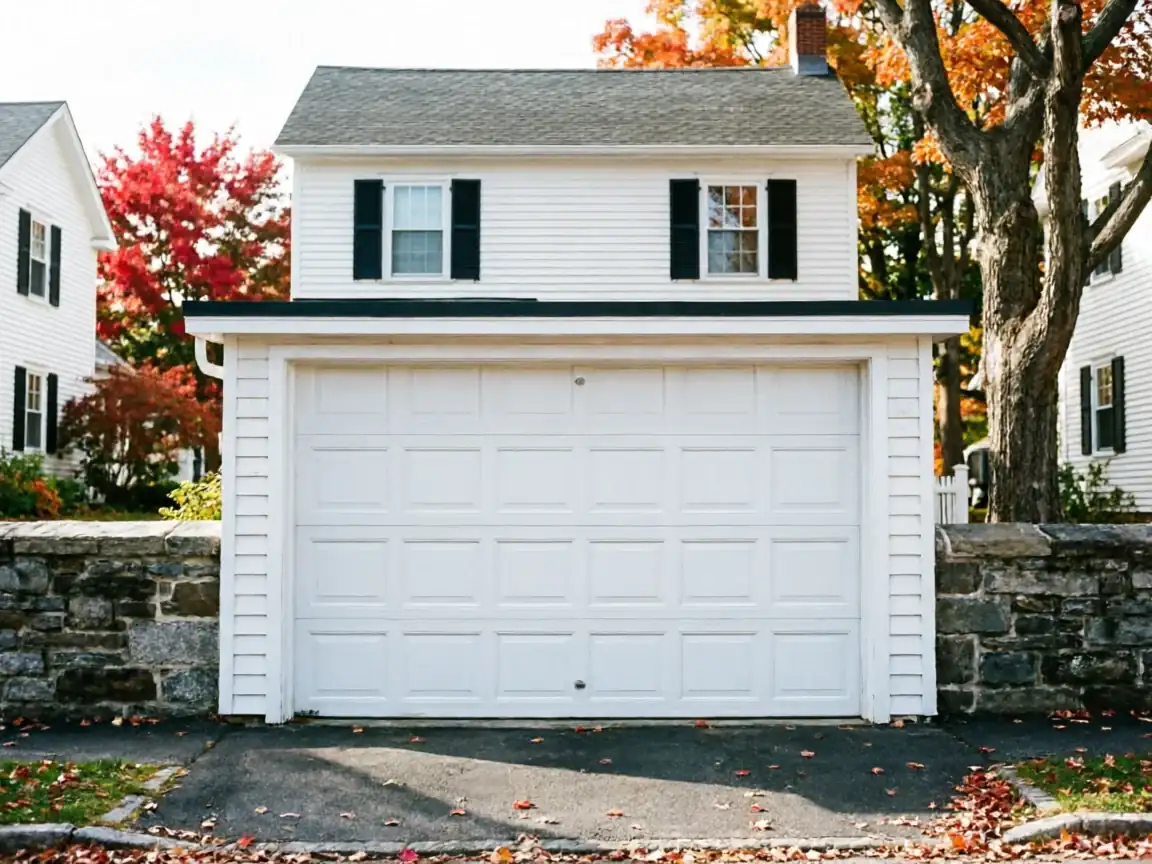
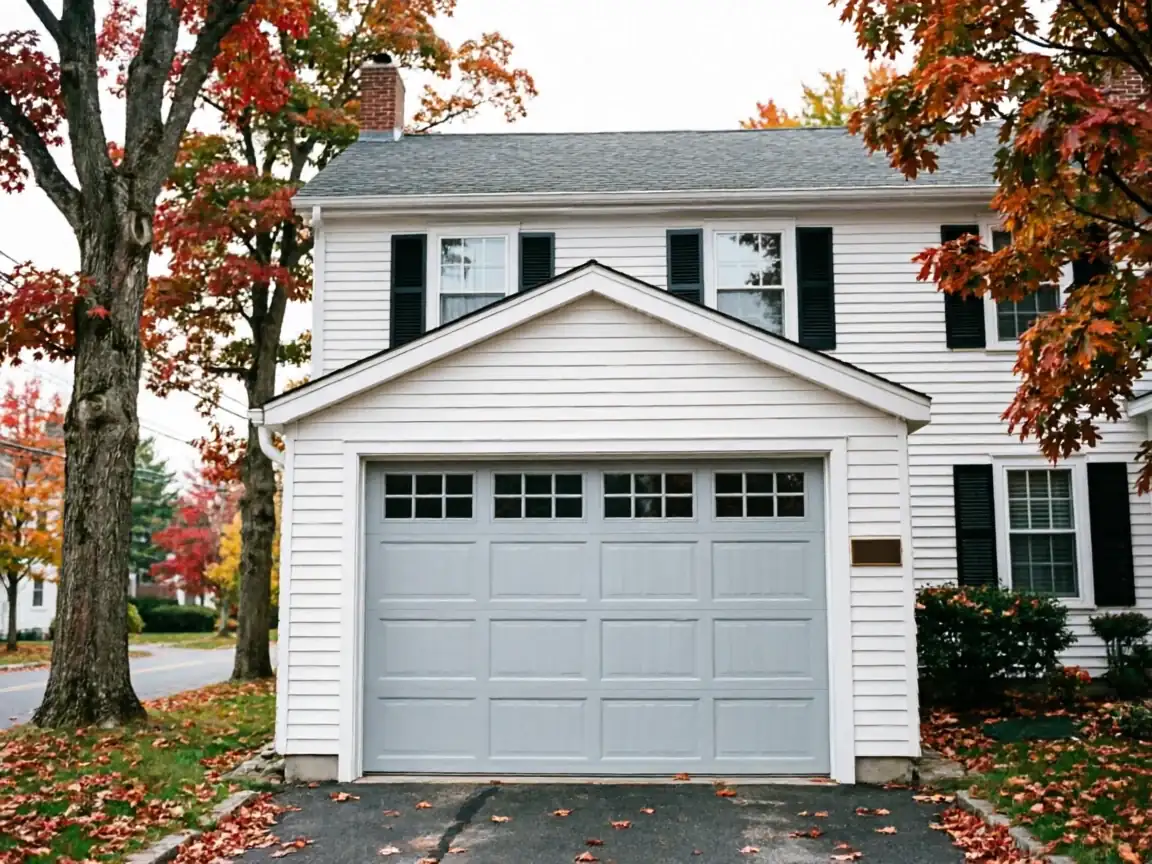
A white house with a light gray garage door and black shutters.
Newark, NJ
8 services
4 service areas
Diagnosis first, then the fix

Why This Fails Locally

Kearny's housing stock centers on 1952, square in the middle of the wider area's 1938-1996 build window but earlier than a lot of what surrounds it. Doors installed when these houses went up were lighter than what's sold today, usually single-layer steel or wood panel, hung on extension springs mounted along the horizontal track rather than a torsion bar over the header. That setup works fine for decades, but it was never engineered for the heavier insulated doors homeowners often swap in during a remodel. When someone replaces an old door with a modern one and keeps the old spring hardware because "it still works," the spring is now lifting more weight than it was rated for. It fails sooner, and it fails without warning. The cold-climate swings this area sees add another layer: steel contracts in winter, and track bolts that loosened slowly over 70 years finally let a panel walk off the roller. None of this is dramatic. It's just what happens when 1950s hardware meets either a heavier door or another decade of freeze-thaw cycles. The fix isn't exotic, but it starts with knowing what's actually hanging on the wall before you touch anything.

How We Fix It

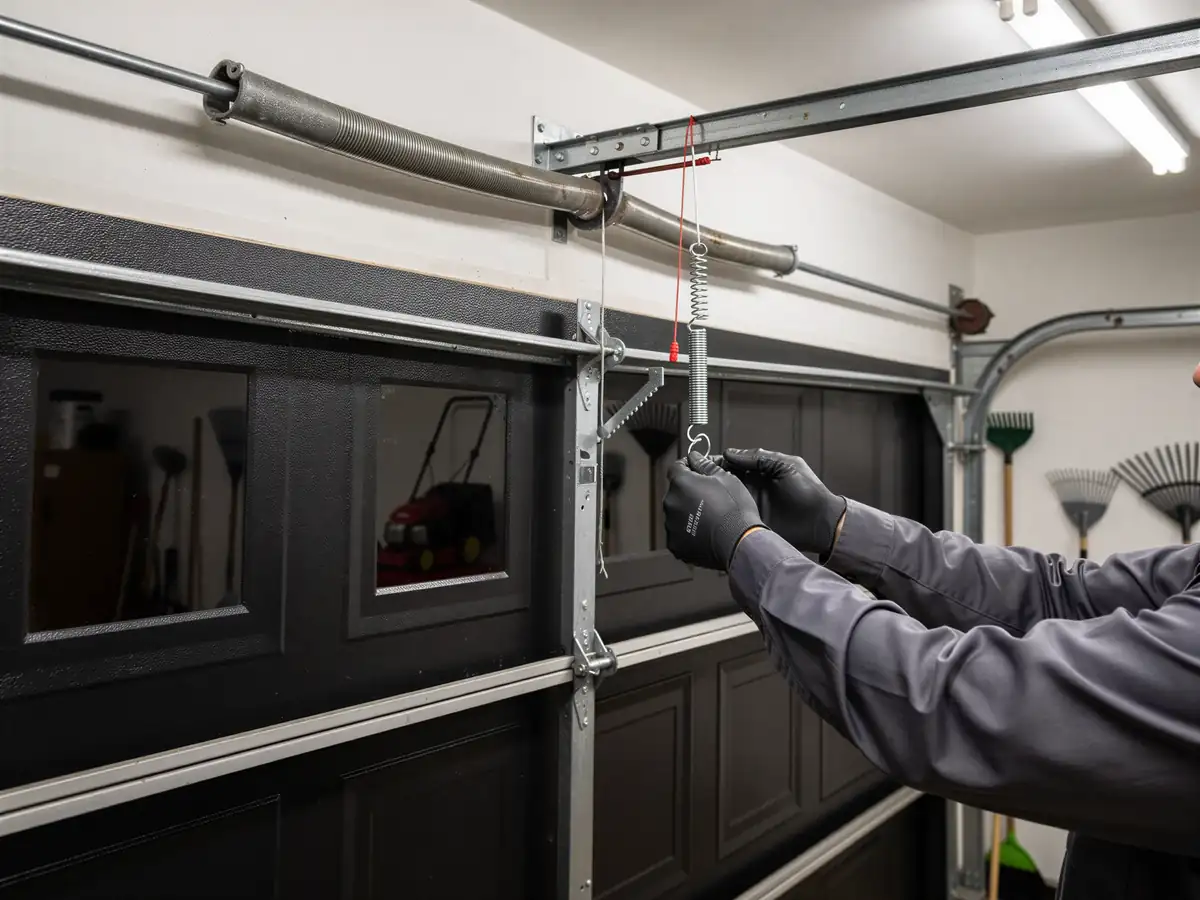
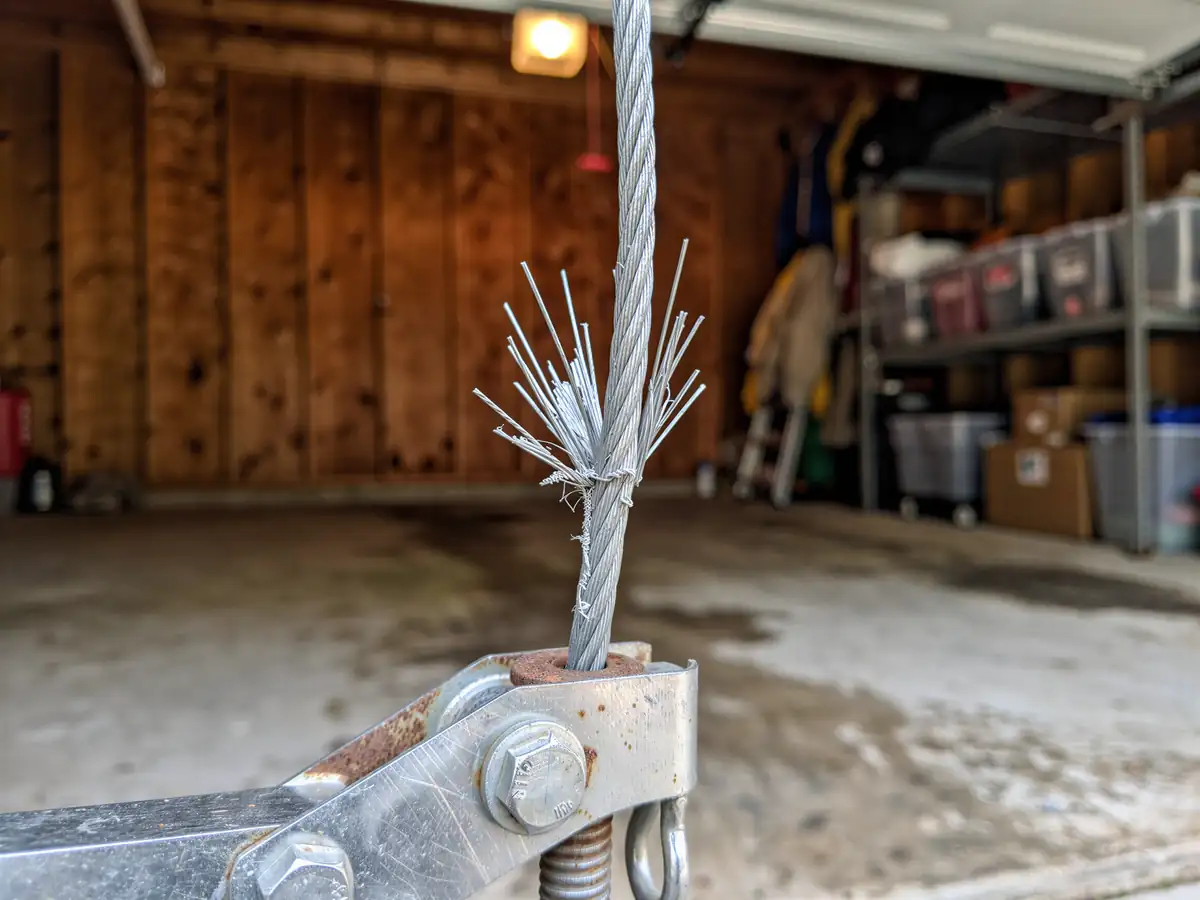
We come out from Newark, about 3 miles, so there's no separate dispatch delay built into a Kearny call beyond normal routing. First thing on site is identifying the spring type and door weight, because a lot of these houses have had at least one door swap since 1952 without a matching hardware upgrade. If the track is original, we check the horizontal run for the kind of sag that doesn't show up until the door's halfway open. Extension springs get safety cables added if they're missing, which they often are on hardware this old. If the door itself is a later, heavier replacement sitting on legacy springs, we size new springs to the actual door rather than reusing whatever's there. We don't rebuild a system around guesswork; we measure cycle count, door weight, and track alignment first, then repair or replace based on what that tells us. Most jobs here are a spring or cable repair, not a full system replacement, but we'll tell you honestly when the opener or track is old enough that patching it is just delaying the same call.

Parts We Carry

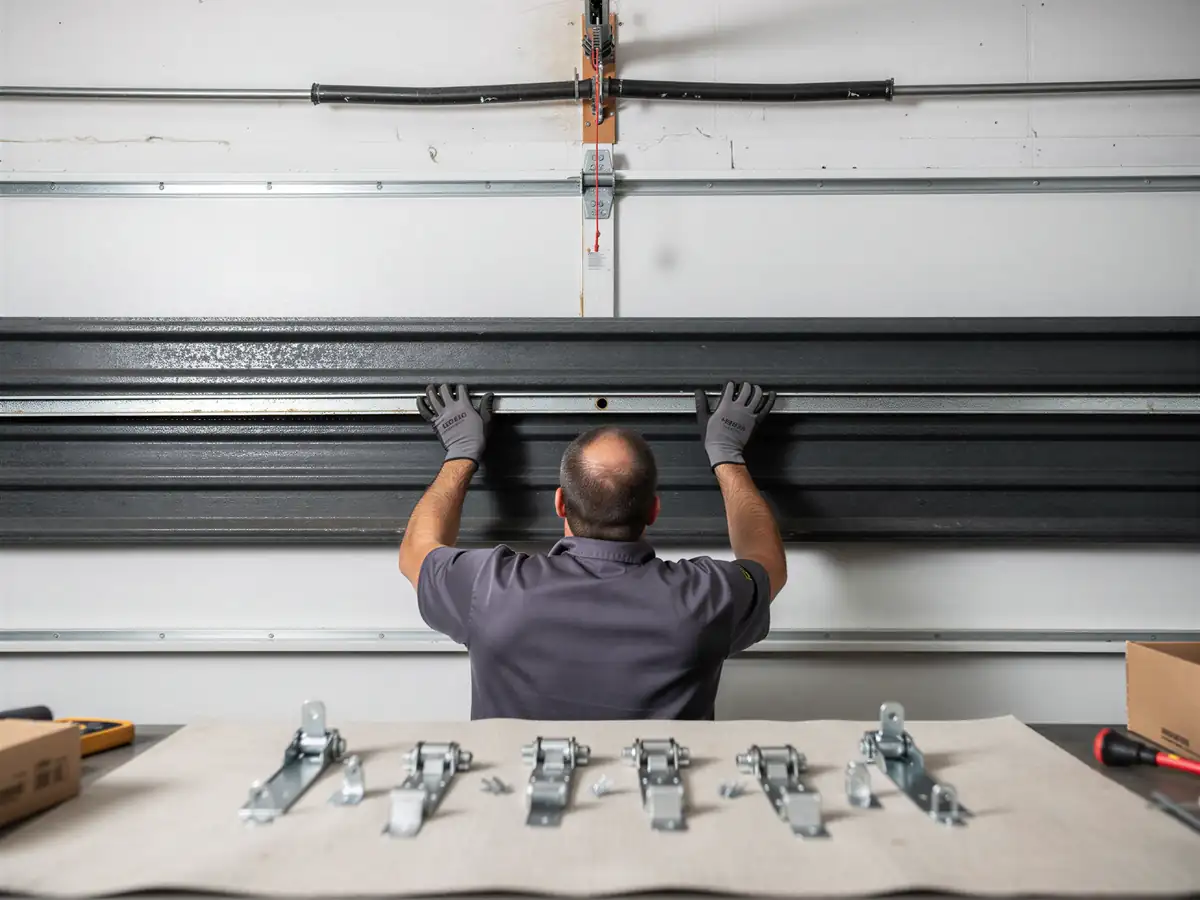
For Kearny's housing era, the parts that come up most are extension springs with safety cables, galvanized horizontal track sections, and steel rollers to replace the nylon ones original to some of these installs that have gone brittle with age. We stock standard torsion springs too, for the houses that already had torsion conversions done at some point - common enough that we don't treat it as unusual. Panel sections for doors from the 1950s and 60s are a harder find; original flush steel panels aren't manufactured anymore; so if a panel's dented or rusted through on an older door, full replacement is often cheaper and faster than sourcing a match. We'll say that plainly rather than quote you a repair that leaves you waiting weeks on a part we can't actually get.

The Symptom

The call we hear most from this stretch is the door that reverses on its own a few inches off the floor, or one that opens unevenly, with one side noticeably ahead of the other. On a house built around 1952, that's almost always an extension spring on one side that's stretched or snapped while the other still has tension, which pulls the door crooked across the track. It's a different fault pattern than you'd get from a torsion-spring door built in the 80s or later, where an uneven lift usually points to a torsion bar issue instead. Cold mornings make it worse here, since steel contracts and extension springs that are already fatigued lose what little give they have left. If your door is doing this, don't keep running the opener through it; that's how a cable snaps mid-cycle instead of at rest, which is a heavier repair and a bigger safety risk.

Where This Job Goes Sideways

The job gets complicated when a homeowner's already had a heavier insulated door installed on original 1950s hardware without an upgrade, because now we're not doing a simple spring swap, we're re-rating the whole lift system to match a door it was never built for. It also goes sideways when the track has been bent from a car backing into it at some point and nobody noticed the slow misalignment that followed, since that shows up looking like a spring problem until we actually get the door off and sight down the rail. We won't quote a spring repair over the phone sight unseen on a house this age, because the actual cause could be the spring, the track, or both, and guessing wrong means a second trip. That's the honest limit: we need eyes on the hardware before we can tell you what you're really paying for.
How it works

From “it’s stuck” to “it’s fixed”

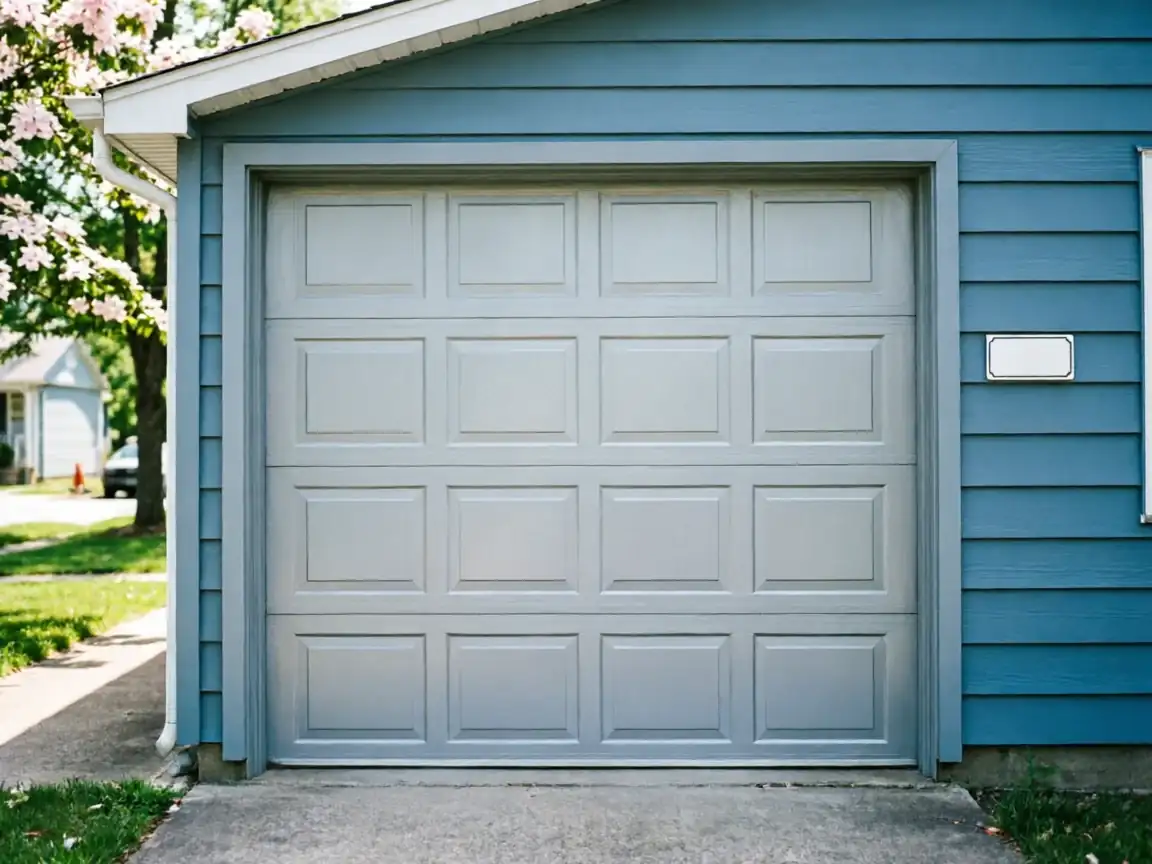
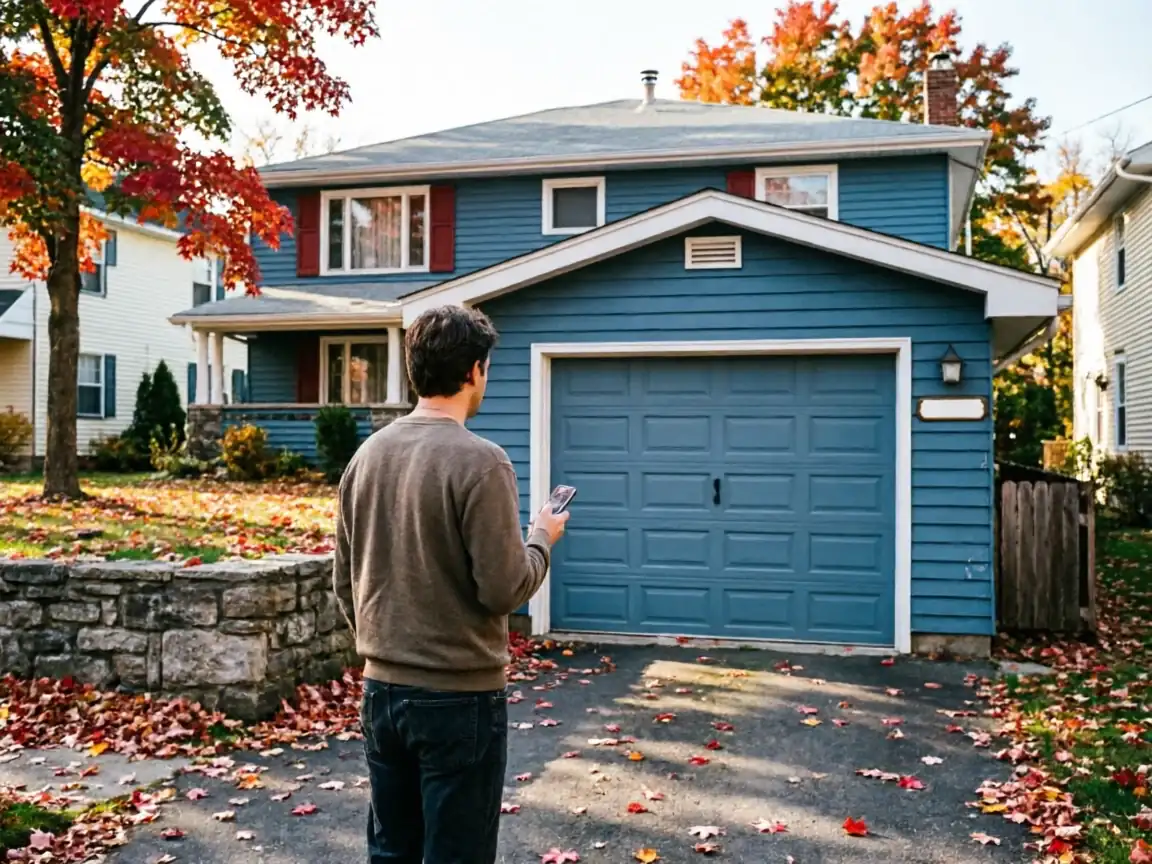
A man stands in a driveway looking at a blue garage door on a blue house.

Tell us what’s wrong

Describe the symptom - won’t open, loud bang, opener runs but the door won’t move.

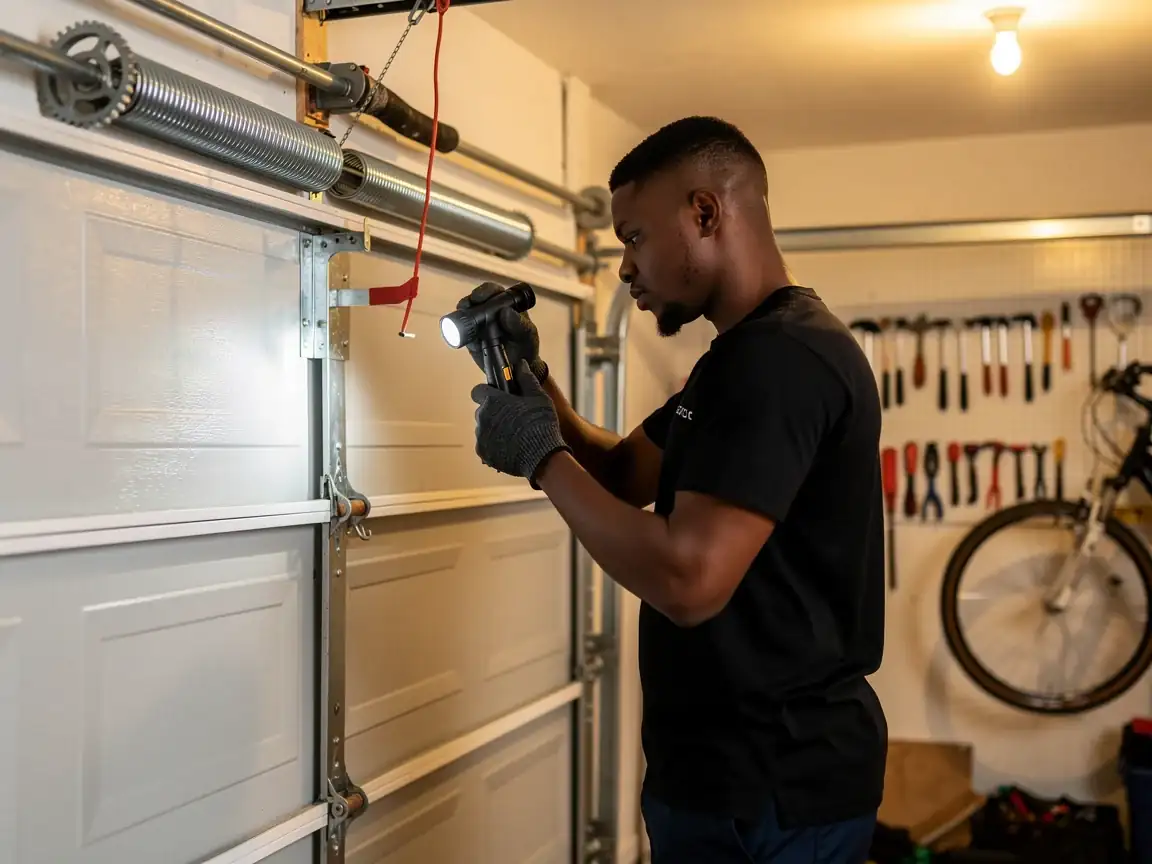
A technician shines a flashlight on the garage door's top panel and roller.

On-site diagnosis

A technician tests the door under power and by hand and finds what actually failed.

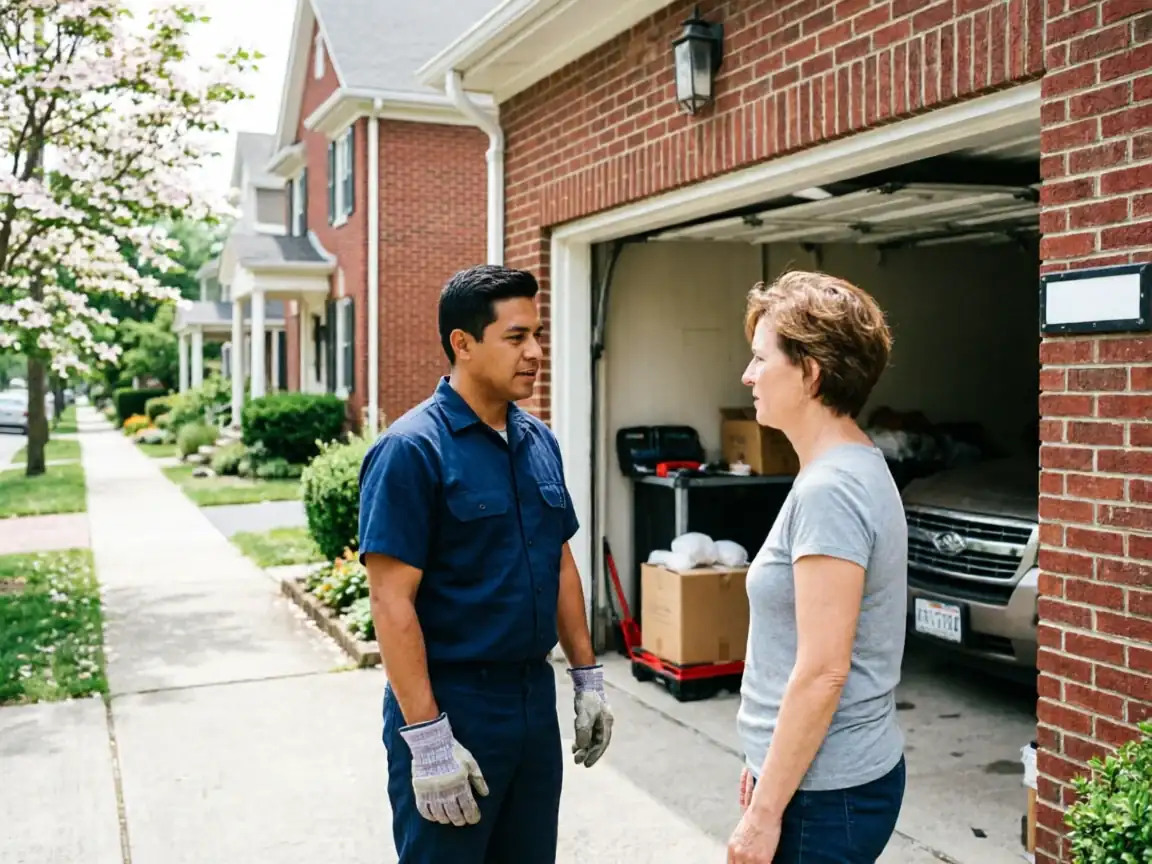
A technician talks to a woman in front of a brick house with an open garage.

Clear, up-front plan

You get the fix that’s needed and what drives the cost - before any work starts.

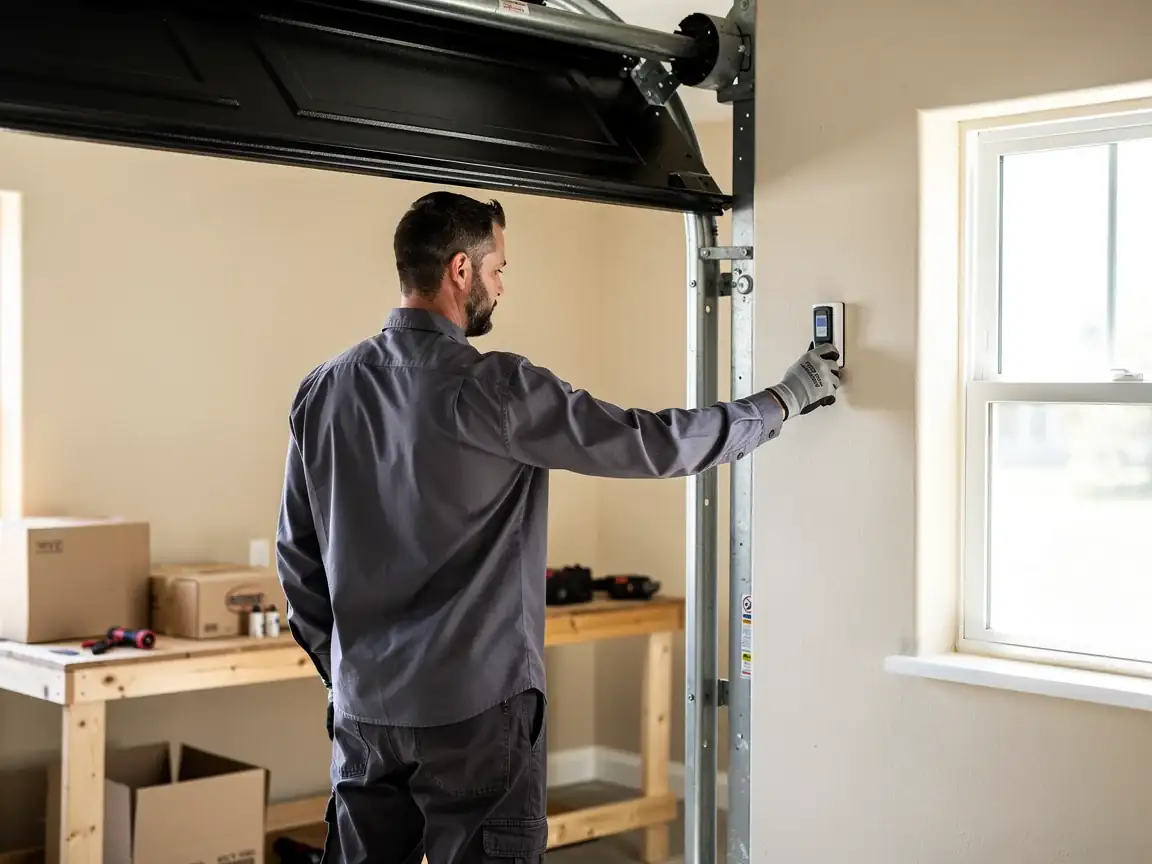
A technician adjusts a garage door opener control panel on a wall.

Repaired & tested

The repair is done, the door is set true and tested, and the work area left clean.

Not sure which repair your door needs in Newark, NJ? Describe what it’s doing - every job starts with a diagnosis.

How we work

What to expect

Diagnosis firstEvery visit starts by finding what actually failed - not a pre-written parts list.
The right part for the doorSprings and openers matched to the door’s weight and age, so the fix holds up.
Straight answersWhen a repair makes more sense than a replacement - or the reverse - you hear it plainly.
Clean, careful workTension released safely, hardware set true, the door tested under power before we leave.
Residents in Newark
Garage door services
Neighborhoods & suburbs
Serving Newark, NJ
281,944
8
4
NJ
Questions

Frequently asked

Straight answers about garage door repair in Newark. Still unsure? Ask us directly.

Why does my garage door open unevenly on one side?

On houses from Kearny's era, this is usually one extension spring that's stretched or weakened while the other side still holds tension, pulling the door crooked across the track. It can also come from a bent track section. Either way, running the opener through it repeatedly risks a cable snapping while the door's in motion, which is a more involved repair.

Do you have a local office in Kearny?

No, we run out of Newark, about 3 miles away, and travel to Kearny for service calls. There's no separate branch here, just the same crew covering the route.

Can you match the original panel on my older door?

Often not exactly. Flush steel panels from the 1950s and 60s aren't manufactured anymore, so a damaged panel on a door that age usually means full door replacement rather than a patched repair, which we'll tell you upfront before quoting anything.

Is my old spring hardware safe if I upgrade to a heavier door?

Not usually without re-rating it. Original extension spring setups from this era were sized for lighter doors. Putting a heavier insulated door on the same spring shortens its life and increases failure risk, so we size new springs to the door you actually have.

Ready to get your garage door sorted?

Request a QuoteCall