Why This Fails Locally
Kearny sits three miles from our Newark base
Which is close enough that a bad measurement doesn't cost us a day - we can come back same week if the first visit turns up something the homeowner didn't know about, like a header that's narrower than the door they want. That short drive matters because it's the difference between a quick return trip and a job that stalls for weeks.
Most of what fails locally isn't the door panel itself - it's the opening
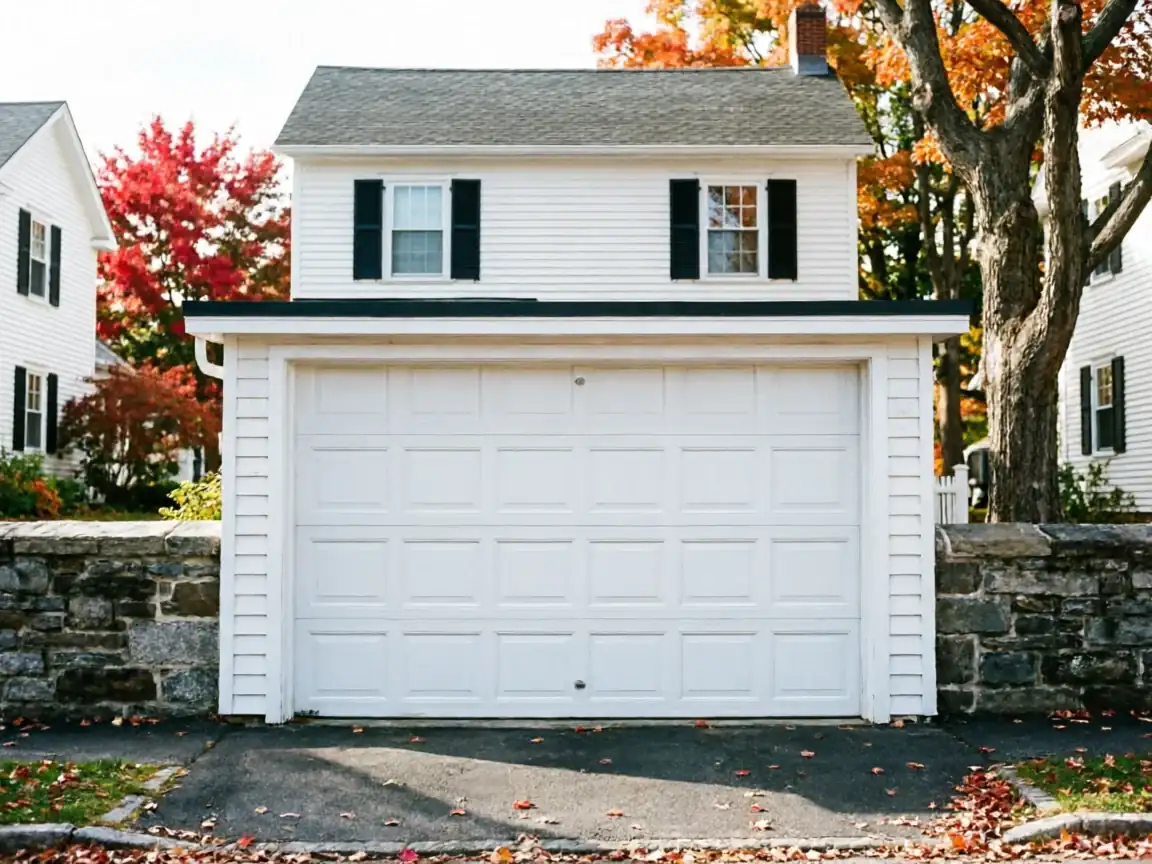
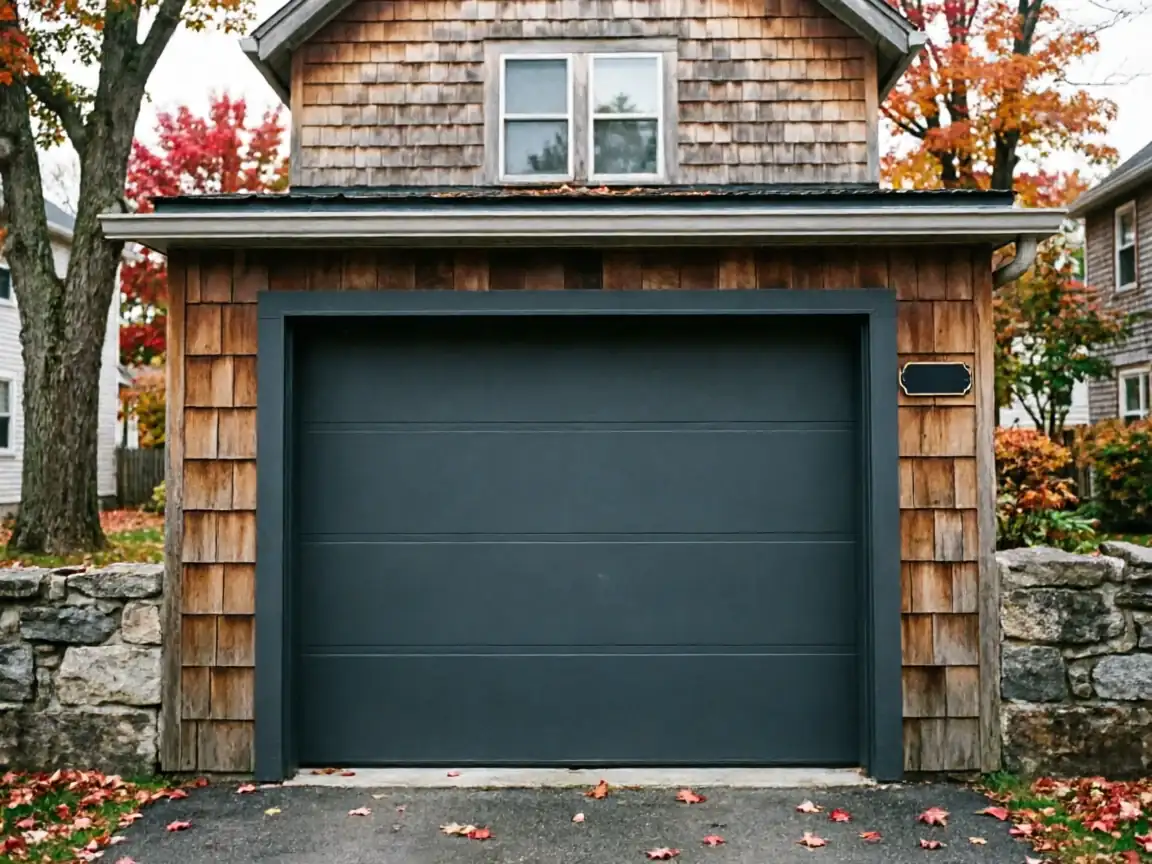
Kearny's housing stock runs from 1938 to 1996 with a median build year of 1952, and that era of construction used framing dimensions and track clearances that don't match a lot of what's stocked off-the-shelf today. A new door ordered to "standard" sizing can show up and simply not fit a 1952-era opening without trim work nobody budgeted for.
Add the climate: this area sits in a cold-severe band
And a new installation here needs weatherstripping and insulation specs that hold up to real winter load, not the minimum a big-box kit ships with. A door that's fine for a mild-climate suburb can underperform here within its first season.
How We Fix It
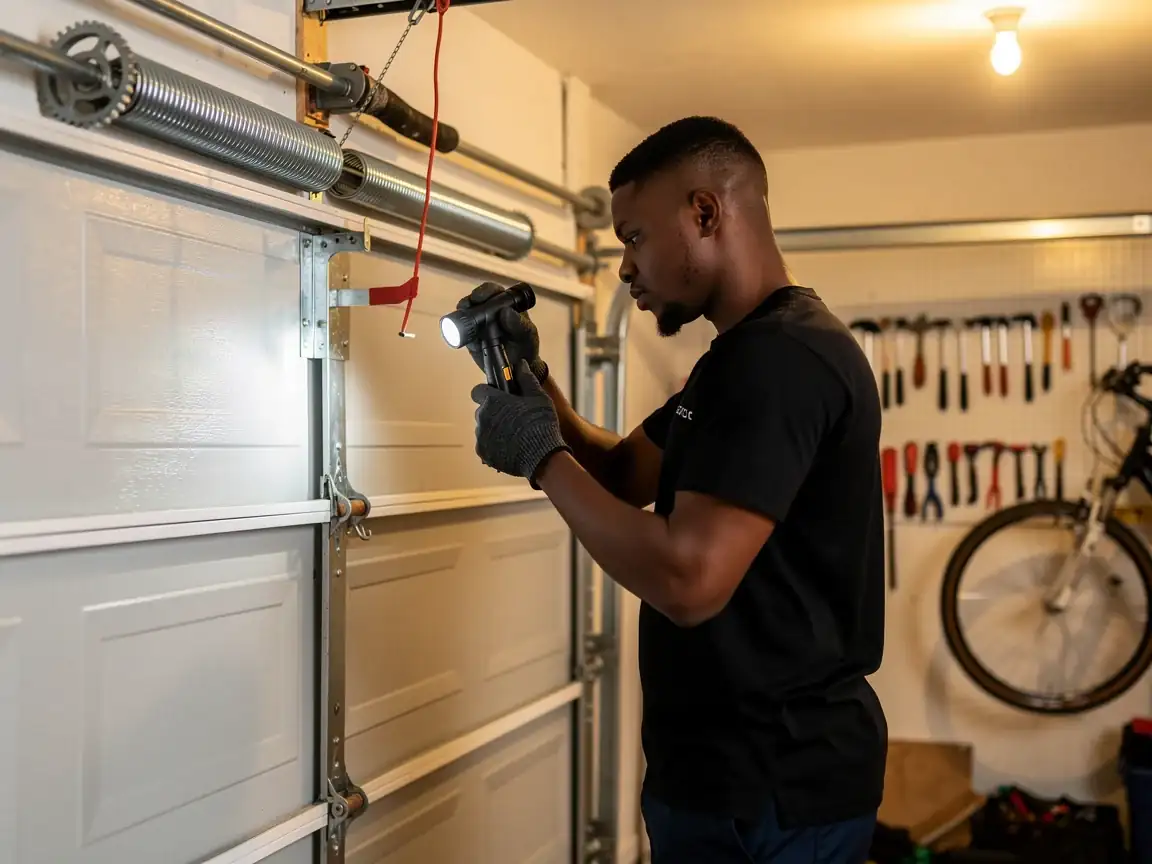
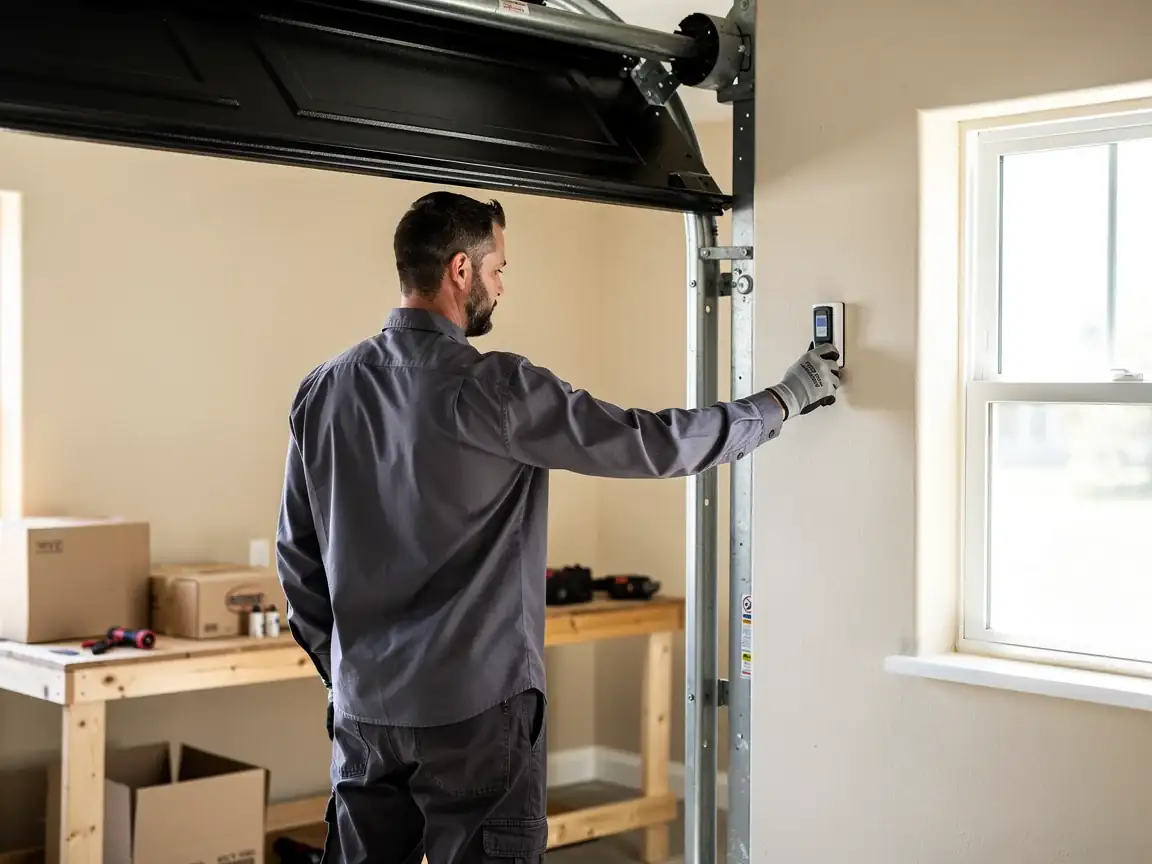
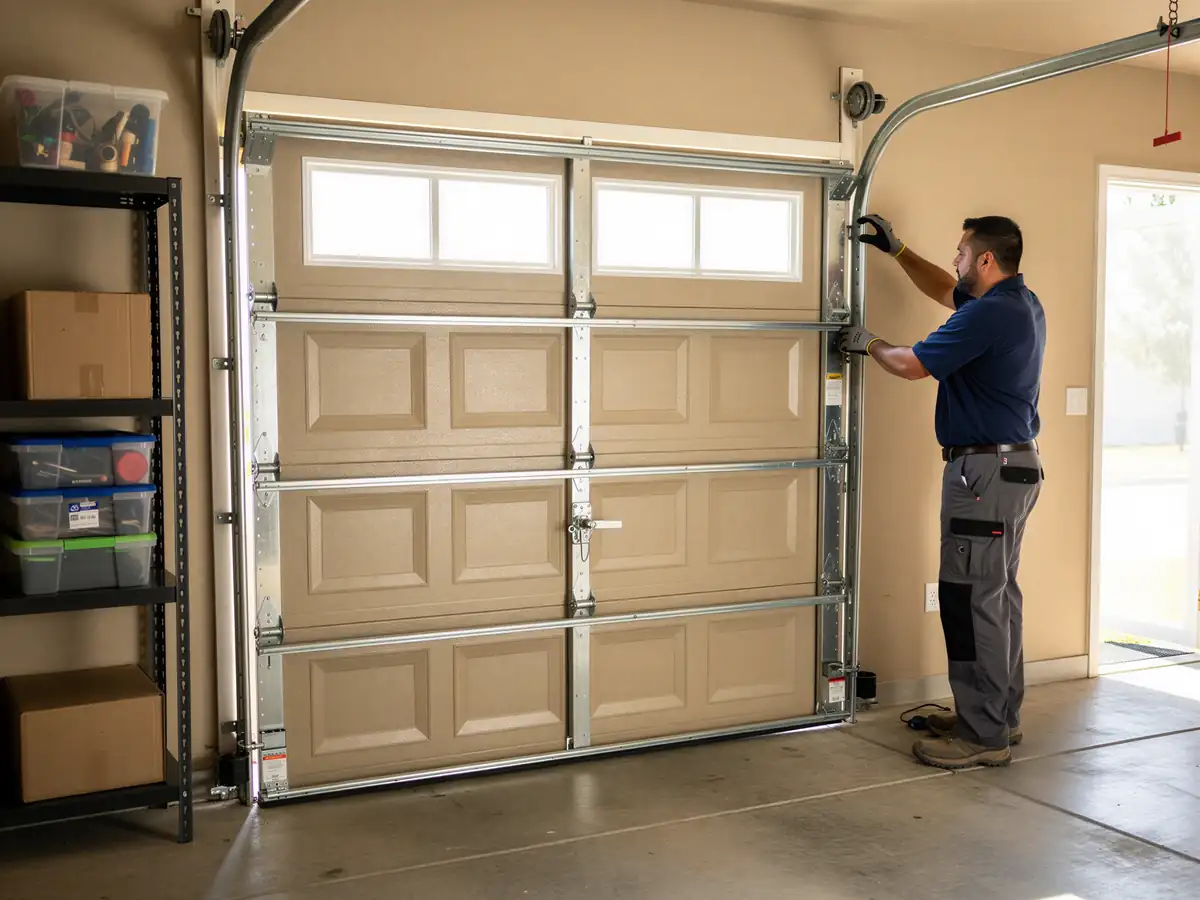
We measure the actual opening before we order anything - rough frame width, header height, headroom for the track, and what the existing jamb looks like underneath the trim. On a town where the median home went up in 1952, that measurement step isn't optional; it's the step that decides whether the door we deliver actually hangs square on the first try.
Because the shop is three miles out, we don't quote installs sight-unseen off a phone call. We come look, we measure, and we order to that opening - not to a generic size chart. That drive also means if a panel arrives with minor shipping damage, swapping it doesn't turn into a multi-week round trip.
For the cold-severe climate this area sits in, we spec insulation and seal kits rated for that load, not the lighter weatherstripping sold as default on many stock doors. That's the one piece we won't skip to hit a lower price - a door that leaks cold air in February isn't a finished job, it's a callback waiting to happen.
Parts We Carry
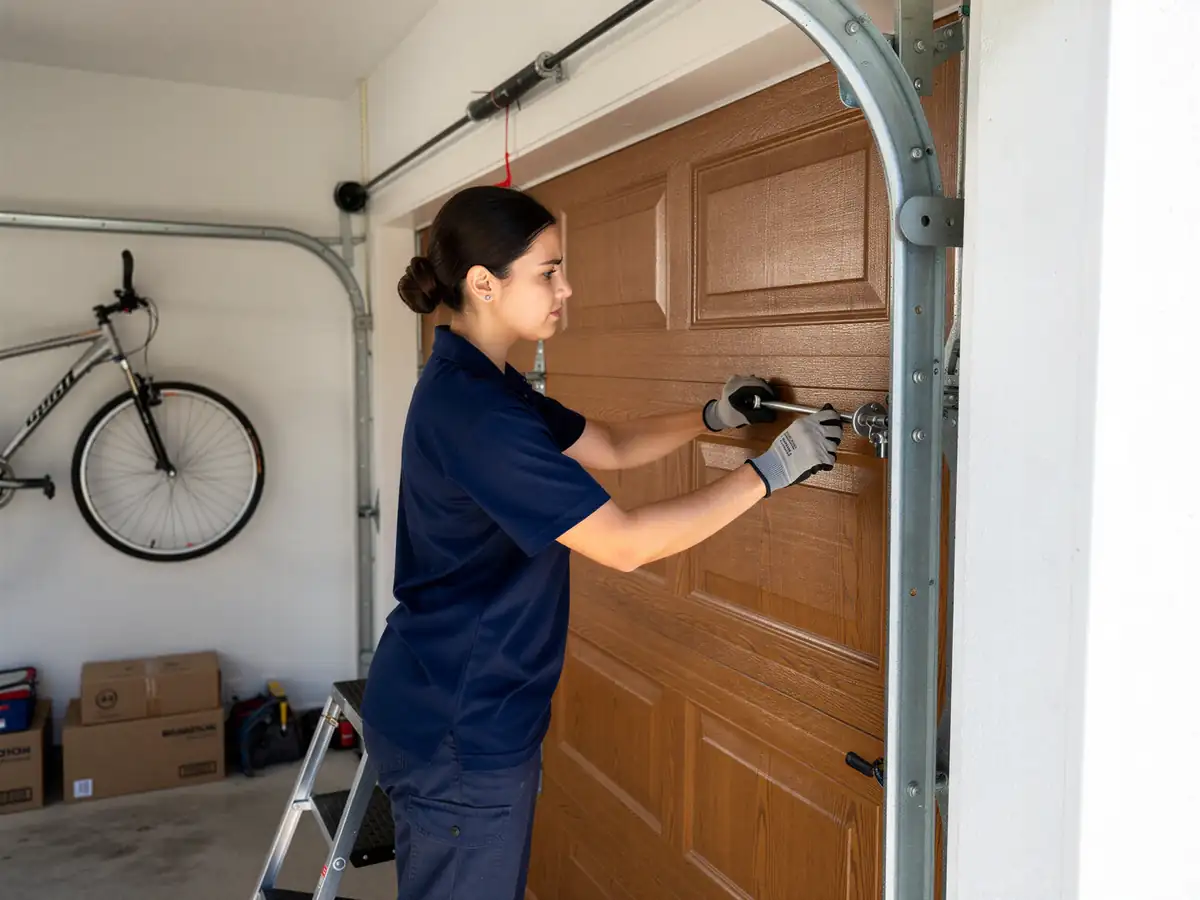
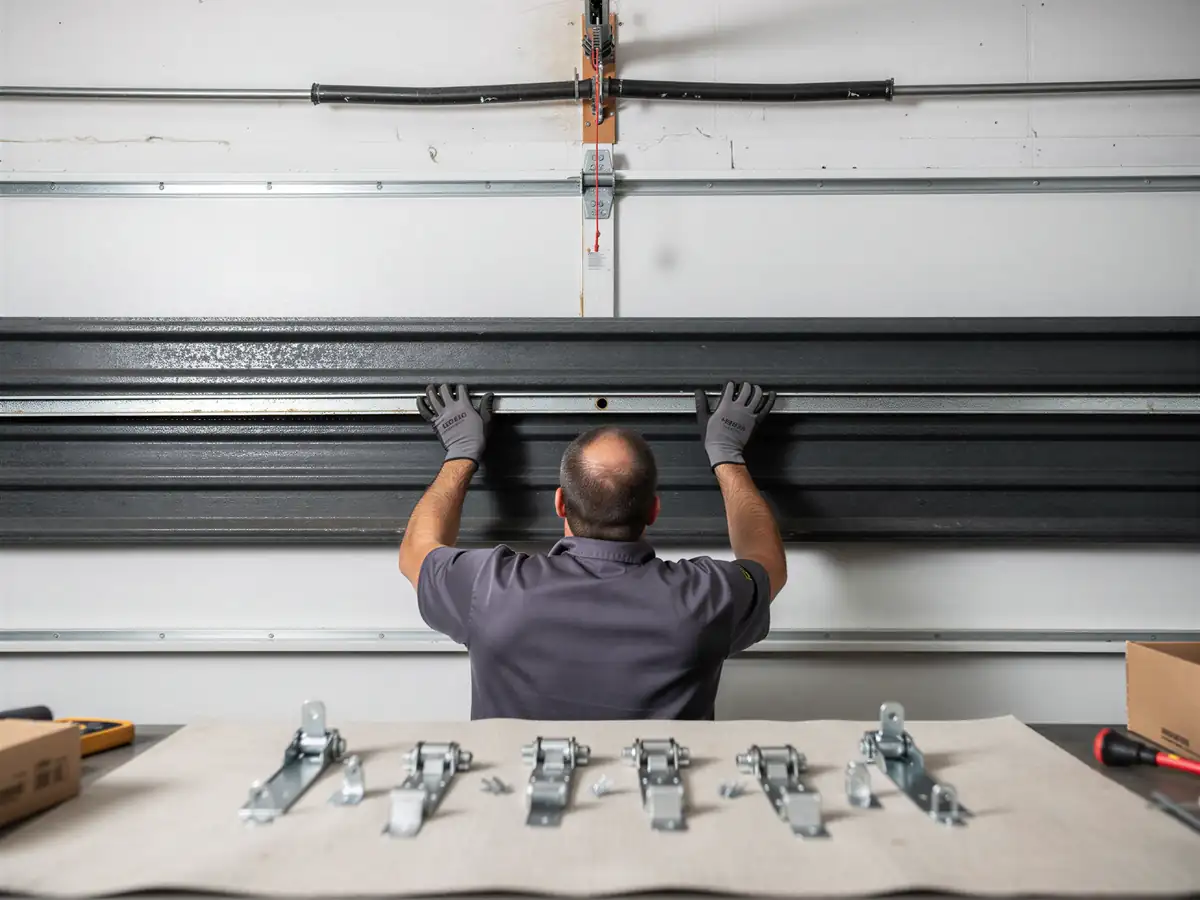
We stock hardware sized for the openings common in homes built in this 1938 to 1996 window, median 1952 - torsion springs, tracks, and jamb brackets that fit frames from that era rather than only the newer standard dimensions. That matters here because a lot of installers carry one size kit and force it, which is how you end up with a door that binds on the track six months in.
We also carry cold-rated weatherstrip and bottom seal kits suited to this area's cold-severe climate band - not every supplier stocks that grade, and it's not interchangeable with a mild-climate seal kit even though they look the same in a catalog photo.
What we don't carry on the truck: specialty custom panel finishes or oversized commercial doors. Those are special-order items regardless of which town we're working in, and we'll tell you that lead time up front rather than promise a date we can't hit.
The Symptom
The call usually starts the same way
An opener that's working fine, hardware that looks okay, but the door itself doesn't seat flush anymore, or it's noticeably colder standing next to it than it used to be. On a house from the early 1950s, that's often the frame settling slightly over seventy years, not a defect in the current door.
Another version: a homeowner replaces a door with something ordered online
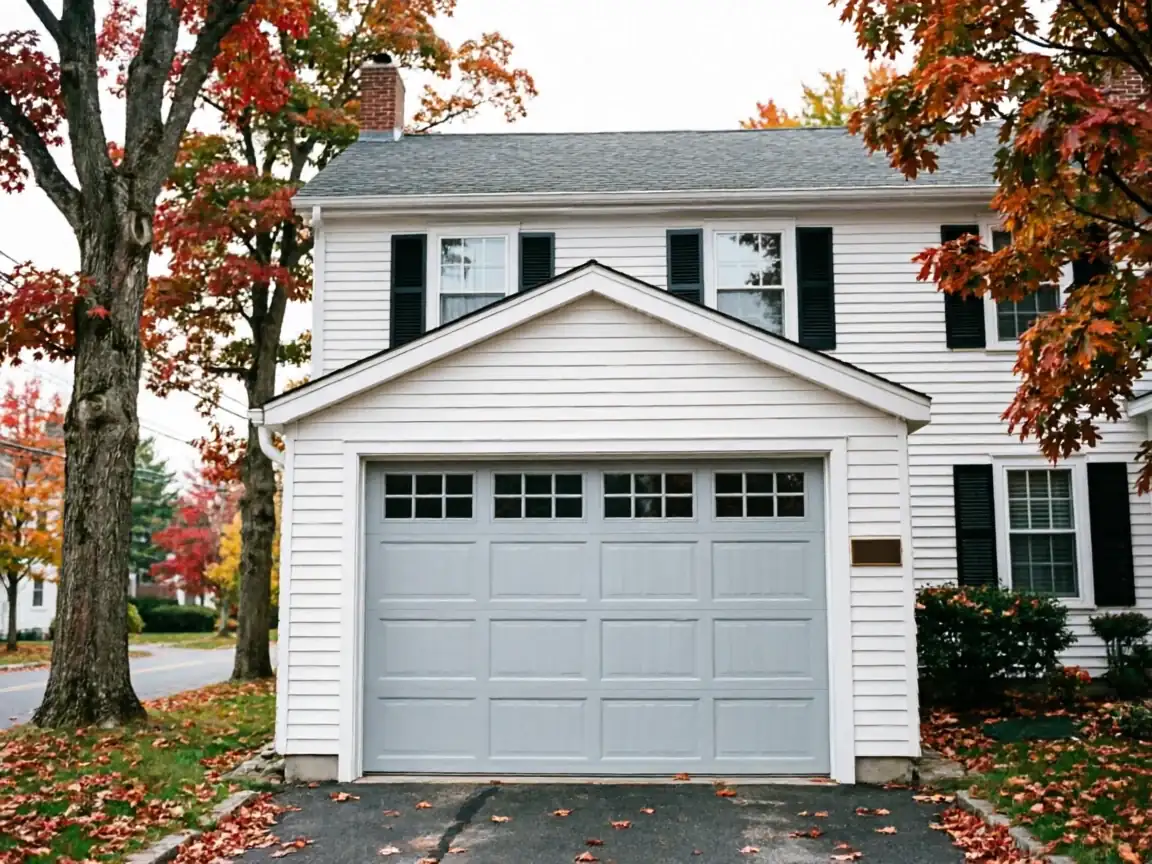
And it closes but never quite seals at the bottom corners. That's a sizing mismatch against an opening that was framed to a 1950s-era standard, not a flaw in the new door itself.
If you're just hearing noise
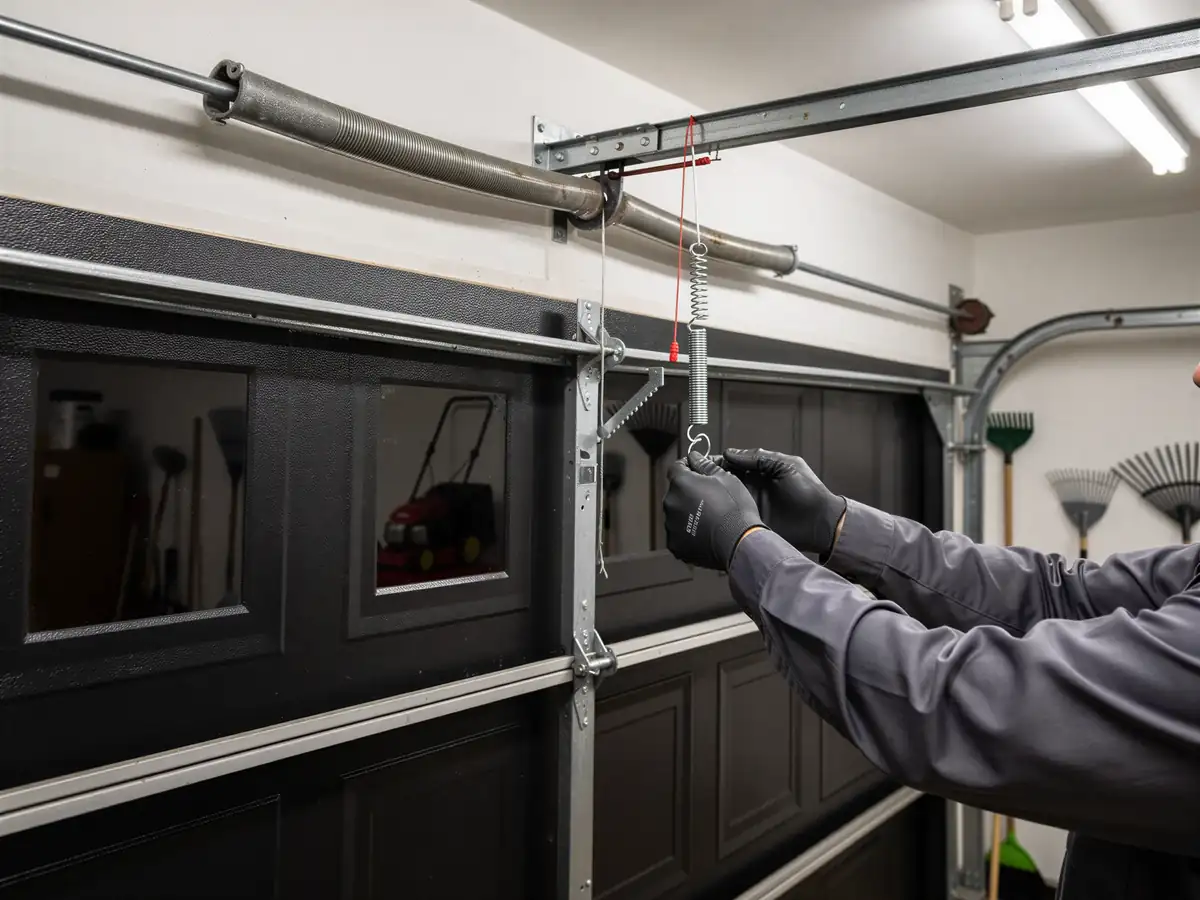
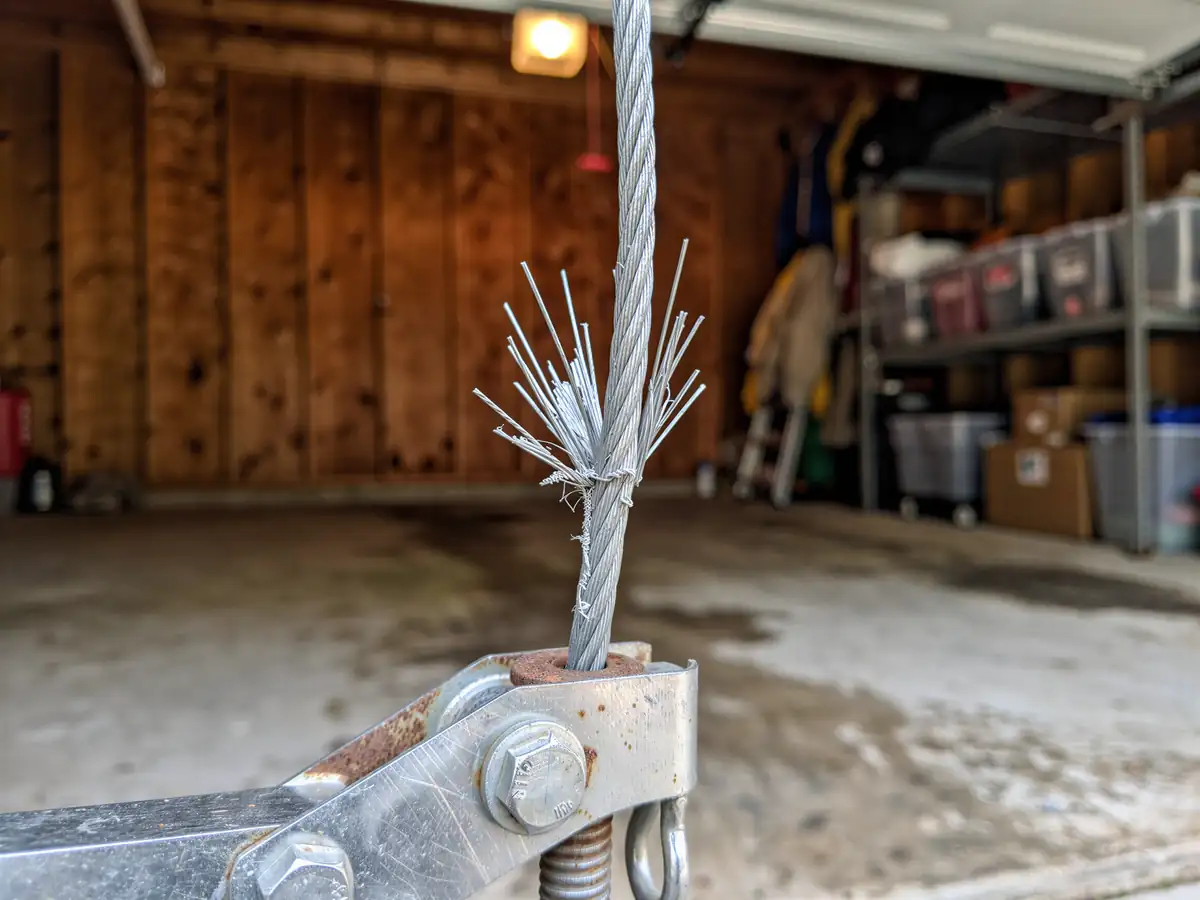
Grinding, popping, a door that's slow to close - that's usually a spring or roller problem, not a reason for full replacement. We'll say so on the visit rather than sell a new door when a repair solves it.
Where This Job Goes Sideways
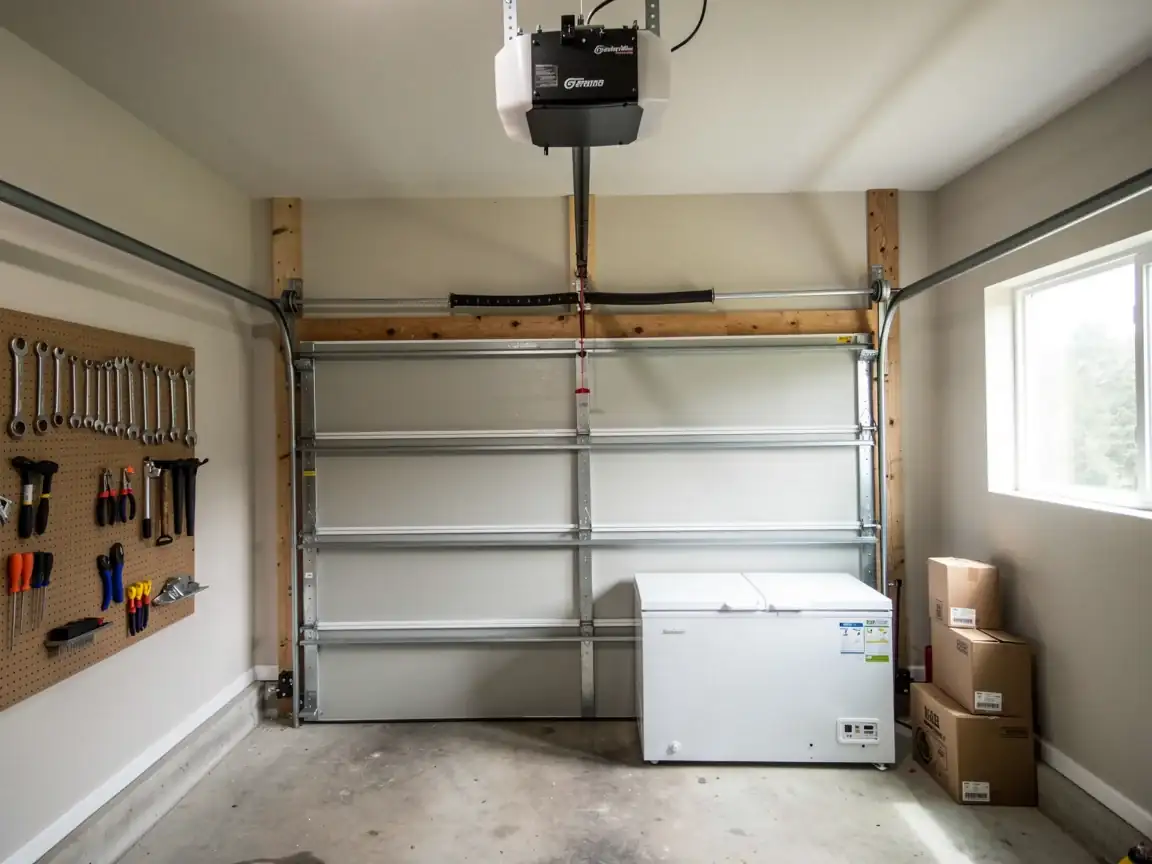
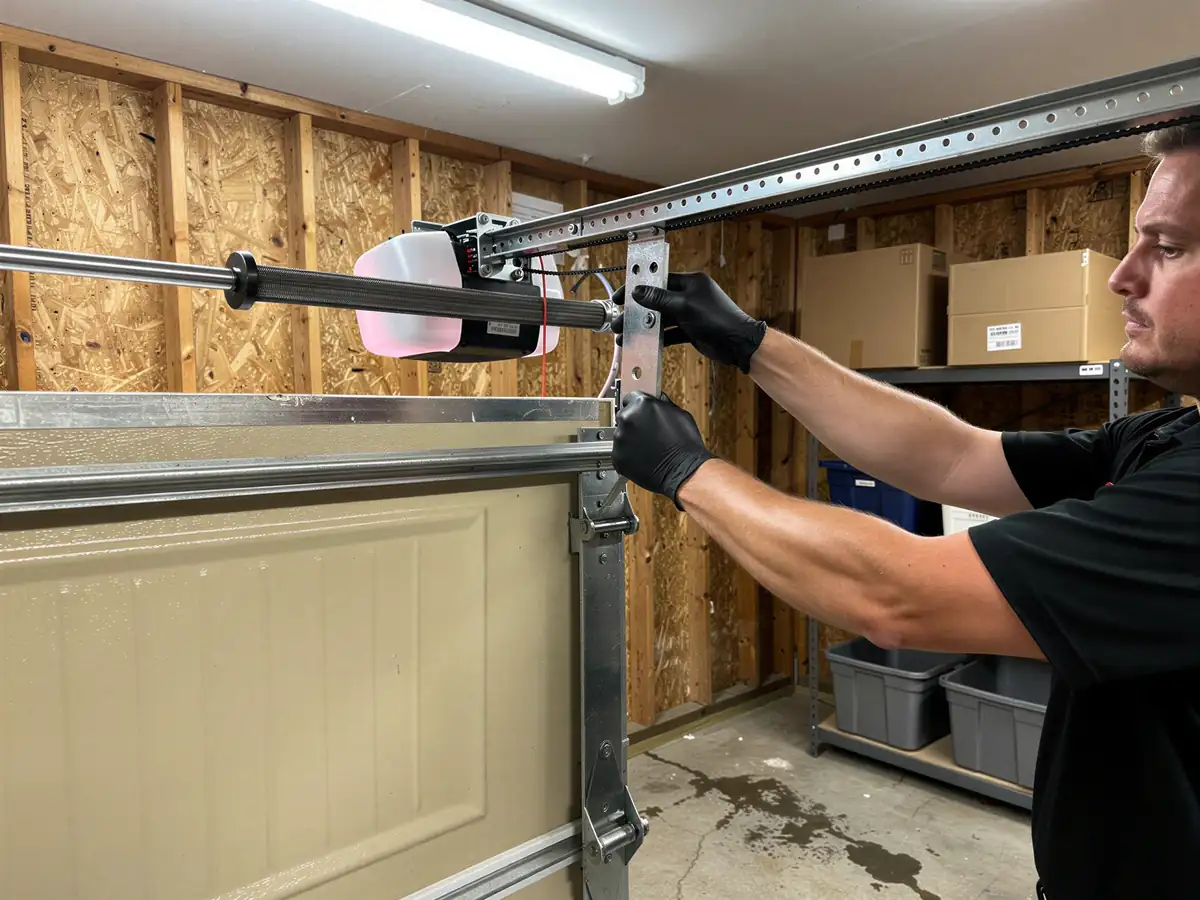
The most common misstep: ordering a door before anyone's measured the actual opening. On homes from this build era, headroom for the torsion spring assembly is often tighter than modern code assumes, and a door that was fine on paper gets stuck in the garage waiting for header work that wasn't quoted.
The second: skipping the cold-climate seal kit to save on the upfront price. In a cold-severe band, that shows up as a draft along the bottom panel by the first real freeze, and redoing the seal after the door's installed costs more than specifying it correctly the first time.
We're honest about one limit: if the opening needs structural framing work - not just trim, actual header or jamb repair - that's outside a standard install, and we'll tell you to get that done first rather than force a door into a frame that isn't ready for it. See our Kearny garage door service page for repair work, or the Newark installation overview for the full service area.