How We Fix It
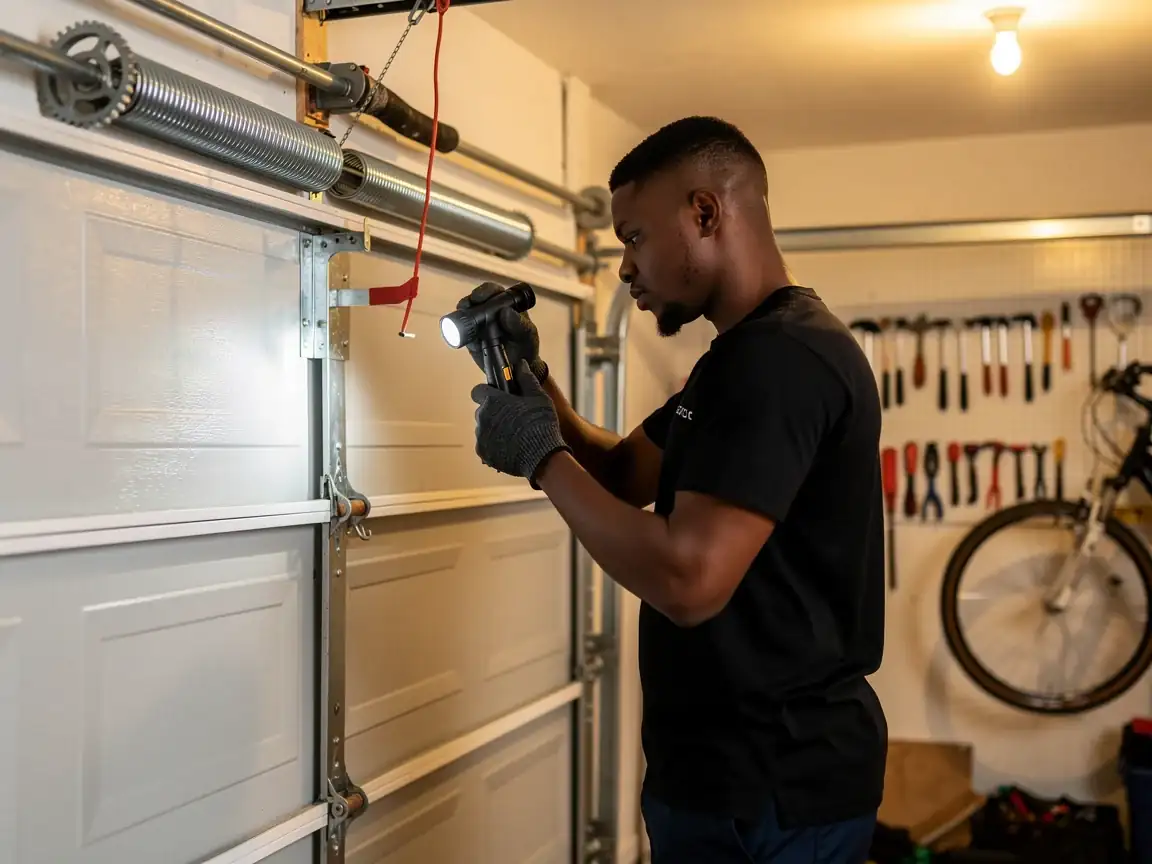
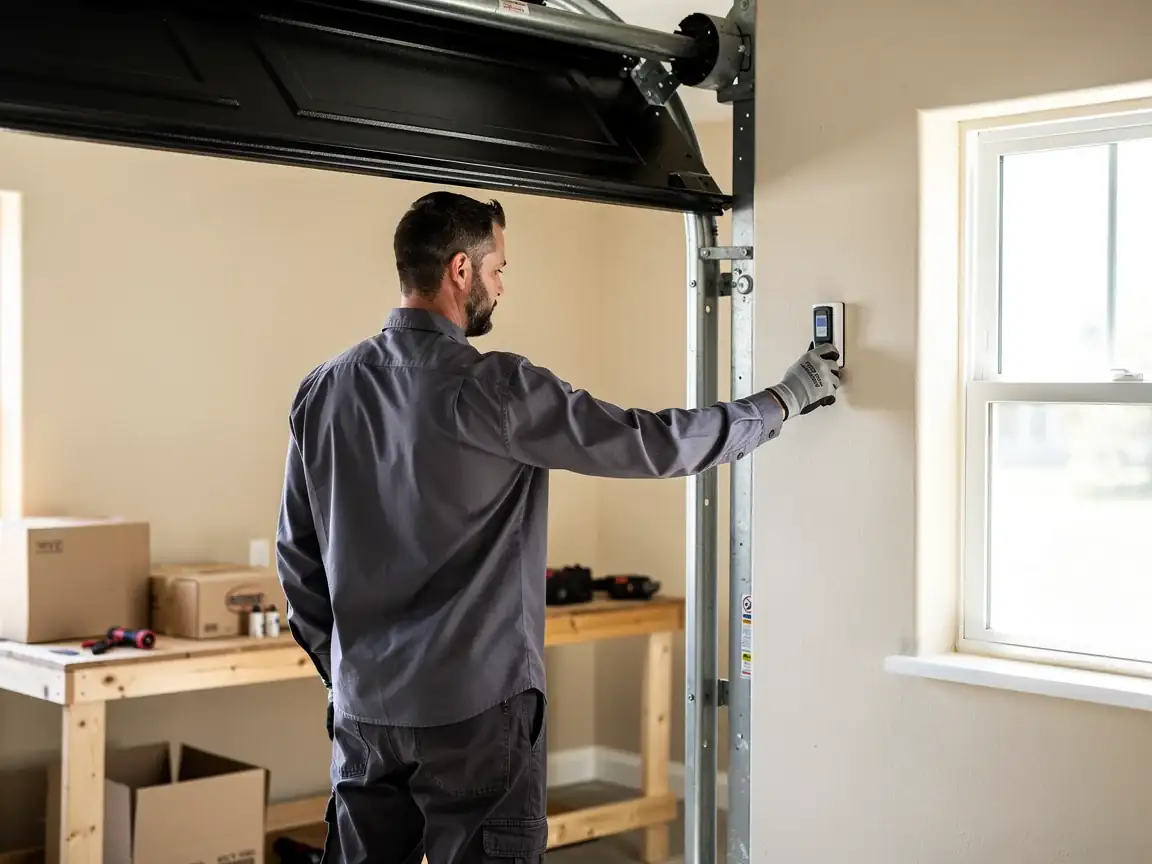
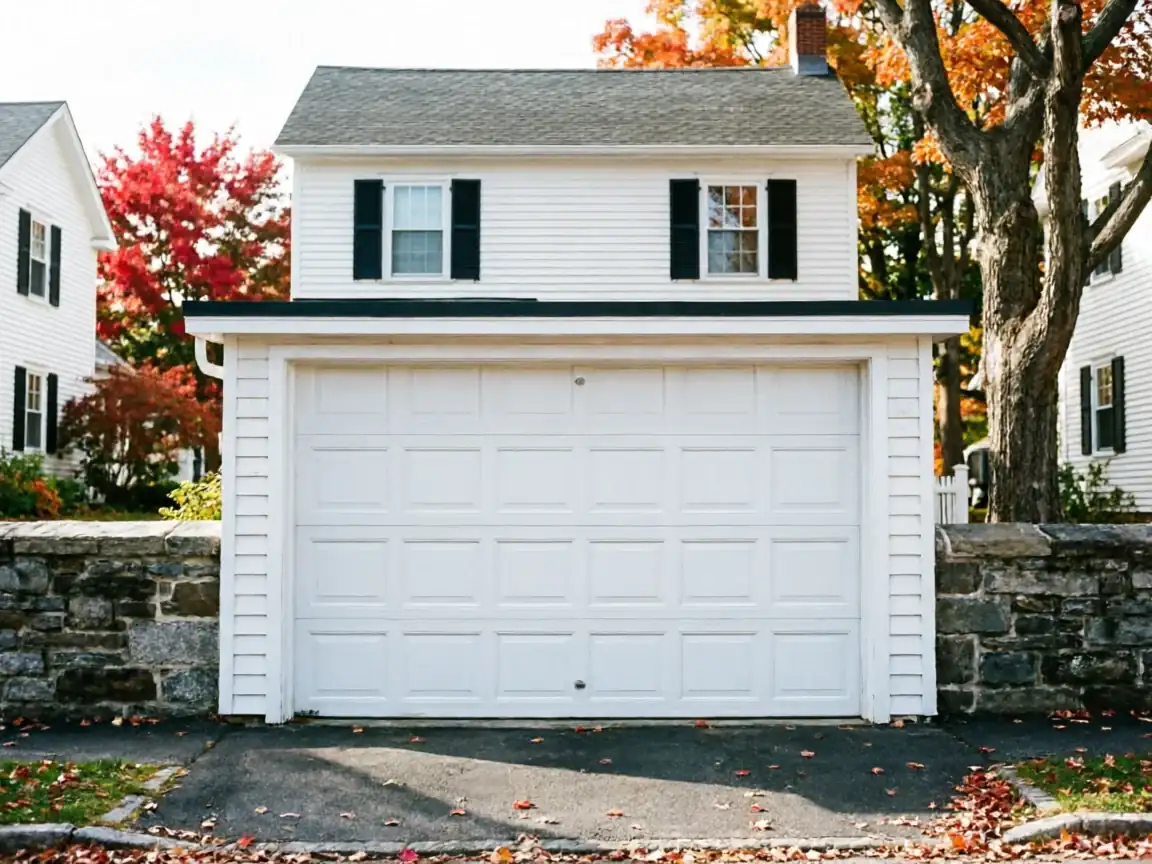
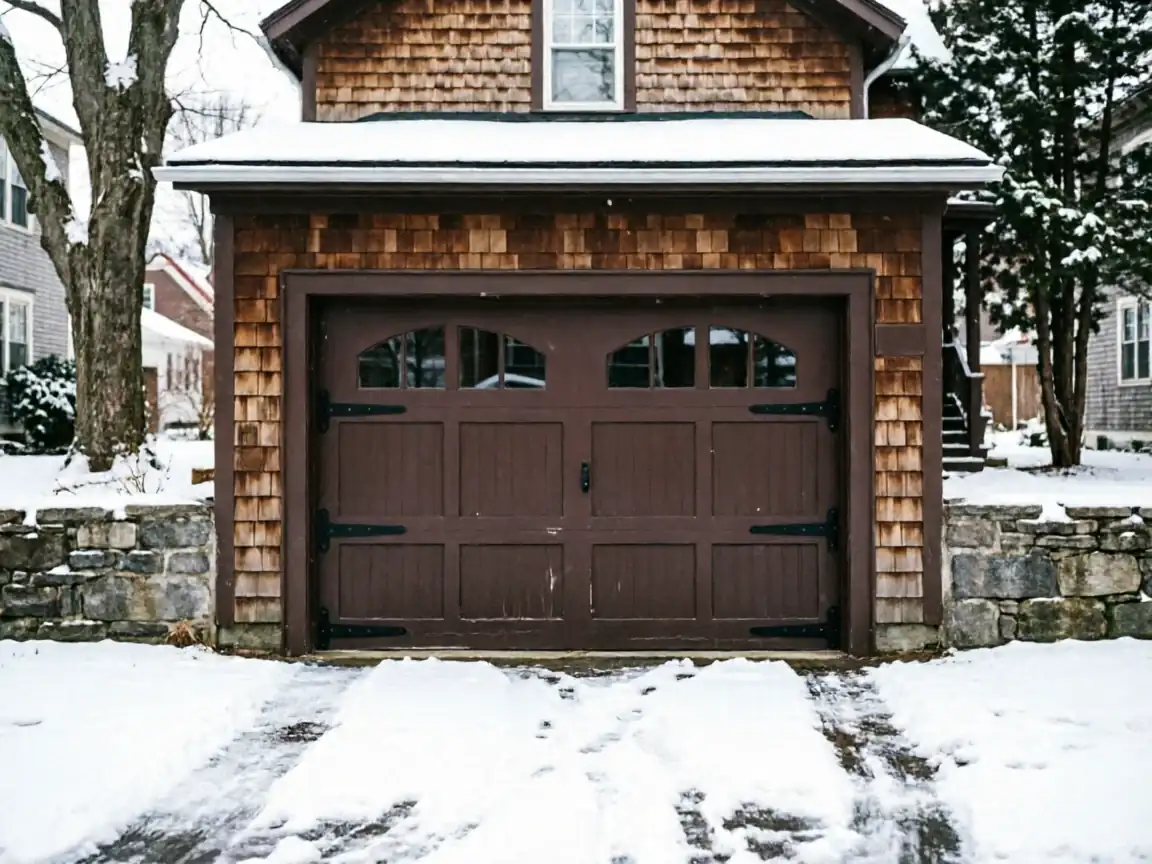
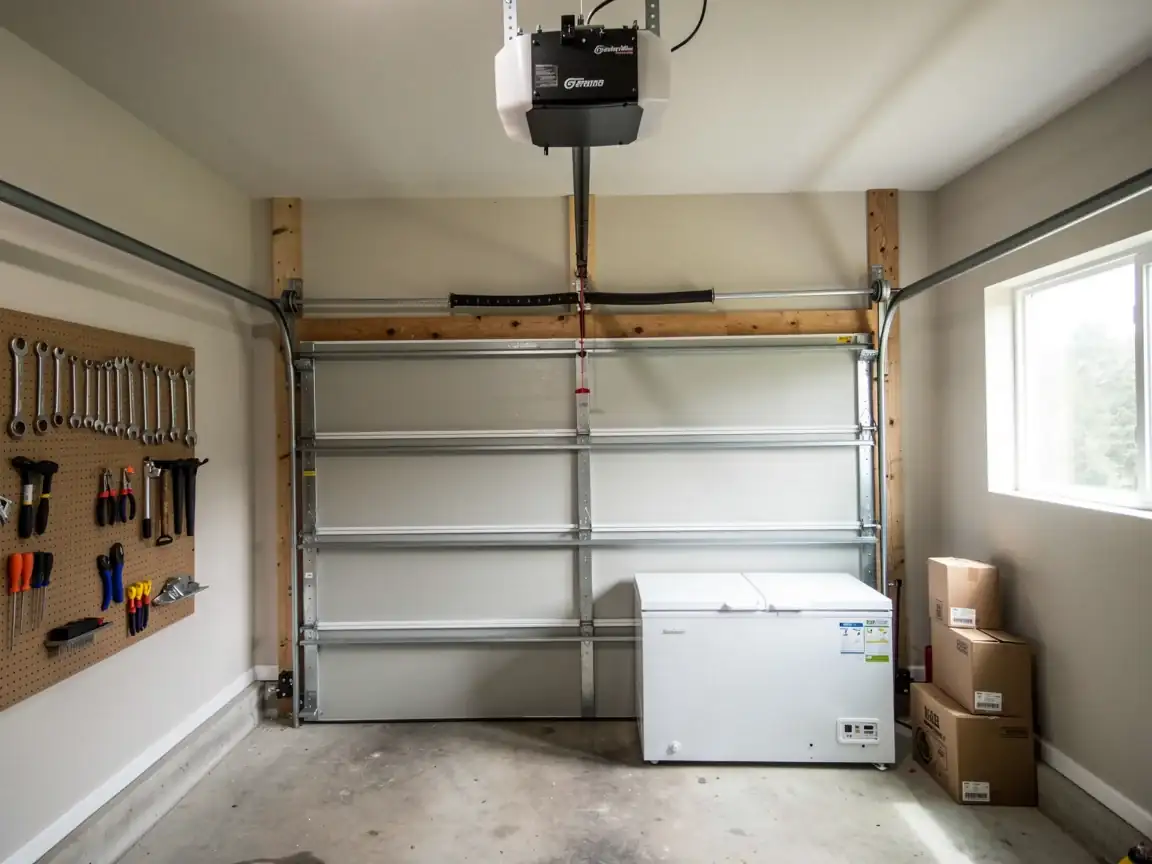
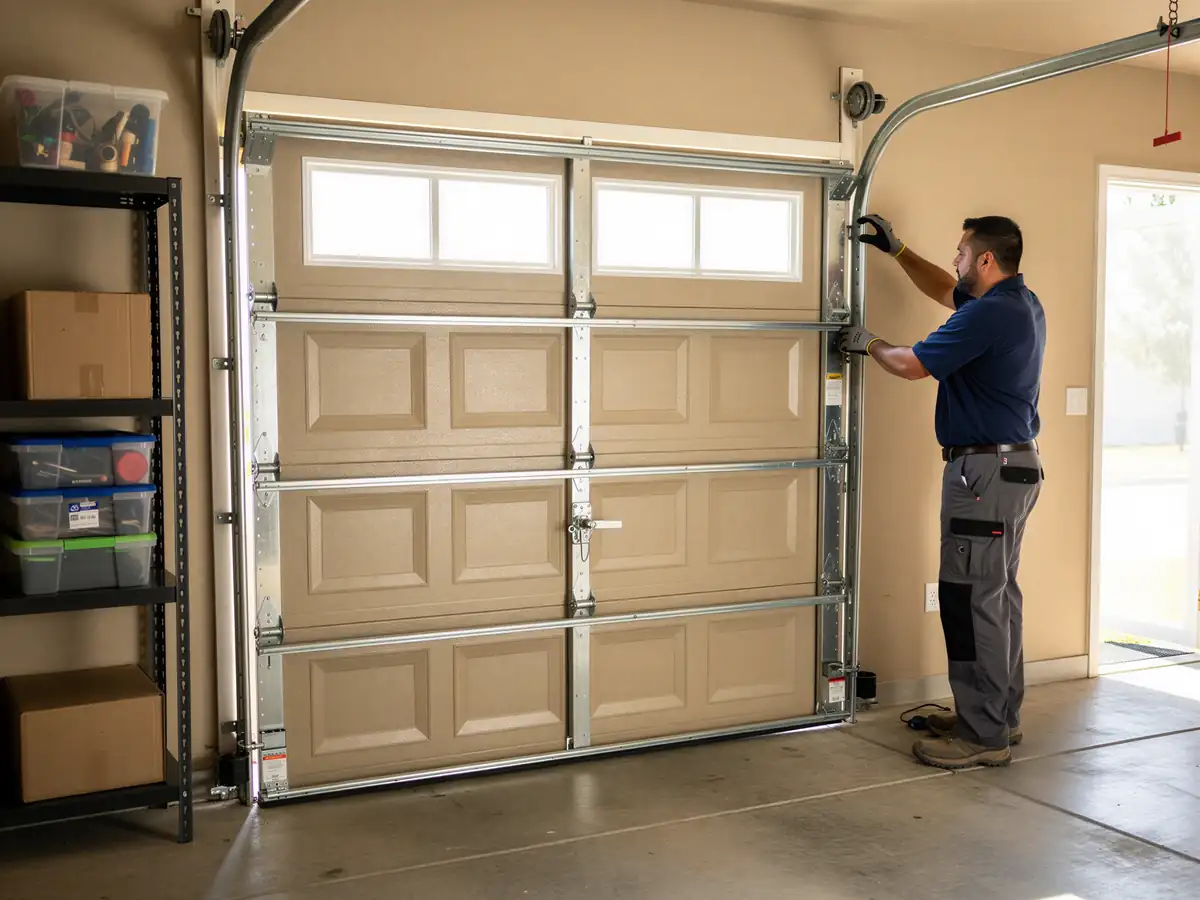
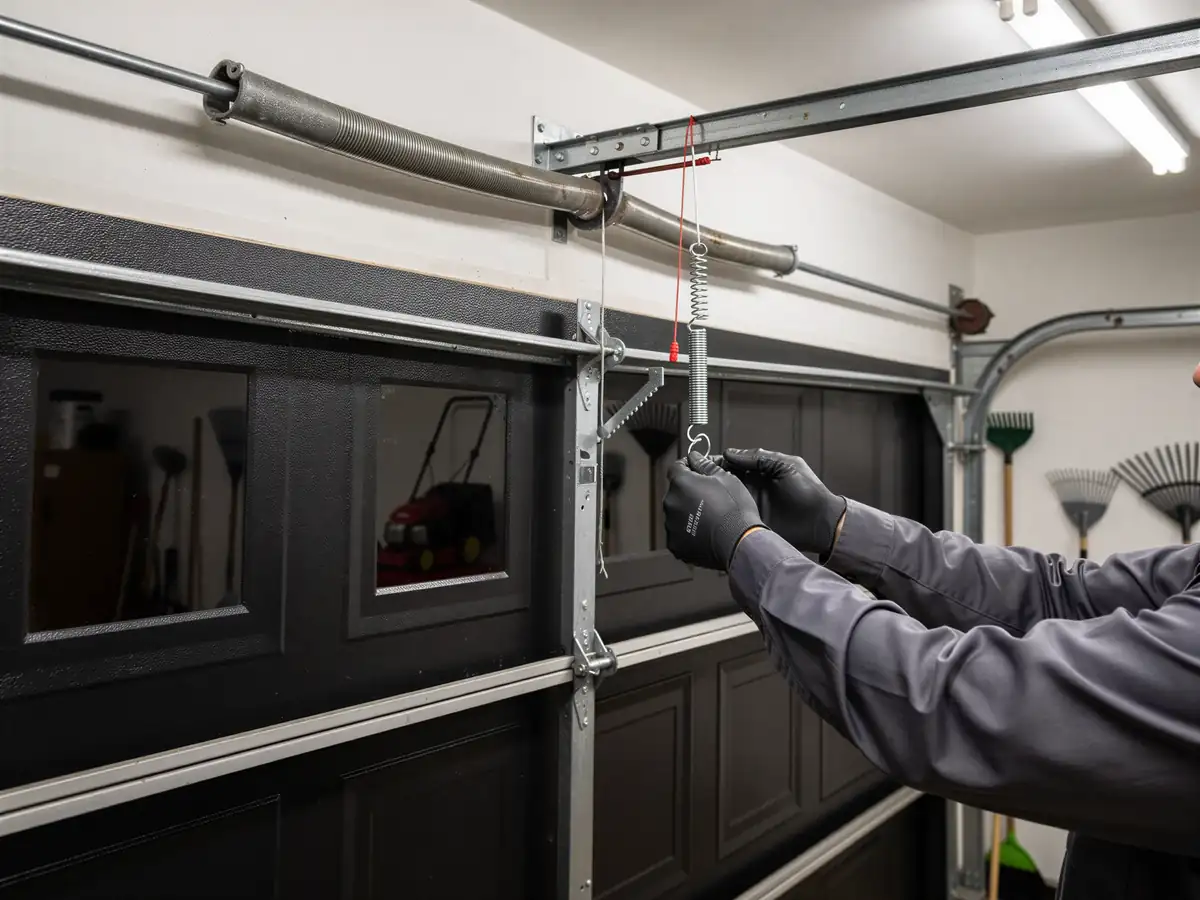
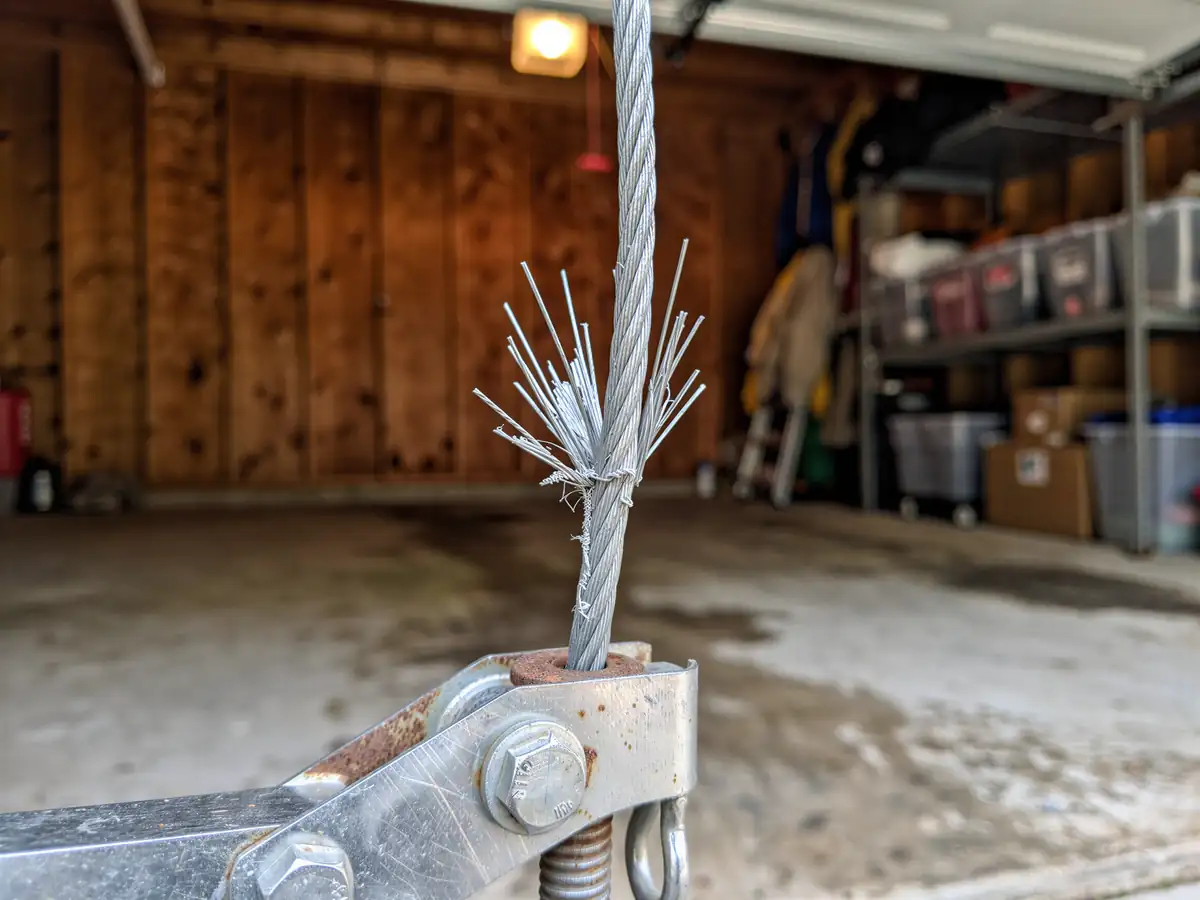
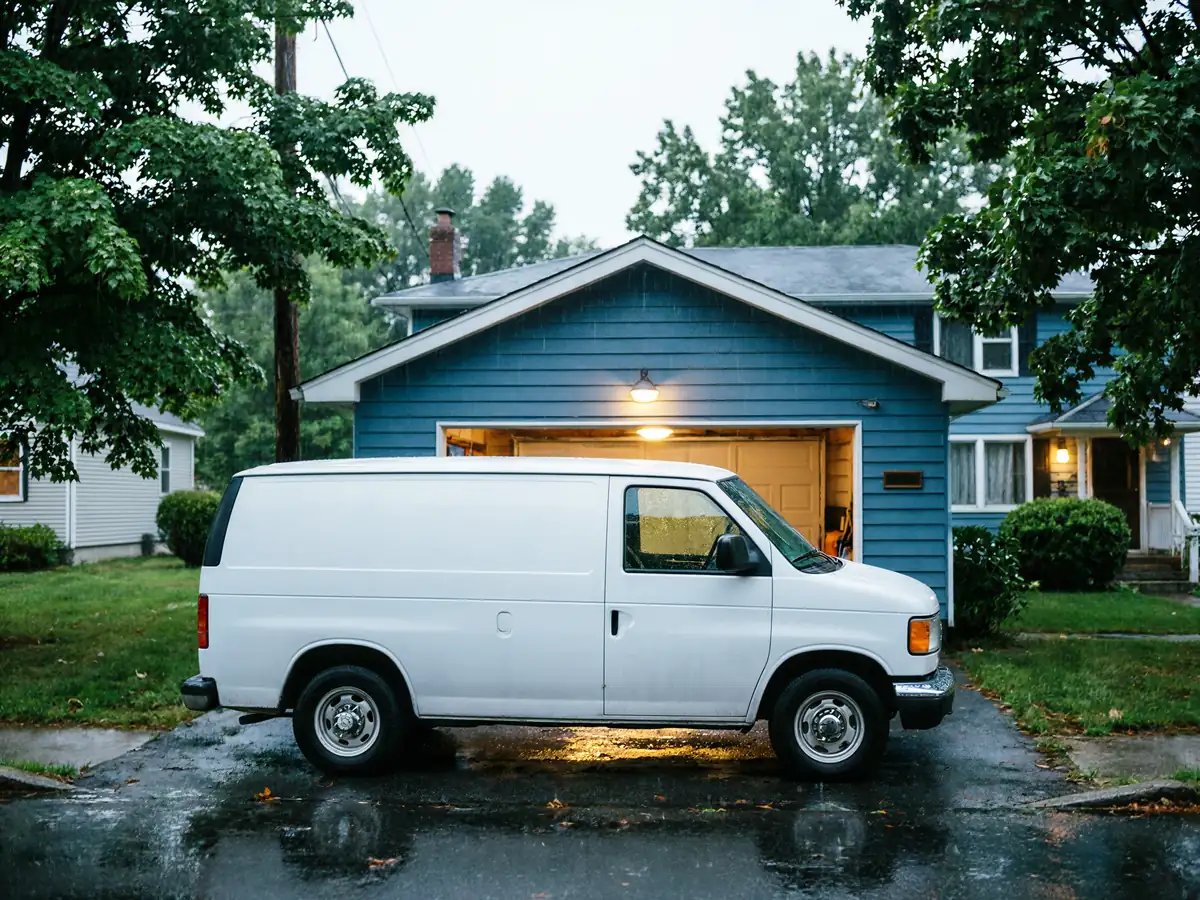
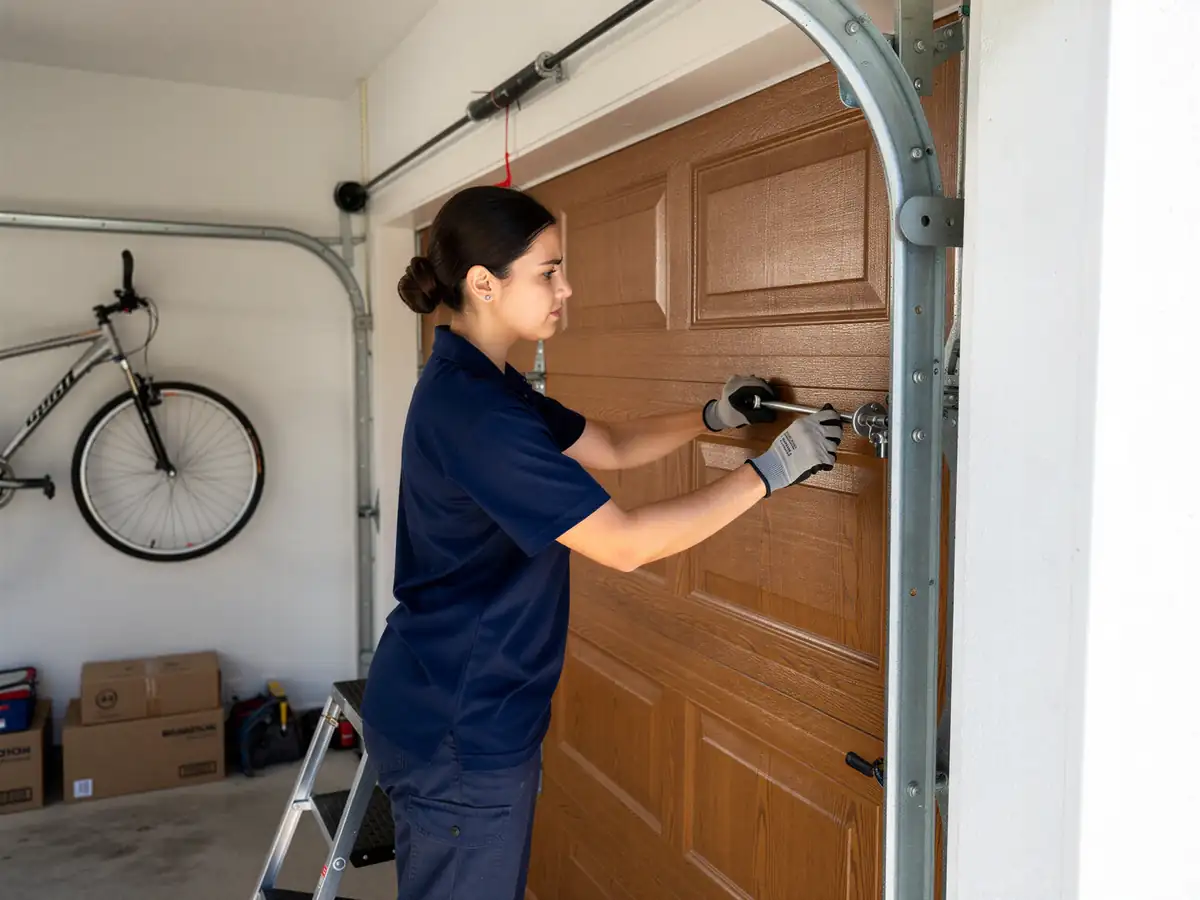
We come out of Newark, about 3 miles from most of Kearny, so there's no local branch to call - the truck is dispatched from there. On a 1952-era single-layer door, the first thing we check is whether the spring was ever upsized when the door got replaced, because mismatched spring weight is the most common reason these doors slam down instead of lowering under control. We re-tension or replace torsion springs to match actual panel weight, not the sticker weight from whatever door is currently hanging. Track alignment gets checked against the original jamb, since houses from this period have settled enough over 70 years that factory-spec track doesn't sit square anymore - we shim and re-square rather than force a new track into an old opening. Rollers get swapped for sealed-bearing steel on these narrow single-car setups since nylon doesn't hold up well in a tight track that's already slightly out of true. We don't try to true up a badly warped original steel panel - past a certain point that metal is done, and we'll say so rather than charge for a repair that won't hold.
Parts We Carry
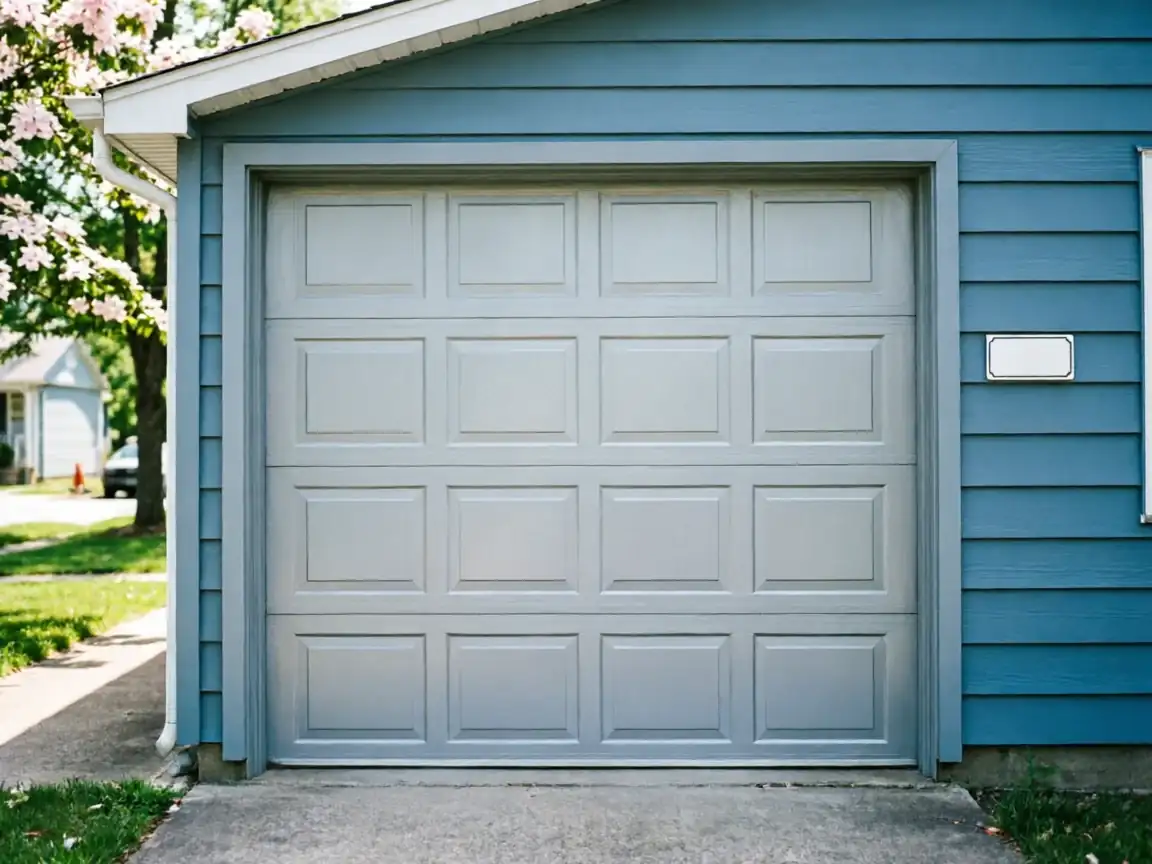
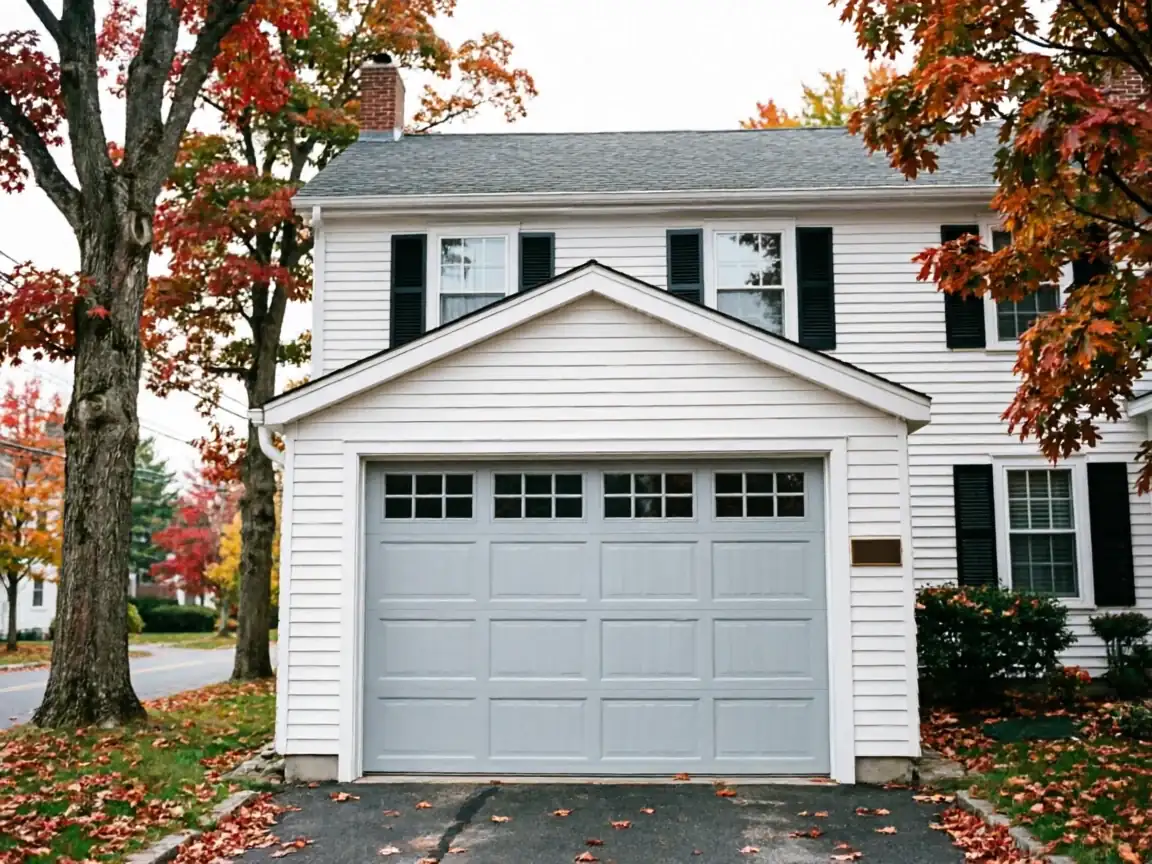
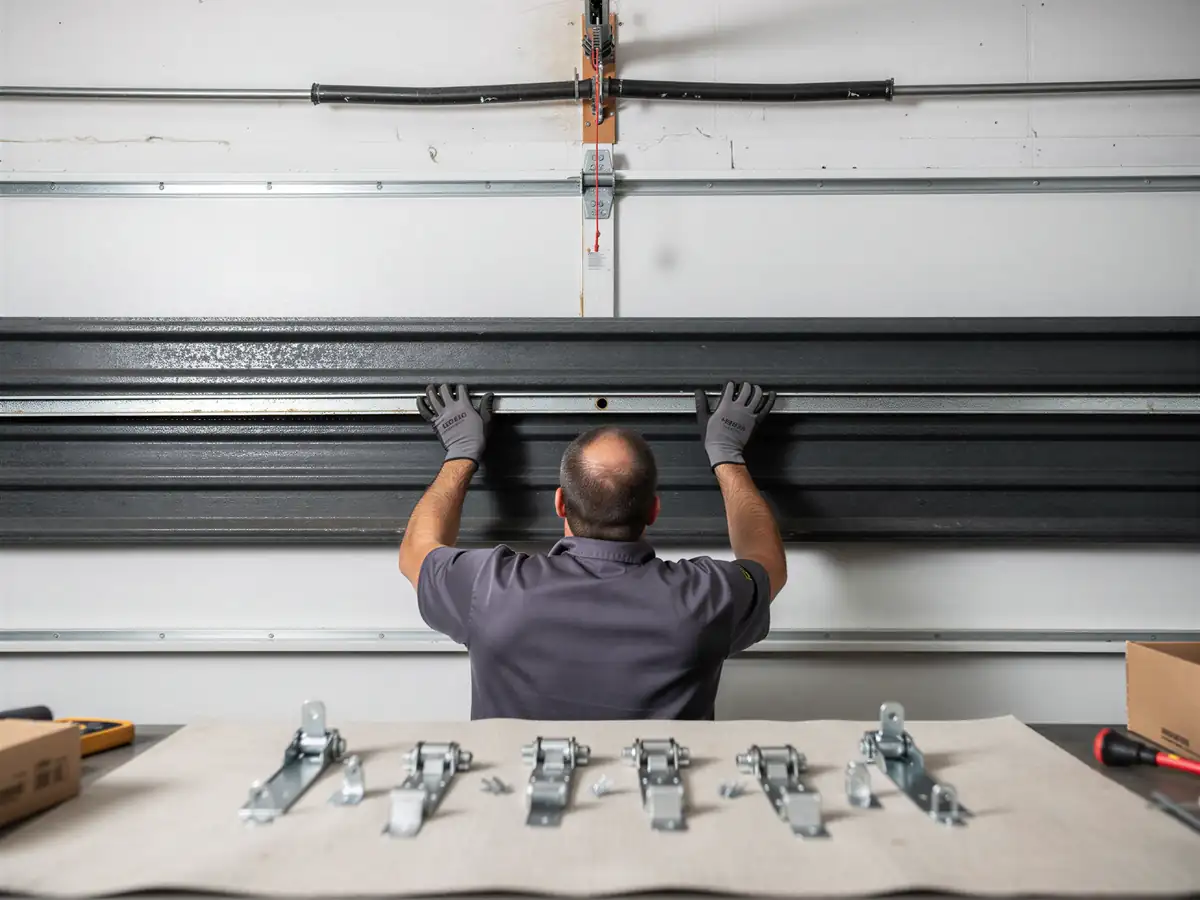
For Kearny's housing stock we stock torsion springs in the weight ranges that match original single-layer steel doors on 8-foot single-car openings, plus the heavier range for anyone who's already replaced with an insulated panel. We carry sealed-bearing rollers sized for narrow vintage track, flat 18-gauge bottom brackets that fit the older stamped panels, and standard torsion shafts cut to single-door width. Weatherstrip and bottom seal get restocked often here specifically because the cold-climate cycle of freeze and thaw breaks down vinyl seals faster on doors with no insulation layer backing them. What we don't keep on the truck is replacement steel skin for the original 1952 panels themselves - that's custom-order territory now, and if a panel's torn up past patching, replacement of the whole door is usually the honest answer rather than a repair.
Where This Job Goes Sideways
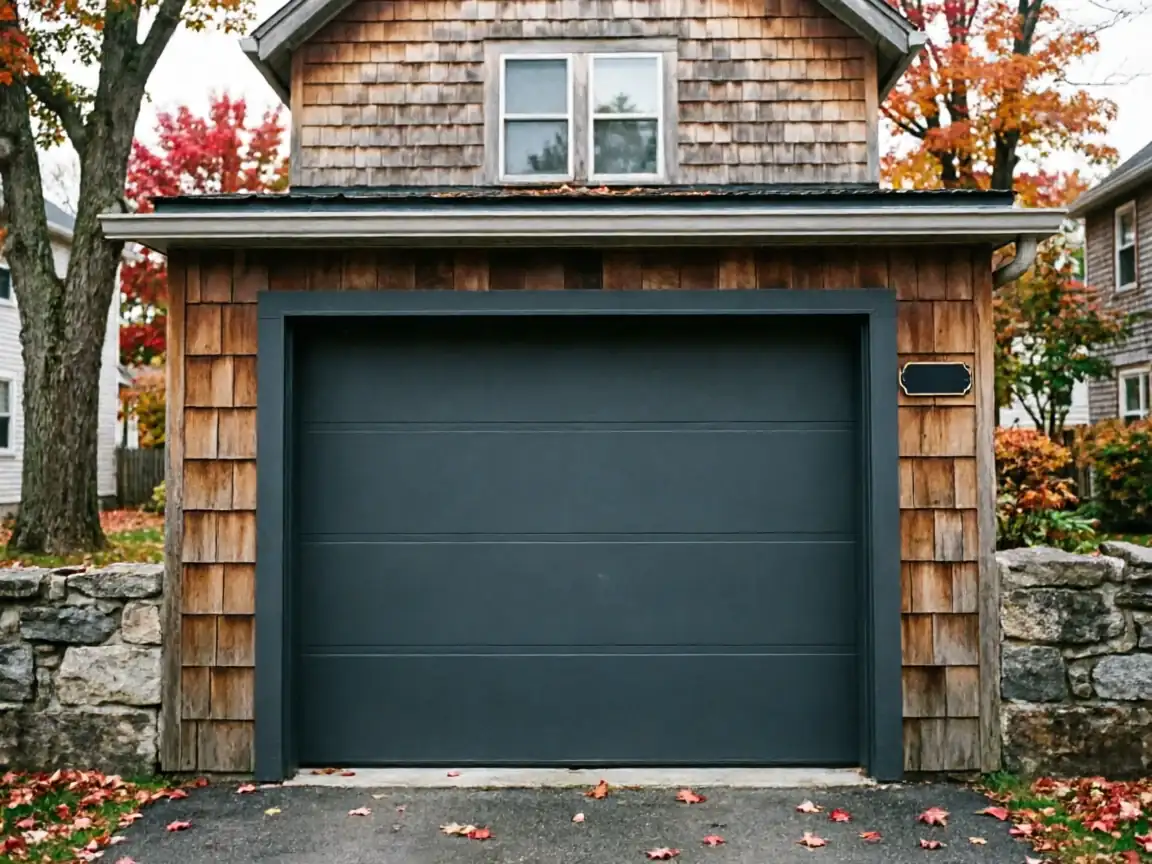
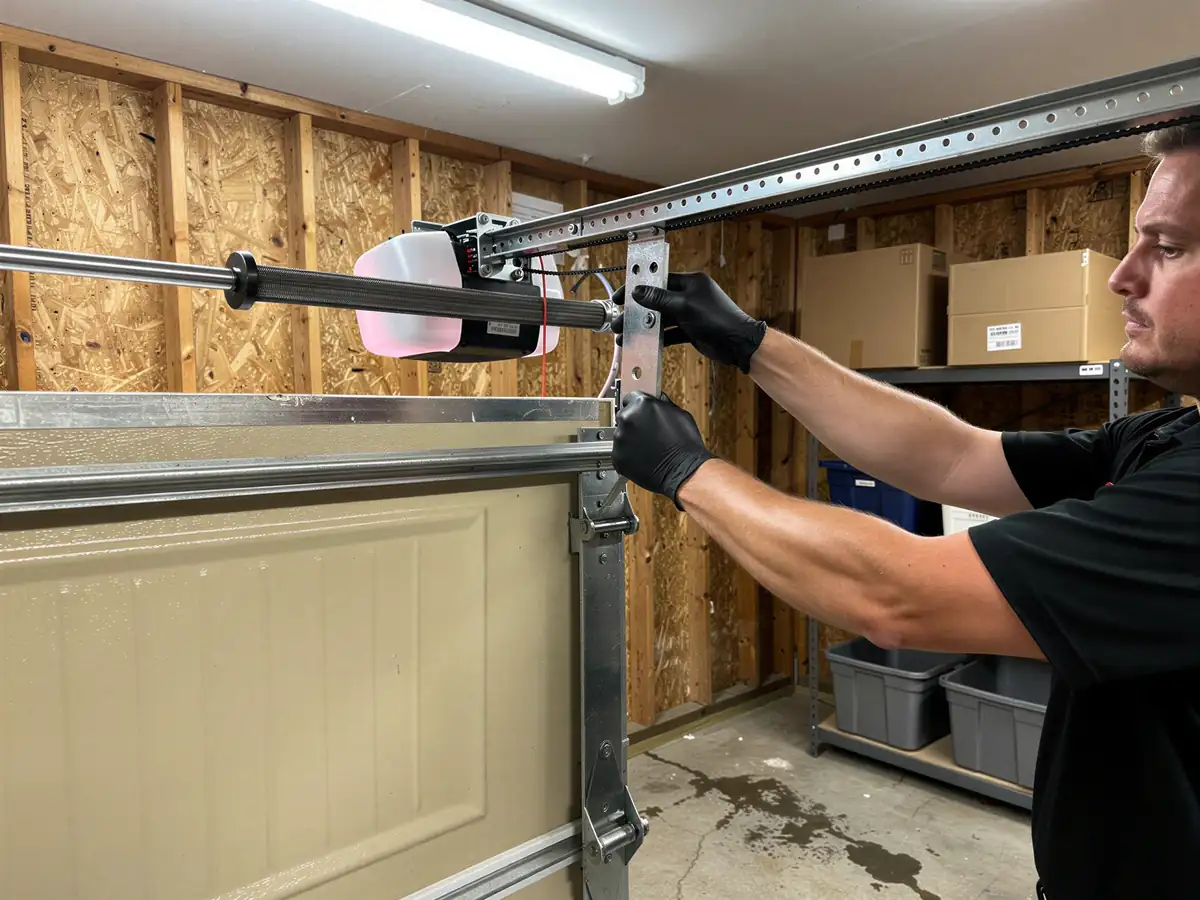
The job gets harder when someone's already swapped in a heavier insulated door onto the original 1952 track and spring setup without upgrading anything else. The springs are undersized for the new weight, the track is often too narrow for the thicker panel, and the opener - if it's been replaced too - is working against hardware it was never matched to. At that point a simple spring swap doesn't fix it; the whole lift system needs resizing to the current door, not the one that used to hang there. It also goes sideways when a panel looks fine but the frame around the opening has shifted with the house's settling, which is common enough in Kearny's older foundations that we check square before assuming the door itself is the problem.