Why This Fails Locally
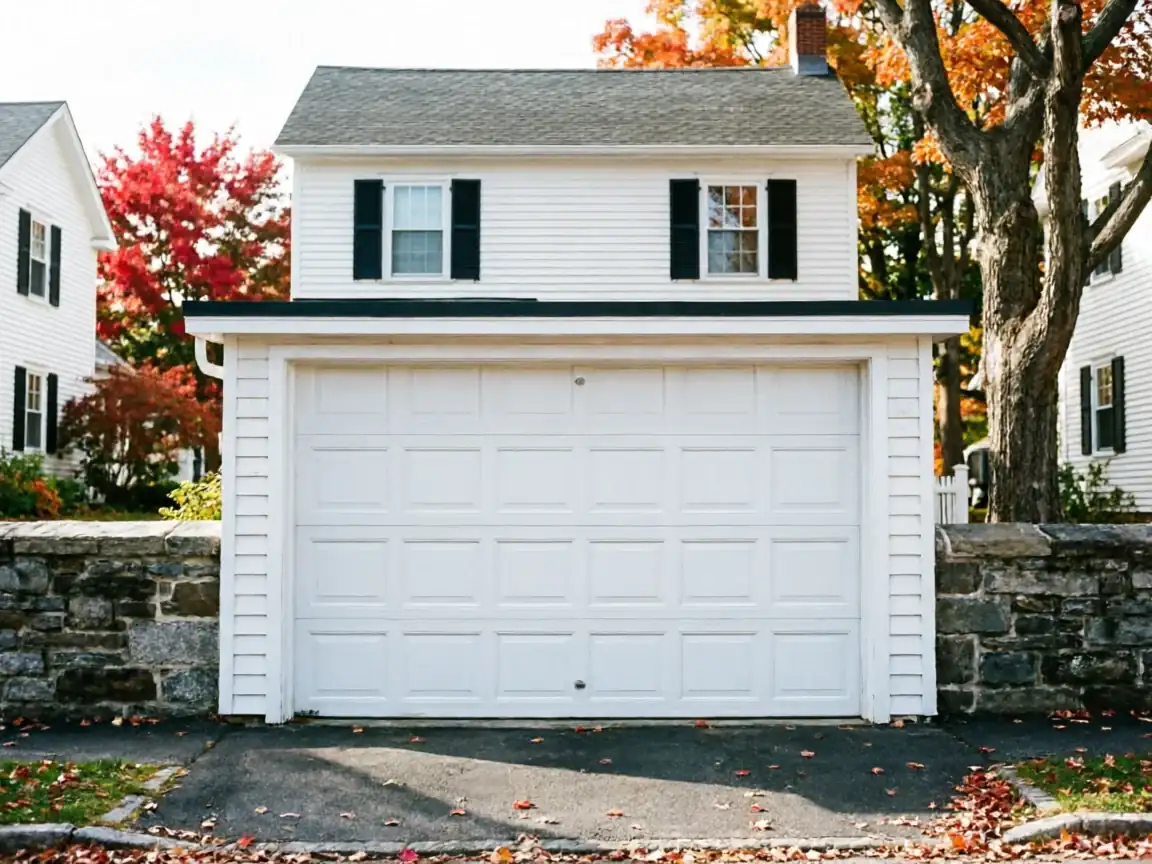
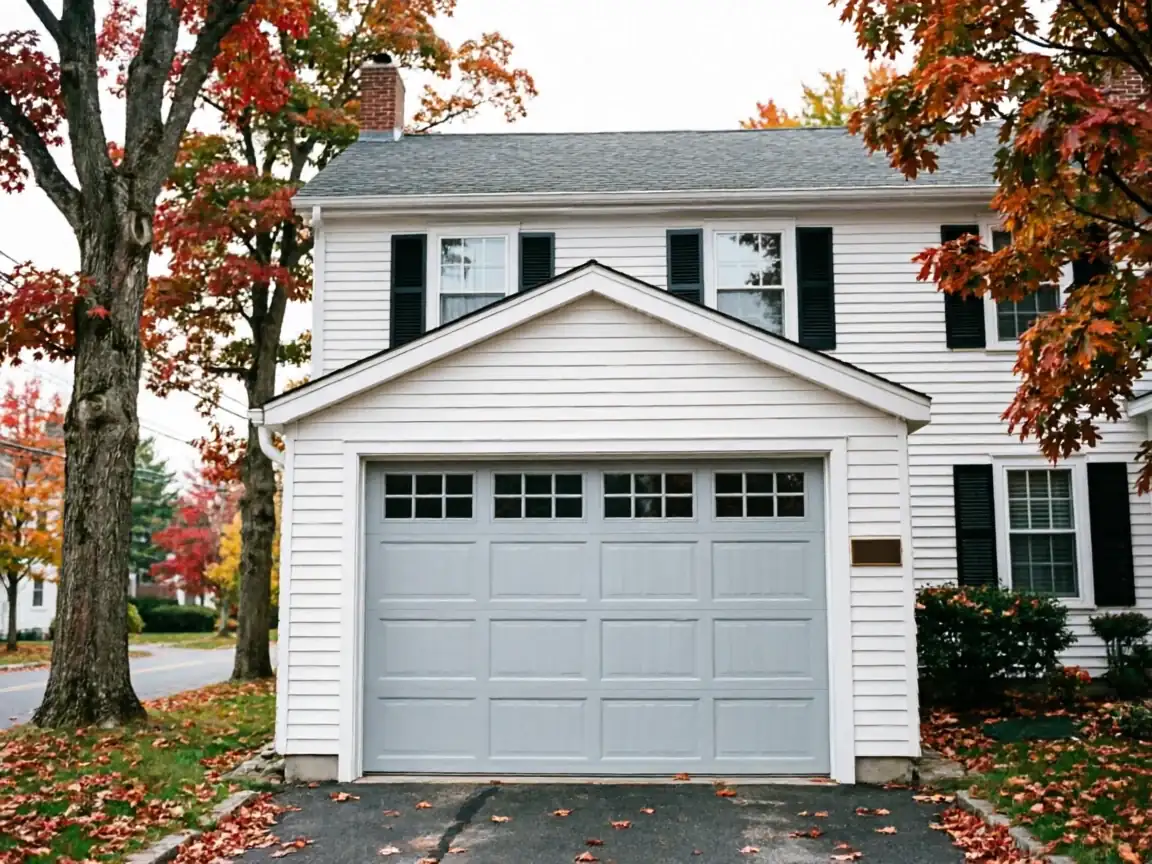
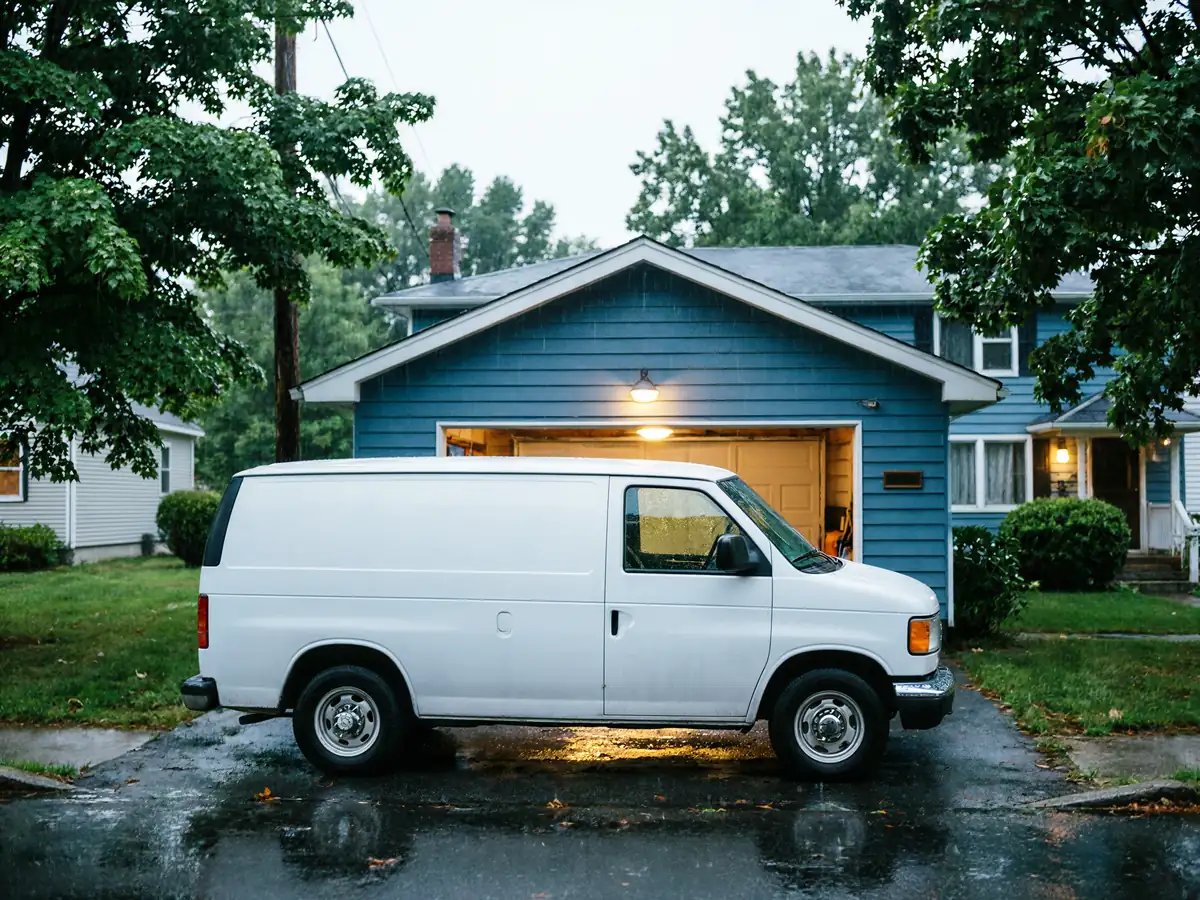
Most of the houses we get called to in Elizabeth went up in the 1950s
Which lines up with the broader pattern across this service area of homes built mostly before 1960. A torsion spring on a door that age has usually been swapped once or twice already, but whoever did the last job often matched the original wind and wire gauge rather than upsizing for a heavier replacement panel. That mismatch is the single biggest reason we see premature failure here - the spring is working harder than it was sized for.
Cold is the other half of it
This area sits in a severe cold climate band, and steel springs lose flex as the temperature drops. A spring that's been quietly fatiguing for a few winters will often let go on the first hard cold snap of the season, not gradually. If your door got noticeably harder to lift once the weather turned, that's not the opener struggling - it's the spring finishing a slow failure that started years ago.
How We Fix It
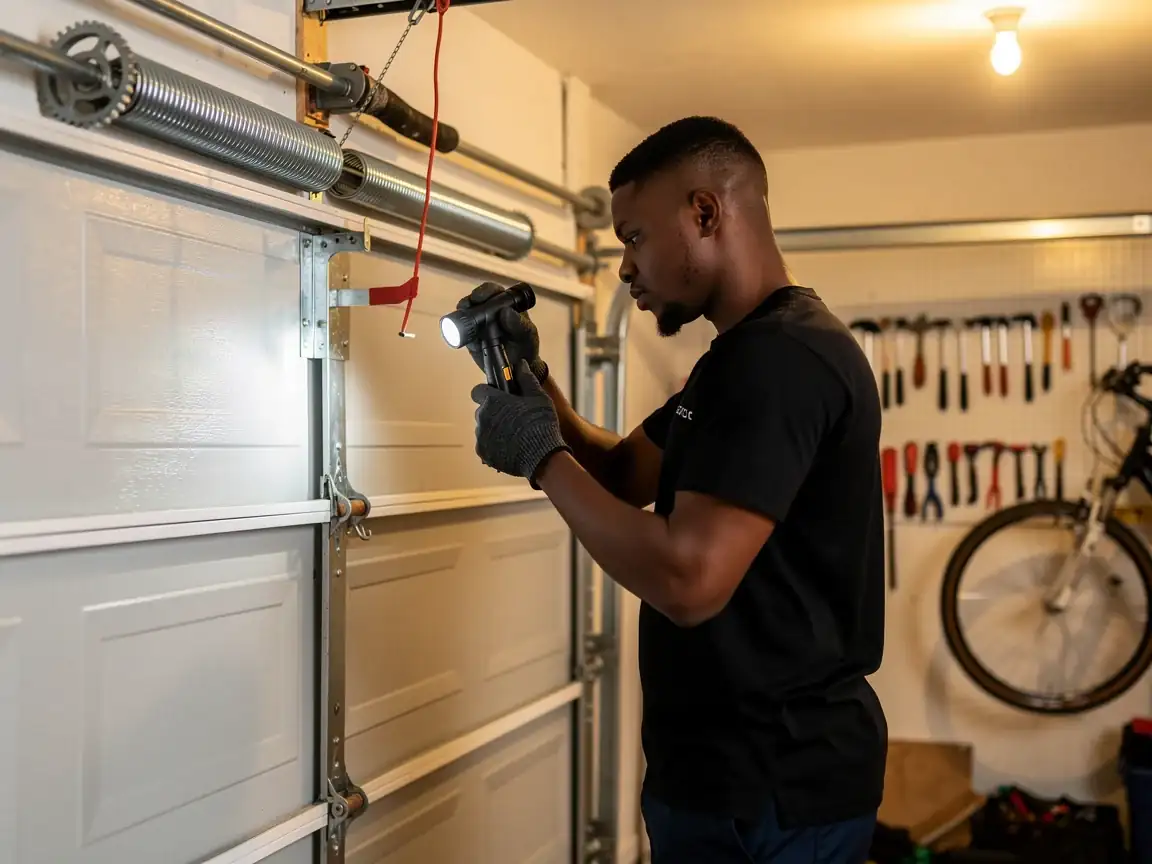
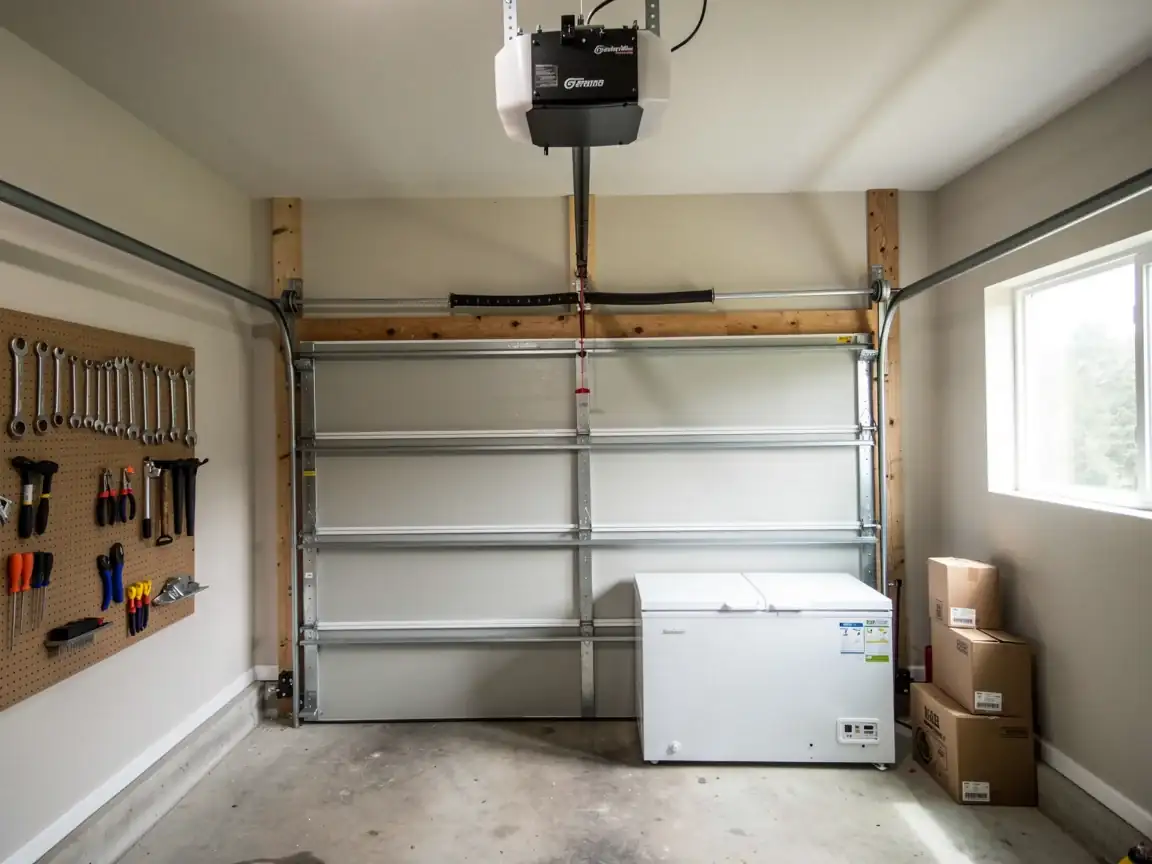
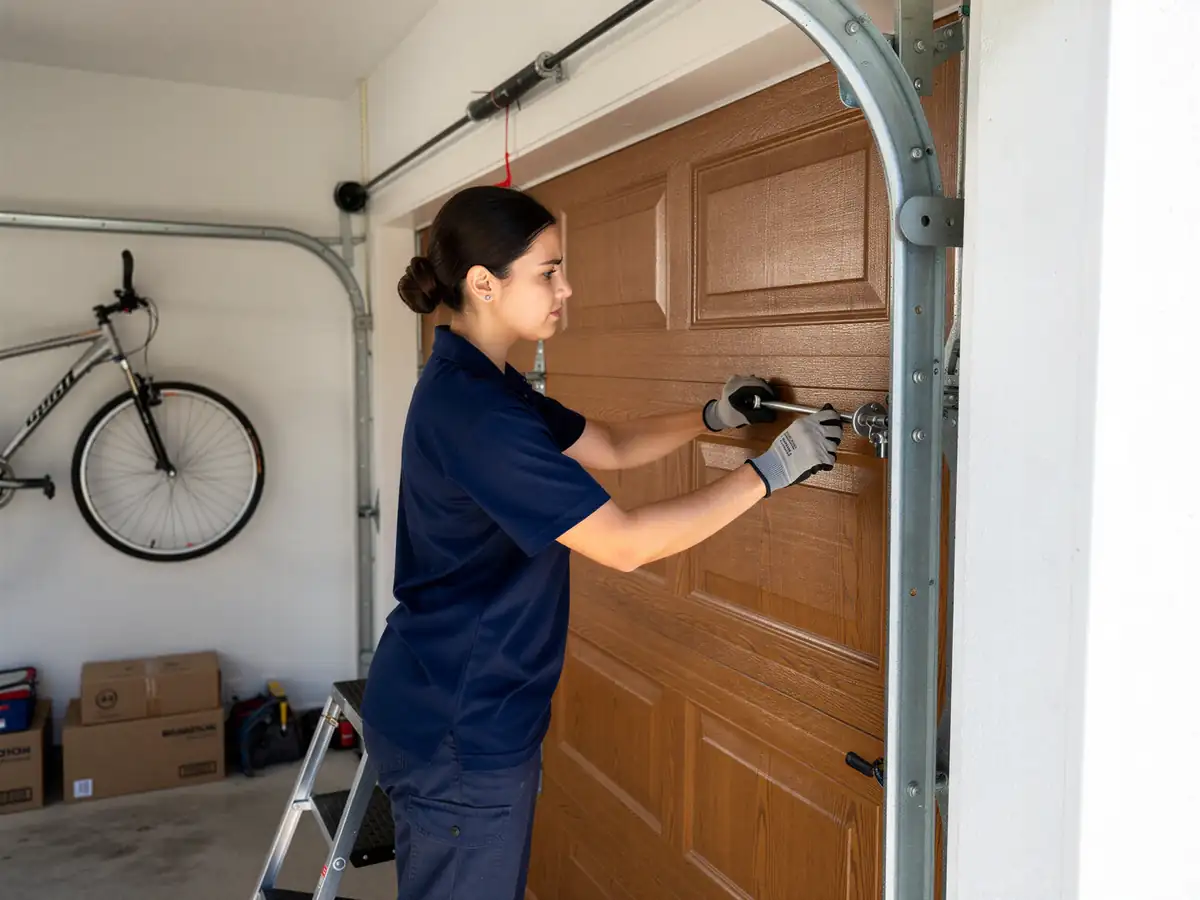
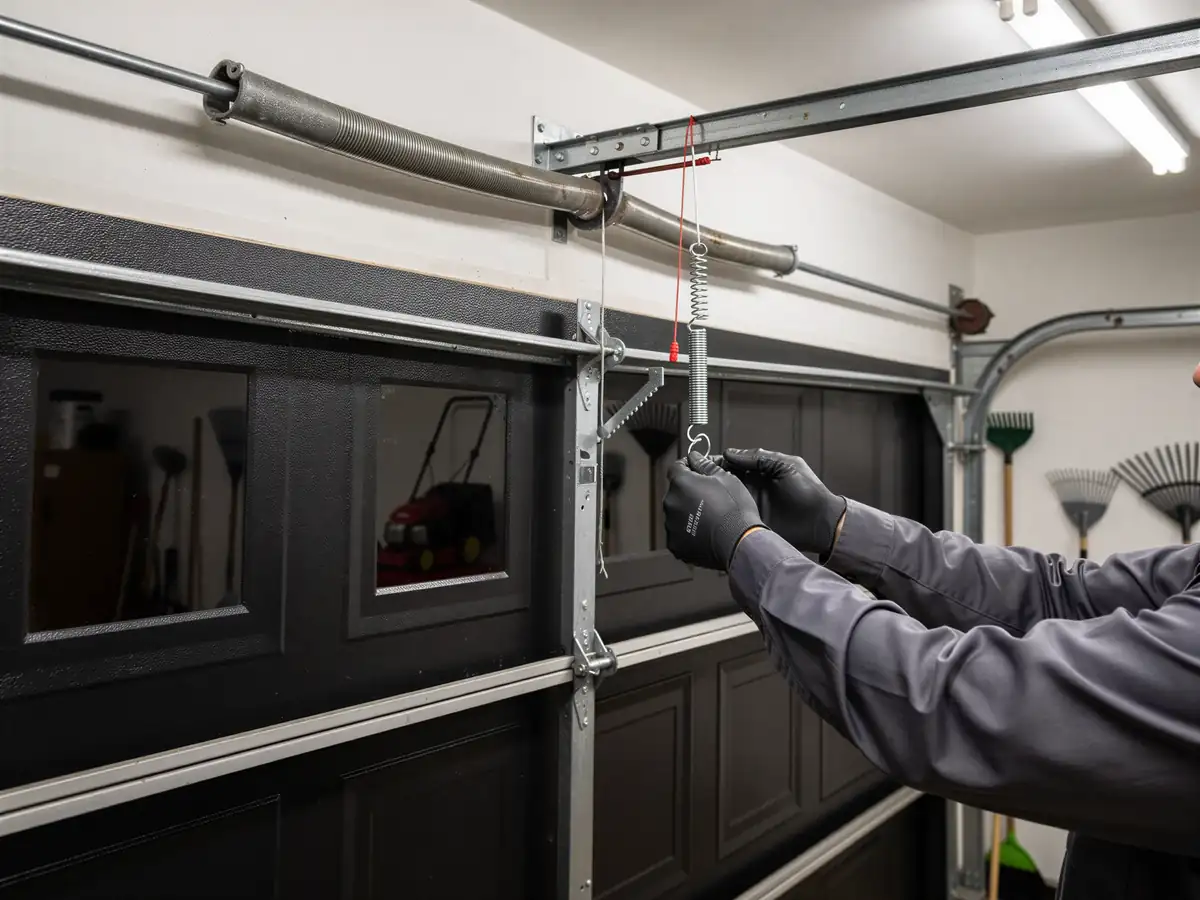
We measure the door's weight and the drum size already on the shaft before we touch anything, because matching those numbers wrong is what caused half the early failures we see on this generation of door. On a 1950s-era house we'll often find a single spring doing a two-spring job, so we price out whether to replace like-for-like or step up to a properly sized pair.
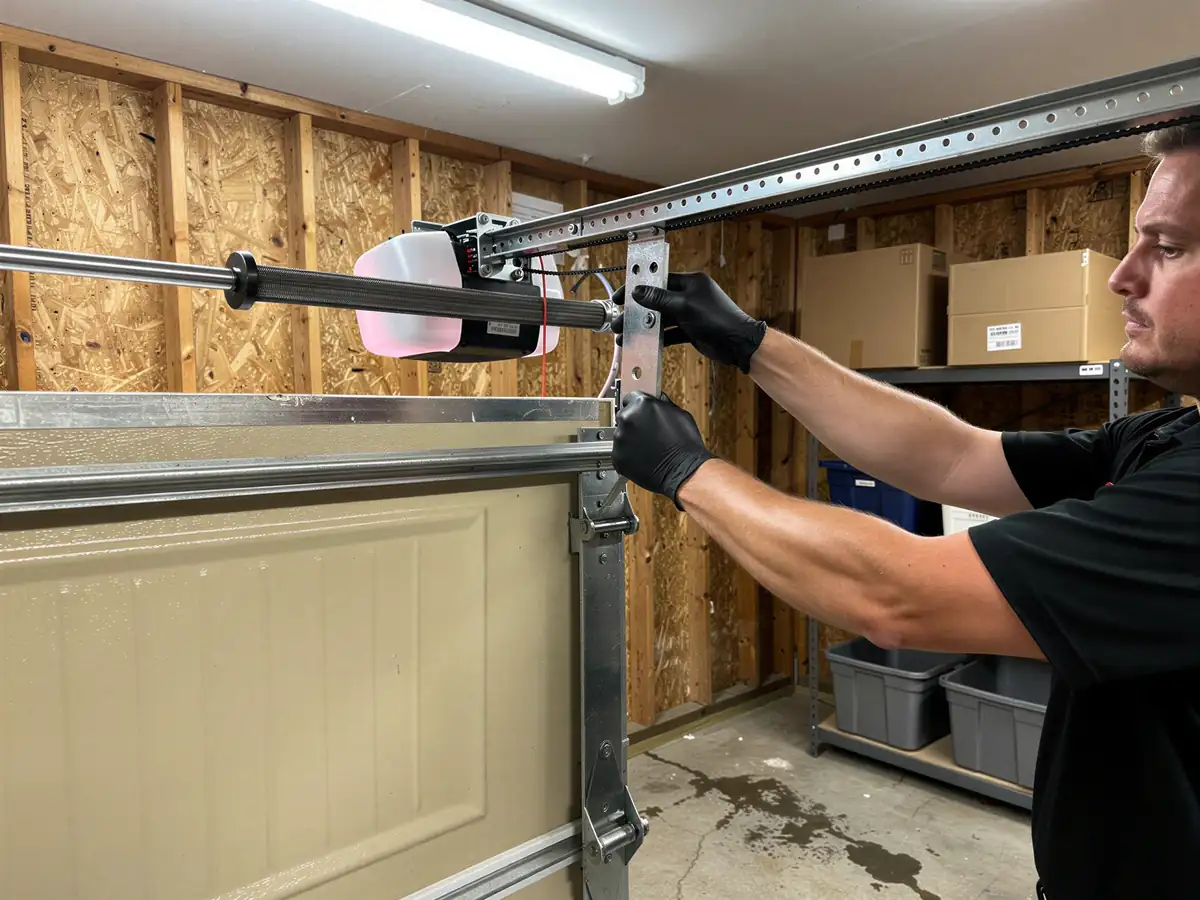
We replace the spring, inspect the cable drums and the stationary cone for wear from the old spring's last few cycles, and reset the torque by hand count rather than guessing. We don't leave a job with a door that lifts unevenly - if the opposite-side hardware shows the same fatigue, we'll tell you before we close up, not after it fails next winter.
The Symptom
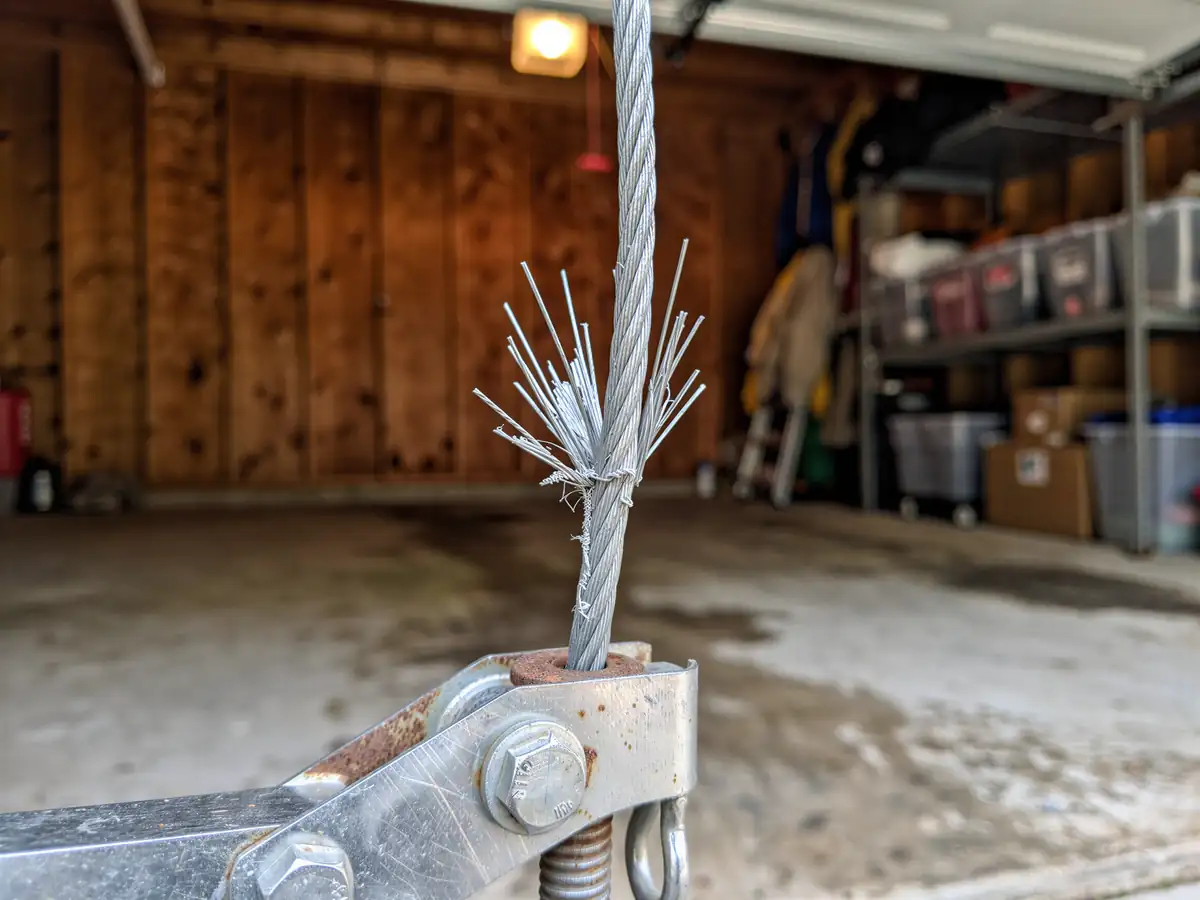
The door feels heavy the moment you lift it by hand, or the opener strains and reverses partway up. Sometimes there's a loud bang from the garage - that's the spring itself letting go, usually a clean snap rather than a slow unwind. After it breaks, the door won't stay up on its own, and forcing an opener to lift it without spring tension can burn out the motor or strip the drive gear, which turns a spring call into a bigger bill. If you hear the bang, leave the door down and call before you try the opener again.
Can You Do This Yourself
We'll say this plainly: a torsion spring is under enough stored tension to break a bone or worse if the winding bars slip, and the tools to do it safely aren't things most homeowners own or want to buy for a one-time job. This isn't a job we'd recommend tackling without the right bars and a clamp, regardless of how straightforward the videos make it look. What you can safely check yourself is whether the spring is visibly separated (a gap in the coil means it's broken) and whether the door is binding on the tracks rather than the spring - that second case is a different repair entirely and worth mentioning when you call.
Parts We Carry
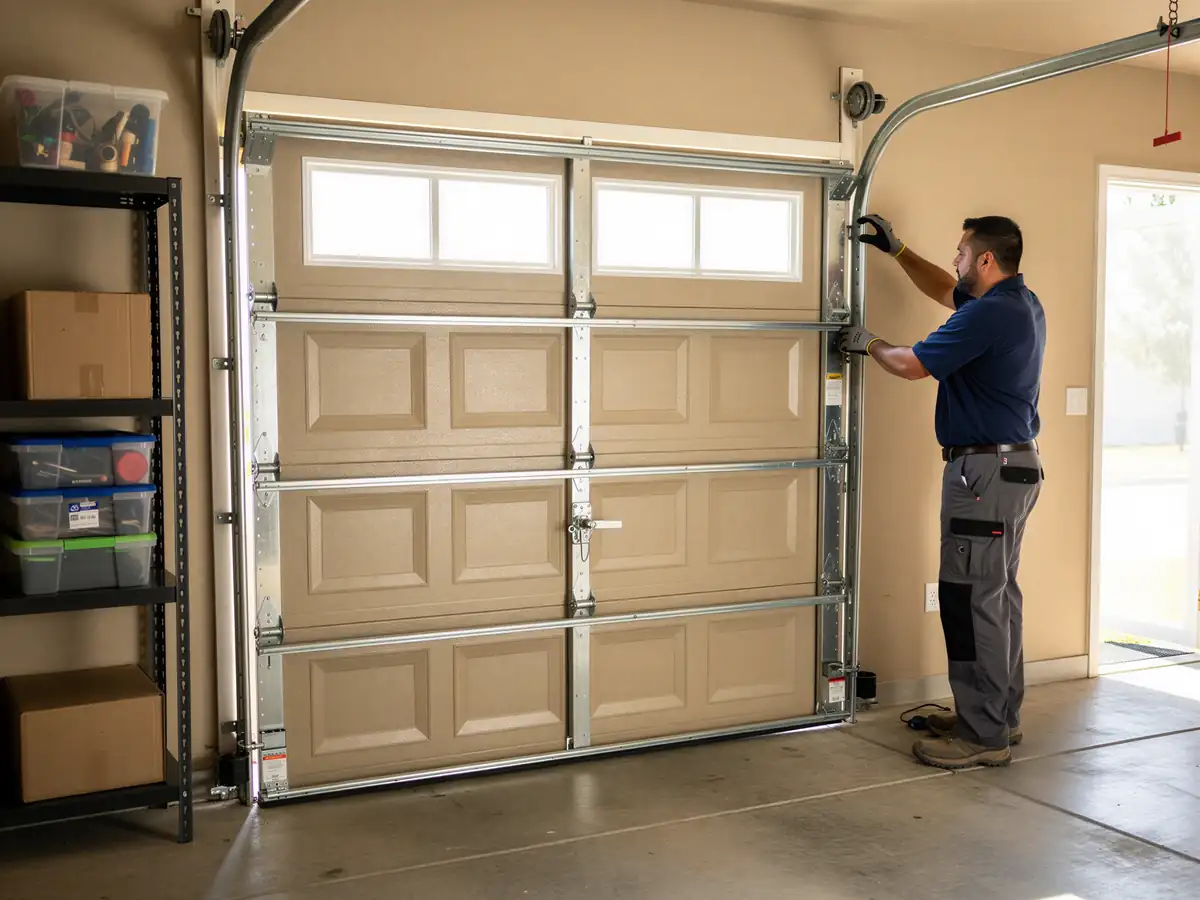
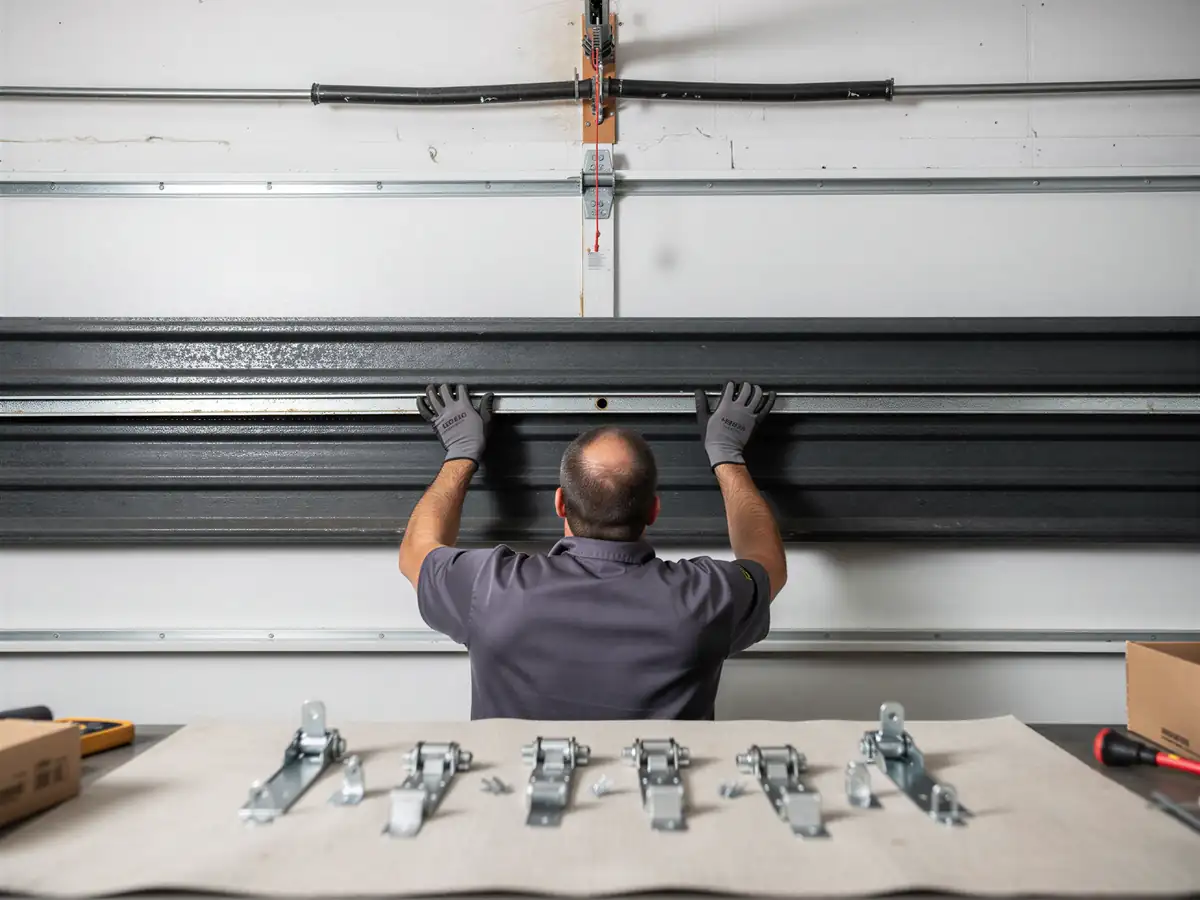
We stock standard torsion springs in the wind sizes common to doors from this era's housing stock, plus the drums and cones that typically wear alongside them. What we don't keep on the truck is every oddball shaft diameter from a decades-old custom install - if your door has been modified more than once, we may need to order a matching part, and we'll tell you that lead time up front rather than promising a same-visit fix we can't deliver.