Can You Do This Yourself
A broken cable is one of the jobs homeowners ask about doing themselves
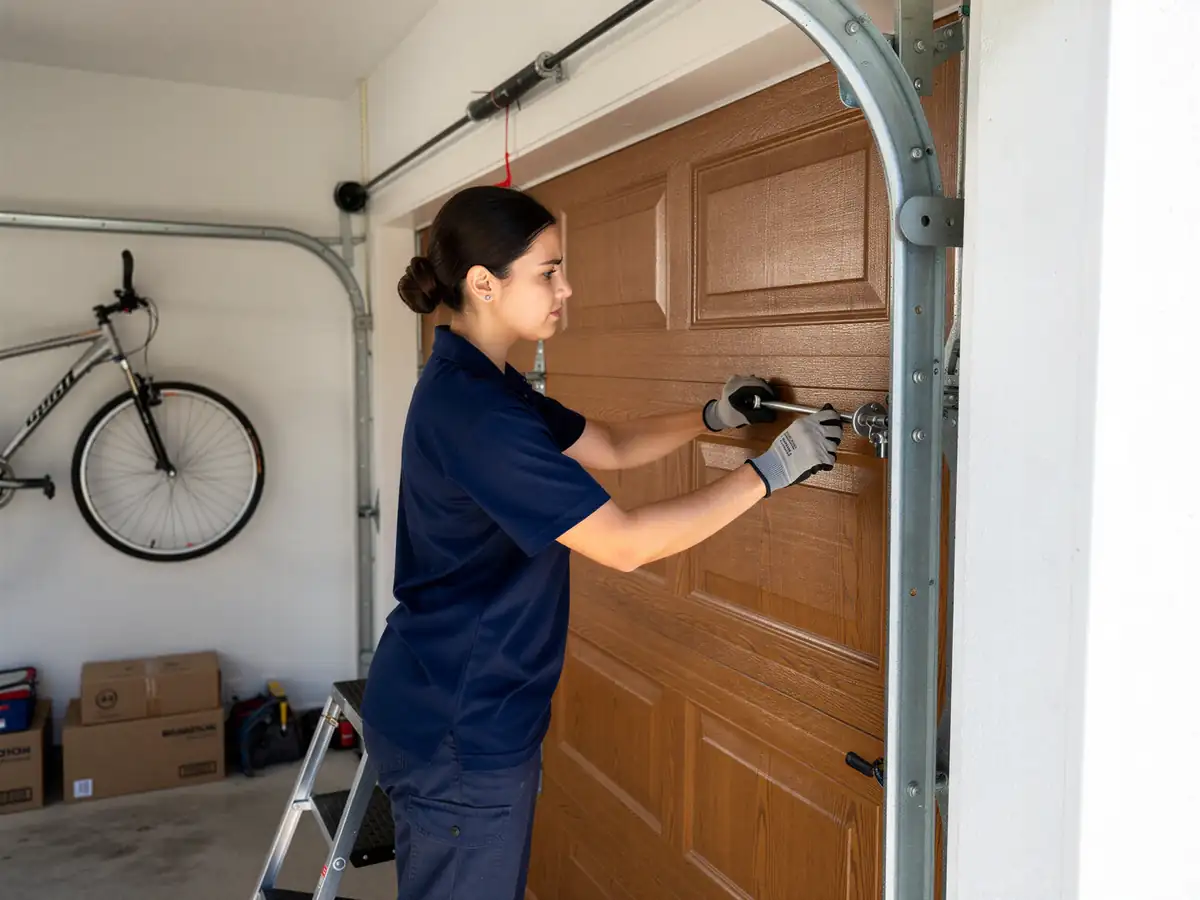
And we get why - it looks like a single part. It isn't. The cable is under tension from the spring system the whole time the door is closed, and on a double door that tension is enough to put someone in the ER if the drum lets go while you're working near it. East Orange's median household income sits at $59,872, well under the $120,958 median across our wider service area, so we understand the instinct to save the service call and do it yourself. We'd still tell you not to. A cable swap on its own, done without locking out the torsion spring first, is one of the more common ways people get hurt on a DIY garage door job. If the cable is just frayed and the door still opens and closes evenly, that's a narrower, safer job - but it still means working with the spring loaded. Leave that part to someone who does it daily.
What you can safely check yourself
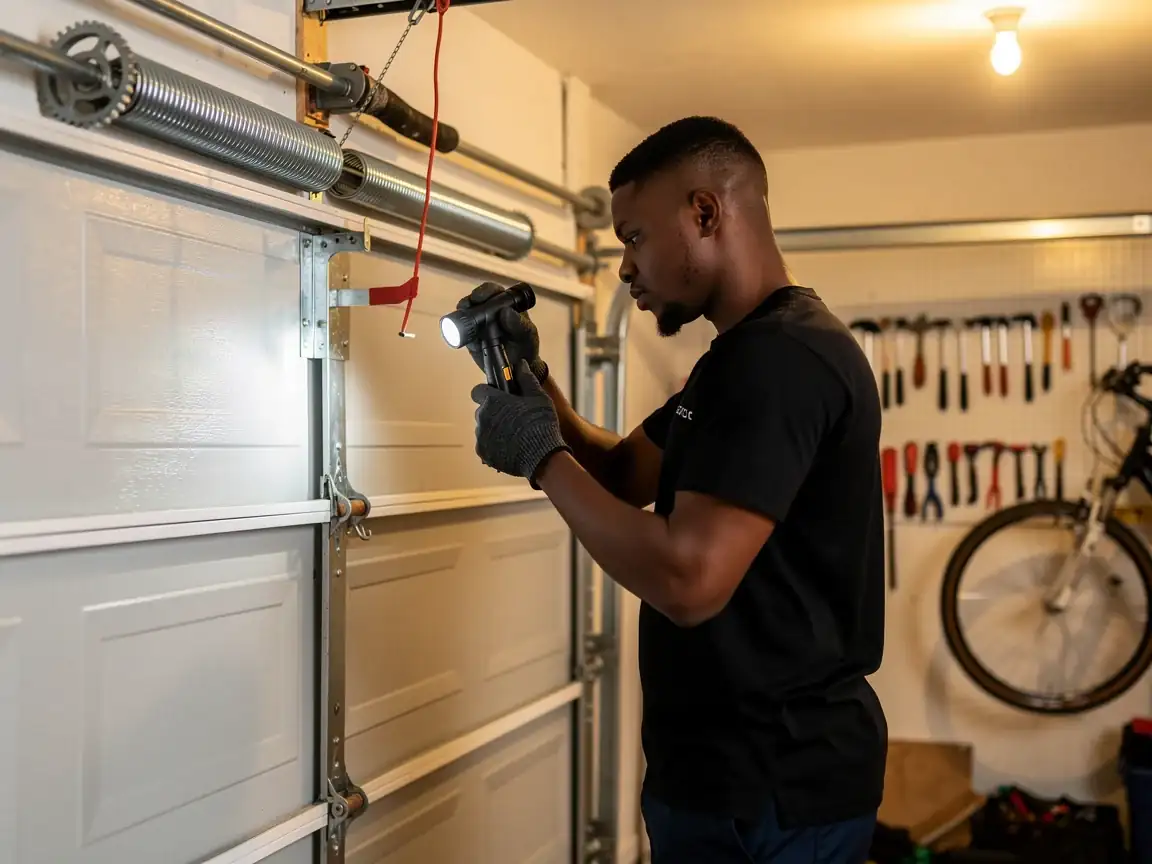
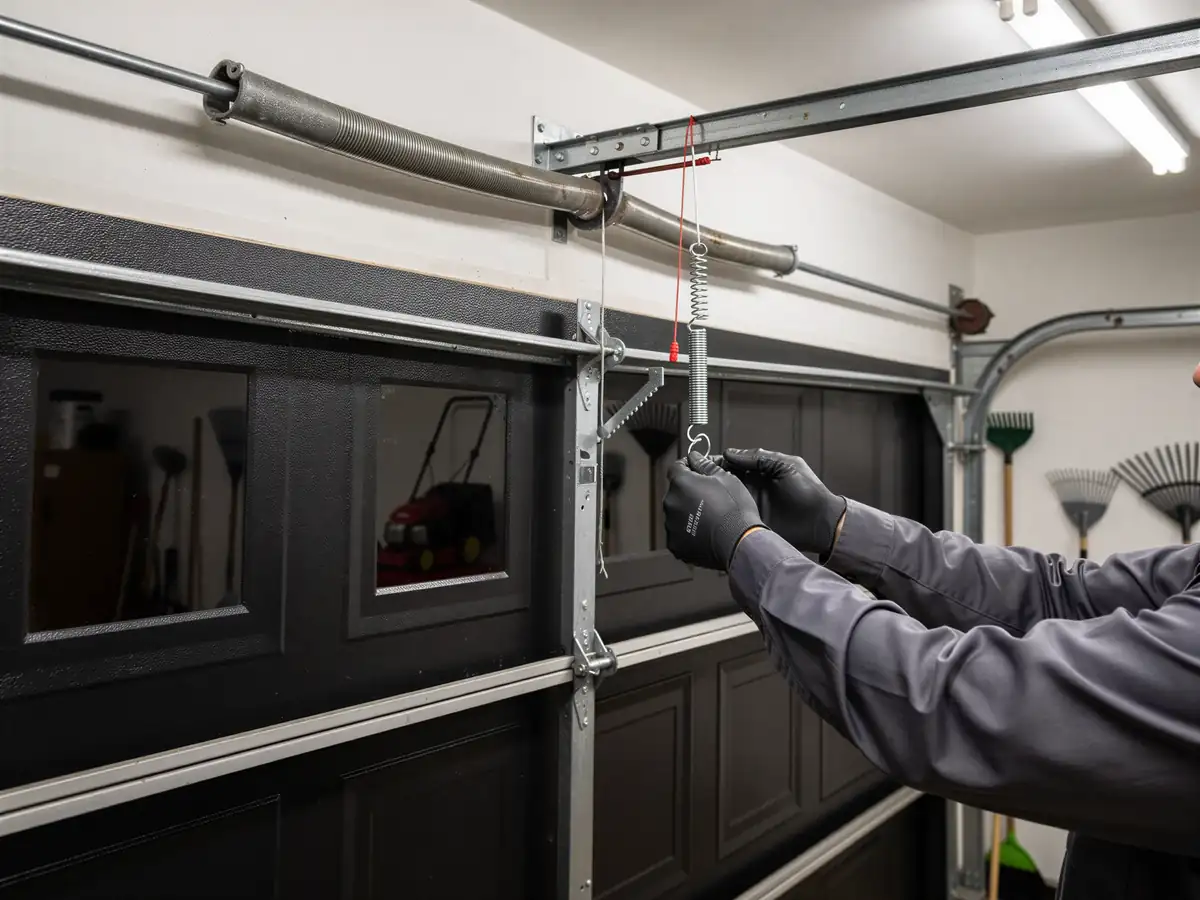
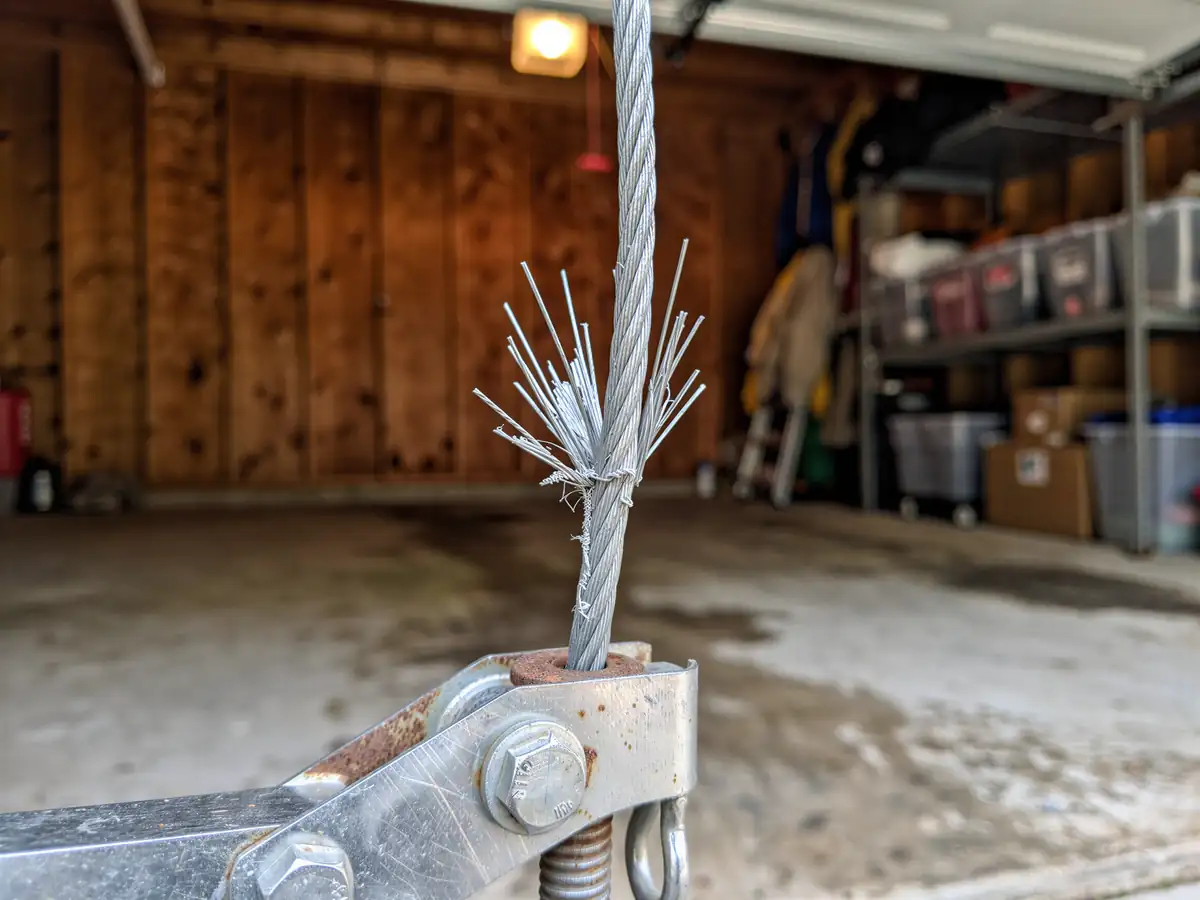
Look at the cable where it wraps the drum at the top of the track. If you see rust, kinking, or strands separating, that's your sign to call rather than wait.
How We Fix It
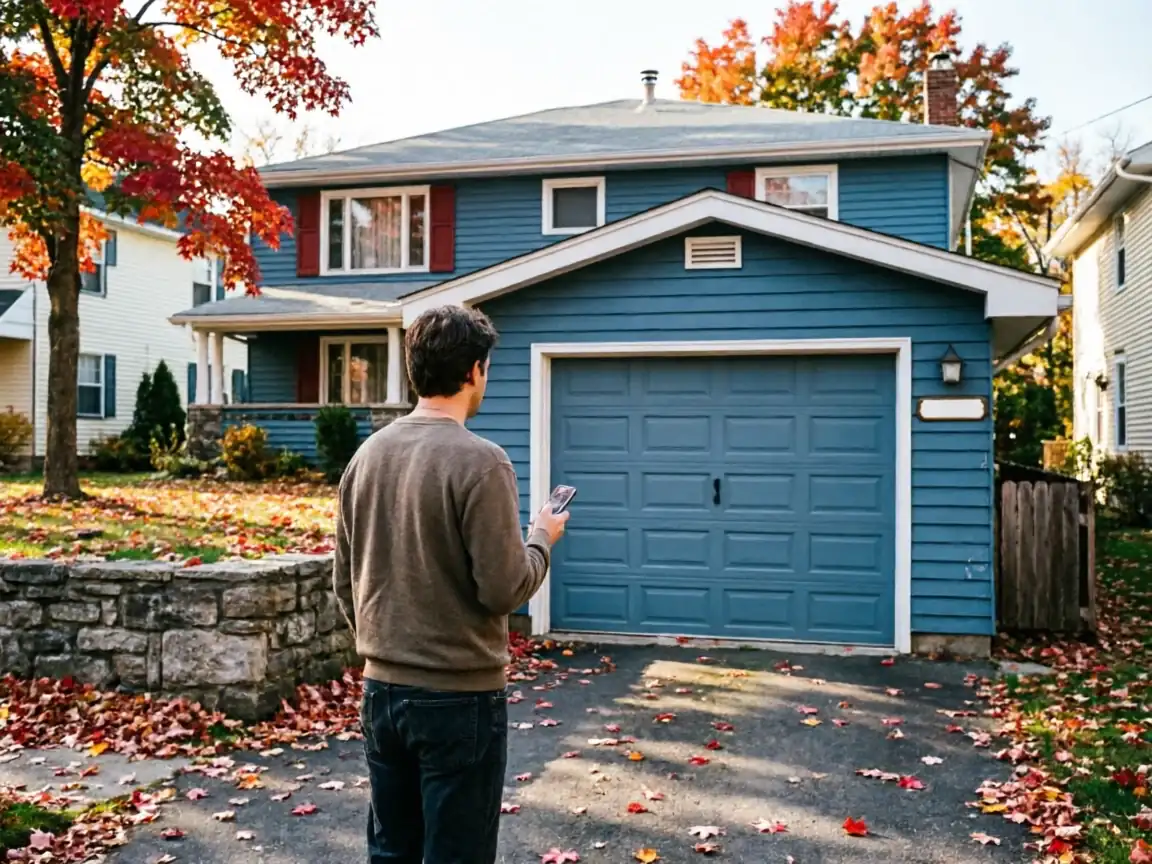
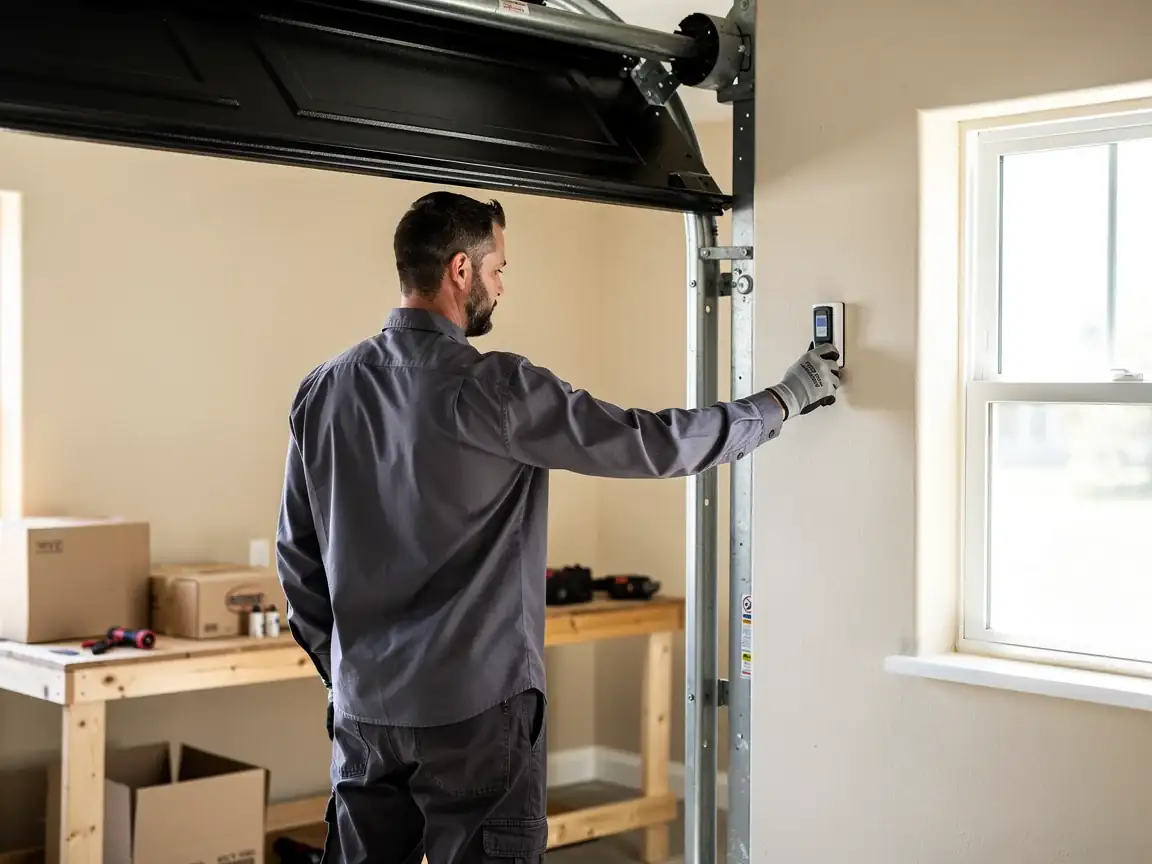
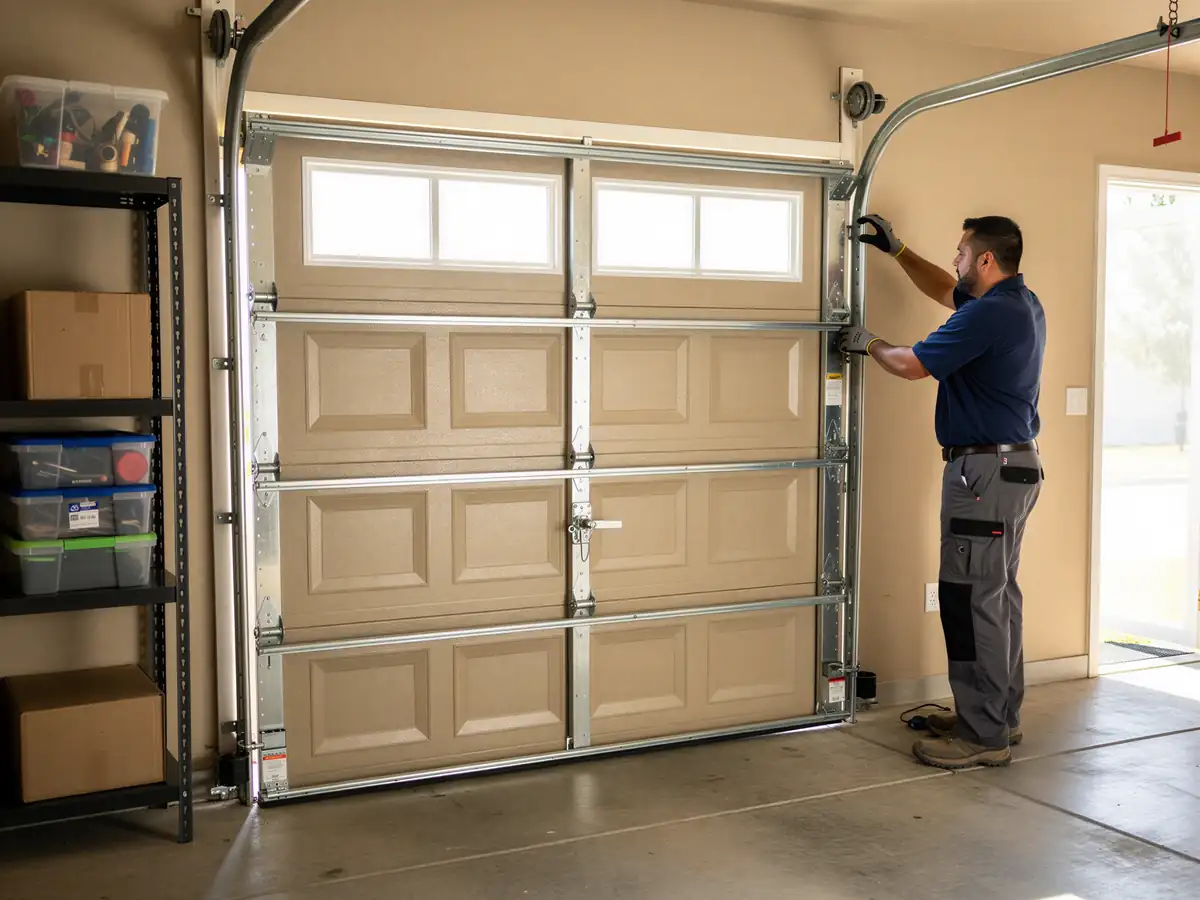
Most of East Orange's houses went up around 1957, and a lot of that stock still carries its original torsion hardware - galvanized aircraft cable wound on steel drums, sized for the door and spring combination that shipped with the house. We pull the old cable, check the drum grooves for wear (a worn drum will chew through a brand-new cable in months), and replace both cables as a pair even if only one failed, since the other is the same age and under the same load. We re-tension the spring to the door's actual weight rather than guessing, and we run the door through a full cycle before we call it done.
The honest limitation: if the drum itself is grooved or the spring is undersized for the door, a cable-only fix is a short-term patch. We'll tell you when that's the case instead of billing you twice for the same symptom six months apart.
Why This Fails Locally
Winters in this part of New Jersey fall into a cold-severe band, and cold is exactly what makes older galvanized cable brittle at the point where it bends around the drum. On a house built in the late 1950s, that cable has had six-plus decades of freeze-thaw cycles to work through whatever zinc coating it started with. Combine that with 28,188 households in East Orange, many sitting in homes from the same build era, and cable wear on original drum-and-spring setups is one of the steadier calls we get from this side of the service area - not because the install was bad, but because the parts have simply outlived their coating.
Salt air isn't a factor here the way it is near the coast, so what we're mostly seeing is straightforward metal fatigue: a cable that's done more winters than it was built for, on a door assembly nobody's touched since it went in.
Getting It Booked In
East Orange sits about 4 miles from our Newark base
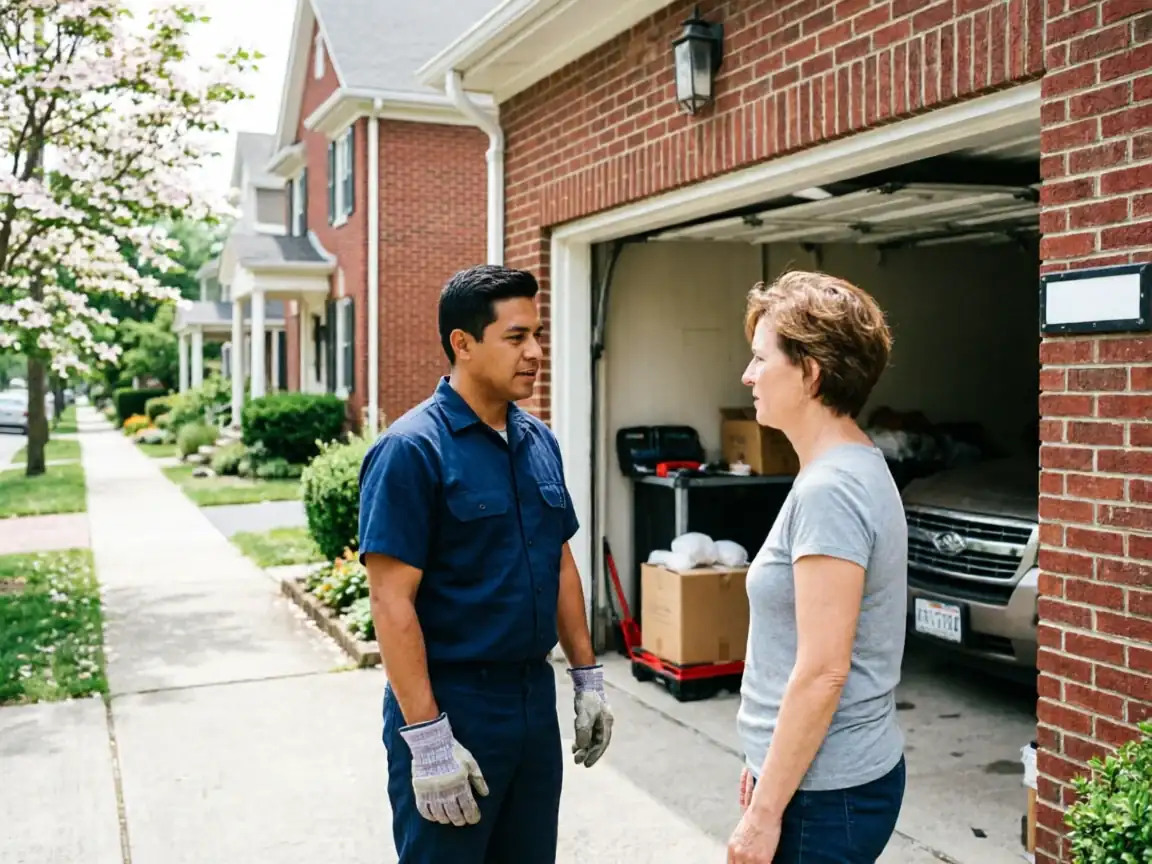
Close enough that a cable repair doesn't come with a long-haul charge the way some outer parts of our coverage area do. Tell us the make and rough age of the door if you know it, and whether the issue is a visibly frayed cable, a cable that's come off the drum, or a door that's suddenly hanging crooked - that last one usually means the cable has already let go on one side. We'll bring cable stock sized for the torsion systems common to houses from this build era, since that's what we see most on this side of town.
- 4 miles
If you're not sure whether what you're looking at is a cable problem or a spring problem
Send us a photo before the appointment. It saves a return trip if we need to bring a different part.