Can You Do This Yourself
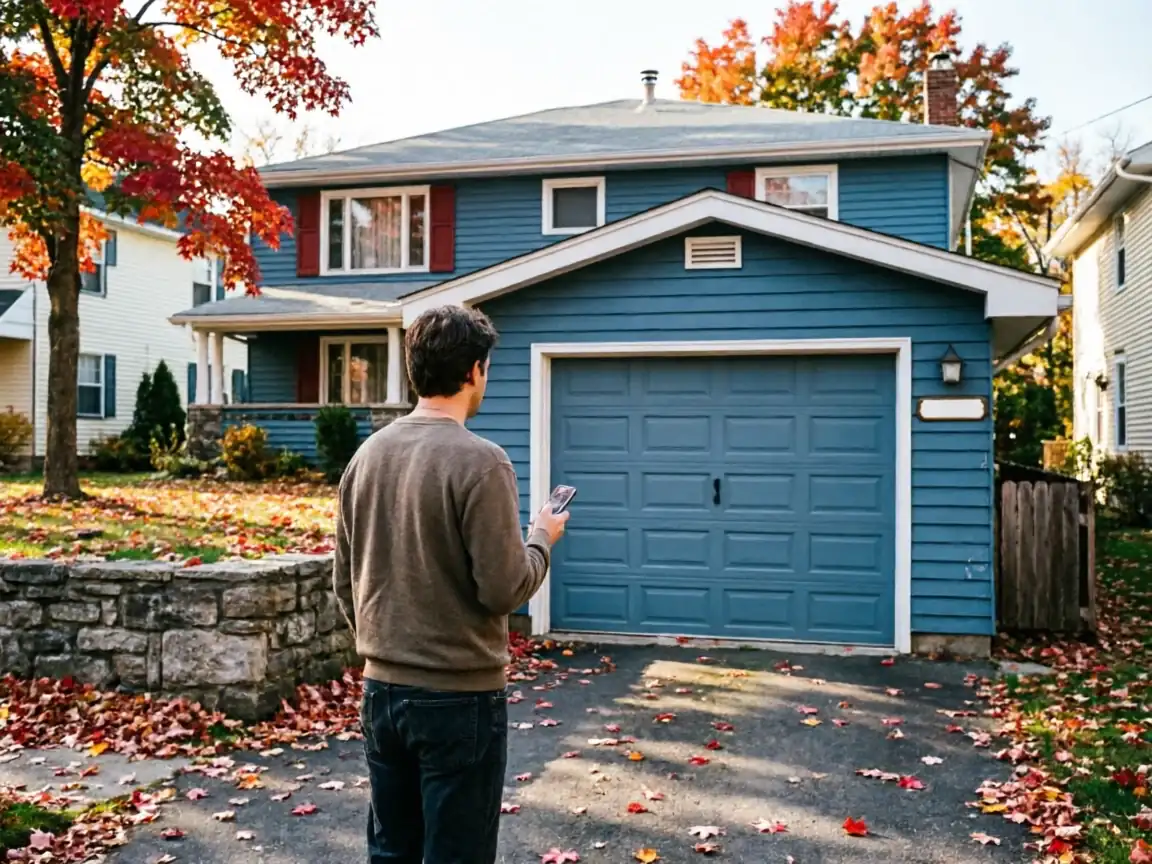
A lot of East Orange homeowners order an opener online, watch a video, and get most of the way through the job before hitting a wall literally
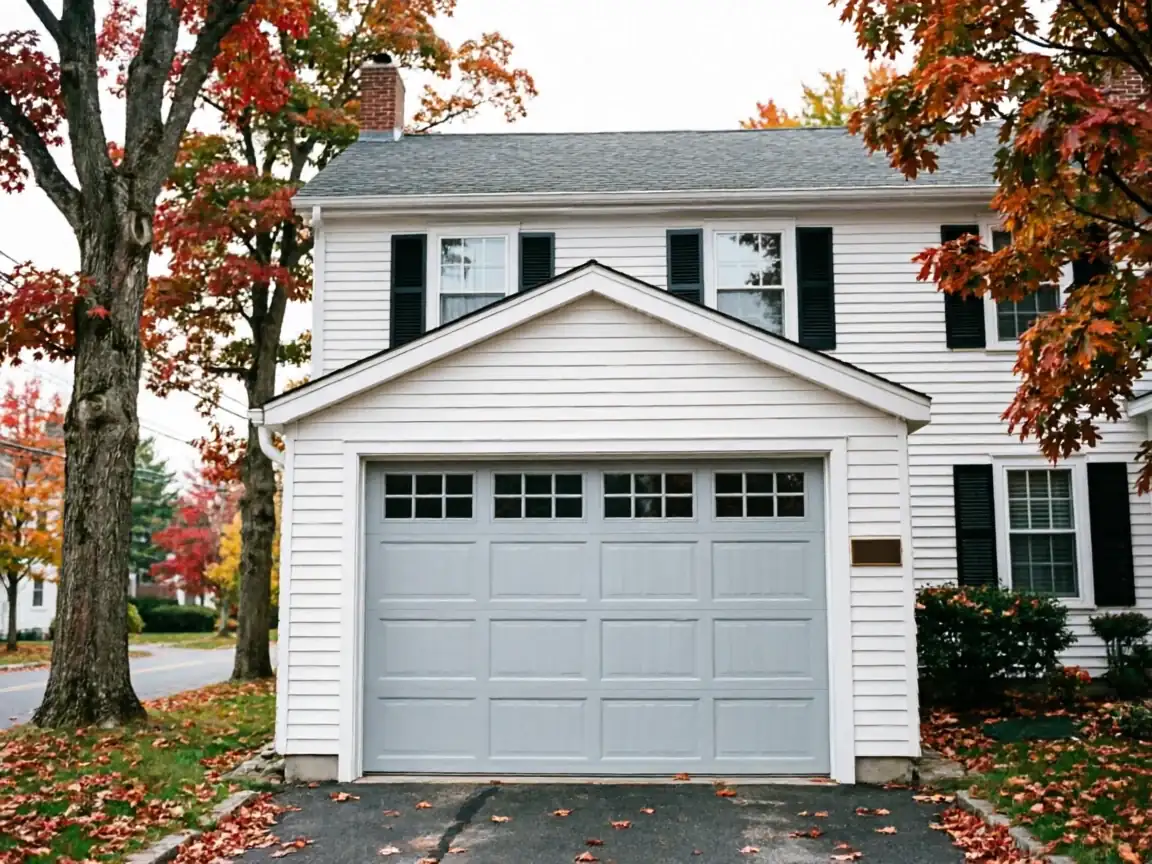
The median house here dates to 1957, and garages built in that stretch were framed for a manual door, not a motor. There's often no header clearance for a standard rail, no reinforced bracket point above the door, and the top panel on an old one-piece or early sectional door isn't built to take the pull of a chain or belt drive without extra bracing.
The kit you buy at a hardware store assumes a modern door and a modern frame
Neither is guaranteed in a garage built around the Eisenhower years. You can absolutely get an opener running yourself if your door and header are in decent shape. But if you find yourself improvising a bracket out of scrap lumber, or the rail won't clear the top of the door travel, that's the point to stop before you've mounted a motor on a frame that can't hold it long-term.
One honest limit: we don't install openers on doors that are structurally shot
If the panels are rotted or the track is bent from age, the opener isn't the fix, the door is.
How We Fix It
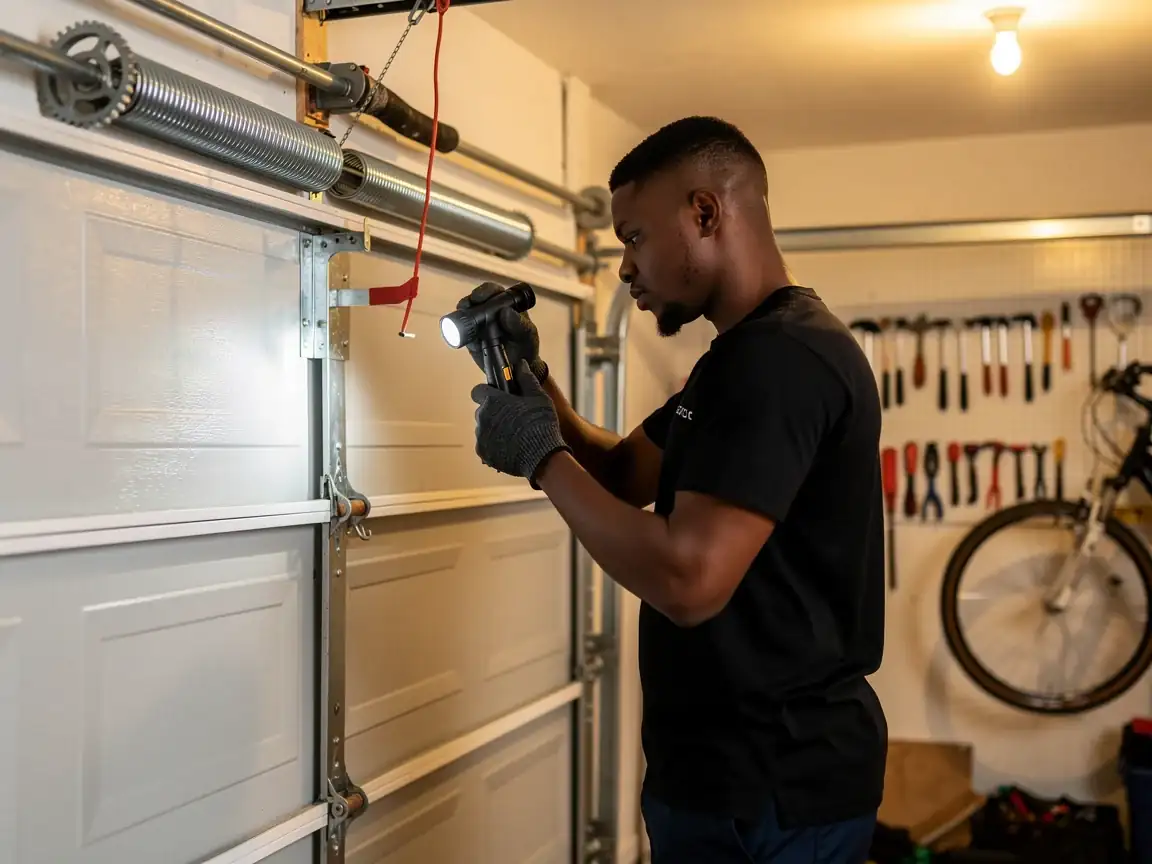
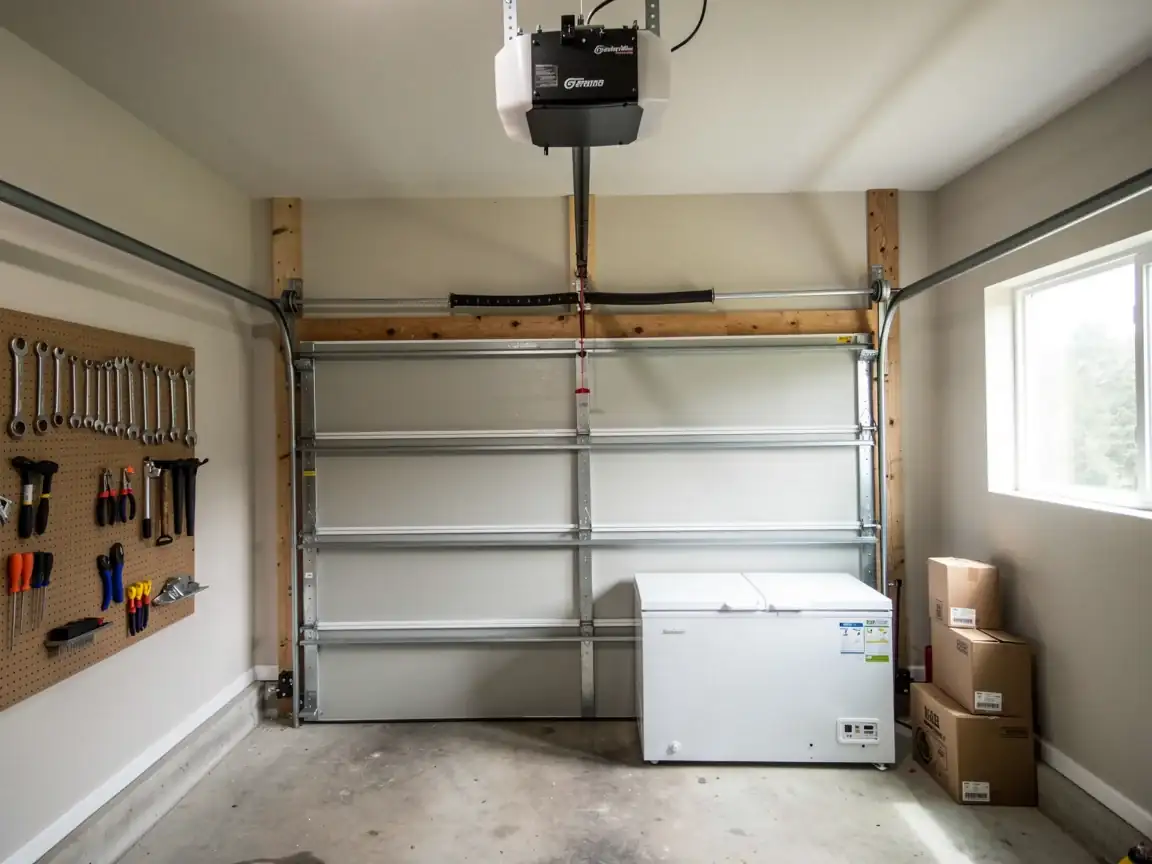
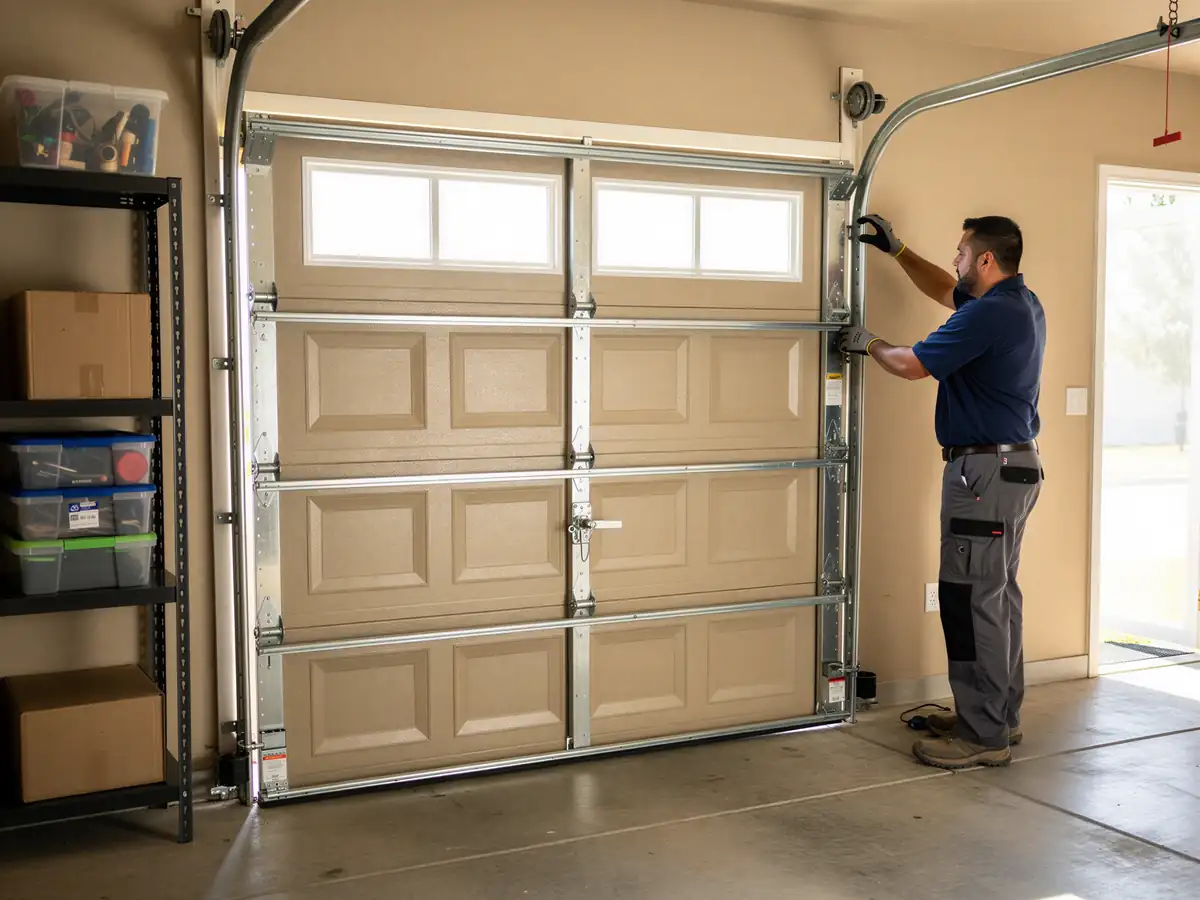
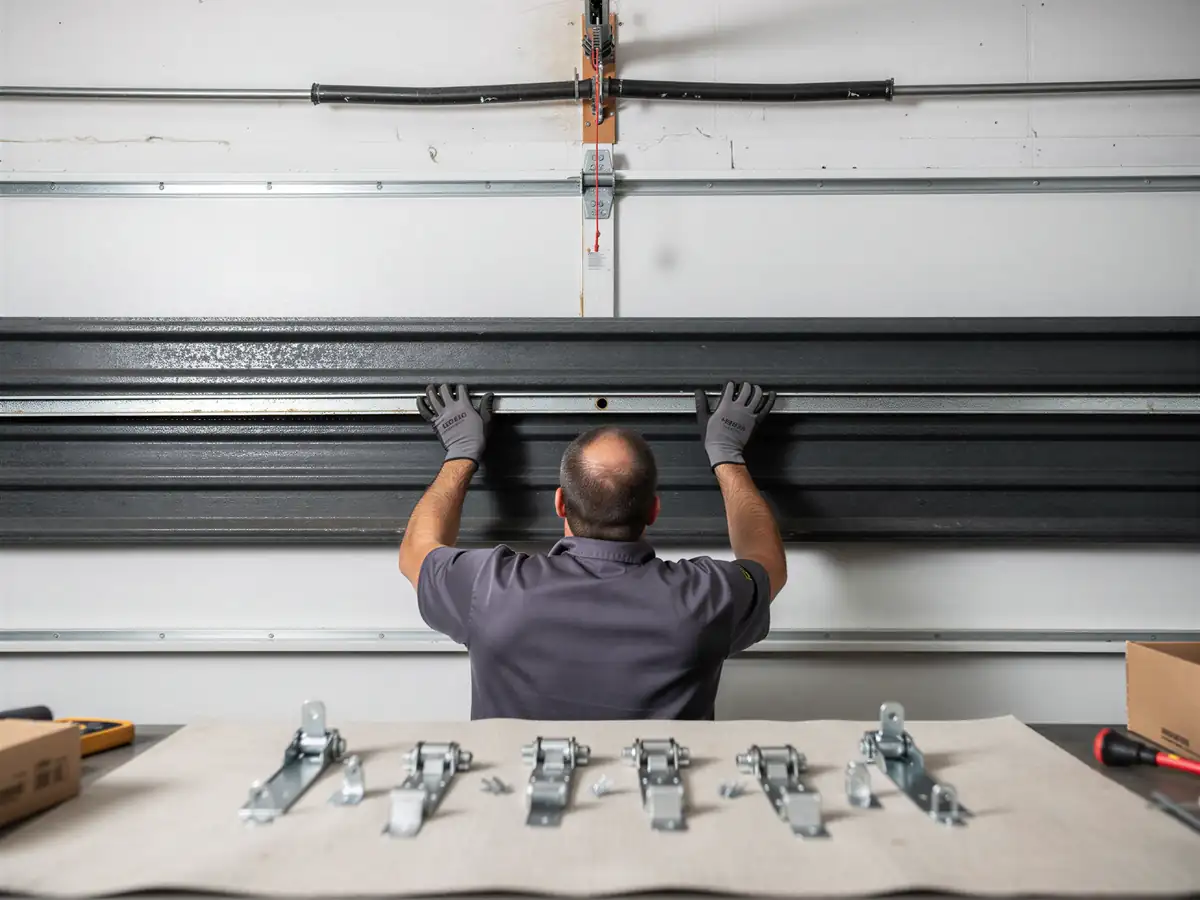
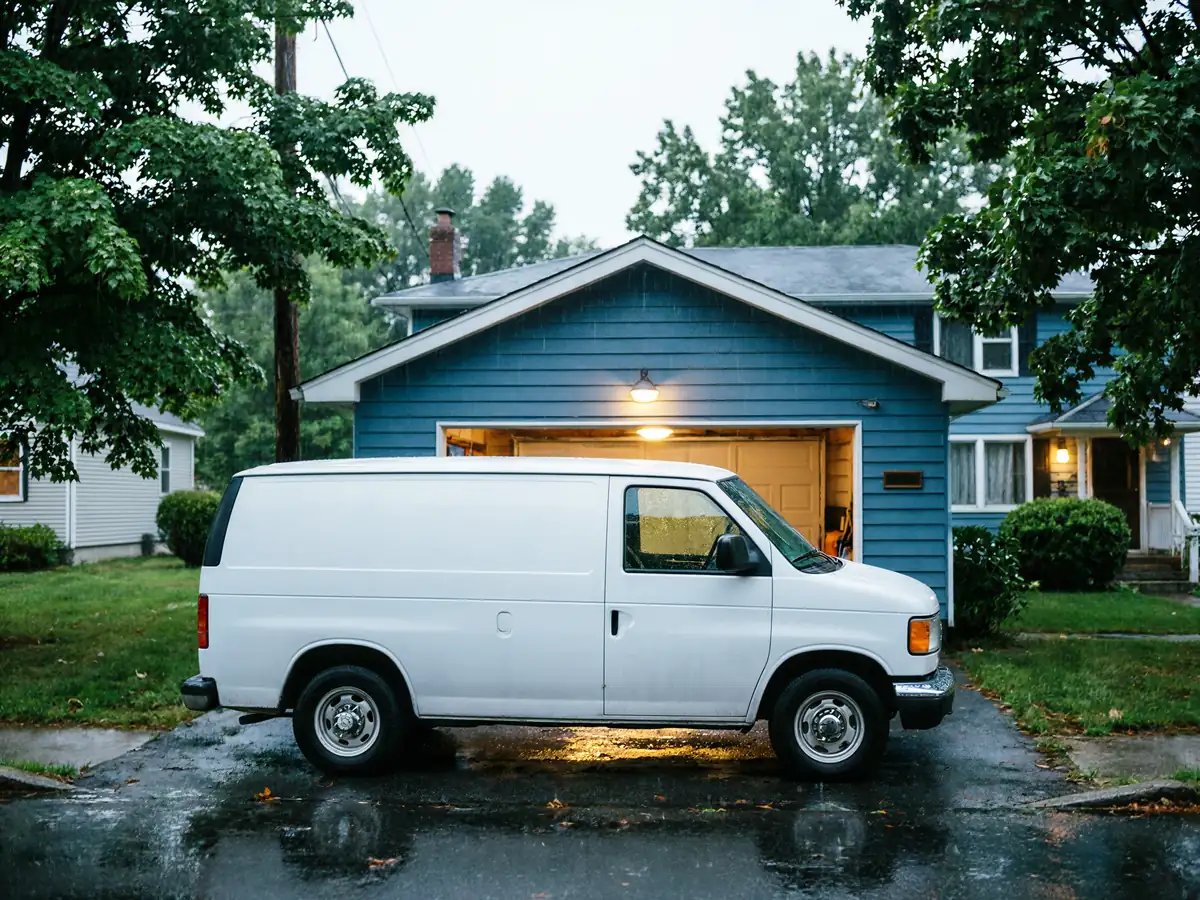
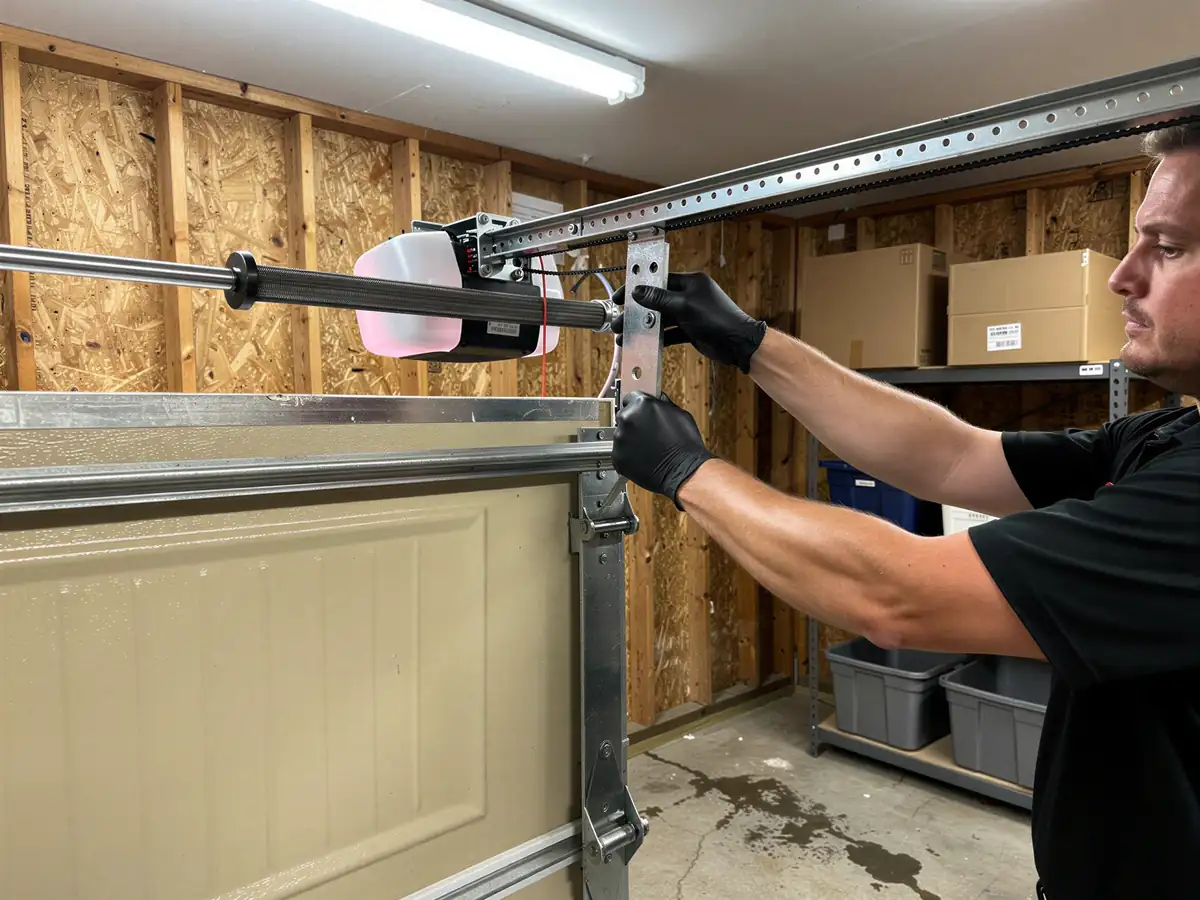
We come out from Newark, about 4 miles, and start by checking what the house actually has rather than what the kit assumes. On garages from the 1938-1996 build window that makes up most of this area's stock, that means confirming header clearance, checking whether the top door panel needs a reinforcement strut before the opener bracket goes on, and verifying there's a dedicated circuit instead of a shared outlet pulling double duty with a freezer or shop light.
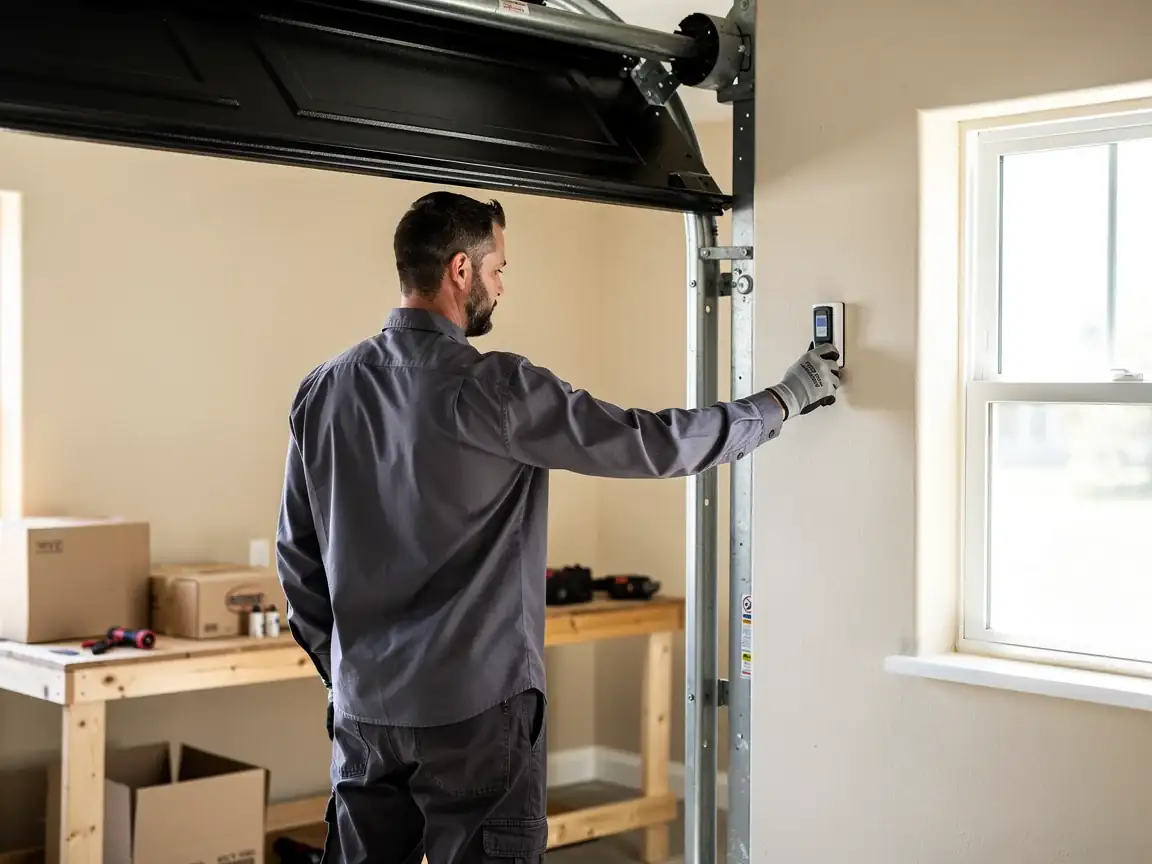
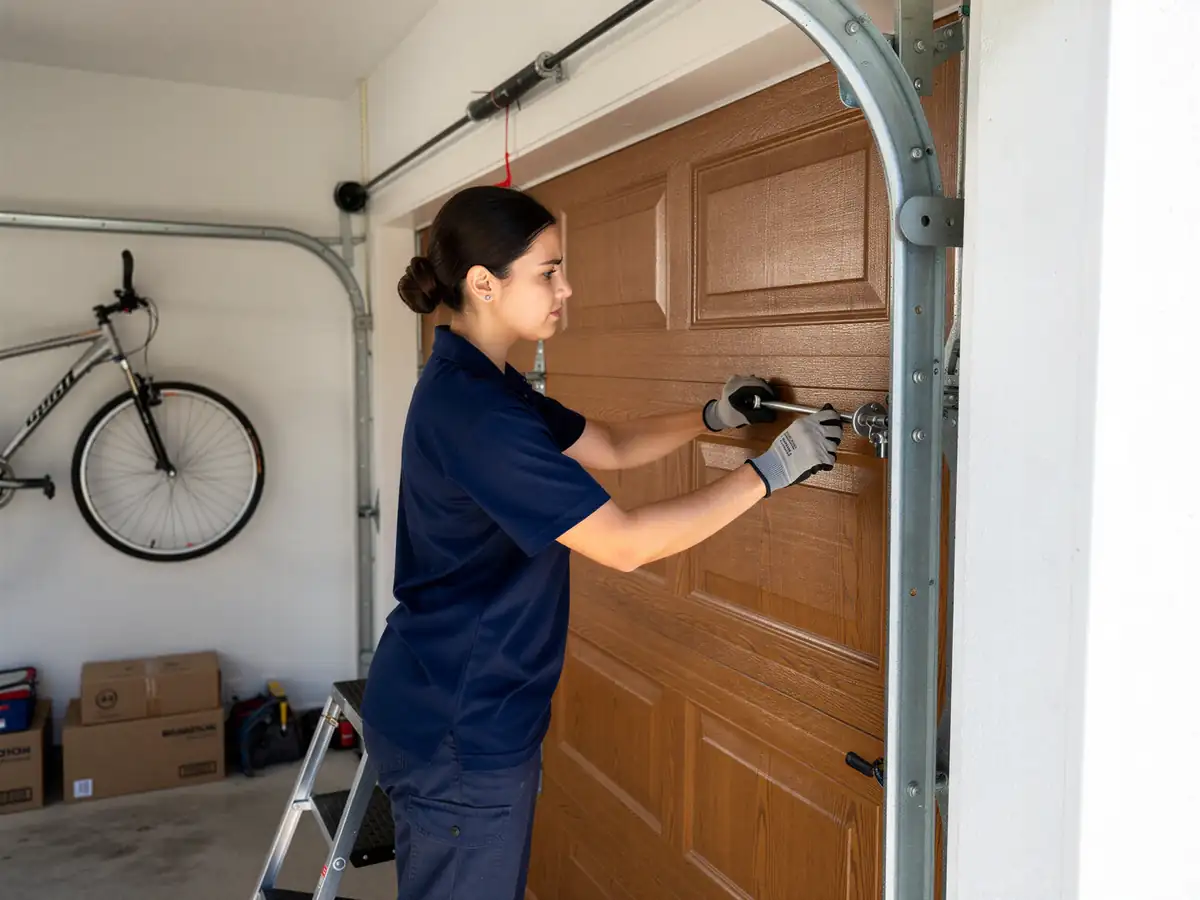
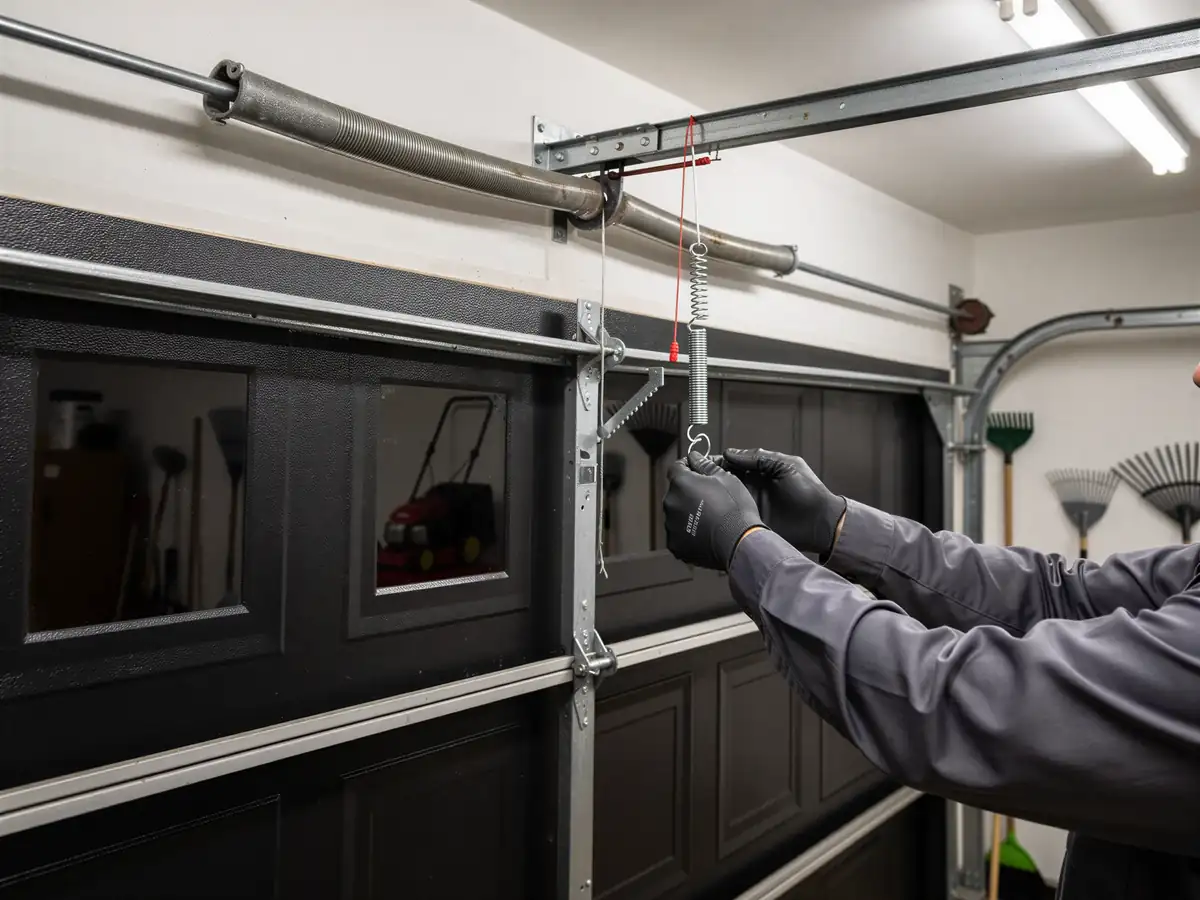
Once the door itself checks out, the install is mounting the rail, setting the travel limits so the door doesn't slam or stall short, wiring in the wall control and safety sensors at the code height, and testing the auto-reverse against a 2x4 laid flat on the floor, not just a visual check. In a cold-climate area like this one, we also set spring tension to account for a torsion spring that's already working harder in winter, since a weak spring will make even a new opener strain and burn out early.
We don't rush the reinforcement step. It's the part that gets skipped most often, and it's the reason openers fail at the bracket instead of the motor.
Why This Fails Locally
Two things stack against opener installs here that don't show up the same way in newer towns. First, the housing stock: a garage built when the house went up in the late 1950s was not wired with an opener in mind, so a lot of installs turn into a side conversation about running a new circuit, not just mounting a motor. Second, the climate. This is a cold-severe band, and cold doesn't just stiffen springs, it also slows the gears on a chain-drive opener and drains the backup battery faster than the spec sheet suggests, which matters if the opener you picked advertises battery backup as a selling point.
Median household income in East Orange runs lower than the wider service area average, and we see that reflected in the calls: more owners asking us to get a few more years out of an opener that's starting to grind rather than replace it outright, and more interest in a mid-range unit with manual reinforcement over a premium smart opener with features nobody on a 1957 door frame will use. That's a reasonable call in a lot of these houses. It just means the reinforcement work matters more than the opener brand.
Getting It Booked In
If your garage dates to around 1957 like most of the housing stock in this part of the service area
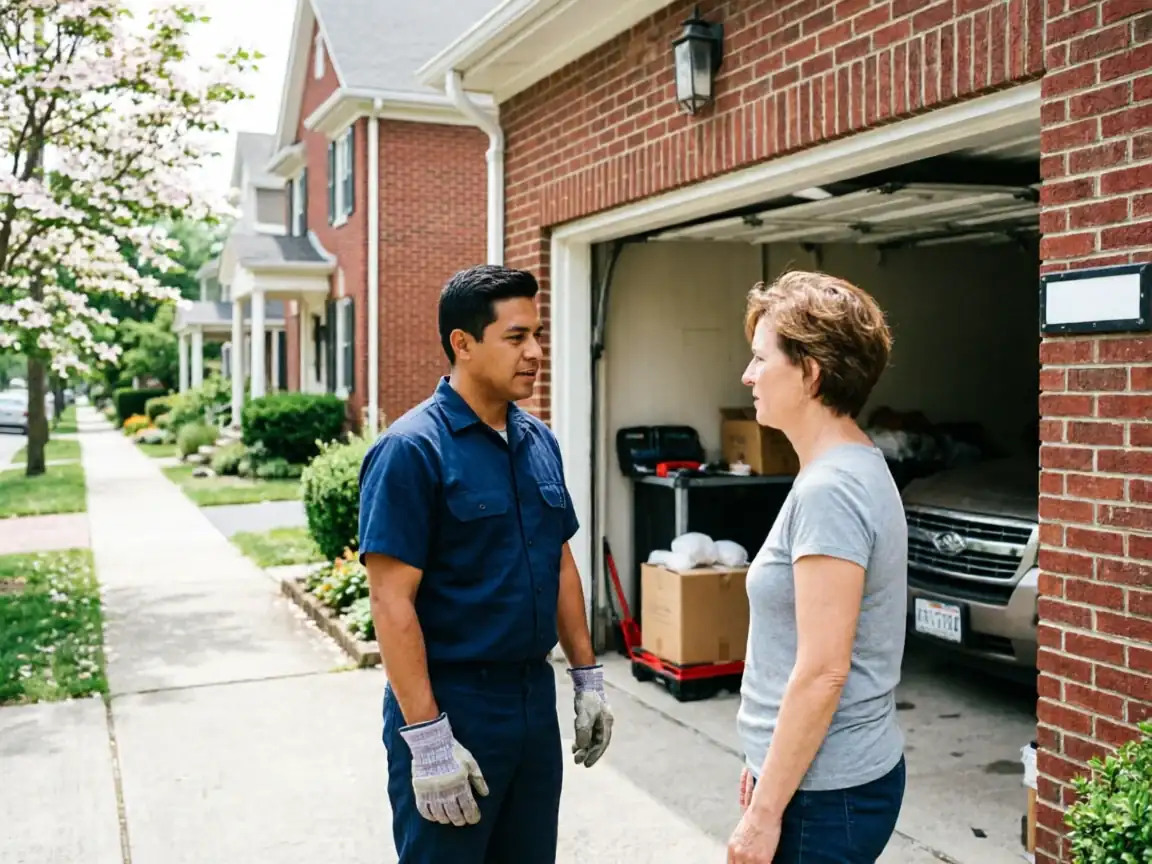
Tell us that up front when you call, along with whether the door already has an opener bracket or if this is a first install. That alone tells us whether to bring reinforcement hardware before we're standing in the driveway.
We travel out from Newark for East Orange calls
So there's no local branch to swing by, but the trip is short and routine for us. If you're not sure whether the issue is the opener or the door itself, our East Orange garage door service page covers the broader repair side. For the full rundown on opener models, features, and install options across the service area, see the Newark opener installation page.