Can You Do This Yourself
Most garages in East Orange went up around 1957
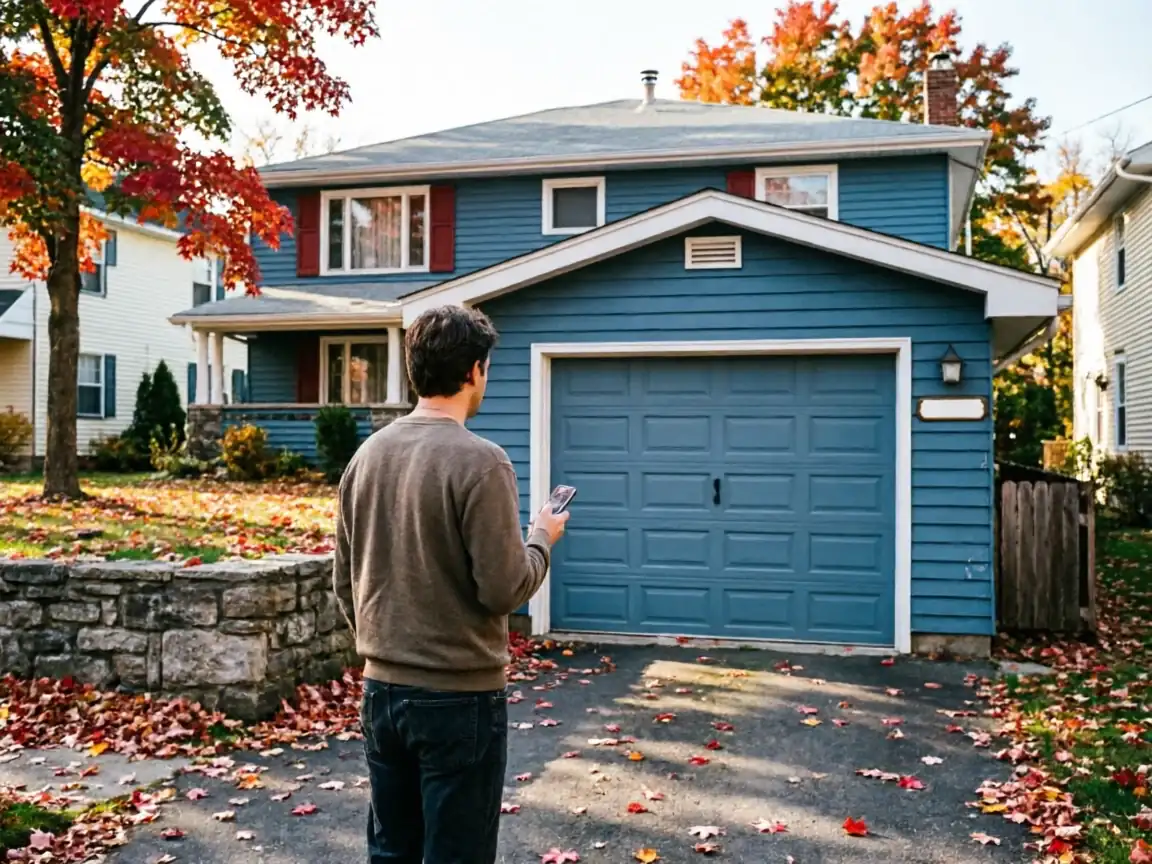
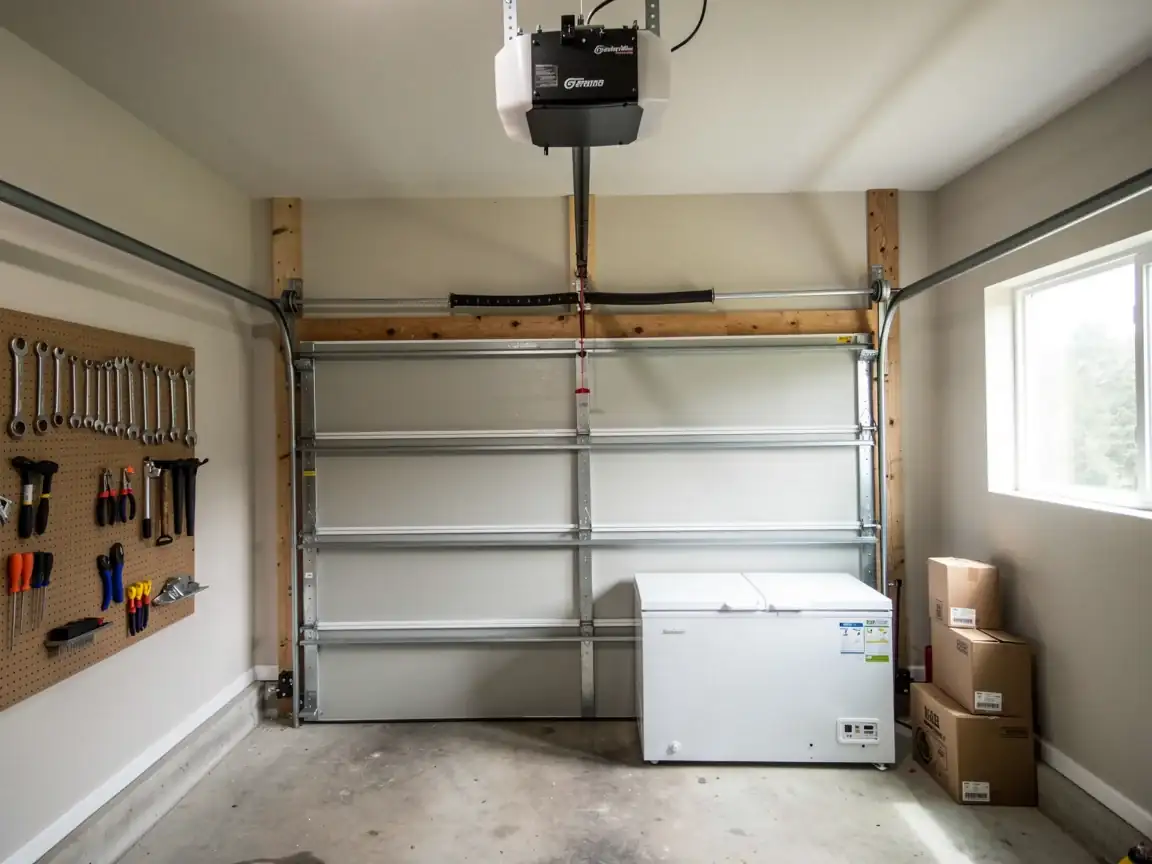
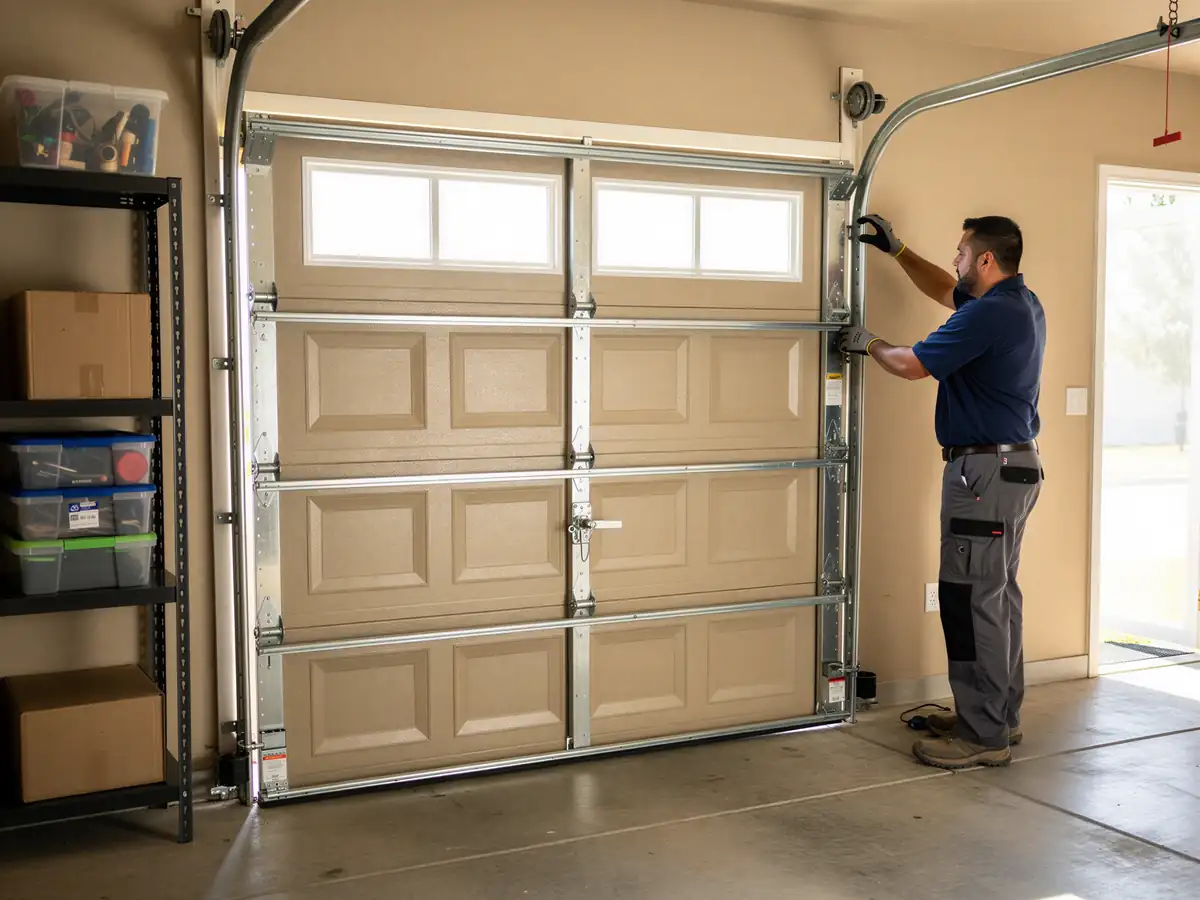
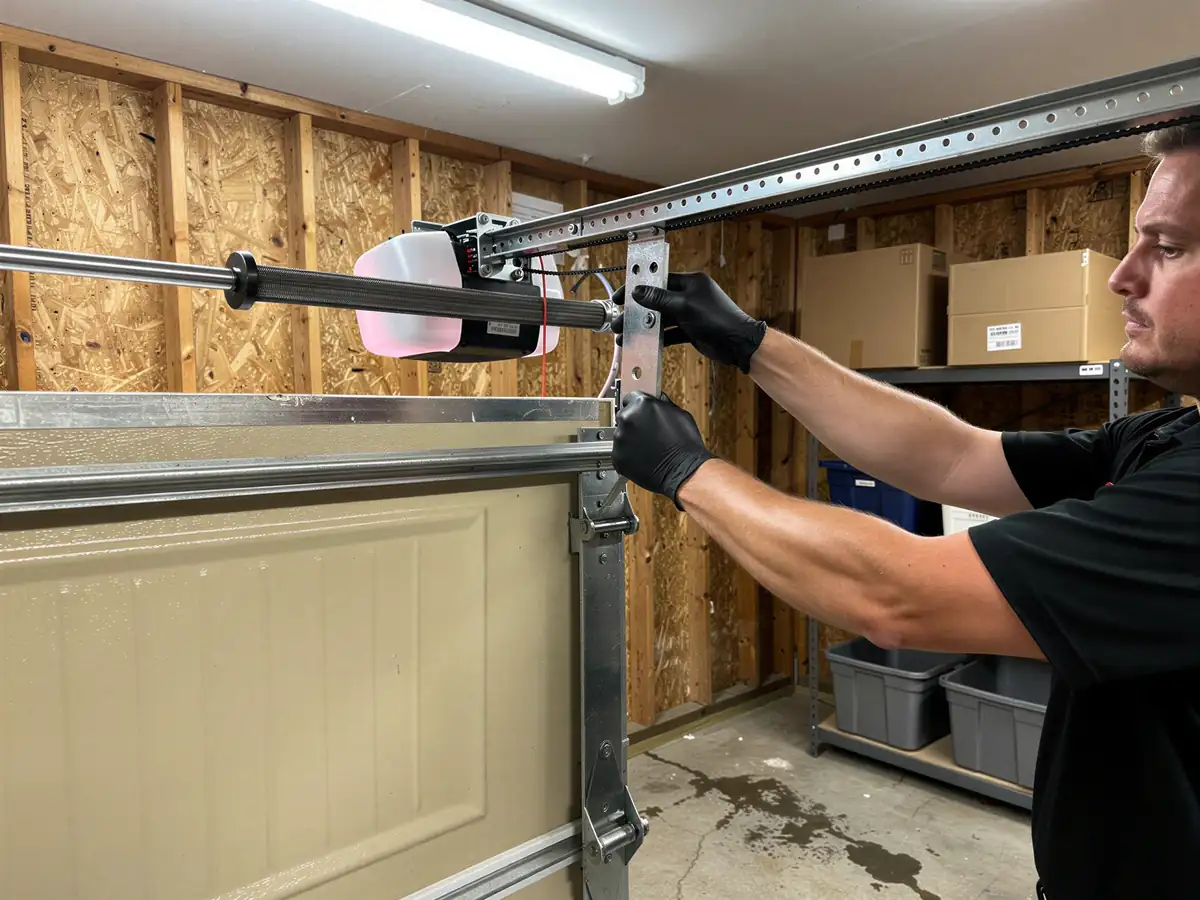
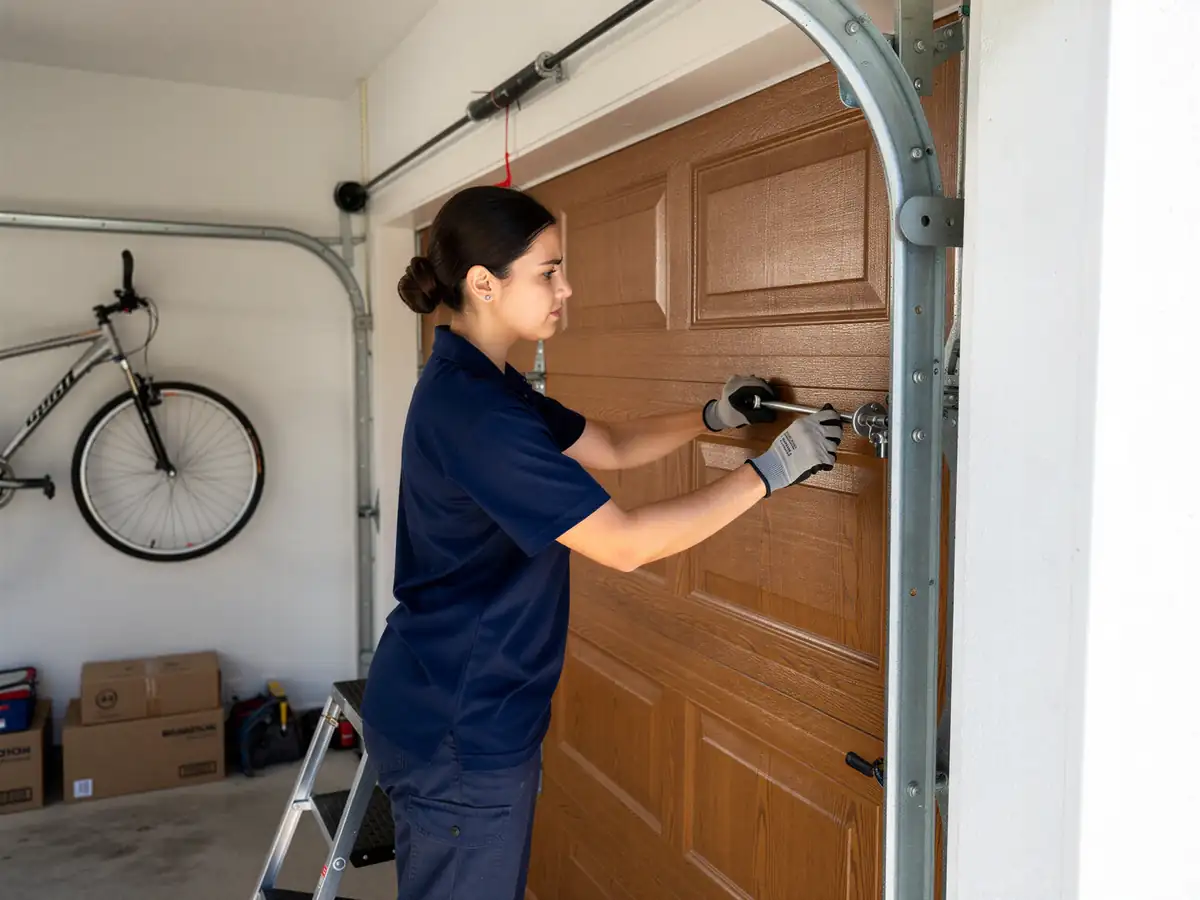
Back when a single-layer steel door on extension springs over plain C-channel track was the standard build. That hardware is simple compared to what goes into new construction, which is exactly why some of it is fixable with a wrench and patience. A loose track bracket, a dragging roller, a sagging bottom bracket bolt - those are reasonable DIY jobs if the door is still mounted straight and the springs aren't under tension when you work on them.
What isn't reasonable: the extension spring itself
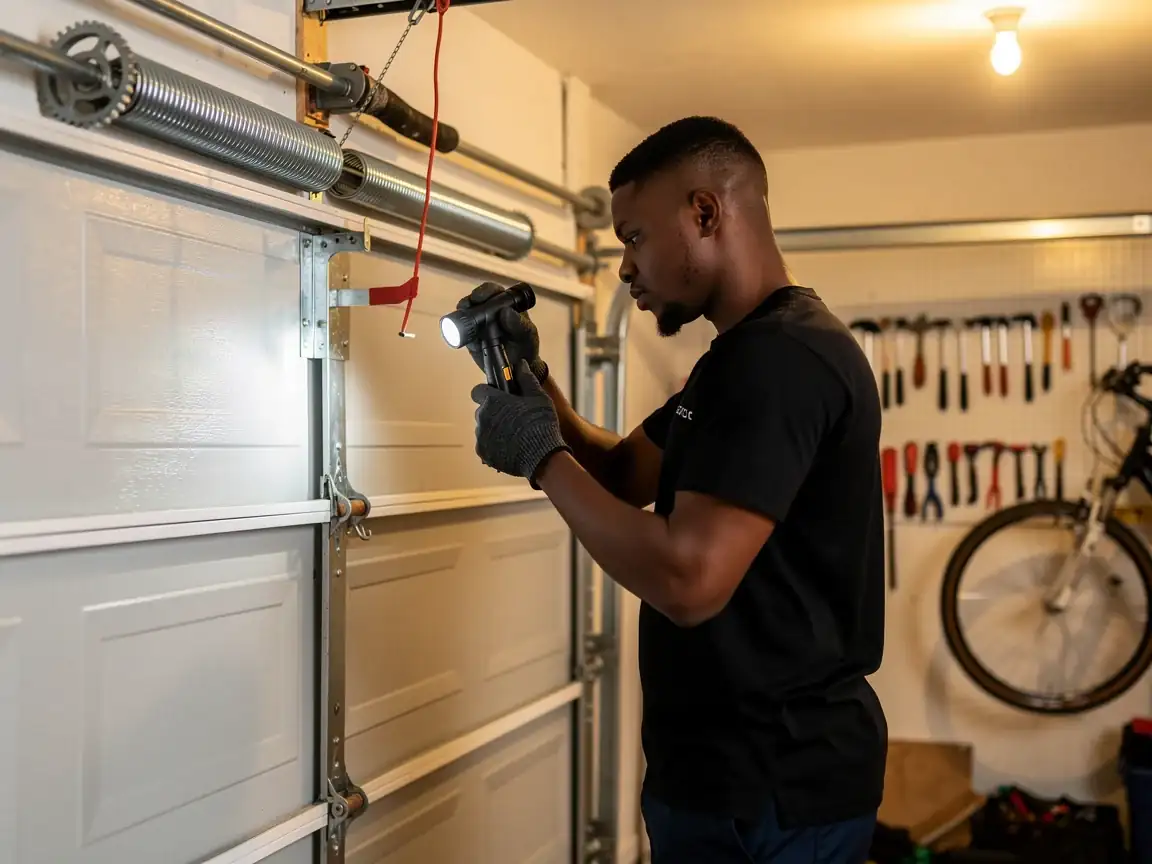
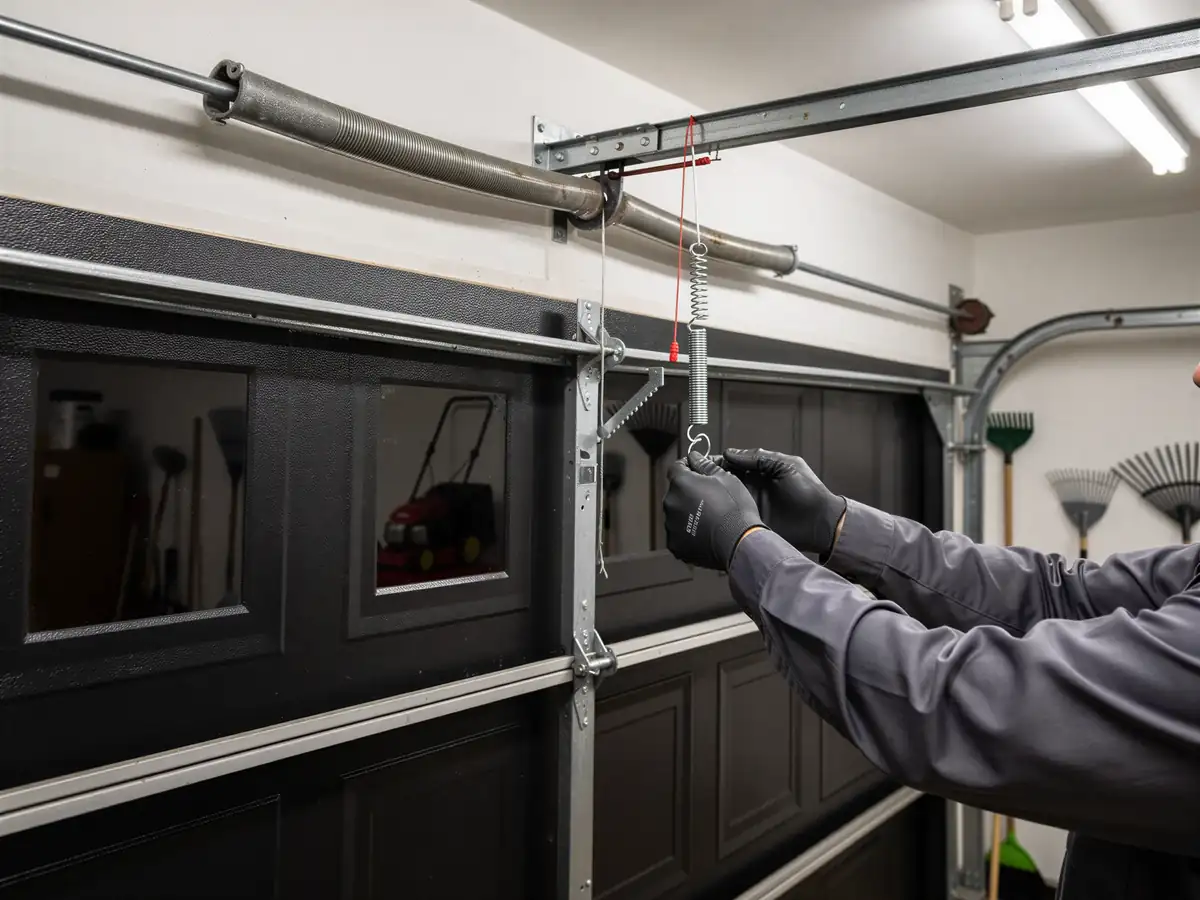
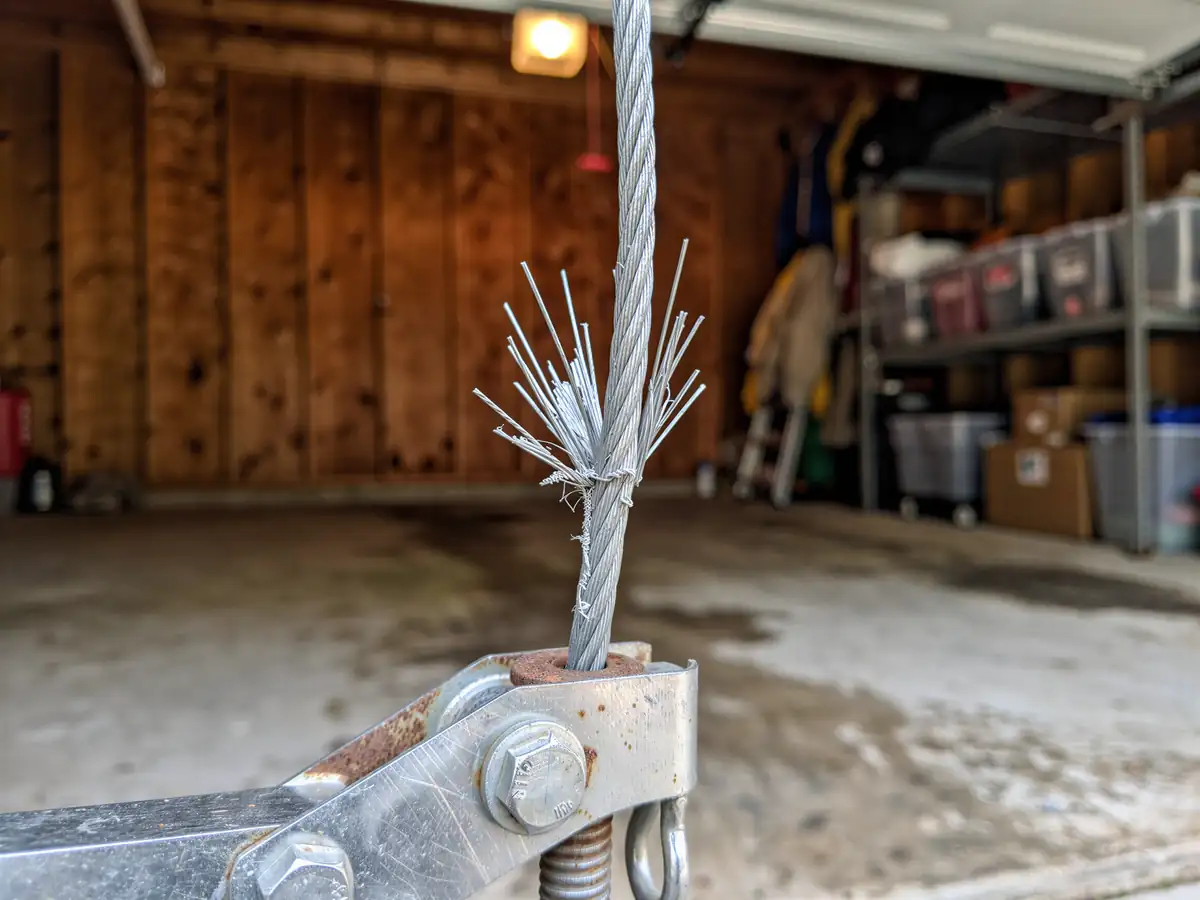
On a 1957-era door, those springs run bare along the horizontal track with no containment cable in most cases, because that safety feature wasn't standard then. A spring that lets go under load can whip the full length of the track. If the door won't lift, won't stay up, or one side hangs lower than the other, that's a spring or cable problem, not a lubrication problem, and it's not a weekend job.
We'll say plainly: we don't walk people through spring replacement over the phone
It's the one repair on these older doors where the margin for error is too thin to coach from a distance.
How We Fix It
On a door from the 1957 build era, the extension springs usually sit bare along the track rails rather than inside a torsion tube over the header, so the first thing we check is whether safety cables were ever retrofitted. A lot of these doors never got them. We add containment cables when we replace a spring, even if the original setup didn't have one, because leaving bare springs on an old single-layer door is how people get hurt.
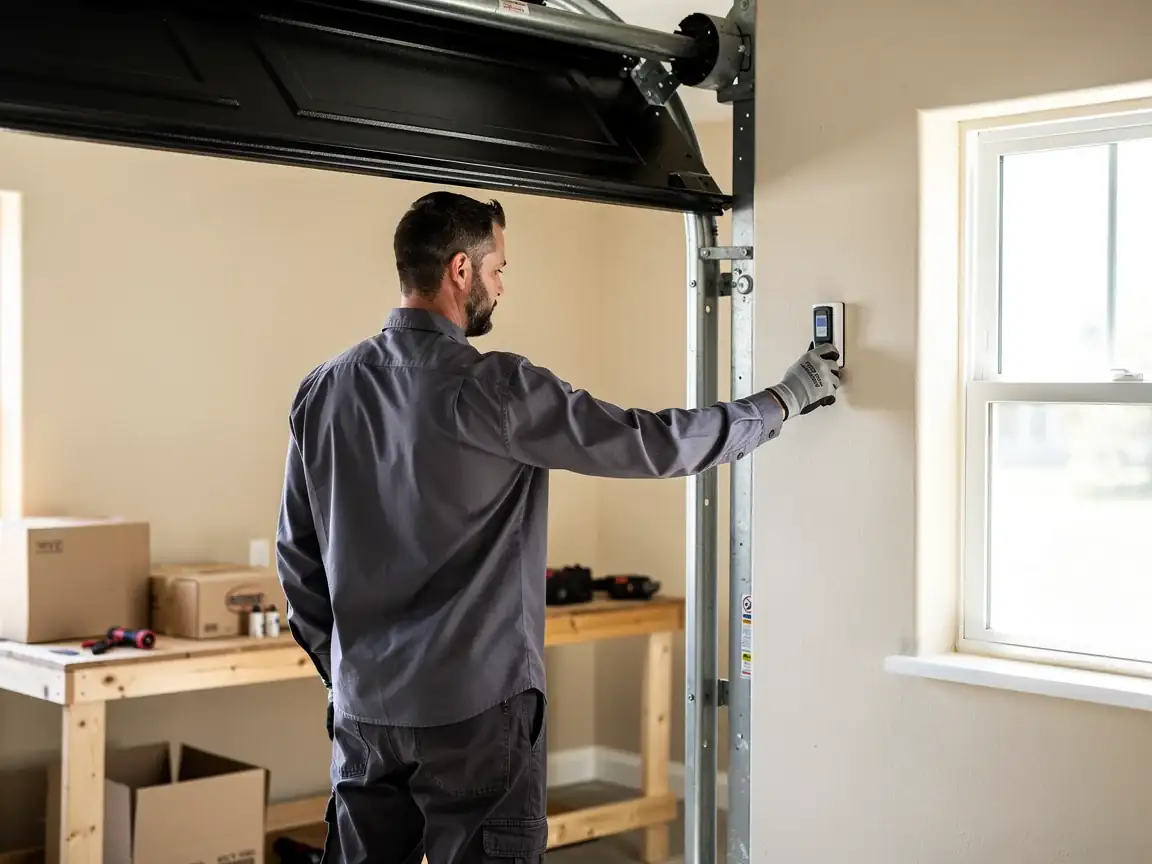
Track straightening comes up often on these houses too. Lightweight C-channel bends easily, and after six decades of use the mounting brackets have usually worked loose from the jamb. We re-anchor the track into solid wood rather than just tightening the same stripped holes, which is a longer fix but the only one that holds.
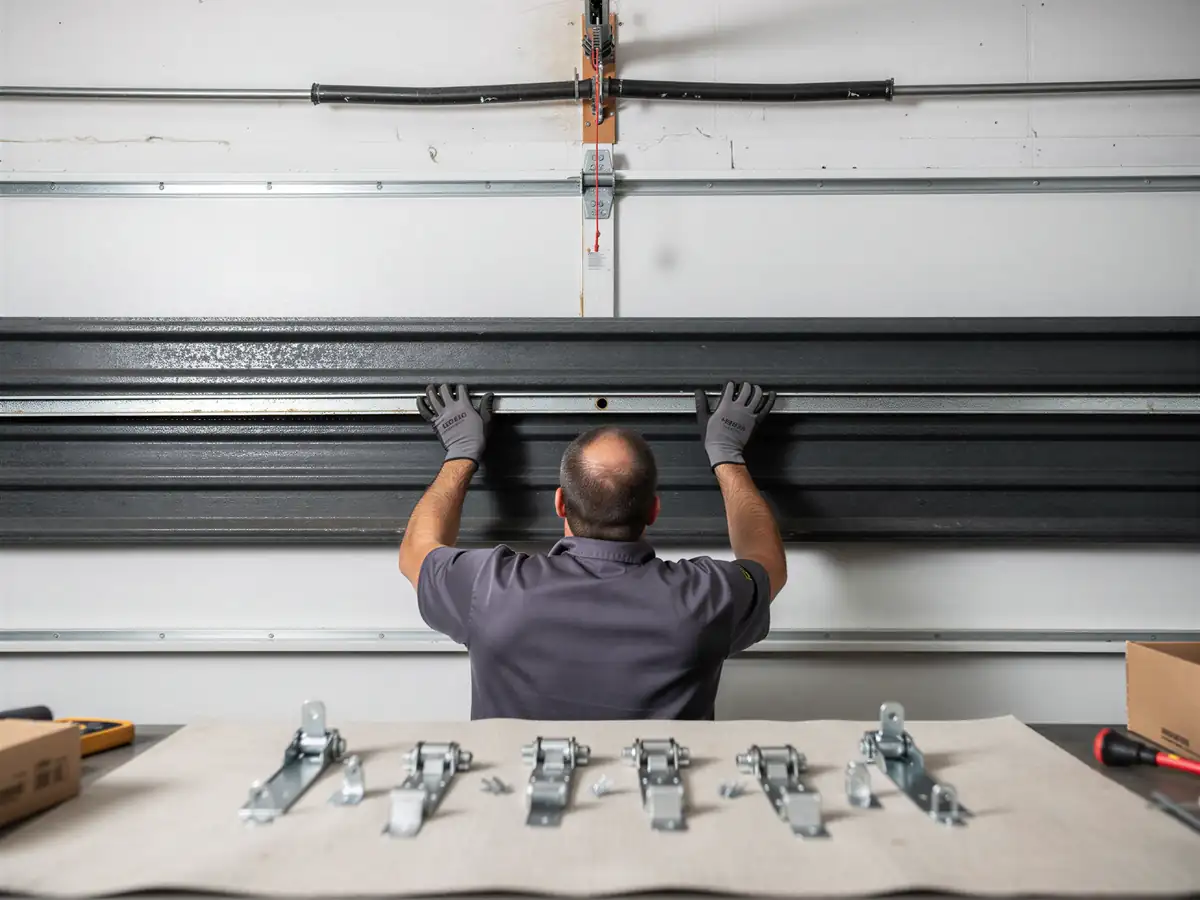
We carry stock for the roller and cable sizes that show up on this generation of door. Panels are a different story - a cracked or dented single-layer steel panel from 1957 construction often isn't a stock match anymore, and we'll tell you that up front instead of promising a part we'd have to special-order and mark up. On those, full door replacement is usually the straighter answer, and we'll say so rather than patch something that'll fail again in a year.
Why This Fails Locally
A door built to the 1950s single-layer standard, with no thermal break and bare steel skin, wasn't designed for the swings a cold-severe climate band throws at it over sixty-plus winters. Steel contracts hard in a deep freeze, and on an uninsulated panel that shows up as warped seams, stiff hinges, and springs that lose tension faster than they should.
East Orange runs roughly 28,188 households, a small slice of the service area's 1,193,552, but the housing age here tracks close to the area-wide pattern of mostly pre-1960 stock. What's different locally is income: median household income in East Orange sits at $59,872, against a service-area median of $120,958. That gap matters for repair decisions - we see more owners here choosing a targeted spring or track fix over a full door swap, and on a door this age that's often the right call anyway, since the frame and header are usually still sound even when the skin isn't.
The failure pattern we see most is springs that were never upgraded with containment cable paired with track brackets pulled loose from repeated freeze-thaw cycling on the jamb wood. Neither is visible from the driveway. Both are common on a street built out in a single year like 1957.
Getting It Booked In
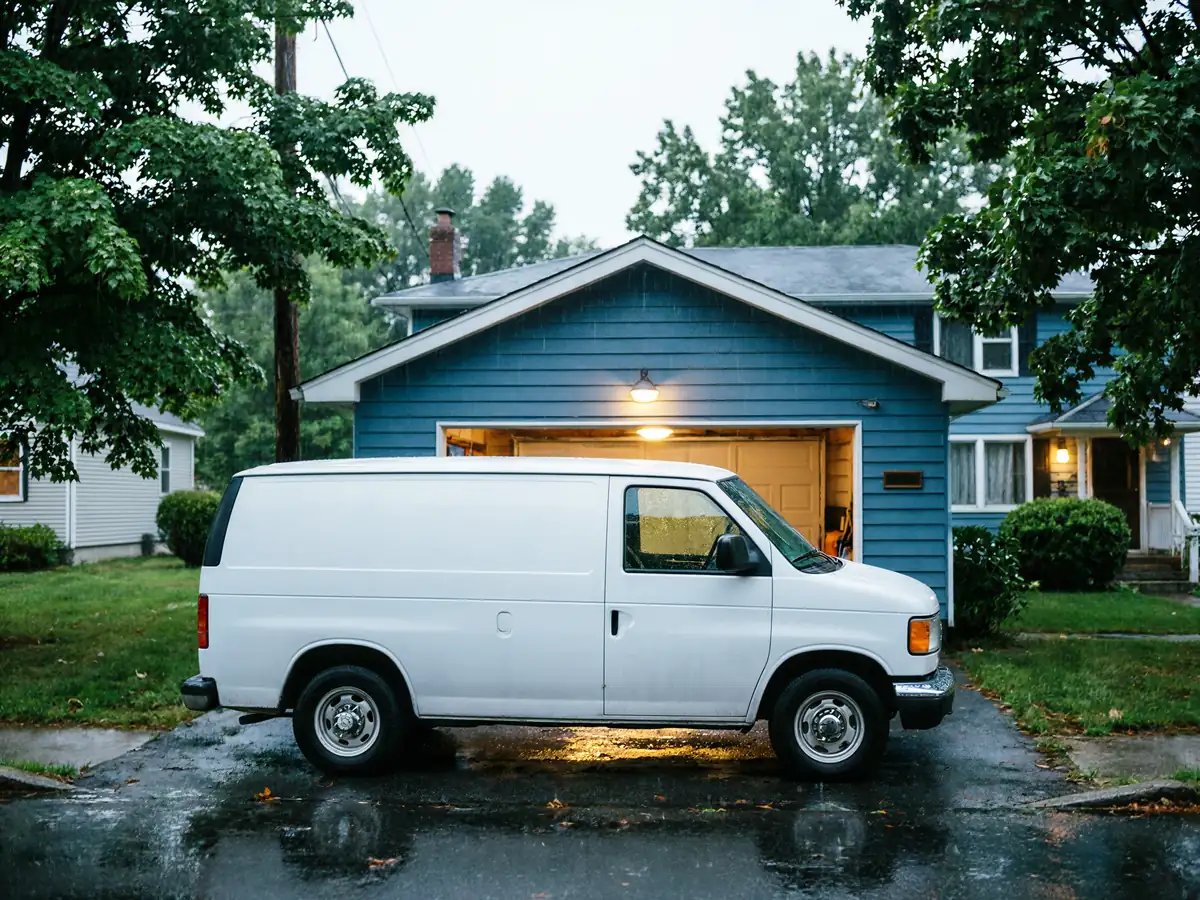
We work East Orange out of our Newark base, four miles down the road
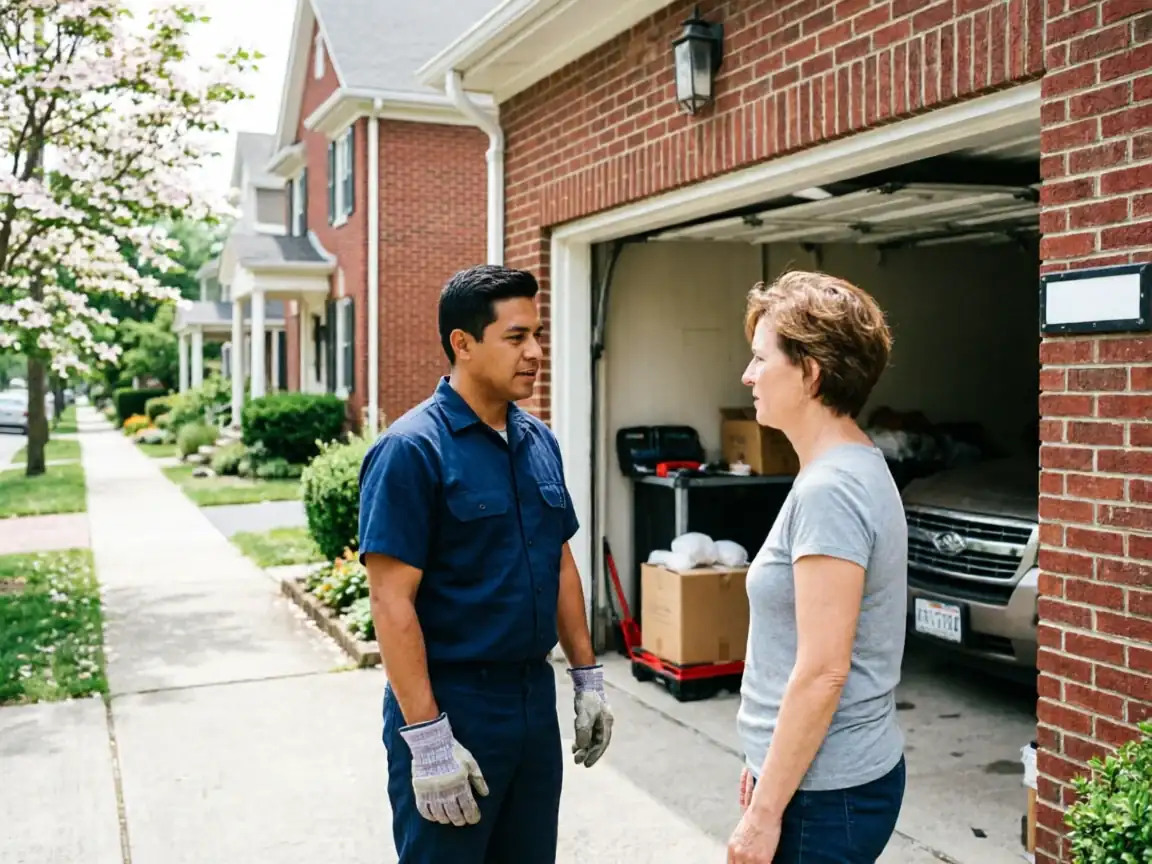
So there's no local depot or branch to mention - just a truck making the short drive for the call. Tell us the door's behavior when you call: whether it's stuck, uneven, noisy, or won't respond to the opener at all. That narrows down whether we're bringing spring stock, track hardware, or opener parts before we even arrive.
If your house was part of the 1957-era build-out common to this part of town, mention that too
It tells us to expect bare extension springs and C-channel track rather than the torsion setups more common on newer construction, and we'll come prepared with the right parts instead of guessing on-site.
We don't carry replacement panels for every discontinued steel profile from that era
So if your door's skin is cracked or badly dented rather than just out of adjustment, we'll be upfront on the phone about whether repair or replacement makes more sense before you book a truck roll for nothing.